
REVIEW · MOSHI
7 Days Safari. Serengeti, Tarangire, Lake Manyara & Ngorongoro Crater.
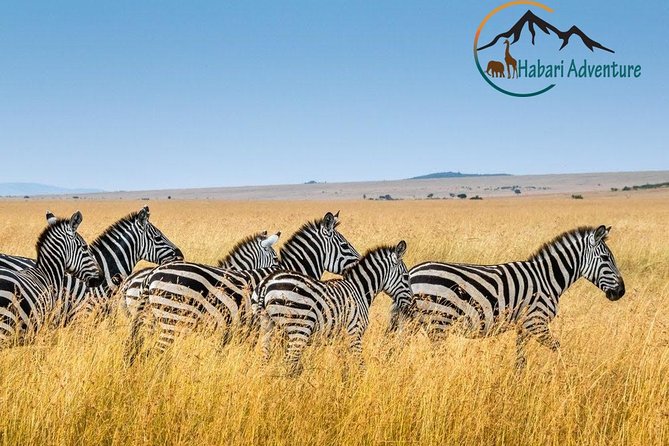
The wild heart of Tanzania fits into seven busy days. This private safari links Tarangire, Serengeti, Ngorongoro Crater, and Lake Manyara, giving you a strong first look at northern Tanzania’s wildlife, scenery, and changing habitats. You spend three nights around the Serengeti, which is the right call for a park this large.
I especially like the excellent guide reports, with Michael, Hillary, Steve, and Shirima repeatedly praised for sharp animal spotting, safe driving, and patient explanations. I also like the balance between famous wildlife parks and smaller details, from Tarangire’s baobabs to flamingos at Lake Manyara. The main drawback is the pace: long drives and early starts are part of the bargain, and the itinerary gives you only a few hours in Tarangire and Lake Manyara.
The safari at a glance
- Three Serengeti days: More time improves your odds of seeing lions, leopards, elephants, and other predators in a huge park.
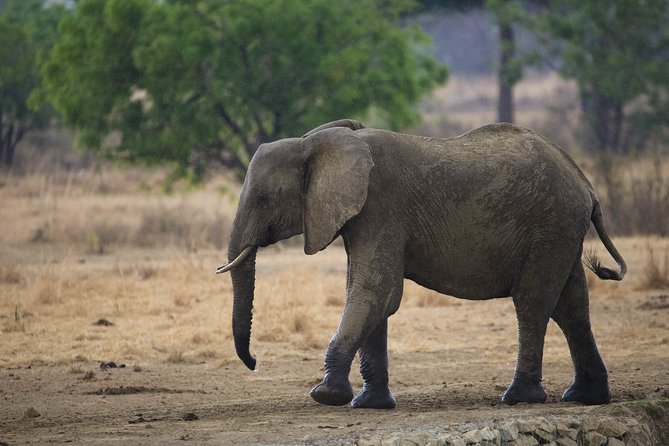
- Tarangire on day one: Expect elephants, giraffes, baobab trees, and wildlife around the Tarangire River.
- Ngorongoro at high altitude: The crater rim can be cold and windy, so pack a warm hat and light gloves.
- Private touring: Only your group takes part, allowing more room for questions and some flexibility.
- Meals included: The package includes six breakfasts, seven lunches, and six dinners.
- Strong guide reputation: Michael, Hillary, Steve, Shirima, and other Habari guides are praised for animal knowledge, care, and safe driving.
Four parks, four very different moods
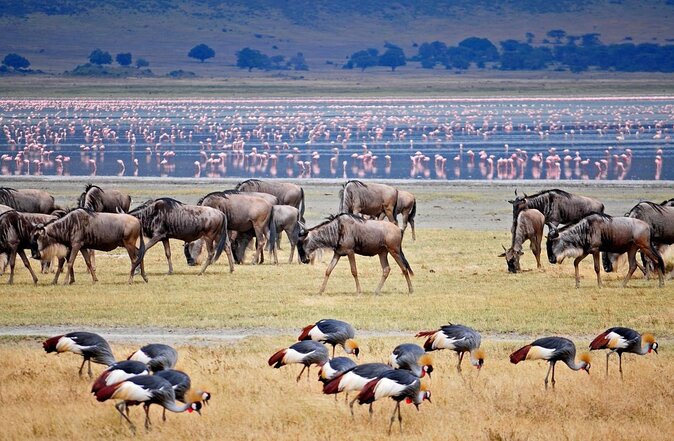
This safari works because each park offers something different. Tarangire is known for elephants and giant baobabs. The Serengeti gives you wide-ranging wildlife and predator sightings. Ngorongoro packs a remarkable number of animals into an enclosed crater, while Lake Manyara finishes the trip with birds, flamingos, and a Rift Valley setting.
At $1,850 per person, the price includes park-related fees, fuel surcharge, parking, transport, Wi-Fi in the vehicle, and all listed meals. That makes the cost easier to judge than a bare tour price. You are paying for seven days of private transport and guiding, several major national parks, and accommodation in a campsite, lodge, or tented camp.
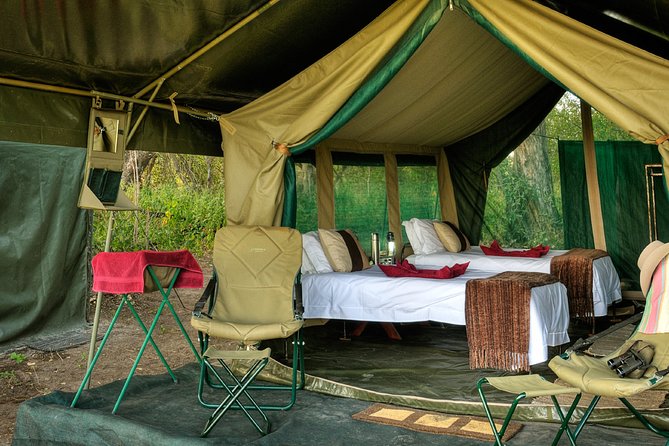
The exact accommodation level matters. The itinerary uses flexible wording rather than naming every property, so ask for the accommodation list before booking. That one question will tell you far more about the final value than the headline price.
More Ngorongoro Crater Safaris in Moshi:
- 5 Days Camping Tarangire, Serengeti & Ngorongoro crater & Visiting Maasai
★ 5.0 · 58 reviews - 4 Days Group Joining Camping Safari to Tarangire Serengeti Ngorongoro Crater
★ 5.0 · 50 reviews - 3-Day Ngorongoro Crater Manyara and Tarangire Safari from Arusha
★ 5.0 · 49 reviews
Day 1: Elephants and baobabs in Tarangire
The safari begins with an early pickup, listed at around 6 a.m., followed by a three to four-hour drive to Tarangire National Park. The long road transfer is worth knowing about in advance. This is not a gentle first morning with a late breakfast. You will be on the move early.
Tarangire is a fine opening park because it has a clear visual identity. The Tarangire River draws animals from the surrounding area, and the park is especially noted for large numbers of elephants and giraffes. Giant baobabs give the park a sculptural look that feels very different from the Serengeti plains.
You spend about three hours on the game drive, with a boxed lunch inside the park. That is enough time for a useful introduction, but it is not a full day of wildlife watching. If elephants are high on your list, this first stop should be rewarding. If you want a slower visit, ask if the timing can be adjusted, though the supplied plan gives you a fairly tight schedule.
The evening brings your first overnight at a campsite, lodge, or tented camp. Since the accommodation category is not fixed in the details provided, confirm what type of room or tent you will receive and whether it has private facilities.
Days 2 to 4: Giving the Serengeti enough time
Day two takes you toward the Serengeti through the Ngorongoro Conservation Area highlands. The route does not take you down into the crater yet. You should expect another three to four hours of driving before the first Serengeti game drive.
That arrangement is practical. Instead of spending the whole day on a transfer, you begin looking for animals after reaching the park and continue until evening. Dinner and the overnight stay are inside the Serengeti, which saves you from driving back out after your first major wildlife day.
The Serengeti is enormous, and one short visit can feel frustratingly brief. This itinerary gives you two further full days, which is one of its strongest features. On day three, you leave after breakfast for a full-day game drive, carry a lunch box, and travel farther from camp. The plan allows around ten hours, so you have time to cover more ground.
A full day also gives your guide more chances to read animal behavior. You might spend time watching a pride of lions, scan trees for a leopard, or stop for a quieter view of grazing animals. One particularly memorable sight reported from this safari is a leopard in a tree with a kill. Encounters like that depend on timing and luck, but extra hours help.
Day four begins with a morning game drive. This is when predators may be active, and the itinerary specifically focuses on lions and other hunters. You then spend another full day in central Serengeti, with the night again inside the park.
Three Serengeti nights are a major reason to consider this trip. You are not simply rushing in for a single afternoon. You have repeated chances in the same broad area, and your guide can use local conditions and recent sightings to decide where to go.
Still, the Serengeti days are demanding. A ten-hour game drive means a lot of time in a vehicle, with rough sections possible on park roads. If you prefer short outings and long afternoons at camp, this schedule may feel too full. If wildlife is your main reason for visiting Tanzania, the long hours make sense.
The guide can shape the experience. Michael is praised for explaining animals and nature with clear enthusiasm. Hillary is praised for safe driving, patience, and finding wildlife that less experienced guides might miss. Steve and Shirima have also been singled out for their animal identification and ability to make the Serengeti feel more understandable.
Day 5: From the Serengeti toward Ngorongoro
After another morning of wildlife viewing, you leave the Serengeti and return toward the Ngorongoro Conservation Area. The planned driving time is about an hour, with around four hours devoted to exploring and viewing animals.
This day helps connect two very different parts of the safari. You are still watching wildlife, but the setting changes as you approach the highlands and crater area. The Ngorongoro Crater is a huge unbroken caldera, and the wildlife population on its floor includes large numbers of grazers and carnivores.
Overnight stays are not permitted inside the crater. Accommodation is outside it, often near the rim, and this is important when setting expectations. You will not wake up on the crater floor. Instead, you stay at altitude and descend the next morning.
The altitude is about 7,500 feet, or 2,286 meters. The crater area can be cold and windy, especially in the evening and early morning. Bring a warm layer, a knitted cap, and light gloves. It is easy to pack for tropical Africa and forget that the crater rim can feel chilly.
More Safaris in Moshi:
- 4 Days Game drives Safari Tarangire, Serengeti and Ngorongoro Crater
★ 5.0 · 14 reviews - 4 Days Safari Tour at Tarangire, Serengeti and Ngorongoro Crater
★ 5.0 · 7 reviews - 3 Days Camping Safari Tarangire, Lake Manyara and Ngorongoro Crater
★ 4.5 · 6 reviews - 7 Days Rhino Ngorongoro Crater Safari Tour
★ 5.0 · 5 reviews
Day 6: Down into Ngorongoro Crater
The sixth day starts early, with a descent of about 600 meters to the crater floor. The crater is a UNESCO World Heritage Site and one of Africa’s most celebrated natural sights. Its enclosed shape makes it possible to see a striking concentration of wildlife within a relatively compact area.
The planned crater visit lasts about six hours. That is enough for a substantial game drive, with time to look for lions, grazers, and possibly the endangered black rhino. No wildlife sighting is guaranteed, but the crater’s setting gives this day a different feel from the wide-open Serengeti.
The early start has two advantages. You reach the crater before the day becomes too warm, and you have more time for wildlife before returning to the higher area. The trade-off is simple: sleep late and you miss part of the best viewing window.
The itinerary lists an overnight at Heaven Nature Campsite. Confirm the exact accommodation details when booking, since other nights are described more generally as campsites, lodges, or tented camps. Dinner and breakfast are included, as is lunch unless the schedule uses a brunch arrangement.
Day 7: Lake Manyara and the road back
Your final park is Lake Manyara National Park, reached after a morning drive from the Ngorongoro area. You spend roughly four to five hours in the park before the four-hour return toward Moshi or the airport.
Lake Manyara lies within the Great Rift Valley and offers another change of scenery. The soda-ash lake attracts waterfowl, migrants, and flamingos, while the park is also associated with tree-climbing lions. You may not see lions in trees on every visit, but the possibility gives the park a distinctive appeal.
This is also the strongest bird-focused portion of the safari. More than 400 bird species have been recorded in the park, including many water birds and migrants. If you enjoy birds, bring binoculars and allow yourself time to watch the lake edges instead of treating the stop as a quick box to tick.
The final day is useful but tiring. After several long safari days, four to five hours in the park followed by a four-hour drive is a lot. If you have an evening flight, confirm the expected arrival time and leave a sensible buffer. The listed return point is Moshi or the airport, while the meeting information names Kilimanjaro Airport and gives an 8 a.m. start time. Clarify your exact pickup and drop-off plan before departure.
Guides, vehicles, and the human side
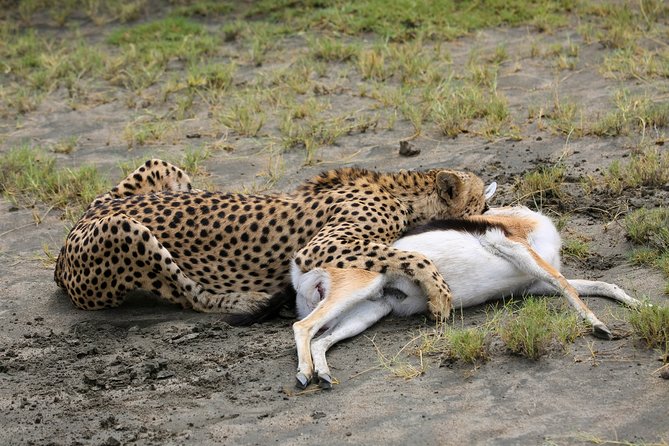
A safari vehicle is only as good as the person behind the wheel and the choices made during the day. The strongest praise attached to this operator concerns the guides. Michael is described as passionate and strong on both animals and plants. Hillary is repeatedly associated with careful driving, safety, and excellent animal spotting.
Steve and Shirima have also guided Serengeti trips, and their ability to identify animals and explain what you are seeing adds real value. A good guide does more than point at a lion. You want someone who can explain behavior, notice small signs, and give you time to watch without rushing away.
The vehicle is described as up to date and safe, with air conditioning and onboard Wi-Fi included. The tour is private, so only your own group takes part. That is especially useful for families, couples, and small groups with different energy levels.
Families have received careful support on similar Habari safaris, and honeymoon couples have received personal touches. The company has also arranged custom trips for families of six and school groups. Those examples suggest that the operator can work well with different group types, though you should discuss your needs before booking rather than assume every request is included.
Food, accommodation, and what to pack
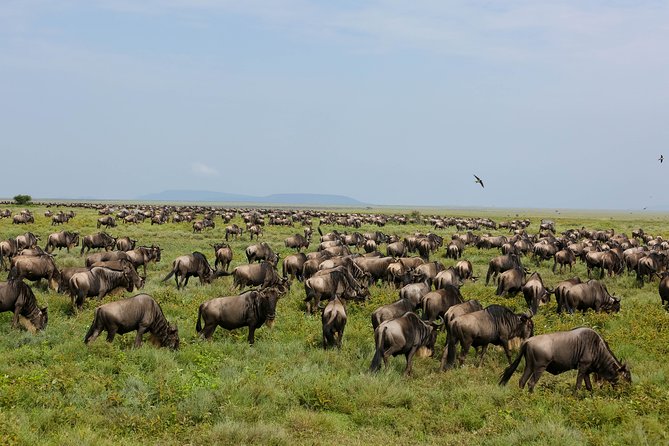
The package includes seven lunches, six breakfasts, and six dinners. Lunch is generally a boxed meal during game drives, while breakfast and dinner are taken at the overnight accommodation. Some days list brunch and dinner instead, so ask how meal timing will work for your departure date.
Special diets have been accommodated on other Habari trips. Still, tell the company about allergies or dietary needs before arrival and ask for confirmation.
Pack clothing in layers. The crater area can be cold, while daytime game drives may be warm. Useful items include a warm hat, light gloves, sun protection, comfortable shoes, binoculars, and a camera with spare batteries. The vehicle has Wi-Fi, but do not plan your whole trip around a strong connection in remote parks.
Is $1,850 a fair price?
For seven days, a private vehicle, guiding, park fees, fuel, parking, Wi-Fi, and included meals, $1,850 per person can be good value. The main variable is accommodation. A comfortable lodge-based trip and a basic camping trip can have very different real-world value even when the park route is identical.
Ask these questions before paying:
- Which camps, lodges, or tented camps are included?
- Is the vehicle private for the full seven days?
- Are all park fees and conservation charges covered?
- Is airport pickup included from Kilimanjaro Airport?
- What happens if your flight arrives at a different time?
- Can the itinerary be adjusted for children, dietary needs, or mobility concerns?
The price does not include flights or an entry visa. Those costs belong in your total budget.
Who should book this safari?
I would recommend this trip to you if wildlife is the main goal and you want the classic northern Tanzania route in one week. It suits first-time safari visitors who want the Big Five, families who value a private vehicle, and couples looking for a carefully managed trip with room for personal touches.
It is less suitable if you dislike early mornings, long drives, or basic camp-style accommodation. You should also think twice if you want a slow, luxury-focused holiday with lots of time at the pool. This is an active safari, and the best days involve many hours on the road.
Booking is flexible up to 24 hours before the start time for a full refund. Changes or cancellations inside that period are not accepted, and poor weather can lead to a new date or full refund.
Should you book it?
Book this safari if you want strong Serengeti coverage, a private setup, and a route that includes Tanzania’s headline parks without stretching the trip beyond one week. The two full Serengeti days, plus the arrival and departure game drives, give you a solid chance at memorable wildlife encounters.
Before booking, get the accommodation list and confirm the pickup point, airport timing, and vehicle arrangements. If those details suit you, this is a well-rounded safari with excellent guide potential, good park variety, and a price that can make sense for the amount included.
FAQ
How long does the safari last?
The safari lasts approximately seven days.
Where does the safari start?
The meeting information lists Kilimanjaro Airport in Tanzania, with an 8 a.m. start time. Pickup is also offered, so confirm your exact pickup point with Habari Adventure.
Which national parks and conservation areas are included?
The route includes Tarangire National Park, Serengeti National Park, the Ngorongoro Conservation Area, Ngorongoro Crater, and Lake Manyara National Park.
Is this a private safari?
Yes. Only your group participates in the private tour or activity.
Are meals included?
Yes. The package includes seven lunches, six breakfasts, and six dinners. Some itinerary days describe brunch and dinner instead of three separate meals.
Are park admission fees included?
The package includes fees such as admission, fuel surcharge, gratuities, and parking. The daily itinerary marks admission as included on the Serengeti and Ngorongoro Crater days.
Is accommodation included?
Overnight stays are included at a campsite, lodge, or tented camp. The itinerary specifically lists Heaven Nature Campsite for the Ngorongoro area, but you should confirm the full accommodation list.
Is the Ngorongoro Crater overnight stay inside the crater?
No. Overnight stays are not permitted inside the crater. Accommodation is outside the crater, often near the rim.
What is not included in the price?
Entry visas and flights are not included.
More 7-Day Experiences in Moshi
Just added around Moshi
- 7 Days Rhino Ngorongoro Crater Safari Tour★ 5.0 · 5 reviews
- Tanzania Wildlife Safari – Tarangire | Serengeti and Ngorongoro Crater★ 5.0 · 2 reviews
- Mt Kilimanjaro 360° Trek with Once-in-a-Lifetime Crater Camping★ 5.0 · 8 reviews
- Kilimanjaro climb, Kilimanjaro Crater route (10-day)★ 5.0 · 5 reviews
- 5-Day Lake Manyara, Serengeti, Ngorongoro Crater and Tarangire★ 5.0 · 28 reviews
- 5 days Safari to Lake Manyara, Serengeti and Ngorongoro crater★ 5.0 · 3 reviews
- Cycling from Kilimanjaro to Ngorongoro Crater★ 5.0 · 10 reviews
- 4 days Safari Lake Manyara, Ngorongoro crater and Serengeti★ 5.0 · 4 reviews
Ngorongoro Crater Safaris, compared.
5-Day Highlights mid-Range Crater, Serengeti, Tarangire
Our review of it →
Private 6-Day Tarangire Manyara Crater and Serengeti with Mid-Range Lodges
Our review of it →
5 Days Camping Tarangire, Serengeti & Ngorongoro crater & Visiting Maasai
Our review of it →
4 Days Join Group tour Tarangire Serengeti and Ngorongoro crater
Our review of it →3 Day Serengeti National Park & Ngorongoro Crater Camping Safari
Our review of it →
5 Days Tanzania Group Joining Safari, Tarangire/Serengeti/Ngorongoro Crater
Our review of it →
5 day safari Tarangire Serengeti and Ngorongoro crater
Our review of it →Browse the lists this tour appears in