
REVIEW · MOSHI
7 Days Rhino Ngorongoro Crater Safari Tour
Four major parks, one compact safari. This seven-day Tanzania route gives you a strong first look at northern Tanzania, from baobab country in Tarangire to the open plains of the Serengeti and the wildlife-rich Ngorongoro Crater. I especially like the small maximum group of six and the fact that airport transfers, meals, park fees, and an English-speaking guide are included. I also like the route itself: it covers four very different parks rather than putting all your time into one reserve.
The main drawback is the amount of driving. You spend long hours on rough park roads and between destinations, with most days planned for roughly seven hours of activity. The accommodation is described as comfortable and attractive, but the exact camp or lodge can vary, so you should ask which property is planned before paying the $3,200 price.
Quick take: what makes this safari worth considering
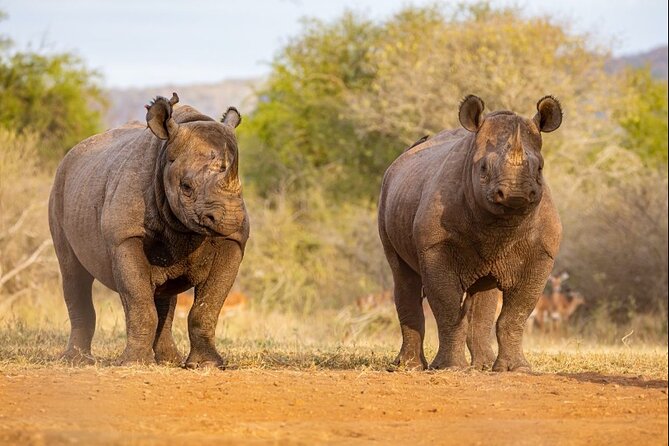
- Rhino country: Ngorongoro Crater offers one of the better chances on this route to see Tanzania’s rare black rhino.
- Four distinct parks: Tarangire, Serengeti, Ngorongoro, and Lake Manyara each offer different scenery and animal viewing.
- Small group size: The tour accepts a maximum of six people, a useful limit for sharing a safari vehicle.
- Strong guide support: An English-speaking driver-guide leads the safari, with 24-hour office support from Moshi.
- Meals are covered: Breakfast, lunch, and dinner are included during the seven-day program.
- Flexible cultural stop: On the Serengeti transfer day, you may choose a Maasai village visit or Olduvai Gorge.
The big picture: four parks in seven days
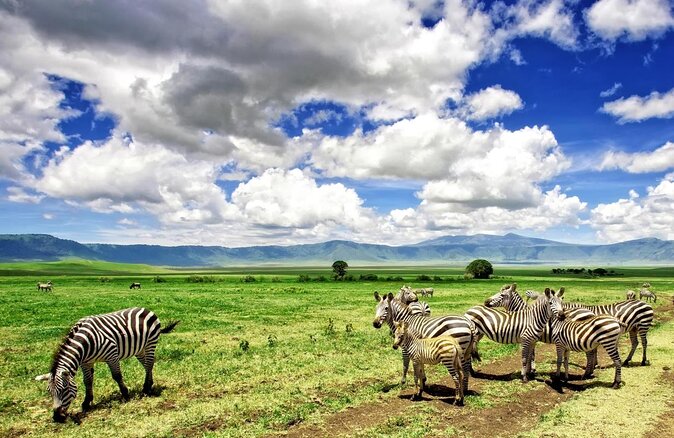
This is a classic northern Tanzania circuit. You begin around Arusha, then head to Tarangire, continue to the Serengeti, spend time in Ngorongoro Crater, and finish at Lake Manyara before returning to Arusha.
That sequence works well because each park adds something different. Tarangire is known for elephants, baobabs, and dry-season wildlife around its river. The Serengeti gives you wide plains and major predator country. Ngorongoro brings animals into a compact crater setting, while Manyara adds forest, hippos, monkeys, birds, and the chance of seeing tree-climbing lions.
You should not think of this as a slow, lodge-based holiday. It is an active safari with early starts, long transfers, game drives, and frequent changes of scenery. The reward is range. In one week, you get a broad sample of Tanzania’s northern parks.
The $3,200 per-person price is easier to justify if you value an organized package. It includes park fees, airport transfers, accommodation, all listed meals, a private safari vehicle with driver-guide service, and office support. Flights, insurance, tips, laundry, telephone charges, and personal expenses are extra. The value depends heavily on the final accommodation and whether you are sharing the vehicle with the full six-person group.
More Ngorongoro Crater Safaris in Moshi:
- 5 Days Camping Tarangire, Serengeti & Ngorongoro crater & Visiting Maasai
★ 5.0 · 58 reviews - 4 Days Group Joining Camping Safari to Tarangire Serengeti Ngorongoro Crater
★ 5.0 · 50 reviews - 3-Day Ngorongoro Crater Manyara and Tarangire Safari from Arusha
★ 5.0 · 49 reviews
Arrival in Arusha: an easy first evening
Your arrival starts with pickup at Kilimanjaro Airport at the stated 7:00 a.m. meeting time. A driver is scheduled to meet you with a sign bearing your name, then transfer you to Springlands Hotel.
This first day is not a wildlife day. It is a useful buffer before the safari begins. You can settle in, eat at the hotel, and attend a pre-safari briefing with the local coordinators. That briefing matters because you can clarify departure times, meal arrangements, luggage limits, and which lodge or camp is planned for each night.
Springlands is described as having a swimming pool, garden, bar, and restaurant. After an international flight, those simple comforts can be welcome. The hotel also gives you a chance to rest before the road portion begins.
One practical point: the schedule calls this a seven-hour day, but the main purpose is arrival and preparation. If your flight arrives late, confirm how the transfer and first meal will work.
Tarangire National Park: elephants and baobabs on day two
Tarangire is an excellent first park because it offers a clear change from the town environment. The Tarangire River is the park’s key water source during the dry season, drawing large numbers of animals and birds. Around it, you may see grassy plains, swamps, hills, and the park’s famous baobab trees.
The full-day game drive gives you time to watch rather than simply pass through. Elephants are one of the major attractions, while giraffes, zebras, antelope, and many bird species may also appear. The variety of habitats gives this park a different feel from the Serengeti’s more open grasslands.
You spend the night at Highview Hotel or a similar property, with lunch, dinner, and breakfast included. The word similar is worth noticing. If your choice of room or setting matters, ask for the confirmed property and whether the room has views, a pool, or other facilities.
The day is listed at about seven hours. That includes road time and wildlife viewing, so you should expect a full outing rather than a short afternoon drive. Carry water, sun protection, and a light layer for changes in temperature.
The road to Serengeti: choose culture or human origins
Day three is a major transfer day. After breakfast, you head toward Serengeti National Park, with game viewing along the way and a camp night ahead.
You may have the option to visit a Maasai village. That can add a cultural dimension to the safari, especially if you want more than animal sightings. The program also says you may participate in tribal activities, although the exact activities and any additional cost are not specified. Ask before departure so you know what is included.
The other option is Olduvai Gorge, known for archaeological discoveries connected with early human history. Its museum provides context for the long human story of East Africa. This stop may appeal more to you if archaeology and anthropology interest you.
The key issue is time. The Serengeti is not close to Arusha, and this day combines a transfer, a possible cultural or archaeological stop, and a game drive on the way to camp. You will see a lot, but you will also spend much of the day in the vehicle.
Your overnight stay is at one of several wild camps, such as Ikoma Wildcamp, Serengeti Wildcamp, or Serengeti Wildebeest Camp. The exact camp is not guaranteed in the supplied details. These camp names suggest a more direct safari setting than a city hotel, but you should confirm the type of tent, bathroom arrangements, electricity, and dining setup before booking.
More Safaris in Moshi:
- 7 Days Safari. Serengeti, Tarangire, Lake Manyara & Ngorongoro Crater.
★ 5.0 · 34 reviews - 4 Days Game drives Safari Tarangire, Serengeti and Ngorongoro Crater
★ 5.0 · 14 reviews - 4 Days Safari Tour at Tarangire, Serengeti and Ngorongoro Crater
★ 5.0 · 7 reviews - 3 Days Camping Safari Tarangire, Lake Manyara and Ngorongoro Crater
★ 4.5 · 6 reviews
Serengeti National Park: give the plains a full day
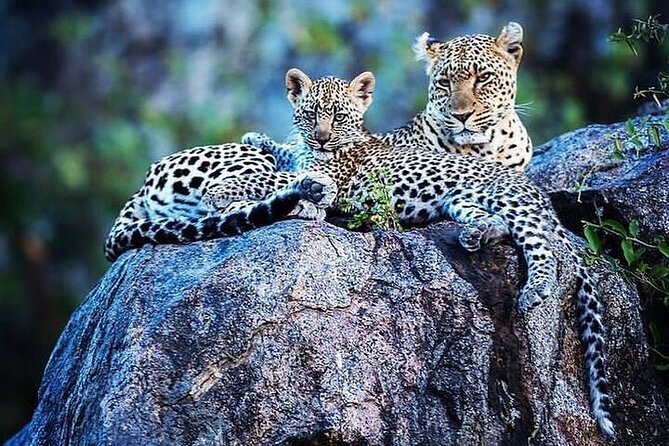
The fourth day is the heart of the safari. You have a full day for game drives in the Serengeti, rather than only seeing the park while passing through.
The name Serengeti comes from the Maasai language and means endless plain. That description fits the broad southern and central areas, though the park changes as you move through it. You may encounter open grassland, acacia-dotted savanna, wooded areas, hills, kopjes, and darker clay plains.
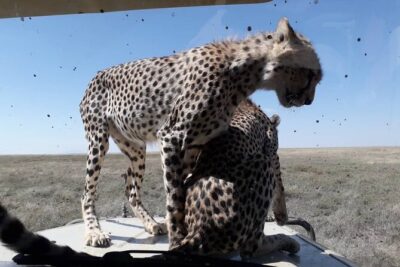
Wildebeest, zebra, and antelope form the main cast, with lions and cheetahs often associated with these prey-rich areas. The Great Wildebeest Migration is a major draw, but timing and location matter. This tour does not state a migration season or guarantee a particular sighting, so you should ask when booking if migration viewing is your main goal.
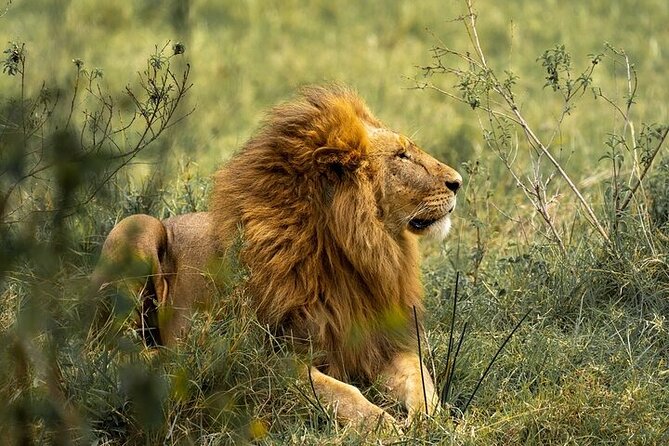
A full day also improves your chances of seeing different habitats and animal behavior. You might spend time watching a pride of lions, then move on to birds or grazing herds. Nothing is guaranteed in a wild park, but the amount of time allocated here is a strong part of the plan.
The wild camp night keeps you close to the park environment. It may feel more memorable than a standard hotel, though it may offer fewer conveniences. Pack a small overnight bag if your main luggage stays in the vehicle, and confirm the camp facilities ahead of time.
Ngorongoro Crater: the strongest rhino opportunity
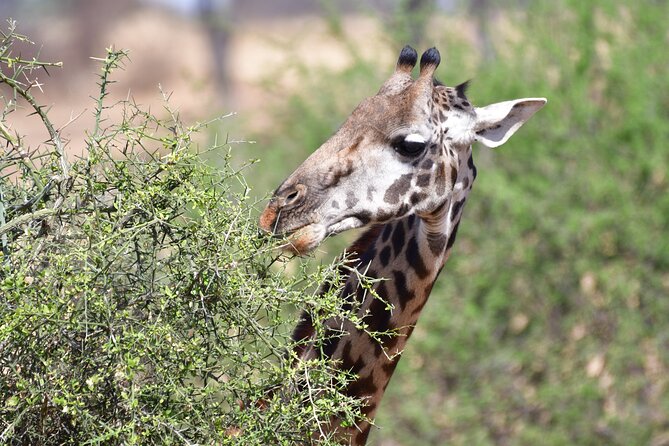
Day five brings you toward Ngorongoro Crater, one of the tour’s biggest reasons to book. You descend about 600 meters into a crater roughly 16 kilometers across, with an area of about 265 square kilometers.
The crater floor holds a high concentration of wildlife. Open grassland, water, and woodland areas support large numbers of animals, including lions, cheetahs, zebra, gazelle, and eland. The setting is special because the steep crater walls surround the viewing area, giving you a compact zone where many species live.
This is also the tour’s main rhino promise, though no wildlife sighting can be guaranteed. Tanzania’s remaining black rhinos may be seen grazing on the crater floor. If rhino is your priority, tell the guide early. Your guide’s knowledge of current animal locations can make a real difference, though the animals remain wild and unpredictable.
Makat Soda Lake may attract flamingos and other birds. The combination of big mammals, birdlife, and dramatic scenery makes the crater a full day rather than a single photo stop.
After the crater visit, you go to Highview Hotel or a similar property. The schedule describes an afternoon drive to the lodge. Since the crater road and game viewing can be tiring, this is one night when a comfortable room matters. Confirm the lodging details before you commit to the price.
Lake Manyara: forest, hippos, and possible tree-climbing lions
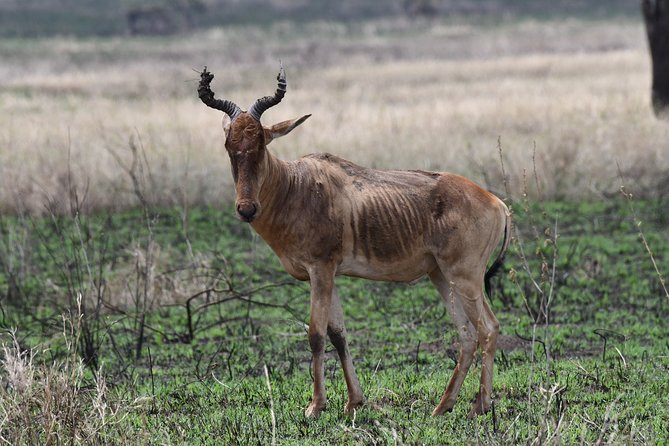
Lake Manyara is the final park and a useful change of pace after the Serengeti and crater. The park lies below the Rift Valley escarpment and includes groundwater forest, acacia woodland, grassy plains, a swampy fan delta, and the lake itself.
This mix supports a different set of sightings. You may see buffalo, impala, giraffe, bushbuck, waterbuck, hippos, and elephants near the lake. Blue monkeys, vervet monkeys, and large troops of olive baboons add movement in the forested areas.
Manyara is also associated with rare tree-climbing lions. The wording here is important: you should treat them as a possibility, not a promise. The same applies to any particular animal on safari.
You spend the night back at Springlands Hotel, with meals included. That return to a familiar hotel can be convenient before your airport transfer, though it means the final park day includes another long road connection.
Guide quality, group size, and the safari vehicle
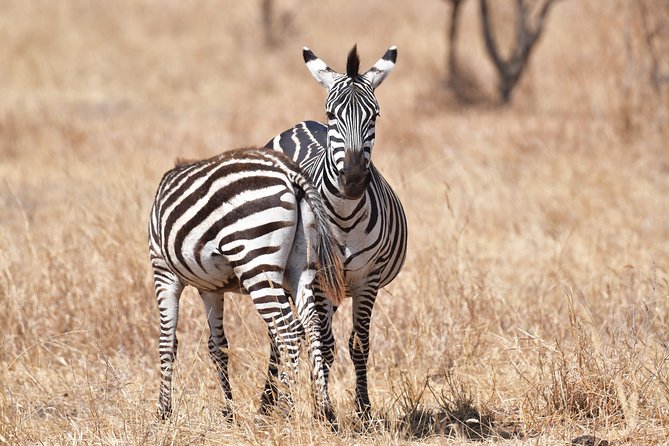
A safari guide controls much of your experience. The company supplies an English-speaking driver-guide, and the program includes 24-hour support from its Moshi office. That is useful if transport, accommodation, or timing needs attention during the trip.
One guide named Moses has been singled out for excellent guiding and for working with a vehicle described as being in excellent condition. You cannot assume he will be assigned to your departure, but you can ask whether he is available.
The maximum group size is six. That is not the same as a private safari, but it is a sensible limit. Six people can share wildlife sightings without the vehicle feeling overcrowded, although window position and personal space will still matter.
Ask whether the vehicle is shared, how seating is arranged, and whether the roof opens for viewing. Those details are not provided, so they should be confirmed before booking.
Meals, timing, and what to pack
The package includes seven dinners, seven lunches, and six breakfasts. The first day appears to include a meal at the hotel, while the final day ends after the morning leisure period and transfer. Since the schedule includes long road days, ask how packed lunches are handled when a game drive starts early.
The itinerary is active from morning through late afternoon on most days. Comfortable clothing, closed shoes, sun protection, insect repellent, a reusable water bottle, and a warm layer are sensible choices. These are practical suggestions rather than stated inclusions, so you need to bring them yourself.
Tips are not included. You should budget separately for gratuities to your guide, hotel staff, and porters. Insurance is also excluded, along with international or domestic flights and personal spending.
Cancellation is flexible up to 24 hours before the start time, when a full refund is available. Inside that window, the payment is not refunded and changes are not accepted.
Who should book this seven-day safari?
I would recommend this tour to a first-time Tanzania visitor who wants to see several major parks without arranging every transfer, hotel, meal, and park fee separately. It also suits families and small groups who prefer a set route and support from a local office.
It may be less suitable if you want a slow safari with several nights in one lodge. You should also think twice if long road journeys are difficult for you. The route covers a lot of ground in seven days, and the best wildlife areas are not connected by quick transfers.
The tour is particularly appealing if rhino viewing is high on your list. Ngorongoro gives you a serious chance, while the Serengeti adds predator country and the chance of migration-related sightings, depending on the season.
Should you book it?
Book this safari if you want maximum park variety in one week, a group capped at six, and a package that includes the costly basics such as park fees, meals, airport transfers, and guiding. The strongest features are the full Serengeti day, the Ngorongoro crater visit, and the chance to see black rhino.
Before paying $3,200, confirm the exact hotels and camps, your guide assignment, vehicle setup, group size for your departure, and any extra charges for the Maasai village or Olduvai Gorge. If those details suit you, this is a well-planned introduction to northern Tanzania. If you prefer more comfort, fewer driving hours, or guaranteed luxury lodging, look for a slower and more tailored safari instead.
FAQ
Where does the safari start?
The meeting point is Kilimanjaro Airport in Tanzania, with a stated start time of 7:00 a.m. Airport pickup is included.
How many people can join the tour?
The tour has a maximum group size of six travelers.
Which national parks are included?
The route includes Tarangire National Park, Serengeti National Park, Ngorongoro Crater, and Lake Manyara National Park.
Is a guide included?
Yes. The package includes a professional English-speaking driver-guide during the safari.
Are meals included?
Yes. The package includes seven dinners, seven lunches, and six breakfasts.
Is rhino viewing guaranteed?
No. Ngorongoro Crater is described as a place where black rhino may be seen, but wildlife sightings cannot be guaranteed.
Are flights and insurance included?
No. International or internal flights, travel and health insurance, gratuities, laundry, telephone charges, postage, and personal items are not included.
More 7-Day Experiences in Moshi
Just added around Moshi
- Tanzania Wildlife Safari – Tarangire | Serengeti and Ngorongoro Crater★ 5.0 · 2 reviews
- Mt Kilimanjaro 360° Trek with Once-in-a-Lifetime Crater Camping★ 5.0 · 8 reviews
- Kilimanjaro climb, Kilimanjaro Crater route (10-day)★ 5.0 · 5 reviews
- 5-Day Lake Manyara, Serengeti, Ngorongoro Crater and Tarangire★ 5.0 · 28 reviews
- 5 days Safari to Lake Manyara, Serengeti and Ngorongoro crater★ 5.0 · 3 reviews
- Cycling from Kilimanjaro to Ngorongoro Crater★ 5.0 · 10 reviews
- 4 days Safari Lake Manyara, Ngorongoro crater and Serengeti★ 5.0 · 4 reviews
- 4 days Tarangire National park, Serengeti National park and Ngorongoro crater★ 5.0 · 3 reviews
Ngorongoro Crater Safaris, compared.
5-Day Highlights mid-Range Crater, Serengeti, Tarangire
Our review of it →
Private 6-Day Tarangire Manyara Crater and Serengeti with Mid-Range Lodges
Our review of it →
5 Days Camping Tarangire, Serengeti & Ngorongoro crater & Visiting Maasai
Our review of it →
4 Days Join Group tour Tarangire Serengeti and Ngorongoro crater
Our review of it →3 Day Serengeti National Park & Ngorongoro Crater Camping Safari
Our review of it →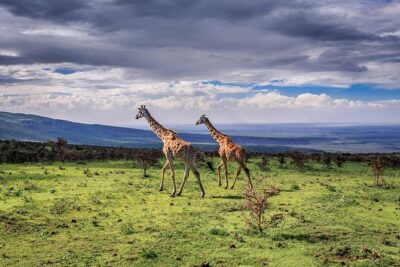
5 Days Tanzania Group Joining Safari, Tarangire/Serengeti/Ngorongoro Crater
Our review of it →
5 day safari Tarangire Serengeti and Ngorongoro crater
Our review of it →Browse the lists this tour appears in