
REVIEW · MOSHI
Mt Kilimanjaro 360° Trek with Once-in-a-Lifetime Crater Camping
The crater is the prize. This 10-day Northern Circuit trek from Moshi reaches Uhuru Peak, then takes you into Kilimanjaro’s crater for a rare night beneath the glaciers. I like the quiet northern route and the careful climb-high, sleep-lower rhythm, which gives you more time to adjust to altitude. I also like that the price includes airport transfers, camping gear, meals, porters, guides, and a hotel night after the climb. The main catch is the cost, $4,211.27 per person, plus personal gear, insurance, flights, visas, and an optional portable toilet.
This is a private trip, so your group does not share the climb with strangers. That brings more personal attention, but it also means you should confirm the exact group size, guide team, and whether your booking is treated as a nine-day or 10-day route. The itinerary is demanding despite its medium rating, especially from School Hut through the summit and crater camp.
Key points to know before you book
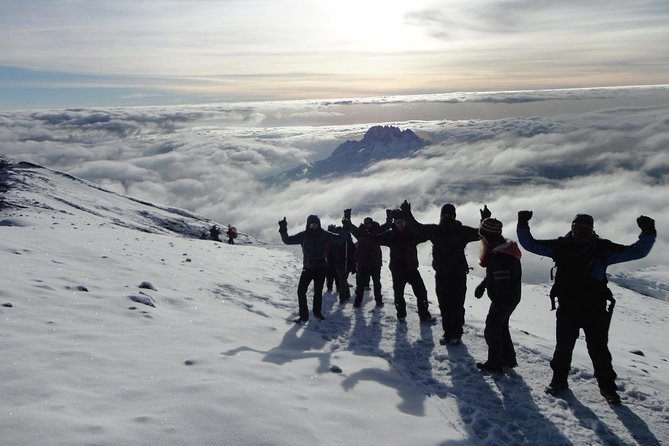
- Crater camping follows the summit: After reaching Uhuru Peak, you descend into Kilimanjaro’s crater for the night, then visit the Ash Pit the next morning.
- The Northern Circuit is a quieter choice: The route crosses rainforest, the Shira Plateau, alpine desert, and the northern slopes of Kibo with generally low trail traffic.
- Ten days gives your body more time: The schedule includes several gradual altitude gains and an important high point at Lava Tower before sleeping lower at Barranco.
- The price covers a full mountain operation: Guides, assistant guides, porters, a cook, tents, mattresses, chairs, tables, meals, water, airport transfers, and a post-climb hotel night are included.
- The summit day is really two hard days: You climb to School Hut, rest briefly, begin before midnight, reach Uhuru Peak, and then continue to crater camp.
- Bring the right small items: Gaiters and trekking poles help in the muddy forest, while insulated bottles, warm layers, snacks, and a headlamp matter most near the summit.
Why the Northern Circuit is worth the extra days
Kilimanjaro offers several routes, but this one takes the long way around the mountain. You begin on the southern side, cross the Shira Plateau, then swing around the northern slopes before turning toward Kibo and the summit. That wider circuit gives you changing views and a slower altitude schedule.
I like the route because it does not rush you from forest to summit. Day four is especially useful. You reach Lava Tower at about 4,650 meters, then descend to Barranco Camp. The day ends at nearly the same height where it began, but your body gets valuable practice at a higher altitude before sleeping lower.
The route is described as medium difficulty, with excellent scenery and low traffic. Treat medium as a relative term. You still need a moderate level of fitness, and the summit section requires long hours, cold conditions, and a very early start. The trek is private, but the mountain itself remains serious.
More Volcano Hikes and Treks in Moshi:
- Mount Etna: Summit Guided Hiking Tour up to 3,400 m
★ 4.8 · 4,792 reviews - Mount Etna: Trek to 3000m with cable car and 4×4
★ 4.6 · 3,823 reviews - Mount Etna: Summit Crater Trek with Cable Car
★ 4.8 · 1,875 reviews
The first climb from Moshi to Mti Mkubwa
Your day begins with a roughly 45-minute drive from Moshi to the Kilimanjaro National Park gate. The gate can be busy with permits, porters, and crews preparing for their climbs, so the start may feel more like a working mountain base than a peaceful trailhead.
Once on the path, you walk through rainforest toward Mti Mkubwa Camp. The elevation rises from 2,389 to 2,785 meters, with about four hours of walking. The forest brings shade, plant life, and the best chance to see the mountain’s lower-altitude wildlife.
This first section can be muddy and slippery. I would treat gaiters and trekking poles as practical equipment, not optional extras. Your guide will explain local plants and wildlife, but the real goal is to settle into a steady pace without exhausting yourself on day one.
Shira Plateau and the first cold nights
Day two takes you from Mti Mkubwa to Shira Camp One, rising to 3,504 meters. The six-hour walk leaves the rainforest behind and opens onto the Shira Plateau. Views grow wider, temperatures drop, and the trail becomes more exposed.
The change in scenery is one of the route’s best features. You move from dense green forest into open high country in a single morning. That also means less shelter from wind and cold, so keep a warm layer accessible rather than buried at the bottom of your bag.
On day three, you cross from Shira One to Shira Two. The elevation gain is modest, from 3,504 to 3,895 meters, and the walk takes about four hours. You can use the remaining energy to walk higher on the plateau for views across the valley and toward the Western Breach.
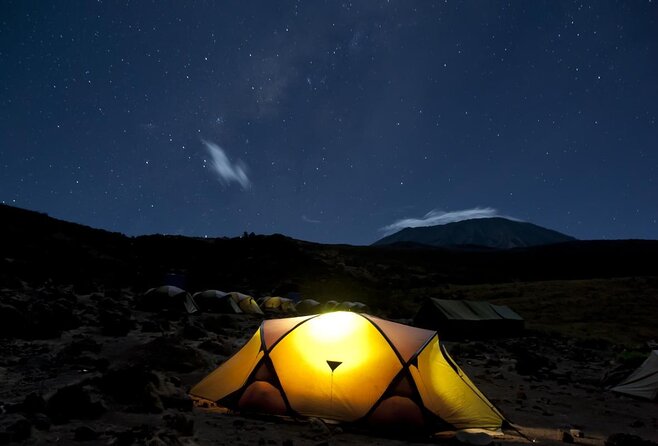
Shira Two can be cold, with temperatures dropping below zero. The exposed camp is a good reminder that Kilimanjaro is not simply a warm-weather hike. Your sleeping system and dry clothing matter here, even though the day itself is not especially long.
Lava Tower, Barranco, and the best acclimatization day
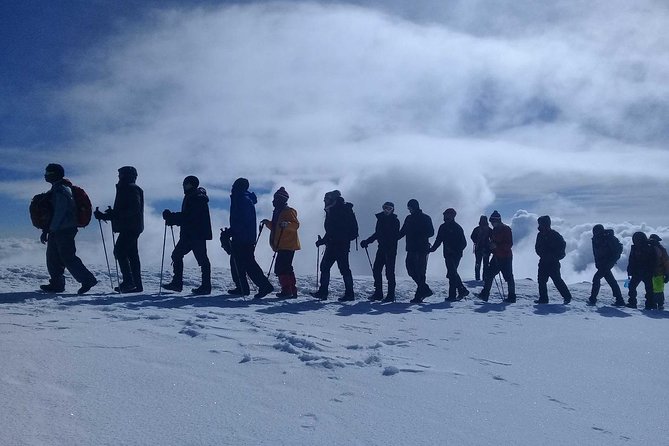
Day four is one of the most valuable parts of the plan. You leave Shira Plateau and climb toward Lava Tower, also called the Shark’s Tooth, at about 4,650 meters. Along the way, you pass the junction toward Kibo and another route leading toward the Arrow Glacier.
You then descend to Barranco Camp, ending the day at about 3,986 meters. The full walk takes around seven hours. This climb-high, descend-to-sleep pattern helps explain why the Northern Circuit takes longer than some other options.
The day also brings a physical test. You gain height before losing it, and the trail can feel tiring even when the final camp is not much higher than the starting point. I would not judge the trek by the modest net gain. The high point at Lava Tower is the reason the day matters.
A few more volcano trips around Moshi worth a look
- 5 Days Camping Tarangire, Serengeti & Ngorongoro crater & Visiting Maasai
★ 5.0 · 58 reviews - 4 Days Group Joining Camping Safari to Tarangire Serengeti Ngorongoro Crater
★ 5.0 · 50 reviews - 3-Day Ngorongoro Crater Manyara and Tarangire Safari from Arusha
★ 5.0 · 49 reviews - 7 Days Safari. Serengeti, Tarangire, Lake Manyara & Ngorongoro Crater.
★ 5.0 · 34 reviews
Moir Valley, Buffalo Camp, and the northern views
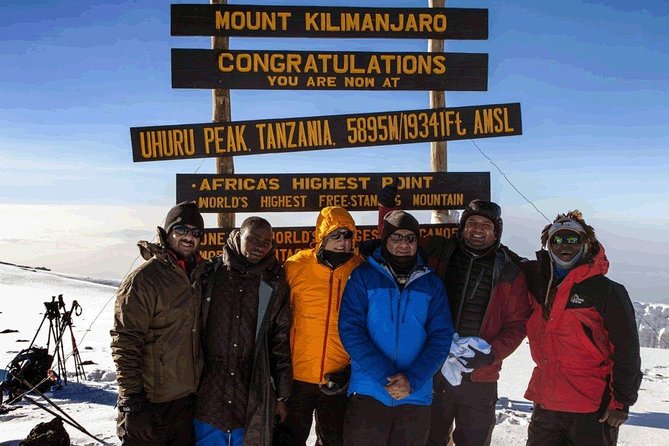
Day five begins from the Moir Valley area at about 4,155 meters and ends at Buffalo Camp near 4,033 meters. Although you lose some altitude overall, the route includes a moderately steep climb out of the valley and a series of rises and dips around Kibo’s northern slopes.
You can make a short detour to Little Lent Hill, which reaches 4,375 meters, if your energy and guide’s plan allow it. The route then continues toward Buffalo Camp, where you arrive around midday for lunch and rest.
The reward is a broad view north toward the plains and the Kenya and Tanzania border. This is one of the route’s quieter moments, with a sense of distance that you do not always get on the busier approaches to Kilimanjaro.
The day still takes about seven hours. Do not let the altitude loss fool you into saving less energy. Repeated climbs and descents can work your legs more than a simple uphill walk.
Pofu Camp and Rongai Third Cave
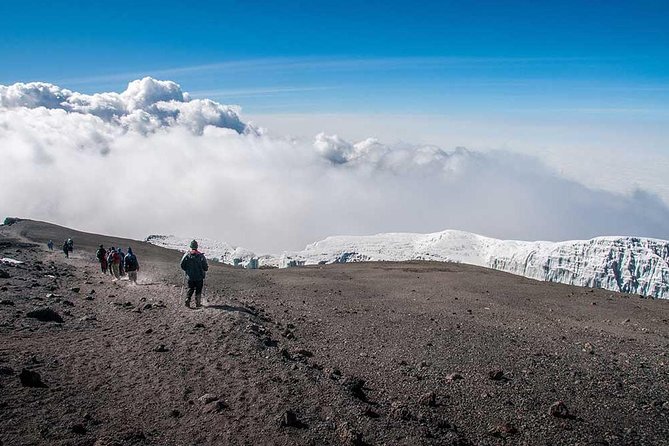
Day six follows Buffalo Ridge, drops into Pofu Camp for lunch, and continues east toward Rongai Third Cave. The route gains and loses ground around the northern side of the mountain, with a total walking time of roughly seven hours.
The planned camp sits lower than the previous night, at about 3,936 meters. By this point, the schedule expects you to feel better adjusted to the altitude. That is helpful, but it does not remove the need to watch for symptoms and tell your guide when something feels wrong.
You arrive around mid-afternoon, leaving time to prepare for the next stage. I would use that rest period to organize summit clothing, check your headlamp, protect snacks from the cold, and make sure your water bottles are ready.
School Hut and the long wait for summit night
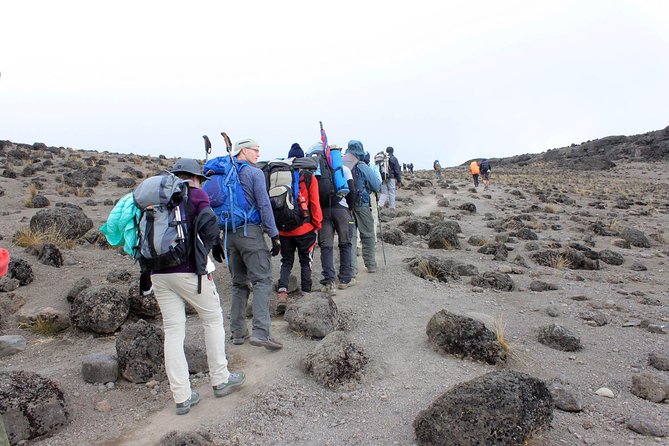
Day seven carries you from Rongai Third Cave to School Hut, near 4,717 meters. You cross the Saddle between Kibo and Mawenzi Peak, then continue southwest. The walk takes around seven hours, followed by an early dinner and rest.
The short sleep before summit night is one of the mental challenges of the route. You begin the summit attempt just before midnight, so prepare everything before lying down. Warm layers, insulated water bottles, snacks, a headlamp, and your camera should all be ready.
This is also a point where the included camping setup matters. Tents, sleeping mattresses, chairs, tables, and a cook are provided, along with hot water for washing and fresh drinking water. Those supplies do not make the altitude easy, but they reduce the amount of camp work you must handle yourself.
Uhuru Peak, the crater, and one extraordinary night
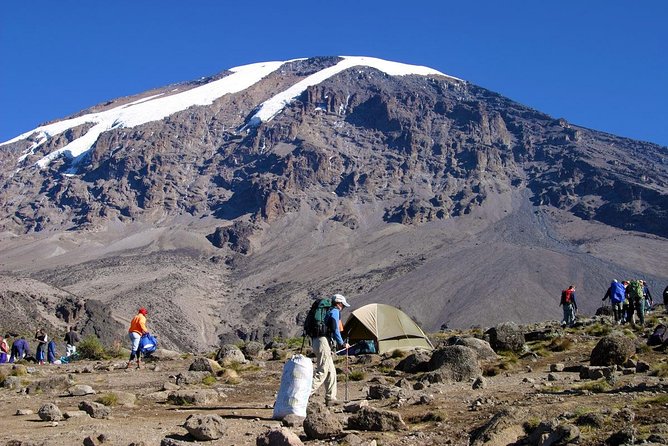
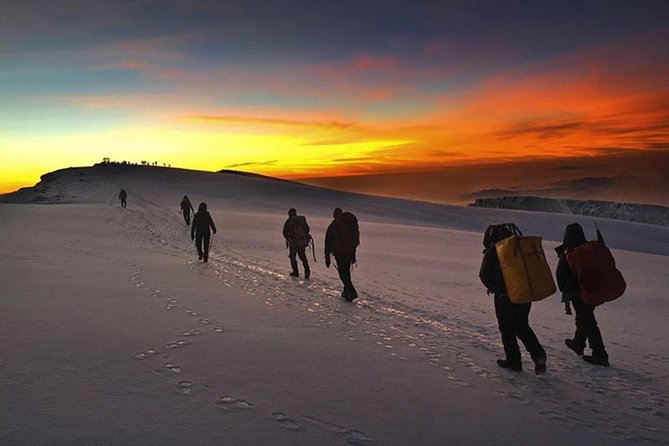
The summit push starts before dawn. From School Hut, you climb toward Uhuru Peak, Africa’s highest point at 5,895 meters. The listed trekking time is seven to nine hours, and you should expect the coldest and most demanding stretch of the trip here.
After the summit, the route continues down into Kilimanjaro’s crater for the night. This is the feature that sets the trek apart. You camp below the glaciers inside the crater, an experience offered on very few Kilimanjaro programs.
The order is important. You do not simply summit and return to a lower campsite. You reach the top, descend into the crater, and spend the night there. That makes day eight especially long and demanding, so your fitness, pacing, and willingness to follow the guide’s instructions matter.
Emergency oxygen is carried for emergencies only. It is not provided as a way to assist with reaching the summit. You should also carry personal medicines and water-purifying tablets, since those are not included.
Ash Pit, Millennium Camp, and the final descent
On day nine, you have time to explore the Ash Pit in the crater before descending to Millennium Camp. The crater visit gives you a closer look at the volcanic side of Kilimanjaro, rather than only the familiar summit view.
The day includes five to six hours of trekking. After the summit and crater night, Millennium Camp provides a needed chance to rest. The route has now shifted from high, cold terrain toward the forest below.
Day ten completes the descent through rainforest to Mweka Gate. The walk takes about four to five hours. At the gate, you receive a certificate of achievement before driving back to Moshi for celebration and recovery.
A hotel night after the climb is included, with breakfast. That is a meaningful part of the package. After a long summit schedule, having a bed, a shower, and a planned return to Moshi is worth more than it may appear when you first compare prices.
What the $4,211.27 price really covers
At $4,211.27 per person, this is not a budget Kilimanjaro climb. The value depends on how much you would otherwise need to arrange separately.
The package includes return transfers between Kilimanjaro Airport and Moshi, the hotel night after the climb, all park fees and taxes, guides, assistant guides, porters, and a cook. It also includes camping equipment, mattresses, camp furniture, drinking water, hot wash water, and the listed meals: nine breakfasts, nine dinners, and 10 lunches.
That is a substantial mountain operation. Several people support each private group, and the fee includes wages according to the standard set by the Kilimanjaro National Park authority. The strongest praise connected with Pinnacle’s wider guiding team has focused on attentive service from airport pickup through the summit and return to the hotel. Guides named in past Pinnacle trips include JT, Jobeth, Jacob, and Kennedy, but you should ask which guide will lead your own climb.
You still need to budget for flights, visas, insurance, personal medicines, snacks, drinks not specified, and personal trekking equipment. Gear can be rented from equipment shops in Moshi. A portable toilet is optional but highly recommended, and it costs extra.
The private format can also improve value for people who want a trip shaped around their own group. Group discounts are offered, so larger parties should ask for the exact rate before booking.
Food, equipment, and daily comfort
Fresh drinking water and hot water for a daily wash are included. Meals are also provided throughout the climb, which means you are not carrying food for the full route. Personal snacks remain your responsibility, and you should bring items you know you can eat at altitude.
The supplied camping equipment includes tents, camp chairs, tables, and sleeping mattresses. You need to arrange personal hiking and trekking gear yourself or rent it in Moshi. The trip specifically points to gaiters and poles for the lower forest, and summit preparation requires warm clothing, insulated bottles, snacks, and a headlamp.
Insurance is not included. Travel and health coverage should be treated as essential planning, not a minor extra. Yellow fever vaccination is listed as compulsory, so check the current entry and health requirements before setting out.
Who should choose this climb
I would recommend this trek to a fit person who values quiet trails, changing scenery, and extra time for altitude adjustment. It also suits a private group that wants the same guide team from start to finish and does not mind paying for a large support operation.
It is less suitable if you want a short, low-cost Kilimanjaro experience. The Northern Circuit takes longer, and the crater night adds both cost and physical strain. The phrase once-in-a-lifetime is fitting, but the experience is not easy simply because the route is rated medium.
Pinnacle’s team has also handled customized seven-day climbs and longer Tanzania combinations that include safari. If you want to add a safari or change the trek length, ask for a written itinerary. The supplied schedule uses both nine-day and 10-day wording, so confirm exactly what your price includes.
The cancellation terms are strict near departure. You receive a full refund if you cancel at least three full days before the local start time. Cancellations or changes within three days are not refunded or accepted.
Should you book this Kilimanjaro trek?
Book it if the crater night is your main goal, you want the quieter Northern Circuit, and you value a private support team more than the lowest possible price. The route gives you excellent scenery, a thoughtful acclimatization pattern, and a rare overnight stay inside the crater.
Before paying, confirm the number of days, guide names, group discount, personal gear rental, portable toilet cost, and every transfer. If those details match your plans, this is a strong choice for a serious first Kilimanjaro climb, provided you train properly and accept that summit night will be hard.
FAQ
How long does the Kilimanjaro trek last?
The experience is described as lasting about 10 days, while some details refer to a nine-day Northern Circuit route. Confirm the exact schedule when booking.
Is airport transportation included?
Yes. Return transfers between Kilimanjaro Airport and Moshi are included.
Is this a private tour?
Yes. Only your group participates in the activity.
What meals are included?
The package includes nine breakfasts, nine dinners, and 10 lunches. Snacks and meals or drinks not specified are not included.
Is personal trekking equipment provided?
No. Personal hiking and trekking gear is not included, but you can rent equipment from shops in Moshi. Camping equipment such as tents, mattresses, chairs, and tables is included.
When can I cancel for a full refund?
You must cancel at least three full days before the local start time for a full refund. Cancellations and changes made within three full days are not refunded or accepted.
Just added around Moshi
- 7 Days Rhino Ngorongoro Crater Safari Tour★ 5.0 · 5 reviews
- Tanzania Wildlife Safari – Tarangire | Serengeti and Ngorongoro Crater★ 5.0 · 2 reviews
- Kilimanjaro climb, Kilimanjaro Crater route (10-day)★ 5.0 · 5 reviews
- 5-Day Lake Manyara, Serengeti, Ngorongoro Crater and Tarangire★ 5.0 · 28 reviews
- 5 days Safari to Lake Manyara, Serengeti and Ngorongoro crater★ 5.0 · 3 reviews
- Cycling from Kilimanjaro to Ngorongoro Crater★ 5.0 · 10 reviews
- 4 days Safari Lake Manyara, Ngorongoro crater and Serengeti★ 5.0 · 4 reviews
- 4 days Tarangire National park, Serengeti National park and Ngorongoro crater★ 5.0 · 3 reviews
Volcano Hikes & Treks, compared.
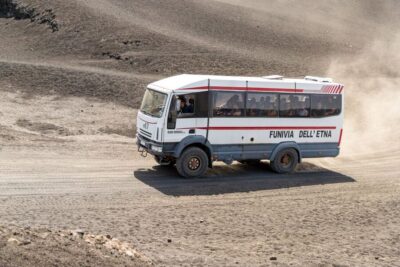
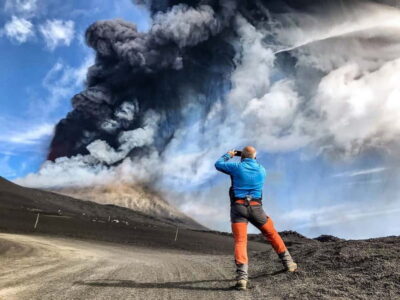
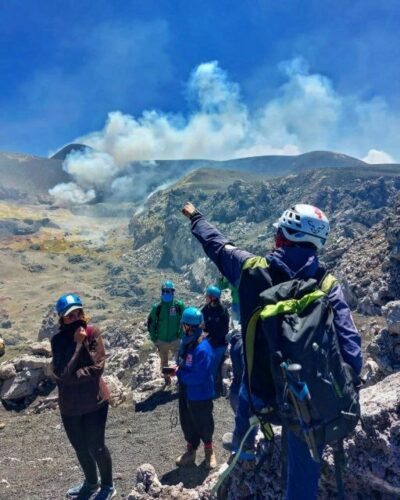
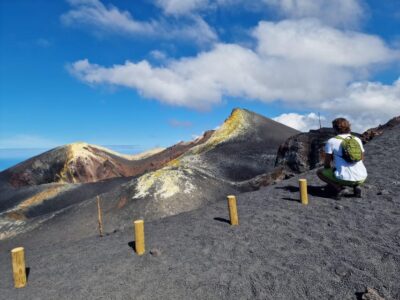
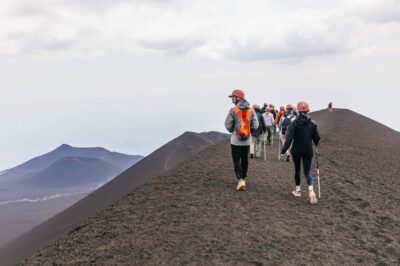
summit craters trekking with volcano guide 3350mt
Our review of it →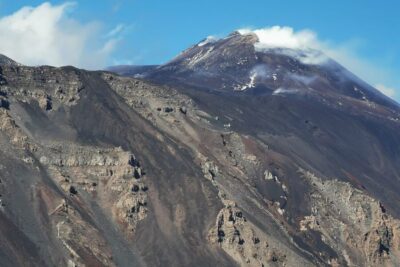
Mount Etna Trekking Tour Beyond the Tourist Trails
Our review of it →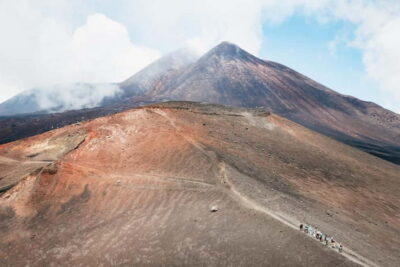
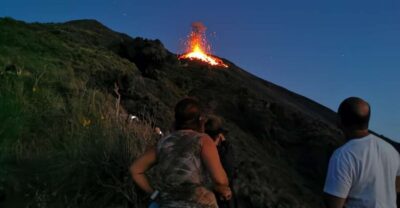
Stromboli: Sunset Trekking at Sciara del Fuoco
Our review of it →Browse the lists this tour appears in