
REVIEW · ARUSHA
7 Days Group Camping Tarangire/Serengeti/Ngorongoro Crater and Lake Manyara
Wildlife takes center stage here. This seven-day Tanzania safari links four famous wildlife areas with airport transfers, full-board stays, and a 4×4 Land Cruiser built for long days in the bush. I especially like the small-group feel promised by the private activity format and the chance to see both the Serengeti plains and Ngorongoro Crater in one trip.
I also like the practical vehicle setup, including a raised roof for shade, roomy seats, fridges, charging sockets, and a VHF radio. The main point to check before paying is the group arrangement: the experience is described as group camping, yet the booking information calls it a private activity, and one past booking involved combining people from different packages, which caused daily delays.
Key details before you book
- Four major safari areas in seven days: Tarangire, Lake Manyara, Serengeti, and Ngorongoro Crater all appear on the route.
- Serengeti receives two nights: This gives you one full day plus part of two other days for game viewing.
- A practical safari vehicle: Every passenger is meant to have access to a window seat, with shade, charging, refrigeration, and radio communication.
- Full-board accommodation: Breakfast, lunch, and dinner are included for the stated six nights, along with seven breakfasts.
- Olduvai Gorge adds context: The route includes a possible stop at the archaeological site and its small museum.
- Airport transfers are included: Pickup from Kilimanjaro International Airport and the final transfer back to the airport are arranged.
What this seven-day route gets right
This is a classic northern Tanzania circuit, and the route makes good use of your time. You begin near Arusha, then move through Tarangire and Lake Manyara before spending the biggest portion of the trip in the Serengeti and Ngorongoro Conservation Area.
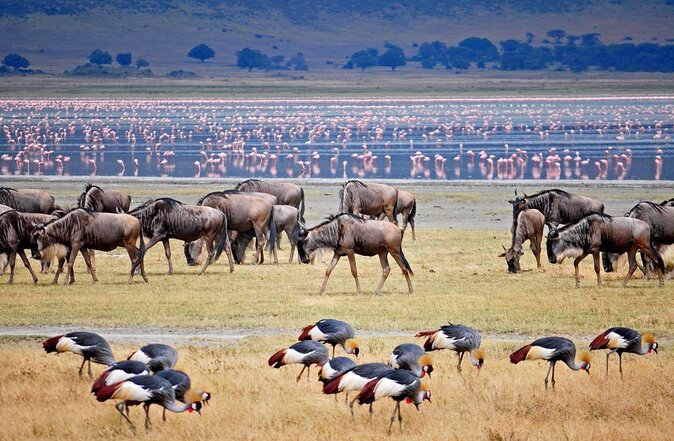
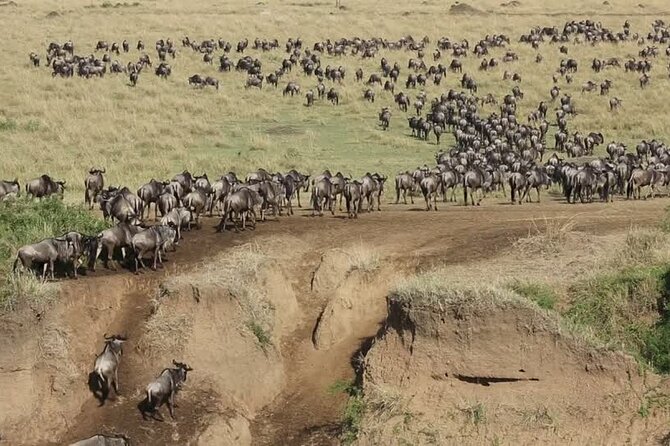
I like the balance. Tarangire is known for wildlife gathering around its permanent river, Lake Manyara brings birdlife and a different setting, the Serengeti provides open plains and large animal herds, and Ngorongoro offers a concentrated game-viewing area inside a volcanic crater.
The price is listed at $2,720 per person. That is a major outlay, but it covers accommodation, meals, park-related fees, professional guides, drinking water, a 4×4 Land Cruiser, and airport transfers. The value depends heavily on the standard of the camps and how the group is handled. At this price, I would ask for the exact accommodation list and confirm the group size before booking.
The route includes several long driving days. That is normal for a safari covering this much ground, but you should not expect a relaxed holiday with only short transfers. The reward is access to four very different wildlife areas without arranging separate tours.
More Ngorongoro Crater Safaris in Arusha:
- 5-Day Highlights mid-Range Crater, Serengeti, Tarangire
★ 5.0 · 296 reviews - Private 6-Day Tarangire Manyara Crater and Serengeti with Mid-Range Lodges
★ 5.0 · 238 reviews - 5 Days Camping Tarangire, Serengeti & Ngorongoro crater & Visiting Maasai
★ 5.0 · 229 reviews
Day one: Arusha, briefing, and a gentle start
Your arrival day begins with pickup at Kilimanjaro International Airport. The private transfer takes you to Arusha Safari Lodge, located on the slope of Mount Meru. The rest of the day is set aside for rest, which is useful after a flight and a potentially early airport arrival.
A pre-safari briefing and equipment check take place at the hotel. This is the right time to raise practical questions about luggage, meals, daily departure times, and the planned camps. You will also need to confirm mandatory medical coverage and travel insurance.
The first night is full board. I appreciate this simple start because it avoids pushing you straight into a long park drive after an international flight. The published timing says about six hours, though much of that appears to include arrival arrangements and preparation rather than a full sightseeing day.
Day two: Tarangire’s river and dry-season wildlife
The first park day takes you to Tarangire National Park. It is described as a smaller park, but size does not tell the whole story. In dry periods, wildlife gathers around the Tarangire River, a permanent water source, making it an important place for game viewing.
That seasonal pattern matters. If you visit during a dry spell, you may find animals and birds concentrated near water. The route description highlights excellent sightings, though no safari can promise a particular animal on a particular day.
You spend the night at a lodge outside the park, with views and a quieter setting. The drive is listed at about seven hours, so you should be ready for a long day in the vehicle. The raised roof should help with viewing and shade, while the roomy seats and access to every window are useful during extended drives.
Tarangire works well as an opening park because it gives you an early taste of Tanzania’s wildlife without using your first day for a full transfer to the Serengeti. Still, you should ask exactly how much time is reserved for game drives and how much is spent on road travel.
Day three: Lake Manyara, birds, and the Rift escarpment
Lake Manyara National Park brings a different kind of safari. The park is smaller, but the lakeshore supports plenty of birdlife, and the Rift escarpment creates a dramatic backdrop.
I like this stop for the change of pace. You are not simply repeating the same open plain experience from one park to the next. The route points to the possibility of seeing tree-climbing lions, an unusual sight, along with other large mammals.
The full day in the park is listed at about eight hours. That gives you time to look carefully rather than rush through a short stop. The main focus is game viewing, with birds likely to be part of the experience. Bring patience and binoculars if you have them, as birdlife is one of the strongest reasons to include Manyara.
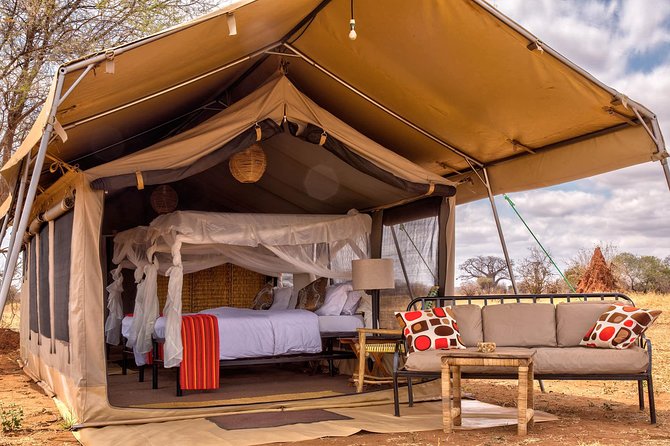
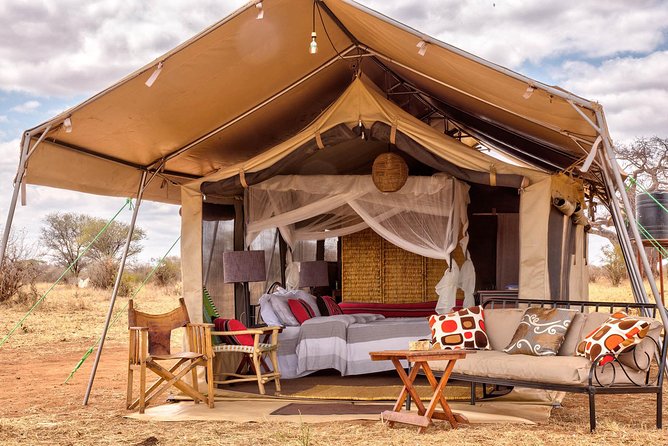
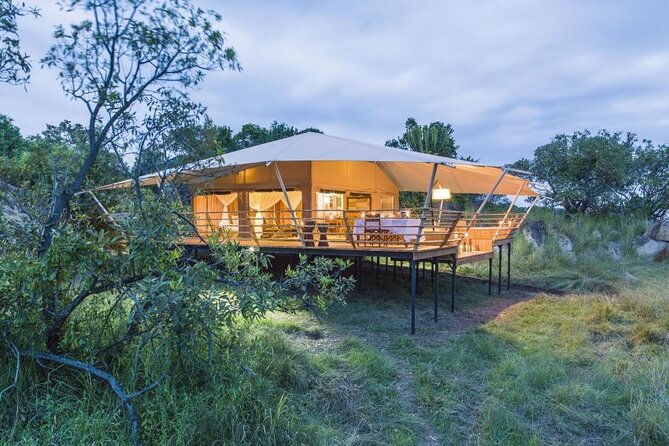
In the late afternoon, you make a short transfer to Nsiya Tented Camp. Dinner and overnight accommodation are included. A tented camp can make the safari feel closer to the outdoors, but the description does not specify the facilities, so ask about private bathrooms, power, and charging if those details matter to you.
A few more volcano trips around Arusha worth a look
- 7-Day Private Tanzania Safari with Sunset Walking on the Crater Rim and Maasai
★ 5.0 · 40 reviews - 7 Days Safari. Serengeti, Tarangire, Lake Manyara & Ngorongoro Crater.
★ 5.0 · 34 reviews - 7 Days Rhino Ngorongoro Crater Safari Tour
★ 5.0 · 5 reviews - 7Day Serengeti Migration (Ndutu), Crater, Hot Springs & City Tour
★ 5.0 · 4 reviews
Day four: Olduvai Gorge and the first Serengeti drive
Day four is one of the most varied days. You travel toward Serengeti National Park, with the option to stop at Olduvai Gorge. The gorge is linked to major archaeological discoveries by Louis and Mary Leakey in the 1950s, and the small museum displays evidence of human ancestors dating back about 2.5 million years.
This stop adds meaning to the route. You are not only looking at animals; you are also seeing a place connected with the study of human origins. The visit is described as an opportunity rather than a guaranteed included stop, so confirm whether the museum entry or any extra fee is covered.
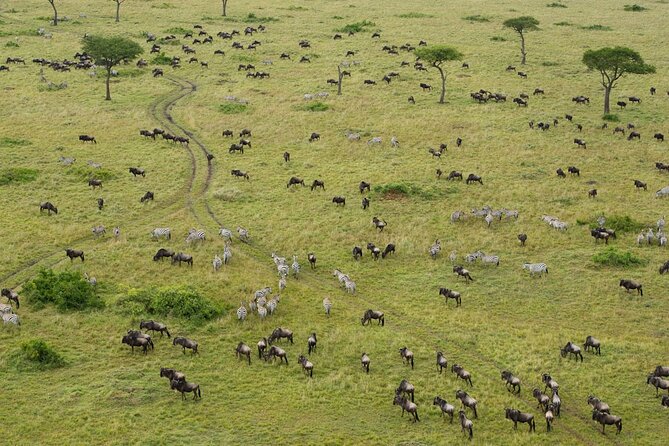
After lunch, you enter the Serengeti. The afternoon is spent among broad plains, acacia trees, and rocky kopjes. The scenery changes sharply from the more enclosed feel of Lake Manyara and the river areas of Tarangire.
The route notes that in December, January, and February, you will normally meet the migration with large herds of wildebeest and zebra. That seasonal detail is helpful, but animal movement is never fixed to a calendar. Ask the operator where the route is expected to go during your dates.
The listed drive is about seven hours. That is a full day, especially when you add an archaeological stop and the time needed to enter the park. The payoff is an afternoon inside one of Tanzania’s best-known wildlife areas.
Day five: a full Serengeti game-viewing day
This is the trip’s most flexible wildlife day. You rise early, which is sensible because cooler morning hours can be productive for game viewing. Guides choose locations based on the time of year, and the schedule allows a full day in the park.
The itinerary highlights a hippo pool, where hippos rest in the water alongside crocodiles, as well as the chance to see a large pride of lions. These are only examples of possible sightings, but they show the range of animals the day is designed to seek.
Your overnight stay is at Kati Kati Tented Camp, with dinner included. Spending a second night in the Serengeti is one of the strongest features of this trip. It reduces the need to pack up and move every few hours, and it gives you a better chance to reach useful viewing areas.
The day is listed at about seven hours, though an early start and a full park day may make it feel longer. You should be comfortable sitting in a vehicle for extended periods. The charging sockets and refrigerator are small but meaningful comforts when the schedule is built around long drives.
Day six: Ngorongoro Conservation Area and the crater rim
The sixth day begins with an early Serengeti game drive before heading toward Ngorongoro Conservation Area. This is not simply another national park. The area is managed for wildlife and for Maasai people who graze cattle alongside indigenous animals.
That shared use gives this part of the trip a different character. During the drive, you may glimpse aspects of Maasai life, and the route allows you to see how people and wildlife occupy the same broader area.
After stopping at the entrance gate, you have a chance to learn about the volcanic setting. The drive then continues around the crater rim, where you can look down toward herds of wildebeest and buffalo. The views from the rim are likely to be a major highlight, but the day is also another long transfer day after an early morning in the Serengeti.
The listed duration is about six hours. The description does not give the full details of the crater drive or the final overnight location, so I would confirm those points in writing. Ngorongoro is a major reason to choose this circuit, and you deserve a clear plan for how much time you will spend inside the crater itself.
Day seven: a slow morning and the trip home
The final morning is free for rest or a visit to town, including the Maasai market. This is a useful buffer after several early starts and long drives. If you want souvenirs, the market may be the most convenient chance to browse before leaving.
A private transfer to Kilimanjaro International Airport is included. Check your flight time carefully before booking, because the information does not state how long the transfer takes or what departure schedule is recommended.
The free morning also helps if your flight is later in the day. If your departure is early, you may have little time for town. Either way, having the airport ride arranged is a practical advantage.
The vehicle and the daily comfort level
The safari vehicle is a 4×4 Land Cruiser with an extended body and roomy seats. A raised roof provides shade, and every passenger is meant to have access to a window seat. For a safari, that arrangement matters more than flashy extras. You want a clear view when a lion, hippo, or herd appears on the opposite side of the vehicle.
The vehicle also has a refrigerator, power sockets, and a VHF radio for communication with the base office. Mineral water is included. These details help on long park days, particularly when the route combines game drives with major road transfers.
The exact group size is not given. That is an important gap. One booking involved being combined with another group using a different budget package. The result was about two hours of lost time each day, including waits while tents were put up and transfers to another accommodation location.
That issue does not mean every departure will run this way. It does mean you should ask whether everyone in your vehicle will use the same camps and schedule. A lower group price can lose its value if you spend part of every day waiting.
Food, lodging, and what the price really covers
The package includes all accommodation, breakfast for seven days, lunch for six days, dinner for six days, mineral water, guides, the vehicle, fees, and taxes. Tips are not included, so budget separately for that expense.
The named stays are Arusha Safari Lodge, Nsiya Tented Camp, and Kati Kati Tented Camp. The second night’s lodge outside Tarangire is described but not named in the information provided. Ngorongoro and the final night should also be confirmed before departure.
At $2,720 per person, this is not a bare-bones camping trip. You are paying for a multi-park route, full-board service, airport transfers, and a safari vehicle with useful equipment. I would judge the value by three questions: how many people share the vehicle, which accommodations are confirmed, and how much time is reserved for actual game drives.
The company arranged a last-minute one-week safari within two days for two women, showing that quick planning may be possible. That is useful if your dates are tight, but fast booking makes it even more important to get the final schedule and accommodation details in writing.
Who should book this safari?
I would recommend it to someone who wants a broad first safari in northern Tanzania and is comfortable with early starts, long drives, and simple tented accommodation. It suits you if seeing several major parks matters more than spending multiple nights in one luxury lodge.
It is also a good match if you want the Serengeti, Ngorongoro, and the smaller parks in one organized trip. The full-board setup removes much of the daily planning, and the airport transfers make arrival and departure easier.
I would be more cautious if you need a fixed private itinerary, quiet luxury, or short travel days. Ask direct questions about the group arrangement, the exact camps, the crater schedule, and the Olduvai Gorge fee before you commit.
Free cancellation is available if you cancel at least 24 hours before the start time. Changes made within 24 hours are not accepted, and poor weather may lead to a new date or a full refund.
Should you book the seven-day route?
Book this safari if you want a well-known northern Tanzania circuit with four major wildlife stops, two Serengeti nights, full-board meals, and a vehicle designed for long viewing days.
Before paying $2,720, confirm the group size and accommodation plan. The route itself is strong, and the two positive ratings point to clear communication, personal service, and successful last-minute planning. The one practical warning is equally important: mixed groups and different budget packages can cost you hours each day.
If the operator confirms a shared schedule that matches your expectations, this can be a good-value way to see Tanzania’s most famous parks in one week. If the arrangements remain vague, keep asking questions until every night and transfer is clear.
FAQ
Where does the safari begin?
The safari begins with pickup from Kilimanjaro International Airport, followed by a private transfer to Arusha Safari Lodge.
What time does the safari start?
The stated start time is 7:00 am.
How long is the experience?
The safari lasts approximately seven days.
Which parks and protected areas are included?
The route includes Tarangire National Park, Lake Manyara National Park, Serengeti National Park, and the Ngorongoro Conservation Area.
Is airport transportation included?
Yes. Pickup from Kilimanjaro International Airport and a private departure transfer back to the airport are included.
What meals are included?
Breakfast is included for seven days. Lunch is included six times, and dinner is included six times.
Is accommodation included?
Yes. All accommodation is included. Named stays include Arusha Safari Lodge, Nsiya Tented Camp, and Kati Kati Tented Camp.
Is the safari private or shared?
The activity information describes it as private, with only your group participating. However, one past booking involved combining groups using different packages, so confirm the arrangement before booking.
What happens if I cancel?
You can receive a full refund if you cancel at least 24 hours before the start time. Cancellations or changes made within 24 hours are not accepted for a refund.
Just added around Arusha
- 3 Days Safari to Tarangire NP, Ngorongoro Crater and Lake Manyara NP★ 5.0 · 2 reviews
- 4 Days Tanzania Safari Tarangire, Serengeti and Ngorongoro Crater★ 4.5 · 16 reviews
- Manyara and Ngorongoro Crater★ 5.0 · 3 reviews
- Small Group Serengeti and Ngorongoro Crater Adventure Safari★ 5.0 · 7 reviews
- Tanzania Safari 10 Days- Serengeti, Lake Manyara, Ngorongoro Crater.★ 5.0 · 4 reviews
- 3Days luxury safari to Tarangire Ngorongoro crater and Manyara★ 5.0 · 16 reviews
- 03 days Serengeti and Ngorongoro Crater group (camping)★ 5.0 · 75 reviews
- Elephant Special Serengeti & Ngorongoro Crater 5 Days / 4 Nights★ 5.0 · 21 reviews
Ngorongoro Crater Safaris, compared.
5-Day Highlights mid-Range Crater, Serengeti, Tarangire
Our review of it →
Private 6-Day Tarangire Manyara Crater and Serengeti with Mid-Range Lodges
Our review of it →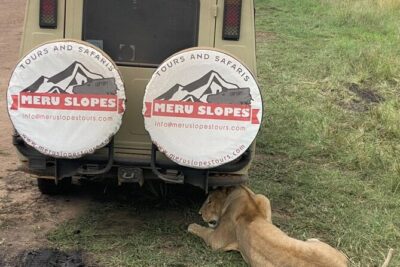
5 Days Camping Tarangire, Serengeti & Ngorongoro crater & Visiting Maasai
Our review of it →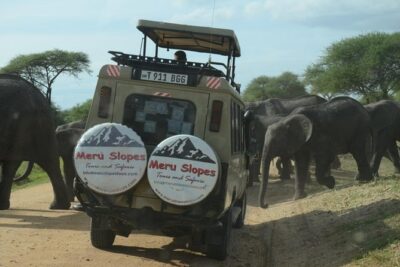
4 Days Join Group tour Tarangire Serengeti and Ngorongoro crater
Our review of it →3 Day Serengeti National Park & Ngorongoro Crater Camping Safari
Our review of it →
5 Days Tanzania Group Joining Safari, Tarangire/Serengeti/Ngorongoro Crater
Our review of it →
5 day safari Tarangire Serengeti and Ngorongoro crater
Our review of it →Browse the lists this tour appears in