
REVIEW · TANZANIA
4 Days Lake Manyara National Park, Ngorongoro Crater , Serengeti National Park.
Safari country begins at the airport. This five-day route links Lake Manyara, Serengeti, and Ngorongoro Crater, giving you three very different wildlife settings in one northern Tanzania trip. I like the late-afternoon game drive at Manyara and the chance to spend a full half-day in the Serengeti. The main drawback is the brisk schedule: long road transfers leave little room for delays or extra time in each park.
I also like that airport pickup, transport, park fees, meals, and four nights of breakfast are included in the listed price of $3,096.91 per person. The important caution is to confirm your exact sleeping arrangements before paying, since the plan refers to both camping and lodge options, with upgrades and different arrangements possible for people in the same booking.
Key points to know before booking
- Three major wildlife areas in one route: Lake Manyara, Serengeti National Park, and Ngorongoro Crater each offer a different setting and style of game viewing.
- A five-day schedule with a late arrival day: The first day is mainly airport transfer, hotel check-in, and a briefing, so the safari action begins on Day 2.
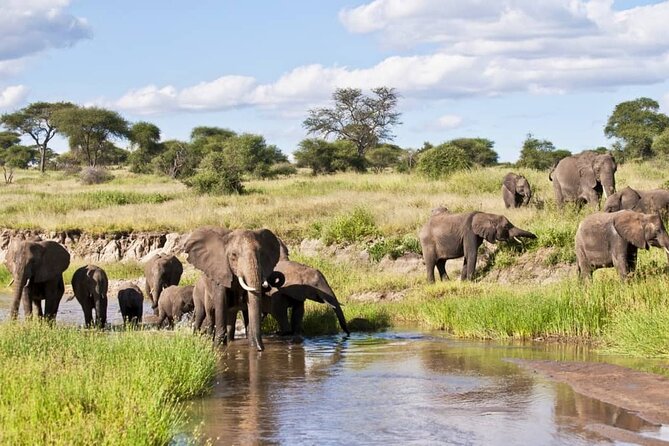
- Manyara works best in the afternoon: The itinerary schedules its game drive after lunch, when the park offers a good introduction to forest animals, elephants, hippos, giraffes, and other wildlife.
- Serengeti receives the most time: You have an afternoon-to-evening drive on Day 3, followed by a half-day outing on Day 4.
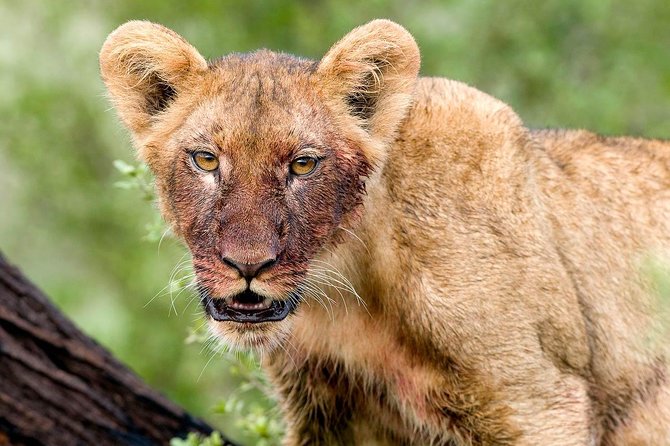
- Ngorongoro is the final wildlife stop: The crater is especially important for possible black rhino sightings, lion prides, flamingoes, and water birds.
- Ask about camping and lodge arrangements: Accommodation options can affect both comfort and cost, so get the details in writing before departure.
What this northern Tanzania safari really covers
This is sold as a four-day safari, but the schedule is closer to five days and four nights when the airport arrival and final departure are counted. That distinction matters. Day 1 is not a park day. It is a useful arrival day, with pickup at Kilimanjaro International Airport or another agreed location, transfer to a hotel, and an evening briefing with the company managers.
The route then moves west and north through Tanzania’s northern safari circuit. You begin with the smaller but scenic Lake Manyara National Park, continue to the broad Serengeti plains, and finish in the Ngorongoro Conservation Area. It is a classic route, but it is not a slow one. You spend substantial time in the vehicle, especially on the drives between Moshi, Manyara, Serengeti, Ngorongoro, and the airport.
The price is $3,096.91 per person. That is a serious amount, but it includes transport, park fees, dinner, lunch, and breakfast. International flights, visas, and tips are extra. The value depends heavily on the room or camp category you receive. A lodge-based trip at this price offers a different level of comfort from a camping arrangement, so you should treat accommodation as a central part of the purchase rather than a minor detail.
More Volcano National Parks in Tanzania
- 3 Day Serengeti National Park & Ngorongoro Crater Camping Safari
★ 5.0 · 142 reviews - 4 Day Ngorongoro Crater Tarangire and Serengeti National Park
★ 5.0 · 44 reviews - 3 Days Safari to Serengeti National Park & Ngorongoro Crater in Tanzania
★ 5.0 · 34 reviews
Day 1: A practical start at Kilimanjaro Airport
Your arrival begins at Kilimanjaro International Airport, on Kilimanjaro Airport Road. A Majali guide meets you and takes you to the hotel. The evening briefing gives you a chance to discuss the route, meal arrangements, accommodation, and the next morning’s departure.
The stated start time is 6:00 am, but that applies to the active tour schedule rather than a typical airport arrival. If you land on Day 1, you should expect that first day to be mostly about getting settled. This is helpful after a long international flight, since you do not have to rush directly into a park drive.
The company says its guides can work in Chinese, Arabic, Spanish, and French, as well as English. That can be useful if you want to discuss animal sightings, daily timing, or practical matters in a language you speak comfortably. Still, confirm the language of your assigned guide before the trip.
Day 2: Lake Manyara’s forest, escarpment, and lake
The drive from Moshi to Lake Manyara National Park takes about four hours. After a picnic lunch in the park, you begin a late-afternoon game drive. This timing is one of the more appealing parts of the plan because it avoids treating Manyara as a rushed morning stop on the way to somewhere else.
Lake Manyara is a compact park with several distinct settings. Approaching from the east, you see the Rift Valley escarpment rising behind the lake. The view gives the park a strong sense of place, even before you start looking for animals.
The ground-water forest is known for monkeys moving through the tall trees. Elephants may be found resting in the shade beneath the escarpment. You might also see zebras, impalas, giraffes, buffaloes, hippos, and other monkeys. The itinerary specifically points to these animals, but wildlife is never guaranteed, and sightings depend on conditions and luck.
The first game drive lasts about two hours according to the schedule. That is enough for a useful introduction, but it is not a full day in the park. You spend the night at Fanaka Lodge on a full-board basis. Since dinner is included, the arrangement keeps the evening simple after the road journey and afternoon drive.
Manyara’s main strength is variety within a relatively short visit. Its weakness is the limited amount of time. If your priority is a long, quiet search for a particular animal, you may find the stop brief. If you want a scenic opening day with several possible species and a manageable itinerary, it fits well.
Day 3: The long road into Serengeti National Park
After Manyara, the route continues through the Ngorongoro Conservation Area toward Serengeti National Park. The stated driving time is about three to four hours, though roads and park conditions can affect the actual day. You should expect this to be a road-focused morning, not a full morning of game viewing.
The route also passes through an area connected with Olduvai Gorge, an archaeological site in the eastern Serengeti plains where early human fossils were first discovered. The itinerary links the region’s broad open plains to the same tectonic forces that formed the Great Rift Valley millions of years ago. Even without a separate archaeological stop, this adds useful context to the drive.
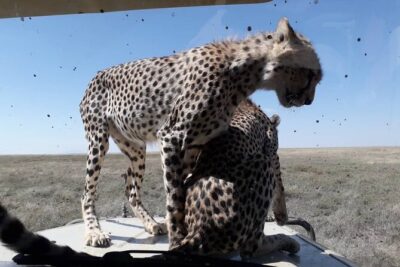
You reach the Serengeti for an afternoon-to-late-evening game drive. This is your first substantial look at the park, and the timing gives you several hours to search for animals before heading to camp. The Serengeti is known here for its large concentration of plain game, so the focus is on watching the open country rather than ticking off a fixed list of animals.
The plan lists an overnight stay at Serengeti Seronera Wildlife Camp, with an optional upgrade to lodge accommodation. This is where you need to ask direct questions. Is the base price for a tented camp, a permanent camp, or a lodge? Is the upgrade charged per night or for the entire stay? Are all people in one booking placed in the same category?
Those questions are not fussing over small details. One reported booking dispute involved a shared trip where one person upgraded one night from camping to a lodge, while companions remained in camping accommodation. The operator’s response said the trip proceeded as arranged, but the disagreement shows why you should confirm the room plan, upgrade price, and group arrangement before departure.
More Ngorongoro Crater Safaris in Tanzania:
- 5-Day Highlights mid-Range Crater, Serengeti, Tarangire
★ 5.0 · 296 reviews - Private 6-Day Tarangire Manyara Crater and Serengeti with Mid-Range Lodges
★ 5.0 · 238 reviews - 5 Days Camping Tarangire, Serengeti & Ngorongoro crater & Visiting Maasai
★ 5.0 · 229 reviews - 4 Days Join Group tour Tarangire Serengeti and Ngorongoro crater
★ 5.0 · 219 reviews
Day 4: A half-day search across the Serengeti
After breakfast, you spend about five hours on a half-day Serengeti game drive. The route is described as reaching different corners of the park, giving you more time to see how the open country changes from the previous afternoon.
The Serengeti is the centerpiece of this trip. Two separate drives are better than one quick pass because animal sightings are unpredictable. You might spend time watching a herd, then go a long stretch without much action. That is part of safari travel, and the extra outing gives you another chance to find wildlife.
The schedule does not promise particular animals, which is sensible. The park is presented as a place where large numbers of plains animals still move freely. Your guide’s decisions about where to drive will matter greatly, especially when balancing distance, recent sightings, and the time needed to reach the next overnight stop.
Late in the afternoon, you drive to Sopa Lodge on the Ngorongoro Crater rim. This creates a fairly demanding day. You have a morning and early afternoon in the Serengeti, then a transfer out of the park and up toward the crater rim. The reward is that you wake near the next day’s main attraction instead of making the entire trip from Serengeti on the final morning.
If you prefer a gentler safari pace, this day may feel compressed. If you value seeing the Serengeti and Ngorongoro in one short holiday, the arrangement saves time.
Day 5: Ngorongoro Crater and the return to Kilimanjaro
After breakfast, you drive down into Ngorongoro Crater for game viewing. The crater is the trip’s final wildlife setting and one of its strongest draws. The itinerary highlights black rhino, prides of lion including black-maned males, flamingoes, and other water birds.
You might also see leopard, cheetah, hyena, antelope, and smaller mammals. Again, these are possible sightings, not guarantees. The crater’s enclosed setting makes it a particularly focused wildlife stop, but the schedule still gives you only part of a day before the long drive back toward Kilimanjaro.
The listed activity time is about five hours, which includes the crater visit and later travel. You need to think carefully about your departure flight. The plan offers a transfer to Kilimanjaro Airport or to a hotel in Moshi, but the timing of your flight is not specified. Ask the operator to confirm the expected airport arrival time before booking an international connection for the same day.
Ending at the airport is convenient, especially if this safari is one part of a larger Tanzania trip. Ending in Moshi may suit you better if you are staying overnight or preparing for a Kilimanjaro trek.
Accommodation, meals, and comfort
The meal package includes four breakfasts, five lunches, and dinner. Lunch is particularly important on this route because many days are spent on the road or inside parks. The itinerary specifies a picnic lunch at Lake Manyara, while the broader package covers lunches throughout the trip.
Accommodation is not described with the same clarity. Fanaka Lodge is listed for Manyara, Serengeti Seronera Wildlife Camp is the stated base for one night, and Sopa Lodge is named on the Ngorongoro Crater rim. Yet the wording also allows lodge upgrades and refers to camping arrangements.
That mix means the actual comfort level can vary. You should request the names of every property, the room or tent type, the number of nights in each place, and the added cost for upgrades. If you are booking with friends, make sure everyone has the same accommodation plan unless you intentionally choose different options.
The tour provider says the group can be as large as 500 people. That is a very high stated maximum, and it does not tell you the size of your actual safari vehicle or daily group. Ask specifically how many people will share the vehicle. A smaller vehicle group usually makes it easier to see through open windows, hear the guide, and agree on how long to stay at a sighting.
Guides, vehicles, and the pace of the route
Transport is included, but the supplied details do not name a vehicle type or give a firm size for the normal safari group. The guide is therefore a key part of the experience. You should ask who will lead your trip, which languages are available, and how the company handles changes in weather, road conditions, or park access.
The road distances are manageable on a northern Tanzania circuit, but they still take time. Moshi to Manyara is about four hours. Manyara to Serengeti is listed at three to four hours, followed by an afternoon game drive. The next day combines several hours of Serengeti viewing with the transfer to the crater rim. On the final day, you add crater viewing to the return toward Kilimanjaro.
This route suits you if you want a broad first look at northern Tanzania and accept that some days are built around transfers. It is less suitable if you want one park explored at a slow pace or if you dislike long stretches in a vehicle.
The price and who gets good value
At $3,096.91 per person, the trip is not a budget safari. It becomes easier to judge once you count the included park fees, private or shared transportation arrangement, airport pickup, meals, and several major wildlife areas. Park access alone is a meaningful part of the cost, and the route covers three well-known protected areas.
The value is strongest for someone who wants a ready-made circuit without arranging each transfer, permit, meal, and overnight stay separately. It may also suit a first safari visitor who wants a guide and a clear route from Kilimanjaro Airport back to the same area.
The value is weaker if you expect a luxury lodge trip but receive a camping-based package, or if your group is much larger than expected. It is also weaker if your international flight forces you to rush the final transfer. Get the full accommodation breakdown and transport details before comparing this price with other options.
Important booking cautions
The experience is non-refundable and cannot be changed after booking. If bad weather causes cancellation, the stated remedy is a different date or a full refund. That makes travel insurance and careful date planning sensible, especially because the route depends on road travel and wildlife areas.
Confirmation is provided at booking, and most people can participate. The information does not give a detailed accessibility assessment, so you should explain any mobility, medical, or dietary needs directly to the operator before paying.
The public rating is 4 from four ratings, but the small number does not provide a strong statistical picture. One serious complaint concerned the difference between lodge and camping arrangements on a shared booking, while the operator disputed the account and said the booking followed the selected plan. The practical lesson is simple: have the accommodation category and upgrade terms written into your confirmation.
Should you book this safari?
Book it if you want a compact northern Tanzania circuit with Manyara, Serengeti, and Ngorongoro in one trip. The route gives you a scenic first park, the broad Serengeti plains, and a final crater game drive with possible rhino and lion sightings. Included meals, park fees, airport pickup, and transport also reduce the number of details you must arrange yourself.
I would hesitate if you want a slow safari, guaranteed lodge accommodation, or a carefully tailored private experience. Before paying, confirm the actual group size, vehicle type, named accommodations, camping or lodge category, upgrade costs, guide language, and final airport timing.
For the right person, this is a practical introduction to Tanzania’s northern circuit. Just treat the accommodation details as part of the main decision, not as fine print.
FAQ
How long is the experience?
The schedule is approximately five days. Day 1 covers arrival and transfer to a hotel, followed by the safari days and final departure or transfer to Moshi.
Where does the experience start?
It starts at Kilimanjaro International Airport on Kilimanjaro Airport Road, Tanzania. Pickup from another agreed destination is also offered.
Where does the experience end?
It ends back at the meeting point, with the final transfer offered to Kilimanjaro Airport or alternatively to a hotel in Moshi.
What time does the tour start?
The stated start time is 6:00 am.
Which national parks and protected areas are included?
The route includes Lake Manyara National Park, Serengeti National Park, and the Ngorongoro Conservation Area, including a game drive in Ngorongoro Crater.
Are meals included?
Yes. The package includes dinner, transportation, five lunches, four breakfasts, and park fees.
Are international flights and visas included?
No. International flights and visas are not included.
Are tips included?
No. Tips are not included in the listed package.
Can I upgrade from camping to a lodge?
An optional lodge upgrade is mentioned for the Serengeti stay. Confirm the exact upgrade cost, accommodation, and number of nights directly with the provider before booking.
Can most people participate?
Yes. The information says most people can participate. If you have particular mobility, medical, or dietary needs, confirm arrangements with the provider in advance.
More 4-Day Experiences in Tanzania
- 4 Days Tarangire Serengeti Ngorongoro Crater
★ 5.0 · 117 reviews - 4 Days Group Joining Camping Safari to Tarangire Serengeti Ngorongoro Crater
★ 5.0 · 50 reviews - 4 Days lodge safari Tarangire , Ngorongoro crater & Walking
★ 5.0 · 39 reviews - 4 Day Great Migration Safari Serengeti & Ngorongoro Crater
★ 5.0 · 33 reviews
Just added around Tanzania
- Tanzania Wildlife Safari – Tarangire | Serengeti and Ngorongoro Crater★ 5.0 · 2 reviews
- 7 Days Rhino Ngorongoro Crater Safari Tour★ 5.0 · 5 reviews
- Mt Kilimanjaro 360° Trek with Once-in-a-Lifetime Crater Camping★ 5.0 · 8 reviews
- Kilimanjaro climb, Kilimanjaro Crater route (10-day)★ 5.0 · 5 reviews
- 5 days Safari to Lake Manyara, Serengeti and Ngorongoro crater★ 5.0 · 3 reviews
- Cycling from Kilimanjaro to Ngorongoro Crater★ 5.0 · 10 reviews
- 5-Day Lake Manyara, Serengeti, Ngorongoro Crater and Tarangire★ 5.0 · 28 reviews
- 4 days Safari Lake Manyara, Ngorongoro crater and Serengeti★ 5.0 · 4 reviews
Ngorongoro Crater Safaris, compared.
5-Day Highlights mid-Range Crater, Serengeti, Tarangire
Our review of it →
Private 6-Day Tarangire Manyara Crater and Serengeti with Mid-Range Lodges
Our review of it →
5 Days Camping Tarangire, Serengeti & Ngorongoro crater & Visiting Maasai
Our review of it →
4 Days Join Group tour Tarangire Serengeti and Ngorongoro crater
Our review of it →3 Day Serengeti National Park & Ngorongoro Crater Camping Safari
Our review of it →
5 Days Tanzania Group Joining Safari, Tarangire/Serengeti/Ngorongoro Crater
Our review of it →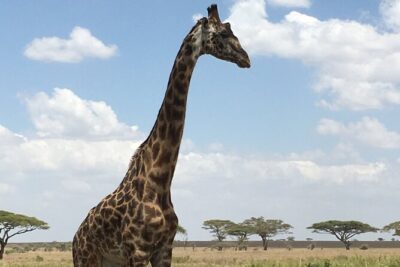
5 day safari Tarangire Serengeti and Ngorongoro crater
Our review of it →Browse the lists this tour appears in