
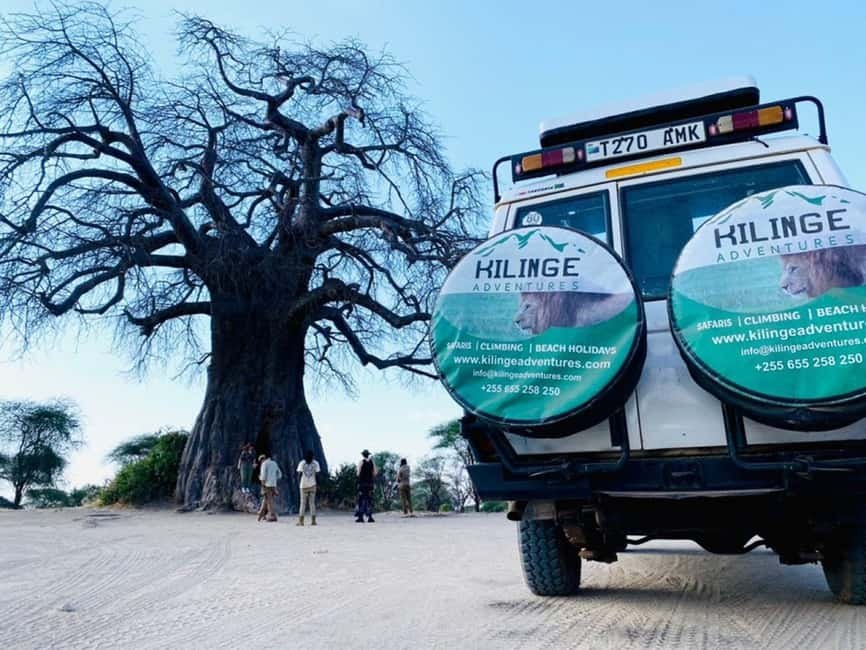
REVIEW · TANZANIA
1-Day Ngorongoro Crater Special Big 5- Joining Group Safari
The crater packs a whole safari day into one place. This Kilinge Adventures trip gives you a practical way to see Ngorongoro Crater from Arusha, with a professional English-speaking guide, transport, breakfast, lunch, water, and a full game drive on the crater floor. I especially like the chance to see the Big Five in a compact wildlife area and the stop for lunch near a hippo pool. The early start and long return drive are the main trade-offs.
I also like the price, listed at $190 per person, for a one-day outing that includes guided transport and meals. Still, you need to budget separately for the national park fee, and anyone starting in Moshi pays an extra transfer charge. The quality of the day may depend heavily on your guide, since one account praised Joseph for answering questions and adding extra activities, while another found the guide too quiet and slow to stop for animal sightings.
Key points to know before booking
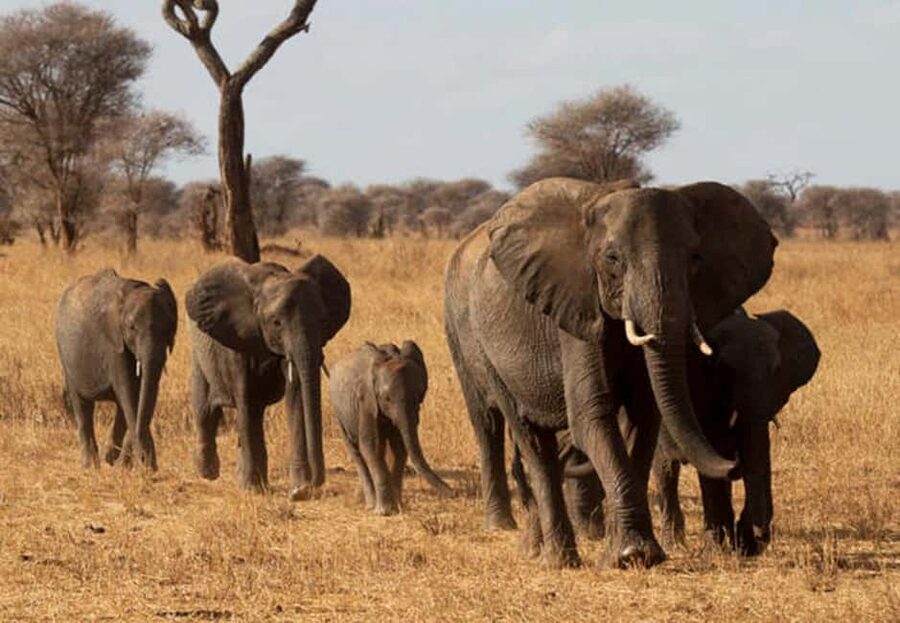
- The Big Five are the main goal: Lions, elephants, buffalo, leopards, and black rhinoceros may be seen during the crater game drive, though sightings are never guaranteed.
- The day starts very early: Pick-up is arranged from Arusha or Moshi, with free hotel collection from Arusha and an extra charge from Moshi.
- Ngorongoro is more than a game-drive route: The crater rim views, hippo pool, Lerai Forest, grasslands, and lake create a varied day.
- Lunch is part of the experience: Breakfast and lunch are provided, with lunch planned at a scenic picnic site near water or a swamp.
- Guide quality matters: Ask your guide to explain the crater’s formation, identify animals, and stop promptly when you spot something.
- The national park fee is extra: The advertised price is not your complete cost, so confirm the current fee before paying.
Why this one-day Ngorongoro trip works
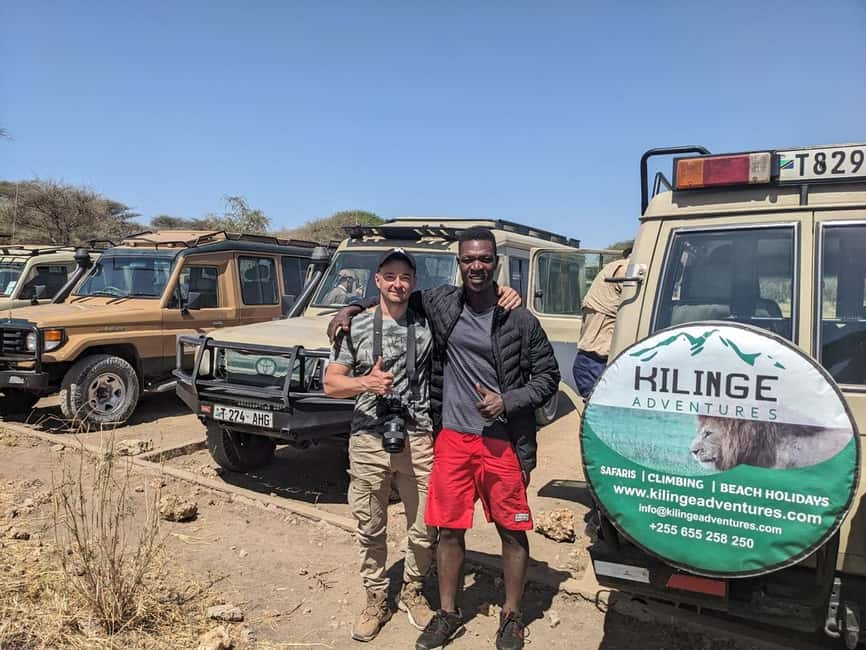
Ngorongoro Crater is a strong choice when you have limited time in northern Tanzania. Instead of moving between several parks, you spend the main part of the day in one enclosed volcanic caldera with a high concentration of wildlife.
The plan is simple: collect you early, drive from Arusha or Moshi, enter the Ngorongoro Conservation Area, descend into the crater, spend the day on a game drive, then return to town in the evening. That makes this a useful add-on before or after a longer Tanzania trip.
I like the fact that the outing does not treat the crater as only an animal checklist. The route includes the rim, crater floor, hippo pool, swamp, open grassland, lake area, and Lerai Forest. Each setting gives you a different chance to see animals and understand how the crater supports so much life.
The catch is time. A one-day trip means an early departure and a long road journey in both directions. You get a powerful taste of Ngorongoro, but not the slower pace of an overnight stay near the crater rim.
More Ngorongoro Crater Safaris in Tanzania:
- 5-Day Highlights mid-Range Crater, Serengeti, Tarangire
★ 5.0 · 296 reviews - Private 6-Day Tarangire Manyara Crater and Serengeti with Mid-Range Lodges
★ 5.0 · 238 reviews - 5 Days Camping Tarangire, Serengeti & Ngorongoro crater & Visiting Maasai
★ 5.0 · 229 reviews
The early drive from Arusha or Moshi
Pick-up begins early from your hotel. The drive takes you through the Great Rift Valley and the highlands of Tanzania, so even the transfer has changing scenery rather than being a plain highway run.
Arusha is the easier starting point because hotel collection there is free. If you stay in Moshi, you can still join the trip, but the transfer costs extra. I would ask for the exact Moshi supplement before booking, since the listed price does not cover it.
The pick-up schedule deserves attention. One poorly coordinated morning involved a 5 a.m. collection followed by a long wait while another party was collected at a later time. That kind of delay matters on a day when every hour counts. Ask for a written pick-up time and confirm that all members of your group are on the same schedule.
Breakfast is included, and one account found it filling and useful before the game drive. That is welcome, since the day begins before normal hotel breakfast hours. You should still carry your camera and drinking water, even though water is supplied as part of the tour.
The crater rim viewpoint and descent
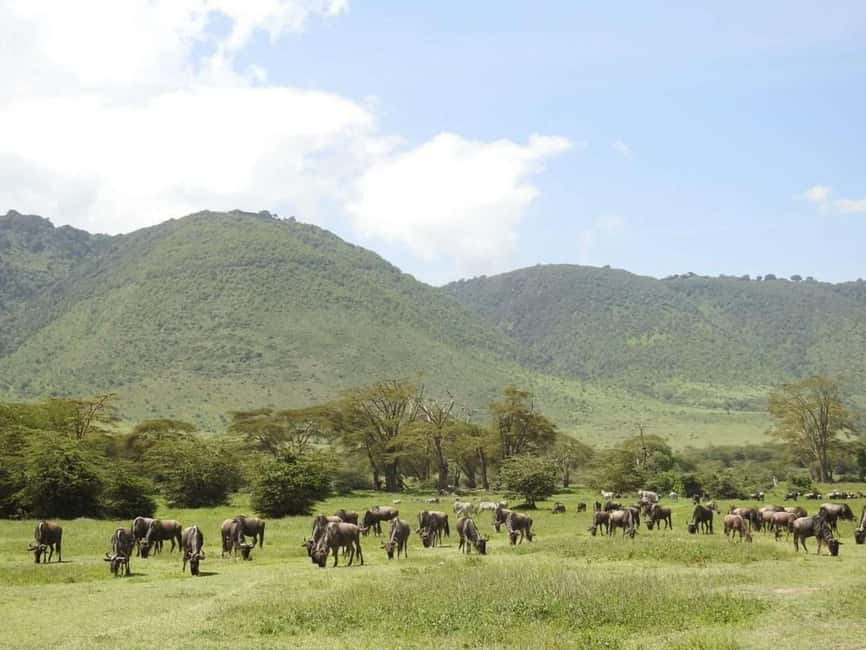
Your first major stop is the crater rim. From here, you can look across the broad volcanic bowl before the vehicle takes the winding route down to the floor, about 600 meters below the rim.
This viewpoint gives the day its sense of scale. The crater is a large, unbroken caldera with grasslands, forest, water, and wildlife habitats contained within its walls. The view also helps you understand why the crater feels different from a normal open safari area.
The descent is not just a transfer between two points. It changes the way you see the crater. From above, you see the whole bowl. On the floor, you begin to notice individual animals, tracks, water, vegetation, and the movement of herds.
The pace can be busy, especially when several vehicles gather around a popular animal sighting. A good guide should help you find a useful viewing position while respecting the setting. This is also the right moment to ask about the crater’s formation, local conservation rules, and the role of Maasai communities in the surrounding area.
Big Five viewing on the crater floor
The main event is the game drive. The route is planned around the crater’s open spaces and known wildlife areas, with the possibility of seeing lions, elephants, buffalo, leopards, and endangered black rhinoceros.
Ngorongoro is especially appealing for a short safari because several major species live within a relatively compact area. That does not mean you will see all five. Wildlife remains unpredictable, and leopards in particular can be difficult to find. The sensible approach is to treat the Big Five list as a goal, not a promise.
You may also see zebras, wildebeest, hyenas, hippos, gazelles, warthogs, and jackals. These animals make the drive worthwhile even when one of the famous five stays out of sight. A large herd or a well-positioned hyena can be just as memorable as a distant lion.
Your guide’s role is important here. I would expect the guide to explain what you are seeing, point out behavior, and help you scan the grassland. One account praised Joseph for answering questions and even adding activities beyond the planned schedule. Another account described a guide who gave little information and required repeated requests before stopping for animals already spotted by the passengers.
That contrast gives you useful advice: speak up early. Ask the guide to stop for photographs, explain animal numbers and behavior, and tell you where the vehicle is heading next. A quiet guide may not automatically mean a bad day, but you should not have to do all the spotting and questioning yourself.
More Safaris in Tanzania:
- 3 Day Serengeti National Park & Ngorongoro Crater Camping Safari
★ 5.0 · 142 reviews - 5 Days Tanzania Group Joining Safari, Tarangire/Serengeti/Ngorongoro Crater
★ 5.0 · 85 reviews - 5 day safari Tarangire Serengeti and Ngorongoro crater
★ 5.0 · 83 reviews - 3 Days Small Group Safari to Serengeti NP and Ngorongoro Crater Tour in Tanzania
★ 5.0 · 77 reviews
Lunch beside the hippo pool
Around midday, the group stops at a designated picnic area. The planned setting is near a hippo pool or a swamp, where you can eat while looking toward water and open country.
This is one of the better features of the day because it breaks up the long game drive. You can stretch your legs, eat, and watch for hippos without leaving the crater environment. Keep your camera ready, but follow your guide’s instructions around the water.
Breakfast and lunch are included. Lunch has been described as fresh, nutritious, and satisfying, which is important on a full-day trip with no convenient restaurant stop. The exact menu is not specified, so you should not expect to choose from a restaurant menu.
The picnic stop is also a good time to ask questions. You can learn more about the crater’s habitats, the animals near the water, and the Maasai communities connected with the conservation area. If your guide has been quiet, this is a natural moment to request more explanation for the afternoon drive.
Afternoon habitats: forest, plains, and lake
After lunch, the route continues through several parts of the crater. The Lerai Forest offers a change from the open grasslands, while the lake and swamp areas attract water-loving animals. The plains are useful for spotting grazing animals and predators across a wider view.
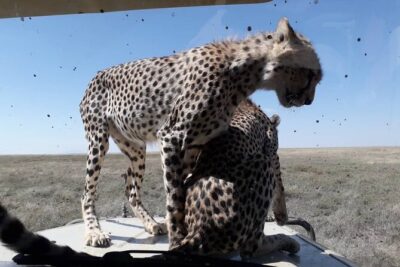
This variety keeps the afternoon from feeling like a repeat of the morning. You might see gazelles or warthogs in open country, jackals moving through the grass, or lions resting before the cooler part of the day. Cheetahs are also listed among the possible sightings, though there is no guarantee of seeing them.
The best way to enjoy this section is to stay alert between famous sightings. Look for unusual movement, birds, animal tracks, and changes in the vegetation. Your guide should help connect those small details to the wider ecosystem.
The cultural side also adds value. The guide is expected to share information about Maasai communities living in the conservation area, along with the crater’s geological story. This makes the trip more than a drive from one animal to another. Still, the quality of that explanation depends on how actively the guide communicates.
The ride back to the rim and Arusha
Late in the afternoon, the vehicle climbs back to the crater rim. The return ascent gives you one last chance to look down across the caldera, now with a better sense of its habitats and wildlife.
After leaving the crater, the journey continues to Arusha or Moshi. Arrival is expected in the early evening, though road conditions, park exit procedures, and the timing of the morning schedule can affect the exact hour.
This is a demanding day. You should be comfortable with a very early start, hours in a safari vehicle, and a long drive after a full day outside. It is not the best plan if you want a relaxed holiday morning or if you dislike fixed schedules.
For the right person, though, the return drive is a fair exchange for reaching Ngorongoro without paying for another night. You leave with one concentrated safari day rather than adding several days to your itinerary.
Is $190 good value?
The listed price of $190 per person covers guided safari transport, an English-speaking professional guide, meals noted in the plan, and drinking water. For a full-day trip from Arusha, that can be good value, especially if you want a guided experience rather than arranging transport and park entry yourself.
The price needs careful reading. The national park fee is not included, so the final amount will be higher. Pick-up from Moshi also costs extra. Ask for the full total, including park fees and the Moshi transfer, before you commit.
Value also depends on the guide. A well-run day with clear explanations, quick stops, good animal spotting, and properly timed meals can make the cost feel worthwhile. Poor pick-up coordination or a guide who gives little information can reduce the value, even if the crater itself is magnificent.
The reserve-now-and-pay-later option gives you some flexibility, and cancellation is allowed up to 24 hours ahead for a full refund. Those terms are useful, but I would still confirm the final price and collection details in writing.
Who should book this safari?
I would recommend this outing to someone based in Arusha who has only one free day and wants a serious wildlife experience. It also suits people who want the chance to see the Big Five without planning a longer multi-park safari.
It works well for first-time visitors who value a guided route, included meals, and hotel collection. Families and mixed-interest groups may also appreciate the range of scenery, animals, crater views, and cultural information, provided everyone is comfortable with the early start.
I would be more cautious if you want a slow, private safari with long stops at every sighting. This is a joining group trip, so the vehicle schedule and other passengers can affect the pace. It is also less suitable if you are starting in Moshi and want to keep costs as low as possible.
Bring a camera, confirm the pick-up time, and tell the guide clearly that you want explanations and photo stops. Those simple steps may make a big difference.
Should you book the Kilinge Adventures day trip?
Book it if you want the most efficient route into Ngorongoro Crater from Arusha and accept that the day will be long. The strongest reasons are the crater’s dense wildlife, the range of habitats, included meals, and the chance to pursue the Big Five for $190 before extra fees.
I would not book it without first confirming the national park charge, Moshi transfer cost if needed, group pick-up schedule, and the guide arrangements. If you want an educational safari, make that clear at the start of the day. The experience can be excellent, but the guide’s communication and timing are central to its success.
FAQ
Where does the safari start?
The safari offers hotel pick-up from Arusha or Moshi. Pick-up from Arusha is free, while collection from Moshi costs extra.
How much does the safari cost?
The listed price is $190 per person. The national park fee is not included, and Moshi pick-up requires an additional transfer charge.
Is the national park fee included?
No. You must pay the national park fee separately from the listed tour price.
What animals might I see?
The planned game drive focuses on lions, elephants, buffalo, leopards, and endangered black rhinoceros. You might also see zebras, wildebeest, hyenas, hippos, gazelles, warthogs, jackals, and possibly cheetahs.
Is the Big Five guaranteed?
No. The safari is designed to look for the Big Five, but animal sightings cannot be guaranteed.
What meals are included?
Meals indicated in the plan are included. Breakfast is provided before or during the day, and lunch is served at a designated picnic area, often near a hippo pool or swamp.
What language does the guide speak?
The listed guide language is English.
What should I bring?
Bring a camera. Drinking water is included, but you may still want personal essentials for a long day outdoors.
Can I cancel the booking?
You can cancel up to 24 hours in advance for a full refund. The trip also offers a reserve-now-and-pay-later option.
More Day Trips in Tanzania
- Ngorongoro Crater Day Trip
★ 5.0 · 72 reviews - Full-Day Trip to Ngorongoro Crater from Arusha Town
★ 5.0 · 37 reviews - Ngorongoro Crater Day Trip – Shared Group Safari
★ 5.0 · 16 reviews - 1 Day Ngorongoro Crater Group Jioning Safari
★ 5.0 · 9 reviews
Just added around Tanzania
- Tanzania Wildlife Safari – Tarangire | Serengeti and Ngorongoro Crater★ 5.0 · 2 reviews
- 7 Days Rhino Ngorongoro Crater Safari Tour★ 5.0 · 5 reviews
- Mt Kilimanjaro 360° Trek with Once-in-a-Lifetime Crater Camping★ 5.0 · 8 reviews
- Kilimanjaro climb, Kilimanjaro Crater route (10-day)★ 5.0 · 5 reviews
- Cycling from Kilimanjaro to Ngorongoro Crater★ 5.0 · 10 reviews
- 5-Day Lake Manyara, Serengeti, Ngorongoro Crater and Tarangire★ 5.0 · 28 reviews
- 5 days Safari to Lake Manyara, Serengeti and Ngorongoro crater★ 5.0 · 3 reviews
- 4 days Safari Lake Manyara, Ngorongoro crater and Serengeti★ 5.0 · 4 reviews
Ngorongoro Crater Safaris, compared.
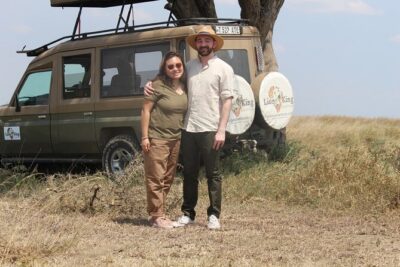
5-Day Highlights mid-Range Crater, Serengeti, Tarangire
Our review of it →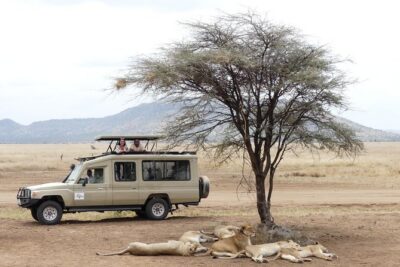
Private 6-Day Tarangire Manyara Crater and Serengeti with Mid-Range Lodges
Our review of it →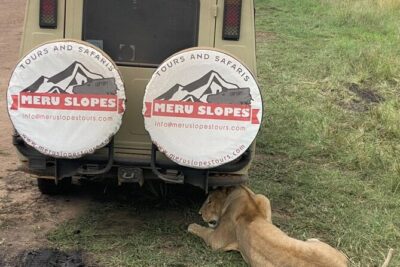
5 Days Camping Tarangire, Serengeti & Ngorongoro crater & Visiting Maasai
Our review of it →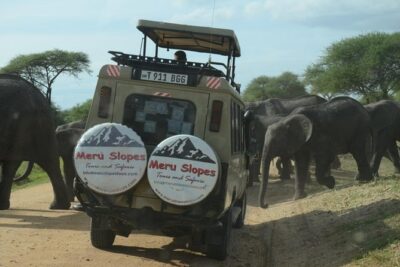
4 Days Join Group tour Tarangire Serengeti and Ngorongoro crater
Our review of it →3 Day Serengeti National Park & Ngorongoro Crater Camping Safari
Our review of it →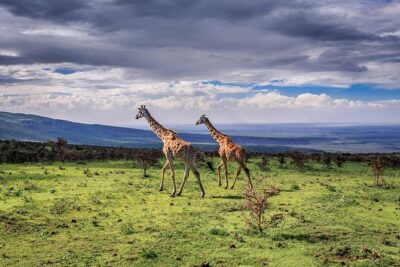
5 Days Tanzania Group Joining Safari, Tarangire/Serengeti/Ngorongoro Crater
Our review of it →
5 day safari Tarangire Serengeti and Ngorongoro crater
Our review of it →Browse the lists this tour appears in