
REVIEW · SICILY
WalkingTour CATANIA – discovering the city of lava with a licensed guide
Catania is Sicily’s city of black stone and big stories. This two to three hour walk connects the cathedral, fish market, lava-built streets, Ursino Castle, and baroque Via dei Crociferi with a licensed local guide. I like the easy central route and the way the tour links daily Sicilian life with earthquakes, eruptions, and rebuilding. The main consideration is that some streets and sidewalks are rough, and one past participant found the guide hard to hear.
I also like the small maximum group of 15 and the reasonable price of $24.19. Guides such as Giuseppe, Enza, Tiziana, Maria Luisa, Alicia, Ivan, and Totò have been praised for clear explanations, humor, local pride, and useful food tips. Guide quality can vary by assignment, but the overall rating of 4.7 from 133 ratings, with 93 percent recommending the experience, is a strong sign.
Key points to know before you book
- Catania’s lava story runs through the whole walk: black basalt, lava stone buildings, and an old castle moat help explain the city’s unusual look.
- The morning route includes the fish market: expect local seafood, meat, cheese, cured foods, fruit, and vegetables near Piazza del Duomo.
- The route covers the central highlights: Piazza del Duomo, Palazzo degli Elefanti, Ursino Castle, Via dei Crociferi, and Piazza Università.
- The walk is led by an officially licensed guide: guide names vary, with several praised for storytelling and local advice.
- Ursino Castle entry is not included: the tour views the castle from outside unless you choose to pay separately.
- You return to the starting point: meet at the GS GuidingSicily infopoint in Piazza del Duomo at 10:30 a.m.
Why this Catania walk works well for a first visit
Catania can feel confusing at first. Its center mixes grand churches, busy food stalls, dark volcanic stone, university buildings, and ordinary neighborhood life. This walk gives you a clear route through that mix without asking you to organize the details yourself.
The best feature is the connection between place and event. Catania is not simply a baroque city with pretty facades. It has been shaped by earthquakes and Mount Etna, and the tour keeps returning to that idea. Lava appears as building material, street stone, decorative work, and the very reason Ursino Castle no longer sits beside the sea.
You meet at Piazza del Duomo, the natural heart of the old center. The activity ends there too, which makes it useful on your first day. You can continue sightseeing, return to your hotel, find lunch, or use the square as a simple reference point.
At $24.19, I see this as a good-value orientation walk. You are paying for a local guide, a planned route, and context that is difficult to gather from plaques alone. There is no meal or major admission included, so the value depends on how much you want explanation rather than a list of photo stops.
More Lava and Eruption Tours in Italy
- Etna Morning or Sunset – Trek & Lava Tunnel with Gear
★ 5.0 · 133 reviews - Catania: Sunset Jeep Tour of Mount Etna and Lava Flow Caves
★ 4.8 · 2,113 reviews - Catania: Morning Jeep Tour of Mount Etna and Lava Flow Caves
★ 4.7 · 774 reviews
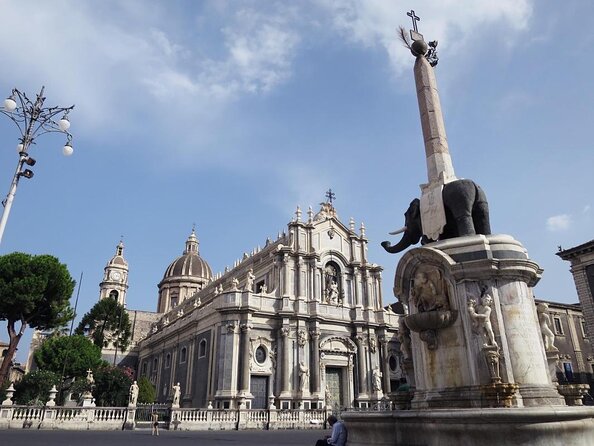
Piazza del Duomo and the lava elephant
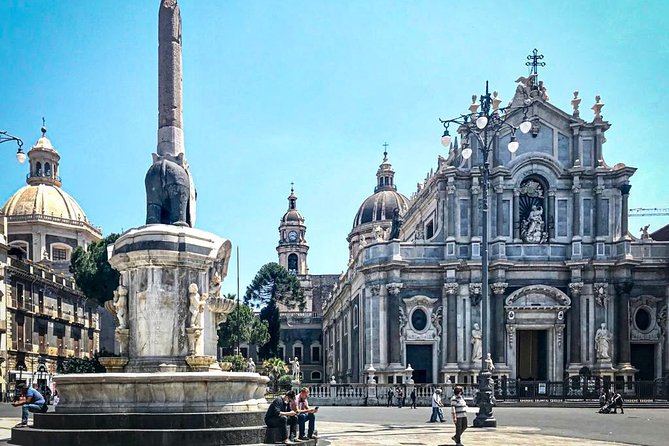
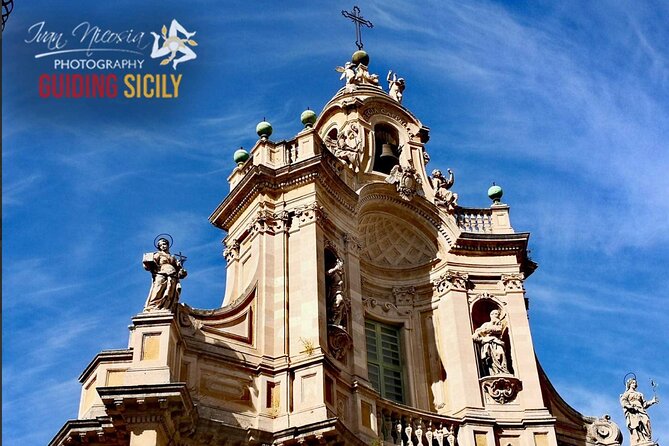
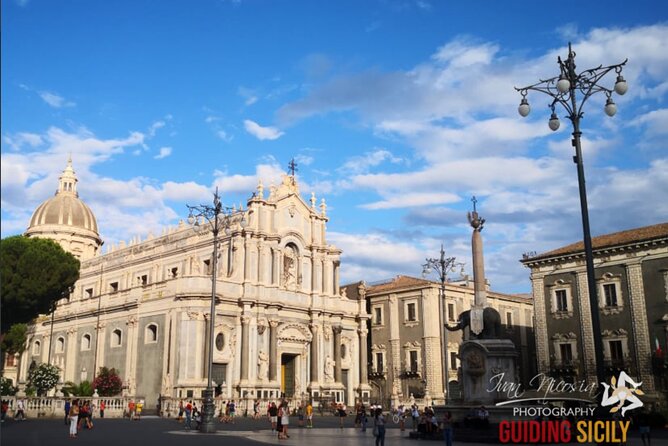
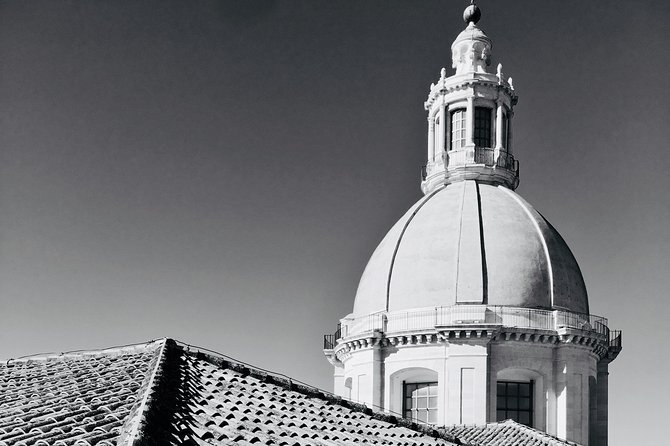
The walk begins at Piazza del Duomo, where Catania presents its grandest face. The cathedral is Norman in origin but wears a baroque appearance after centuries of damage and rebuilding. The building’s long story gives your guide plenty to explain, including the city’s religious importance and its repeated need to recover from disaster.
In the center of the square is the famous lava-stone elephant, called the liotru, with an obelisk on its back. This is the city symbol, and it makes a memorable first lesson in Catania’s relationship with Mount Etna. Lava here is not a distant natural force. It became sculpture, masonry, and part of the city’s identity.
The square also gives you Palazzo degli Elefanti, Catania’s town hall. Look up at the noble floor, where elephant figures appear in the gables above the balconies. The building is free to view from outside, and your guide uses it to point out how civic power was displayed in the center of town.
Allow about 30 minutes for this opening section. It is not just a quick photograph. You get the symbols and basic story you need for the rest of the walk.
A morning at A Piscaria fish market
The fish market sits beside Piazza del Duomo and adds a welcome dose of everyday Catania. If you take the 10:30 a.m. walk, the market is an important part of the experience. Fish is the main draw, but the stalls also include meat, cured foods, cheeses, fruit, and vegetables.
This is where the tour shifts from monuments to local routines. You can see how food is displayed, how the market fits into the old center, and how Sicilian cooking begins with products from the surrounding region. Fruit prices are described as especially good, though this is a market visit, not a tasting tour.
The market can be noisy and crowded. That is part of its character, but it also creates the main audio challenge. One participant said the guide was difficult to hear and suggested using earpieces. The experience does not promise audio equipment, so stay close to the guide and speak up if you miss an explanation.
I would not book this walk only for the market, but it is one of the most useful stops. It gives you a more honest picture of Catania than a route made only of churches and palaces.
Palazzo degli Elefanti and the city’s civic center
The town hall receives a short stop of about 15 minutes. That may sound brief, but the building has already been introduced from the square, so this section works as a focused explanation rather than a long visit.
Your guide can help you read the facade, identify the elephant decorations, and understand why this building occupies such an important position. The value comes from observation. Without context, you might simply see another grand palace. With a guide, the details become clues about Catania’s symbols and public life.
There is no admission charge listed for this stop. The walk concentrates on the exterior and the surrounding square rather than an extended indoor visit.
More Lava and Eruption Tours in Sicily:
- Reykjavik: LAVA SHOW – Immersive Experience Entry Ticket
★ 4.8 · 3,360 reviews - Lava Show Reykjavik Admission Ticket – Optional Premium Upgrade
★ 5.0 · 3,278 reviews - Reykjavik: Red Lava Horse Riding Tour
★ 4.8 · 2,383 reviews - The Lava Tunnel Tour – Raufarhólshellir
★ 5.0 · 2,373 reviews
Ursino Castle and the lava that changed its setting
Ursino Castle is one of Catania’s most striking reminders that the city has been physically rearranged. The Swabian fortress once looked toward the sea. In the 17th century, a lava flow filled the moat and surrounded the castle with hardened volcanic rock. The sea moved farther away, but the castle remained.
Expect around 20 minutes here. The black basalt is easy to see, and the story is more memorable than a standard fortress description because the setting changed around the building. It is a good place to ask your guide about the influence of Mount Etna on Catania’s growth and appearance.
Admission is not included. The tour includes the castle stop, but do not assume it includes entry inside. If you want to explore the museum or interior spaces, you need to handle that separately. For many people, the outside view and the volcanic story will be enough during a short city orientation.
The route from the cathedral area toward the castle also helps you see how Catania’s historic center functions as a real part of the city, not a sealed museum quarter.
Via dei Crociferi and baroque Catania
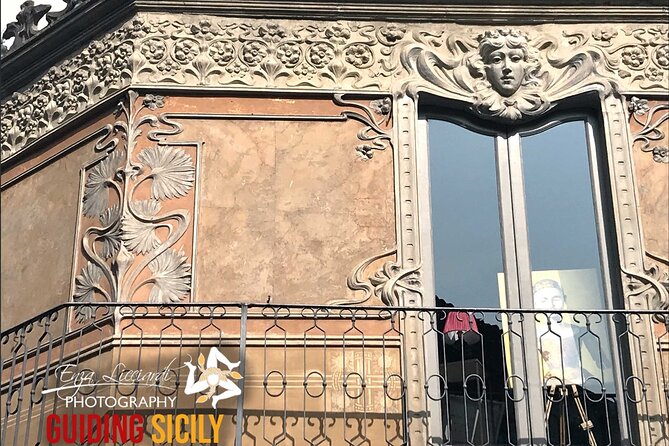
Via dei Crociferi is the architectural high point of the walk. One church follows another, with monasteries and baroque facades lining the street. Much of this building program came after the devastating earthquake of 1693, when Catania had to rebuild on a large scale.
The street is especially useful for understanding why Catania looks so different from other Sicilian cities. The facades are ornate, but the local dark stone gives them a heavier, more dramatic appearance. The route is free, open to the public, and takes about 20 minutes.
Do not expect a long interior tour of every church. The emphasis is on the street, the facades, and the story of reconstruction. That keeps the pace moving, though anyone wanting detailed religious art coverage may find this section too short.
This is also a good part of the walk for photographs. Still, listen before reaching for your camera. The guide can point out details you would likely pass without noticing, especially on the upper sections of the buildings.
Piazza Università and student life
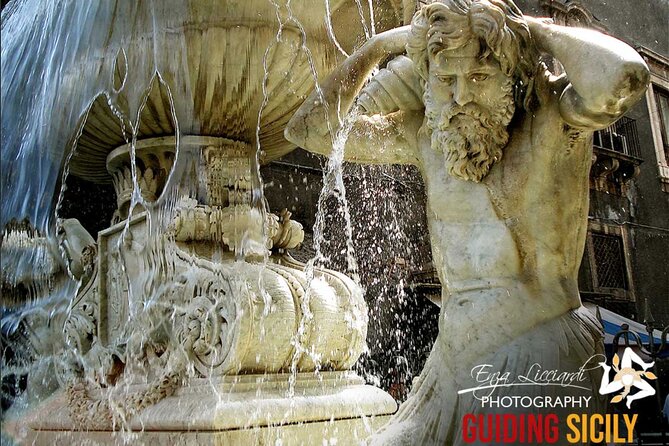
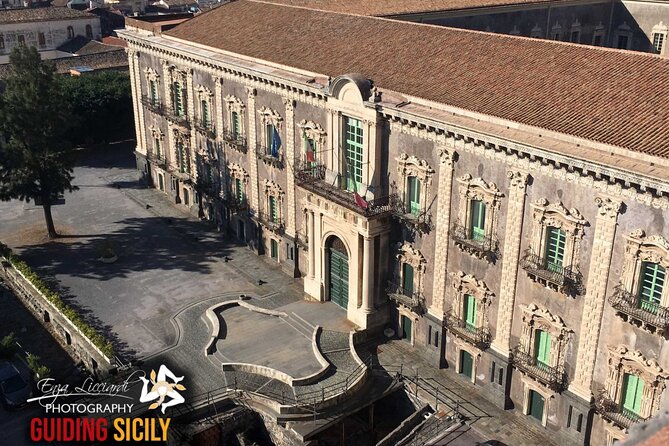
The final listed stop is Piazza Università, another broad and impressive square. Here you see the Palazzo del Rettorato, home to the University of Catania, founded in 1434. Its courtyard has lava pebbles worn by generations of students.
Across from it is Palazzo San Giuliano, also connected with the university and formerly owned by one of Sicily’s most powerful and wealthy families. This gives the tour a useful change of subject. You move from religion and military defense to education, aristocratic power, and the city’s continuing public life.
The stop lasts about 20 minutes and is free. It also makes a good place to ask for practical suggestions about food and customs. Maria Luisa, in particular, was praised for giving advice on local specialties and everyday Sicilian habits, while Enza was praised for explaining Catania from its origins to the present.
After Piazza Università, you return to the meeting point in Piazza del Duomo. The route is compact enough to fit comfortably into a morning, though the exact length can be closer to two or three hours depending on questions, group pace, and guide commentary.
The guides make the difference
This is a guide-led experience, so the person holding the tour matters more than a fixed script. The local team includes officially licensed guides, and several names have earned especially warm praise.
Giuseppe was noted for clear explanations, attention to shade and rest breaks on a hot day, and helpfulness when visitors misplaced belongings. Tiziana was praised for being thorough and willing to answer questions. Enza received repeated praise for clarity, warmth, and strong knowledge of Catania and Sicily.
Other guide names connected with strong feedback include Maria Luisa, Alicia, Ivan, Ester, and Totò. Some were described as funny, personable, or especially good at storytelling. The guide assigned to your date may be different, so treat these names as examples of the team rather than a promise that one particular person will lead your walk.
English is offered. The feedback also includes Italian-language experiences, but do not book this activity expecting Spanish based on the information provided. If hearing every detail matters to you, stay near the guide, especially in the fish market, and ask for a repeat when needed.
Pace, group size, and physical comfort
The maximum group size is 15. That is small enough for questions and eye contact, though a full group can still be difficult to hear in a market or on a busy street.
The walk is described as easy, with a few old and uneven sidewalks. You do not need an advanced fitness level, and most people can participate. Still, Catania’s historic center is not perfectly smooth. Wear comfortable shoes and watch your footing rather than treating the walk as a polished promenade.
Heat can also affect the experience. A guide has adjusted pauses and sought shade during a hot day, but weather is not fully under anyone’s control. The tour requires good weather, and poor conditions can lead to a different date or a full refund.
Service animals are allowed, and the meeting point is near public transportation. You will need to reach Piazza del Duomo on your own, but the central location makes the start straightforward once you are in central Catania.
Who should book this walk?
I would choose this tour if you are visiting Catania for the first time and want the city to make sense quickly. It suits people who enjoy local food markets, urban history, church facades, and stories about natural disasters more than long museum visits.
It also works well as a first activity before exploring independently. Afterward, you will know where the cathedral, fish market, castle, Via dei Crociferi, and university square are located. You can then return to whichever area caught your interest.
You may want something else if you prefer a private tour, a long indoor visit, or a slow food-focused experience. The group is capped at 15, not limited to one household, and Ursino Castle entry costs extra. The walk also depends on the guide’s delivery, so anyone with hearing concerns should stay close and speak up.
Free cancellation is available until 24 hours before the 10:30 a.m. start. Cancellations or changes made inside that window are not refunded. A minimum group size is required, and if the operator cancels for weather or insufficient numbers, you are offered another date, another experience, or a full refund.
Should you book the Catania lava city walk?
For $24.19, I think this is a sensible buy for a first morning in Catania. You get the city’s essential central sights, a real food market, a clear explanation of lava and rebuilding, and a local guide who can add food and neighborhood advice.
Book it if you want context, an easy route, and a small group. Skip it if you mainly want to enter museums or spend hours inside churches. The strongest reason to choose it is the way it connects Catania’s symbols, markets, architecture, and volcanic past into one walk.
FAQ
Where does the walking tour begin?
It begins at the GS GuidingSicily infopoint in Piazza del Duomo, Catania.
What time does the tour start?
The scheduled start time is 10:30 a.m.
Where does the tour finish?
The activity ends back at the meeting point in Piazza del Duomo.
How long does the tour last?
The walk lasts approximately two to three hours.
Is the tour offered in English?
Yes. English is one of the offered languages.
What sights are included on the route?
The route includes Piazza del Duomo, Palazzo degli Elefanti, A Piscaria fish market, Ursino Castle, Via dei Crociferi, and Piazza Università.
Is admission to Ursino Castle included?
No. Admission to Ursino Castle is not included. The other listed stops have free admission.
How many people can join the tour?
The maximum group size is 15 travelers.
Can I cancel for a full refund?
Yes, if you cancel at least 24 hours before the local start time. Poor weather or failure to reach the required minimum group size can also lead to a different date or a full refund.
Just added around Sicily
- Sicily: Mount Etna’s North Slope Craters Guided Hike Tour★ 5.0 · 8 reviews
- Etna Southern Slope Guided Easy Trek★ 4.8 · 36 reviews
- From Cefalù: Full-day tour to Mount Etna & Taormina★ 4.1 · 3 reviews
- Enoteca dell’Etna: Iemu Spizzicannu Tasting★ 5.0 · 9 reviews
- calice in cratere★ 5.0 · 6 reviews
- Capo d’Orlando: Mini-cruises to Salina Panarea and Stromboli★ 3.0 · 5 reviews
- Etna: Trekking to the summit craters at 3,340 meters★ 5.0 · 50 reviews
- Hike near the summit craters up to the maximum safe altitude currently foreseen★ 5.0 · 57 reviews
Lava & Eruption Tours, compared.

LAVA SHOW – Immersive Experience Entry Ticket
Our review of it →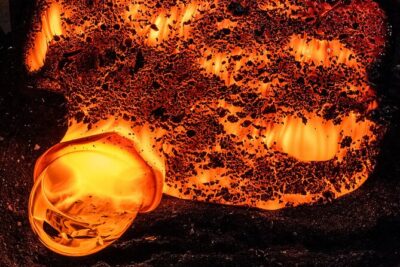
Lava Show Reykjavik Admission Ticket – Optional Premium Upgrade
Our review of it →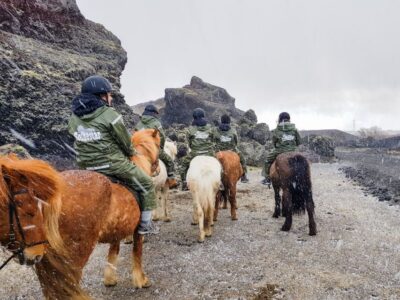
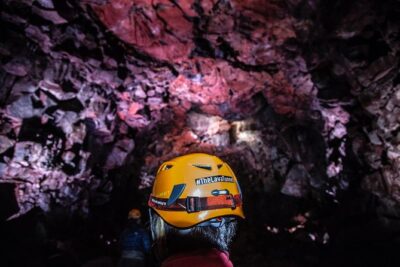
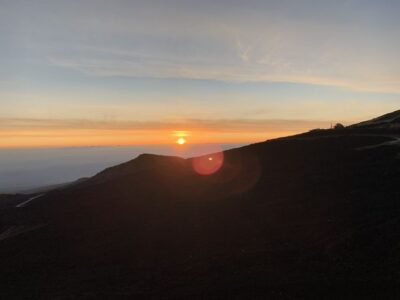
Sunset Jeep Tour of Mount Etna and Lava Flow Caves
Our review of it →
Raufarhólshellir Lava Tunnel: Underground Expedition
Our review of it →
Browse the lists this tour appears in