REVIEW · INDONESIA
Mount Rinjani: 3D2N Summit, Lake & Senaru Crater Rim
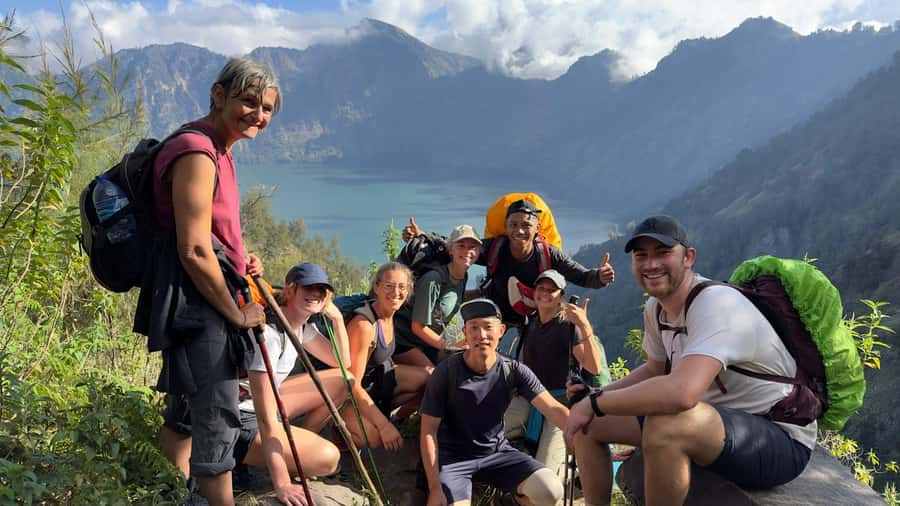
The summit comes with a serious price in sweat. This three-day Mount Rinjani trek combines a sunrise climb to Indonesia’s 3,726-meter volcano, a night beside Segara Anak Lake, and spectacular camps on both crater rims. I especially like the full mountain circuit, which gives you more than a summit photo, and the included guide, porters, meals, camping gear, and water. The catch is simple: this is a hard trek, not a casual walk, and the $145 price does not include the national park entry fee or a night of accommodation before the climb.
I also like the human touch. Your guide and porters prepare three meals a day, carry the cooking and camping equipment, and provide tea, coffee, fruit, and drinking water. Ajis, one of the named guides, received particular praise for helping a climber reach the summit. Still, you need strong fitness, warm clothing, and a willingness to start walking before sunrise while tired legs complain loudly.
Key points before you book
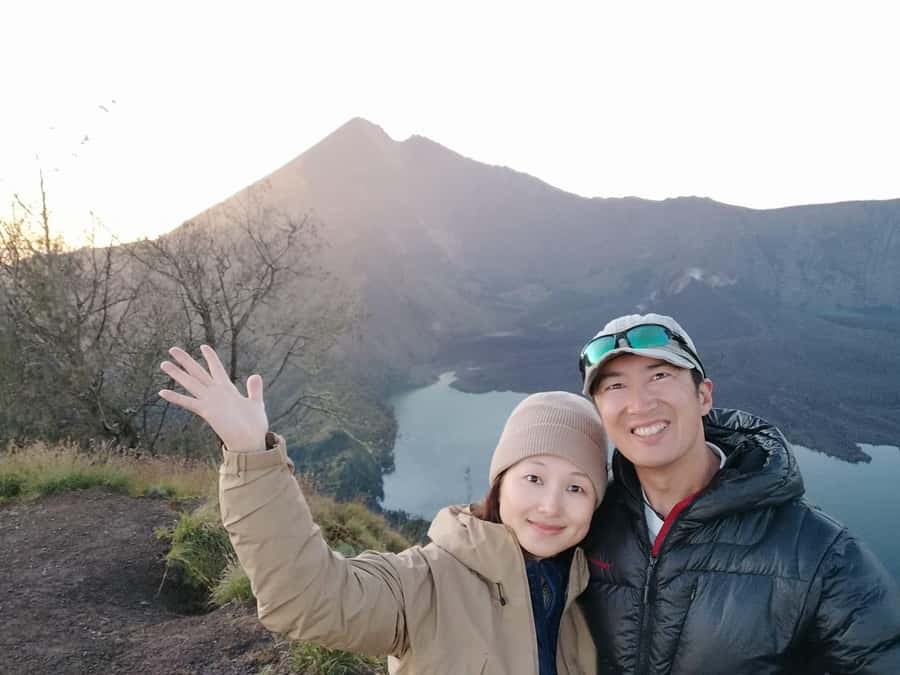
- The summit push begins at 3:00 am on day two, with a target arrival around 6:00 am for sunrise.
- Segara Anak Lake includes time to rest and swim, with hot water nearby to soothe sore muscles.
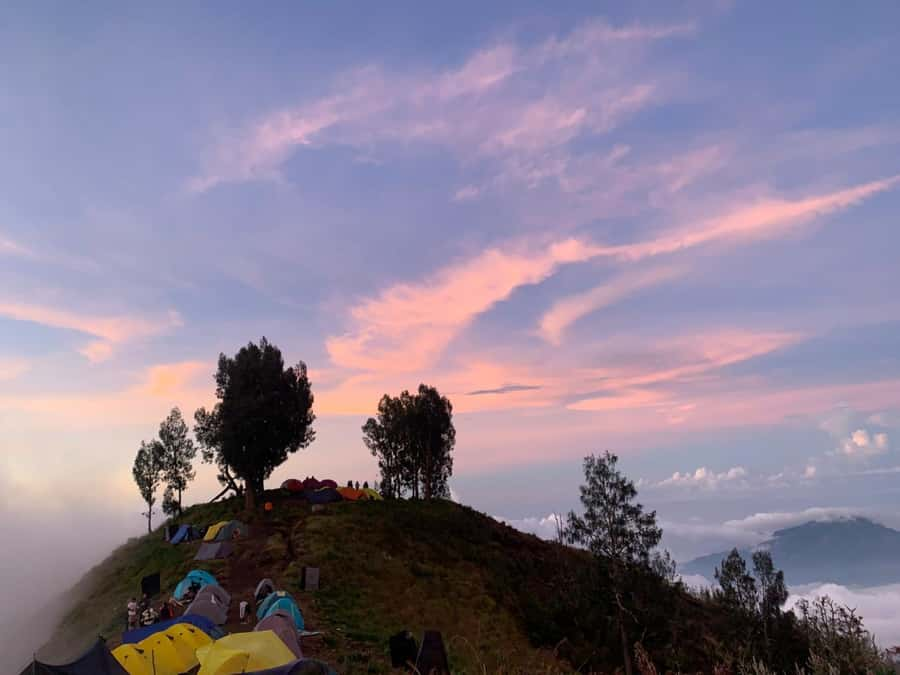
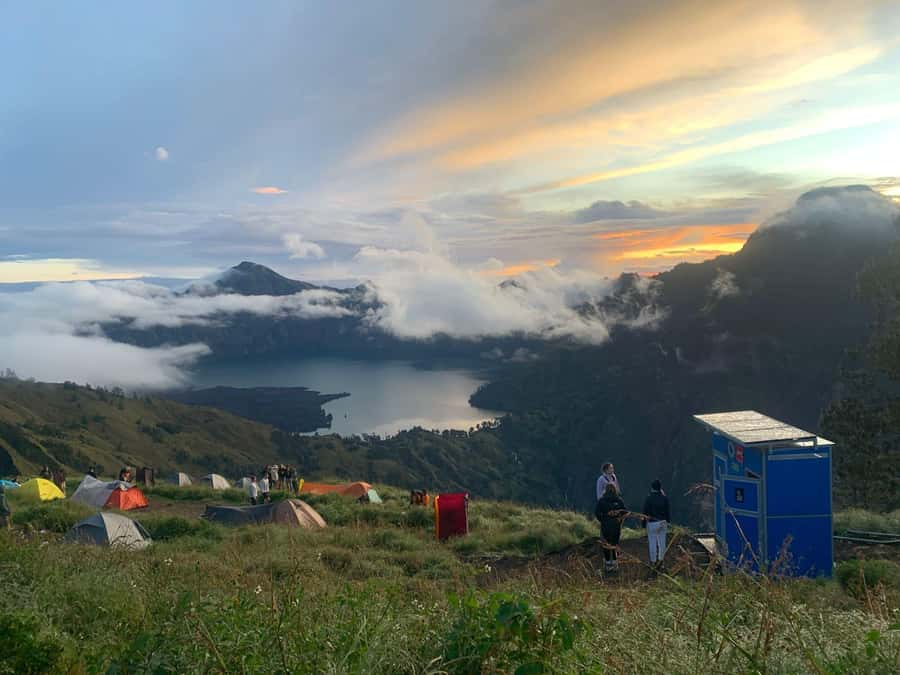
- You camp on both crater rims, first at Sembalun and then at Senaru, with sunset views toward Mount Agung in Bali.
- Porters carry the cooking and camping equipment, while your food, tent, sleeping mat, sleeping bag, and toilet tent are included.
- The route needs clarification before booking: the title refers to the Torean Route, while the detailed plan begins in Sembalun and ends in Senaru.
- The $145 price is useful but not all-inclusive, since the park entry fee, pre-trek accommodation, hiking shoes, warm clothes, and tips cost extra.
What this Mount Rinjani trek actually involves
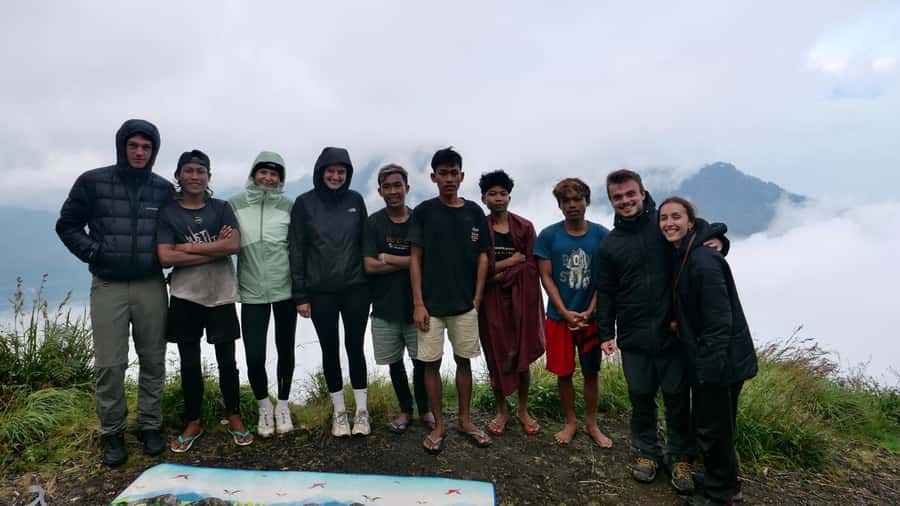
Mount Rinjani rises to 3,726 meters and is Indonesia’s second-highest volcano. This route is built for people who want the summit, Segara Anak Lake, and both crater rims in one demanding three-day trip.
The detailed schedule starts in Sembalun Village at about 1,100 meters and finishes in Senaru Village at about 601 meters. That makes the trip a point-to-point route rather than a return walk on the same trail. You gain variety, but you also face long days and major changes in elevation.
One detail needs checking before you pay. The experience title describes the Torean Route, while the day-by-day plan says you start in Sembalun and return through Senaru. Those are not the same route description. Ask the operator to confirm your exact starting point, walking route, and whether Penimbungan Waterfall is included in your planned day.
More Volcano Crater Hikes in Indonesia
- 2D1N Senaru Crater Rim Trekking
★ 5.0 · 178 reviews - Mount Rinjani 2 Days 1 Night Senaru Crater Rim
★ 5.0 · 131 reviews - Mount Rinjani 2-Day Trek to Senaru Crater Rim
★ 4.8 · 89 reviews
Day one: Sembalun grasslands to the crater rim
Your first morning begins with breakfast at 6:00 am, followed by transport to Sembalun and registration at the Rinjani information center. The walk starts around 8:00 am across open grassland.
This first section is relatively gentle, but do not mistake that for easy. You are gaining height for most of the day, and the open ground offers little shelter from sun or rain. After about two hours, you reach Post 1 at 1,300 meters. Post 2 follows roughly 40 minutes later at 1,500 meters.
The path then continues to Post 3 at 1,800 meters, where lunch is served. This is a sensible place to pause because the hardest part of the day comes afterward. I would use the break to eat properly, refill water, adjust socks, and check that your rain gear and warm layer are easy to reach.
After lunch, you climb toward Sembalun Crater Rim at 2,639 meters. The final approach takes about three hours and includes a long, steep ascent. This is where the trip begins to feel serious. The day is not only about distance. It is about sustained uphill work followed by a night at altitude.
Camp on the crater rim and, if weather allows, watch the sunset. The open position gives you broad views across Mount Rinjani and the surrounding area. Your guide and porters prepare the evening meal, and the included tent, sleeping mat, sleeping bag, and toilet tent make camp less complicated than carrying your own full setup.
Expect the night to be cold. Warm clothing is listed as essential, and that advice should be taken literally. A light jacket is unlikely to be enough for the crater rim or summit morning.
Day two: the 3,726-meter summit before breakfast
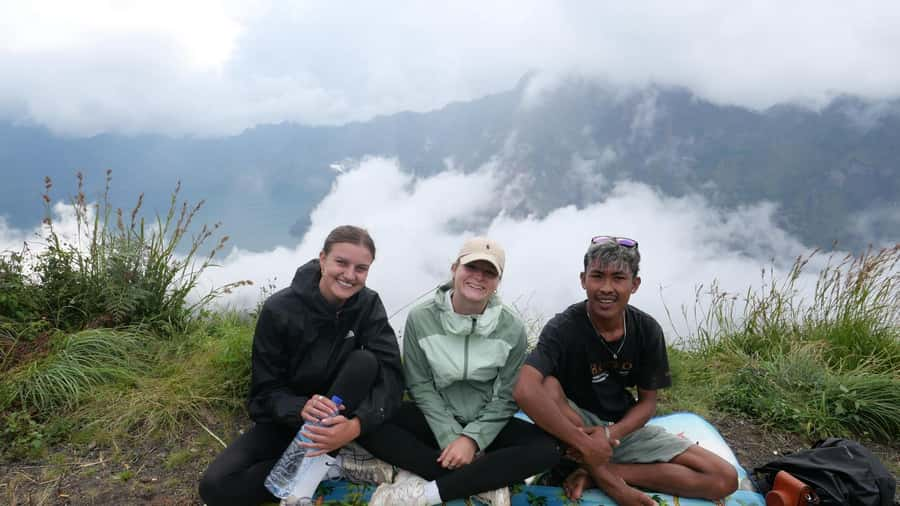
The second day is the hardest and most memorable. Wake around 2:00 am for a warm drink and light breakfast, then start the summit climb at about 3:00 am.
The early section is described as moderate, followed by a longer, easier stretch. The final approach is steep volcanic ground. In practical terms, this means loose footing, slow progress, and a need to conserve energy. Your guide matters here, especially when darkness, cold, tiredness, and altitude arrive together.
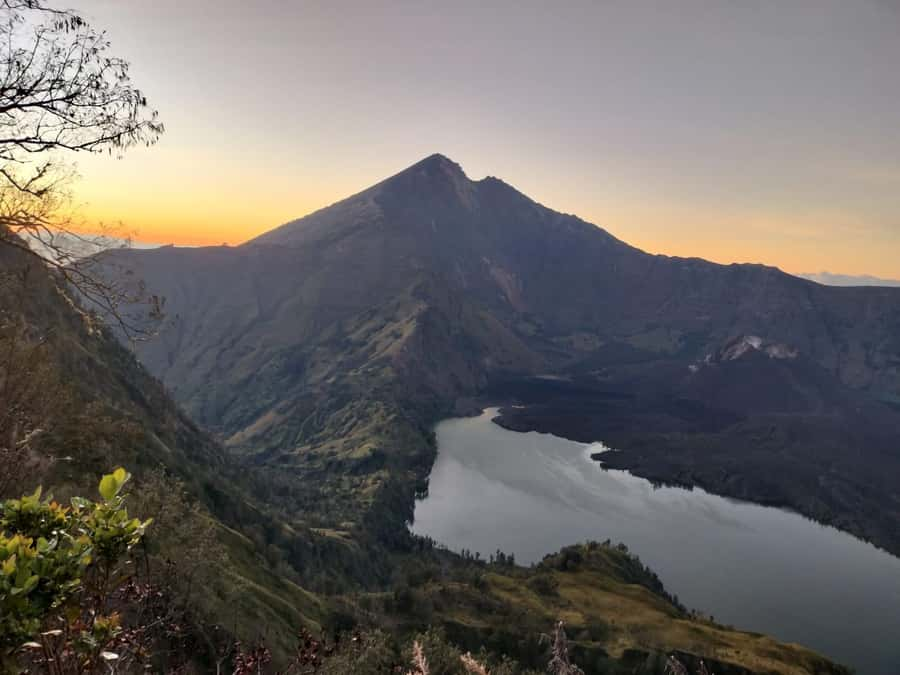
The target is the summit at 3,726 meters around 6:00 am. From the top, you can see Lombok, Bali, Sumbawa, and Segara Anak Lake when the weather is clear. Sunrise is the reward, but it is not guaranteed. Cloud and poor weather can affect the schedule and visibility.
The descent to Sembalun Crater Rim takes about two hours, followed by breakfast. This is a useful recovery point, but you are not finished. The route then drops for around three hours to Segara Anak Lake.
The lake is one of the strongest reasons to choose this itinerary. After the summit, it gives you a completely different setting: a broad volcanic lake surrounded by Rinjani’s high ground. You can rest beside the water and swim in the lake. Hot water nearby is also described as a way to ease the aches from the summit climb.
Do not expect a leisurely lakeside afternoon. You still have to climb from the lake to Senaru Crater Rim. Lunch is prepared by the porters, then the trail rises again to the 2,641-meter rim. This is a demanding sequence: summit before dawn, descend, walk to the lake, then climb back up.
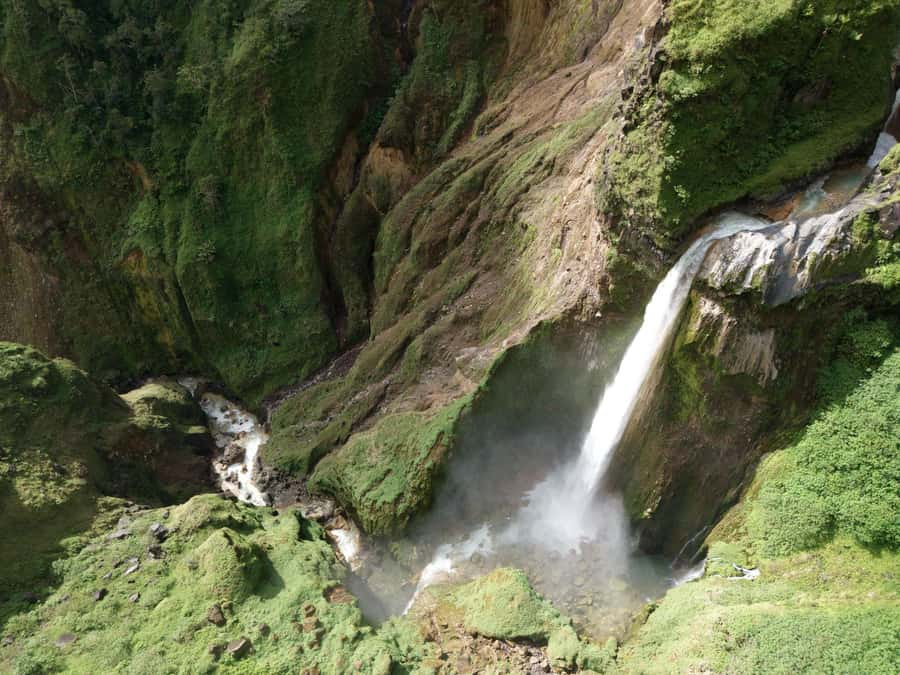
The Senaru Crater Rim camp is presented as the most spectacular overnight viewpoint. From here, you may see sunset over Mount Agung in Bali and smoke from the newer volcano at the lake’s edge. These views are a fitting end to a very long day, though tired legs may have their own opinion.
Day three: rainforest descent to Senaru Village
After breakfast and a sunrise at camp, you leave the crater rim and descend through tropical forest toward Senaru Village.
The descent takes about five hours, with lunch along the way. Going downhill may sound easier than climbing, but steep ground can punish knees and toes after the previous day. Good hiking shoes are not included, so bring suitable footwear or arrange a rental before departure.
The forest section changes the mood of the trek. After the exposed grasslands and volcanic slopes, you get shade and a greener setting. The route description also notes the possibility of seeing rare black monkeys, though wildlife sightings are never promised.
You finish in Senaru Village at about 601 meters, where transport takes you to your next destination. Since the program does not include a night of accommodation before the trek, arrange your pre-trek stay separately. Hotel pickup is included around Senaru, and transport to the starting point is also covered.
More Volcano Hikes and Treks in Indonesia
- Mount Batur Sunrise Trekking Private All Inclusive
★ 5.0 · 906 reviews - From Bali: Ijen Volcano Sunrise Hike with Transfer & All Fee
★ 4.8 · 139 reviews - Banyuwangi: Ijen Crater Bluefire and Sunrise Guided Trek
★ 4.9 · 65 reviews - Trekking Mt. Rinjani 2 Days 1 Night Senaru Crater Rim
★ 5.0 · 55 reviews
What the $145 price includes
At $145 per person, the cost is appealing for a three-day guided mountain trek with food, porters, and camping equipment. The value comes from not having to organize every moving part yourself.
Included services cover:
- An English or Indonesian-speaking guide
- Professional porters
- Cooking and camping equipment
- Tent, sleeping bag, sleeping mat, and toilet tent
- Three meals each day
- Fruit such as pineapple and bananas
- Tea, coffee, and drinking water
- Three liters of mineral water per person per day
- Trekking insurance
- Backpack storage at the office for items not needed on the mountain
- Pickup around Senaru
- Transport to the starting point
The food support is important. A summit trek burns energy quickly, and having meals prepared at camp means you can focus on walking rather than carrying a stove and cooking kit. The three-liter daily water allowance is helpful, but you are also told to bring enough water and snacks for personal use.
The price does not include the Rinjani National Park entry ticket. It also excludes a pre-trek hotel night, hiking shoes, warm clothing, personal snacks, and tips for the guide and porters. A small backpack can be rented, but that cost is not included either.
Add those extras before comparing this with other Rinjani packages. The advertised price is a good base cost, but it is not the final amount you will spend.
Guides, porters and the practical side of camp
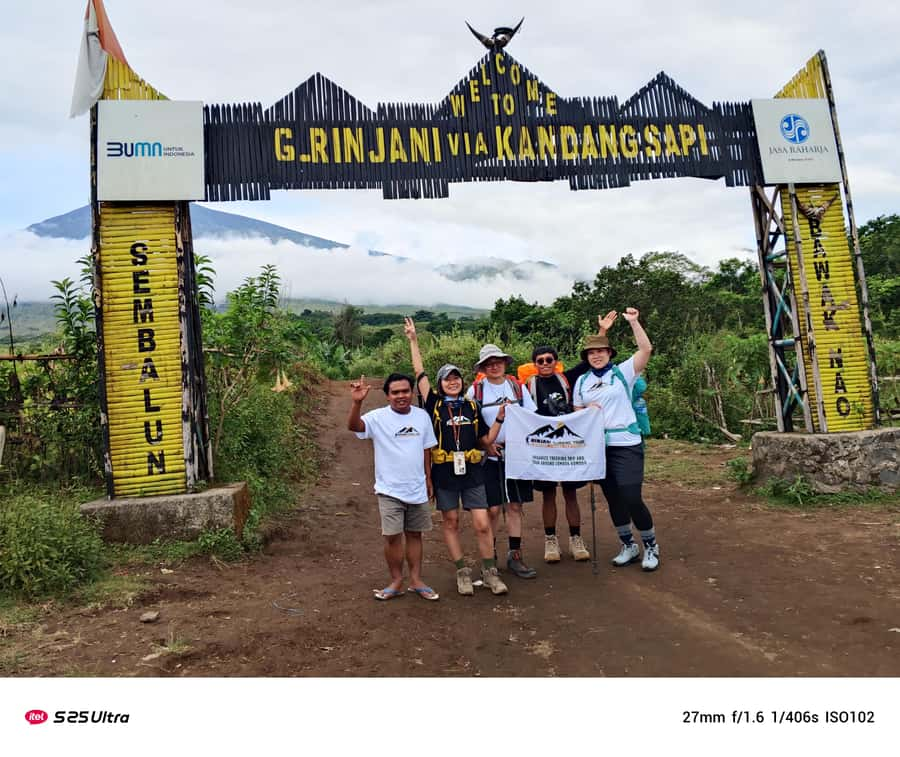
The staff carry cooking utensils and camping equipment, which makes a major difference on a route with a summit morning and two crater-rim camps. You still need to carry your own daypack, personal clothing, camera, sunscreen, snacks, and any extra water.
Ajis is specifically praised for helping a climber reach the top. That suggests the guide can be an important source of support during the summit push, particularly when the trail is steep and the start time is very early. I would confirm the guide’s name and language before departure, since the available languages are English and Indonesian.
Respect the porters. They make this kind of low-cost trek possible, but their work is physical and continuous. Pack light, keep personal luggage to the essentials, and follow the local instructions on the trail.
Smoking, littering, and touching plants are not allowed. That is not just a list of rules. Rinjani’s volcanic ground, crater lakes, forest, and grasslands are fragile, and rubbish is especially unpleasant when the next person has to carry it out.
Fitness, weather and what to pack
This trek is suitable for people with good physical fitness and experience with long uphill walks. It is not suitable for people with heart problems, vertigo, or a low level of fitness.
You should be ready for:
- An eight-hour-style first day with a steep final climb
- A 3:00 am summit start
- Cold conditions before sunrise
- A long descent from the summit
- Several hours to Segara Anak Lake
- Another climb to Senaru Crater Rim
- A five-hour forest descent on day three
The schedule may change because of weather. Poor conditions can affect the summit attempt, visibility, trail safety, and timing. Build flexibility into your onward plans rather than scheduling a flight immediately after the trek.
Bring warm clothing, a hat, hiking shoes, sunscreen, a camera, snacks, water, and rain gear. A headlamp would be sensible for a 3:00 am start, but it is not specifically listed among the included items, so ask whether one is supplied or bring your own.
A daypack should hold your water, rain gear, warm layer, snacks, sunscreen, and camera. Items you do not need on the trail can be stored at the office.
The main benefits and drawbacks
The biggest benefit is the range of scenery in three days. You move from Sembalun’s open grassland to volcanic crater rims, the summit, Segara Anak Lake, hot water, and Senaru’s rainforest. You also get sunset and sunrise viewpoints rather than only a quick summit attempt.
The second benefit is the level of support. Meals, water, camping gear, porters, transport, and storage are included, so you can concentrate on the physical challenge. The positive feedback about Ajis also gives you a useful name to request or ask about.
The drawbacks are just as clear. The schedule is packed, particularly on day two. You climb the summit, descend to the lake, and then climb to another crater rim in one day. If your fitness is only moderate, this may feel punishing rather than enjoyable.
The route description also needs clarification because Torean is named in one place, while Sembalun to Senaru is described in detail. Confirm that point in writing. Ask about the national park fee, exact meeting point, group size, included safety equipment, and the plan if weather blocks the summit.
Should you book this Rinjani trek?
Book it if you want a serious three-day mountain challenge with the summit, Segara Anak Lake, and two crater-rim camps. The included porters, meals, water, camping equipment, and transport make $145 a useful starting price, especially if you already have warm clothing and proper shoes.
Skip it if you dislike early starts, cold nights, steep volcanic ground, or long days with little recovery time. This is not the right choice for a first-ever hike or anyone with heart problems, vertigo, or poor fitness.
Before paying, confirm the Sembalun to Senaru route versus the Torean description, check the park fee, and ask exactly what you need to bring. If those details are clear and you are prepared for the physical work, this trek offers a strong mix of summit views, lake scenery, forest, and local guiding support.
FAQ
How long is the Mount Rinjani trek?
The trek lasts three days and two nights.
What is the highest point reached?
The summit of Mount Rinjani is reached at 3,726 meters.
What time does the summit climb begin?
You wake around 2:00 am and start walking toward the summit at about 3:00 am.
When should I reach the summit?
The planned arrival is around 6:00 am, in time for sunrise if weather conditions allow.
Where does the trek start?
The detailed itinerary starts in Sembalun Village at about 1,100 meters.
Where does the trek finish?
The detailed itinerary finishes in Senaru Village at about 601 meters.
Is food included?
Yes. Three meals a day are included, along with fruit, tea, coffee, and drinking water.
How much drinking water is included?
The program includes three liters of mineral water per person per day.
Is the national park entry fee included?
No. The Rinjani National Park entry ticket is not included.
Is accommodation before the trek included?
No. One night of accommodation before the trek is not included.
Are hiking shoes and warm clothes supplied?
No. You need to provide or arrange your own hiking shoes and warm clothing.
Can I cancel the booking?
You can cancel up to 24 hours in advance for a full refund.
Can I pay later?
Yes. You can reserve the activity and pay later, subject to availability and booking conditions.
Which languages are available?
The guide service is available in English and Indonesian.
More Three-Day Trips in Indonesia
- Active Volcanoes Bromo and Ijen – Start Surabaya 3 Days and 2 Nights
★ 5.0 · 292 reviews - From Bali: 3-Day Excursion to Mount Bromo and Ijen Crater
★ 4.8 · 143 reviews - From Yogyakarta or Bali: 3-Day Bromo & Ijen Volcano Trip
★ 4.8 · 123 reviews - 3D2N – Mount Bromo, Tumpak Sewu, Kawah Ijen Crater start from Malang or Surabaya
★ 5.0 · 104 reviews
Just added around Indonesia
- Ubud, Kintamani Volcanos Bali tour★ 5.0 · 2 reviews
- Private Full Day-Tour: Ubud Waterfall and Kintamani Volcano Trip★ 5.0 · 3 reviews
- Private Full-Day Tour: Waterfall, Temple, Volcano, Rice Terrace & Monkey Forest★ 5.0 · 14 reviews
- Bali Full-Day Car Charter: Ubud and Kintamani Volcano Trip★ 5.0 · 6 reviews
- Best Bali Private Full Day Tour to Visit Ubud Village – Kintamani Batur Volcano★ 5.0 · 2 reviews
- Lazy Cave Tubing with Kintamani Volcano Tour★ 5.0 · 2 reviews
- Batur Volcano Sunrise Trekking, Rice Teracce & Bali Coffee Plantation Tour★ 5.0 · 3 reviews
- Bali Full Day-Tour: Kintamani Volcano and Besakih Temple Tour★ 5.0 · 2 reviews
Volcano Crater Hikes, compared.
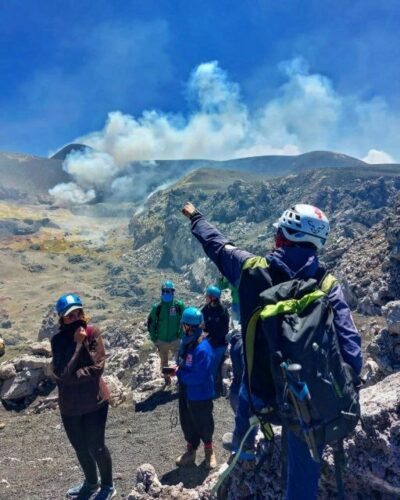
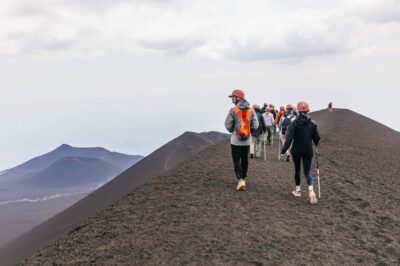
summit craters trekking with volcano guide 3350mt
Our review of it →
Etna Sunset Tour: Volcano trek, Cave & tasting from Catania
Our review of it →
Fagradalsfjall Volcano Hike – Small Group with Local Guide
Our review of it →