
REVIEW · ANTIGUA GUATEMALA
From Antigua: Pacaya Volcano Trek
A volcano hike with a toasted marshmallow finish. This six-hour Pacaya trip combines a steady guided climb with wide views of Agua, Fuego, and Acatenango, plus the odd thrill of seeing volcanic heat up close. I like the simple setup: transport from Antigua, a local guide, and plenty of time on the mountain. I also like the price, since $23 covers the shared ride, guide, and return transfer.
The main catch is that this is not a gentle stroll. The route climbs steadily, with steep stretches, loose ash, and changing weather. The crater itself is off limits, and lava is never guaranteed. You may see glowing rock, steam, or only a smoking cone, depending on Pacaya’s activity and the clouds.
I would choose this trip if you want a half-day outdoor adventure without giving up an evening in Antigua. Guides such as Carlos, Roberto, José, and Dario have earned praise for pacing groups, explaining the volcano, and helping people who struggle on the climb. Bring more water than you think you need, sturdy shoes, a jacket, and patience for a shared minivan pickup.
Key points about the Pacaya Volcano trek
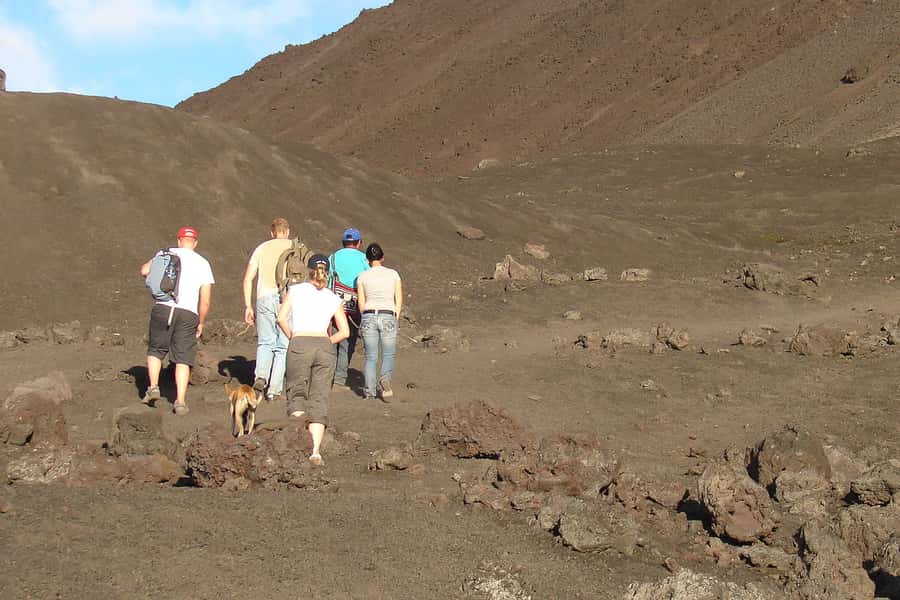
- The hike takes about two hours to reach the summit area, with frequent rests on many departures.
- The final volcanic ash section is the hardest part, especially on the uphill route.
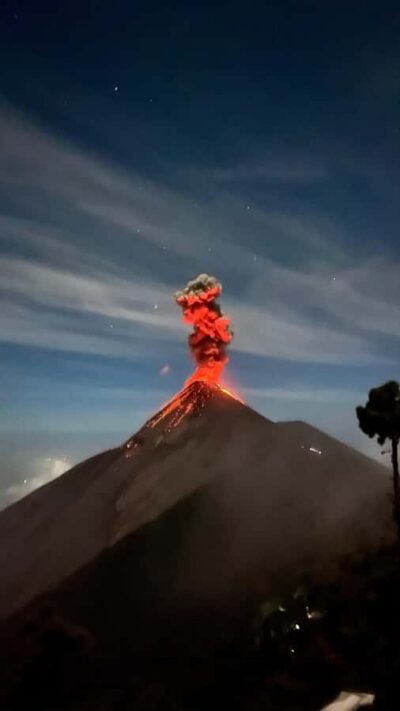
- Lava sightings depend on current volcanic activity, so the view can range from red-hot rock to steam and smoke.
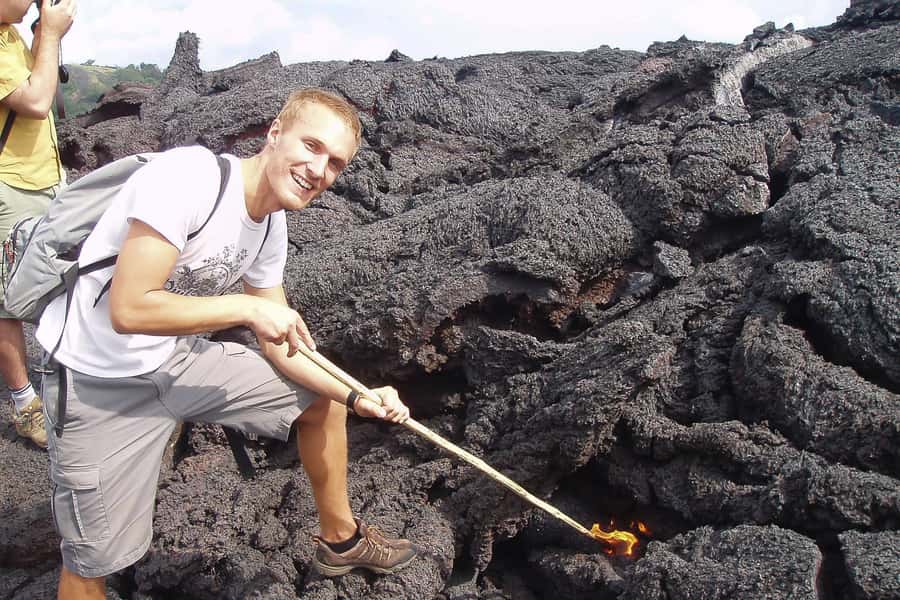
- Marshmallows are included, and guides roast them using heat from the volcano.
- Horses may be available locally for an extra charge, often about Q100 each way, though some visitors felt the offers were too persistent.
- The $23 price is strong value, but you still pay the Q100 park entrance fee and bring your own food.
Leaving Antigua in a shared minivan
Pickup is available from 17 hotels, hostels, and meeting points around Antigua. The listed options include Hotel Casa Santo Domingo, Selina Antigua, Camino Real, Porta Hotel Antigua, Yellow House, Tropicana Hostel, and several smaller guesthouses. You wait in the hotel lobby or outside the assigned coffee shop, then join a shared minivan.
The ride to the Pacaya area takes about an hour. That sounds easy, but shared transport has its quirks. Pickups can run late as the driver collects people from different locations. One early departure arrived roughly 30 minutes behind schedule, while another arrived about an hour late. If you have a strict lunch booking or another tour afterward, leave some breathing room.
The road can be bumpy and winding. One useful tip is to bring motion sickness medicine if you are prone to it. A coffee stop may be included while the group gathers, which is handy for caffeine but can add time to the morning.
Meeting several vans at once can also be confusing. At one pickup point, different companies arrived together without clear signs, leaving people to search for their names among agents with clipboards. I would confirm the operator name and pickup details before setting out, and arrive early rather than waiting until the scheduled minute.
The return ride follows the same general pattern, dropping you near one of the listed Antigua hotels or meeting points. The full outing is advertised as six hours, and some morning trips have returned around 1 p.m. That leaves time for lunch and an afternoon walking Antigua’s old streets.
More Pacaya and Antigua Volcano Hikes in Guatemala:
- From Antigua: Adventure, 2-Day Hiking to Acatenango Volcano
★ 4.4 · 1,189 reviews - From Antigua: Pacaya Volcano Tour in English/Spanish
★ 4.5 · 930 reviews - Antigua, Guatemala: Volcano Acatenango Overnight Hiking
★ 4.6 · 645 reviews
The first climb through Pacaya’s pine forest
Once you reach the volcano, the walk begins almost at once. The full mountain visit lasts about four hours, including the climb, viewing stops, photos, and the descent.
The opening section passes through pine forest. It is the most ordinary-looking part of the route, but it gives you a gradual start and some shade. Your guide usually controls the pace, and groups often stop every 10 to 20 minutes. Those pauses are useful for catching your breath, hearing about the volcano and local plants, and keeping a mixed-ability group together.
I would call the hike moderate rather than easy. The total uphill climb takes roughly 1.5 to 2 hours, though the exact timing depends on the route, weather, group size, and fitness levels. Several people in good shape found it comfortable, while others described it as steep and tiring. The slope can feel continuous, with few truly flat sections.
The altitude gain is another factor. One participant estimated the climb at more than 1,400 feet, enough to make the effort feel harder than the distance suggests. If you have recently been ill, get short of breath easily, or rarely hike uphill, expect to take it slowly.
The guides generally help here. Carlos and his partner were praised for waiting with slower walkers. Roberto was singled out for taking care of the group, and Dario was remembered for explaining the volcano, plants, and local history while keeping the mood light. English and Spanish are offered, though the amount of English can vary by guide. A little Spanish will help you follow more of the commentary.
The steep ash slope and local horse option
The trail changes as you climb. Forest gives way to volcanic ash and rock, and the walking becomes less secure underfoot. This section is where good footwear matters most. Hiking shoes are the best choice, but several people managed in ordinary sneakers.
A walking stick can help on both the ascent and descent. You may be able to rent one near the park. The uphill route tests your lungs, while the loose downhill surface can put pressure on your knees and make you slide if you rush.
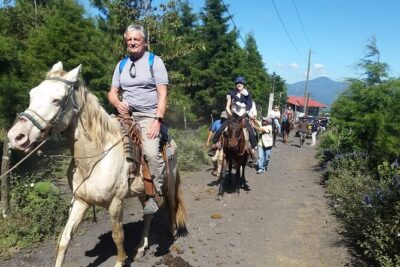
Local horse or mule operators may offer rides near the trail. The extra cost has commonly been about Q100 one way. This can be a practical safety valve, not a sign that you have failed the hike. Some fit hikers chose a horse after deciding they had enough of the climb, and several older participants used one for the ascent before walking down.
The offer is not always handled gently. Some people found the repeated sales pitches irritating, especially during rest stops. You can say no clearly and continue walking, but be prepared to hear the offer more than once.
I would not count on the horse as part of the tour price. It is a separate local service, and the condition and treatment of the animals may concern you. If you are comfortable hiking, I would first try the trail at your own pace. If you need help, the horse can make the mountain accessible, but ask the price and whether the charge is for one way or both before agreeing.
Reaching the smoking cone and viewing area
The official route does not take you into Pacaya’s crater. That restriction is important. You still reach a high viewing area near the smoking cone, but the guide keeps the group away from the most dangerous section.
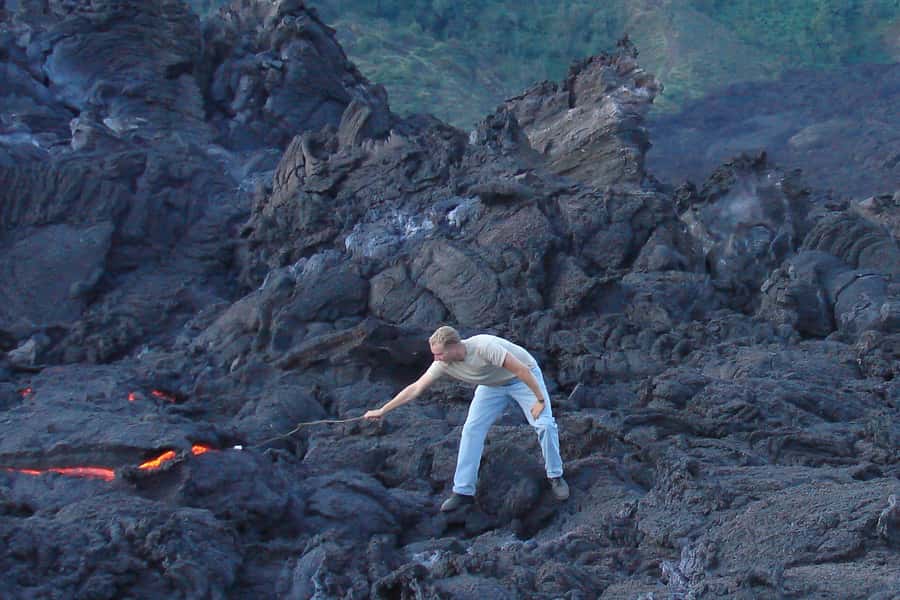
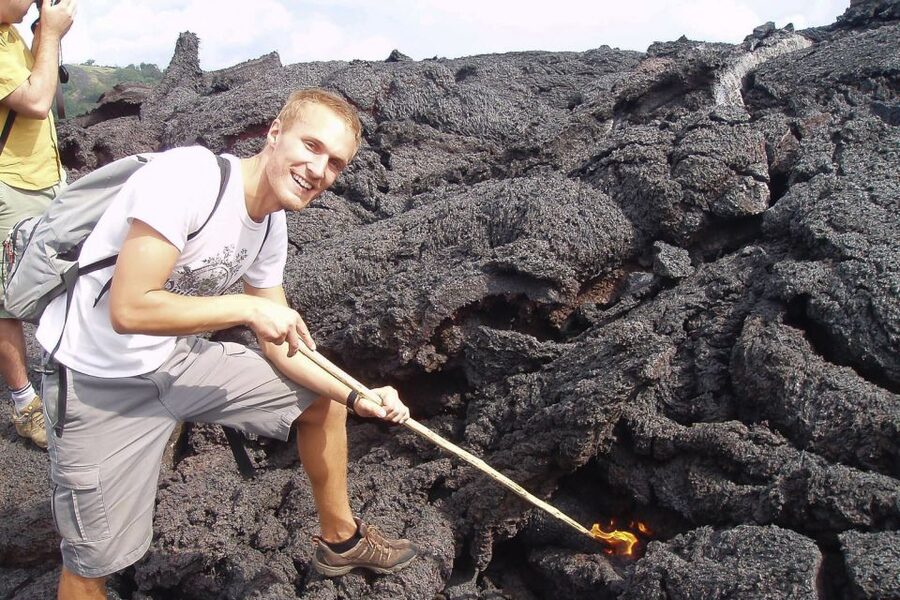
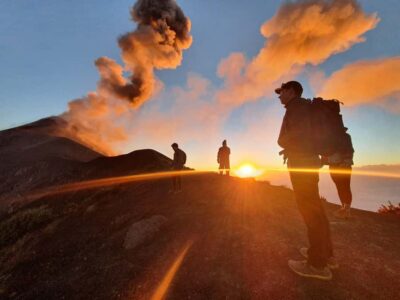
At the top, you may see sulfur smoke rising from the cone and steam escaping from the hot volcanic ground. The guides use that heat to roast marshmallows, a small but memorable touch. The treat turns a demanding walk into a shared moment, especially when everyone gathers around a warm patch of earth with a camera in hand.
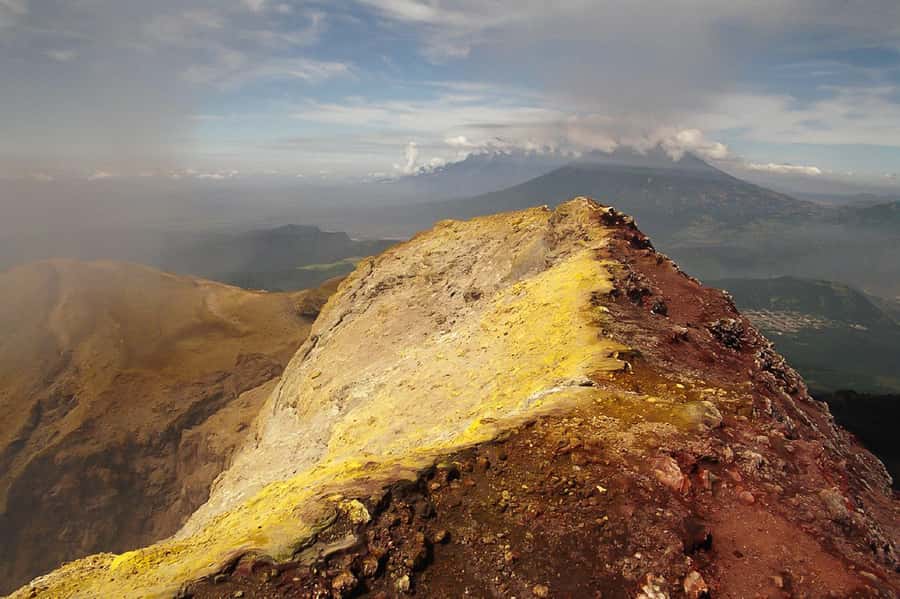
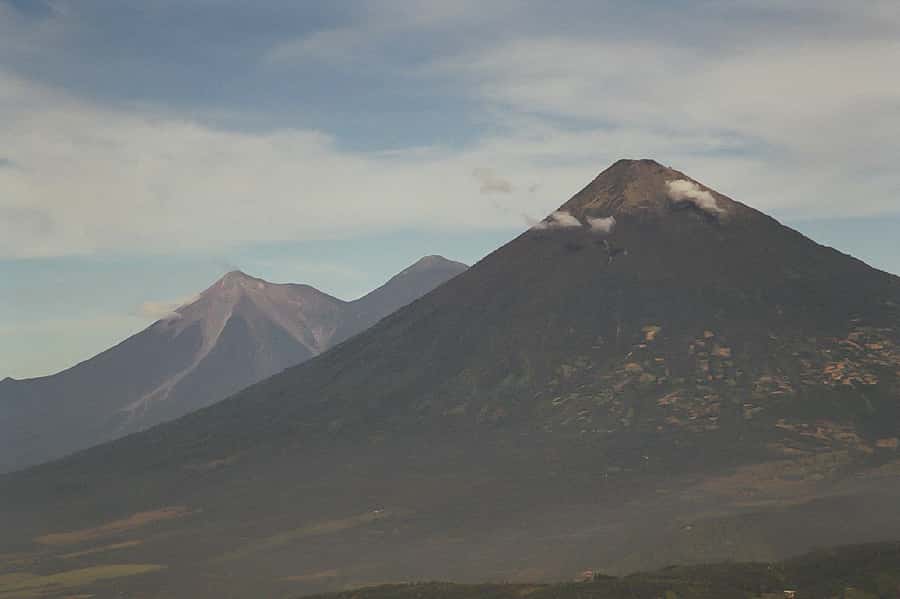
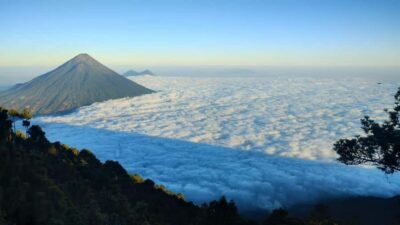
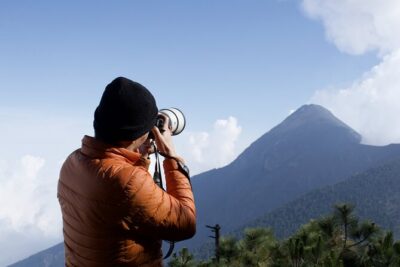
The main prize is the view. From the upper slopes, you can look toward Agua, Fuego, and Acatenango, with the Pacific lowlands spreading beyond them. On a clear day, the view can extend toward El Salvador. Fuego may show activity in the distance, though visibility depends on cloud and weather.
Do not book this solely for flowing lava. Pacaya’s activity changes, and the tour cannot promise red-hot streams or small eruptions. Some outings have seen lava and glowing rock. Others have found only steam, smoke, or a cloud-covered summit. Even when the red glow is absent, the hot ground can still roast marshmallows, and the mountain views remain worthwhile.
Cloud is the biggest spoiler. One morning began under poor visibility, then cleared by the time the group reached the upper area. Another outing had almost no view at all. Early departures can offer better light and cooler conditions, but they do not guarantee clear skies. A later trip may offer warmer colors, but an afternoon descent can become dark, so carry a headlamp if you choose that timing.
More Volcano Crater Hikes in Guatemala:
- Antigua: 2-Day Acatenango Volcano Hike w/Local Guide & Meals
★ 4.3 · 43 reviews - 1 Day Acatenango Volcano Hike from Antigua
★ 4.8 · 12 reviews - Mount Etna: Summit Crater Trek with Cable Car
★ 4.8 · 1,875 reviews - Etna: summit craters trekking with volcano guide 3350mt
★ 4.7 · 1,712 reviews
A descent that is easier but not effortless
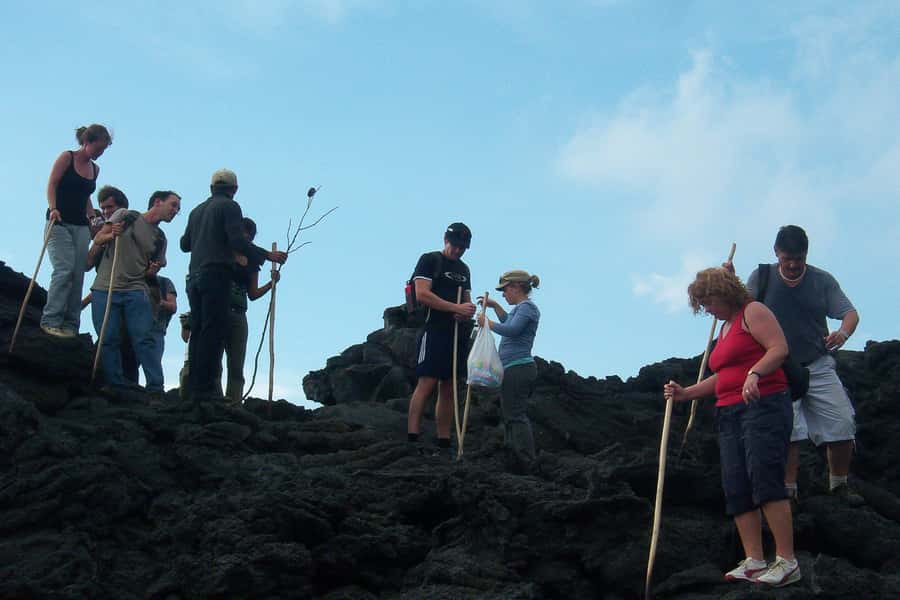
The route back usually feels easier because you are no longer fighting the incline. Some departures use a different trail for the descent, and the downhill walk takes about an hour.
That does not mean the return is free of work. Volcanic ash shifts under your feet, and the slope can be hard on knees. A walking pole gives you extra balance, especially where the trail is rocky or loose. Take your time instead of trying to match the fastest person in the group.
The guide should keep the group together, but large groups can spread out. On well-managed departures, one guide stays toward the front and another watches the back. That arrangement is particularly helpful if fitness levels vary.
At the base, you return to the minivan for the ride to Antigua. You may feel dusty, warm, and pleasantly tired. Plan on food afterward, since meals are not included and the tour does not provide water at the summit.
What the $23 price really covers
At $23 per person, this is one of the least expensive organized ways to visit Pacaya from Antigua. The price includes hotel pickup and drop-off, round-trip transport to the San Vicente area, a local guide, and marshmallows for roasting.
You must add the park entrance fee of Q100 per person. Food is not included, and I would carry enough water for the entire outing rather than expect to buy it at the top. You should also budget separately if you want a horse or walking stick.
Even with those extra costs, the tour offers good value. A private vehicle and guide would cost much more, while this shared trip gives you the essential transport and mountain support. The tradeoff is less control over departure timing, pickup order, and group pace.
The 6 a.m. option is a smart pick if you want to finish early and preserve your afternoon. It can also mean cooler hiking conditions. Just remember that early pickup times may involve waiting for other passengers, and punctuality can vary.
What to pack for a safer, happier climb
Keep your day bag light, but do not cut the useful items. I would bring:
- Comfortable walking shoes with decent grip
- At least one large bottle of water
- Sunglasses and a sun hat
- A light jacket, since the upper route can feel chilly
- Sunscreen and insect repellent
- Cash for the entrance fee, horse, or walking stick
- Snacks, since food is not provided
- A camera or phone with enough battery
- Motion sickness medicine if winding roads affect you
- A headlamp for an afternoon descent
The mountain can shift from cool forest to exposed sun and volcanic heat. Layers work better than one heavy coat. Avoid alcohol and drugs, and leave pets at home.
This outing is not suitable for pregnant women or people with mobility impairments. Children under four and adults over 80 are not accepted for safety reasons. If your fitness is uncertain, the frequent rests and possible horse ride offer flexibility, but you still need to manage a steep volcanic trail.
Who will enjoy Pacaya most?
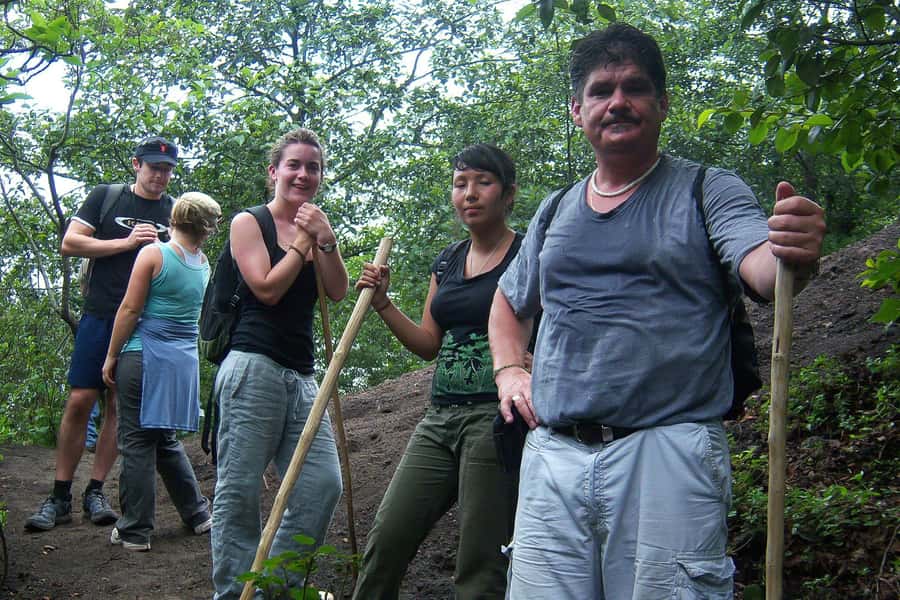
I would recommend this trip to anyone staying in Antigua who wants a real volcano experience without committing to an overnight climb. It suits active families with older children, couples, solo visitors, and people who want to meet others during a shared outdoor activity.
It is also a good choice for mixed-ability groups. The guides generally slow the pace, stop often, and help keep stronger and slower walkers together. A horse can provide an escape route if the uphill section becomes too much.
I would be more cautious if you need a guaranteed lava show, dislike bumpy roads, or want a private and perfectly timed excursion. The volcano controls the spectacle, and the transport can be untidy around pickup times. Cloud may block the views, and the red-hot lava promised in the description is a possibility, not a daily feature.
Should you book this Pacaya trek?
Book it if you want strong value, a manageable half-day mountain outing, and the chance to stand near volcanic heat without attempting a full crater climb. The views of Agua, Fuego, and Acatenango, along with the marshmallows roasted by Pacaya, give the trip more character than a simple uphill walk.
Go with realistic expectations. Wear proper shoes, carry water and cash, allow extra time for the shared van, and treat lava as a bonus. If you can handle a steep two-hour climb and accept changing weather, this is a memorable and affordable way to meet Guatemala’s volcanic side.
FAQ
How long does the Pacaya Volcano tour take?
The full activity lasts about six hours, including roughly one hour of transport each way and about four hours at Pacaya for hiking, sightseeing, breaks, and photos.
Is the hike difficult?
The hike is generally moderate, with a steady uphill climb lasting about 1.5 to 2 hours. The volcanic ash section is steeper and looser. Guides usually include regular rest breaks, and horses may be available locally if you need help.
Will I definitely see flowing lava?
No. Lava, small eruptions, steam, and smoke depend on Pacaya’s current activity and the weather. The crater itself is not visited for safety reasons.
Are horses included in the tour?
No. Horse rides are not included in the listed price. Local operators may offer rides for about Q100 one way, but you should confirm the price before accepting.
What does the tour price include?
The $23 price includes hotel pickup and drop-off, round-trip transport from Antigua to San Vicente, a local guide, and marshmallows to roast using volcanic heat. The Q100 entrance fee and food are separate.
What languages are available?
The tour offers live guiding in Spanish and English. The amount of English may vary by guide, so basic Spanish can be useful.
More Volcano Hikes and Treks in Guatemala
- Hike to Pacaya Volcano from Antigua
★ 4.5 · 502 reviews - From Antigua: 2-Day Acatenango Volcano Hiking with Guide
★ 4.1 · 366 reviews - Overnight Adventure Hike Acatenango Volcano
★ 4.5 · 151 reviews - Pacaya Volcano Shared Hiking Tour
★ 5.0 · 60 reviews
Just added around Guatemala
- Pacaya Volcano Tour and Hot Springs from Guatemala City★ 4.0 · 75 reviews
- Pacaya Volcano Shared Hiking Tour★ 5.0 · 60 reviews
- Pacaya Volcano Hikking from Guatemala City★ 5.0 · 30 reviews
- Pacaya Volcano Day Trip from Guatemala City★ 4.5 · 63 reviews
- Pacaya Volcano Tour and Hot Springs from Antigua★ 4.5 · 70 reviews
- Pacaya Volcano Morning Tour from Antigua★ 5.0 · 75 reviews
- Pacaya Volcano Luxury Sunset Horseback Riding Tour/ Dinner Cooked by-Lava Chef★ 5.0 · 66 reviews
- ¡Pacaya Volcano Tour from Antigua!★ 5.0 · 114 reviews
Pacaya & Antigua Volcano Hikes, compared.
Adventure, 2-Day Hiking to Acatenango Volcano
Our review of it →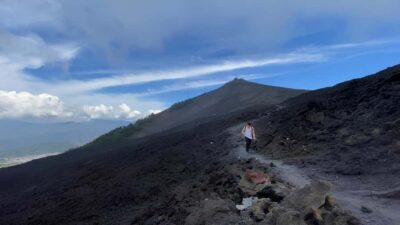
Antigua, Guatemala: Volcano Acatenango Overnight Hiking
Our review of it →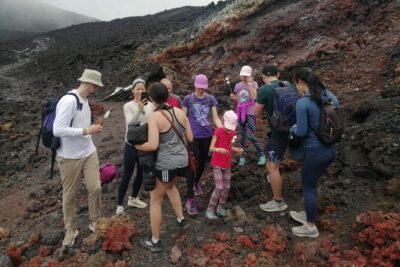
Browse the lists this tour appears in