
REVIEW · USA
Kīlauea hike and lava gazing with Native Hawaiian
Fire still speaks here. A four-hour walk around Kīlauea offers more than a look at volcanic rock: you visit the home of Pele, learn Hawaiian words and stories, and follow the beginnings of new life on cooled lava. I especially like the Native Hawaiian-led storytelling and the attention given to small details, from endemic plants to animal life. The tour also connects the volcano to Hawaiian history and spirituality rather than treating it as scenery alone.
The main consideration is the price, $200 per person, which is a serious spend for a four-hour outing. You also need comfortable hiking shoes, water, snacks, and rain gear. The activity is not suitable for children under 15 or people with altitude sickness, and weather can shape the day.
Key things to know before you go
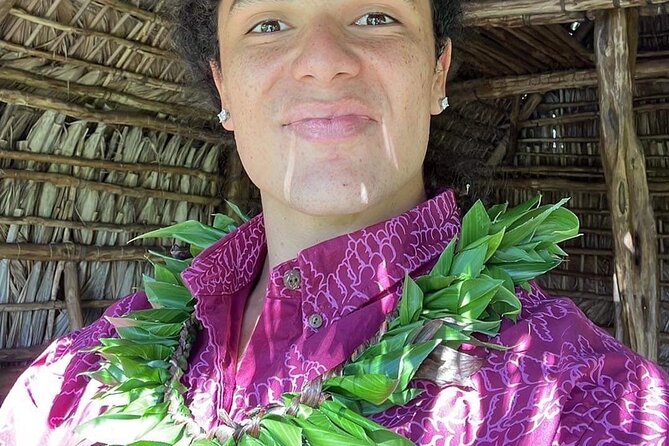
- Christian leads with Hawaiian culture: His teaching covers language, history, plants, animals, myths, and spiritual traditions.
- The route reaches Kīlauea’s southern Halemaʻumaʻu cliffs: You begin near Puʻu Puaʻi and travel toward views of the lava lake area.
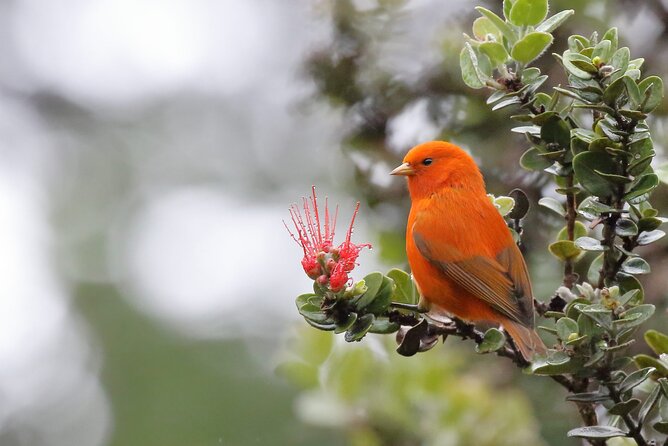
- The focus is more than lava: Cooled flows, endemic species, and the return of life receive as much attention as volcanic activity.
- Expect an interactive walk: Christian has helped young participants identify plants and adjusts his explanations to the people in his group.
- The outing can run longer than planned: It is listed as four hours, but one reported outing lasted five hours, so avoid tight same-day plans.
- You need to respect the place: Stay on marked trails, do not feed animals, and treat the area as both a national park setting and a culturally important site.
Starting near Puʻu Puaʻi and the rainforest edge
The meeting point is a small grassy field beside the trailhead, backed by rainforest. Look for the guide in bright colors. That simple meeting arrangement matters because volcanic park access can feel spread out, and arriving at the correct trailhead keeps the morning from starting with confusion.
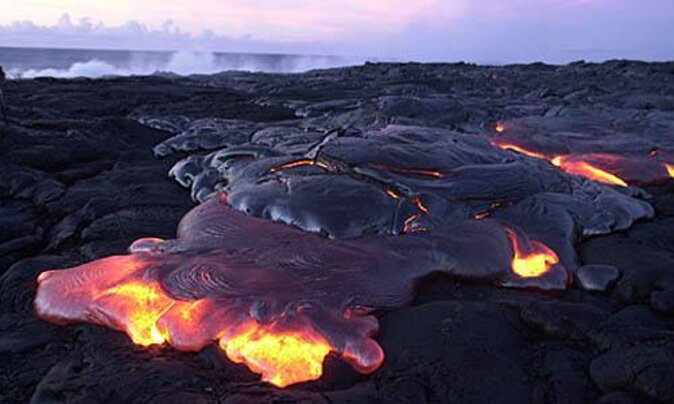
The walk begins near the cliffs of Puʻu Puaʻi, a place that gives the outing its first sense of scale. From here, the route heads toward the southern cliffs of the Halemaʻumaʻu lava lake. The exact appearance of the area depends on current volcanic conditions and weather, so you should think of this as a guided geological and cultural walk rather than a guaranteed close-up of active lava.
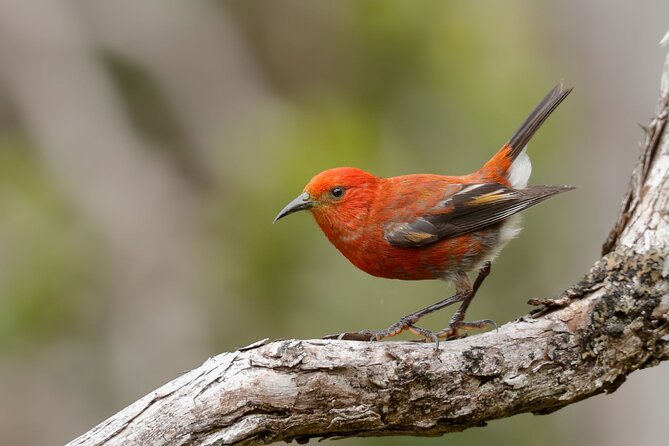
The setting changes quickly between forest and volcanic ground. That contrast is one of the best reasons to take the tour with a guide. A cooled lava flow can look empty at first, but Christian draws attention to the early stages of life returning to dark rock. You might find that the most memorable part is not a dramatic red glow, but a small plant or sign of an ecosystem beginning again.
The walk is listed as wheelchair accessible, though you should confirm what that means for the current trail conditions before booking. Volcanic paths and changing weather can affect comfort and movement. The supplied information does not give a distance, elevation gain, or trail surface, so ask for current conditions if mobility is a concern.
More Lava and Eruption Tours in the USA
- Hilo Shore Excursion: Active Volcano, Lava Tube, Waterfall and Gardens
★ 5.0 · 393 reviews - Hilo Shore Excursion: Volcano Safari Lava Caves & Black Sand
★ 4.5 · 363 reviews - Maui Circle Island-PRIVATE-Air Tour for 2-5: Waterfalls & Lava!
★ 5.0 · 228 reviews
Meeting Pele through Hawaiian stories
Pele, the beloved Hawaiian fire goddess, is central to the experience. The tour presents Kīlauea not only as a volcano but as a place connected to Hawaiian spirituality and living tradition. That distinction is important. You are not simply collecting photographs of a crater. You are being asked to consider why this place carries meaning for the people of Hawaiʻi.
Christian speaks English and incorporates Hawaiian language during the walk. He also recites Hawaiian history and explains cultural traditions tied to the area. For me, this is the strongest reason to choose this outing over a basic scenic walk. A guide can point out volcanic features, but a Native Hawaiian guide can place those features within the cultural framework that gives them meaning.
The information is presented in an approachable way. One especially useful quality is the interactive style. Christian has been praised for making plant identification engaging for younger participants, while also adapting the conversation to adults with a strong interest in history and culture. Children under 15 cannot join, but the teaching style may still suit families with older teenagers.
The tour is conducted in English. You will hear Hawaiian terms and language, but the listed tour language is English, so you do not need to speak Hawaiian to follow the explanations.
Reading the cooled lava for signs of life

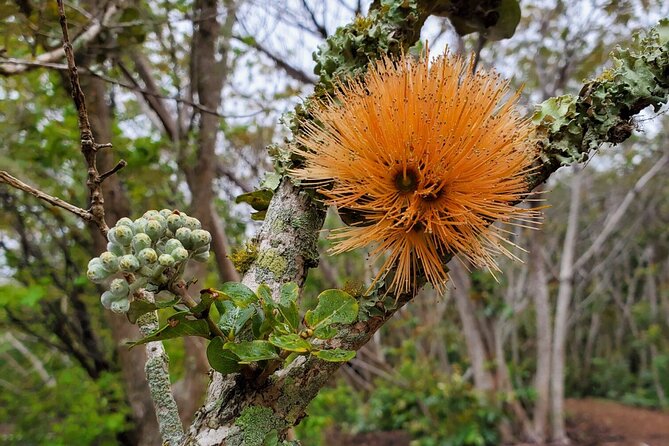
A walk across volcanic ground can seem repetitive if you do not know what to look for. This is where the tour’s attention to endemic plants and animals earns its keep. Christian explains how life begins on cooled lava and points out the species that belong specifically to Hawaiʻi.
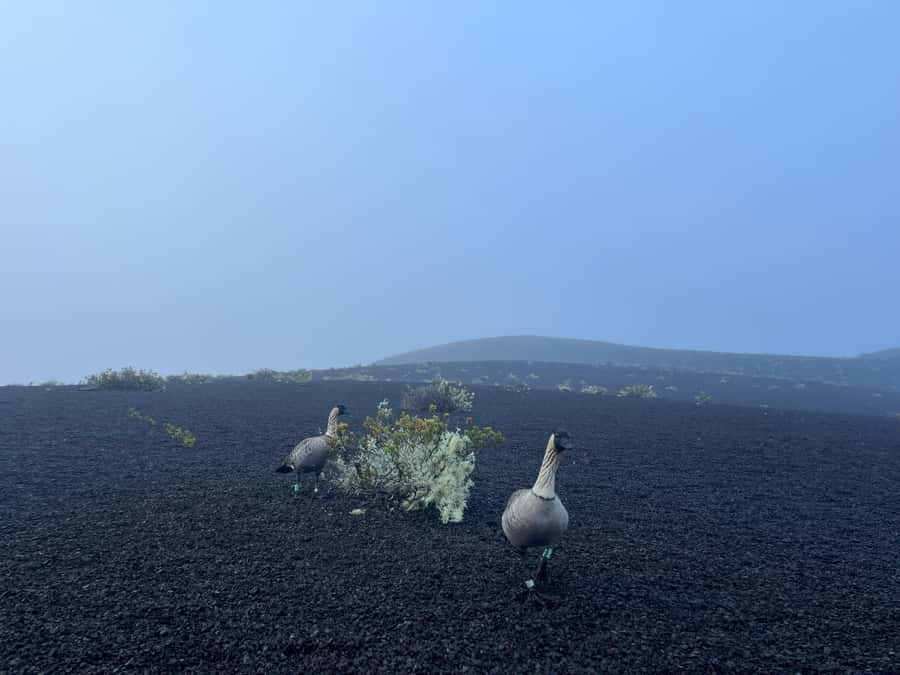
The supplied information does not promise a fixed list of animals or plants, and sightings cannot be guaranteed. That is actually a useful expectation to set. You are not visiting a zoo or a botanical garden. You might see only a few examples, yet the guide helps you understand why each one matters.
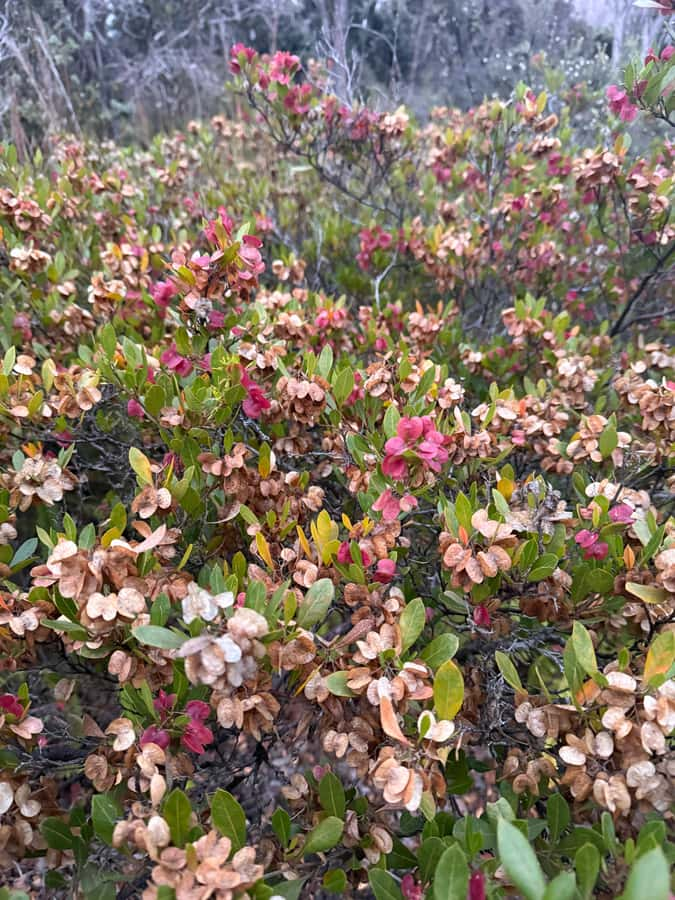
The plant stories also connect nature to Hawaiian mythology. Christian is described as knowing the plants and their associated myths, so the botanical part of the walk is not just a lesson in names. It links ecology, memory, and belief. If you enjoy noticing details that most people pass without seeing, this portion may be worth more to you than a quick stop at a lookout.
Bring water and snacks. Four hours is long enough for heat, wind, rain, or uneven footing to wear you down, even if the pace is comfortable. Wear clothes suited to changing weather, and pack rain gear rather than trusting a clear start to the day.
Reaching the southern cliffs of Halemaʻumaʻu
The main destination is the southern cliffs of the Halemaʻumaʻu lava lake, approached from Puʻu Puaʻi. The appeal is clear: Kīlauea is presented as one of the most active volcanoes on Earth, and this route brings you into a setting shaped by ongoing volcanic forces.
The words lava gazing can create a picture of bright molten rock on demand. That may not be what you see. Volcanic activity changes, visibility depends on weather, and the information does not promise active lava at every departure. Go for the wider experience: the volcanic setting, the crater views, the stories of Pele, and the chance to understand how the area changes over time.
Weather is a real part of the outing. Check conditions before you leave, and expect rain gear to be useful. A wet day may reduce visibility, while clouds can alter the feel of the cliffs and rainforest. That is a drawback if your main goal is a clear photograph, but it also reinforces the value of having a guide who can explain what you are seeing even when the views are not perfect.
Stay on designated trails. This is both a safety rule and a way to protect fragile natural areas. Do not feed animals, and avoid treating the trail as a place for casual shortcuts or improvised photo positions.
More Volcano Hikes and Treks in the USA
- Oahu: Diamond Head Crater Hike and North Shore Experience
★ 4.7 · 189 reviews - Hidden Craters Hike of Kona
★ 5.0 · 156 reviews - Glacier Hiking & Geothermal Cave Pools Tour
★ 5.0 · 139 reviews - Haleakala Crater Hiking Experience
★ 5.0 · 70 reviews
What Christian adds to the walk

Christian is the guide named in the available information, and his role goes well beyond leading people from one point to another. He is described as a Native Hawaiian guide, an encyclopedia, and a friend. That wording suggests a personal teaching style, but you should still expect a serious cultural program rather than a loose conversation with no structure.
His strongest subjects are Hawaiian culture, history, nature, and spirituality. He also takes time to get to know the people in his group and shape the experience around their interests. That personal approach can make the tour feel less like a memorized script.
Several specific qualities come through clearly:
- He explains Hawaiian history in a way that is accessible.
- He identifies plants and connects them with Hawaiian myths.
- He uses Hawaiian language during the walk.
- He encourages questions and interaction.
- He brings together natural science and cultural knowledge.
This mix explains why the tour receives such strong praise. People who want only a short scenic walk may find the cultural material more detailed than expected. If you are deeply interested in Hawaiian history and traditions, that depth is likely the point.
One account describes a five-hour outing, although the advertised duration is four hours. Treat the schedule as a guide rather than a stopwatch. If you have a flight, dinner booking, or another excursion afterward, allow extra time.
Is $200 a fair price?
At $200 per person, this is not a bargain hike. You are paying for a small-scale, guide-led interpretation of Kīlauea, not simply access to a trail or lookout. The value depends on how much you want the cultural and natural context.
I would consider the price reasonable for you if:
- You want a Native Hawaiian perspective.
- You care about Hawaiian language, history, and spirituality.
- You enjoy learning about plants and endemic animals.
- You prefer an interactive guide to a self-guided walk.
- You are willing to spend four hours on one focused experience.
I would hesitate if your main goal is a quick lava photograph. Volcanic visibility is not guaranteed, and you could pay a premium for information you do not plan to use. You also need to account for the National Park Service vehicle access, which is not included. That means the advertised price does not cover every possible cost connected with reaching the area.
The price also buys time. Christian does not appear to rush through a list of viewpoints. He explains what you are seeing, answers questions, and relates the natural setting to Hawaiian culture. For the right person, that makes the cost feel more like a private lesson in place than a standard sightseeing stop.
Who should book this Kīlauea experience?
This outing suits adults and older teenagers who want context, not just scenery. It is particularly strong for visitors who have already seen a few viewpoints and now want to understand the land, the plants, and the cultural meaning attached to Kīlauea.
It should appeal to:
- First-time visitors seeking a thoughtful introduction to Kīlauea.
- Returning visitors who want a deeper connection to the area.
- People interested in Native Hawaiian culture.
- Plant lovers and amateur naturalists.
- Hikers who enjoy steady observation rather than a race to a viewpoint.
- Families with children aged 15 and older who enjoy guided learning.
It is less suitable for young children, people affected by altitude sickness, or anyone who dislikes weather exposure and outdoor walking. The tour description does not provide a trail distance or difficulty rating, so you should ask about current conditions if you have concerns about endurance or mobility.
Practical preparation for a four-hour volcano walk
Wear comfortable hiking shoes, comfortable clothes, and weather-appropriate layers. Bring water and snacks, and pack rain gear even if the morning begins dry. The volcano area can feel different from a warm coastal resort, so beach clothing alone is not enough.
Check the weather before setting out. You should also check current volcanic and trail conditions through the appropriate park information before your visit, since the route and views can be affected by conditions.
Arrive at the small grassy field beside the trailhead. The guide wears bright colors, which should make the meeting point easier to identify. Since National Park Service vehicle access is not included, confirm how you will reach the trailhead and budget for that separately.
Respect the area at every stage. Stay on designated trails, do not feed animals, and remember that Kīlauea has both natural power and cultural significance. A considerate visitor listens before taking photographs, follows instructions, and avoids treating sacred stories as entertainment detached from place.
Free cancellation is available up to 24 hours before the activity for a full refund. You can also reserve now and pay later, which helps if your Hawaiʻi plans are still shifting. Those policies are useful, but weather and volcanic conditions should still guide your final decision.
Should you book the Kīlauea hike?
Book it if you want Kīlauea explained through Native Hawaiian culture, language, history, and ecology. Christian’s strengths are his passion, his broad knowledge, and his ability to make details personal and easy to follow. The best moments may come from understanding a plant, a story, or a cultural connection that you would otherwise miss.
Skip it if you want a short, low-cost lookout visit or a guaranteed display of active lava. At $200, the tour asks you to value interpretation as much as scenery. For visitors who do, it offers a thoughtful and memorable way to meet Kīlauea.
FAQ
Where does the Kīlauea hike meet?
Meet at a small grassy field backed by rainforest, just left of the trailhead. The guide will be wearing bright colors.
How long does the experience last?
The scheduled duration is four hours. One outing lasted five hours, so allow extra time if you have other plans afterward.
What language is the tour conducted in?
The live tour guide speaks English. Hawaiian language is also included as part of the cultural experience.
What does the hike visit?
The route starts near the cliffs of Puʻu Puaʻi and visits the southern cliffs of the Halemaʻumaʻu lava lake area.
Is active lava guaranteed?
No guarantee of visible active lava is provided. The experience includes lava gazing, volcanic scenery, Hawaiian cultural teaching, endemic plants, animals, history, and spirituality.
What should I bring?
Bring comfortable shoes, water, snacks, rain gear, and comfortable clothing suitable for the weather.
Are children allowed to join?
The experience is not suitable for children under 15 years old.
Is the activity wheelchair accessible?
The activity is listed as wheelchair accessible. The available information does not provide detailed trail conditions, so confirm current access needs before booking.
Can I cancel for a refund?
Yes. You can cancel up to 24 hours in advance for a full refund. Reserve now and pay later is also available.
Just added around the USA
- 3 Day Tour to Oregon Redwood Crater Lake from San Francisco★ 4.0 · 13 reviews
- Volcano & Mountain Air Tour by Envi Adventures★ 5.0 · 5 reviews
- Northern Arizona Meteor Crater and Walnut Canyon from Phoenix – Private Tour★ 5.0 · 22 reviews
- See Park City Olympic Park Utah Crater Cheese Farm & Jordanelle★ 4.5 · 24 reviews
- Wupatki and Sunset Crater National Monuments from Phoenix – Private Tour★ 5.0 · 7 reviews
- Lava Run Off-Road Adventure★ 5.0 · 115 reviews
- Natural Indoor Hot Spring and Spa Utah Crater Soak & Swim★ 4.5 · 20 reviews
- Crater Lake Day Shared Tour★ 5.0 · 51 reviews
Lava & Eruption Tours, compared.
LAVA SHOW – Immersive Experience Entry Ticket
Our review of it →
Lava Show Reykjavik Admission Ticket – Optional Premium Upgrade
Our review of it →
Sunset Jeep Tour of Mount Etna and Lava Flow Caves
Our review of it →
Raufarhólshellir Lava Tunnel: Underground Expedition
Our review of it →
Browse the lists this tour appears in