
REVIEW · BIG ISLAND
Hidden Craters Hike of Kona
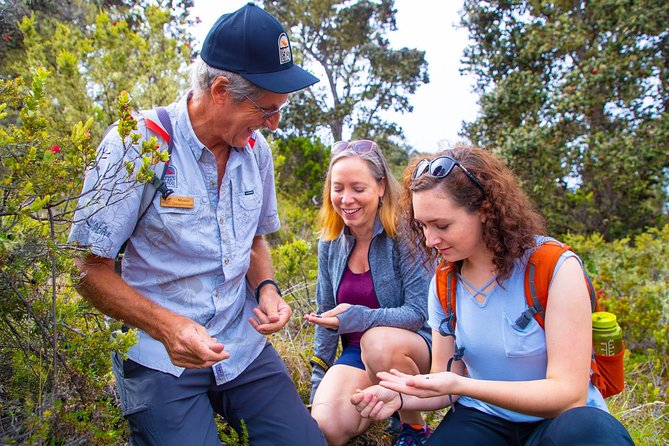
Volcanic ground changes the walk completely. The Hidden Craters Hike takes you onto private land high on Hualalai, where you can circle old craters, cross rough lava, enter a lava tube, and look across Kona from above the clouds. I like the small groups of no more than 10 and the access behind three locked gates, which gives this half-day trip a sense of place that a roadside viewpoint cannot match. The guides also bring the volcano to life with stories about geology, Hawaiian culture, plants, and local history.
I especially like that water, snacks, daypacks, walking sticks, and rain gear are supplied, so you can focus on the trail instead of hauling a full day’s kit. The catch is the word hike: this is not a gentle stroll. Loose gravel, slippery sections, uneven lava, a 1,000-foot elevation change, and the climb in and out of a lava tube make it closer to a moderate-to-challenging mountain walk for many people.
Key points to know before you book
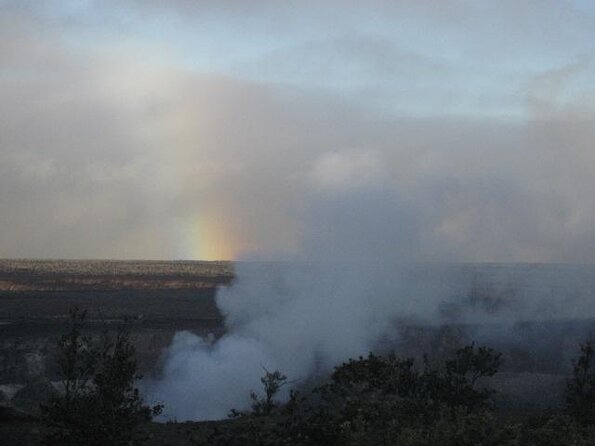
- Private Hualalai access: You hike on land reached through three locked gates, far from ordinary roadside sightseeing.
- Four miles of varied terrain: Expect craters, lava formations, forest, loose rock, and a short lava tube section.
- Small-group guiding: The maximum group size is 10, allowing guides to adjust breaks and pace.
- Real hiking shoes matter: Closed-toe shoes are required, and several people found hiking boots more useful than tennis shoes.
- Five hours from Kona and back: Meet at the Hawaii Forest & Trail headquarters at 7:30 a.m., with about 30 minutes of driving each way.
- Strong guide reputation: Mark, Mateo, Taro, Tracy, Mel, Nick, Rob, Jon, and Adam are praised for safety, stories, and care on rough ground.
Why Hualalai makes this hike different
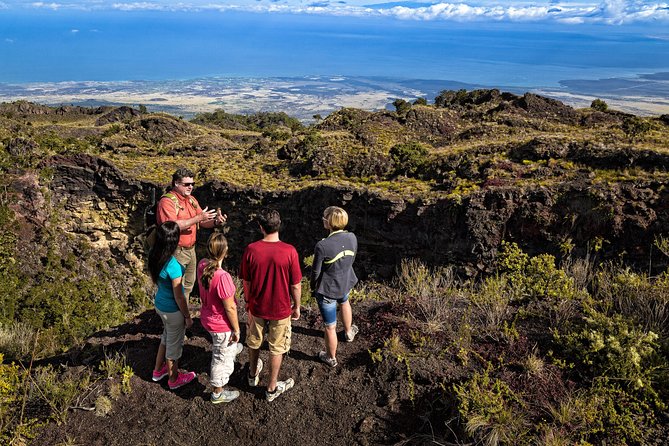
Hualalai is Kona’s own volcano, and this trip takes you onto its upper slopes rather than simply showing you volcanic rock from a distance. The private setting matters. Access through three locked gates keeps the route quiet and protects an area most people cannot visit on their own.
The route covers about four miles, but distance alone does not tell you how it feels. You gain and lose as much as 1,000 feet, and the ground can shift from rough lava to loose gravel, forest floor, and slick rock. A short route on a map can still demand steady legs.
What makes the walk special is the change in scenery. You may pass several types of terrain in one outing: crater rims, lava flows, a lava tube, younger forest, and older native forest. One section can feel dry and stark, while another becomes shaded and green. The volcano is not just a cone in the distance here. It is under your feet, around your ankles, and written into every formation along the trail.
The crater sections are the main draw. You get close enough to study the cinder, rock layers, and collapsed volcanic features rather than taking a quick photograph from a marked overlook. Your guide explains how the formations fit into the Big Island’s volcanic story, making the route easier to read.
More Volcano Hikes and Treks in Big Island
- Kilauea: Volcanoes National Park Guided Hike
★ 4.8 · 61 reviews - Big Island: Hawai’i Volcanoes National Park Guided Hike
★ 4.9 · 30 reviews - Kīlauea Hike and Lava Gazing with Native Hawaiian
★ 5.0 · 22 reviews
Starting at the Kailua-Kona headquarters
The morning begins at Hawaii Forest & Trail’s headquarters at 73-5593 A Olowalu Street in Kailua-Kona. You need to arrive 15 minutes before the 7:30 a.m. departure. Restrooms and parking are available, which is useful before heading onto private land.
The drive to the trailhead takes about 30 minutes. This transfer is part of the practical value of the tour because you do not need to find a remote access road or work out where private property begins. Your guide handles the route, driving, access, and trail briefing.
The vehicle approach may be rough in places. One person specifically praised the guide’s driving on rugged roads, and that is worth keeping in mind if you are uneasy about mountain access roads. The trip is designed to end back at the same headquarters, so you can leave your car there and avoid arranging a second pickup.
There is no hotel pickup or drop-off. Public transportation is nearby, but the supplied details do not promise a transfer from hotels. Cruise ship passengers cannot use this outing because the timing does not work with ship schedules.
Four miles across craters, lava, and forest
Once you reach the upper slopes, the hike becomes the main event. The pace can be adjusted to some degree, but you should expect a proper walking day rather than a casual nature loop. Some groups move briskly, while others stop more often for water, views, and explanations.
Your guide may offer easier and harder options in places while keeping the group together. That flexibility is helpful, but it does not remove the basic demands of the route. You still need to manage uneven ground, uphill and downhill sections, and possibly wet or slippery surfaces.
The craters give the hike its character. You can walk close to volcanic depressions and examine rough rock and cinder at a human scale. The views improve as you gain height, and clear conditions may place you above the clouds. Overcast weather can soften the views, but the craters and lava formations remain worthwhile.
The forest sections provide a welcome change. The route includes younger forest and old-growth forest, along with native plants that your guide identifies along the way. These transitions help you see how vegetation returns to volcanic ground over time. You are not simply looking at a volcano that erupted long ago. You are seeing the stages of recovery around it.
The lava tube is short but memorable
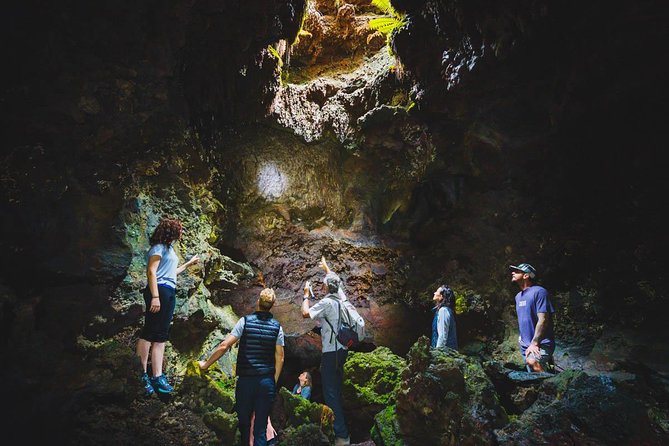
A lava tube adds a hands-on moment to the hike. You climb into and out of the tube, rather than viewing it from a platform. Several people found this part safe and enjoyable, but it requires balance and careful footing.
The tube is not a long underground expedition. It is a short feature within the larger hike, and one person described it as brief. Still, it gives the geology lesson a physical edge. You see how molten lava can leave a tunnel behind as the outer surface cools.
This is one reason I would not recommend the outing to anyone with serious mobility limits, balance problems, or back and neck trouble. Walking sticks are provided, and the guide warns you about tricky sections, but poles cannot turn rough volcanic rock into a paved path.
More Volcano Hikes and Treks in the USA
- Volcanoes National Park: Guided, Small-Group Hike
★ 5.0 · 15 reviews - Big Island: Off the Beaten Path Volcano Crater Hike
★ 5.0 · 15 reviews - Hawaii Volcanoes & Forests – Private Guided Walks & Hikes
★ 5.0 · 13 reviews - Elite Volcano Hike From Kona/Kohala Resorts
★ 5.0 · 12 reviews
Guides make the science easier to understand
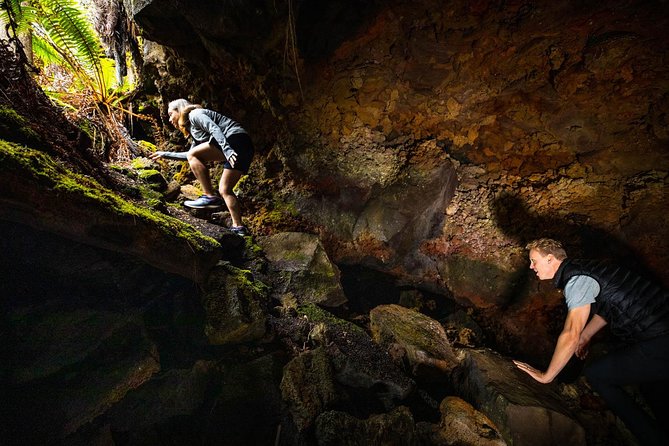
The strongest part of this outing is the guiding. Mark receives repeated praise for his energy, care, and ability to tailor the pace. Mateo is singled out for explaining Kona’s history, culture, and natural world, while Taro is praised for making the geology and local stories engaging.
Other guides named in the feedback include Tracy, Mel, Nick, Rob, Jon, and Adam. The pattern is clear: the quality of the day depends heavily on the guide, and this company puts a strong emphasis on interpretation and safety.
You can expect more than names of plants and dates of eruptions. The guide connects the craters, forest, lava tubes, and cultural meaning of the land. You may also hear local stories and legends that give the hike a stronger sense of respect for place.
Safety is handled in a practical way. Guides watch the pace, point out slippery sections, offer rests, and help the group stay together. One guide even gave the group time to stand quietly and take in the forest. That small pause says a lot about the tone of the trip. It is active, but not rushed from one photo stop to the next.
What the supplied gear adds to the price
At $198.95 per person, this is not a budget walk. The value comes from several things working together: private access, a trained naturalist guide, transport from the Kona headquarters to the trailhead, admission and access fees, equipment, drinks, snacks, and a carefully managed small group.
You receive refillable filtered water, juice, sparkling flavored water, snacks, daypacks, walking sticks, and rain gear. Protein bars and other trail snacks can make a real difference during the climb, especially in warm conditions or when you have not packed enough food yourself.
The walking sticks are more than a nice extra. Several descriptions of the route mention loose gravel, slippery descents, and awkward footing. If you normally hike with poles, you will appreciate not having to bring them on the plane.
The small group also helps justify the cost. With a maximum of 10 people, the guide can answer questions, notice when someone needs a break, and offer route choices without managing a busload. That is especially valuable on private land where independent access is not available.
You are paying for access and interpretation as much as for miles walked. If you want a cheap exercise session, the price may feel high. If you want a guided look at a protected volcanic area with gear and drinks included, the package is easier to defend.
Fitness, footwear, and weather deserve attention
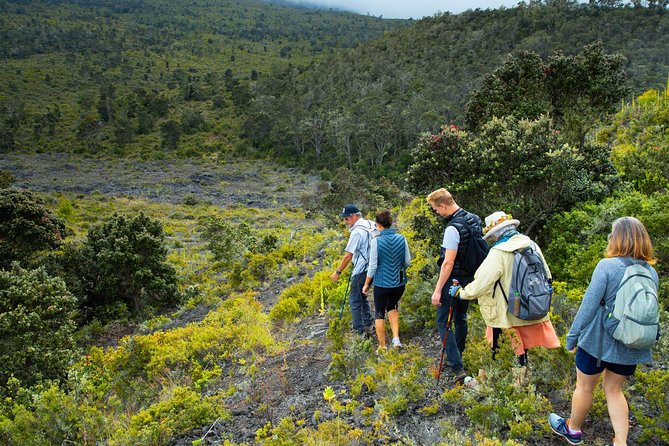
The company describes the outing as requiring moderate fitness, but I would prepare for more than the label suggests. One group found it much harder than expected, and others described it as medium difficulty or a little more than moderate. The difference likely comes from weather, recent trail conditions, pace, and personal hiking experience.
You should be comfortable walking three to four miles on uneven or rocky ground. You also need to handle uphill and downhill movement, with up to 1,000 feet of elevation gain and loss. If you have bum knees, poor balance, or little experience on trails, this is probably not the right first hike.
Wear closed-toe walking shoes or hiking boots. Tennis shoes may work for some people, but one person found they lacked traction. Hiking boots are the safer choice, especially if the trail is wet or loose. Wear shorts and a short-sleeved shirt, but bring a light sweatshirt or jacket because conditions can change with elevation.
The tour needs good weather. Poor conditions can lead to a different date or a full refund. That policy is sensible for a route with slippery surfaces, exposed views, and rough volcanic footing.
Children aged seven and under are not recommended for this activity. The outing is also not recommended for people with back or neck problems. If you are unsure about your fitness, contact the operator before booking rather than relying on the word moderate alone.
Who will get the most from this outing
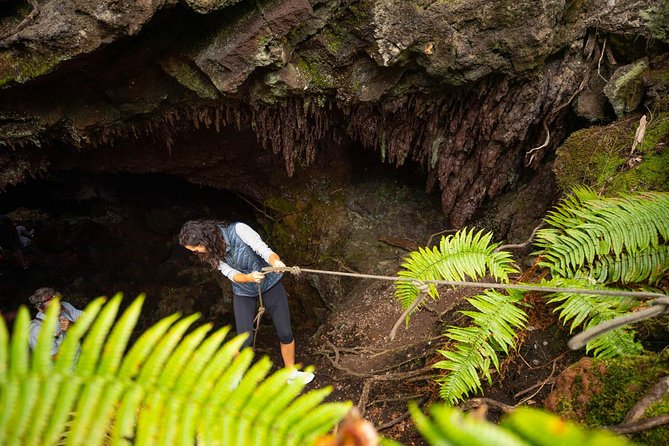
You should book this hike if you enjoy real trail walking, volcanic geology, native plants, and small groups. It is a strong choice if you want to see a less accessible side of Kona and prefer a guide who can explain both the natural setting and Hawaiian cultural context.
Experienced hikers will likely appreciate the rougher sections and route choices. A fit beginner can manage it, but should train a little first and arrive with proper footwear. This is not the place to test whether casual sneakers can handle a mountain trail.
The hike also suits people who value quiet moments. The route is active, but the small group and private setting allow time to stop, listen, and look closely. If your ideal volcano visit is a paved overlook with a short walk, choose something easier.
At the other end of the scale, serious hikers should remember that this is a guided interpretive outing, not a full-day wilderness challenge. Its strength is the combination of access, stories, equipment, scenery, and manageable group size.
Booking, timing, and cancellation details
The trip starts at 7:30 a.m. and lasts about five hours, returning to the Kailua-Kona headquarters. It is often reserved well ahead, with bookings averaging about 52 days in advance, so popular dates may not remain open close to your visit.
Confirmation usually arrives at booking. If you reserve within five days of the date, confirmation may take up to 48 hours and depends on availability. The company requires a minimum number of participants, so a confirmed outing can still be canceled if that number is not reached. In that case, you receive an alternative or a full refund.
You can cancel for a full refund up to 24 hours before the local start time. Cancellations or changes inside that window are not refunded or accepted. Plan carefully if your Kona schedule is tight.
Should you book the Hidden Craters Hike?
Book it if you want a close look at Hualalai, enjoy uneven trails, and value a guide who can connect geology, plants, culture, and local stories. The craters, lava tube, forest changes, and high views give you far more than a standard volcano photo stop.
Skip it if you need a flat trail, dislike loose rock, have balance or joint problems, or are looking for a relaxed family walk. The clearest advice is to treat this as a genuine hike, wear boots with good grip, and use the supplied walking stick.
For fit hikers who want private access and a personal guide rather than a crowded sightseeing bus, the $198.95 price is reasonable. Just arrive ready to work for those views.
FAQ
Where does the Hidden Craters Hike begin?
The hike begins at Hawaii Forest & Trail headquarters at 73-5593 A, 73-5593 Olowalu Street, Kailua-Kona, Hawaii 96740.
What time does the tour start?
The start time is 7:30 a.m. You should check in 15 minutes before departure.
How long does the experience last?
The full activity lasts about five hours, including the transfer to and from the trailhead.
How far do you hike?
You should expect to hike about three to four miles over uneven or rocky terrain.
How difficult is the hike?
The company describes it as requiring moderate fitness, but the route includes up to 1,000 feet of elevation gain and loss, loose gravel, slippery sections, and a lava tube. Several descriptions characterize it as more than a casual moderate hike.
What should I wear?
Closed-toe walking shoes or hiking boots are required. Shorts, a short-sleeved shirt, and a light sweatshirt or jacket are recommended.
Is equipment provided?
Yes. The tour includes walking sticks, daypacks, rain gear, refillable filtered water, juices, sparkling flavored waters, and snacks.
Is hotel pickup available?
No. Hotel pickup and drop-off are not included. The experience begins and ends at the Hawaii Forest & Trail headquarters.
Can I cancel for a full refund?
Yes, if you cancel at least 24 hours before the experience start time. Poor weather or failure to reach the minimum number of participants can also lead to a rescheduled date or full refund.
Just added around Big Island
- Volcanoes Hawaii Wonders National Park – Full Day★ 5.0 · 5 reviews
- Private Electric Bike Tour with Lava Hike in Pāhoa★ 5.0 · 8 reviews
- Volcanoes National Park Private Tour★ 5.0 · 13 reviews
- Volcano Adventure – Search the Most Recent Active Volcano from Kona★ 4.0 · 27 reviews
- Volcano Adventure Tour & Waterfall – Shore Excursion from Hilo Harbor★ 4.0 · 10 reviews
- Hilo-6 Hour Private Tour-Volcanoes NP, Rainbow Falls and more.★ 5.0 · 16 reviews
- Volcano Tour from Kona★ 5.0 · 5 reviews
- Private – Hawaii Volcanoes NP and Black Sand Beaches Tour★ 5.0 · 9 reviews
Volcano Hikes & Treks, compared.

summit craters trekking with volcano guide 3350mt
Our review of it →
Mount Etna Trekking Tour Beyond the Tourist Trails
Our review of it →
Stromboli: Sunset Trekking at Sciara del Fuoco
Our review of it →Browse the lists this tour appears in