
REVIEW · INDONESIA
From Bali : Exploring Ijen Crater to Witness the Blue Fire
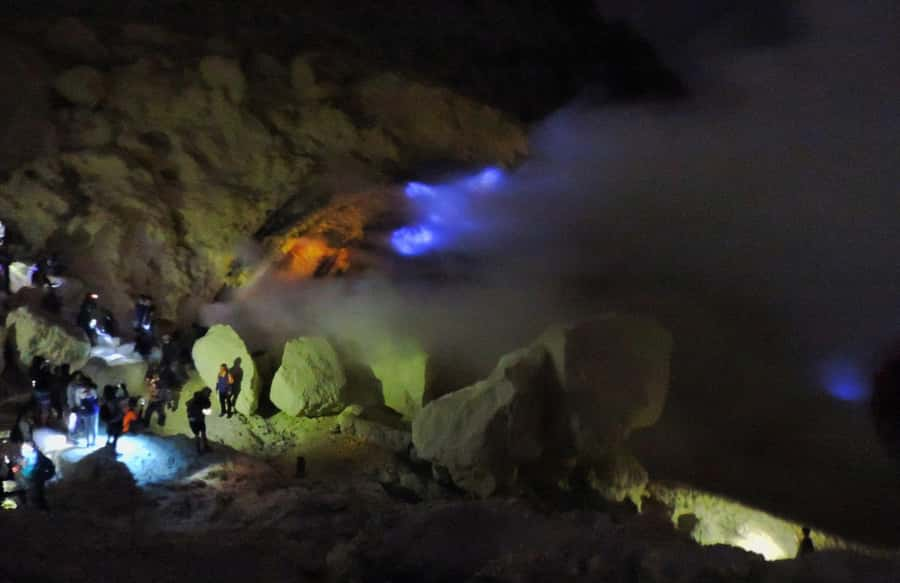
Blue fire is worth losing sleep for. This 22-hour trip from Bali takes you across the Bali Strait to East Java for a pre-dawn hike up Mount Ijen, where you can see electric-blue sulfur flames before sunrise. I like the rare blue-fire spectacle and the chance to see sulfur miners at work, experiences you cannot get from a standard Bali day tour. I also like that the price includes private round-trip transport, ferry tickets, entrance fees, a guide, safety gear, breakfast, water, and hotel transfers. The main drawback is the punishing schedule: you leave Bali late at night, hike in the dark, and return in the afternoon after very little rest.
This is a small-group trip limited to 15 people, with pickup from places including Ubud, Kuta, Canggu, Sanur, Denpasar, Jimbaran, Tabanan, Munduk, Lovina, and Uluwatu Beach. Guide Mufi received especially warm praise for her kindness and confidence on the route, while driver Kymon was praised for being friendly and helpful beyond the volcano trip. Still, allow extra patience for traffic, ferry delays, crowds, and the occasional confusion over included charges.
Key points before you book
- The blue fire appears before daylight: You need to reach the crater area in darkness, usually around 3:00 to 4:00 a.m.
- The hike takes about 1.5 to 2 hours uphill: The route is moderately challenging and requires a reasonable level of fitness.
- The trip crosses two regions: You travel from Bali to Gilimanuk, take a ferry to Ketapang in Java, then continue to Paltuding.
- The crater lake is highly acidic: Its turquoise color is beautiful, but you must follow your guide and safety instructions carefully.
- The night is cold at the summit: Temperatures can fall to about 5 to 10°C before sunrise.
- The $133 price covers major costs: Transport, ferry tickets, entry, safety equipment, breakfast, bottled water, and insurance are included.
Why Mount Ijen is such a different day trip
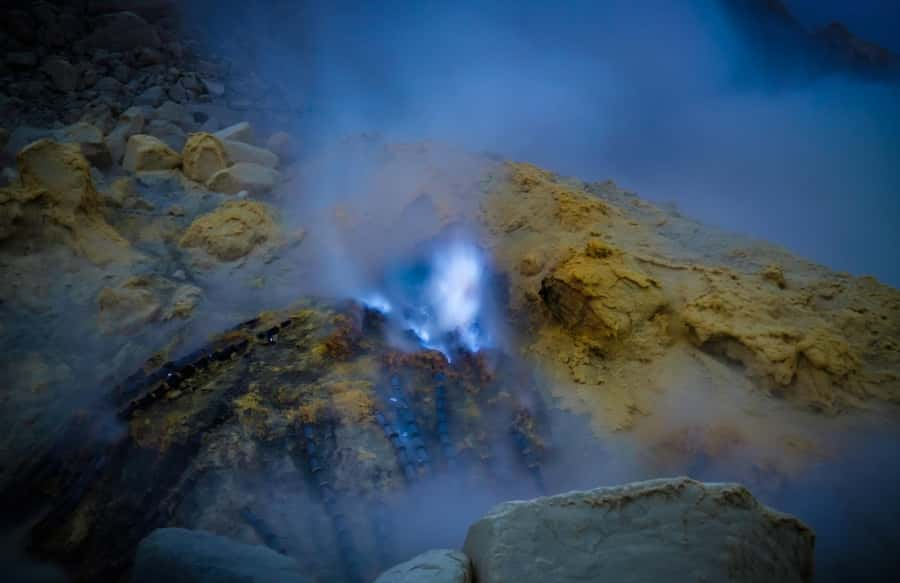
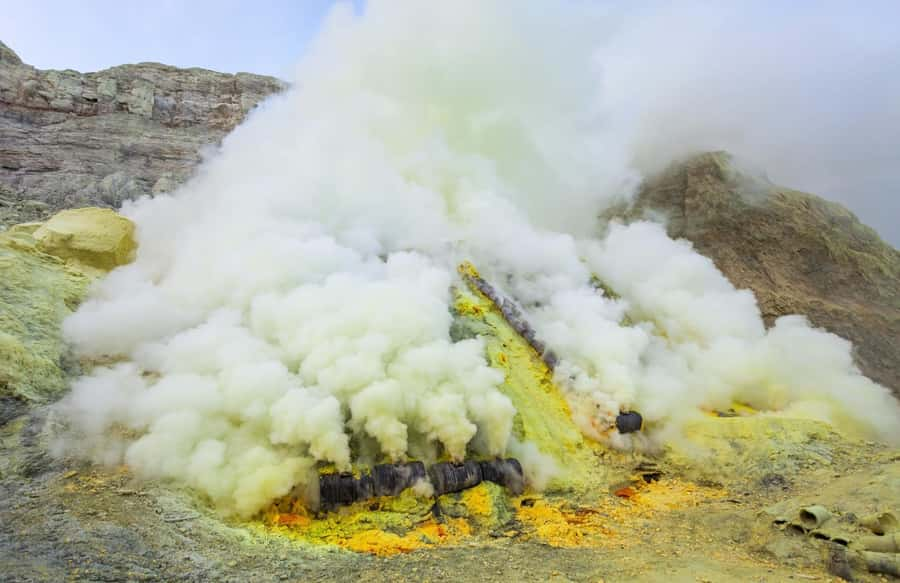
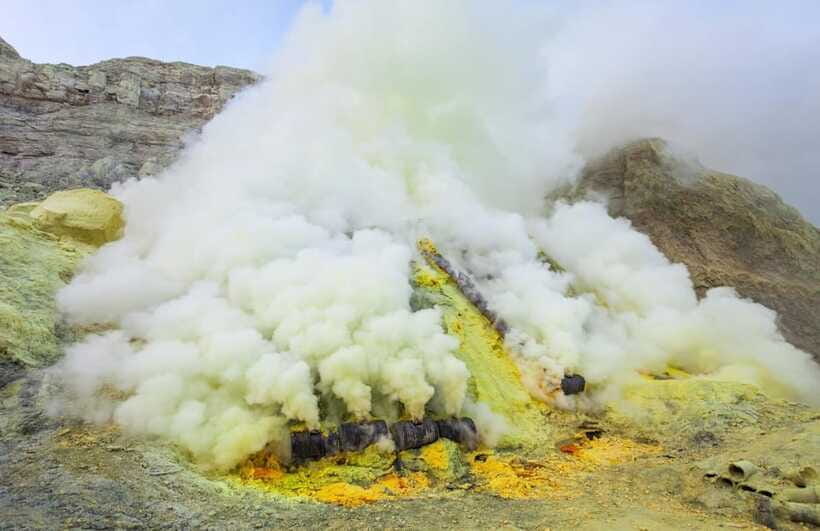
Mount Ijen rises to 2,799 meters, or 9,183 feet, in East Java. Its appeal is not only the crater lake. The mountain is also known for sulfur mining and the blue flames created when sulfur gases burn in the dark.
The flames are visible only before daylight, so the timing shapes the whole experience. You are not taking a relaxed morning outing. You are leaving Bali late in the evening, crossing the strait at night, hiking before dawn, and waiting for sunrise at high altitude.
That effort brings two very different sights. First comes the blue fire, a strange glow in the darkness near the crater. Then, as the sky brightens, you see the turquoise lake surrounded by steep volcanic slopes. The contrast is the real reward: an eerie night scene followed by a grand morning view.
The sulfur mining also gives the trip a human side. Along the path, you may see miners carrying heavy loads from the crater. Their work remains physically demanding and traditional. Your guide can help you understand what you are seeing, but remember to watch your footing and avoid blocking the narrow route.
More Bromo and Ijen Volcano Tours in Indonesia:
- Borobudur Sunrise from setumbu Hill , Merapi Volcano & Prambanan Full Day Tour
★ 5.0 · 1,030 reviews - Banyuwangi/Bali: Ijen Volcano Midnight Blue Fire Guided Tour
★ 4.9 · 854 reviews - Borobudur Sunrise, Merapi Volcano & Prambanan Full Day Tour
★ 4.8 · 717 reviews
The late-night pickup from Bali
Pickup begins between about 7:00 and 10:00 p.m., depending on where you stay. Exact travel time varies, but the drive to Gilimanuk Harbor usually takes three to four hours.
You can request pickup in many popular parts of Bali, including Ubud, Kuta, Seminyak, Canggu, Sanur, Denpasar, Jimbaran, Tabanan, Munduk, Lovina, and Uluwatu Beach. This wide pickup area is useful, but it also means the first part of the trip can be long.
I recommend eating an early dinner and carrying snacks. The schedule does not leave much room for a proper meal before the hike. Keep your phone charged, wait in your hotel lobby or at the agreed meeting point at least 10 minutes early, and keep your phone available in case the driver needs to contact you.
The vehicle is arranged as private round-trip transport from Bali, while the actual activity is a small group of up to 15 people. This combination gives you a simpler hotel transfer without making the mountain portion completely private.
Crossing the Bali Strait by ferry
At Gilimanuk, you check in for the ferry to Ketapang in East Java. The crossing usually takes about 45 minutes to one hour. It is a necessary part of the trip, not a scenic cruise, but it gives you a brief chance to stretch after the road journey.
The ferry section also explains why this cannot be treated like a quick Bali excursion. You are visiting another island and another province, and the road schedule depends partly on ferry operations. The supplied itinerary places the crossing around midnight, with the onward drive to the mountain basecamp shortly afterward.
Ferry tickets are included, which matters at this price. You do not need to arrange the crossing yourself, and the guide or driver handles the basic transfer process. Still, keep your belongings close and carry a light layer. The night air can feel cool after hours in a vehicle.
Paltuding basecamp and the safety briefing
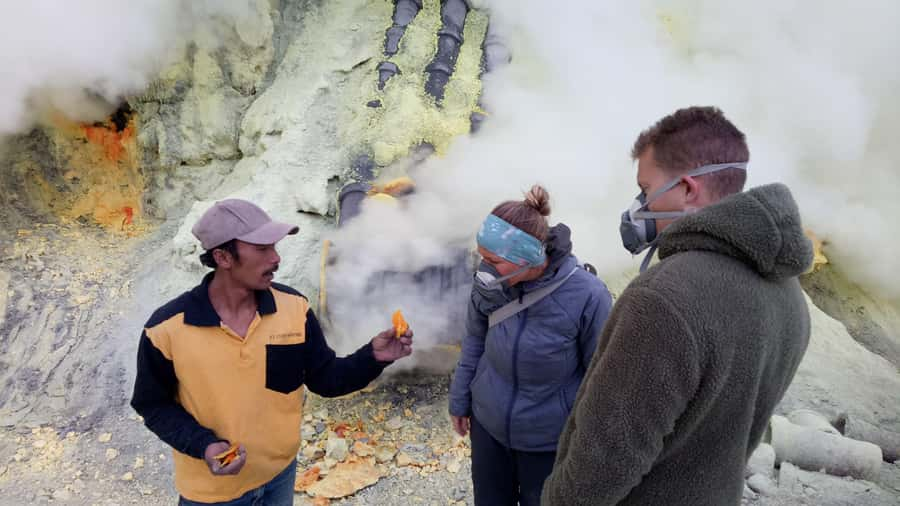
After reaching Ketapang, you continue by car to Paltuding, the basecamp for the hike. The drive from the ferry port is expected to take roughly one to two hours, depending on conditions.
At Paltuding, you get a coffee break and a safety briefing. This is also where you receive the listed safety equipment, including a gas mask and flashlight. Those items are important. Sulfur fumes can be irritating, and the final route is taken in darkness.
The guide explains the route and basic safety points before you begin. Listen carefully, even if you are eager to start. The combination of darkness, steep ground, cold temperatures, and volcanic gases makes this more serious than a regular sunrise walk.
Your own flashlight is still worth packing, along with a fully charged phone. The tour provides a flashlight, but a backup light can make the walk easier if you need to stop or adjust clothing.
A few more volcano trips around Indonesia worth a look
- Mount Batur: Private Volkswagen Volcano Safari
★ 4.6 · 1,120 reviews - Mount Batur Sunrise Trekking Private All Inclusive
★ 5.0 · 906 reviews - Ubud: Downhill Cycling with Volcano, Rice Terraces and Meal
★ 5.0 · 536 reviews - Jakarta: Volcano, Tea/Rice Fields, Hot Spring, Local Food
★ 4.9 · 515 reviews
The 1.5 to 2-hour climb to the crater
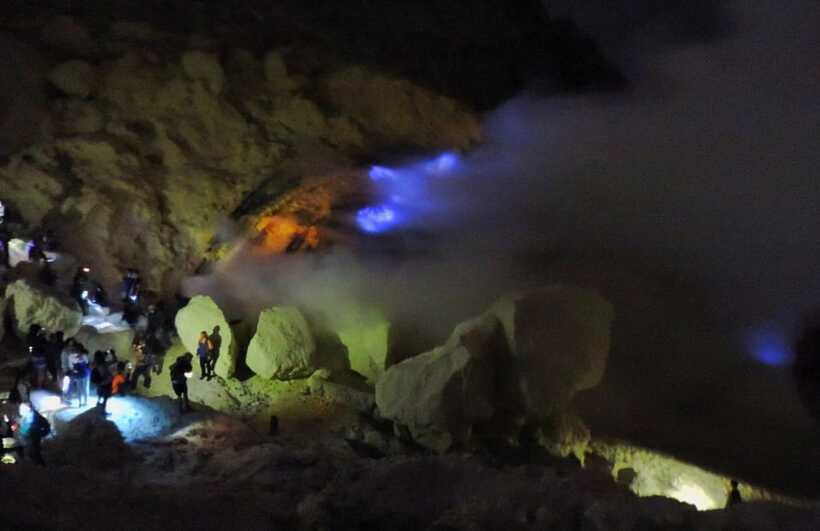
The hike starts at about 2:30 a.m. and takes around 1.5 to 2 hours to reach the crater rim. The path passes through forest and rough ground, with a steady climb toward the summit.
The tour describes the hike as moderately challenging, but that label should not make you careless. You need a reasonable level of fitness, comfortable clothes, and shoes suitable for uneven paths. The altitude, darkness, cold, and lack of sleep make the climb harder than the distance alone suggests.
Set a steady pace. You do not gain anything by racing ahead, and the group needs to stay together. Your local guide is there to direct you, manage the timing, and help you understand the route.
The path also brings you close to the work of the sulfur miners. You may see them carrying heavy loads up and down the mountain. This is one of the most memorable parts of the trip, but it can also be sobering. The scene is not staged for tourism. You are seeing a difficult local trade in an active volcanic setting.
Blue fire before dawn
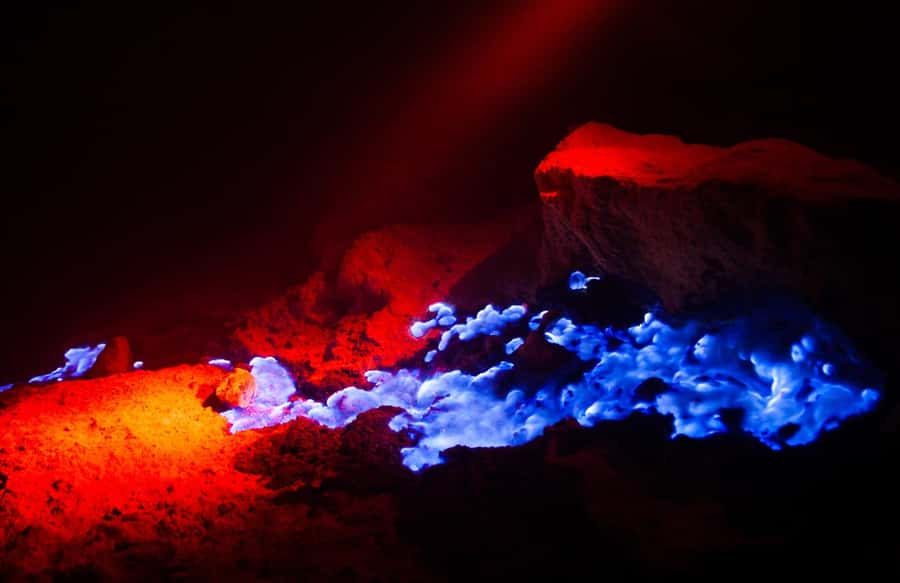
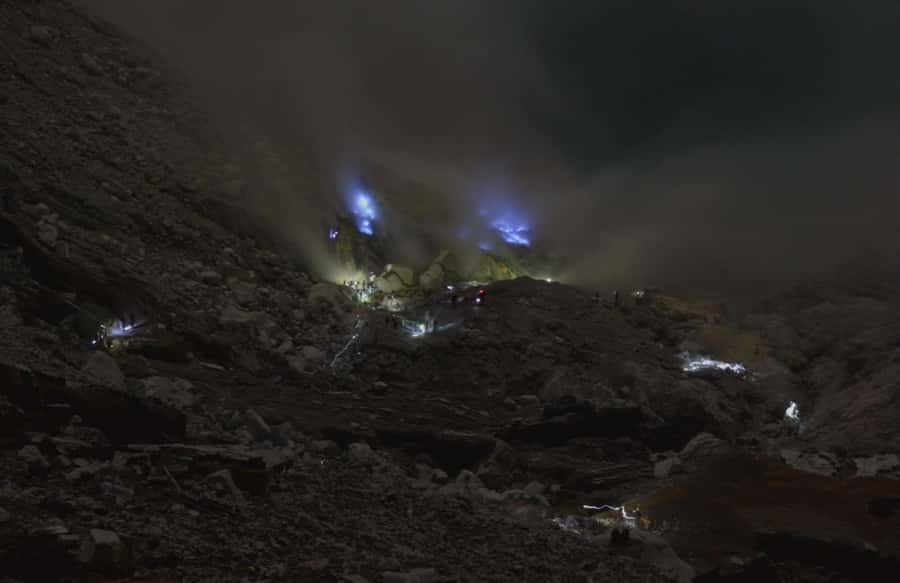
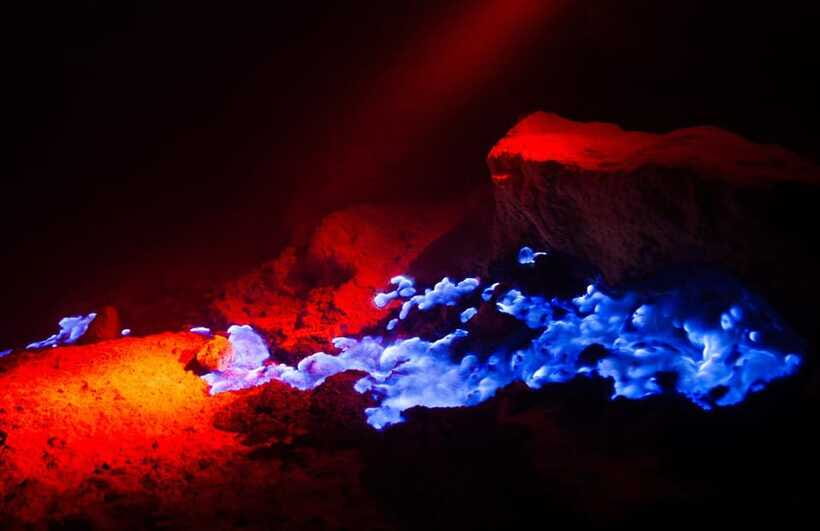
The blue fire is the signature moment. You reach the crater area while it is still dark, generally between 3:00 and 4:00 a.m., when the flames can be visible.
The effect is unusual and easy to miss on a standard daytime visit because daylight washes out the glow. That is why this tour starts at such an unforgiving hour. You are paying with sleep for access to a natural phenomenon that only appears clearly in darkness.
Conditions can vary, and visibility depends on weather, timing, and safety controls. The experience should not be treated as a guaranteed close-up encounter. Follow the guide’s instructions around the crater, wear the provided gas mask when told, and do not wander away from the group for a better photograph.
Photography is tempting, but the air, darkness, and uneven ground make safety more important than a perfect picture. Bring a camera if you want, but use your phone carefully and keep both hands available on difficult sections.
Sunrise over the turquoise crater lake
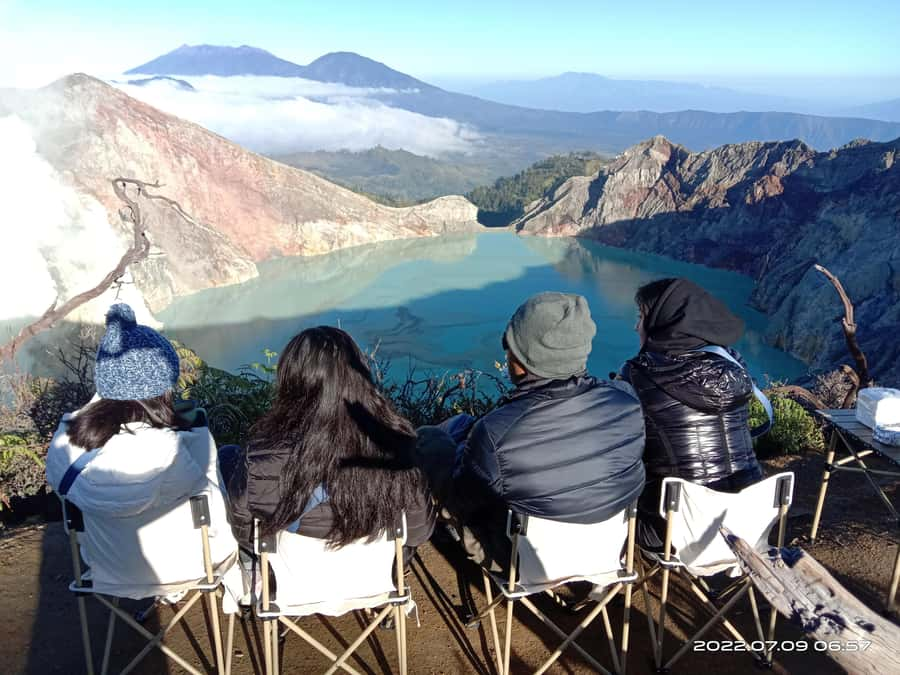
After the dark blue fire, the light begins to change. The crater lake comes into view as the sky brightens, revealing an intense turquoise color surrounded by volcanic scenery.
The lake is often described as the largest highly acidic crater lake in the world. That is an impressive setting, but the acidity is also a reminder that this is an active volcanic environment, not a swimming spot or casual picnic area.
Sunrise is scheduled around 6:00 to 7:00 a.m., followed by the walk back down to Paltuding. The morning light gives you a second version of the mountain. What looked mysterious and threatening in the dark becomes a broad, colorful view once the crater is visible.
This is where warm clothing matters most. Summit temperatures can fall to around 5 to 10°C, especially before sunrise. Wear several layers rather than one bulky jacket. You can remove a layer during the climb and add it again while waiting at the top.
Breakfast after the descent
After returning to Paltuding, you get a light breakfast at a local restaurant, usually around 7:00 to 8:00 a.m. It is a simple but useful finish to the hiking section.
Do not expect this meal to replace all your food for the day. Bring snacks, as the tour specifically advises, and carry water even though bottled water is included. A small snack before the climb can also help, especially since the main meal comes after you descend.
The break gives you time to rest before the return journey. Your legs may appreciate the pause more than the food itself. This is also a good moment to check that you have your phone, camera, jacket, and other belongings before getting back into the vehicle.
Returning to Bali after a sleepless night
The return involves another drive to Ketapang, a ferry back to Gilimanuk, and the road transfer to your Bali accommodation. The ferry crossing is again about one hour, while the full return journey can take much longer depending on traffic and ferry timing.
The listed end of the program is around 4:00 to 5:00 p.m. That means the total outing can run close to 22 hours from pickup to drop-off. You should plan a quiet evening afterward rather than booking another activity.
Traffic was described as slightly stressful in one account, though the trip still ended well. That is fair warning. Bali roads can be slow, and you are covering a great deal of ground after an overnight hike. The transport is convenient, but convenience does not erase the distance.
What the $133 price really covers
At $133 per person, this is not the cheapest way to see a volcano. It is also not simply an entry ticket and a hike. The price includes private round-trip transport from Bali, ferry tickets, entrance fees, a professional English-speaking local guide, gas mask, flashlight, bottled water, light breakfast, hotel pickup and drop-off, and insurance.
Those inclusions make the cost easier to understand. Arranging the same route independently would require coordinating late-night transport, ferry tickets, the Java-side transfer, mountain entry, safety gear, and a guide. The price buys organization as much as transport.
There is one important money matter to clarify before departure. One person reported being charged for the Bali-side ferry ticket even though it was included, and being asked for $10 for a required medical check that was also shown as covered in the voucher. I would confirm all included charges with the operator before leaving and keep proof of payment. Do not assume every extra request is correct.
Free cancellation is available up to 24 hours before departure, and you can reserve now and pay later. Those terms are useful when your Bali plans may change, but they do not remove the need to check the weather and your own fitness before committing.
Guides, drivers, and group size
The English-speaking local guide is one of the most important parts of this experience. Mufi was praised for being kind and confident on the route, qualities that matter when the group is tired and the path is dark.
Kymon, a driver connected with one of the trips, was praised for his genuine manner and for sharing stories about Indonesian life. The same person later used him for other transport around Bali, which suggests he made a strong personal impression.
A group size of up to 15 keeps the price below a fully private mountain tour, but it can still feel crowded at popular viewing points. A guide helps keep the group organized, yet you should expect some waiting and a less personal pace than you would get with a private guide.
Who should take this trip
I would recommend this tour to fit visitors who want a rare natural sight and do not mind sacrificing a full night of sleep. It suits people staying in Bali who want to add Java without arranging a multi-day trip.
It is less suitable if you dislike long road transfers, ferry rides, cold conditions, or steep walking. The tour is specifically not suitable for pregnant women, people with respiratory problems, altitude sickness, low fitness, or people over 70. The information also separately lists people over 95, but the over-70 restriction is the one you should take seriously.
Bring comfortable clothing, layered warm clothes, snacks, water, a camera, a flashlight, and a charged smartphone. Smoking, alcohol, and drugs are not allowed.
Should you book the Ijen Crater trip?
Book it if the blue fire and turquoise crater lake are high on your Indonesia wish list, and if you can handle an overnight schedule with a moderately difficult climb. The included ferry, guide, safety equipment, breakfast, and transport make $133 a reasonable package price.
Skip it if you need a relaxed holiday pace or if you have a medical or fitness concern. I would also confirm the included medical check and ferry charges before departure. For the right person, this is a memorable, demanding trip that shows you a very different side of Indonesia beyond Bali’s beaches and temples.
FAQ
How long does the Ijen Crater trip from Bali take?
The full experience lasts about 22 hours, including hotel pickup, road transfers, the ferry crossings, the hike, breakfast, and return drop-off.
What time does pickup begin?
Pickup begins between about 7:00 and 10:00 p.m., depending on your location in Bali.
Which Bali areas have pickup?
Pickup is available from Munduk, Jimbaran, Tabanan, Uluwatu Beach, Lovina Beach, Denpasar, Canggu, Ubud, Kuta, and Sanur. Other nearby arrangements may be communicated during booking.
How long is the ferry ride?
The crossing between Gilimanuk in Bali and Ketapang in Java takes about 45 minutes to one hour.
How long is the hike to Ijen Crater?
The uphill walk from Paltuding to the crater area takes about 1.5 to 2 hours.
When can I see the blue fire?
The blue fire is visible in darkness, with the planned viewing time around 3:00 to 4:00 a.m.
Is breakfast included?
Yes. A light breakfast is provided at a local restaurant in Paltuding after the hike.
Is safety equipment provided?
Yes. The tour includes a gas mask and flashlight, along with a safety briefing before the hike.
How cold is Mount Ijen?
Temperatures at the summit can range from about 5 to 10°C, especially before sunrise.
Is this tour suitable for people with respiratory problems?
No. The tour is not suitable for people with respiratory issues, altitude sickness, low fitness, pregnancy, or those over 70.
Just added around Indonesia
- Amazing Mount Batur Jeep Sunrise and Black lava★ 5.0 · 17 reviews
- Day Trip Batur Volcano and 2 Beautiful Waterfall★ 5.0 · 2 reviews
- Batur Volcano 4WD Jeep Tour: Black Lava Adventure★ 4.5 · 2 reviews
- Bukit Lawang Berastagi 4 Days 3 Nights Volcano & Jungle Trekking★ 5.0 · 7 reviews
- Fullday Sibayak Volcano Hiking Tour★ 5.0 · 2 reviews
- 6 Day North Sumatra Highlights – Jungles Orangutans Lakes and Volcanoes★ 3.5 · 2 reviews
- 2 Days Tour of Mount Bromo Ijen Crater★ 5.0 · 3 reviews
- 4-Day Tour: Mt Bromo & Ijen, Tumpak Sewu & Madakaripura falls★ 5.0 · 3 reviews
Bromo & Ijen Volcano Tours, compared.
Borobudur Sunrise from setumbu Hill , Merapi Volcano & Prambanan Full Day Tour
Our review of it →
Banyuwangi/Bali: Ijen Volcano Midnight Blue Fire Guided Tour
Our review of it →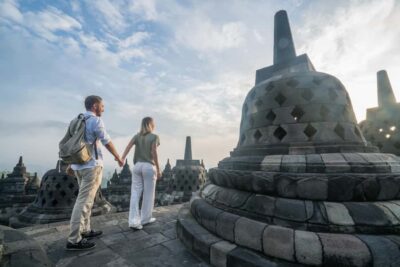
Borobudur Sunrise, Merapi Volcano & Prambanan Full Day Tour
Our review of it →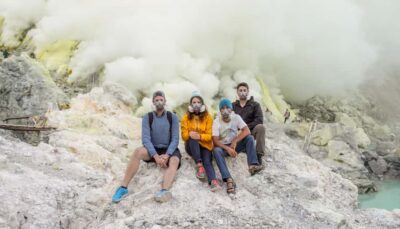
24-Hour Trip to Ijen Crater & Javanese Breakfast
Our review of it →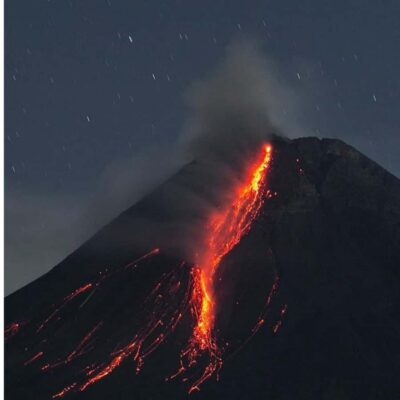
Yogyakarta Volcano: Merapi Volcano on Hilltop (Lava Viewing)
Our review of it →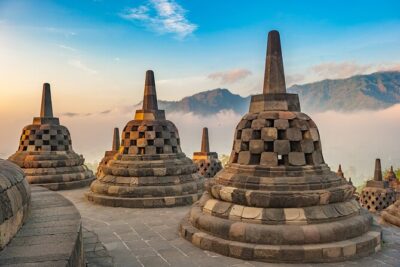
Borobudur(climb up), Merapi Volcano and Prambanan Temple Tour
Our review of it →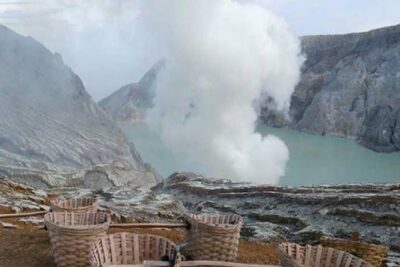
Active Volcanoes Bromo and Ijen – Start Surabaya 3 Days and 2 Nights
Our review of it →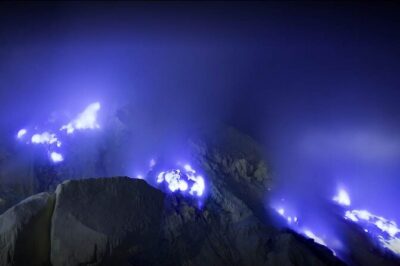
Browse the lists this tour appears in