
REVIEW · BALI
From Bali: 24-Hour Trip to Ijen Crater & Javanese Breakfast
Blue fire makes this night unforgettable. From Bali, you cross to Java, rest in a private room, then climb Kawah Ijen before sunrise. I like the careful transport plan and the warm local meals, especially the generous Javanese breakfast after the hike. The main drawback is the long journey and very little sleep.
I also like that the package includes a gas mask, headlight, gloves, entrance fees, dinner, accommodation, and return ferry. Guides such as Harry, Hari, Pur, Jun, and Sam are praised for helping with steep sections and explaining the sulfur work. Still, the blue fire is not guaranteed, and volcanic conditions can close access.
Key points at a glance
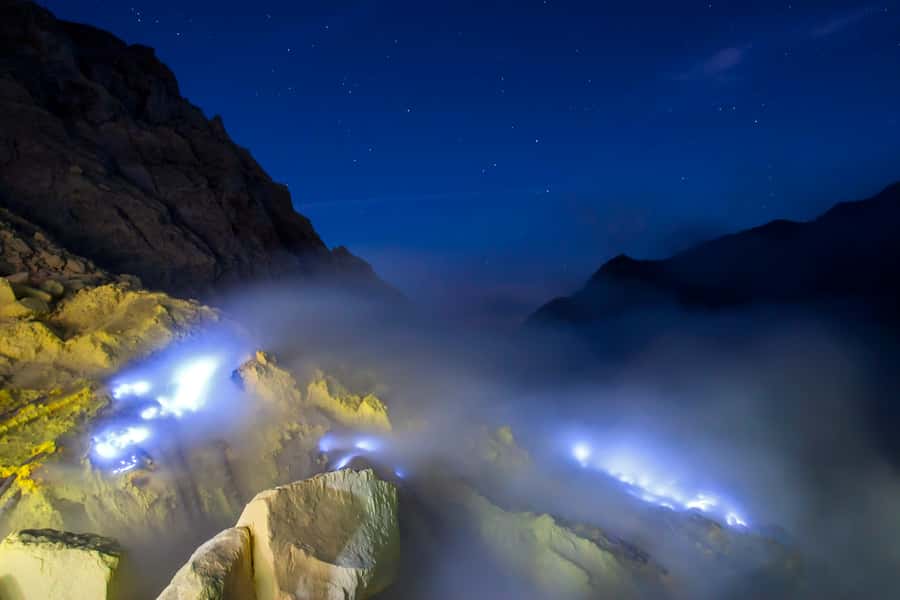
- The blue fire requires a night climb: You leave the accommodation around 1 a.m. and descend toward the crater before dawn.
- The hike is short on distance but serious in places: The trail rises steeply, and the descent into the crater requires care and good grip.
- You cross from Bali to Java by ferry: Road transfers take several hours, so this is a full transport-and-hiking adventure, not a quick outing.
- A six-hour rest in East Java matters: You get a private room and local dinner before the early climb.
- Former sulfur miners may guide you: Guides including Hari and Pur have been praised for their local knowledge and safety support.
- The price covers most major costs: At $128 per person, transport, ferry, meals, equipment, accommodation, entry, and guiding are included.
Why Kawah Ijen is worth leaving Bali for
Bali has its own volcano hikes, but Kawah Ijen offers a very different setting. This is an active volcanic crater with a huge acidic lake, sulfur deposits, mining activity, and the rare sight of blue sulfur flames.
The blue fire is the headline attraction. In darkness, burning sulfur can appear blue as it flows from volcanic vents. You reach the crater floor before dawn because the glow fades as daylight arrives. It is an unusual sight, but nature keeps the final say. Smoke, volcanic activity, or access rules can prevent you from seeing it.
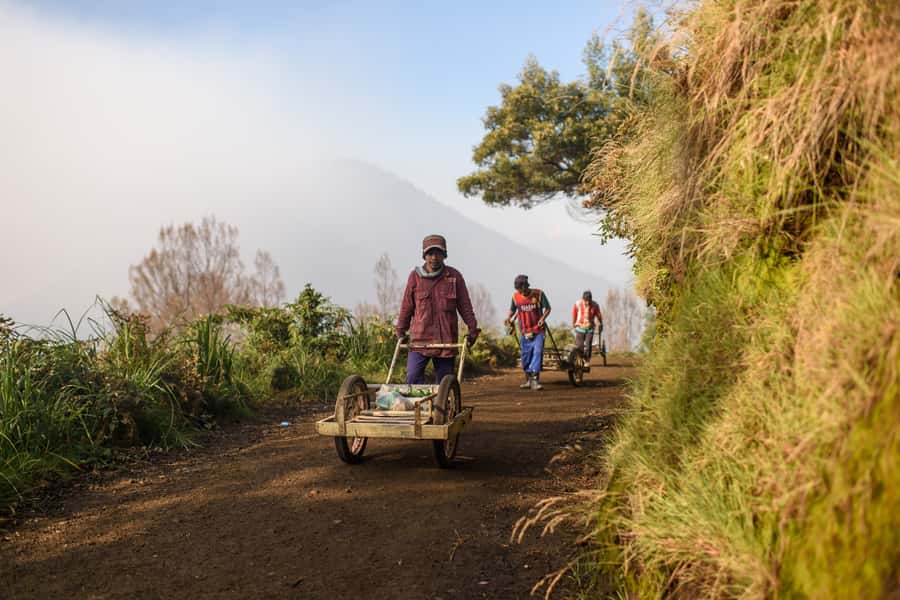
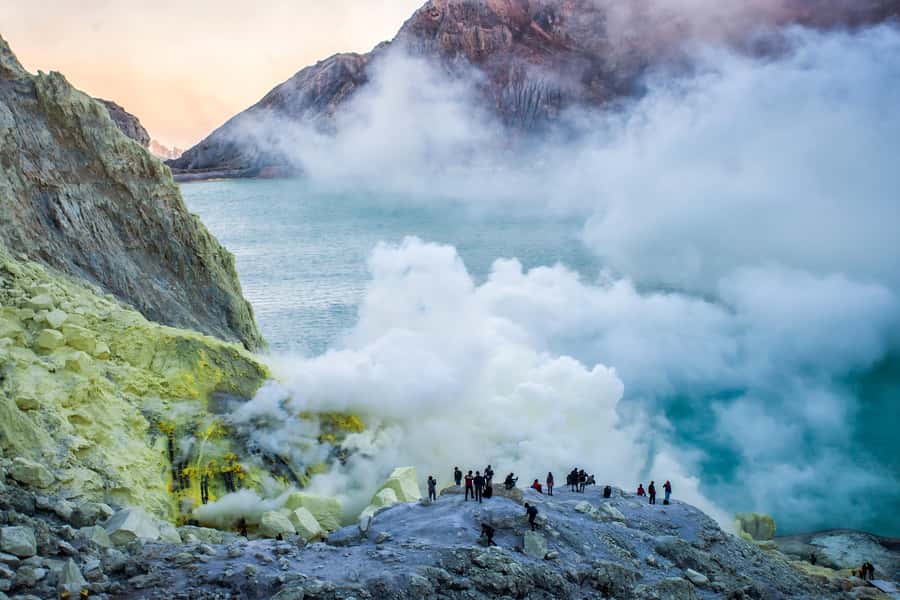
At sunrise, the outing changes character. The black night gives way to views of the crater and its acid lake. You can also see sulfur workers carrying loads from the mine. That human element makes this more than a mountain walk. You are seeing a working volcanic site, not a polished park attraction.
The guides add real value here. The route can feel confusing or exposed in darkness, and the crater descent needs care. Guides named Hari and Pur have been especially praised for their experience, with Pur also described as a former sulfur miner. That background can help you understand the work taking place around you.
More Bromo and Ijen Volcano Tours in Bali:
- Mount Ijen Volcanic Crater Overnight Trip from Bali
★ 4.7 · 251 reviews - From Bali: 3-Day Excursion to Mount Bromo and Ijen Crater
★ 4.8 · 143 reviews - From Bali: Ijen Volcano Sunrise Hike with Transfer & All Fee
★ 4.8 · 139 reviews
The 1 p.m. departure from Seminyak
The official meeting point is Gusto Gelato Cafe on Jalan Mertanadi in the Seminyak Kerobokan area. Departure is scheduled for 1 p.m., giving you an afternoon start rather than a middle-of-the-night pickup from Bali.
The first van journey lasts about four and a half hours. That is a long stretch, and it is one of the trip’s less glamorous parts. You will spend much of the day seated before reaching the ferry, so bring water, a small snack if needed, and something to make the ride comfortable.
The long drive is also why this tour works best for people with limited time in Java. You do not need to arrange separate buses, ferry tickets, an East Java hotel, volcano entry, or local guiding. The transport chain is handled for you.
The journey may include pickup coordination from different parts of Bali. Some participants have experienced delays while waiting for people from Ubud or western Bali. The exact timing can therefore shift, so avoid scheduling an important appointment soon after your return.
The 75-minute ferry crossing to Java
After the first van ride, you board the ferry for roughly 75 minutes. This is the point when the trip changes from a Bali excursion into a Java adventure.
The ferry crossing is included in the price, along with the return crossing. That matters because arranging the Bali to Java connection yourself would add another layer of timing and ticket planning. You should still expect the overall day to feel long, since the crossing is only one part of the transfer.
After the ferry, another van ride of about one hour takes you toward the East Java accommodation. You are not going straight to the mountain for the climb. That pause is sensible. It gets you closer to Ijen and gives you a chance to eat and sleep before the hard part.
Dinner, a private room, and six hours of rest
The East Java stop includes a local dinner and about six hours of accommodation. The food and hospitality receive some of the strongest praise connected with this trip. The meals are home-cooked, plentiful, and suited to the early morning effort.
The accommodation is a particularly useful part of the package. Reports describe clean rooms, private rooms, comfortable beds, and friendly hosts. A few hours of proper rest will not make the climb easy, but it is far better than sitting in a van all night and starting the hike without a break.
Breakfast and dietary needs can be discussed with the team. Vegetarian meals were provided for at least some bookings, and the hosts were described as flexible and welcoming. Do not expect a resort stay. Think of it as a practical overnight base with food, a bed, and a shower before the volcano.
A few more volcano trips around Bali worth a look
- Mount Batur: Private Volkswagen Volcano Safari
★ 4.6 · 1,120 reviews - Mount Batur: Black Lava Cycling Tour w/ Natural Hot Spring
★ 3.8 · 63 reviews - Bali: ATV Batur Sunrise, Lava, Pine Forest and Hot Spring
★ 4.8 · 53 reviews - From Bali: Private Mount Ijen Crater Volcano Midnight Trek
★ 3.9 · 27 reviews
The 1 a.m. climb toward the crater
From the accommodation, another van ride of about one hour takes you to the Ijen area. The guided volcano portion lasts around six hours and includes the climb, crater access, sunrise, and the return walk.
The climb reaches the rim of the 2,370-meter volcano. The trail is considered manageable for people with a reasonable level of fitness, but it is not a casual stroll. The path gets steep in places, and you will be walking in darkness before dawn.
A steady pace is the right approach. The guides can stop at resting points, and several people have found the climb easier when they avoided rushing. Good sports or trekking shoes are important. One person specifically advised wearing shoes with strong grip, which is sensible for the uneven trail and the crater descent.
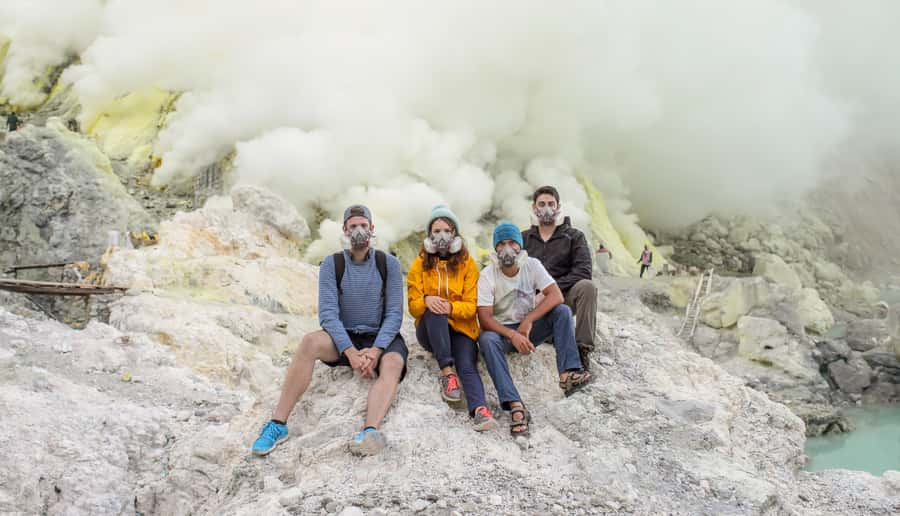
The supplied equipment helps. You receive a headlight, gloves, and a gas mask. The gloves are useful in cold conditions and reduce the chance of touching your eyes during a smoky section. The gas mask is not just a decorative extra. Sulfur fumes can be unpleasant and may affect your breathing and eyes.
Bring warm layers. The recommended clothing includes socks, a T-shirt, sweatshirt, warm jacket, raincoat, and hat or cap. Temperatures can feel cold near the summit, with one report noting about 12 degrees Celsius in January. Weather can also change, so a raincoat has a practical purpose beyond rain.
Descending into the sulfur crater
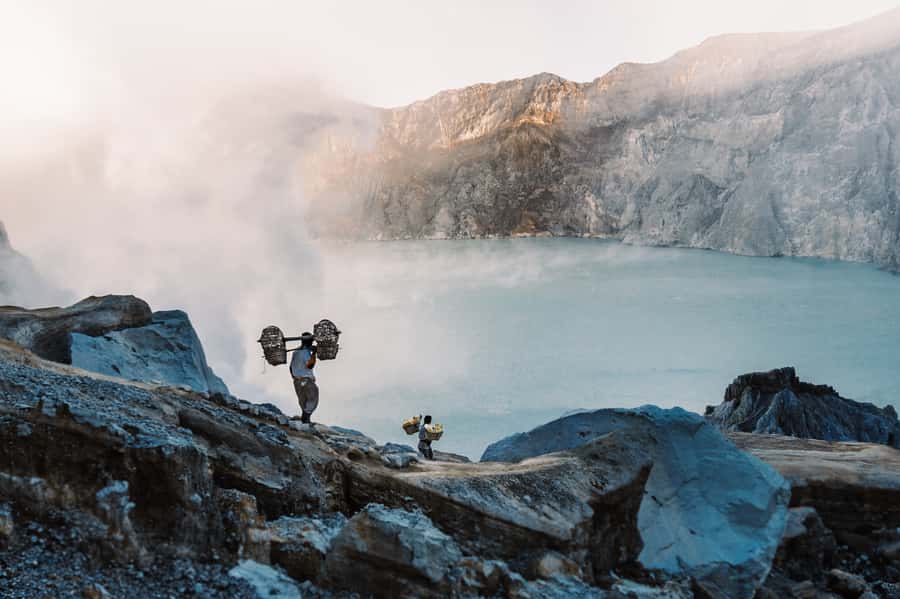
The crater floor is the most demanding part of the outing. You descend after reaching the rim, following a route with footholds and places to pause. In darkness and on uneven ground, this section can feel more difficult than the climb itself.
You need to listen closely to the guide here. The crater is a working sulfur mine, and the route is not designed like a smooth city trail. Keep your small backpack light, watch your footing, and do not hurry for a photograph.
The sulfur mining gives the visit a serious human dimension. Workers carry sulfur from the crater, and the guides can explain the conditions and work involved. Seeing this up close can be powerful, but it is also a reminder that the spectacle depends on difficult labor.
The gas mask becomes particularly valuable around sulfur fumes. Even with protective equipment, conditions may vary. If the air becomes uncomfortable, follow the guide’s instructions and move away from the affected area.
Blue fire before dawn
The blue sulfur flames are visible only in darkness, which explains the early start and the descent into the crater. If conditions cooperate, you may see blue light flickering around sulfur vents before the sky begins to brighten.
This is the most uncertain part of the program. Some outings have reached the crater but missed the flames because smoke was too heavy. Volcanic activity can also lead authorities to restrict access or postpone the climb.
That uncertainty does not make the trip poor value. The acid lake, sulfur mine, sunrise, and mountain views remain important parts of the visit. It does mean you should book this for the whole Ijen experience, not only for one photograph.
Volcano conditions deserve priority over the schedule. On some occasions, access has been postponed because of heavy activity. The operator has been praised for offering support and, in one case, a return opportunity when authorities allowed the visit again. Policies can vary, so check the current arrangements before booking.
Sunrise beside the world’s largest acid lake
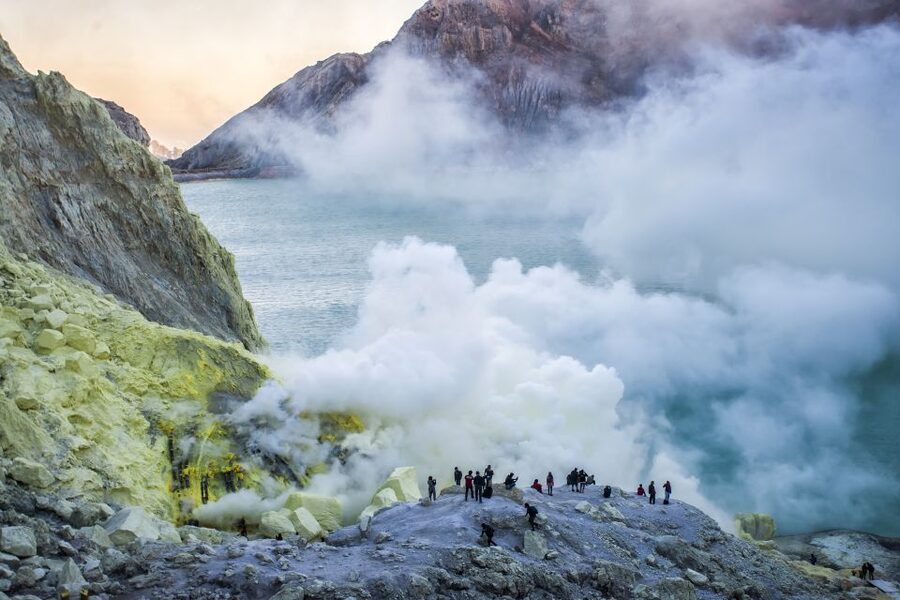
As daylight arrives, the crater becomes easier to see. The setting is stark and dramatic, with the acid lake below, volcanic rock around the rim, and sulfur work continuing in the crater.
Sunrise is the calmer part of the visit. After the concentration needed for the dark climb and crater descent, you can pause and take in the view. The guide can point out features and explain the volcano’s geography and history in English.
The return route also provides fine views. You may notice scenery that was invisible during the night ascent, making the walk back feel different from the walk up. Keep your camera handy, but protect it from rain and sulfur dust.
Do not treat the sunrise as guaranteed perfect weather. Reports include both clear views and smoky conditions. The volcano controls the show, so flexible expectations will help you enjoy the day.
Breakfast in Java after the hard work
After the Ijen section, a one-hour van ride takes you back for a 90-minute Javanese breakfast. This is not a token pastry and coffee stop. The meal is described as hearty, home-cooked, buffet-style, and generous.
The breakfast has practical value. You have climbed, descended, and spent hours outdoors, so a substantial meal feels well timed. Local dishes and fruit give you a better sense of Java than a standard tourist restaurant would.
Some meals have included vegetarian options, and the hosts have been praised for making people feel at home. Food is one of the trip’s strongest features, especially when paired with the private room and dinner the previous evening.
The stop also gives you time to recover before the long return. You will not be racing directly from the crater into a ferry and then a van. That break makes the demanding schedule more manageable.
The long return to Bali
After breakfast, you take a one-hour van ride to the ferry, cross for about 75 minutes, then spend roughly four and a half hours in the final van ride back to the Seminyak meeting point.
This is where the 24-hour label becomes important. The mountain visit itself is only part of the outing. The Bali to Java distance means you spend many hours on the road, and the return can feel tiring after the hike.
I would not plan a demanding activity for the following morning. You may arrive back in Bali tired, especially if ferry timing or group pickups add delays. The benefit is that you have seen Ijen without booking separate transport or adding several days in Java.
Is the $128 price good value?
At $128 per person, the cost is reasonable for what is included. The package covers Bali pickup and return, both ferry crossings, local dinner, accommodation, Ijen entry, an English-speaking guide, gas mask, headlight, gloves, and buffet breakfast.
The value is strongest if you are staying in Bali and have only one day to spare. Organizing this independently would require several transport links, ferry planning, an East Java room, a local volcano guide, entrance fees, and safety equipment.
The price is less attractive if you dislike long road journeys or prefer to move slowly through Java. You are paying for convenience and access, not luxury or spare time. The accommodation is a practical rest stop, and much of the day is spent transferring between places.
The included equipment and local support also matter. The route is not suitable for people with mobility impairments, and anyone unsure about steep hiking should think carefully before booking. A baseline of fitness, good shoes, and willingness to follow instructions are more important than speed.
What to pack for this specific trip
Keep your luggage small. Large bags are not allowed, and you are advised to carry only a small backpack up to the volcano.
Bring:
- Passport or photo identification
- Sport or trekking shoes with good grip
- Warm layers, including a sweatshirt and jacket
- Socks and a T-shirt
- Raincoat
- Hat or cap
- Camera
- Any personal essentials you need during the long transfer
Alcohol and drugs are not allowed. Insurance is not included, and personal needs or extra guide services cost extra.
Your guide supplies the headlight, gloves, and gas mask. Even so, your own clothing choices matter. The summit can feel cold, and the crater path rewards stable footwear more than stylish footwear.
Who should book this Ijen trip?
I would recommend it to an active visitor based in Bali who wants one intense Java experience without arranging the route alone. It suits solo visitors as well as small groups, and the organized support can be reassuring if you are crossing the island and country border for the first time.
It also suits people who care about local contact. You eat home-cooked Javanese food, stay with local hosts, and see sulfur mining rather than simply viewing a volcano from a platform.
I would hesitate to recommend it to anyone with mobility limitations, poor balance, or a strong dislike of overnight hiking. The trip includes a steep climb, a crater descent, fumes, limited sleep, and a long return journey.
The blue fire should be treated as a bonus, not a promise. If you can accept changing volcanic conditions and still value the lake, sunrise, mining, food, and guided access, the $128 cost makes sense.
FAQ
How long does the Ijen trip take?
The activity is planned as a 24-hour trip from Bali and back. The schedule includes long van transfers, two ferry crossings, an overnight rest in East Java, a six-hour Ijen visit, and breakfast.
Where does the tour start and finish?
It starts and ends at Gusto Gelato Cafe on Jalan Mertanadi in Seminyak Kerobokan, Bali.
What time does the trip depart?
Departure is scheduled for 1 p.m. Check the available date and booking information for the exact starting time.
Is the ferry included?
Yes. The return ferry between Bali and Java is included.
Does the price include accommodation?
Yes. Accommodation in East Java is included, with about six hours available for rest before the volcano climb.
Is food included?
Yes. A local dinner and a buffet-style Javanese breakfast are included.
What equipment is provided?
The package includes a gas mask, headlight, and gloves. You still need to bring suitable shoes and warm clothing.
Can I see the blue fire during every trip?
No. The blue fire depends on visibility and volcanic conditions. Smoke or official safety restrictions can prevent access or make the flames difficult to see.
Should you book it?
Book this trip if you want a tightly organized, physically demanding visit to one of Java’s most unusual volcanoes and have limited time beyond Bali. The strongest reasons are the helpful local team, included safety equipment, private rest stop, substantial meals, and the chance to see blue fire, sulfur mining, and sunrise in one outing.
Skip it if you need a relaxed schedule, dislike long transfers, or are not comfortable with steep trails and a crater descent. For everyone else, this is a high-effort day with a genuine payoff, and the careful organization makes the demanding route far easier to manage.
Just added around Bali
- Bali Ubud & Kintamani Volcano Tour -All Inclusive★ 5.0 · 6 reviews
- Kintamani Volcano View Tour★ 4.5 · 3 reviews
- Mount Batur: Black Lava Cycling Tour w/ Natural Hot Spring★ 3.8 · 63 reviews
- Bali: ATV Batur Sunrise, Lava, Pine Forest and Hot Spring★ 4.8 · 53 reviews
- From Bali: Private Mount Ijen Crater Volcano Midnight Trek★ 3.9 · 27 reviews
- From Bali: 1 Day Ijen Volcano Blue Fire Tour From Bali★ 5.0 · 11 reviews
- From Bali: Mount Bromo & Ijen volcanic private tour★ 5.0 · 3 reviews
- Ubud & Volcano Hot Springs Tours★ 4.6 · 23 reviews
Bromo & Ijen Volcano Tours, compared.
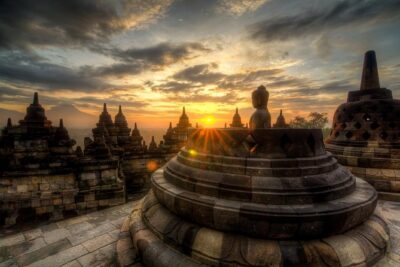
Borobudur Sunrise from setumbu Hill , Merapi Volcano & Prambanan Full Day Tour
Our review of it →
Banyuwangi/Bali: Ijen Volcano Midnight Blue Fire Guided Tour
Our review of it →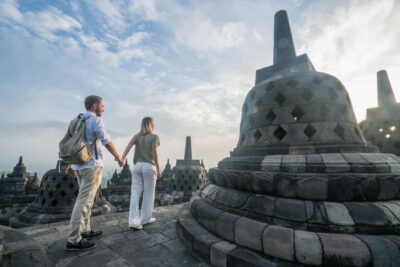
Borobudur Sunrise, Merapi Volcano & Prambanan Full Day Tour
Our review of it →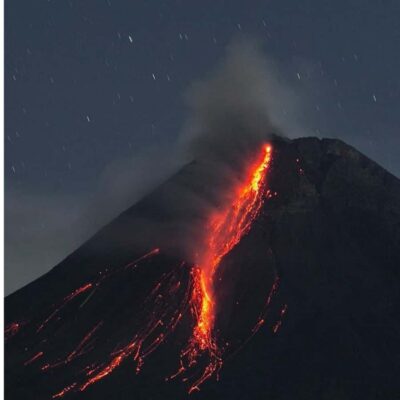
Yogyakarta Volcano: Merapi Volcano on Hilltop (Lava Viewing)
Our review of it →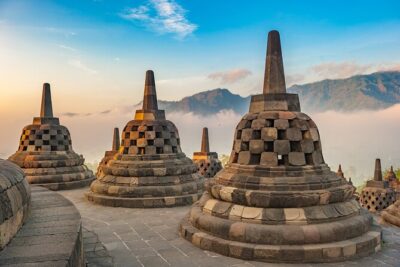
Borobudur(climb up), Merapi Volcano and Prambanan Temple Tour
Our review of it →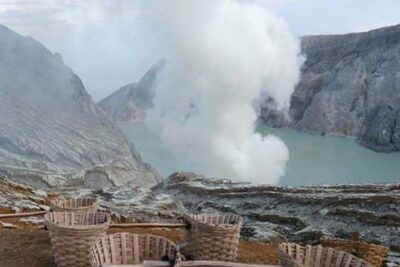
Active Volcanoes Bromo and Ijen – Start Surabaya 3 Days and 2 Nights
Our review of it →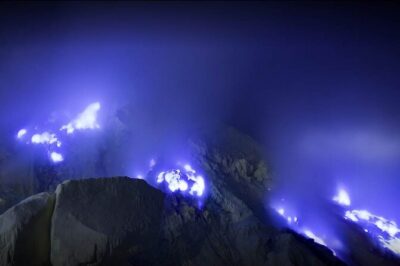
1 Day Yogyakarta tour ( Borobudur temple, Merapi Lava Tour, Prambanan Temple)
Our review of it →Browse the lists this tour appears in