
REVIEW · BALI
From Bali: 1 Day Ijen Volcano Blue Fire Tour From Bali
Blue fire makes the midnight trek worthwhile. This long, demanding trip takes you from Bali across the Bali Strait to East Java, where you hike Mount Ijen with a local guide, gas mask, flashlight, and time to see the crater lake at sunrise. I like the private round-trip transport and the fact that a guide handles the ferry, road transfers, safety briefing, and volcanic trek. The main drawback is the sheer length: from southern Bali, you may spend six hours reaching the ferry, another hour on the water, and about 90 minutes driving in Java before the hike even starts.
I also like the small group size, limited to 15 people, and the thoughtful basics such as bottled water, a light breakfast, warm-weather advice, and safety equipment. Guides including Mufi, Dan, Dika, and Irul have received especially strong praise for patience and friendly support. Still, you should not book this expecting guaranteed blue flames. Crowds, sulfur fumes, weather, and access conditions can affect what you see, and the uphill walk is hard.
Key points at a glance
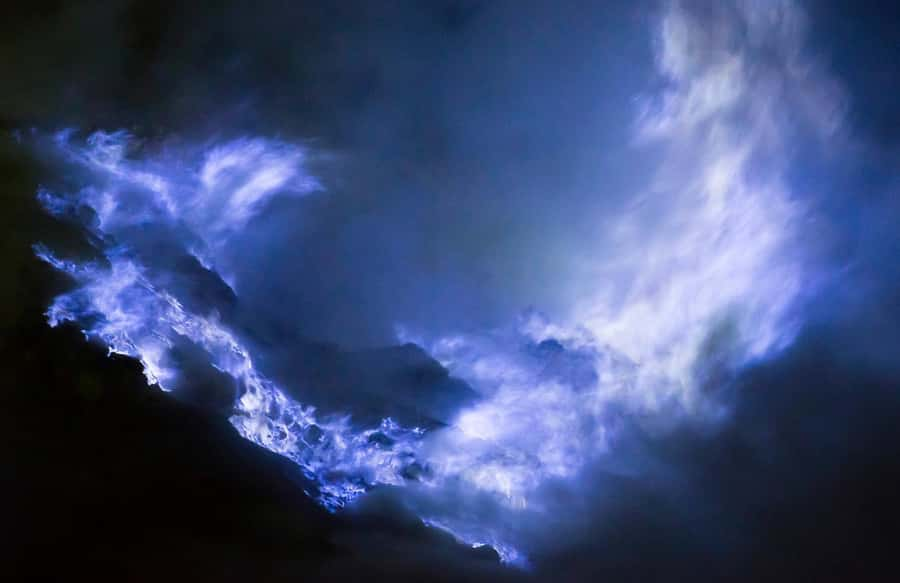
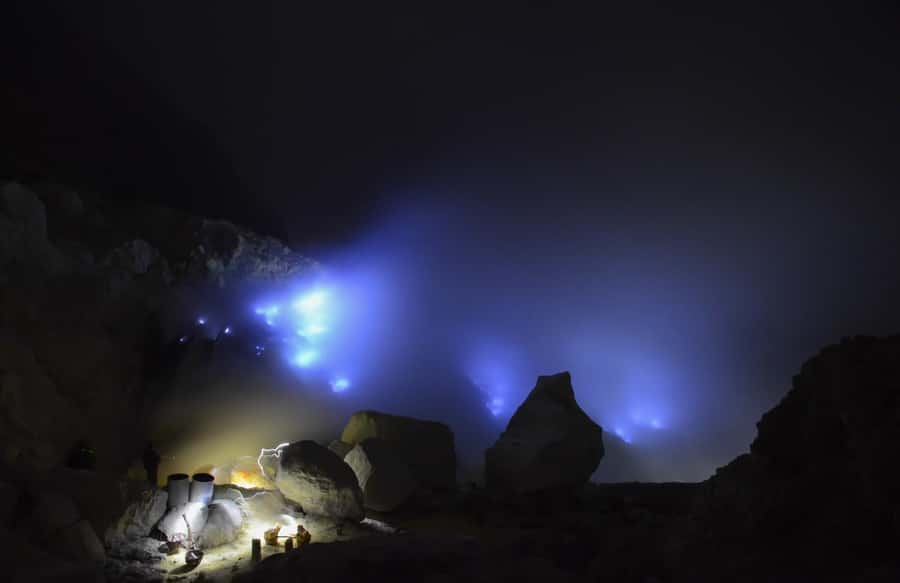
- The blue fire appears before sunrise: The sulfur flames are best viewed around 3:00 to 4:00 AM, before daylight washes out the effect.
- This is a true overnight mission: A 22-hour schedule includes late-night pickup, two ferry crossings, road transfers, a mountain hike, and the return to Bali.
- The hike covers about 3 kilometers uphill: The ascent takes around two hours and can feel strenuous, especially after a long ride.
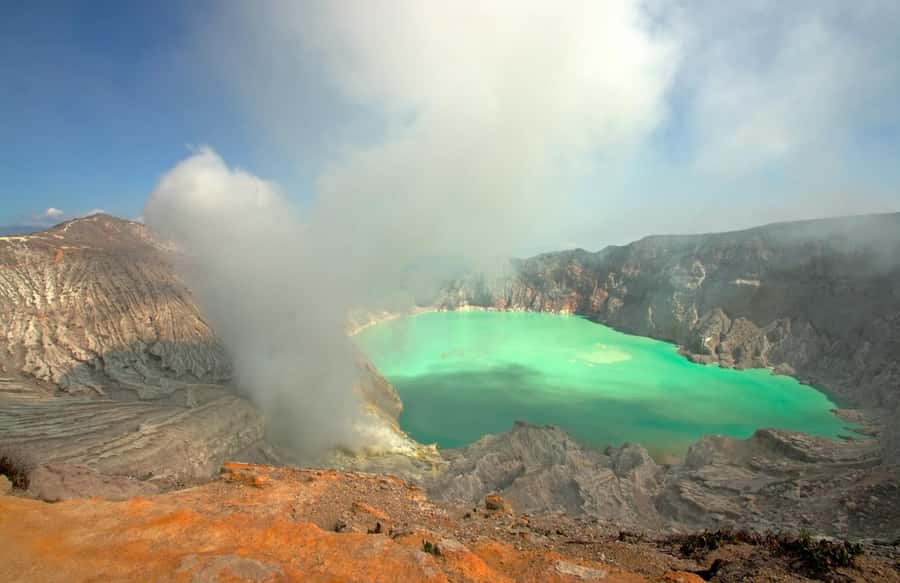
- The sunrise may be the most reliable highlight: Even if crowds prevent a close look at the flames, the turquoise acid lake and volcanic cliffs remain impressive.
- Your guide matters: Mufi has been praised for setting a comfortable pace, arranging photos, and helping solo participants feel secure.
- A medical certificate is required: You need a certificate from a doctor, clinic, or hospital issued the day before the activity.
Why Mount Ijen is worth the overnight effort
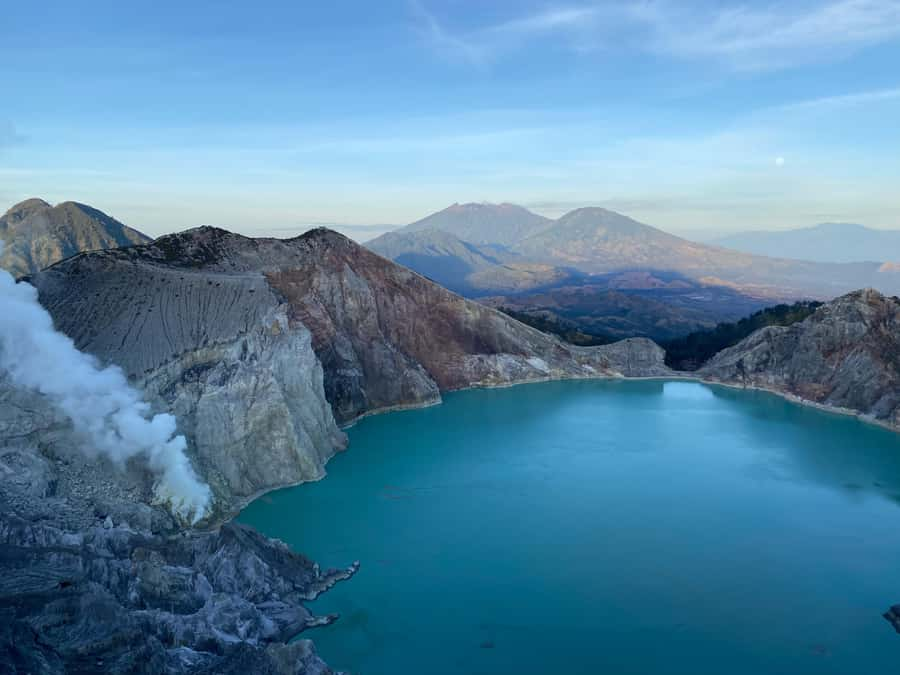
Mount Ijen offers a rare combination of volcanic sights. At night, sulfuric gases can ignite as they emerge from the earth, creating the blue flames that draw people across the Bali Strait. At dawn, the same crater reveals a turquoise sulfur lake surrounded by steep, dark cliffs.
The contrast is what makes this outing special. You begin in darkness, using a flashlight on a rough uphill path. Then you reach the crater before sunrise, with sulfur fumes in the air and the blue fire flickering below. As the sky brightens, the focus shifts to the lake, rock walls, and changing colors on the cliffs.
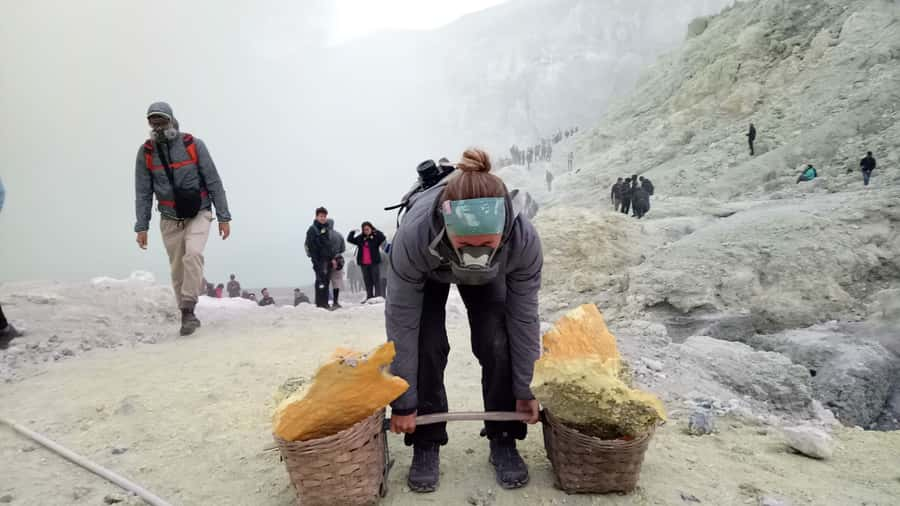
I like that the experience also gives you a glimpse of the working side of the volcano. Local sulfur miners work in this difficult setting, carrying sulfur in an environment that is hot, steep, and affected by fumes. The tour is not simply a photo stop at a famous viewpoint. It takes you into a demanding volcanic area where the conditions matter.
That said, the blue fire is not a promise. One strong account of the trip specifically advises you not to expect it, because the route down into the crater can become crowded and narrow. If reaching the flames requires an extra one to two hours of walking, you may decide, as that participant did, to remain at a safer viewpoint and focus on sunrise.
More Bromo and Ijen Volcano Tours in Bali:
- From Bali: 24-Hour Trip to Ijen Crater & Javanese Breakfast
★ 4.7 · 371 reviews - Mount Ijen Volcanic Crater Overnight Trip from Bali
★ 4.7 · 251 reviews - From Bali: 3-Day Excursion to Mount Bromo and Ijen Crater
★ 4.8 · 143 reviews
The Bali pickup determines how tiring the day feels
Pickup time depends heavily on where you stay. From Uluwatu, Jimbaran, Kuta, Sanur, and nearby areas, collection begins around 6:00 to 6:30 PM. Ubud, Seminyak, and Canggu pickups are around 7:00 PM. Munduk is around 9:00 PM, and Lovina around 9:30 PM.
Those times are not minor details. If you stay in Uluwatu, you can spend roughly six hours on the road before boarding the ferry. From Sanur, one account describes about four hours to Gilimanuk, then an hour at sea and another 90 minutes in Java before reaching the trailhead. You need to be comfortable sitting in a vehicle for a long stretch with little sleep.
The included private round-trip transfer is valuable here. You do not have to find your way to western Bali, arrange parking, buy ferry tickets, or negotiate a late-night Java transfer. Your driver takes you to Gilimanuk Harbor, and a local driver meets you after the ferry to continue toward Mount Ijen.
Wait in your hotel lobby or at the main entrance at least 10 minutes before pickup. Keep your phone available, since a meeting point may be arranged if your accommodation is difficult for the vehicle to reach. A pickup outside the normal service area can cost about $10 extra.
The ferry crossing adds a real sense of travel
The crossing from Gilimanuk to Java takes about one hour. It is a practical part of the route, not a scenic cruise, but it breaks up the long drive and gives you a chance to stretch your legs.
You arrive at Banyuwangi around midnight, then continue through the quiet countryside toward the Mount Ijen base area. A coffee break and safety briefing take place before the walk. That pause matters because you need to prepare for colder air, a steep trail, and the use of a gas mask near sulfur fumes.
The return ferry is scheduled around 10:00 AM. After the early hike and breakfast, you board again for Bali, then continue by road to your hotel. The return time is listed around 4:00 PM, though a day this long can run late if road or ferry conditions change.
The two-hour climb to the crater
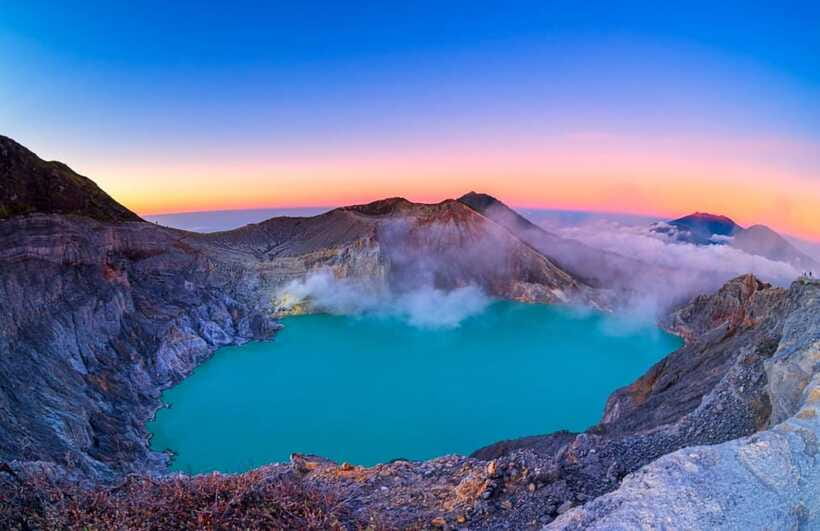
The trek begins at Bumi Perkemahan Paltuding, the base camp for the Mount Ijen walk. The route to the crater is about 3 kilometers and usually takes around two hours.
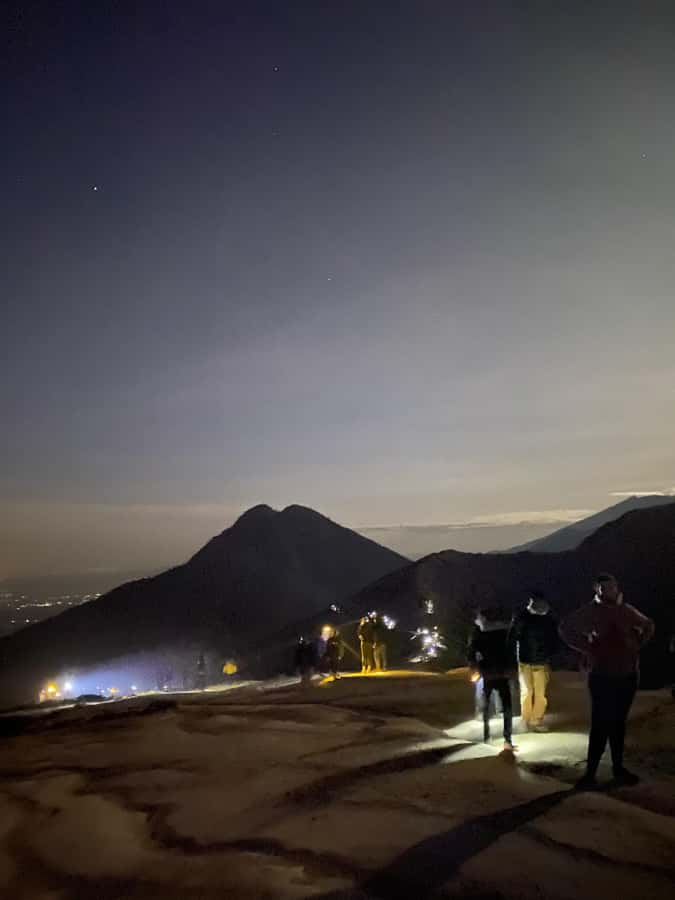
You walk through volcanic terrain under the stars. The trail is uphill, so the challenge is less about technical climbing and more about steady effort, darkness, cold, and fatigue. After spending hours in a vehicle, your legs may feel stiff before you even start.
Your local guide carries or provides a flashlight and gas mask, and the group receives a safety briefing. Guides have been praised for taking regular breaks and adjusting to different walking speeds. Mufi, in particular, has been described as encouraging and happy to let people proceed at their own pace. That is useful in a small group, where fitness levels can vary.
Do not treat the walk as a casual stroll. The experience is unsuitable for people with low fitness, respiratory problems, back problems, altitude sickness, or pregnancy. People over 70 are also listed as unsuitable, with an additional restriction for those over 95. You need comfortable clothing and a reasonable ability to walk uphill for several hours.
Warm layers are essential. One person needed to rent extra jacket and pants after finding the climb colder than expected. Bring clothing you can adjust as conditions change. A camera, snacks, water, and a flashlight are also recommended, although the tour provides bottled water and a flashlight.
More Day Trips in Bali:
- Pompeii and Mount Vesuvius Day Trip from Rome with Pizza Lunch
★ 4.5 · 6,151 reviews - From Rome: Pompeii Day Trip with Optional Vesuvius and Lunch
★ 4.6 · 5,067 reviews - Catania: Mount Etna Morning or Sunset Day Trip with Tasting
★ 4.8 · 4,028 reviews - Tenerife: Mount Teide, Masca, Icod and Garachico Day Trip
★ 4.5 · 2,065 reviews
Seeing the blue flames before dawn
The blue fire viewing period is planned for roughly 3:00 to 4:00 AM. This is the right time because the flames are visible in darkness, before the rising sun makes the glow harder to see.
The gas mask is not a decorative extra. Sulfur fumes can be present around the crater, and your guide will advise you when to use the equipment. Stay close to the guide and follow instructions. The volcanic setting is beautiful, but it is also an active environment with fumes and uneven ground.
Access to the blue fire can be affected by crowd levels. The path down into the crater is narrow, and one account describes an additional one to two hours of walking because of congestion. You may need to choose between spending more time reaching the flames and getting a good sunrise viewpoint.
This is where a sensible guide earns their fee. Dan has been praised for patience and flexibility, while Mufi has been praised for preparing flashlights and masks and helping with photographs. Dika has also been noted for strong local knowledge, good humor, and photography. The names differ by departure, so you should confirm your guide when booking, but the service appears to rely heavily on calm, attentive local staff.
Sunrise over the turquoise acid lake
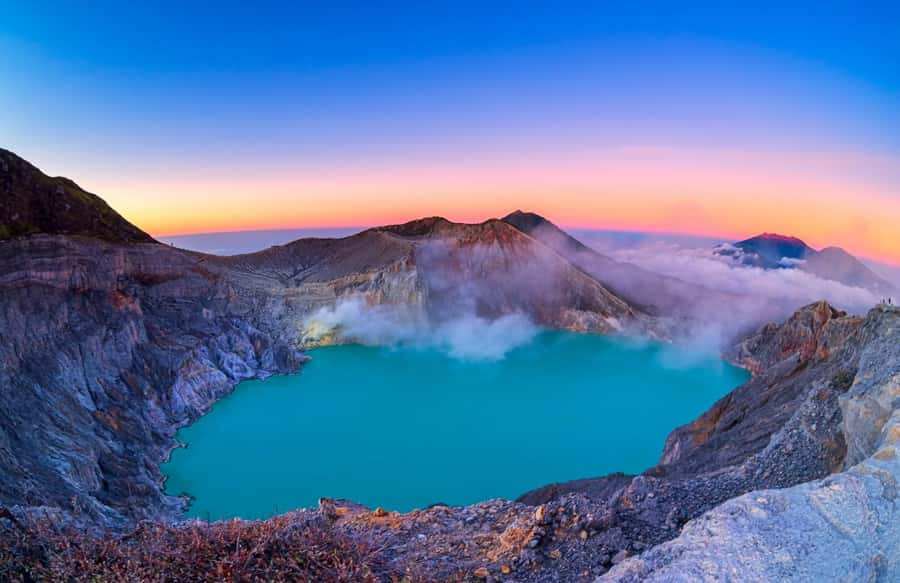
By around 5:00 or 6:00 AM, the light begins to reveal the crater. The turquoise sulfur lake sits below steep volcanic cliffs, with fumes adding to the harsh, otherworldly appearance.
For many people, sunrise may be the safest and most dependable major moment of the day. You can see the colors change across the cliffs and watch the lake emerge from the darkness. Even if you skip the crowded route toward the flames, you still get a powerful view from above.
This is also the best time for photographs. Bring a camera, but remember that low light, fumes, and cold can make photography awkward. Your guide may help with pictures. Dika was specifically praised for taking memorable photos, and Mufi was willing to stop for as many pictures as needed.
The schedule allows about an hour for the blue fire and sunrise experiences together, though real timing can shift. Do not expect a slow, quiet morning at the crater. You are working within a tight overnight schedule, and other groups may be using the same paths.
Breakfast and the long return to Bali
After the descent, you return to Paltuding and have a light breakfast, usually around 7:00 to 8:00 AM. This is a simple but welcome part of the package. You have been awake all night, climbed uphill, and descended again, so food and water are practical comforts rather than luxury touches.
The descent is easier on your lungs but can still tire your legs. Take care on uneven ground, especially if you are moving quickly to keep the schedule. The early morning scenery can be rewarding, since daylight shows more of the volcanic terrain that was hidden during the ascent.
From the base, you drive back toward Banyuwangi and take the ferry to Bali around 10:00 AM. The final road transfer takes you back to your accommodation, with drop-off available in areas including Kuta, Canggu, Uluwatu, Ubud, Sanur, Lovina, Denpasar, Jimbaran, Tabanan, and Munduk.
The return journey is the least glamorous part of the experience. You may be cold, dusty, hungry, and ready for a bed. That is the price of seeing Ijen from Bali in one continuous trip.
What $136 gets you
At $136 per person, the price is reasonable for the amount of transport and equipment involved. You receive hotel pickup and drop-off, private round-trip transport from Bali, both ferry crossings, entrance fees, a local trekking guide, a gas mask, a flashlight, bottled water, a light breakfast, and insurance coverage.
The value is strongest if you are staying in Bali and do not want to arrange a separate Java trip. Buying ferry tickets, hiring a driver across two islands, finding the crater entrance, arranging a guide, and securing safety equipment would take time and could easily become complicated during the night.
The price is less attractive if you dislike long road journeys or are already planning to spend time in Banyuwangi. In that case, a tour beginning closer to Ijen could reduce the transport burden. From Bali, though, the included transfers solve the hardest practical problem.
A small group capped at 15 people adds to the value. You are not promised a private hike, but the group is limited enough for a guide to monitor pace and help with equipment. The strongest praise is aimed at the human side of the service: drivers such as Komang helped with the ferry transfer, while guides such as Mufi, Dan, and Dika were patient, friendly, and supportive.
Who should book this experience
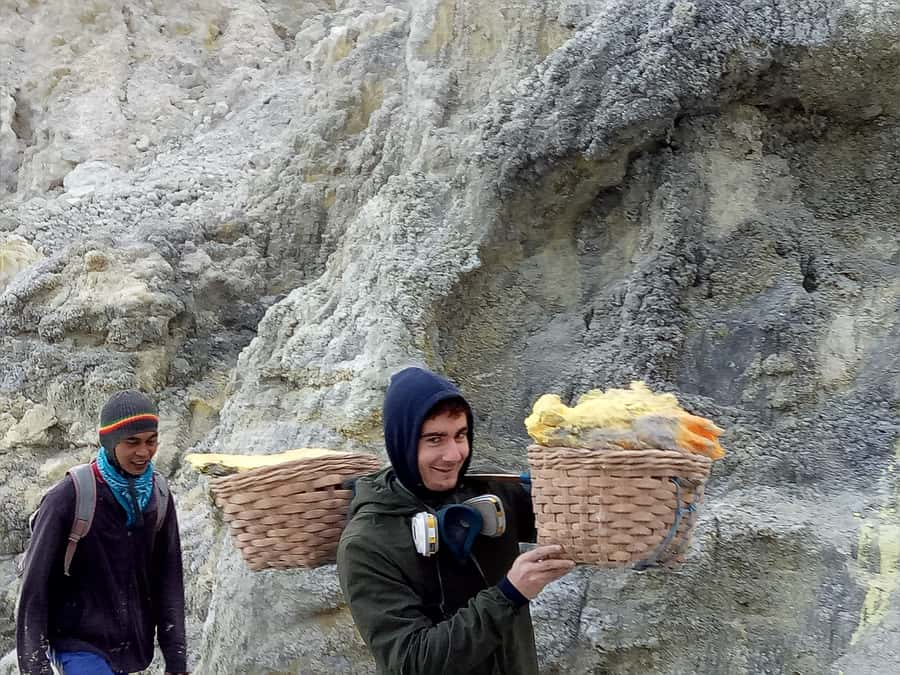
I would recommend this trip to you if you want a rare volcanic sight and accept that the journey is almost as demanding as the destination. It suits people with decent fitness, flexible expectations, and enough curiosity to appreciate both the blue fire and the sunrise lake.
It is especially useful for solo participants who want organized transport and a guide. One solo participant felt secure throughout the overnight trip and appreciated the guide’s pace, conversation, and willingness to take photos.
I would hesitate if you have respiratory problems, back problems, low fitness, or difficulty with uphill walking. The tour is also not suitable during pregnancy, and the supplied restrictions advise against it for people over 70.
You also need a health certificate from a doctor, clinic, or hospital issued the day before the activity. Arrange this before departure, since it is a required condition for the Ijen experience.
Should you book the Ijen blue fire tour?
Book it if you want a serious adventure, not a restful day trip. The blue flames may be uncertain, but the combination of a night hike, sulfur fumes, sunrise, turquoise crater lake, ferry crossing, and local guide support is unusual and memorable.
I would make this booking only after checking your pickup time, fitness, medical certificate, and tolerance for a 22-hour day. Pack warm layers, snacks, water, and comfortable clothes. If you can handle the long transfer and uphill trek, $136 buys a well-organized way to reach one of East Java’s most remarkable volcanic sights from Bali.
FAQ
How long does the Mount Ijen tour take?
The full experience lasts about 22 hours, including pickup in Bali, the ferry crossing to Java, road transfers, the Ijen trek, breakfast, the return ferry, and drop-off at your hotel.
What time is pickup from Bali?
Pickup depends on your location. Uluwatu pickup is around 6:00 PM. Kuta, Jimbaran, and Sanur are around 6:30 PM. Ubud, Seminyak, and Canggu are around 7:00 PM. Munduk is around 9:00 PM, and Lovina is around 9:30 PM.
Is the blue fire guaranteed?
No. The blue flames can be affected by conditions and crowd levels. Reaching the viewing area may require an additional one to two hours of walking along a narrow route.
What equipment is provided?
The tour includes a gas mask, flashlight, bottled water, and a professional local trekking guide. Entrance fees, ferry tickets, insurance, and a light breakfast are also included.
Do I need a medical certificate?
Yes. A certificate from a doctor, clinic, or hospital is required for Ijen activities, and it must be issued the day before the scheduled trip.
What should I bring?
Bring warm clothing, comfortable clothes, snacks, water, a camera, and a flashlight. Layered clothing is useful because temperatures and weather can change during the overnight trek.
Just added around Bali
- Bali Ubud & Kintamani Volcano Tour -All Inclusive★ 5.0 · 6 reviews
- Kintamani Volcano View Tour★ 4.5 · 3 reviews
- Mount Batur: Black Lava Cycling Tour w/ Natural Hot Spring★ 3.8 · 63 reviews
- Bali: ATV Batur Sunrise, Lava, Pine Forest and Hot Spring★ 4.8 · 53 reviews
- From Bali: Private Mount Ijen Crater Volcano Midnight Trek★ 3.9 · 27 reviews
- From Bali: Mount Bromo & Ijen volcanic private tour★ 5.0 · 3 reviews
- Ubud & Volcano Hot Springs Tours★ 4.6 · 23 reviews
- From Bali: 3-Day Excursion to Mount Bromo and Ijen Crater★ 4.8 · 143 reviews
Bromo & Ijen Volcano Tours, compared.
Borobudur Sunrise from setumbu Hill , Merapi Volcano & Prambanan Full Day Tour
Our review of it →
Banyuwangi/Bali: Ijen Volcano Midnight Blue Fire Guided Tour
Our review of it →
Borobudur Sunrise, Merapi Volcano & Prambanan Full Day Tour
Our review of it →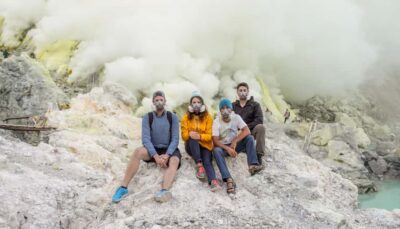
24-Hour Trip to Ijen Crater & Javanese Breakfast
Our review of it →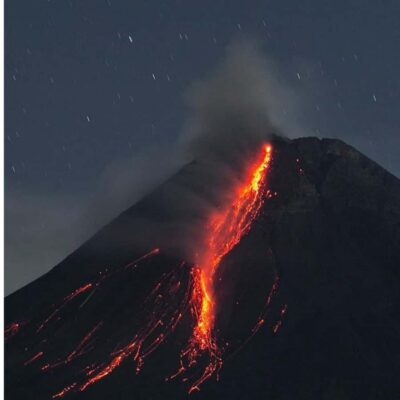
Yogyakarta Volcano: Merapi Volcano on Hilltop (Lava Viewing)
Our review of it →
Borobudur(climb up), Merapi Volcano and Prambanan Temple Tour
Our review of it →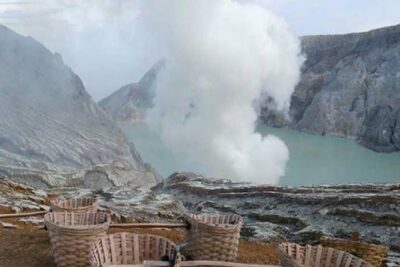
Active Volcanoes Bromo and Ijen – Start Surabaya 3 Days and 2 Nights
Our review of it →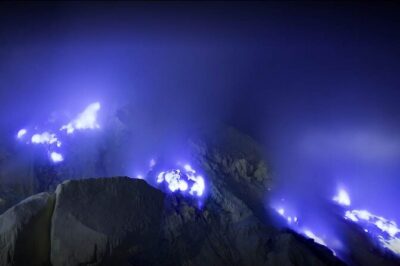
Browse the lists this tour appears in