
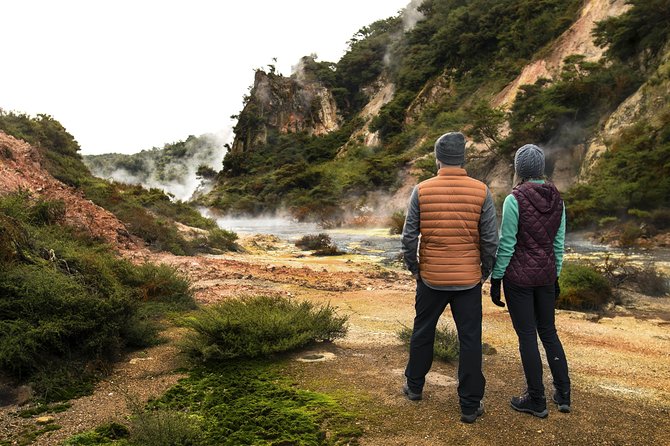
REVIEW · ROTORUA
Volcanic Valley Self Guided Walking and Hiking at Waimangu
Volcanic earth puts on a quiet show. At Waimangu, I like the freedom of a self-guided walk and the way geothermal features appear among native forest, grassland, and wetlands rather than behind fences or in a staged attraction. I also like the free shuttle back uphill, which lets you spend your energy on the valley instead of saving it for the climb.
The main catch is timing. The walk is mostly downhill, but the valley is longer and steeper than a quick roadside stop, and a late visit can leave you hurrying for the final bus. At $46.54 per person, this is good value if you take your time and follow more than the shortest route, but it may feel costly if you only stay an hour.
Key points to know before you go
- Waimangu is the world’s youngest geothermal system, shaped by the 1886 Tarawera eruption.
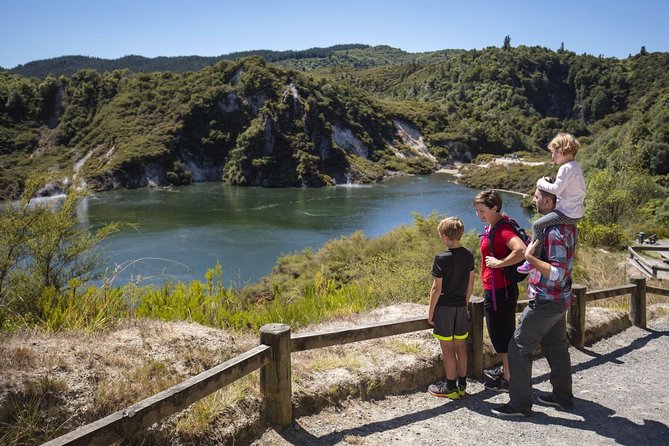
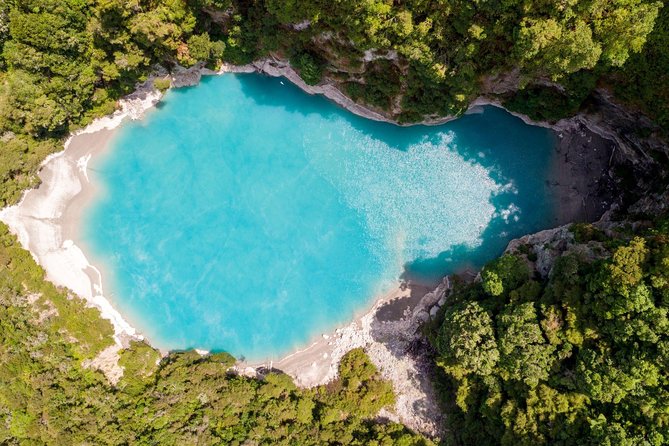
- Inferno Crater Lake and Frying Pan Lake are major highlights, with steaming water, unusual colors, and dramatic volcanic forms.
- The walk runs downhill, with several route options and shuttle stops for an easier return.
- A guide sheet gives useful context about the geothermal activity, Tarawera eruption, Pink and White Terraces, plants, and wildlife.
- The setting feels natural rather than commercial, with birdsong, forest, grassland, hot springs, steam vents, and fissures.
- Allow about two hours, though the full visit can take anywhere from one to four hours depending on your pace and route.
Why Waimangu feels different from a quick geothermal stop
Rotorua has no shortage of steaming ground and bubbling mud. Waimangu offers something broader: a proper walk through a changing volcanic valley where geothermal features appear alongside forest, lakes, streams, and native plants.
That mix is what I like most. You are not simply moving from one viewing platform to the next. The route gives you time to notice how hot ground, water, vegetation, and birdlife share the same space. One moment you are among ferns and trees. The next, steam rises from a lake or a fissure nearby.
Waimangu is also tied closely to the Tarawera eruption. The 1886 eruption reshaped this part of the North Island and destroyed the famous Pink and White Terraces, which are now hidden beneath Lake Rotomahana. The guide sheet helps place the views in that story, so the walk becomes more than a parade of colorful pools.
The attraction has a current rating of 4.7 out of 5 from 248 ratings, with 94 percent recommending it. That matches the strongest reason to visit: the experience combines scenery, geology, and a peaceful walk without requiring a guide to lead you every step.
More Volcano Hikes and Treks in Rotorua:
- Rotorua Hiking: Mt Tarawera Guided Volcanic Crater Experience
★ 5.0 · 283 reviews - Rotorua: Marama Geyser Light Trail & Geothermal Experience
★ 4.6 · 42 reviews - Mount Etna: Summit Guided Hiking Tour up to 3,400 m
★ 4.8 · 4,792 reviews
Starting at 587 Waimangu Road
You check in at Waimangu Volcanic Valley, at 587 Waimangu Road in the Bay of Plenty region. Admission includes the self-guided walk, a guide sheet, and the internal shuttle bus.
Pick up the printed Wanderer Guide before setting out. A free Waimangu app is also available to download, giving you another way to understand the sights as you walk. I would take a few minutes at the start to study the route and note the shuttle stops. That small bit of preparation matters, especially if you arrive later in the day.
The experience is independent, not a fixed group tour. You choose your pace, your rest stops, and how far you want to go. The maximum group size is 15, but the walk itself gives you room to spread out, stop for photos, and listen for birds without being tied to a guide’s schedule.
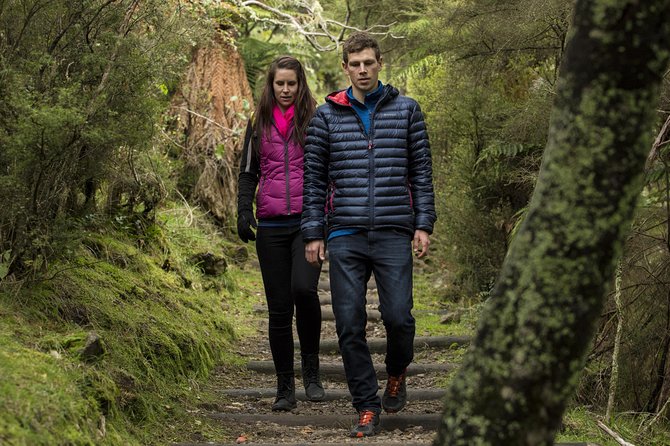
You should expect uneven surfaces and some steep sections. A moderate level of fitness is sensible. The route has benches and stopping points, but this is still a walking attraction, not a flat paved promenade from start to finish.
The downhill route through forest and grassland
The first part of the walk leads into Waimangu’s volcanic valley. The downhill direction makes the route manageable for many people, and it means you can focus on the views rather than facing a long uphill march at every bend.
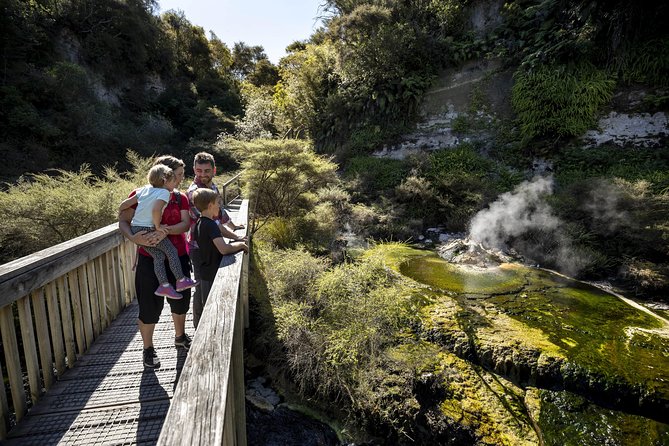
The scenery changes as you go. Native woodland gives way to open grassland and wet areas, with hot springs, steaming lakes, brooks, and fissures appearing along the route. The contrast is striking. Green growth sits beside ground that is visibly active, and steam drifts through places that otherwise look like ordinary bush.
This is a good point to slow down. The best part of Waimangu is not simply reaching the next major attraction. Pause at the benches, read the guide sheet, and look for small details in the vegetation and water. Steam may be thick on a cool morning and less obvious in warmer conditions.
You can choose among different walking options based on your time and energy. The full visit may take up to four hours, while a shorter outing can be completed in about one hour. Most people should allow around two hours for a relaxed walk with photographs and reading.
Frying Pan Lake and the valley’s steaming features
Frying Pan Lake is one of Waimangu’s major geothermal sights. The name gives you a fair idea of its character: this is a broad, active body of hot water surrounded by steam and volcanic ground.
The appeal is not only the lake itself. You get a sense of scale as the route moves through the valley, with steaming water, hot springs, and vents appearing in different forms. Some features bubble quietly. Others send up stronger bursts of steam. The effect changes with the weather, light, and air temperature.
The cool air of morning can make steam especially visible. If you want the clearest display, an earlier visit may help, though the attraction operates in all weather. Bring clothing that suits the forecast rather than counting on a sunny day. Rain will not stop the walk, but it can change the footing and your comfort.
The valley also has an appealing lack of spectacle in the show-business sense. There are no artificial performances or gimmicks built into the walk. You follow the trail, read the information, and watch a live volcanic system at work.
A few more volcano trips around Rotorua worth a look
- Rotorua: Waimangu Volcanic Valley Ticket & Self-Guided Walk
★ 4.8 · 104 reviews - Whaka Geothermal Trails Self-Guided Tour
★ 3.5 · 44 reviews - Self-Guided Geothermal Tour in Orakei Korako
★ 5.0 · 178 reviews - Vesuvius National Park Skip-The-Line Ticket and Audio Guide
★ 3.4 · 141 reviews
Inferno Crater Lake and the strongest views
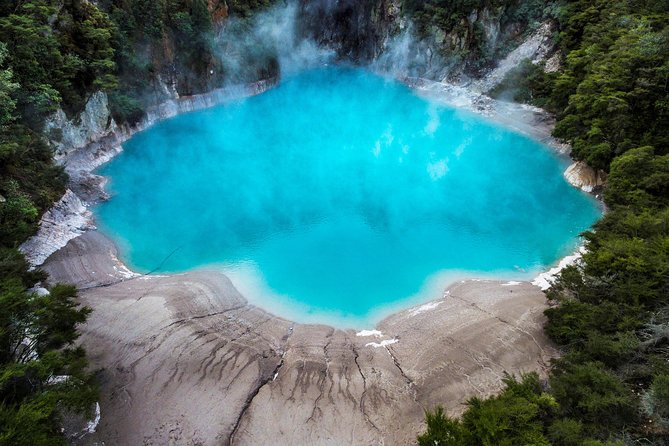
Inferno Crater Lake is the sight many people remember most. Its striking color and steaming surface create one of the valley’s most memorable scenes, especially when the air is cool and the lake is clearly visible through the steam.
The viewing areas let you appreciate the shape of the crater and the unusual color of the water. Take care with your expectations, though. Natural conditions change. Steam, cloud, sunlight, and weather can affect what you see on the day.
Some of the route sections are steep, and the trail can be more demanding than the phrase easy walk suggests. Much of the walk is pleasant and manageable, but you should be ready for uneven surfaces and inclines. Several shuttle stops allow you to shorten the walk if your legs, weather, or schedule call for it.
If you are walking with children, the changing scenery helps keep the route interesting. Families have found that the combination of lakes, forest, wetlands, and geothermal features gives the walk enough variety to hold attention. Children must be accompanied by an adult, and sensible supervision is important around all volcanic features.
Lake Rotomahana and the story beneath the water
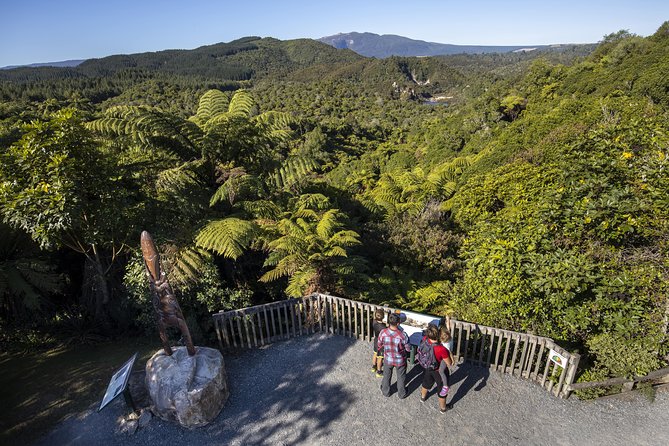
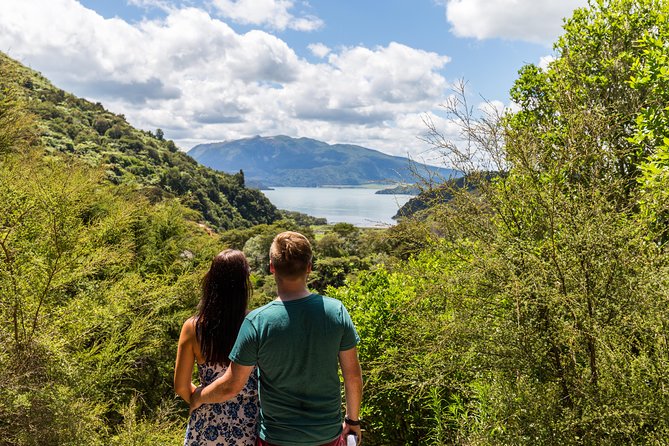
Lake Rotomahana adds historical weight to the visit. The lake is connected to the story of the Pink and White Terraces, once among New Zealand’s most famous natural attractions before the Tarawera eruption.
The guide sheet explains how the eruption changed the area and left parts of that former world hidden beneath the lake. This context makes the views more meaningful. You are not only looking at water and steam. You are seeing a place reshaped by a violent geological event.
Some visitors may see references to a boat cruise on Lake Rotomahana when planning their day. The self-guided walking admission described here includes the walk and internal shuttle, not a boat cruise, so confirm separately if a cruise is important to you. Availability may also change during maintenance or renovations.
The shuttle bus is a real advantage
The internal shuttle is one of the best practical features. The route descends into the valley, and the bus brings you back toward the start after the walk. You do not need to save strength for a long uphill return.
There are several bus stops along the route, so you can decide when you have seen enough. That makes the visit flexible for mixed-ability groups. One person can continue farther while another chooses an earlier pickup, provided you keep an eye on the timetable.
Do not treat the final bus as an afterthought. A late appointment can make the walk feel rushed if the last service leaves soon after your arrival. Check the day’s shuttle times when you check in, then work backward from the final departure. If you want photographs, reading time, and a relaxed pace, arrive earlier rather than trying to squeeze the valley into the last available slot.
The bus is air-conditioned, and the ride back gives you a welcome rest. Drivers may also provide a short bit of commentary during the return, adding a little context after your independent walk.
How difficult is the walk?
The walk is not a technical hike, but it is not effortless. You should expect uneven ground, slopes, steps, and some steep sections. The route is best for people with moderate physical fitness.
A pram may manage some parts of the walkway, but conditions vary by section, and the overall route is not recommended for people with walking disabilities. If you have limited mobility, ask staff at check-in which parts are most suitable and where the shuttle can help.
The free bus means you do not have to complete every section on foot. That is useful, but you still need to manage the downhill walking and be comfortable with the trail surface. Wear sturdy shoes with good grip, bring water, and dress for changing weather.
The attraction operates in all weather. On a cold day, steam may be more visible. On a wet day, the setting can feel atmospheric, but the trail may be less comfortable. A light rain layer and warm clothing are sensible choices.
Is $46.54 good value?
At $46.54 per person, Waimangu is not the cheapest short attraction in Rotorua. The value depends on how you use the ticket.
If you spend only an hour on the easiest section, the cost may feel high. If you allow two hours or more, take the longer route, read the guide material, stop at the major lakes, and use the shuttle, the price becomes easier to justify.
You are paying for entry to a large geothermal area rather than a single viewing platform. The ticket also includes the internal bus, which saves you from walking uphill and makes the route more flexible. There is no added charge for the guide sheet or shuttle.
Food and drinks are available to purchase, but they are not included. Transport to and from Waimangu is also not included, so you need to arrange your own way to 587 Waimangu Road.
Compared with a mud pool or a short geothermal stop, Waimangu offers more time outdoors and more variety. You get forest, wetlands, lakes, vents, pools, and volcanic history in one visit. That wider experience is why I would rate it as good value for anyone who enjoys walking and natural sights.
Who will enjoy Waimangu most?
I would recommend this to you if you like self-guided outings, unusual geology, quiet trails, photography, and the chance to set your own pace. It works well for couples, families with older children, and anyone who prefers a natural setting to a tightly scheduled attraction.
It is also a strong choice if you want to avoid a large guided group. You can stop when you like and spend longer at Inferno Crater Lake or the steaming pools that catch your attention.
You may want to choose another Rotorua activity if you dislike slopes, uneven ground, outdoor weather, or walks lasting two hours or more. People with mobility limits should take the access warning seriously. The shuttle helps, but it does not turn the whole valley into a flat, step-free visit.
Cancellation is free if you cancel at least 24 hours before the local start time. Changes or cancellations made less than 24 hours before the start are not accepted for a refund.
Should you book the Waimangu walk?
Yes, if you want Rotorua geothermal scenery with time to breathe. Waimangu gives you a proper walk through an active volcanic valley, not just a quick look at one pool. The most important planning tip is to arrive early enough to avoid rushing for the last shuttle.
Book it if your ideal day includes forest, steam, lakes, bird sounds, volcanic history, and a little exercise. Skip it if you want a very short, fully level visit or if the $46.54 price feels too high for a two-hour outing.
For most reasonably fit visitors, I would choose Waimangu over a more commercial geothermal stop. The setting feels natural, the guide material adds useful context, and the shuttle removes the hardest part of the return. Give it time, wear proper shoes, and let the valley reveal itself at its own pace.
FAQ
How long does the Waimangu self-guided walk take?
The visit can take about one to four hours, depending on your walking route, pace, and stops. Around two hours is a practical estimate for the main walk.
What is included in the admission price?
The price includes admission to the self-guided walk, a guide sheet, the internal shuttle bus, and an air-conditioned vehicle.
Does the tour include transport to Waimangu?
No. Transport to and from the attraction is not included. You need to make your own way to 587 Waimangu Road.
Is the walk suitable for children?
Children can take part, but they must be accompanied by an adult. The route includes uneven surfaces and some steep sections, so supervision and suitable footwear are important.
Is the walk suitable for people with walking disabilities?
The activity is not recommended for people with walking disabilities because of uneven surfaces. A moderate level of physical fitness is advised.
What happens if the weather is poor?
The attraction operates in all weather conditions. Dress appropriately for rain, cold, or changing conditions, and check the shuttle timetable when you arrive so you do not have to rush back.
Just added around Rotorua
- Whaka Geothermal Trails Self-Guided Tour★ 3.5 · 44 reviews
- Helicopter White Island / Mount Tarawera ‘Volcanic Extremes’★ 5.0 · 2 reviews
- Mt. Tarawera Volcano Scenic Floatplane Tour from Rotorua★ 5.0 · 42 reviews
- Mt Tarawera Helicopter Tour with Volcano Landing★ 5.0 · 40 reviews
- Mount Tarawera Volcanic Adventure by Helicopter★ 5.0 · 11 reviews
- Polynesian Spa Rotorua: Family Hot Pools and Freshwater Pool★ 3.5 · 14 reviews
- From Rotorua WAIMANGU VOLCANIC VALLEY Half Day Tour★ 3.5 · 3 reviews
- Half-Day Tour – Ex Rotorua: WAI-O-TAPU Thermal Wonderland★ 4.0 · 8 reviews
Volcano Hikes & Treks, compared.
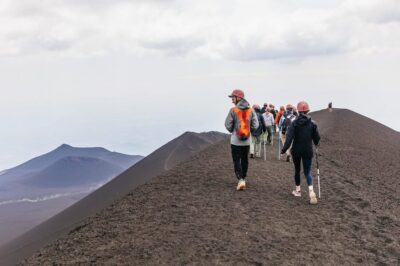
summit craters trekking with volcano guide 3350mt
Our review of it →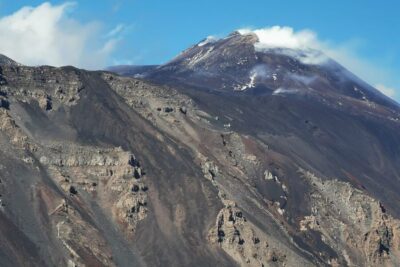
Mount Etna Trekking Tour Beyond the Tourist Trails
Our review of it →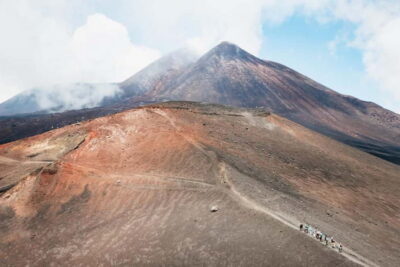
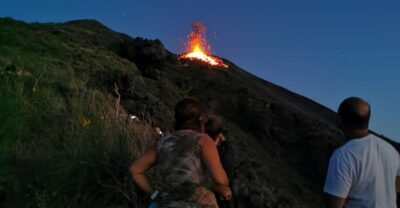
Stromboli: Sunset Trekking at Sciara del Fuoco
Our review of it →Browse the lists this tour appears in