
REVIEW · LANZAROTE
Guided hiking in the Natural Park of Los Volcanes.
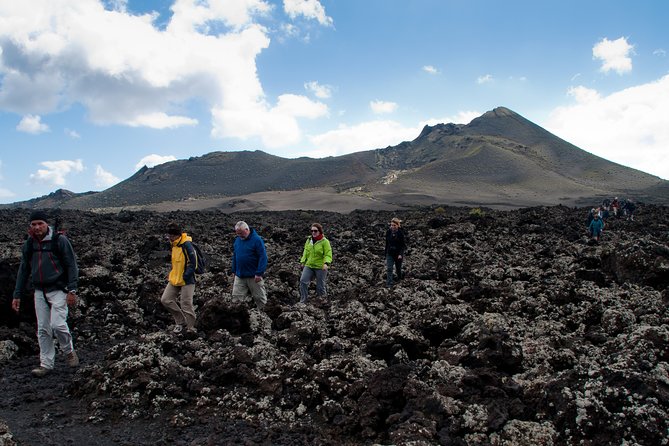
Volcanoes make fine hiking companions. This three-hour walk through Los Volcanes Natural Park brings you across lava flows, volcanic cones, craters, lava channels, and tubes shaped by the Timanfaya eruptions of 1730 to 1736. I like the close look at how life slowly returns to bare rock, and I like the small group size, capped at 16 people.
The route is rated highly for its clear explanations and friendly guiding. Manuel has been praised for his geology and winery knowledge, while Laurent is noted for keeping the walk interesting and well paced. The main consideration is the heat and uneven volcanic ground, so you need moderate fitness, sturdy closed shoes, water, and good sun protection.
Key points to know before you go
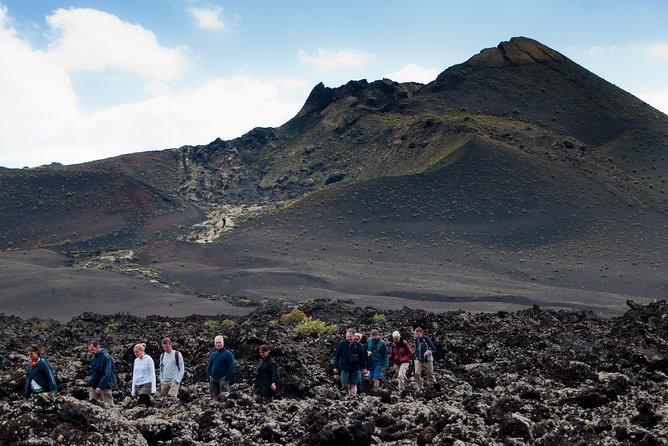
- Walk across a young volcanic world: See lava flows, volcanic cones, craters, channels, tubes, and lava lakes in a remarkably preserved setting.
- Expect a three-hour morning outing: The walk begins at 10:00 am and returns to the same meeting point near Conil.
- The guide adds the meaning: Manuel and Laurent have been praised for explaining Lanzarote’s geology, eruptions, vineyards, and human story.
- The route is manageable, but not effortless: A moderate fitness level is advised, and the sun can make the walk feel harder than the distance suggests.
- Small groups keep it personal: A maximum of 16 people allows room for questions and guidance without the feel of a large coach excursion.
- Pack for exposed volcanic ground: Closed footwear, water, and sun protection are essential. Open sandals are a poor choice here.
Walking into Lanzarote’s volcanic heart
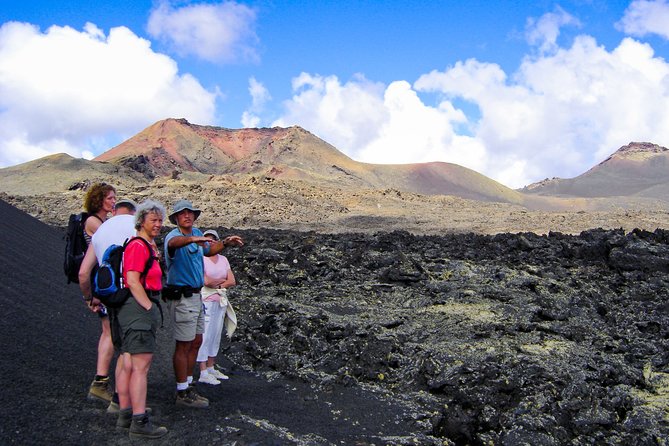
Los Volcanes Natural Park gives you a direct look at the forces that built Lanzarote. Instead of viewing volcanic scenery from a road or a distant lookout, you walk through the northeast sector affected by the Timanfaya eruption period from 1730 to 1736.
That matters because volcanic terrain can look simple from a distance. Up close, it becomes a record of movement. A hardened lava flow shows where molten rock travelled. A crater reveals where pressure broke through. A lava tube hints at the paths taken by liquid rock beneath a cooling surface.
The park’s dry climate helps preserve these forms. Vegetation grows slowly, so the ground remains exposed and sharply defined. You can see the shapes of the eruptions rather than a thick cover of plants hiding them. I find that this makes the walk feel more like an outdoor geology lesson than an ordinary countryside hike.
Your guide helps turn black, red, and ochre rock into a story. You learn to look for channels, cones, and openings instead of simply admiring the scenery. That explanation is a major part of the value, since the terrain can seem mysterious if you do not know what you are seeing.
More Volcano Hikes and Treks in Lanzarote
- Lanzarote: Hike Across Timanfaya’s Volcanic Landscapes
★ 4.8 · 1,234 reviews - Lanzarote: Guided Volcano Hike with Transfers
★ 4.9 · 861 reviews - Volcano Trekking Tour (Timanfaya eruptions)
★ 5.0 · 339 reviews
The 1730 to 1736 eruption zone on foot
The route takes place in an area linked to the long Timanfaya eruption period. You are not just walking beside an old volcano. You are moving through ground shaped by a major volcanic event, with the evidence still visible under Lanzarote’s dry skies.
The walk includes lava flows and volcanic cones. These features give the route variety, but they also mean the surface is not a smooth park path. You should expect uneven ground and some effort while crossing or ascending volcanic formations.
The itinerary includes ascents to volcanic cones, where you can see lava channels, lava tubes, lava lakes, and broad craters. Each feature offers a different view of how an eruption behaves. A cone shows the build-up of material around a vent. A channel records the movement of lava. A tube points to a tunnel formed when the outside of a flow cooled while hotter material continued beneath it.
You do not need a geology degree to enjoy this. The guide’s job is to give you enough background to make the sights readable. That is where the strongest praise for the outing is focused. Manuel has been described as especially good at explaining geology, volcanic history, and Lanzarote’s unusual wine-growing methods. Laurent has been praised for being engaging, attentive, and responsive to the group.
Why the dry terrain is part of the attraction
Lanzarote’s arid climate is not just a backdrop. It helps protect the volcanic forms from being covered by heavy vegetation. The result is an unusually clear view of the rock.
You can also watch for the slow return of life. Small plants begin to take hold on lava, showing that even apparently lifeless ground is changing. The process is gradual, so do not expect a green woodland trail. The interest comes from noticing small signs of growth against dark stone.
That contrast gives the outing a useful lesson in time. The eruption happened centuries ago, but the ground still looks raw in places. At the same time, life is slowly reclaiming it. The guide can help you connect the immediate view with the much longer story of the planet’s internal forces.
I especially like this aspect for families with older children and for anyone who wants more than a photo stop. You can see something memorable, but you also leave with a better understanding of how volcanic ground forms and changes.
A walk with views beyond bare lava
Although the volcanic formations are the central attraction, the route also includes vineyard scenery. Lanzarote’s wine-growing methods are unusual because cultivation must work with very little rain and difficult volcanic soil.
The vineyard connection gives the walk a human side. You are not only studying eruptions and rock. You are also seeing how people have adapted to the island’s conditions. Manuel’s explanations of both geology and winery practices have been singled out as a strength, which makes this more than a nature walk.
The views are a key reward. One account describes the walk as easy while still offering excellent outlooks, though another notes that the heat made the hike more demanding. Both points can be true. The route may be suitable for a person with moderate fitness, but the sun and exposed terrain can change how comfortable you feel.
Plan your energy sensibly. Walk at the group’s pace, drink regularly, and do not treat the three-hour duration as a casual stroll in a shaded city park. The guide has been praised for making sure nobody becomes too stressed by the heat, which is reassuring, but your preparation still matters.
More Volcano Hikes and Treks in Spain
- Lanzarote: Volcano Hike
★ 4.7 · 266 reviews - Volcano Hike – Timanfaya eruptions
★ 5.0 · 246 reviews - Trekking in the Volcanoes Natural Park in a small group
★ 5.0 · 97 reviews - North Volcano Trekking Tour
★ 5.0 · 15 reviews
How the three-hour morning works
The meeting time is 10:00 am, and the walk finishes back at the starting point near Conil. Returning to the original meeting point is convenient if you have a rental car or are arranging the rest of your day around the hike.
The outing lasts about three hours. That is long enough to explore several volcanic features without taking over your entire day. You could pair it with another Lanzarote activity later, though the heat may make a quiet afternoon appealing.
The group limit is 16 people. That is large enough to have a social feel but small enough for the guide to keep an eye on the pace and answer questions. It also reduces the chance that the walk feels like a procession.
Communication before the outing has been praised, including contact through chat to help with arrival and departure. Confirmation is sent within 48 hours of booking, subject to availability. If your plans are tight, allow time for that confirmation before treating the reservation as final.
What to wear and carry
Your footwear is the most important choice. Closed shoes are required, and open sandals are not recommended. Volcanic ground can be rough and uneven, so this is not the place for flimsy beach footwear.
Bring water and sun protection. The route is exposed, and the heat can be a bigger challenge than the walking distance. A hat, sunscreen, and clothing that covers you comfortably in strong sun are sensible additions, though only water and sun protection are specifically required.
A moderate physical fitness level is advised. That does not mean you need to be a serious hiker. It does mean you should be comfortable walking for around three hours and dealing with uneven volcanic surfaces and some ascents.
Service animals are allowed. The supplied information does not promise specific facilities for other mobility needs, so you should ask the provider directly if you have concerns about the route surface or walking requirements.
What you are paying for at $46.86
At $46.86 per person, the price is reasonable if you want interpretation rather than simply access to volcanic scenery. The park itself gives you the setting, but the guide provides the structure, context, and help in understanding what you see.
A self-guided visit might show you lava and craters, but it may not explain the difference between a flow, a tube, a channel, and a volcanic cone. Here, the educational part is built into the outing. You also get a small group, a set morning time, and a route designed around the volcanic features.
The value depends on your interests. If you mainly want a quick photo of a crater, three hours and a guided walk may feel like too much. If you want to understand Lanzarote’s geology and see the terrain at walking pace, the cost is easier to justify.
The vineyard element improves the value for me. It connects natural forces with daily life on the island, showing how farming has adapted to dry volcanic ground. That broader story makes the experience feel less like a collection of rocks and more like a look at Lanzarote as a living place.
Who will enjoy this hike most
This outing suits you if you like nature, geology, photography, or guided walks with plenty of explanation. It is also a good fit if you want to see a less polished side of Lanzarote, where the ground itself is the main attraction.
You do not need advanced hiking experience. The walk has been described as easy by one participant, and the guide is expected to watch the group’s pace. Still, the moderate fitness requirement and heat warning should be taken seriously.
It may not suit you if you want shade, smooth paths, or a very short outing. It may also disappoint if you expect a dramatic adventure with difficult climbs. The appeal is observation, scenery, and understanding, not athletic challenge.
The outing works particularly well for couples, small groups, and families with older children who can handle a three-hour walk. The limited group size gives you a better chance to ask questions than you would on a large organized excursion.
Booking, weather, and cancellation terms
The experience requires suitable weather. If poor conditions cause a cancellation, you are offered another date or a full refund. It also requires a minimum number of participants, and if that number is not reached, you are offered another date or experience, or a full refund.
You can cancel for a full refund up to 24 hours before the start time. Cancellations or changes made less than 24 hours before the outing are not accepted for a refund, and the cut-off follows local time.
Since the walk begins at 10:00 am, check the meeting details carefully before the day. The starting point is listed near Conil at X8PF+FP Conil, and the activity ends there as well.
Should you book the Los Volcanes hike?
I would book this if you want Lanzarote’s volcanic terrain explained rather than simply photographed. The combination of lava formations, crater views, vineyard scenery, and strong guiding makes the three hours useful and memorable.
Book it with closed shoes, water, and realistic expectations about the sun. You are choosing a guided nature walk, not a strenuous expedition or a comfortable sightseeing bus.
The high rating, 96 percent recommendation rate, and praise for guides such as Manuel and Laurent point to a well-run experience. The best reason to go, though, is simpler: you get to walk across the volcanic ground and learn how it formed, how people use it, and how life is slowly returning.
FAQ
Where does the hike begin?
It begins at X8PF+FP Conil, Spain, near Conil.
What time does the experience start?
The start time is 10:00 am.
How long does the hike last?
The guided walk lasts approximately three hours.
Where does the activity finish?
It finishes back at the original meeting point.
What should I wear for the walk?
Wear closed footwear. Open sandals are not recommended for the volcanic terrain.
What should I bring?
Bring water and sun protection. The route can be hot and exposed.
How physically demanding is the experience?
A moderate level of physical fitness is recommended. The walk includes uneven volcanic ground and ascents to volcanic cones.
What happens if bad weather cancels the experience?
You will be offered a different date or a full refund if poor weather causes cancellation.
Just added around Lanzarote
- Walking Tour through La Corona Volcano and Famara Cliff★ 5.0 · 14 reviews
- Timanfaya Evening Experience and Volcano Dinner★ 4.0 · 35 reviews
- Trekking in the Volcanoes Natural Park in a small group★ 5.0 · 97 reviews
- Sunset Playa Mujeres or Volcan del Cuervo Connect&flow Yoga practice★ 5.0 · 2 reviews
- On-Road Guided Buggy Volcano Ride in Lanzarote★ 4.5 · 63 reviews
- North Volcano Trekking Tour★ 5.0 · 15 reviews
- North Tour, Viewpoint, Brunch, White beach & lava pools★ 5.0 · 39 reviews
- 4-seater Mixed 3h Guided Buggy Volcano Tour in Lanzarote★ 5.0 · 26 reviews
Volcano Hikes & Treks, compared.
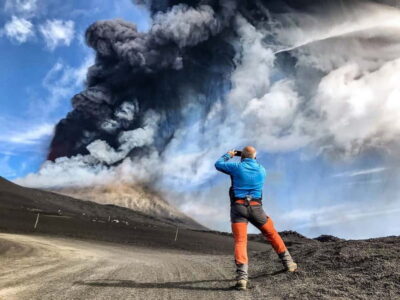
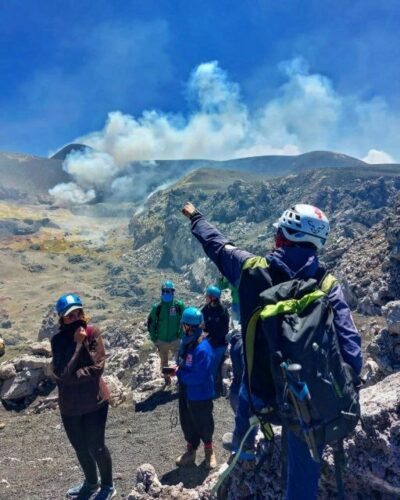
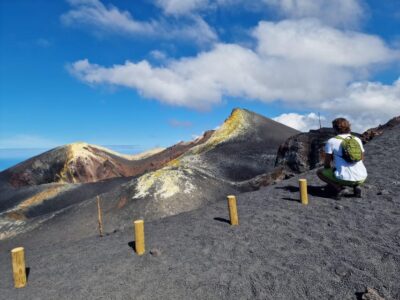
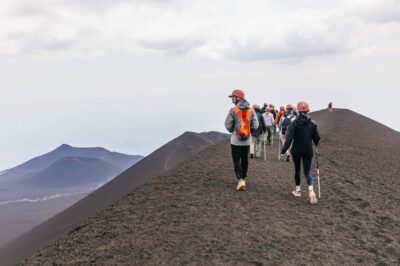
summit craters trekking with volcano guide 3350mt
Our review of it →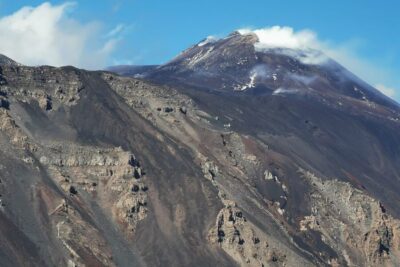
Mount Etna Trekking Tour Beyond the Tourist Trails
Our review of it →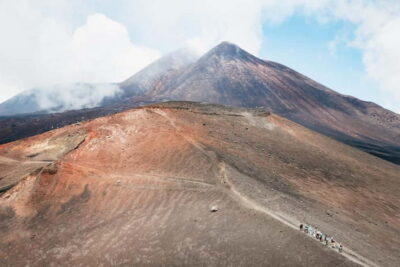
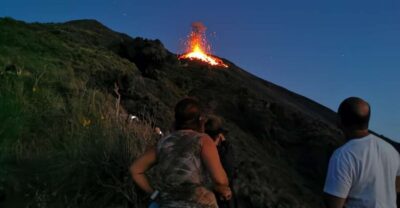
Stromboli: Sunset Trekking at Sciara del Fuoco
Our review of it →Browse the lists this tour appears in