
REVIEW · HAWAII
Guided Hike Adventure: Kilauea Iki and Lava Tube
Volcanic ground makes every step feel new. This 4.5-hour hike in Hawaii Volcanoes National Park links two of the Big Island’s most striking sights: the broad, hardened floor of Kilauea Iki crater and the dark passage of Nahuku, also called Thurston Lava Tube. I like the way the route combines open views with close-up volcanic geology, and I like that the small group is limited to 10 people.
The price is $150 per person, which is fair if you want interpretation, gear, and help with pacing rather than simply following a trail on your own. The main consideration is fitness: the 7.24-kilometer route is rated moderate, so it is not a casual walk through the park. Weather can also cancel the outing, though you receive a new date or full refund in that case.
Key points to know before you book
- Kilauea Iki crater is the centerpiece: You cross a hardened lava lake formed during the 1959 eruption.
- Two very different volcanic settings: The route moves from wide crater views to the enclosed darkness of Nahuku Lava Tube.
- A small group keeps the hike personal: The maximum is 10 people, allowing the guide to pay attention to individual needs.
- Gear is supplied: Trekking poles, backpacks, rain gear, and binoculars are included.
- The guiding gets high marks: Caine is described as kind, thoughtful, fun, and well-informed, while Jennifer is praised for clear preparation and steady pacing.
- Plan ahead: This experience is often booked 106 days in advance, so leaving it until the last minute may not work.
Why this route gives you more than a crater view
Many visits to Hawaii Volcanoes National Park revolve around pullouts and short walks. This hike asks you to spend several hours moving through the park on foot, which changes the way you see the area. You do not simply look at volcanic features from a roadside viewpoint. You cross one, then enter another.
The route covers about 4.5 miles, or 7.24 kilometers, and takes roughly four and a half hours. That is enough time for the guide to explain the forces behind the terrain, stop for views, and adjust the pace for the group. It is also long enough that you should take the moderate fitness rating seriously.
I see the real value in the combination of access and explanation. A hardened lava floor can look like a field of dark rock at first glance. With a guide, the same surface becomes evidence of a recent eruption, cooling lava, and the changing shape of a volcanic crater.
The experience begins and ends at the Kilauea Visitor Center, which keeps the day simple. You do not need to arrange separate transport between the two main parts of the walk. The tour is offered in English and uses a mobile ticket.
More Lava and Eruption Tours in Big Island
- Hilo Shore Excursion: Volcano Safari Lava Caves & Black Sand
★ 4.5 · 363 reviews - Big Island Waterfalls, Blacksand Beaches, Lava Tubes & Volcanoes
★ 5.0 · 24 reviews - Kīlauea Hike and Lava Gazing with Native Hawaiian
★ 5.0 · 22 reviews
Starting at the Kilauea Visitor Center
The meeting point is the Kilauea Visitor Center in the park, at 1 Crater Rim Drive in Volcano, Hawaii. This is where you meet the guide, collect the supplied gear, and prepare for the route.
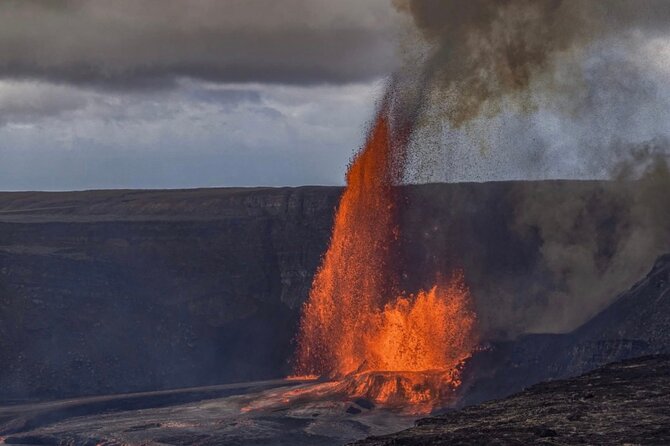
The beginning of the hike brings views of Halemaumau Crater. That opening view gives you a useful sense of scale before the trail turns toward Kilauea Iki. The guide’s role matters here because volcanic scenery can be hard to read without context. Craters, ridges, lava flows, and steam-related features can blur together when you first see them.
The included binoculars are a nice touch at this point. They give you a way to inspect distant features without carrying your own viewing equipment. The supplied backpack, rain gear, and trekking poles also reduce the amount of kit you need to organize before arriving.
Since the start and finish are at the same place, you can focus on the walk rather than on a complicated meeting plan. Jennifer received praise for communicating clearly before the hike, which is useful for an early start, an unfamiliar park, or anyone who prefers to know exactly where to meet.
Crossing the hardened lava lake at Kilauea Iki
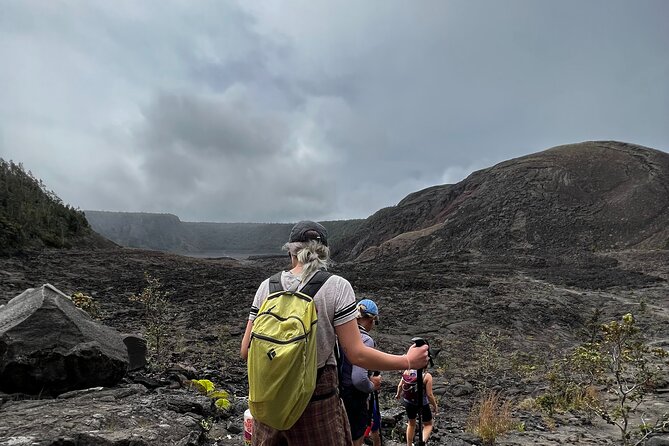
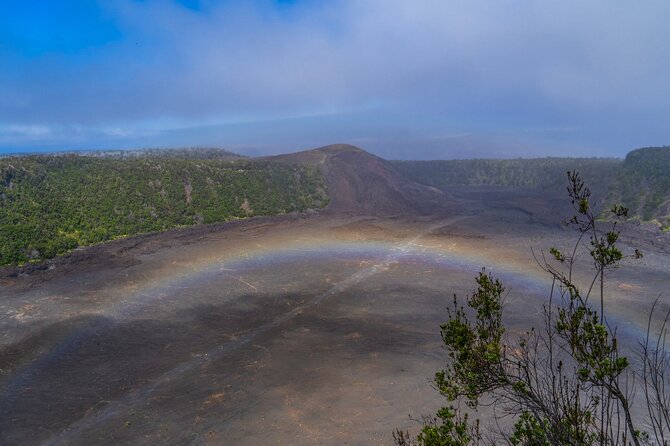
The Kilauea Iki Trail is the main physical and visual challenge of the outing. You cross the crater’s hardened lava lake, formed by the 1959 eruption. That date helps put the scenery in perspective. This is not an ancient, abstract volcanic feature. It is a relatively recent record of the island’s continuing activity.
The crater floor gives the hike its strongest sense of adventure. From above, a crater can seem like a distant bowl. On the floor, you are surrounded by volcanic walls and walking across material that once flowed as molten rock. The change in viewpoint makes the geology easier to understand and gives the route a strong sense of place.
This section is also where the moderate rating matters most. The ground is volcanic and the route covers several miles, so you should be ready for sustained walking over varied surfaces. The supplied trekking poles can help with balance and rhythm, especially if your legs tire during the crater crossing.
The guide adds value by explaining what you are seeing instead of leaving you to guess. Caine is praised for being kind, thoughtful, fun, and well-informed. Those qualities are important on a hike like this. You want information, but you also want a leader who notices when the group needs a pause or a clearer explanation.
The crater is the part of the route most likely to reward patient pacing. You do not need to rush across it. The point is to notice how the surface changes, how the crater walls frame the view, and how the entire area reflects a recent eruption. The guide can connect those details to the larger story of volcanic activity on the Big Island.
Entering Nahuku, the Thurston Lava Tube
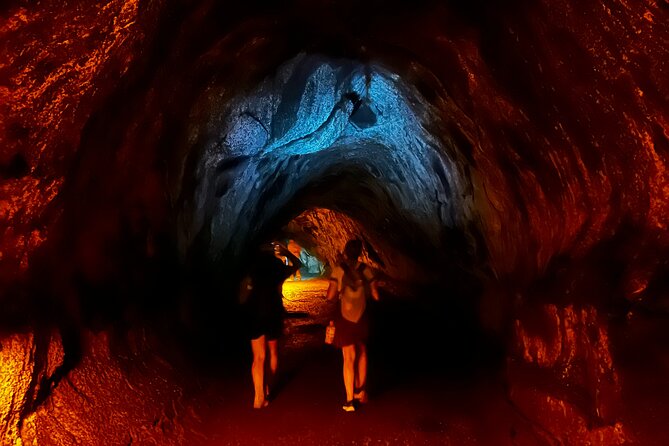
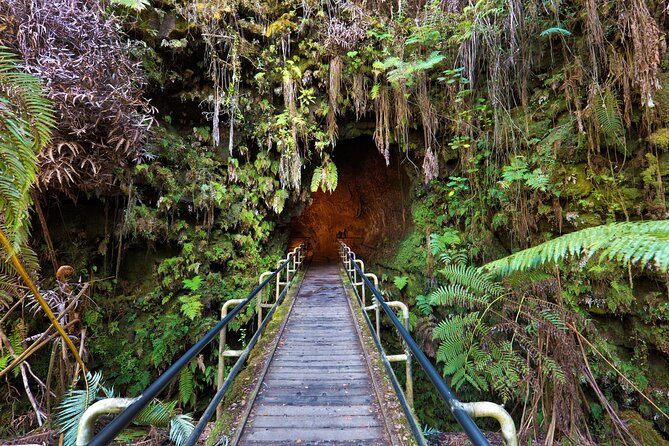
After the open crater floor, Nahuku Lava Tube provides a sharp change of mood. The trail leads into a formed passage created by flowing lava. The tube is a more enclosed geological feature, so the experience shifts from wide views and exposed rock to a tunnel shaped by volcanic movement.
This contrast is one of the route’s best design choices. Kilauea Iki shows you the scale of an eruption. Nahuku shows you one way lava can move through the ground. Together, the stops make the volcanic process easier to picture.
The lava tube also gives the hike a clear second act. After the broad crater crossing, you enter a place that feels more contained and immediate. The guide can help you connect the shape of the tube to the behavior of flowing lava, making the stop useful for anyone who wants more than a scenic walk.
You should keep in mind that the tour information does not provide details about lighting, trail surfaces inside the tube, or the exact amount of time spent there. The supplied rain gear is useful for the overall outing, but the tour does not promise any particular conditions inside Nahuku. The safe approach is to expect a natural volcanic feature rather than a polished attraction.
More Lava and Eruption Tours in the USA
- Private Electric Bike Tour with Lava Hike in Pāhoa
★ 5.0 · 8 reviews - Hawaii Volcanoes NP: Private Kilauea Eruption Insights Tour
★ 5.0 · 8 reviews - Kona Coast Tour, Lava Fields and Beautiful Beaches
★ 5.0 · 3 reviews - Hilo Shore Excursion: Active Volcano, Lava Tube, Waterfall and Gardens
★ 5.0 · 393 reviews
How the small group changes the experience
The maximum group size is 10 people. That is small enough for the guide to keep the group together without creating the feel of a large procession. It also gives you a better chance to ask questions and hear explanations clearly.
A small group matters even more on a moderate hike. People do not always walk at the same speed, and physical comfort can change during a four-and-a-half-hour outing. Jennifer received specific praise for allowing everyone to complete the hike successfully and for staying tuned to the group’s needs.
That does not mean the route becomes easy. The guide can adjust the pace, but you still need a moderate fitness level. The tour is best for someone who can walk for several hours and handle changing volcanic terrain. It is less suited to anyone looking for a short viewpoint stop or a gentle park stroll.
The strongest guiding quality here is attention. Jennifer’s clear communication before the hike helps you prepare, while her pacing during the route supports the whole group. Caine’s kind, thoughtful manner and sense of fun suggest a different but equally useful strength: making a demanding outing feel welcoming.
What the $150 price includes
At $150 per person, this is not the cheapest way to see Kilauea Iki and Nahuku Lava Tube. You are paying for a guided experience rather than just access to public trails. The price includes trekking poles, a backpack, rain gear, and binoculars, which saves you from bringing or renting some equipment.
The biggest part of the value is the guide’s interpretation. You get a planned route, explanations of volcanic activity, and help with pacing across a moderate distance. If you enjoy geology, natural history, or guided outdoor experiences, those additions can justify the cost.
The value is weaker if you prefer complete independence. You may not want a set four-and-a-half-hour schedule, a group pace, or a guide leading the way. In that case, the paid experience gives you services you may not use.
The small group improves the price comparison. A maximum of 10 people is more personal than a large coach-style outing, and the supplied equipment adds practical value. Still, I would book this for the guiding and route structure first, and treat the gear as a helpful bonus.
The experience receives a five-star rating from three posted ratings. That is a positive signal, especially because the praise focuses on specific qualities: clear communication, beautiful views, thoughtful guidance, and a pace that allowed the group to finish. The sample is small, so I would treat it as encouraging rather than final proof for every type of visitor.
Preparing for the moderate 4.5-mile walk
The tour gives you the most important preparation point: you should have a moderate level of physical fitness. The route is 7.24 kilometers and lasts about four hours and 30 minutes, so you should plan for sustained activity rather than a quick excursion.
The operator supplies trekking poles, backpacks, rain gear, and binoculars. That makes packing easier, but the supplied items do not remove the need to be ready for a longer hike. You should arrive prepared to walk at a moderate level for much of the outing.
The weather requirement is important. Poor weather can lead to cancellation, with the choice of a different date or a full refund. This is a useful safeguard, but it also means you should avoid building an inflexible schedule around the hike.
The cancellation policy allows a full refund if you cancel at least 24 hours before the start time. Cancellations or changes within 24 hours are not refunded or accepted. Since the tour is often booked 106 days ahead, reserve early, but keep that 24-hour deadline in mind if your plans change.
Who will enjoy this hike most
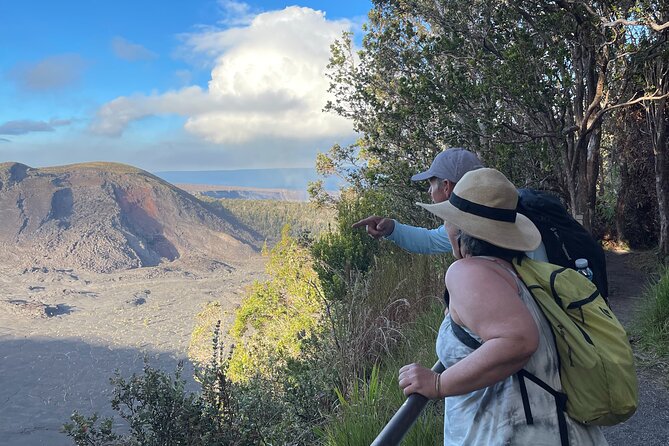
I would choose this outing if you want to understand the volcanic setting rather than simply photograph it. The route suits people who like natural history, geology, moderate exercise, and small-group guiding.
It is also a good choice for visitors who want two different experiences in one half-day: an exposed walk across Kilauea Iki and an enclosed passage through Nahuku Lava Tube. That variety keeps the route from feeling repetitive.
The hike may work well for first-time visitors to Hawaii Volcanoes National Park because the guide provides structure and context. You do not need to plan how to connect the crater walk with the lava tube on your own, and the supplied gear removes some preparation work.
I would hesitate to recommend it to anyone who wants a relaxed sightseeing stop, has limited walking stamina, or dislikes weather-dependent plans. The route is moderate, lasts much of a morning or afternoon, and requires you to stay with a guided group.
Should you book the Kilauea Iki and lava tube hike?
Book it if you want a well-paced, educational walk through some of the Big Island’s most distinctive volcanic terrain. The best reasons are the hardened 1959 lava lake, the contrasting Nahuku Lava Tube, the small group of no more than 10 people, and the attention to pacing praised in the guiding.
The $150 price makes sense for you if expert explanation, supplied gear, and a planned route matter. It makes less sense if you are comfortable exploring independently and want to spend only a short time at each feature.
My practical advice is to reserve well ahead, since the activity is commonly booked 106 days in advance. Confirm that a 4.5-mile moderate hike fits your plans and fitness level, then keep your schedule flexible enough to handle a weather cancellation. For the right hiker, this is a strong way to see Kilauea Iki as a living volcanic record rather than just another scenic stop.
FAQ
Where does the hike start?
The hike starts at Kilauea Visitor Center in Hawaii Volcanoes National Park, at 1 Crater Rim Drive, Volcano, Hawaii 96785.
Where does the experience end?
The experience ends back at the Kilauea Visitor Center meeting point.
How long does the hike take?
The hike lasts approximately four hours and 30 minutes.
How far is the route?
The route covers about 7.24 kilometers, or 4.5 miles.
What fitness level do I need?
You should have a moderate level of physical fitness for this activity.
What sights are included?
The hike includes views of Halemaumau Crater, a crossing of Kilauea Iki crater’s hardened 1959 lava lake, and a visit to Nahuku, also called Thurston Lava Tube.
What equipment is provided?
The tour provides trekking poles, backpacks, rain gear, and binoculars.
How many people can join the hike?
The group has a maximum of 10 people.
What language is the hike offered in?
The hike is offered in English.
Can I cancel for a full refund?
Yes. You can receive a full refund if you cancel at least 24 hours before the experience start time. Cancellations within 24 hours are not refunded.
What happens if bad weather cancels the hike?
If poor weather causes the cancellation, you are offered a different date or a full refund.
What happens if the minimum number of participants is not reached?
You are offered a different date or experience, or a full refund.
More Volcano Hikes and Treks in the USA
- Big Island: Off the Beaten Path Volcano Crater Hike
★ 5.0 · 15 reviews - Hawaii Volcanoes & Forests – Private Guided Walks & Hikes
★ 5.0 · 13 reviews - Elite Volcano Hike From Kona/Kohala Resorts
★ 5.0 · 12 reviews - Guided 3-Hour Hike in Volcanoes National Park
★ 5.0 · 9 reviews
More Volcano Hikes and Treks in Big Island
- Hidden Craters Hike of Kona
★ 5.0 · 156 reviews - Kilauea: Volcanoes National Park Guided Hike
★ 4.8 · 61 reviews - Big Island: Hawai’i Volcanoes National Park Guided Hike
★ 4.9 · 30 reviews - Volcanoes National Park: Guided, Small-Group Hike
★ 5.0 · 15 reviews
Just added around Big Island
- Private Electric Bike Tour with Lava Hike in Pāhoa★ 5.0 · 8 reviews
- Volcanoes Hawaii Wonders National Park – Full Day★ 5.0 · 5 reviews
- Volcanoes National Park Private Tour★ 5.0 · 13 reviews
- Volcano Adventure – Search the Most Recent Active Volcano from Kona★ 4.0 · 27 reviews
- Volcano Adventure Tour & Waterfall – Shore Excursion from Hilo Harbor★ 4.0 · 10 reviews
- Hilo-6 Hour Private Tour-Volcanoes NP, Rainbow Falls and more.★ 5.0 · 16 reviews
- Volcano Tour from Kona★ 5.0 · 5 reviews
- Private – Hawaii Volcanoes NP and Black Sand Beaches Tour★ 5.0 · 9 reviews
Lava Tubes & Ice Caves, compared.
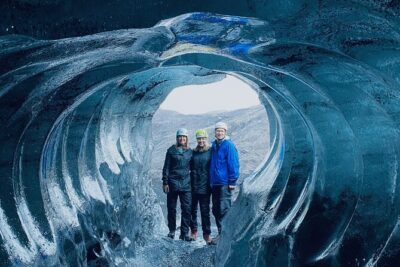
Ice Cave by Katla Volcano Super Jeep Tour from Vik
Our review of it →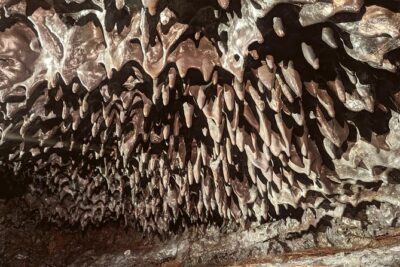
Discovery of the lava tubes 2004 of Piton de la Fournaise
Our review of it →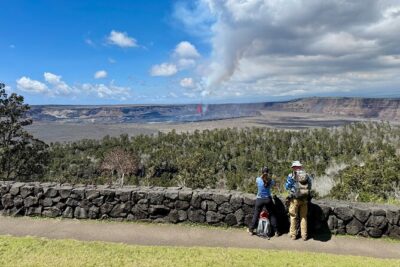
Hilo Shore Excursion: Active Volcano, Lava Tube, Waterfall and Gardens
Our review of it →
Katla Ice Cave & South Coast Day Tour from Reykjavik
Our review of it →
Katla Volcano Ice Cave – Super Jeep Tour from Vik
Our review of it →
Big Island Waterfalls, Blacksand Beaches, Lava Tubes & Volcanoes
Our review of it →
Browse the lists this tour appears in