
REVIEW · CHUQUISACA DEPARTMENT, BOLIVIA
Sucre: 2 days trek in Inca Trails and the Crater de Maragua
Follow an ancient road into striking country. This two-day trek from Sucre combines a 12th-century Inca trail, dinosaur footprints, Jalqa villages, colorful mountain walls, and a night inside the Maragua Crater. I like the mix of history, geology, local culture, and hard-earned views. I also like that the small groups, capped at 10 people, make it easier to walk at a sensible pace and speak with your guide.
The main drawback is the physical effort. The route covers about 16 kilometers on the first day and 12 kilometers on the second, with a steep climb toward the crater and another uphill section when you leave it. Food and lodging are simple, and one guide, Li, reportedly walked quickly enough that stopping for photos could be difficult.
The details that make this trek special
- A real Inca stone trail: Your first morning begins with a descent along an old stone pathway near Chataquila, not a modern walking track dressed up with an ancient name.
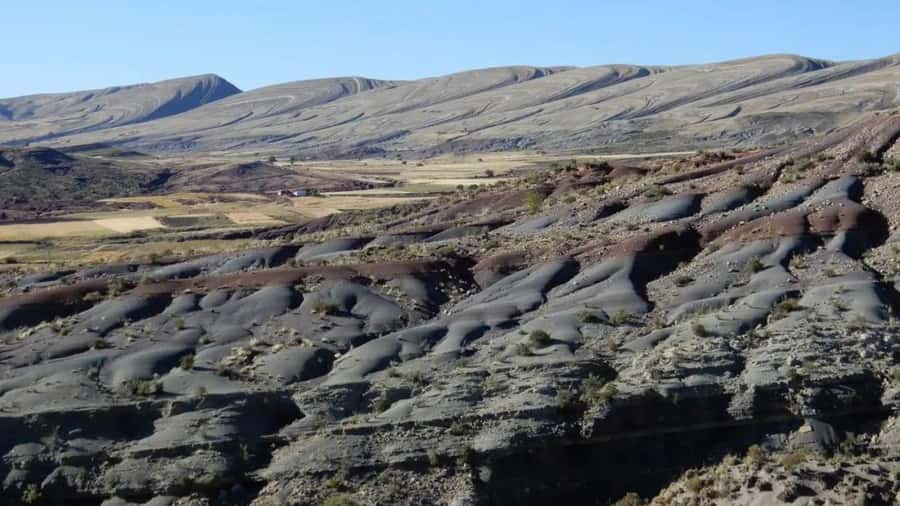
- Maragua Crater from the inside: You spend the night near the crater and can visit viewpoints such as the Devil’s Throat, a good place to look for birds.
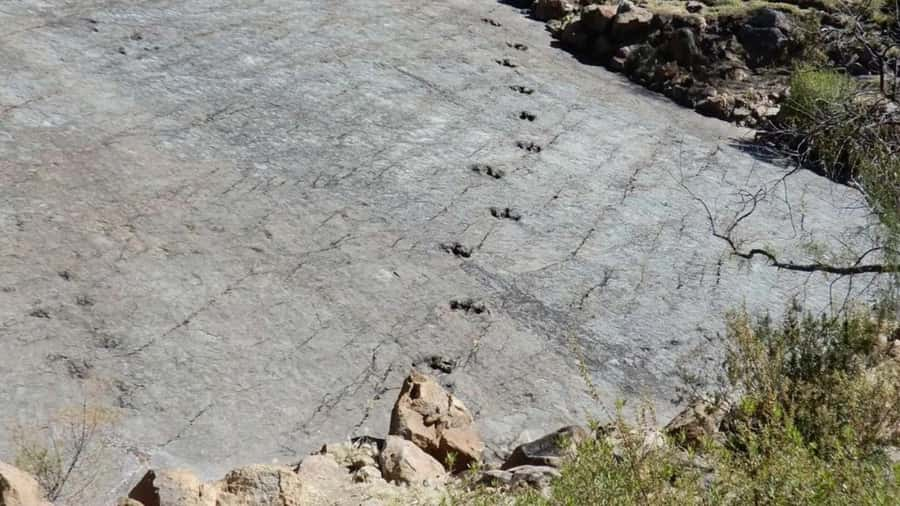
- Dinosaur footprints at Niño Mayo: The second day joins cultural history with much older geological evidence.
- Jalqa textile traditions: A local weaver explains the methods and meaning behind the community’s textile art.
- Colorful Frailes Mountains: The walk toward Majada is scenic and relatively easy, with short climbs and descents.
- Good value at $124: Transport, entry fees, four meals, fruit, guiding, and shared lodging are included, though you still need to bring water and snacks.
Leaving Sucre by public bus at 8:00
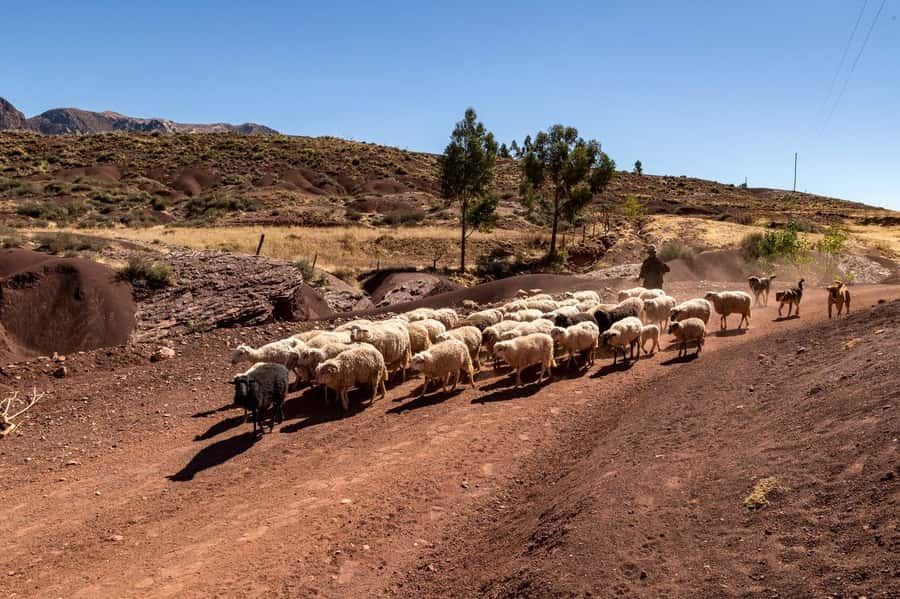
You meet at 8:00 in the morning at the main entrance of Estadio Patria on German Mendoza Street. At about 8:15, you board a public bus toward Chataquila. The journey can take from roughly 1 hour and 15 minutes to 1 hour and 45 minutes, depending on passenger numbers and waiting time.
That public transport start is part of the experience. It keeps the tour cost down and gives you a glimpse of ordinary movement around the Sucre area. It is less polished than a private departure, though, so do not expect the morning to run with clockwork precision.
The route is designed for a small group of up to 10 people. That size matters on a hike. You can hear explanations, ask about plants or rock formations, and avoid the stop-and-start pattern that often comes with a large walking party.
Your guide may speak English or Spanish, with French sometimes available depending on who is guiding. Past guides have included Gary, Li, Lizandro, and Johnny. Their strengths differ. Gary has been praised for his warmth, geology and botany knowledge, and willingness to take less-used paths. Lizandro has been noted for clear English and a cheerful approach, while Johnny has helped with photographs and cooking.
More Volcano Hikes and Treks in the world:
- Mount Etna: Summit Guided Hiking Tour up to 3,400 m
★ 4.8 · 4,792 reviews - Mount Etna: Trek to 3000m with cable car and 4×4
★ 4.6 · 3,823 reviews - Mount Etna: Summit Crater Trek with Cable Car
★ 4.8 · 1,875 reviews
Chataquila and the first descent on Inca stones
The walk begins near Chataquila, where the first section follows old Inca stone paths downhill. This is a strong opening because the trail itself is part of the story. You are not simply walking toward an attraction. The route is the attraction.
The descent can be tough on knees and balance, especially if rain has made the stones slippery. Hiking shoes are essential. Trekking poles could also be useful, although they are not listed among the required equipment.
The experience changes as you move into the Chaunaca and Socapampa area. The trail follows the river across mostly level ground, with a few short and gentle rises. This middle stretch gives your legs a break after the descent and creates time to enjoy the setting without constantly watching your feet.
I would use this part of the walk to ask questions. Guides can add context about the Inca route, nearby communities, geology, and local plant life. Pierre’s guide, Gary, was particularly good at connecting the walk with botany and geology while also introducing the group to local people.
From Socapampa to Maragua Crater
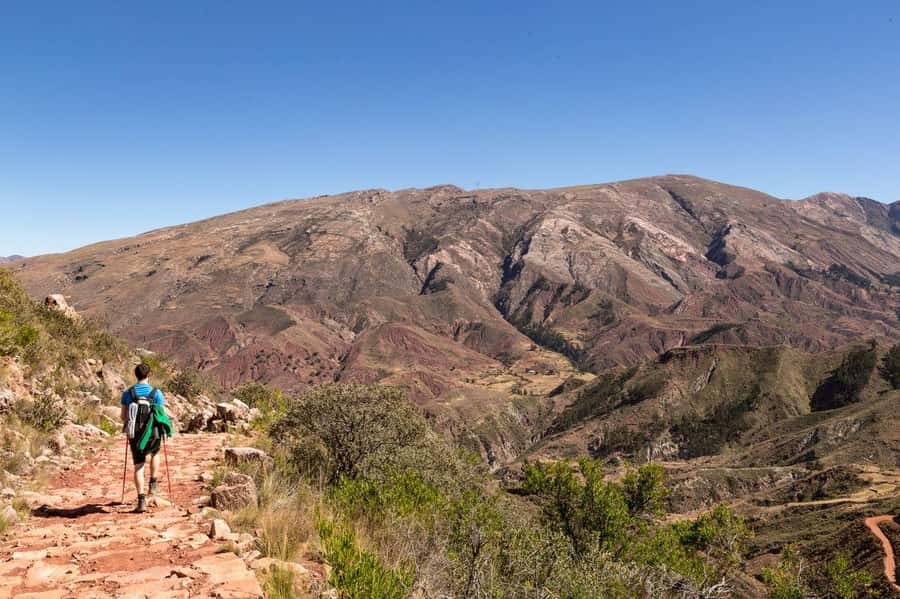
The final part of day one is the demanding section. From Socapampa, the trail climbs toward Maragua Crater, beginning with a steep ascent before continuing along the mountain slopes.
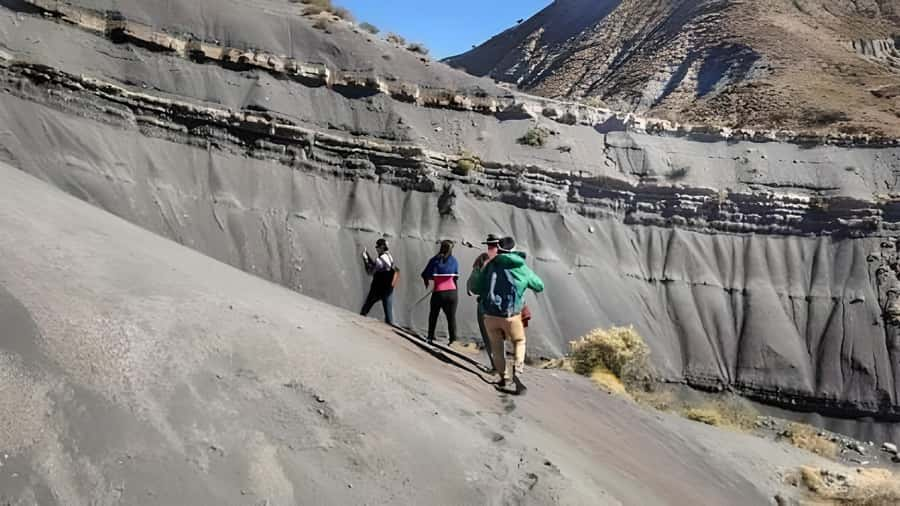
The effort pays off as the crater comes into view. Its walls are marked by strong bands and shifting colors, giving the area a very different feel from the stone trail and river valley earlier in the day. This variety is one of the trek’s best qualities. You change terrain several times instead of walking through the same type of scenery for two straight days.
The first day covers about 16 kilometers. That distance, combined with the downhill start and late climb, makes the day feel substantial. You need a reasonable level of fitness, but the description does not present the route as technical mountaineering. The main challenge is endurance, uneven ground, and the repeated uphill and downhill sections.
Once you reach the overnight accommodation inside the crater area, the evening is quiet and basic. A shared room is included, along with dinner. The accommodation has been described as simple by some hikers and surprisingly cute by another, so you should expect comfort without hotel-style facilities.
Devil’s Throat and the first night
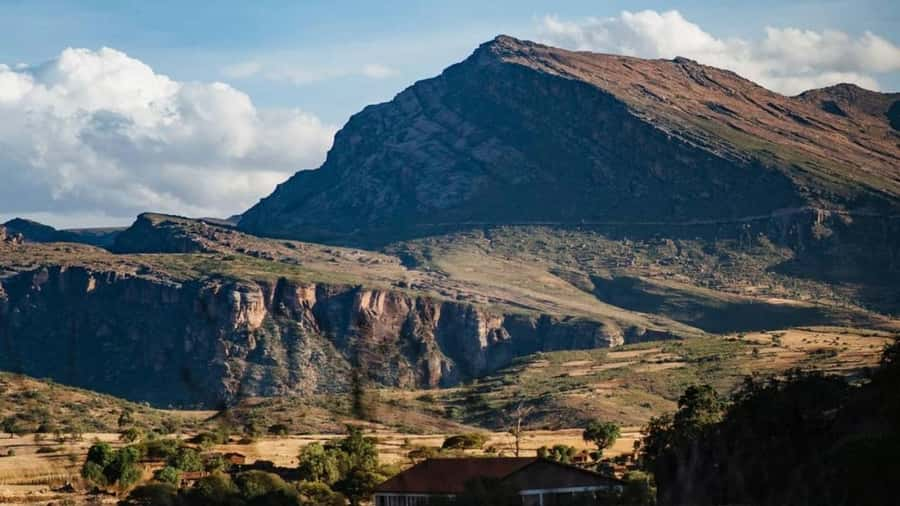
Inside Maragua Crater, you have time for additional walking and viewpoints. Devil’s Throat is one of the key stops. From there, you can look across the area and watch for local birdlife.
This is not a trip built around a single famous viewpoint. Its appeal comes from the way the crater, trail, villages, and mountain colors fit together. If you enjoy stopping to study scenery, rocks, birds, or village life, the crater provides more to notice than a quick photo stop.
The evening meal is included, but bring your own water and snacks. Personal items are not supplied, including toilet paper, wet wipes, soap, toothbrush, and toothpaste. A flashlight is also on the recommended packing list, and it is a smart addition for a simple overnight stay.
More Two-Day Trips in the world:
- From Antigua: Adventure, 2-Day Hiking to Acatenango Volcano
★ 4.4 · 1,189 reviews - From Antigua: 2-Day Acatenango Volcano Hiking with Guide
★ 4.1 · 366 reviews - 2D1N Senaru Crater Rim Trekking
★ 5.0 · 178 reviews - Santorini 2-Day Combo: Volcano Boat Cruise & Island Bus Tour
★ 4.3 · 146 reviews
Out of the crater toward Niño Mayo
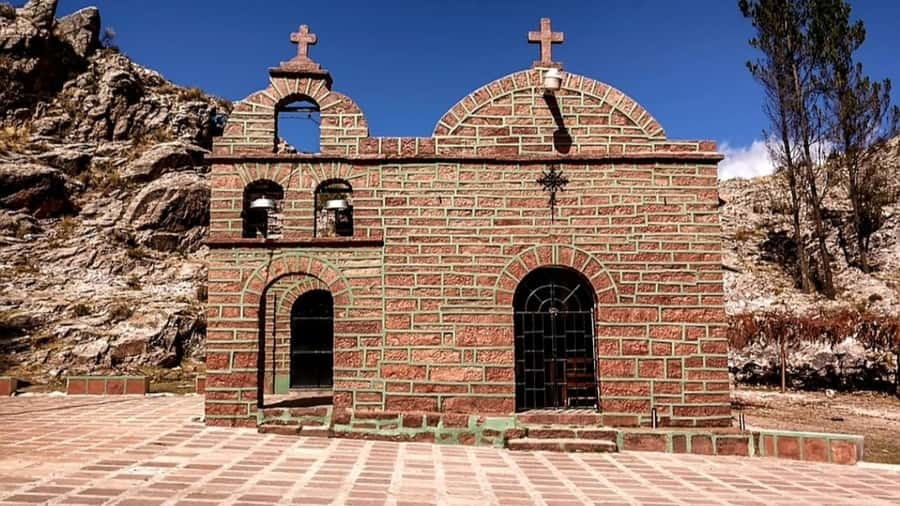
Day two starts early. You walk from the accommodation through the crater and climb uphill to leave it. At the top, a viewpoint opens over the crater, giving you a chance to see the full shape of the area you crossed the previous day.
This climb is short in distance but important in effort. Your legs may still feel the first day, and the early start means breakfast should be practical rather than leisurely. Breakfast is included, as is lunch later in the day.
After the viewpoint, the trail becomes easier. Expect short ups and downs as you continue toward Niño Mayo. The route leads to dinosaur footprints, adding a striking change of scale to the trip. First you are following an ancient human route. Then you are standing beside evidence from a much older world.
The exact condition and visibility of footprints can vary, so your guide’s explanation is valuable. Guides can help you understand what you are seeing rather than treating the stop as a quick photograph. This is one reason I would choose the guided option over walking alone.
Jalqa weaving and the community at Majada
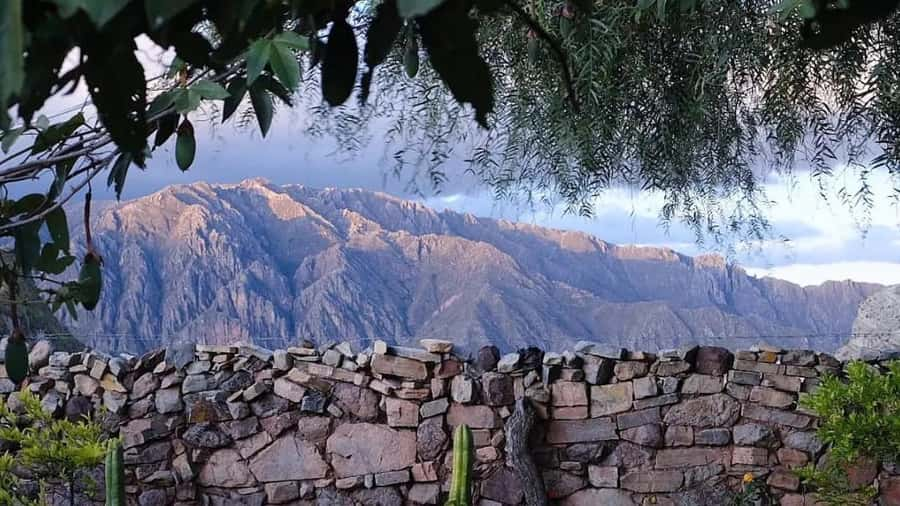
The cultural part of day two is just as important as the geology. You visit a local weaver who explains the textile art of the community and shows how traditional designs are made.
This stop gives you a direct connection with Jalqa culture. It is not a museum display behind glass. You meet a person who practices the craft and can explain its methods in a local setting. Keep your attitude respectful and curious, and allow time for the demonstration rather than treating it as a shopping stop.
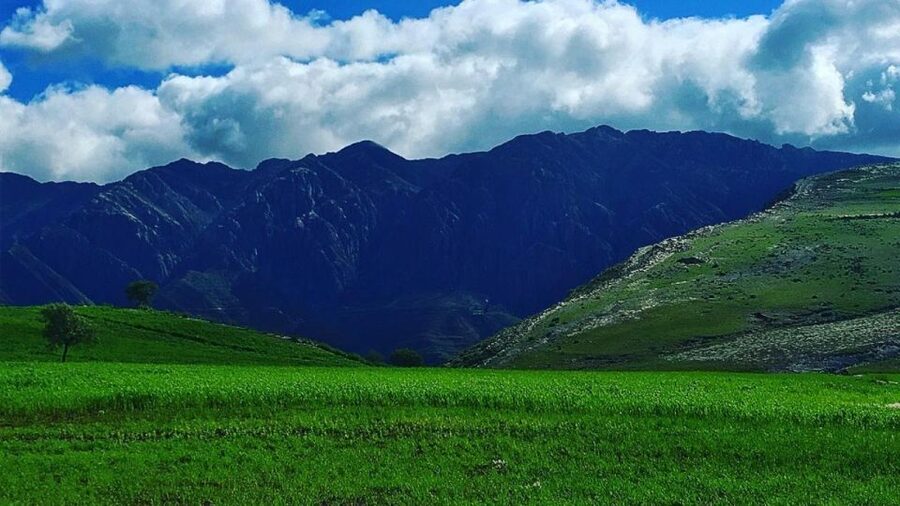
The walk then continues toward the small village of Majada. From the dinosaur footprints to Majada, the path is described as easy and scenic. You pass through colorful mountain country and the Frailes Mountains, with about five kilometers of walking taking roughly two hours.
That final walking section is a welcome change after the steep portions. You still need proper shoes and sun protection, but the route lets you focus more on views and community life. Fruit is included during the tour, which is useful on a long day when you need a small boost between meals.
The return to Sucre by private vehicle
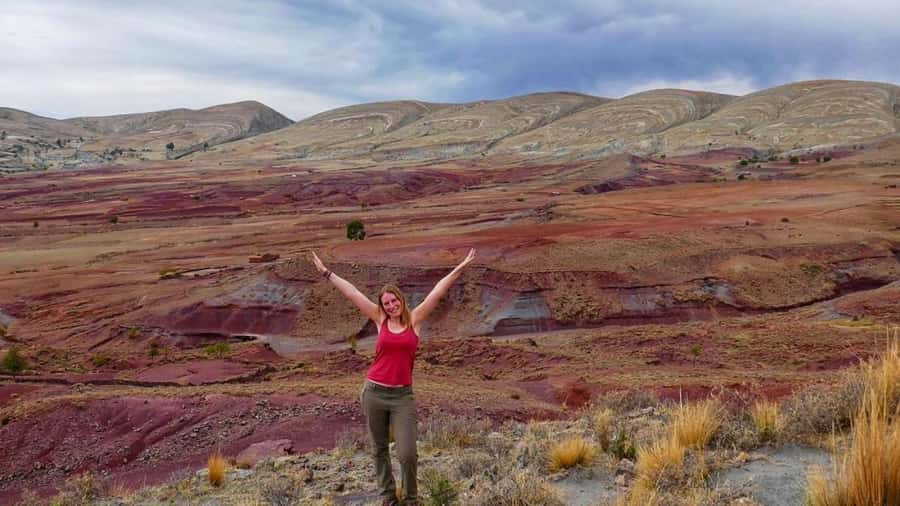
At Majada, a private vehicle waits to take you back to Sucre. The drive itself can be a highlight. One account describes the return road as spectacular, with the journey back almost worth the trip on its own.
A vehicle also saves you from a third stretch of public transport after two full hiking days. The timing of the return is not stated, so I would keep your evening in Sucre flexible rather than booking a fixed appointment immediately afterward.
The contrast between the public bus at the start and private return at the end makes practical sense. Public transport helps hold down the price, while the private vehicle brings the group back after reaching a more remote finish point.
What $124 includes, and what it does not
At $124 per person, this trek offers solid value if you want more than a day walk. The fee includes:
- Entry tickets
- Public transport from Sucre
- Private transport back to Sucre
- One night in shared lodging
- A professional guide
- Breakfast, two lunches, and dinner
- Fruit
You still pay for or carry your own water, snacks, and personal hygiene supplies. Pack a waterproof bag, since rain gear and protection for electronics are sensible in mountain conditions.
The food and room are simple. That is not a hidden flaw, but it shapes the trip. You are paying mainly for access, guiding, transport, meals, and the chance to connect several remote sights in one route. If you require private rooms, elaborate meals, or full facilities, this will feel basic.
The guides add much of the value. Gary has been praised for being patient, sincere, funny, and willing to take the group away from the main route to meet local people. Lizandro has received praise for his English and good humor. Johnny has helped with photographs and cooking. The quality of your day will depend partly on the guide assigned, so asking about language and guiding style before departure is sensible.
How hard is the two-day route?
The tour is not suitable for children under 10, pregnant women, people with mobility impairments, people afraid of heights, or people over 95. Those limits give you a useful picture of the terrain, especially the steep climbs, exposed viewpoints, and uneven old paths.
You should be comfortable walking 16 kilometers on day one and 12 kilometers on day two. The first day has three clear sections:
- A downhill stretch on Inca stone paths
- A mostly level river section with gentle rises
- A steep climb followed by sloping mountain paths to the crater
Day two starts with an uphill exit from the crater, then settles into shorter rises and descents toward the footprints and Majada. I would not choose this trip if you want a relaxed countryside stroll. I would choose it if you enjoy a full day on foot and can handle changing surfaces.
Bring hiking shoes, sunglasses, a sun hat, sunscreen, water, rain gear, a change of clothes, and personal medication. A flashlight, waterproof bag, passport or copy, and identification card or copy are also requested. Swimwear appears on the packing list, although no specific swimming activity is described, so consider it optional unless the provider gives you more details.
Who should book the Maragua trek?
I would recommend this trip to you if you want Sucre’s countryside in a compact two-day format. It suits hikers who like old roads, geology, village encounters, and broad mountain views more than polished sightseeing.
It is also a good match if you prefer a small group and want help with navigation, interpretation, and local introductions. The route can be walked independently, but a guide adds context at the Inca trail, dinosaur footprints, weaving demonstration, and geological features.
You should think twice if you dislike shared rooms, simple meals, public buses, steep climbs, or carrying your own water. The route is rewarding, but it asks you to accept a few rough edges.
The tour can also be extended to three days and two nights. That version adds the Tumpeca area, with rock paintings, geological formations, ancient paths, forests, and more contact with nearby communities. You need to arrange that option in advance by email or WhatsApp.
Should you book this two-day trek?
Book it if you want variety and real walking, not a quick scenic outing. The combination of Inca stones, Maragua Crater, Devil’s Throat, dinosaur footprints, Jalqa weaving, and Majada gives you a strong sense of the region in just two days.
The price is fair for the transport, meals, entry fees, guide, and overnight stay. Pack light, carry plenty of water, and allow extra time for the public bus and return drive. If you prepare for basic accommodation and a demanding first day, this is one of the more rewarding ways to explore the countryside around Sucre.
FAQ
Where does the trek begin?
You meet at the main entrance of Estadio Patria on German Mendoza Street in Sucre.
What time does the tour start?
The meeting time is 8:00 in the morning. The public bus toward Chataquila leaves at about 8:15, though waiting time can vary with passenger numbers.
How long is the trek?
The first day covers about 16 kilometers. The second day covers about 12 kilometers.
Where do you spend the night?
You spend one night in shared accommodation in the Maragua Crater area.
What meals are included?
The tour includes one breakfast, two lunches, and one dinner. Fruit is also included.
Is water included?
No. You need to bring your own water. Snacks are not included either.
What languages are available?
Guiding is available in English and Spanish. French may be available depending on the guide.
How large is the group?
The tour is limited to 10 participants.
Can the trek be extended to three days?
Yes. A three-day, two-night option can include Tumpeca, rock paintings, geological formations, forests, ancient trails, and nearby communities. You need to arrange it by email or WhatsApp.
Can the tour be canceled for a refund?
You can cancel up to 24 hours in advance for a full refund. You can also reserve now and pay later.
Just added around the world
- Bali Tour: Village, Volcano, Holy Spring Temple, Waterfall Tour★ 5.0 · 2 reviews
- Ayung River Rafting and Kintamani Volcano Trip★ 4.5 · 3 reviews
- Kintamani Tours with Batur volcano★ 5.0 · 8 reviews
- Bali in 1-Day : Rice Terrace, Volcano, Tanah lot – All Inclusive★ 5.0 · 6 reviews
- Bali Full-Day Car Charter: Ubud and Kintamani Volcano Tour★ 5.0 · 10 reviews
- Bali Sensational Barong Dance And Kintamani Volcano Day Tour – All Inclusive★ 5.0 · 2 reviews
- Bali Swing Packages and Kintamani Mt Batur Volcano View★ 5.0 · 4 reviews
- Bali: Barong Dance, Rice Terrace, Volcano, Temple, Waterfall Tour★ 5.0 · 3 reviews
Volcano Hikes & Treks, compared.
summit craters trekking with volcano guide 3350mt
Our review of it →
Mount Etna Trekking Tour Beyond the Tourist Trails
Our review of it →
Stromboli: Sunset Trekking at Sciara del Fuoco
Our review of it →Browse the lists this tour appears in