
REVIEW · BANYUWANGI
Banyuwangi/Bali: Ijen Volcano Midnight Blue Fire Guided Tour
Blue fire rewards the very early riser. This Mount Ijen trip pairs a hard night hike with one of Java’s strangest sights: electric-blue flames near a sulfur mine. I like the early start, which helps you reach the viewing area before the biggest crowds, and the care shown by guides such as Qim Qim, Ron Ron, and Qi Qi. The main drawback is clear: the hike is steep, tiring, and current safety rules may prevent you from reaching the crater floor.
I also like the simple extras that matter at altitude: a bright headlamp, respirator mask, local guide, park entry, and hot coffee or tea at the sunrise viewpoint. At $15 per person from Banyuwangi, the value is excellent, though a Bali pickup means a much longer trip, a ferry crossing, and a very full day.
This is not a private, gentle walk in the hills. You need decent fitness, warm clothing, and a willingness to move in darkness on uneven ground. The blue fire is never guaranteed, and volcanic conditions can change the plan.
The essentials at a glance
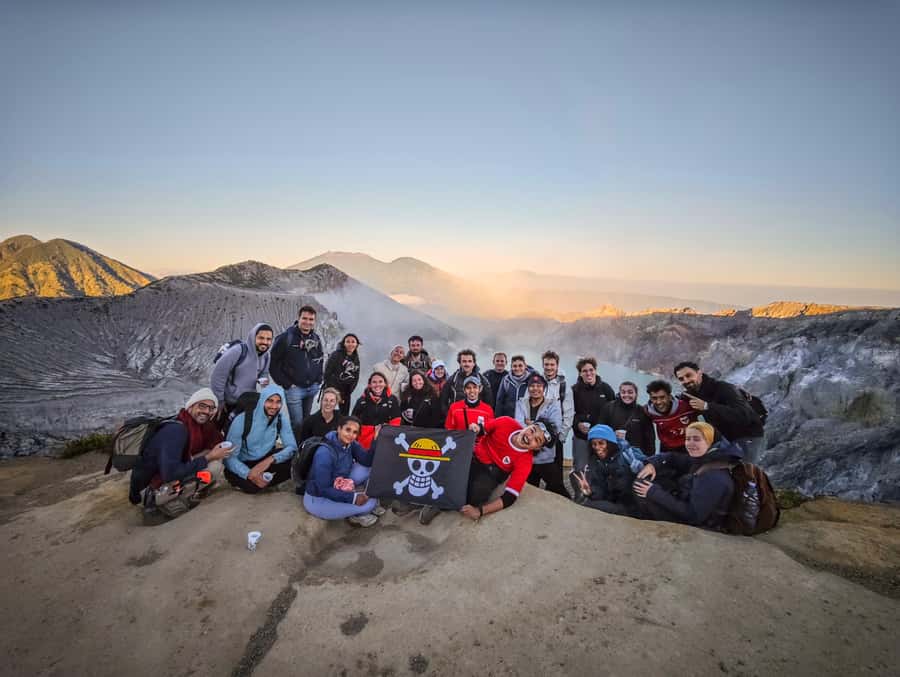
- Blue fire before sunrise: The goal is to reach the upper viewing area early, when the flames may be visible and crowds are smaller.
- Qim Qim leads the local team: His energy, humor, timing, and care are the most praised parts of the experience.
- A demanding 900-meter descent: Current safety rules after the July 2024 earthquake limit access to the crater area, with blue fire viewed from about 500 meters away when conditions allow.
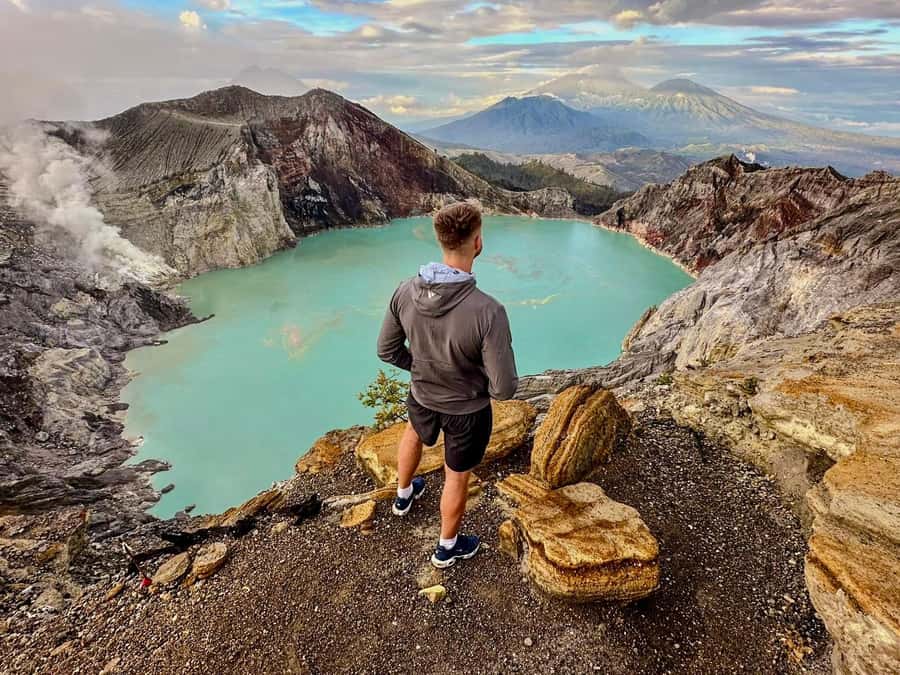
- Sunrise at 2,386 meters: The crater lake, volcanic slopes, and changing morning light are the reward after the climb.
- Banyuwangi is the easy base: Pickup, transport, equipment, permits, and return are arranged within the central Banyuwangi option.
- Bali requires patience: You travel by road to Gilimanuk, cross by ferry, then continue from Ketapang to the trailhead before hiking.
Why Ijen is worth losing sleep over
Mount Ijen is not a standard sunrise viewpoint. The mountain is an active volcanic area, and its blue fire comes from burning sulfur gases. In the darkness, the flames can appear intensely blue, almost unreal, though the effect depends on weather, volcanic conditions, and access rules.
The second part of the appeal is human. Sulfur miners still work in the area using traditional methods, carrying heavy loads along difficult paths. A guide can explain what you are seeing and help you view the mining activity with more respect than you would get by simply arriving, taking pictures, and leaving.
I like the combination of science, scenery, and physical effort. You are not just driven to a viewpoint for ten minutes. You walk uphill in the cold, reach the volcanic rim, and then wait for daylight to reveal the crater lake below.
The price also deserves attention. At $15 per person for the Banyuwangi option, the tour includes the national park entrance fee, local guide, headlamp, gas mask with respirator, health certificate, coffee or tea, and hotel pickup and drop-off in central Banyuwangi. Those inclusions make it unusually good value.
The low price does not make the outing easy. It is a shared tour, not a private one, and the group may contain people moving at different speeds. Guides work hard to keep people together, but you should be ready for a night of waiting, walking, and adjusting to mountain conditions.
More Bromo and Ijen Volcano Tours in Indonesia:
- Borobudur Sunrise from setumbu Hill , Merapi Volcano & Prambanan Full Day Tour
★ 5.0 · 1,030 reviews - Borobudur Sunrise, Merapi Volcano & Prambanan Full Day Tour
★ 4.8 · 717 reviews - From Bali: 24-Hour Trip to Ijen Crater & Javanese Breakfast
★ 4.7 · 371 reviews
23:00 pickup and the road to Paltuding
The usual Banyuwangi pickup window is 23:00 to 23:30. If you are arriving at Ketapang Port or Banyuwangi Train Station, you should be ready at 23:00. This is a useful detail because the night schedule leaves little room for confusion.
The drive goes to the Ijen parking area and trailhead, generally called Paltuding. Arrival is planned for about 01:30. You then have a short period to rest, listen to the briefing, and prepare your equipment before the hike begins at about 02:00.
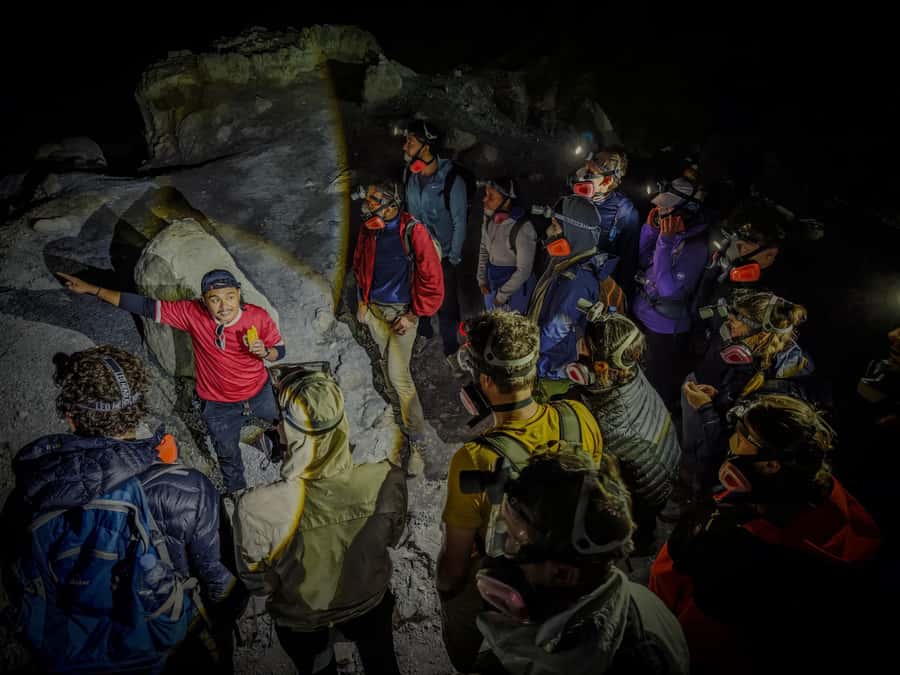
That pause matters. You have not come for a casual morning walk, and a clear briefing helps you understand the route, the pace, the gas mask, and the safety limits. Use the time to adjust your jacket, check your headlamp, drink some water, and eat a snack.
The included headlamp is especially useful because the trail is dark. Bring your own hiking shoes, not sandals, and expect mud if it rains. Rain gear is worth packing even if the forecast looks promising.
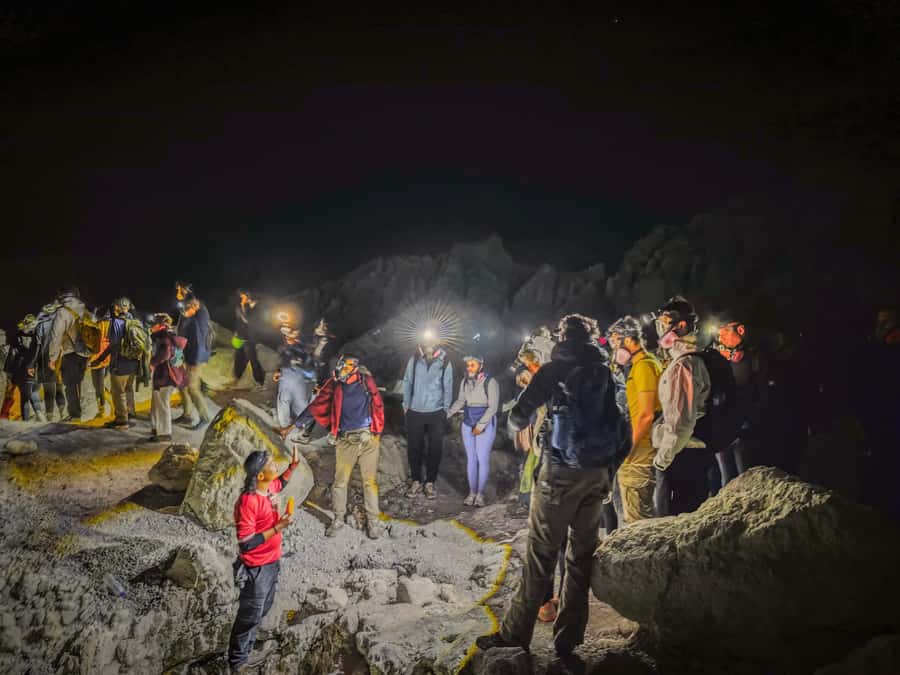
The 02:00 climb through darkness
The first climb takes you up through cool mountain air and dark forest. The route is steep enough to test your legs, especially because you are walking at night after little or no sleep.
You do not need to be an elite hiker, but this tour is not suitable for someone with a low fitness level. The supplied information describes a possible 900-meter descent toward the crater, and the uphill sections can feel demanding even before that point.
The guides are a major part of the experience. Qim Qim is described as enthusiastic, funny, punctual, and able to handle problems. Ron Ron, Qi Qi, Rosif, Saiful, Bagus, Wahyu, and other team members also receive repeated praise for checking on people, helping tired hikers, and keeping the mood light.
I like that the guiding style is not just about speed. The team tries to get the group early access while still allowing people to move at a pace they can handle. Some hikers describe the push to be among the first groups as fast, so you should communicate if you need a slower rhythm.
The blue fire plan and its important limits
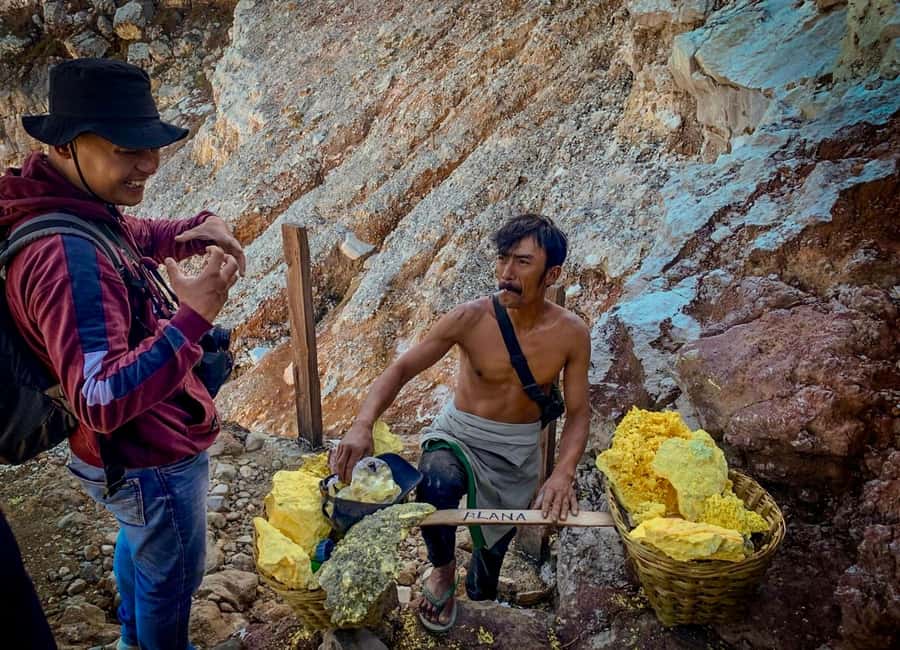
The classic route reaches the summit around 03:00, then descends toward the crater. This is where you need the clearest understanding of current conditions.
The information for this experience states that, after the July 2024 earthquake, visitors are not allowed to go down to the blue fire area. When conditions permit, you may view the flames from roughly 500 meters away at the Ijen rim. Older descriptions of walking all the way to the crater floor should not be treated as a promise.
The guide and park authorities decide what is safe. Sulfur fumes can be dangerous, and the descent is steep, slippery, and without a continuous railing. People with asthma, heart conditions, or a fear of heights should not attempt the lower section. If access is restricted, you can still see the volcanic area from the permitted viewpoint, but the experience will be different from photographs showing people beside the flames.
The blue fire itself is not guaranteed. Weather can block the view, volcanic conditions can change, and the flames may sometimes be extinguished to support sulfur mining work. A good guide can improve your timing, but no guide can promise the natural phenomenon will appear.
That uncertainty is part of the deal. Book this for the mountain, the sunrise, and the volcanic setting first. Treat blue fire as a possible bonus, not the sole reason to go.
More Guided Tours in Indonesia:
- Banyuwangi: Ijen Crater Bluefire and Sunrise Guided Trek
★ 4.9 · 65 reviews - Ubud Natural Gems And Secret Waterfall Private Guided Tour
★ 5.0 · 43 reviews - Day Trip Volcano White Crater Ciwidey Bandung – Tour Guide
★ 4.9 · 40 reviews - 2 Day Guided Hiking to Mount Rinjani Senaru Crater Rim
★ 5.0 · 28 reviews
Why arriving first matters
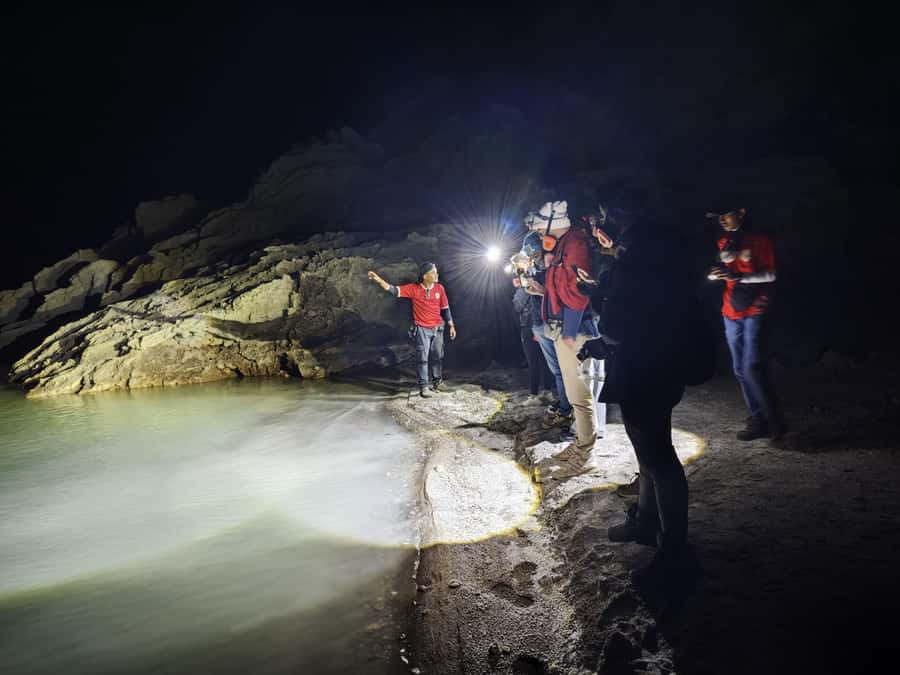
The strongest theme in the feedback is timing. Qim Qim’s team aims to start early and reach the viewing area before the main flow of groups. Several people describe having time for photographs before the area became crowded.
This is more than a photo advantage. The path near the crater can become difficult when people are moving in both directions. A quiet first look gives you room to listen, take in the sulfur fumes from a safe distance, and understand the setting without a wall of people around you.
The team also uses smaller paths where possible to reduce congestion on the way back. Still, expect busy sections later in the morning. You may be walking uphill while other groups are heading down, so careful footing matters.
Do not confuse early arrival with a relaxed schedule. To reach the front of the morning rush, you need to keep moving. That is why your fitness level and footwear matter so much.
Sunrise, tea, and the crater lake
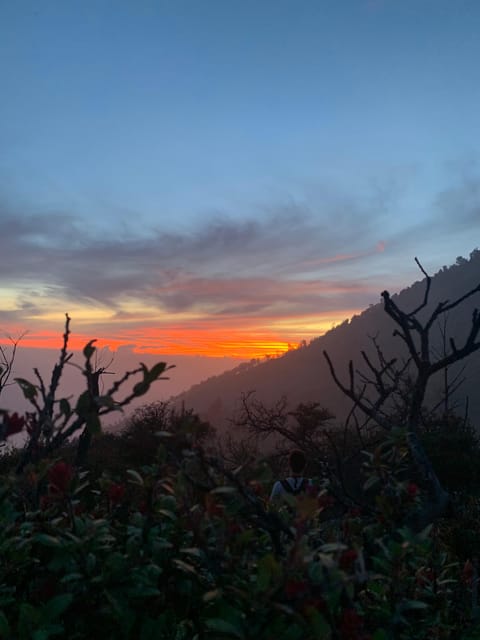
Around 04:00 to 04:30, the group begins climbing back toward the sunrise viewpoint. The goal is to be near the rim by about 05:00, when the sky begins to brighten.
The guides prepare hot coffee or tea at the viewpoint. This small gesture has real value after a cold, strenuous night. It gives you a chance to warm your hands, catch your breath, and enjoy the view rather than rushing immediately downhill.
Sunrise time is usually from about 05:00 to 06:00. From an elevation of 2,386 meters, you can look across the Ijen crater and blue-green lake as the light changes. The guides also explain the volcano’s formation, the sulfur flames, the crater conditions, and the lives of the miners.
This is the part I would not skip, even if the blue fire is closed or hidden. The sunrise gives the trip a second payoff, and it is less dependent on one brief volcanic display.
Bring a jacket. The summit can feel cold before sunrise, and wet weather makes the wait less comfortable. A rain shell, long pants, and dry layers are more useful than stylish clothes here.
06:00 return and the Bali version
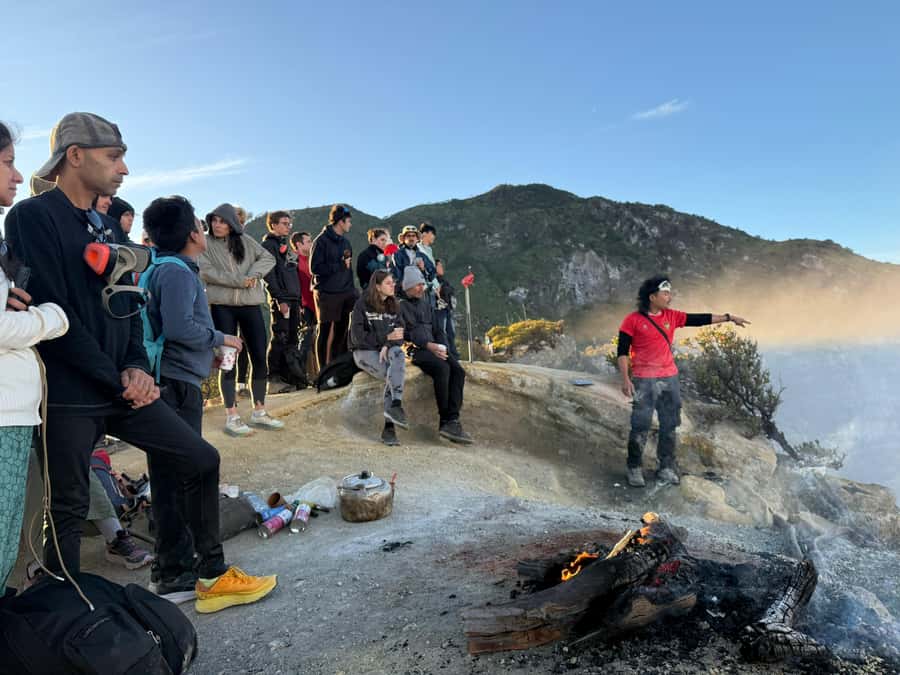
After sunrise, the group descends to the parking area. A rest period is planned around 07:00 to 07:30, followed by the return drive to Banyuwangi. The central Banyuwangi option usually arrives back around 09:00.
That makes this a compact but intense outing if you are already staying in Banyuwangi. You can use the rest of the day for sleep, food, or a very gentle activity. Do not schedule an important morning departure too tightly, since mountain roads, weather, and group pace can affect timing.
The Bali option is a different proposition. Pickup begins at your Bali accommodation, followed by a drive to Gilimanuk. You cross to Java by ferry, then meet the Java-side driver and guide at Ketapang Port before continuing to Paltuding.
The ferry ticket is included when you select the Bali option, but the crossing itself is done on foot rather than as a private vehicle transfer. The full trip from Bali can take many hours before and after the hike. One account describes a pickup around 17:00, several hours of driving, the ferry, another drive to the mountain, the hike, and the return journey.
From Bali, this is a serious endurance day. It can be worthwhile if Ijen is a priority, but it is not a quick side trip from southern Bali. Pack snacks, water, medication, and warm clothes where you can reach them easily.
Equipment, health, and what to pack
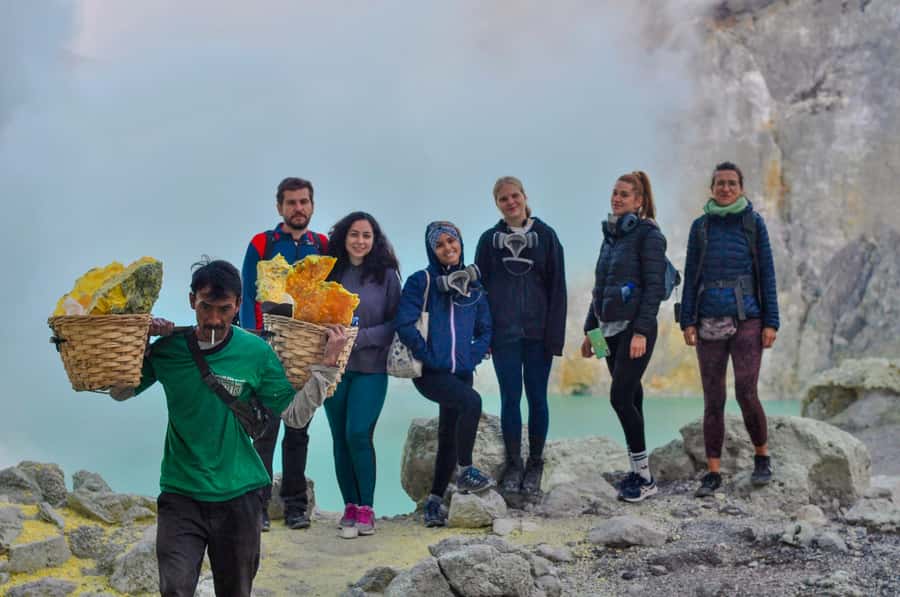
The tour supplies a gas mask with respirator, a bright headlamp, entry to Mount Ijen National Park, a health certificate, and a hot drink at the summit. You must send your passport details for the Ijen ticket and provide the required health certificate.
Bring:
- Warm clothing and a jacket
- Long pants
- Hiking shoes with reliable grip
- Rain gear
- Snacks
- Cash
- Personal medication
Food and general drinks are not included, so do not depend on the coffee or tea to replace breakfast. Eat before or during the hike as needed.
This trip is not suitable for wheelchair users or people with low fitness. People with asthma or heart conditions should not attempt the crater descent. The guide may adjust the plan for safety, and you should follow those instructions without debate. This is an active volcano, not a controlled attraction.
Mount Ijen closes every first Friday of the month. Check your date before booking, and remember that weather or volcanic activity can also change access.
Who will enjoy this tour most
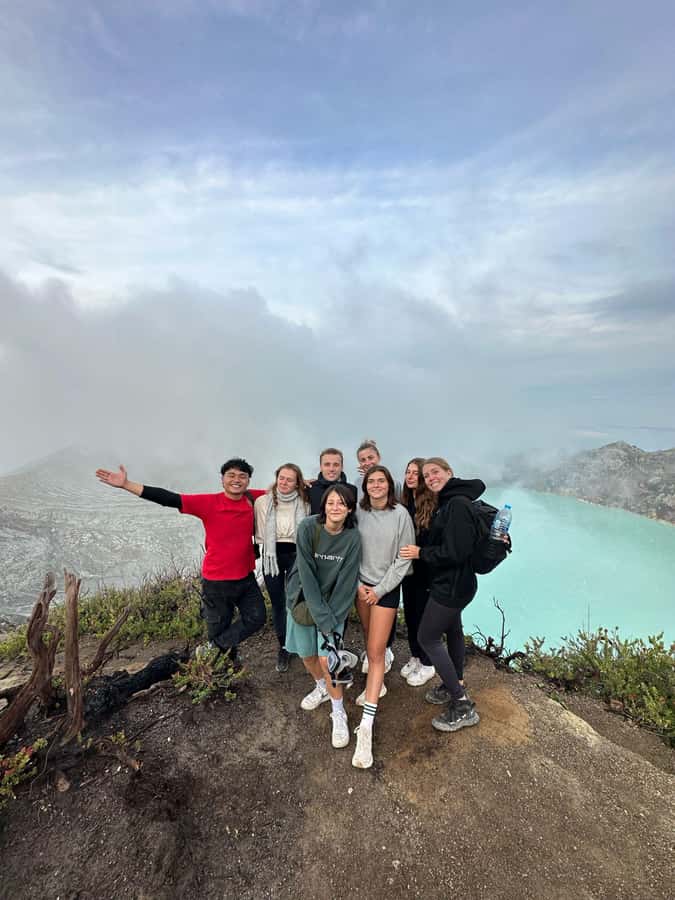
I would recommend it to you if you want a physical adventure, care about seeing Ijen before the crowds, and appreciate a guide who adds humor and encouragement to a hard walk. It suits hikers who are comfortable with darkness, steep ground, cold temperatures, and uncertain volcanic access.
It is also a good fit for first-time visitors who want transport and equipment handled. Qim Qim’s team is repeatedly praised for staying attentive, helping tired people, taking photographs, explaining the volcano, and keeping the group cheerful.
I would hesitate if you dislike early starts, shared transport, or long road journeys. From Bali, the travel time may be more exhausting than the hike itself. I would also avoid booking if seeing the blue fire is your only goal, since it cannot be guaranteed and current rules may keep you well away from the crater floor.
The listed rating is 4.9 from 854 ratings, with especially strong praise for Qim Qim and his team. The most consistent strengths are early arrival, safety checks, positive energy, useful explanations, and the hot drink at sunrise.
FAQ
How much does the Ijen tour cost?
The listed price is $15 per person. The Banyuwangi option includes several major costs, such as the park entrance fee, guide, equipment, and central hotel transport.
Is hotel pickup included?
Pickup and drop-off are included in the central Banyuwangi area. Bali pickup and drop-off are available when you select that option.
Is the tour private?
No. Other participants may join, so this is a shared tour rather than a private experience.
Is the blue fire guaranteed?
No. Blue fire depends on weather and volcanic conditions. Current rules after the July 2024 earthquake may also limit access to viewing the flames from about 500 meters away.
Can I go down into the crater?
Access depends on current safety conditions and official instructions. The supplied information says that visitors are currently not allowed into the blue fire area and may view it from the permitted rim area.
What time does the Banyuwangi tour start?
Pickup is usually between 23:00 and 23:30. The hike begins at about 02:00 after arrival, briefing, and preparation at the Ijen parking area.
What should I bring?
Bring warm clothing, a jacket, long pants, hiking shoes, rain gear, snacks, cash, and personal medication. Food and drinks are not included.
Is Mount Ijen open every day?
Mount Ijen is closed every first Friday of the month. Weather, volcanic activity, and safety conditions may also affect access.
Should you book it?
Book this tour if you want the best practical chance of seeing Ijen before the crowds and value an energetic local team. Qim Qim, Ron Ron, Qi Qi, and the wider crew add real value through pacing, safety checks, explanations, photographs, and hot tea at the summit.
Choose Banyuwangi if you can. It keeps the schedule more manageable and lets you recover after the hike. Choose Bali only if you accept the long road and ferry journey as part of the adventure.
The blue fire may be magical, but it is never promised. The safer bet is the full experience: a demanding night climb, a volcanic crater, sulfur miners, sunrise above the lake, and guides who work hard to make a difficult outing feel possible.
Just added around Indonesia
- Amazing Mount Batur Jeep Sunrise and Black lava★ 5.0 · 17 reviews
- Day Trip Batur Volcano and 2 Beautiful Waterfall★ 5.0 · 2 reviews
- Batur Volcano 4WD Jeep Tour: Black Lava Adventure★ 4.5 · 2 reviews
- Bukit Lawang Berastagi 4 Days 3 Nights Volcano & Jungle Trekking★ 5.0 · 7 reviews
- Fullday Sibayak Volcano Hiking Tour★ 5.0 · 2 reviews
- 6 Day North Sumatra Highlights – Jungles Orangutans Lakes and Volcanoes★ 3.5 · 2 reviews
- 3-Day Private Tour: Tumpak Sewu Waterfall, Mt Bromo & Ijen Crater★ 5.0 · 10 reviews
- 2 Days Tour of Mount Bromo Ijen Crater★ 5.0 · 3 reviews
Bromo & Ijen Volcano Tours, compared.
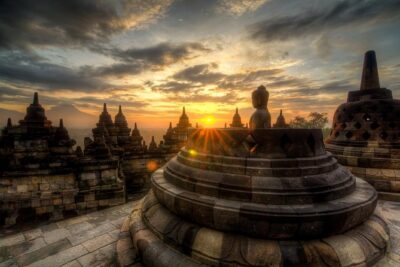
Borobudur Sunrise from setumbu Hill , Merapi Volcano & Prambanan Full Day Tour
Our review of it →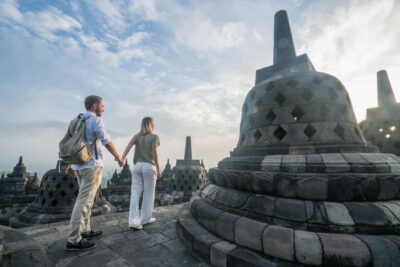
Borobudur Sunrise, Merapi Volcano & Prambanan Full Day Tour
Our review of it →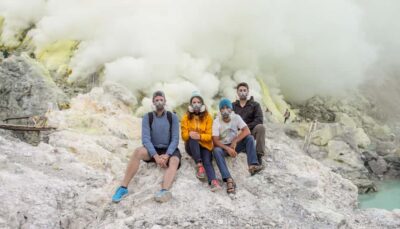
24-Hour Trip to Ijen Crater & Javanese Breakfast
Our review of it →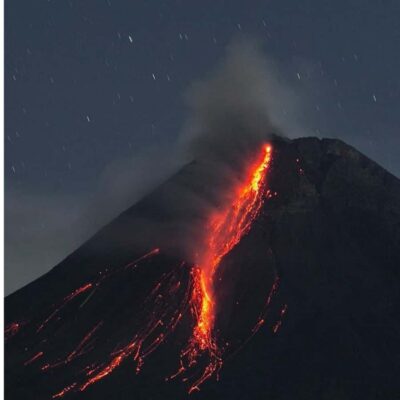
Yogyakarta Volcano: Merapi Volcano on Hilltop (Lava Viewing)
Our review of it →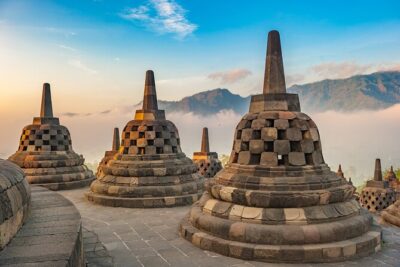
Borobudur(climb up), Merapi Volcano and Prambanan Temple Tour
Our review of it →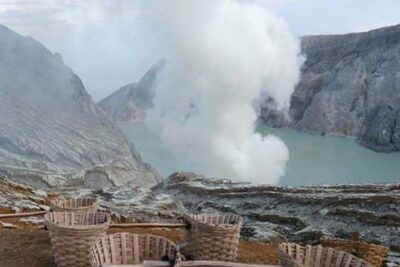
Active Volcanoes Bromo and Ijen – Start Surabaya 3 Days and 2 Nights
Our review of it →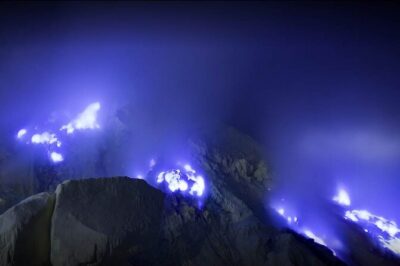
1 Day Yogyakarta tour ( Borobudur temple, Merapi Lava Tour, Prambanan Temple)
Our review of it →Browse the lists this tour appears in