
REVIEW · BANYUWANGI
Banyuwangi: Ijen Crater and Bromo Mountain 2 Day Tour
Blue fire makes this Java adventure unforgettable. I like the rare Ijen blue fire sighting and the chance to watch sunrise over its turquoise crater lake. I also like the small-group format, safety equipment, and the warm, personal guiding provided by Sopi, Nido, Uzi, Nopan, and Surai.
The main drawback is the pace. You begin with a midnight pickup, hike Ijen before dawn, spend hours crossing East Java, then rise again for Bromo. Transport between Banyuwangi and Probolinggo also needs careful attention, since some drivers have been criticized for unsafe driving and poor communication.
Key points to know before booking
- Ijen starts around midnight: You hike for about 1.5 hours in darkness before reaching the crater.
- Blue fire is not guaranteed: Sulfur gas, safety rules, and conditions can affect access to this rare sight.
- The Ijen guiding is a major strength: Guides such as Sopi, Nido, Uzi, Nopan, and Surai have been praised for care, humor, and clear explanations.
- Bromo means another early start: You ride a 4WD jeep to Penanjakan, then visit the crater, Luhur Poten Temple, and Whispering Sand.
- The transfer is tiring: The journey from Banyuwangi to Cemoro Lawang takes much of the first day and offers limited rest.
- The $101 price covers a lot: Transport, tickets, equipment, a night in Cemoro Lawang, breakfast, and the Bromo jeep are included.
Why this two-day Java tour is worth considering
I see this as a high-impact trip for people with limited time in East Java. In only two days, you visit two of Indonesia’s best-known volcanic areas, each with a very different mood.
Ijen is about effort, sulfur, miners, and a crater lake that changes character as daylight arrives. Bromo is more theatrical, with a sunrise viewpoint, a rough jeep ride, a broad volcanic plain, and a walk toward the crater. You get both a demanding mountain trek and a vehicle-based volcano visit.
The advertised price is $101 per person. That is strong value if the transport runs well, since the cost includes round-trip transportation, entrance tickets, a local guide, headlamp, gas mask, first aid, portable oxygen, mineral water, one night at a Cemoro Lawang homestay, breakfast, and a 4WD jeep at Bromo.
I would not call it a comfortable holiday. You sleep little, spend long periods in vehicles, and need to handle cold air, steep walking, sulfur fumes, and very early departures. Think of it as an efficient volcano mission, not a relaxed sightseeing break.
More Bromo and Ijen Volcano Tours in Indonesia:
- Borobudur Sunrise from setumbu Hill , Merapi Volcano & Prambanan Full Day Tour
★ 5.0 · 1,030 reviews - Banyuwangi/Bali: Ijen Volcano Midnight Blue Fire Guided Tour
★ 4.9 · 854 reviews - Borobudur Sunrise, Merapi Volcano & Prambanan Full Day Tour
★ 4.8 · 717 reviews
Midnight at Paltuding and the climb to Ijen
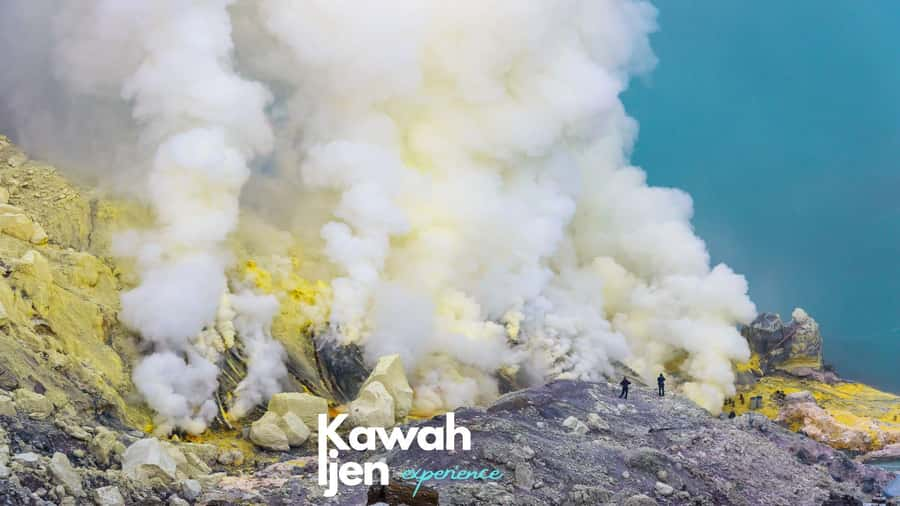
Your first pickup takes place around midnight from Banyuwangi Regency. The drive ends at Paltuding, the trailhead for Kawah Ijen, where you receive a headlamp and gas mask before walking uphill.
The climb takes roughly 1.5 hours each way and is rated medium difficulty. That description is fair, but the timing makes it harder. You are walking at night, often after little or no sleep, and the return journey comes after the blue fire and sunrise.
I like the way the dark changes the walk. Your headlamp picks out the path, while the cool air and starry sky give the climb a quiet, focused feel. You should bring sturdy, comfortable shoes, a warm jacket, gloves, and outdoor clothing. A change of clothes is also useful after a cold, tiring trek.
You need a medical certificate for the Ijen hike. If you arrive without one, the group stops at a clinic before starting. This is an important practical point, since it can add time to an already tight schedule. The tour is not suitable for people with respiratory problems, back problems, or pregnant women.
Seeing Ijen’s blue fire before sunrise
The blue fire is the most unusual part of the trip. It appears in darkness near sulfur deposits and creates an eerie glow against the crater area. Ijen is one of only two places in the world where this phenomenon can be seen, according to the tour information.
You should keep your expectations sensible. Access can depend on sulfur gas and safety conditions, so the sight is not something anyone can promise. The gas mask is provided for protection, but it does not make the fumes pleasant. Follow your guide closely and do not treat the crater edge like a photo studio.
This is where the quality of your guide matters most. Sopi has been praised for humor, energy, and practical help during the climb. Nido and Uzi have also been noted for their friendly support, while Surai has provided useful background on sulfur miners and the region.
The miners are part of the Ijen experience, but look at their work with respect. They carry heavy sulfur loads through difficult conditions. A good guide can help you understand what you are seeing without turning the workers into scenery.
Sunrise over the turquoise crater lake
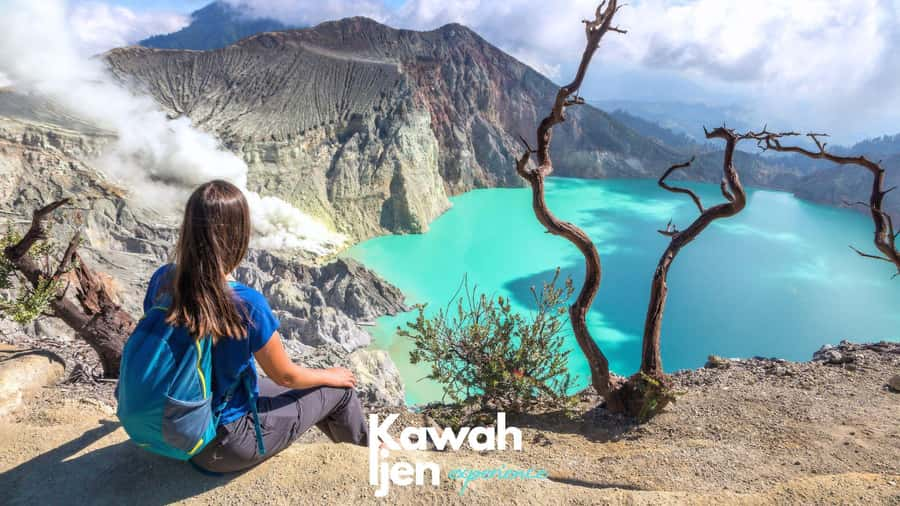
After the blue fire, you wait for daylight near the top. As the sun rises, the crater lake takes on its famous turquoise color, and the surrounding volcanic walls become easier to see.
This is a strong contrast to the blue fire. First you see a strange glow in near darkness. Then the crater opens into a broad, bright view with pale water and rugged volcanic slopes. I like that the experience offers both the unusual and the beautiful, rather than relying on one photo stop.
The first light can also reveal miners at work and the scale of the crater. Bring a camera, but do not let the camera slow you down or pull you away from the guide. The terrain, gas, and crowds can make the area less calm than the photographs suggest.
The descent to Paltuding takes about as much care as the climb. Your legs may feel tired, and loose or uneven ground requires attention. Once back at the trailhead, you can buy snacks or drinks from local vendors and take a short rest before returning to Banyuwangi.
More Two-Day Trips in Indonesia:
- 2D1N Senaru Crater Rim Trekking
★ 5.0 · 178 reviews - Mount Rinjani 2 Days 1 Night Senaru Crater Rim
★ 5.0 · 131 reviews - Mount Rinjani 2-Day Trek to Senaru Crater Rim
★ 4.8 · 89 reviews - Malang: 2D1N Shared Tour of Mount Bromo & Ijen Crater
★ 4.4 · 89 reviews
The long transfer from Banyuwangi to Cemoro Lawang
After Ijen, you return to your hotel in Banyuwangi for a shower and a short break. Then comes the biggest logistical challenge: the drive toward Cemoro Lawang, the last village near Bromo.
The schedule allows about seven hours for the transfer and overnight portion, but that does not mean seven hours of peaceful rest. You may stop at Probolinggo for a briefing before continuing to the homestay. Once in Cemoro Lawang, you check in, prepare your clothing for the morning, and try to sleep before another early departure.
This is the weakest part of the trip for me. The combination of a midnight start, Ijen hiking, and a long drive can leave you worn out. One person found the next-day travel too demanding and suggested adding a rest day before continuing to Bromo. I agree that this would improve the experience if your schedule allows it.
Pay close attention to the driving. Some feedback describes dangerous driving on the Banyuwangi to Probolinggo road and frustration when the driver did not stop for a break. I would contact the operator in advance and make clear that safe driving and reasonable rest stops matter to you.
The overnight stay in Cemoro Lawang is practical because you are already near Bromo. It saves you from making another long transfer before sunrise. The accommodation is described as a homestay, so you should expect a simple base rather than a resort-style room.
Penanjakan viewpoint before dawn
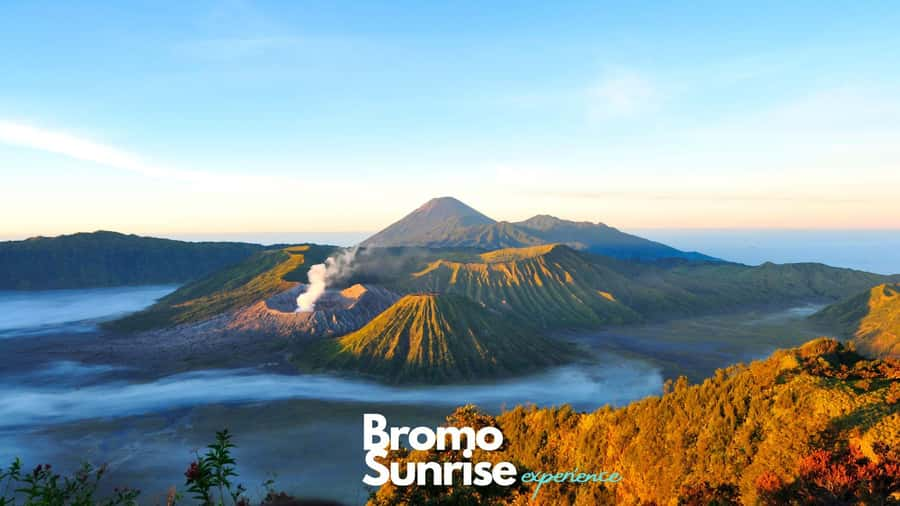
Day two begins very early, often around 2:30 in the morning. A 4WD jeep takes you toward Penanjakan viewpoint, where you wait for sunrise over Bromo and the surrounding volcanic region.
The cold is serious at this hour. Pack layers, a jacket, gloves, and dry clothing. You may be standing outside for a while, and the mountain air feels much sharper before sunrise than it does later in the morning.
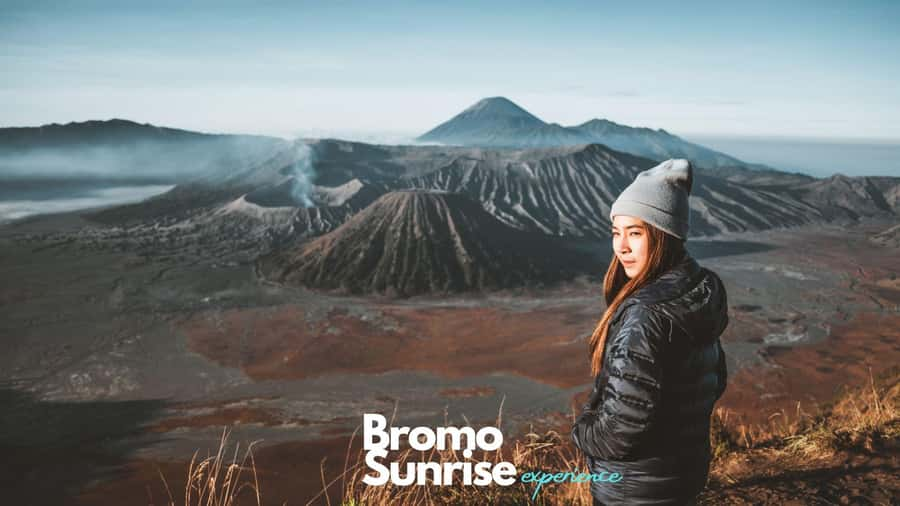
The view is the reward. From Penanjakan, you look across a dramatic volcanic setting as the light reaches the peaks and crater area. The exact viewing point and walking distance can matter a great deal, so ask your driver where you are being dropped and how far you must walk.
This is another area where organization has not always been consistent. One visitor was left several kilometers from King Kong Hill and could not reach the viewpoint in time. Another had to find the viewing area without much explanation after the jeep departed. I would not assume the driver will guide you all the way. Get clear instructions before leaving the jeep, keep your phone charged, and stay with your small group.
The tour is capped at 12 people, which is a useful size for keeping track of everyone. Still, the Bromo section may feel more like a transfer service than a guided cultural visit if your driver speaks little English.
Bromo crater, Luhur Poten Temple, and Whispering Sand
After sunrise, the jeep continues through the Bromo area. The program includes Mount Bromo’s crater, Luhur Poten Temple, and Whispering Sand.
The crater visit gives you a closer look at the volcano after the broad sunrise view. You hike across the volcanic area and then continue toward the crater, so comfortable shoes remain important. The jeep ride adds an off-road element, but it also means dust, bumps, and a rougher ride than ordinary road transport.
Luhur Poten Temple adds cultural meaning to what could otherwise become a quick volcano photo stop. It is useful to pause and recognize that Bromo is not only a geological attraction. The temple sits within a sacred volcanic setting tied to the Tengger community.
Whispering Sand brings a different texture to the morning. After the darker rock and crater walls, the open sandy area gives the jeep portion a sense of scale. You should expect scenery and short walks rather than long explanations at each stop.
Once the Bromo circuit is complete, you return to the homestay, freshen up, and eat breakfast. Then you check out and continue to Probolinggo City, finishing at the station or terminal.
Guides, group size, and the human side
The strongest personal element is the Ijen guiding. Sopi has received especially warm praise for making the night hike fun while also giving useful information. Nopan has been described as helpful and informative, and Surai has been valued for explaining sulfur mining and the local area.
Small details can make a hard trip much better. One guide brought coffee to the top, giving the group a warm drink while waiting for sunrise. That sort of thoughtful touch matters when you are cold, tired, and watching the sky brighten.
The languages offered are English, Indonesian, and Malay. That should make the Ijen portion easier for many people, but do not assume every person involved in the Bromo transfer will provide the same level of English explanation.
The difference between a local hiking guide and a transfer driver is important here. Your Ijen guide is likely to walk with you and help manage the conditions. The Bromo jeep driver may focus mainly on transport. Ask questions early if you want more context at the viewpoint, temple, or crater.
What the $101 price really includes
At $101, this tour earns its value through logistics. Arranging Ijen and Bromo separately would mean coordinating permits, transport, safety gear, a homestay, a jeep, and transfers between different towns.
The included gas mask and headlamp are not minor extras. You need both for the Ijen section, and having them supplied simplifies preparation. First aid, portable oxygen, and mineral water also show that the operator has planned for a physically demanding route.
Food is limited. Breakfast at Cemoro Lawang is included, but meals and drinks beyond the specified items are not. Bring money for snacks, especially after the Ijen descent and during the long transfer.
The value drops if poor driving, unclear meeting points, or missed sunrise access affect your day. For that reason, I would judge the price not only by the list of inclusions, but by how carefully the operator handles the connection between Banyuwangi and Bromo.
Who should book this experience
I would recommend it to you if you want two major East Java volcanoes and have limited time. It suits people who can handle a medium hike, an overnight start, cold temperatures, and a packed schedule.
It is also a good choice if you prefer having transport and tickets arranged rather than building the route yourself. The small group and included safety equipment reduce some of the hassle.
I would skip it if you need regular sleep, dislike rough transport, have respiratory or back problems, or want long, thoughtful visits at every stop. It is not suitable for pregnant women, and you need the required medical certificate for Ijen.
If possible, add a rest day after Ijen before Bromo. If you cannot, treat the first day as a physical challenge and protect your energy. Sleep during every available break, pack warm layers in your day bag, and confirm the Bromo viewpoint plan with the driver.
Should you book the Ijen and Bromo tour?
Book it if the blue fire, crater sunrise, and Bromo sunrise are the main reasons you came to Java. The scenery is exceptional, the price is fair, and the best Ijen guides can turn a difficult night into a memorable one.
I would book with two conditions: confirm the pickup time and medical certificate requirement before departure, and ask how the operator handles safe driving, rest stops, and the Penanjakan drop-off. The Ijen portion appears to be the star of the trip. Bromo can still be excellent, but it needs clearer communication and better organization.
FAQ
How long is the Ijen hike?
The trek to Kawah Ijen takes about 1.5 hours one way and is considered medium difficulty.
Is a medical certificate required for Ijen?
Yes. If you do not already have one, the group will stop at a clinic before the trek.
Is the blue fire guaranteed?
No. The tour includes an attempt to see the blue fire, but access can depend on sulfur gas and safety conditions.
What safety equipment is provided?
You receive a gas mask and headlamp. The tour also includes first aid and a portable oxygen tank.
Where do you stay overnight?
You stay for one night at a homestay in Cemoro Lawang, the last village near Bromo.
What is included at Bromo?
The tour includes a 4WD jeep, the Penanjakan sunrise visit, Mount Bromo crater, Luhur Poten Temple, and Whispering Sand.
What languages are available?
The live tour guide service is offered in English, Indonesian, and Malay.
Just added around Indonesia
- Amazing Mount Batur Jeep Sunrise and Black lava★ 5.0 · 17 reviews
- Day Trip Batur Volcano and 2 Beautiful Waterfall★ 5.0 · 2 reviews
- Batur Volcano 4WD Jeep Tour: Black Lava Adventure★ 4.5 · 2 reviews
- Bukit Lawang Berastagi 4 Days 3 Nights Volcano & Jungle Trekking★ 5.0 · 7 reviews
- Fullday Sibayak Volcano Hiking Tour★ 5.0 · 2 reviews
- 6 Day North Sumatra Highlights – Jungles Orangutans Lakes and Volcanoes★ 3.5 · 2 reviews
- 3-Day Private Tour: Tumpak Sewu Waterfall, Mt Bromo & Ijen Crater★ 5.0 · 10 reviews
- 2 Days Tour of Mount Bromo Ijen Crater★ 5.0 · 3 reviews
Bromo & Ijen Volcano Tours, compared.
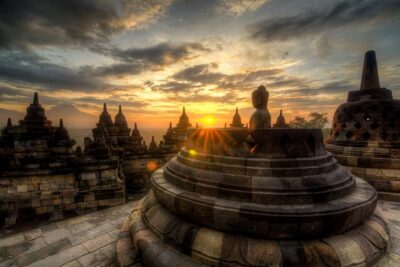
Borobudur Sunrise from setumbu Hill , Merapi Volcano & Prambanan Full Day Tour
Our review of it →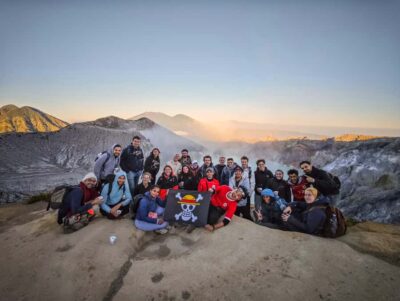
Banyuwangi/Bali: Ijen Volcano Midnight Blue Fire Guided Tour
Our review of it →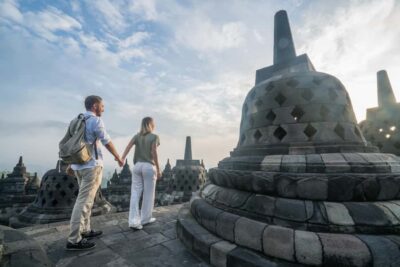
Borobudur Sunrise, Merapi Volcano & Prambanan Full Day Tour
Our review of it →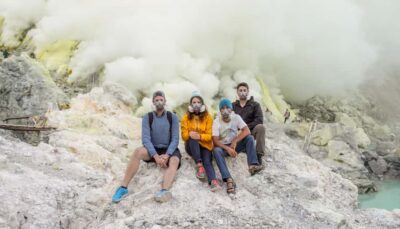
24-Hour Trip to Ijen Crater & Javanese Breakfast
Our review of it →
Yogyakarta Volcano: Merapi Volcano on Hilltop (Lava Viewing)
Our review of it →
Borobudur(climb up), Merapi Volcano and Prambanan Temple Tour
Our review of it →
Active Volcanoes Bromo and Ijen – Start Surabaya 3 Days and 2 Nights
Our review of it →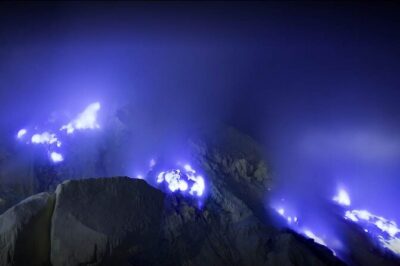
Browse the lists this tour appears in