
REVIEW · LA PALMA
La Palma: Tour to the new Tajogaite volcano 360º.
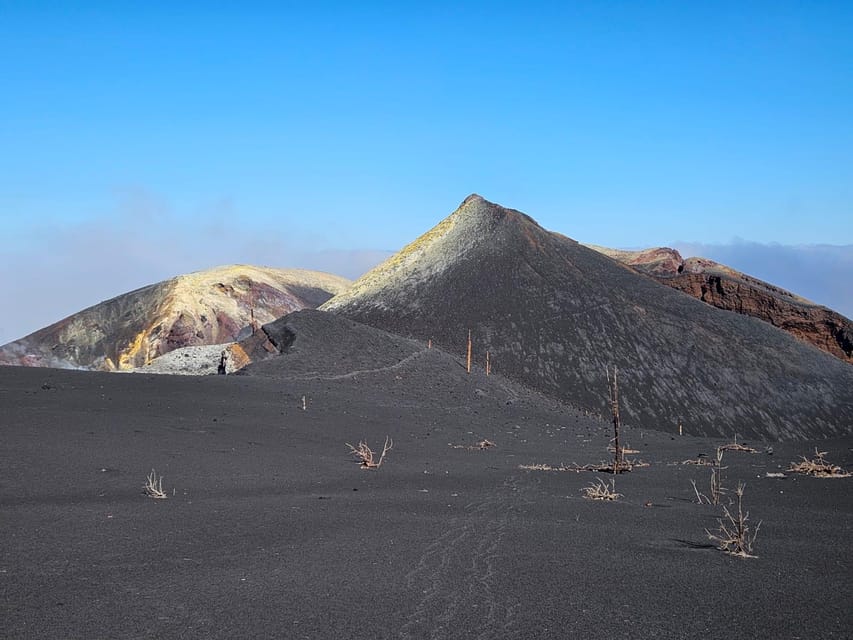
The volcano is still writing its story. This three-hour hike brings you closer to Tajogaite’s crater, crosses black ash and lapilli from north to south, and finishes in Las Manchas, one of the places most affected by the September 2021 eruption. I especially like the close crater viewpoint and the chance to see nature already returning around the volcanic ground. The main catch is the physical demand: this is a medium to high-level walk, not a casual sightseeing stop.
I also like that hotel transfers, a bus, and an authorized guide are included for $47 per person. Guides such as Henry have received especially warm praise for clear explanations and strong language skills. You should still plan carefully, since the route lasts about three hours, can run closer to three and a half, and has strict rules about food and smoking during transport and the walk.
Key points to know before booking
- The route crosses the volcano from north to south: You begin at Llano del Jable and finish at Las Manchas after about 6.6 kilometers.
- You get much closer to the crater: The new trail reaches an authorized viewpoint near Tajogaite, beyond the former viewing distance of roughly 300 meters.
- Most of the route is downhill: The stated elevation change is only 20 meters up and 630 meters down, though loose volcanic ground still makes this a real hike.
- The guides add serious value: English, German, and Spanish tours are available, with Henry singled out for lively and detailed explanations.
- The terrain is still an active study area: You pass monitoring instruments and see scientists’ ongoing interest in the volcano.
- You must bring proper gear: Hiking shoes, closed-toe footwear, a jacket, a hat, water for personal use where permitted, and charged phone are sensible basics.
Why Tajogaite is worth seeing up close
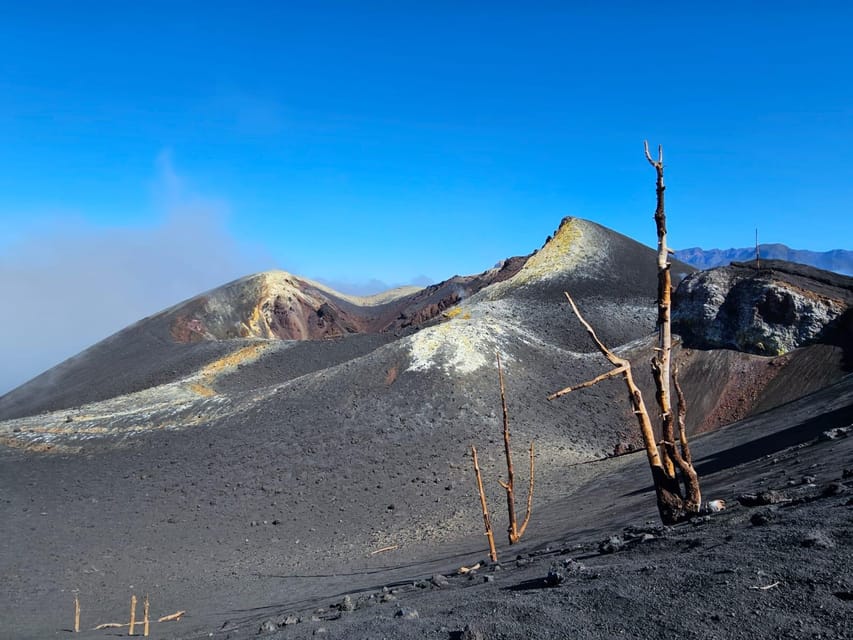
Tajogaite is a new volcano, created during the eruption that began on La Palma in September 2021. That youth matters. You are not simply looking at an old cone covered in plants and weathered rock. You are seeing fresh volcanic material, a recently changed route, and a place where the island is still being studied.
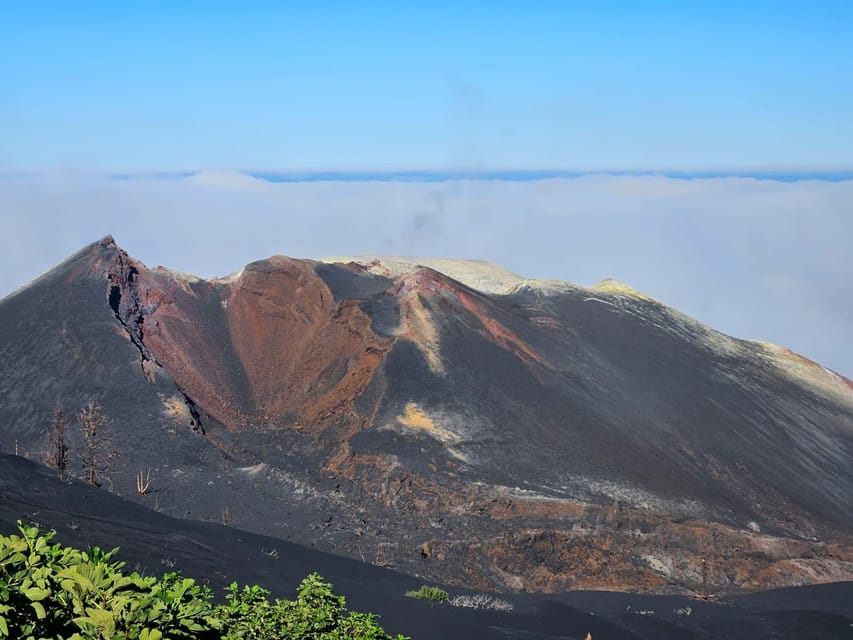
Until this trail opened, the crater could only be viewed from about 300 meters away. The new route changes the scale of the experience. Instead of stopping at one distant lookout, you walk around the volcanic formation and see it from several sides. Each angle gives you a different sense of the crater’s size and the force that reshaped the area.
The tour is called a 360º experience because the route gives you changing views as you cross from the north side toward the south. That is more useful than a grand title might suggest. A single viewpoint can flatten a volcano into a postcard image. Walking beside it helps you understand its form, its slopes, and how it sits among the surrounding terrain.
The price is $47 per person. For that fee, you get transport, hotel transfer, and a live guide, which makes the cost reasonable if you are staying in one of the covered pickup areas and do not want to arrange your own transport. The guide is not just there to lead the way. The strongest feedback centers on explanations about volcanology, the island’s volcanic past, and the 2021 eruption.
A few more volcano trips around La Palma worth a look
- La Palma: Tajogaite Volcano Guided Trek
★ 4.8 · 1,810 reviews - La Palma: Cueva de Las Palomas Volcanic Tube
★ 4.7 · 527 reviews - La Palma: Tajogaite Volcano Guided Hike
★ 4.8 · 275 reviews
From Llano del Jable onto black volcanic ground
The bus carries a La Palma Transfer & Tours sign, so watch for that when you meet your transport. Hotel pickup is included, which removes one of the annoying parts of visiting a restricted or recently altered volcanic area: working out exactly where to start.
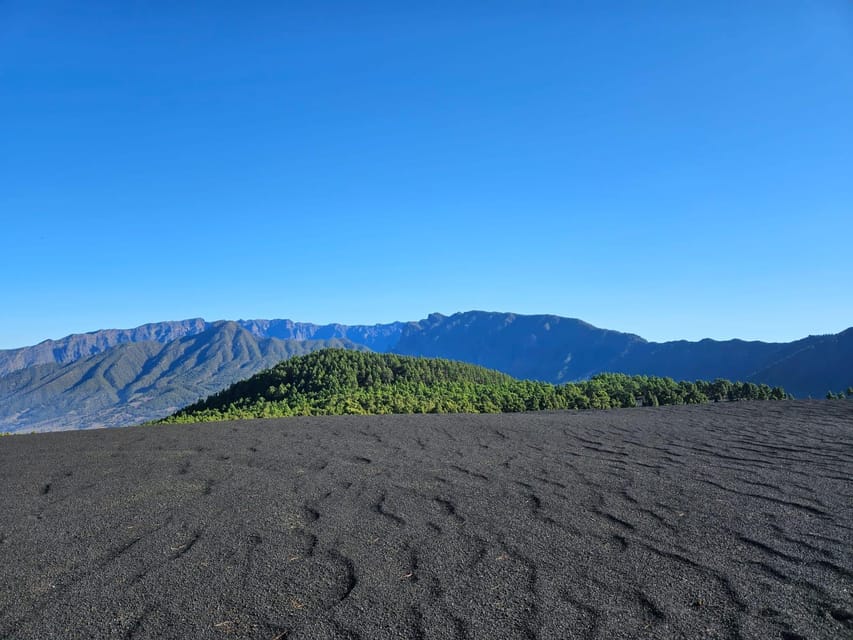
The walk begins at Llano del Jable. From there, you enter a trail made specifically to reach the permitted crater viewpoint. The surface includes ash and lapilli, the small, loose fragments of volcanic stone thrown out during an eruption. This is not a smooth promenade. Even when the route slopes downward, loose footing can make your legs work harder than the elevation figures suggest.
The official figures list about 20 meters of positive elevation gain and 630 meters of descent. A detailed account of the route describes it as roughly 95 percent downhill, which helps explain why the walk may feel manageable at first. Do not confuse downhill with easy. Descending on ash can put pressure on your knees, ankles, and feet, and you still need enough balance to handle shifting ground.
Wear hiking shoes with a firm sole. Trainers may be uncomfortable if ash gets inside, and sandals or flip-flops are not allowed. Closed-toe shoes are required. Hiking trousers or other comfortable clothes are a better choice than anything delicate or restrictive.
The new crater viewpoint and changing angles
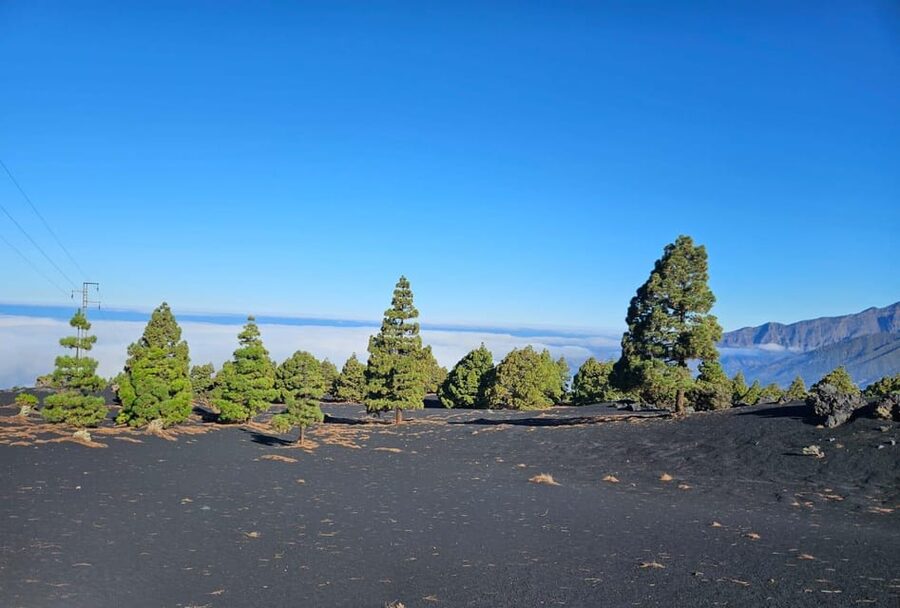
The central moment comes when the route brings you much closer to Tajogaite’s crater. The viewpoint was opened as part of this newer trail, inaugurated three years after the eruption. You can expect the crater to dominate the view, with the black and reddish volcanic material giving the scene a stark, unfinished appearance.
This is where the guide’s role matters most. A good explanation helps you read what you are seeing instead of treating the crater as a dramatic hole in the ground. The guide can point out the way the eruption altered the terrain and explain the controls still in place around the site.
The strongest guide praise has gone to Henry, who is described as friendly, vivid, and highly capable in German. Other tours have been conducted in English and Spanish, and one detailed account found the explanations in both languages useful. Language availability can vary by departure, so choose your preferred language when checking times.
Bring a charged smartphone or camera. The volcanic ground, crater, and broad views provide plenty to photograph, but the most useful images may be the ones that show scale. A person on the trail, a monitoring device, or a patch of returning vegetation can help you remember how large and raw this new volcanic area feels.
Monitoring equipment and the first signs of recovery
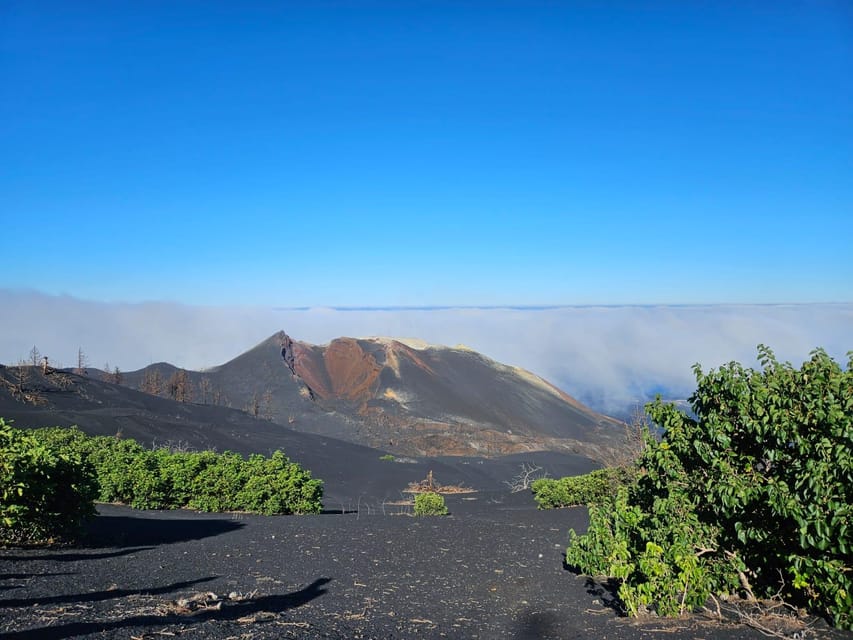
This walk is not only about scenery. Along the route, you see instruments used to control and measure the volcanic process. Their presence is a reminder that Tajogaite is not merely a finished event. It remains a subject of observation.
That detail gives the hike more substance. You are seeing a place where natural forces and careful scientific work meet. The instruments may look modest compared with the crater, but they show how the island continues to track changes in the volcanic area.
You also see fig and chestnut trees beginning to grow again at the edges of the volcano. Canary pines are returning as well. These details are easy to miss if you rush from one viewpoint to the next, so listen when the guide points them out.
I find this part especially valuable because it keeps the experience from becoming a disaster spectacle. The eruption caused major damage, particularly around Las Manchas, but the walk also shows recovery. Against the black ash, a returning tree becomes a powerful marker of time.
Same trip, a different kind of day out:
- Tajogaite Volcano: the official route with a certified local guide
★ 5.0 · 231 reviews - La Palma: Guided Tour to Tajogaite Volcano with Transfer
★ 4.8 · 177 reviews - La Palma: San Antonio and Teneguia Volcanos Tour by 4×4 Bus
★ 4.8 · 120 reviews - La Palma: Volcano Route Buggy Tour (Price Per Vehicle) 2 PAX
★ 4.7 · 115 reviews
The descent toward Las Manchas
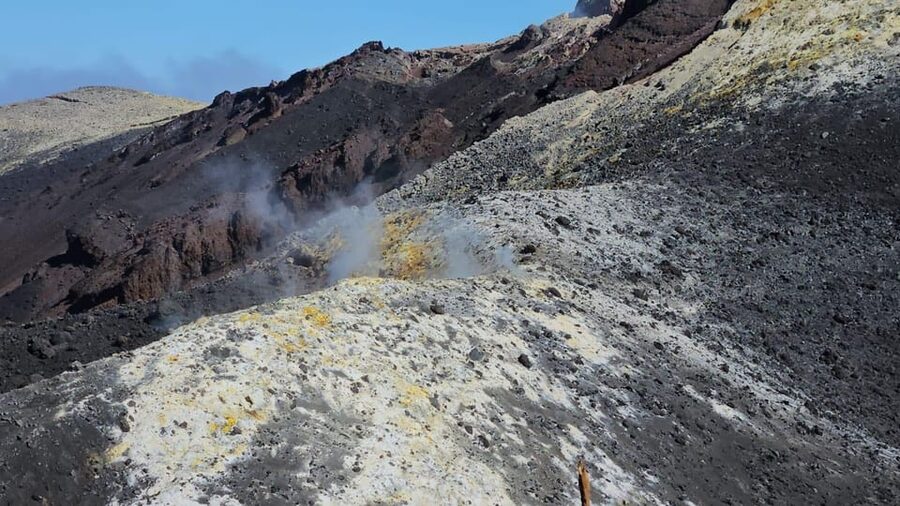
The final section leads to Las Manchas, the place where the volcano was born and one of the communities most affected by the September 2021 eruption. Ending here gives the route an important human and geographic context. You are not just circling a volcanic cone in an empty wilderness. You are moving toward an area directly connected with the eruption’s effects.
The route’s downhill character may make the final stretch easier for some people, but your feet and knees may feel the distance by this point. The total distance is listed as 6.6 kilometers on the outward route, with the full activity lasting about three hours. Another practical note gives the hike as approximately three and a half hours when transfers and timing are considered, so keep a little extra space in your day.
One unusual restriction deserves attention: food is not allowed in the vehicle, and a detailed account of the tour also warns that there is no opportunity to stop for eating or personal bathroom breaks during the walk. Plan ahead before departure. This is a small point, but it can matter more than the postcard views if you are not prepared.
How the guide changes the experience
The guide is one of the strongest reasons to choose this organized tour instead of simply looking for a viewpoint on your own. Tajogaite is visually striking, but the meaning of the place is not always obvious from the trail.
Several guides have been praised for explaining the history of volcanism on La Palma in a clear and engaging way. Henry, in particular, is described as enthusiastic and easy to understand. Strong German-language guiding has also been noted. Tours are offered in English, German, and Spanish, although some material may appear in its original language.
The best approach is to stay near the guide when explanations begin. On a volcanic route, the interesting details may concern the ash beneath your shoes, the plants returning at the edge, or the purpose of a small monitoring instrument. If you walk far ahead, you may miss the parts that turn a hike into a useful lesson.
The high rating of 4.9 from 287 ratings supports the impression that the guiding is consistently well received. Still, the experience depends partly on your own expectations. If you want a fast photo stop with no walking, this is the wrong choice. If you want the geology and recent eruption explained while you walk, the guide adds real value.
Transport, timing, and group comfort
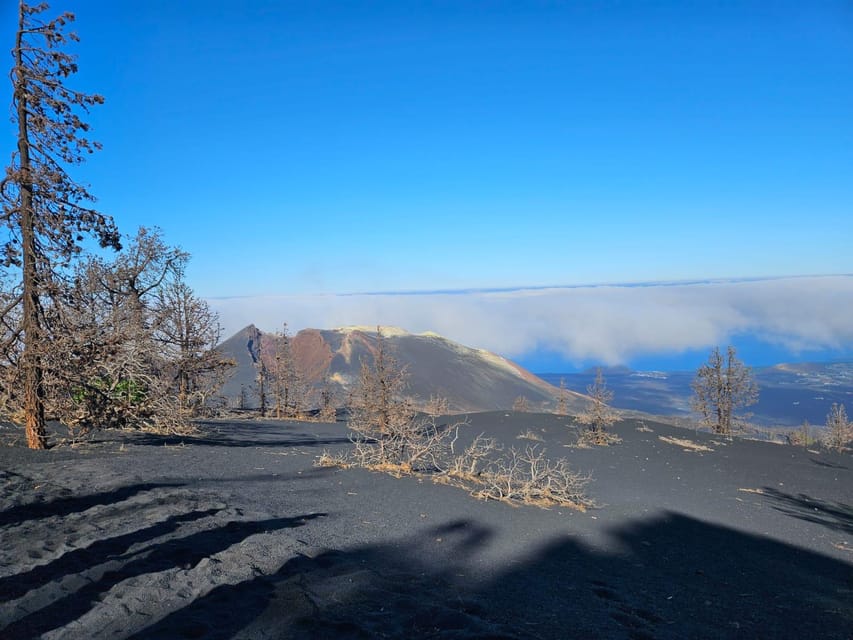
Hotel transfer is included, and the bus carries the La Palma Transfer & Tours sign. That is helpful for anyone without a rental car or anyone who prefers not to navigate roads near a newly altered volcanic zone.
One account describes a minibus group of 13 people. Group size can vary, but that gives you a useful idea of the scale you might encounter. A smaller vehicle can make the transfer feel more personal and can help the guide speak with the group, though it also means less space for bulky belongings.
Oversize luggage is not allowed. Leave large bags at your accommodation and bring only what you need for the hike. Food is not allowed in the vehicle, smoking and vaping are forbidden, and alcohol is not permitted. These rules are strict, so do not treat the transfer like a picnic ride.
The tour lasts three hours according to the main schedule, while the practical guidance allows about three and a half hours for the hike and transfer arrangement. Check the available start time and avoid booking another fixed activity immediately afterward. A little breathing room is wise on La Palma.
Who should choose this hike?
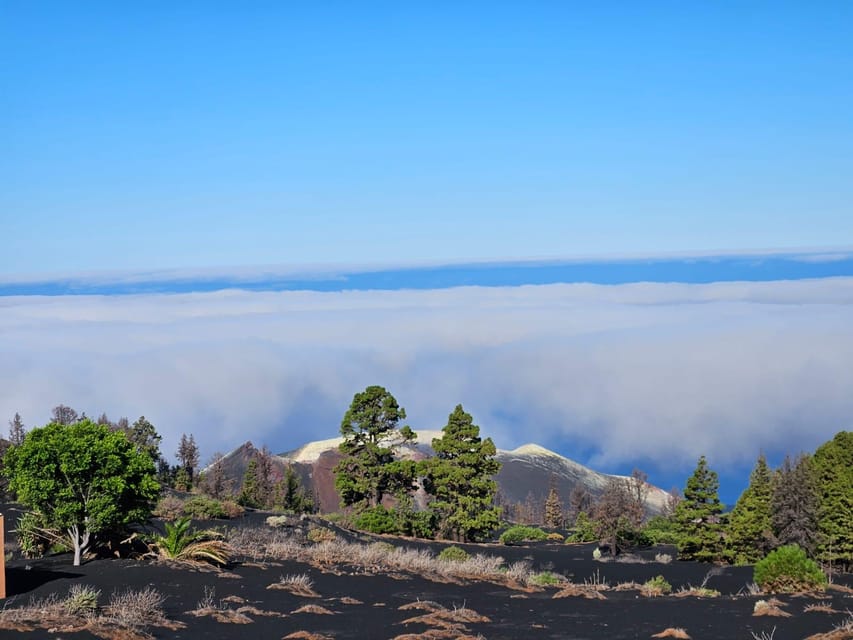
This experience suits you if you enjoy walking, want a close look at a very new volcano, and appreciate a guide who explains what you are seeing. It is also a strong choice if hotel pickup matters or if you do not want to organize transport and route planning yourself.
It is not suitable for children under 10, pregnant women, people with heart, respiratory, back, or mobility problems, or anyone with a low level of fitness. The restrictions also include people with epilepsy, high blood pressure, recent surgery, motion sickness, or a body weight over 100 kilograms. Wheelchair users, people using crutches, and anyone requiring a non-folding wheelchair or stroller cannot join.
The route is not described as an extreme expedition, and the modest uphill figure may look reassuring. The loose ash, long descent, and need for steady footing still demand care. If you are unsure about your fitness, do not rely only on the word downhill. A descent can be tiring, particularly on unstable volcanic ground.
Bring a hat, jacket, comfortable clothes, hiking trousers, hiking shoes, closed-toe footwear, a camera, and a charged smartphone. Weather can change on exposed volcanic ground, so the jacket is more than a packing afterthought.
Is $47 good value?
At $47, the tour offers solid value for a guided volcanic walk with hotel transfer. You are paying for access to a newly opened trail, transport, and an authorized guide who can explain both the eruption and the island’s wider volcanic setting.
The value is strongest if you would otherwise need to hire a car, arrange a route, and find the correct meeting point yourself. It is also useful for visitors who want the security of entering the area with an authorized guide.
The price does not include food, and you should not expect a leisurely stop for snacks during the walk. That is not a major cost issue, but it affects planning. Eat before pickup and follow the rules about food in the vehicle.
Free cancellation up to 24 hours before the activity gives you some flexibility, and you can reserve now and pay later. Those policies are helpful if weather or your wider La Palma schedule is still unsettled.
My verdict on the Tajogaite 360º tour
Book this tour if you want to see Tajogaite close up, understand how the 2021 eruption changed La Palma, and walk a route that shows both destruction and early recovery. The new crater viewpoint, the monitoring equipment, the returning trees, and the finish at Las Manchas give the experience more depth than a quick lookout visit.
Skip it if you need an easy, short walk, dislike loose volcanic ground, or have any of the listed health and mobility concerns. Also skip it if you want to eat during the excursion or carry a large bag.
For a fit visitor who values clear guiding and practical transport, this is a strong $47 experience. Take proper shoes, allow up to three and a half hours, and come ready for a serious walk with an extraordinary subject.
FAQ
How long does the Tajogaite volcano tour last?
The activity is advertised as lasting three hours. Practical guidance describes the hike and transfer arrangement as approximately three and a half hours, so allow extra time in your schedule.
How far is the walking route?
The route covers about 6.6 kilometers on the outward route.
Where does the hike begin and end?
The walk starts at Llano del Jable and ends in Las Manchas.
How much uphill and downhill walking is involved?
The route has about 20 meters of positive elevation gain and 630 meters of negative elevation change. It is mainly downhill.
Which languages are available?
Live guiding is available in English, German, and Spanish. Some content may be provided in its original language.
What should I bring?
Bring comfortable hiking shoes, closed-toe footwear, a hat, a jacket, comfortable clothes, hiking trousers, a camera, and a charged smartphone.
Can I cancel the booking if my plans change?
Yes. You can cancel up to 24 hours in advance for a full refund. You can also reserve the activity and pay later.
Just added around La Palma
- Full Day Tour with Hiking to the Tajogaite Volcano★ 5.0 · 2 reviews
- Lanzarote Volcano Half Day Tour with BBQ★ 5.0 · 2 reviews
- Hiking Route Visit to the New Volcano of La Palma★ 4.5 · 35 reviews
- Cumbrecita Route and Volcanoes (Price per vehicle not per person)★ 5.0 · 15 reviews
- Tajogaite Volcano VIP Experience: Private Tour with a Certified Guide★ 5.0 · 8 reviews
- La Palma Tour: Santa Cruz, Cumbrecita and Volcanic Landscape★ 3.5 · 74 reviews
- La Palma: Guided trekking tour to volcanoes south★ 4.9 · 44 reviews
- La Palma: San Antonio and Teneguia Volcanos Tour by 4×4 Bus★ 4.8 · 120 reviews
La Palma Volcano Tours, compared.
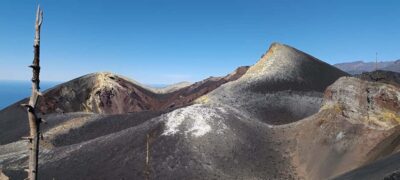
Tajogaite Volcano: the official route with a certified local guide
Our review of it →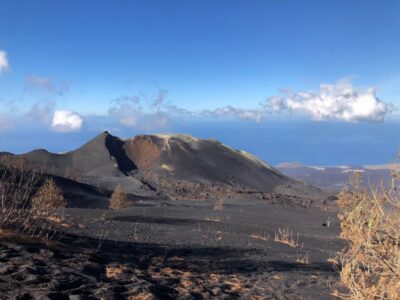
Guided Tour to Tajogaite Volcano with Transfer
Our review of it →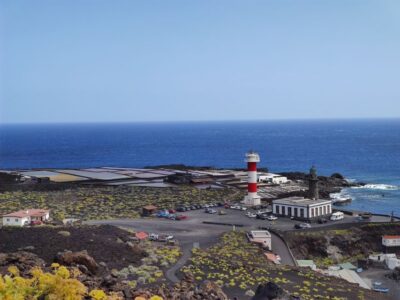
San Antonio and Teneguia Volcanos Tour by 4×4 Bus
Our review of it →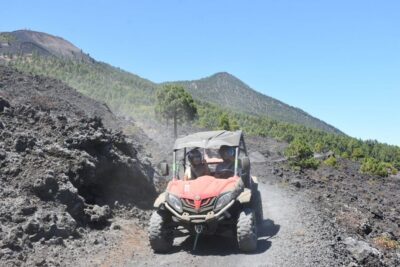
Volcano Route Buggy Tour (Price Per Vehicle) 2 PAX
Our review of it →
La Palma Tour: Santa Cruz, Cumbrecita and Volcanic Landscape
Our review of it →Browse the lists this tour appears in