
REVIEW · LA PALMA
La Palma: San Antonio and Teneguia Volcanos Tour by 4×4 Bus
Volcanic La Palma rewards a closer look. This full-day tour combines the southern volcanoes of San Antonio and Teneguía with the newer Tajogaite eruption site, traditional salt works, lava fields, and viewpoints that can be awkward to reach in a normal rental car. I especially like the mix of famous sights and rougher side roads, plus the clear focus on how eruptions keep changing the island.
The tour also gives you a practical way to see a large part of La Palma in eight hours, with hotel pickup, a guide, and transport included. The main caution is the vehicle itself: the 4×4 bus has been described as old, with a very firm suspension and weak air conditioning toward the back. If comfort matters more than access, that is worth weighing before you book.
Key points to know before booking
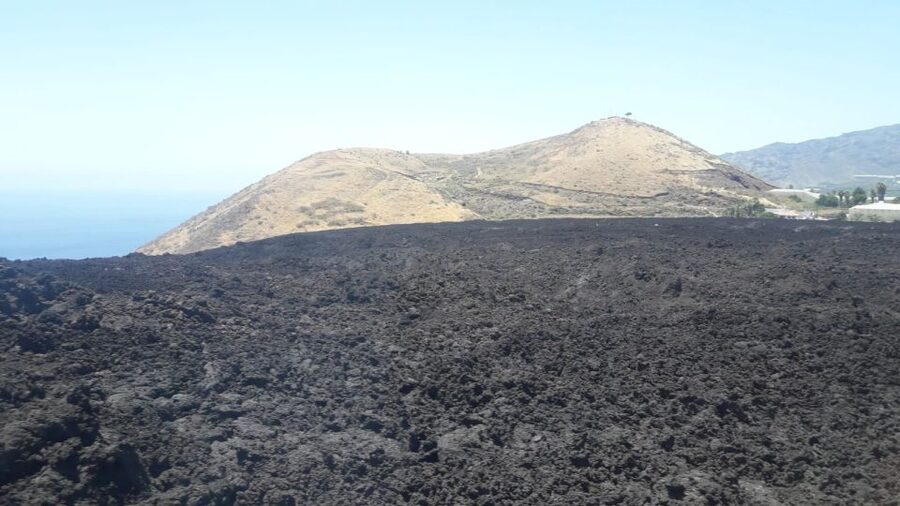
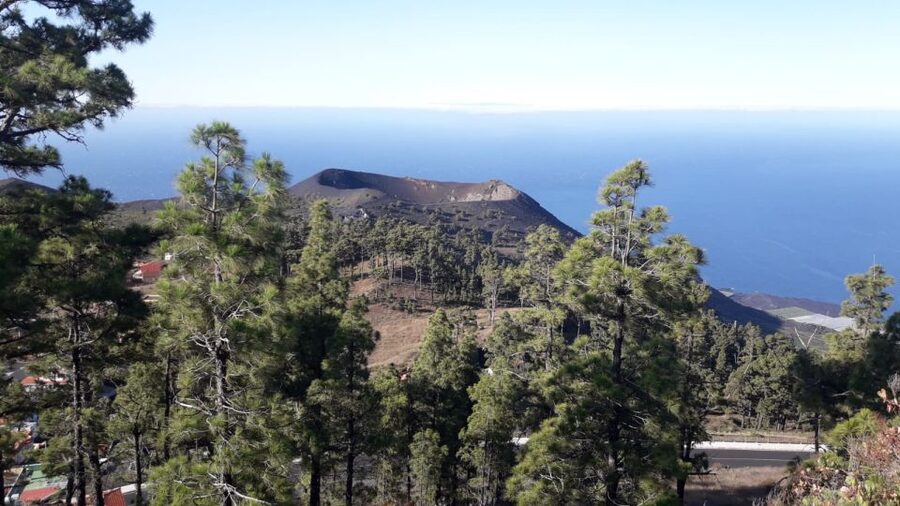
- San Antonio and Teneguía form the volcanic core of the southern route, with Fuencaliente providing the setting and local context.
- Tajogaite is the tour’s most recent volcanic chapter, showing how lava created a new portion of the island.
- The 4×4 bus reaches difficult side roads that may not suit a standard rental car, but the ride can be bumpy.
- Fuencaliente’s lighthouse and salt mines offer a welcome change of pace, with traditional salt production still taking place.
- La Cumbrecita provides a final mountain view toward La Caldera de Taburiente National Park.
- The $68 price includes hotel pickup, transport, and a guide, but food and drinks are extra.
Why this eight-hour volcanic tour works
La Palma is often called La Isla Bonita, and the southern route shows why. You move from dark volcanic ground to ocean views, salt pans, young lava, and high mountain scenery in one day. This is not a tour built around a single viewpoint. It is a moving lesson in how the island was formed and how it continues to change.
I like that the day includes both older volcanic sites and the very recent Tajogaite eruption. San Antonio and Teneguía help you understand the island’s past, while Tajogaite makes the subject immediate. You are not only looking at a volcano cone from a distance. You are seeing where lava changed roads, coastlines, and access between parts of the Aridane Valley.
The tour runs for eight hours, so it is a serious day out rather than a quick excursion. That length is useful because the south of La Palma is spread across several areas, and the route reaches both coastal and upland viewpoints. It also means you should plan for a full morning and afternoon, with no food or drinks supplied.
Pickup is available from your chosen location, with the listed pickup time at 9:00 AM. Starting from your accommodation saves you the trouble of finding a meeting point, especially if you are unfamiliar with the island’s roads.
More Volcano Jeep and 4x4 Tours in Spain
- La Palma: Volcano Route Buggy Tour (Price Per Vehicle) 2 PAX
★ 4.7 · 115 reviews - Lanzarote: Guided Off-Road Volcano Buggy Tour
★ 4.7 · 4,385 reviews - Tenerife: Quad Adventure Tour in Teide National Park
★ 4.7 · 1,492 reviews
Fuencaliente and the southern volcanoes
The route heads to Fuencaliente, a municipality closely linked with volcanic activity. Here, the story is not presented as something finished and sealed away. The eruptions have shaped the ground, changed travel routes, and affected what you see at the coast.
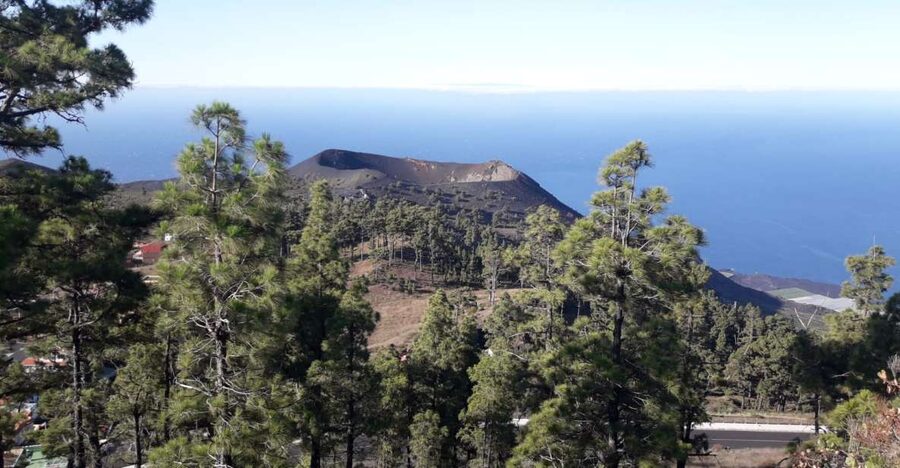
San Antonio and Teneguía are the key volcanic stops. Their cones and surrounding formations let you see different marks left by eruptions in the south. The guide provides information in English, Spanish, or German, so you can expect interpretation of the formations rather than a simple series of photo stops.
I value this part of the day because it puts the scenery into context. Black volcanic ground can look stark and almost empty, but the guide helps explain why the terrain looks the way it does. You get more from the views when you understand that the ridges, cones, and lava surfaces are the result of separate volcanic events.
The exact amount of walking is not specified, so do not assume this is a long hiking excursion. It is primarily a vehicle-based tour with stops along the way. You should still expect to get out for views and photographs, and practical shoes are sensible for volcanic terrain.
The lighthouse and Fuencaliente salt mines
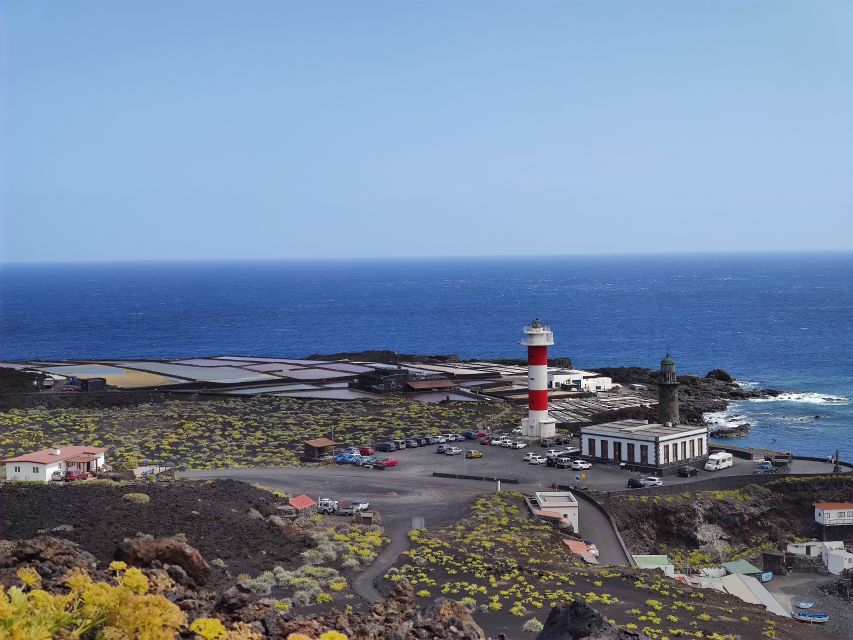
One of the prettiest sections comes at the coast, where the lighthouse sits beside the salt mines. The contrast is strong: dark volcanic ground, bright salt pans, open sea, and the clean lines of the lighthouse create one of the most memorable views of the day.
The salt works are still produced in a traditional way. They are described as the last salt complex in the Canary Islands and the only one on La Palma, which gives this stop more importance than a routine coastal photograph. You can see a local working tradition that depends on the sun, seawater, and carefully managed salt pans.
I like this pause because it broadens the tour beyond volcanoes. La Palma’s south is not only about dramatic eruptions. People have also adapted the volcanic coast for useful work, and the salt mines show that connection clearly.
This is also a good point to remember that the day is not organized around restaurants or long meal breaks. Food and drinks are not included, and the schedule covers several distant stops. Bring what you need for the day, using the tour’s pickup and timing details as your guide. The available information does not specify food stops, so do not count on buying lunch as part of the plan.
Tajogaite, the new volcano at Las Manchas
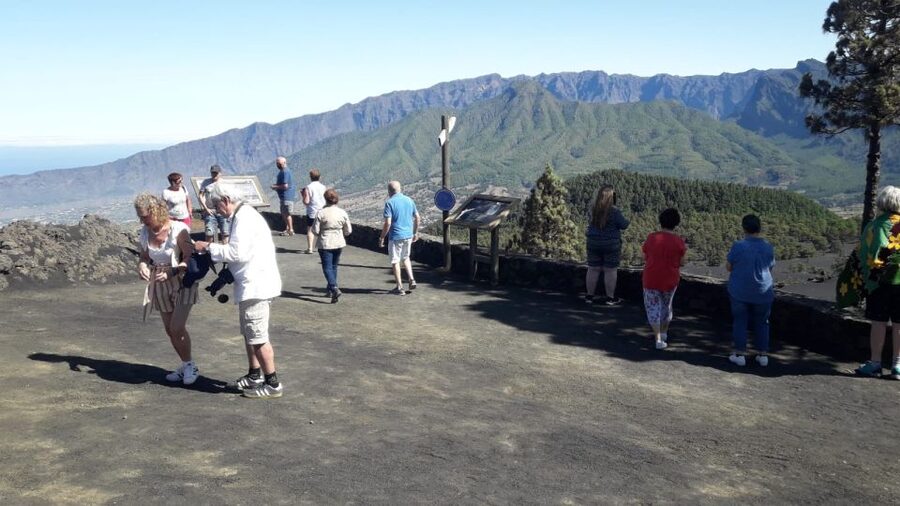
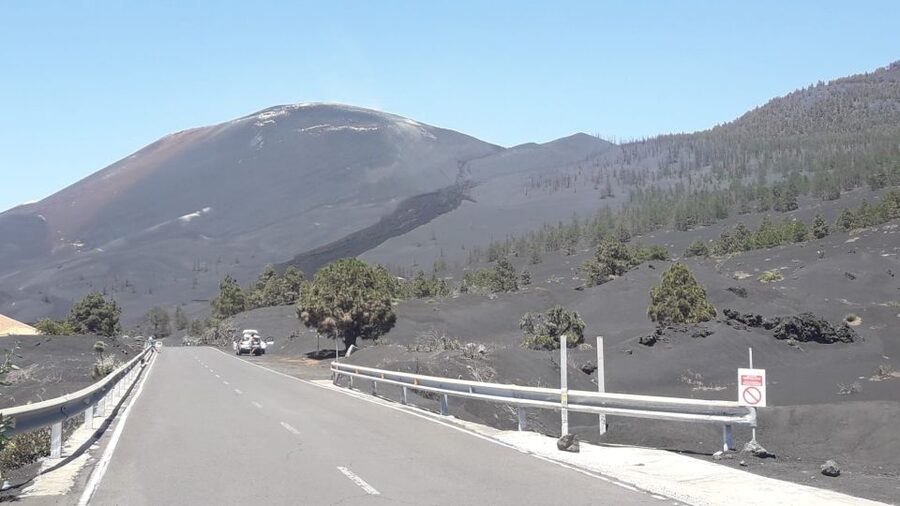
The most striking modern stop is Las Manchas, where Tajogaite was born. The size of the volcanic edifice helps you grasp the scale of the eruption better than a photograph can. You see a new volcanic form rising from ground that was once familiar to local residents.
Tajogaite has changed more than the view. The lava flows reshaped the route through the area and created new ground when they reached the sea. This makes the stop especially valuable if you want to understand volcanic change as a living process rather than an old geological tale.
I appreciate the way this tour links the volcano with the people who now move through the altered area. The eruption did not simply add a cone. It changed roads and the shape of the coast, and the tour shows those results from several angles.
The 4×4 bus matters most here and on the connecting roads. Some routes are difficult to access in a standard rental car, and the vehicle allows the group to reach places you might otherwise skip. That is a real part of the $68 value. You are paying not only for transport, but also for access to roads you may not want to handle yourself.
The tradeoff is comfort. One recent assessment described the bus as very old, with poor suspension and insufficient air conditioning for the rear rows. The rough ride may be part of reaching these roads, but it is still worth knowing if you are sensitive to bumps or heat. Sitting near the front may be preferable if seating is flexible, although no seating arrangement is specified.
More Volcano Jeep and 4x4 Tours in La Palma:
- Mount Etna: Trek to 3000m with cable car and 4×4
★ 4.6 · 3,823 reviews - Catania: Sunset Jeep Tour of Mount Etna and Lava Flow Caves
★ 4.8 · 2,113 reviews - Mount Etna: Roundtrip Cable Car and 4×4 Bus Ticket
★ 4.3 · 1,602 reviews - Ice Cave by Katla Volcano Super Jeep Tour from Vik
★ 4.5 · 1,100 reviews
Mirador de Las Hoyas and the lava delta
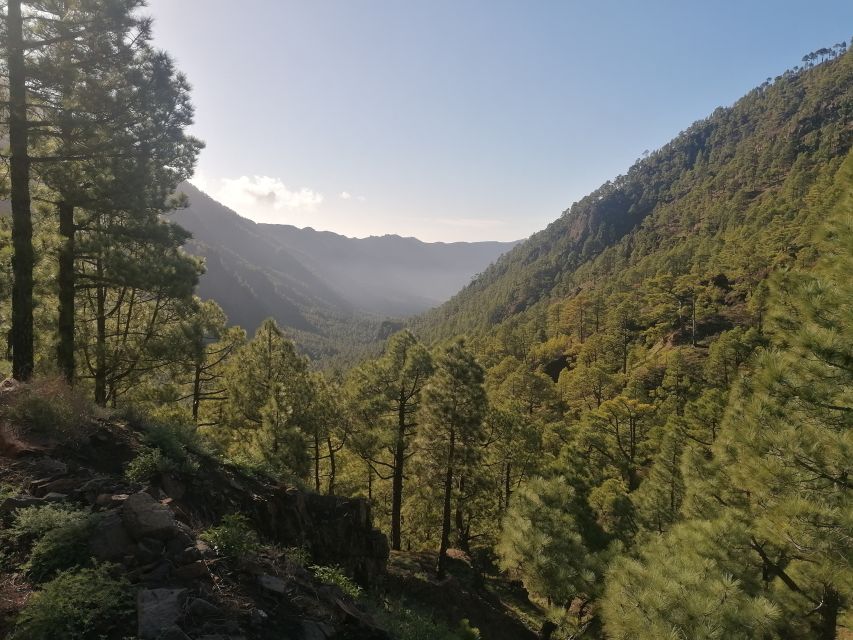
At the Mirador de Las Hoyas, you look toward the new extension created when lava reached the sea. This area is known as the lava delta, and it gives you a direct view of how an eruption can add land to an island.
This is one of the tour’s best educational moments. From a viewpoint, the lava delta turns a complicated geological process into something easy to see: molten rock traveled downhill, met the ocean, cooled, and formed new ground along the coast. The view also shows why the Tajogaite eruption remains such an important part of La Palma’s present-day identity.
The stop should suit photographers and anyone who enjoys seeing large-scale changes from a clear lookout. It is also a useful counterpoint to the inland volcanic cones. At San Antonio and Teneguía, you focus on eruption centers. At Las Hoyas, you see the effect of lava after it leaves the volcano.
Because the day includes several viewpoints, you get repeated chances to compare the island from different heights and directions. The experience is more varied than a single volcano visit, although the number of stops means individual visits may be paced rather than leisurely.
The new road through the Aridane Valley
The bus travels across a new access route connecting the northern and southern parts of the Aridane Valley. This road is a practical result of the eruption, not merely a scenic detour.
That detail adds useful human context to the tour. Volcanic activity has forced changes in how people move through the valley, and the new access shows how roads are rebuilt or redirected after major eruptions. You see the island responding to the eruption in real time.
This section also highlights why a guided vehicle tour can make sense on La Palma. You do not need to focus on navigation, road conditions, or finding every viewpoint yourself. The driver handles the route while the guide explains what you are seeing.
At the same time, the day can feel long if you prefer to set your own pace. You follow a planned route and group schedule, so you cannot linger indefinitely at one volcanic view. I would choose this tour for coverage and explanation, not for a slow, private morning at one site.
La Cumbrecita and views toward La Caldera de Taburiente
The route finishes with spectacular views from La Cumbrecita toward La Caldera de Taburiente National Park. This changes the mood again. After the dark cones, coastal salt works, fresh lava, and new roads, you end among the high mountain scenery of the island.
La Cumbrecita helps you see La Palma as more than a volcanic coast. The island’s interior has its own scale and drama, and the viewpoint gives you a broader sense of the terrain shaped by volcanic forces over time.
I like the order of the day because the sights build from the southern volcanoes to the newest eruption and then to a wide mountain view. It gives you several ways to read the island: as a place of eruptions, as a working coast, as a changing home, and as a national park setting.
The route includes many photo opportunities, but you should not expect every stop to have facilities. One person specifically noted that toilets were not available at many stops, with limited chances to find one nearby. Use facilities when they are available and keep this in mind when judging the day’s comfort.
The guide, vehicle, and languages
The guide is an important part of this experience. The tour is available in English, Spanish, and German, and the information provided indicates a live guide rather than an audio recording. A strong guide can connect the volcanoes, roads, salt mines, and lava delta into one clear story.
The driving also received strong praise, including comments about a safe driver and good viewpoints. That matters on a route that includes difficult side roads. You get the advantage of local driving rather than trying to manage unfamiliar volcanic roads yourself.
Still, the transport is not luxury touring. The bus has been described as old, with a hard ride and uneven air conditioning. The back rows may be warmer, and the suspension can make rough sections tiring. I would treat the vehicle as a sturdy access tool, not as a plush sightseeing coach.
This is a sensible choice for you if reaching remote volcanic areas matters more than having a smooth ride. If you want a quiet, comfortable vehicle with lots of legroom and controlled temperature, the bus may disappoint.
Is $68 good value?
At $68 per person, the tour offers solid value if you plan to see several parts of southern La Palma in one day. The price includes hotel pickup and drop-off, transport during the activity, and a guide. You are also paying for the driver, the planned route, and access to roads that may be difficult in a rental car.
A self-drive day could offer more freedom, but it would require your own car, fuel, navigation, and research. You might also decide against certain rougher roads or miss viewpoints that are not easy to locate. The tour removes much of that work.
The price is less attractive if you already have a rental car and prefer to spend a long time at each stop. Food and drinks cost extra, and the vehicle’s comfort is a real compromise. The value comes from coverage, access, and explanation rather than luxury.
Free cancellation up to 24 hours before the start and reserve-now, pay-later booking make it easier to fit the tour into a changing island schedule. Check the available start times when booking, since the advertised pickup is 9:00 AM but availability can vary.
Who should book this La Palma tour?
I would recommend it to you if you want a full introduction to La Palma’s volcanic south without planning a complex driving route. It suits photographers, geology fans, first-time visitors, and anyone curious about how Tajogaite altered the coast and valley.
It is also useful if you want a guide who can explain the difference between older volcanic sites and a very recent eruption. The mix of San Antonio, Teneguía, Tajogaite, the salt mines, the lava delta, and La Cumbrecita gives you a broad picture of the island in one day.
I would think twice if you need a soft ride, reliable air conditioning, frequent toilets, or a slow private schedule. The bus can be uncomfortable, especially in the rear, and several stops may not have nearby facilities.
FAQ
How long does the tour last?
The tour lasts eight hours.
What time is pickup?
The optional pickup time is listed as 9:00 AM. Available starting times should be checked when booking.
What does the tour price include?
The $68 price includes hotel pickup and drop-off, transportation during the activity, and a guide.
Are food and drinks included?
No. Food and drinks are not included.
Which languages are available?
The live guide is available in English, Spanish, and German.
Which volcanoes does the tour visit?
The route includes the San Antonio and Teneguía volcanoes. It also visits the area of the newer Tajogaite volcano.
Does the tour visit the salt mines?
Yes. The route includes the lighthouse and salt mines at Fuencaliente, where salt is still produced traditionally.
Can I cancel for a full refund?
You can cancel up to 24 hours in advance for a full refund.
Should you book it?
Book this tour if you want access and context more than comfort. For $68, you get a full day across La Palma’s volcanic south, including the older southern cones, the Tajogaite eruption site, the lava delta, the salt mines, and La Cumbrecita. The route would be hard to duplicate neatly without your own transport and careful planning.
Skip it if a rough 4×4 ride, limited toilets, and extra food costs would spoil your day. For most curious visitors, though, the mix of volcanic change, coastal work, mountain views, and a capable guide makes this a strong way to understand the island in one long, memorable outing.
Just added around La Palma
- Full Day Tour with Hiking to the Tajogaite Volcano★ 5.0 · 2 reviews
- Lanzarote Volcano Half Day Tour with BBQ★ 5.0 · 2 reviews
- Hiking Route Visit to the New Volcano of La Palma★ 4.5 · 35 reviews
- Cumbrecita Route and Volcanoes (Price per vehicle not per person)★ 5.0 · 15 reviews
- Tajogaite Volcano VIP Experience: Private Tour with a Certified Guide★ 5.0 · 8 reviews
- La Palma Tour: Santa Cruz, Cumbrecita and Volcanic Landscape★ 3.5 · 74 reviews
- La Palma: Guided trekking tour to volcanoes south★ 4.9 · 44 reviews
- La Palma: Volcano Route Buggy Tour (Price Per Vehicle) 2 PAX★ 4.7 · 115 reviews
Volcano Jeep & 4x4 Tours, compared.
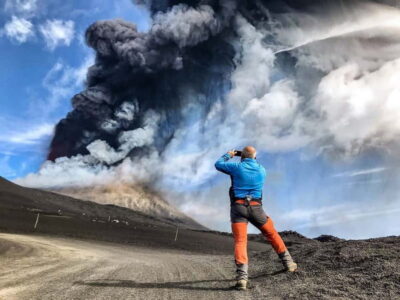
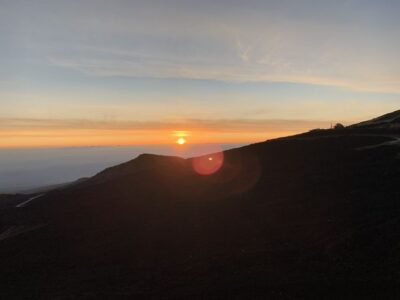
Sunset Jeep Tour of Mount Etna and Lava Flow Caves
Our review of it →
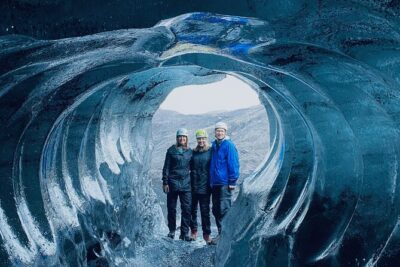
Ice Cave by Katla Volcano Super Jeep Tour from Vik
Our review of it →
From Playa de las Américas: Full-Day Teide Jeep Safari
Our review of it →
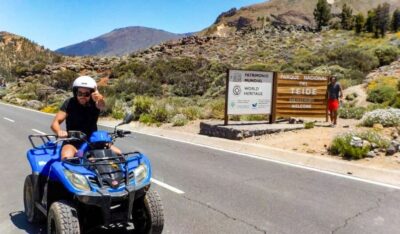
Teide Quad Trip (day/sunset) with jet ski option
Our review of it →Browse the lists this tour appears in