
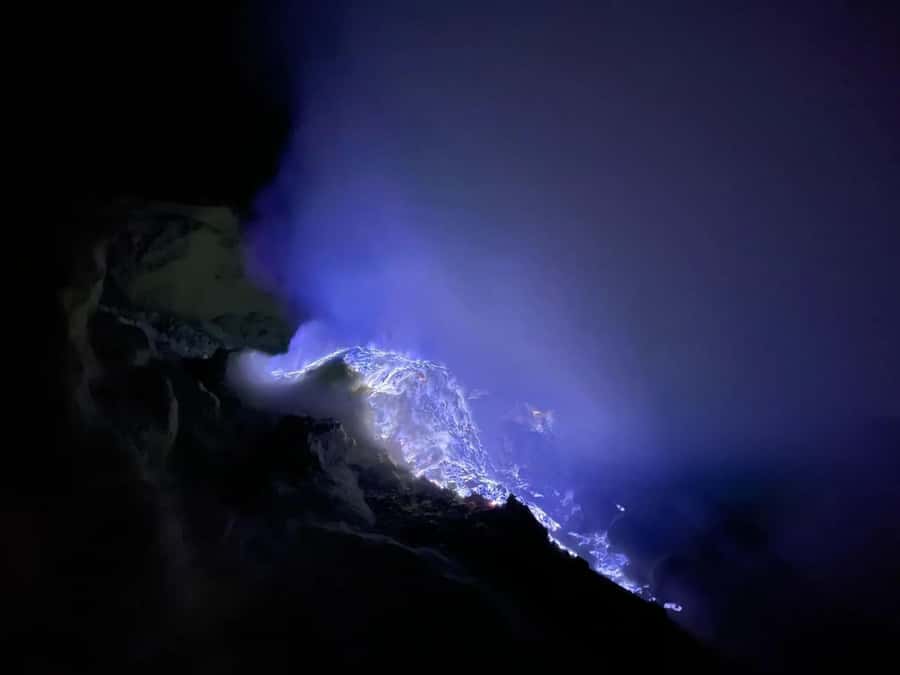
REVIEW · BANYUWANGI
Ijen Crater Blue Fire Night Hike
Blue fire rewards those willing to lose some sleep. I like the rare nighttime spectacle and the chance to see Ijen’s turquoise acidic lake at sunrise, while guides such as Qim Qim, Sule, and Ron Ron earn repeated praise for keeping the mood light and the pace safe. The main drawback is clear: the hike is moderately hard, and slippery ground or volcanic conditions can prevent you from reaching the blue flames.
The $35 price is strong value because it includes transport, park entry, a guide, headlamp, gas mask, health certificate, and the hike itself. I also like the small groups, limited to eight people, but the 9 to 20 hour duration can involve a very long night, especially if you start in Bali or return there afterward.
Key points to know before you go
- The blue fire appears only in darkness: You need to reach the crater before daylight, and access can change when rocks are wet or slippery.
- Sunrise adds a second major reward: After the night hike, you see Ijen’s huge acidic lake from the crater rim.
- Guides make a real difference: Qim Qim, Sule, Ron Ron, Wahyu, Kiki, and Bagus are praised for safety, humor, encouragement, and strong organization.
- The hike is not a casual walk: Comfortable shoes, hiking shoes, warm layers, water, rain gear, and a fair level of fitness matter.
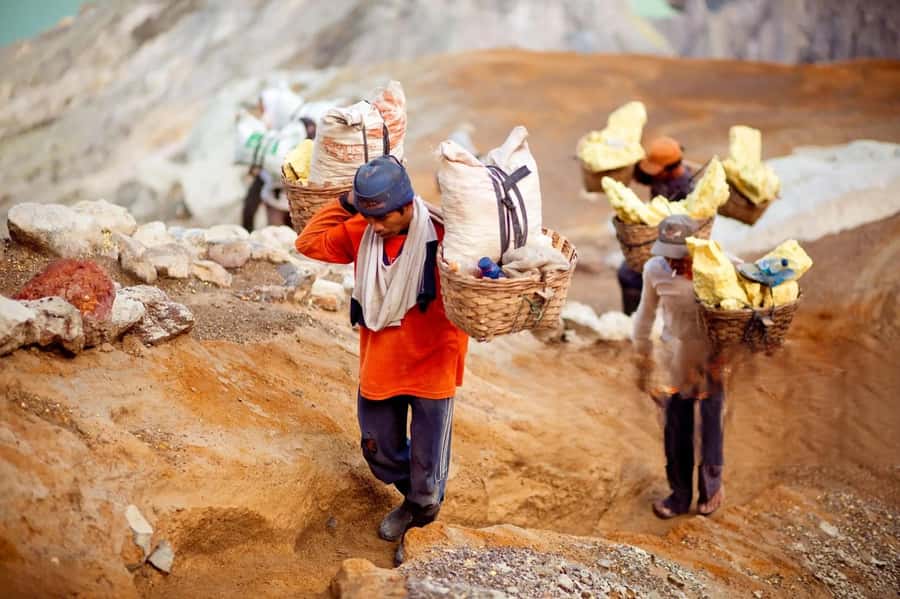
- You see hard volcanic work up close: Sulfur miners carry bright yellow sulfur from the crater, adding a serious human side to the scenery.
- Early timing helps: Groups that reached the trail and crater ahead of the main crowd had better chances for a clear view and less congestion.
Why Ijen Crater is worth the sleepless night
Ijen is one of those places where the timing shapes the whole experience. You are not simply walking to a viewpoint in daylight. You leave late, climb under the stars, reach the crater in darkness, and watch the mountain change as morning arrives.
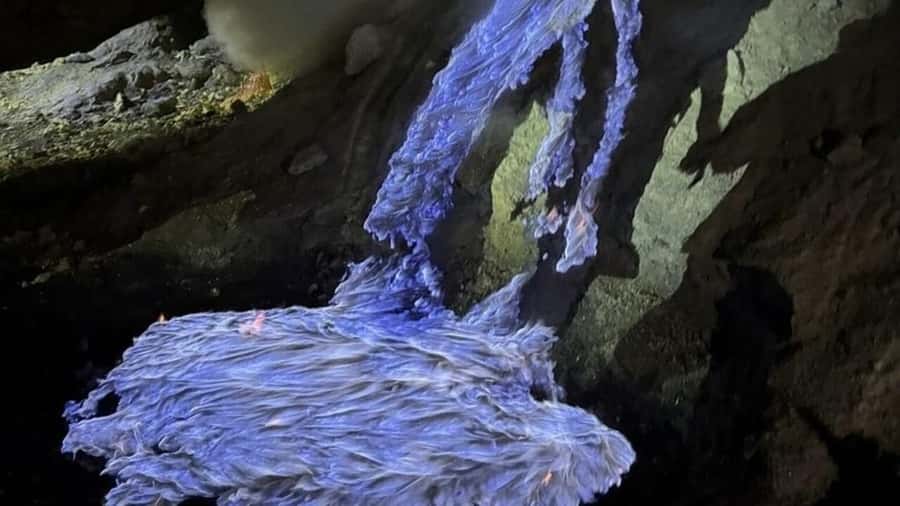
The blue fire is the headline attraction. It comes from burning sulfur gases and can be seen only at night. The effect is strange and beautiful, with electric blue flames glowing against black volcanic rock. It is also a natural event, not a stage show. You may see it clearly, or you may need to stop short if the route is too slippery or conditions are unsafe.
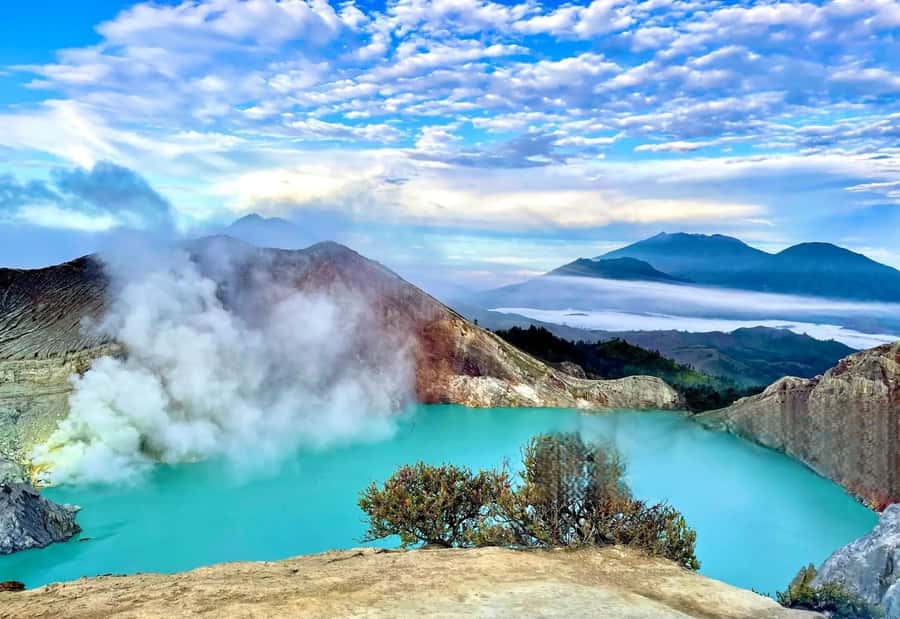
Then comes the sunrise. As the darkness fades, Ijen’s acidic crater lake appears below the rim in green and turquoise tones. The same place that felt mysterious and hazardous at night becomes broad and quiet in the first light. That contrast is one of the strongest reasons to choose the overnight schedule.
Ijen also gives you a close view of the sulfur miners who work in this difficult setting. You can see the bright yellow sulfur and the demanding labor connected with it. The experience is not just pretty scenery. It shows the harsh side of life around an active volcanic area, and it is worth approaching that part with respect rather than treating it as a photo prop.
More Volcano Hikes and Treks in Indonesia
- Mount Batur Sunrise Trekking Private All Inclusive
★ 5.0 · 906 reviews - 2D1N Senaru Crater Rim Trekking
★ 5.0 · 178 reviews - From Bali: Ijen Volcano Sunrise Hike with Transfer & All Fee
★ 4.8 · 139 reviews
Starting at Lapangan Paltuding before the climb
The activity begins at Lapangan Paltuding, the starting area for the walk to Ijen Crater. Here, you receive a safety briefing of about 15 minutes before setting out.
That briefing matters. You will be walking in darkness, carrying water and warm clothing, and using a headlamp. Near the crater, volcanic gases and uneven ground make it important to follow the guide closely. A gas mask is provided, but it is still sensible to listen carefully and avoid wandering away from the group.
The start time varies because the whole activity can last from 9 to 20 hours. A departure from Banyuwangi or nearby areas will be shorter than a pickup from Bali, Ubud, or Denpasar City. Ask for the exact schedule before booking so you understand how much time will be spent in the vehicle.
Pickups are available in Licin, Bali, Denpasar City, Kalipuro, Ubud, and Banyuwangi. You are asked to wait in your hotel lobby 10 minutes before the scheduled pickup. That is good advice. A late start can mean arriving behind the main groups, and the aim is to reach the crater in darkness.
The night hike to Ijen Crater
The climb is described as moderately challenging, which is a fair warning. You need a reasonable level of fitness, and the combination of darkness, uneven volcanic ground, cold air, and several hours on the move can make the route feel harder than the distance suggests.
You should wear proper hiking shoes rather than casual sneakers. Bring a warm jacket, water, rain gear, and comfortable clothing that allows you to move easily. The highland temperature can feel cold before sunrise, even if your starting point was warm.
A headlamp is included, which is useful for seeing the trail and keeping your hands free. The guide sets the pace and helps the group stay together. The strongest praise for this activity goes to the guide team, especially Qim Qim, who is repeatedly described as funny, encouraging, organized, and attentive to safety.
That personality matters on a night climb. A guide who explains what is happening, checks on slower walkers, and keeps the group calm can turn a difficult uphill walk into a manageable one. Michelle from the United Kingdom said Qim Qim helped her every step of the way and even carried a kettle for hot tea at the top. That detail captures the practical care that makes a difference when you are tired and cold.
The small group size, limited to eight participants, is another plus. You are less likely to feel lost in a large crowd, and the guide can pay closer attention to different walking speeds. The downside is that the exact pace still depends on the group. If one person needs frequent breaks, everyone may need to wait.
Seeing the blue fire before daylight
The blue fire section is the most unusual part of the trip, but it is also the part you should approach with flexible expectations. The group heads toward the crater before dawn, using the darkness to look for the blue flames.
Some groups reached the blue fire early, before heavier crowding developed. Starting around 2 a.m. was especially helpful for those who wanted to be among the first down. Early arrival can improve the experience, but it cannot guarantee a clear sighting.
The route can become slippery. One participant chose not to go down to the blue fire because the rocks were unsafe, yet still described the outing as enjoyable. That is an important lesson. The blue flames are not worth taking a reckless step for. If your guide says conditions are poor, staying on the safer route is the sensible choice.
A gas mask is included because volcanic gases can be present near the crater. You should use the equipment as directed and stay with your guide. This is not the place to explore independently or linger in a dangerous area for a photograph.
The sight itself may be brief or partly obscured by darkness, smoke, weather, or other groups. Even so, the attempt has value because you are seeing a rare volcanic effect in the setting where it occurs, not behind glass or from a viewing platform.
More Bromo and Ijen Volcano Tours in Indonesia:
- Borobudur Sunrise from setumbu Hill , Merapi Volcano & Prambanan Full Day Tour
★ 5.0 · 1,030 reviews - Banyuwangi/Bali: Ijen Volcano Midnight Blue Fire Guided Tour
★ 4.9 · 854 reviews - Borobudur Sunrise, Merapi Volcano & Prambanan Full Day Tour
★ 4.8 · 717 reviews - From Bali: 24-Hour Trip to Ijen Crater & Javanese Breakfast
★ 4.7 · 371 reviews
Sunrise above the world’s largest acidic crater lake
After the blue fire attempt, the group returns toward the crater rim for sunrise. This is where the trip shifts from a close, tense nighttime experience to a wide mountain view.
Ijen’s crater lake is described as the world’s largest acidic crater lake. From above, it can glow green or turquoise, framed by steep volcanic cliffs. The colors may vary with light and weather, so do not expect a perfectly fixed postcard scene. The reward is the changing view as the sky brightens.
Several groups reached the rim early enough to find a good viewing position before the main crowd arrived. That is one of the most useful reasons to accept the early start. A clear place at the rim gives you more room for photographs and a calmer moment to take in the lake.
The sunrise stop is also a chance to recover from the climb. You will have time for photographs, guided explanations, and some free time before beginning the return walk. Bring your jacket to the rim, since the cold can linger before the sun rises.
Do not think of the lake as an easy consolation prize if the blue fire is missed. It is a major feature in its own right. The colors, scale, and volcanic setting give the second half of the outing a different mood, and many people may find the sunrise view more relaxed and visually impressive than the brief blue flames.
Meeting the sulfur miners at the crater
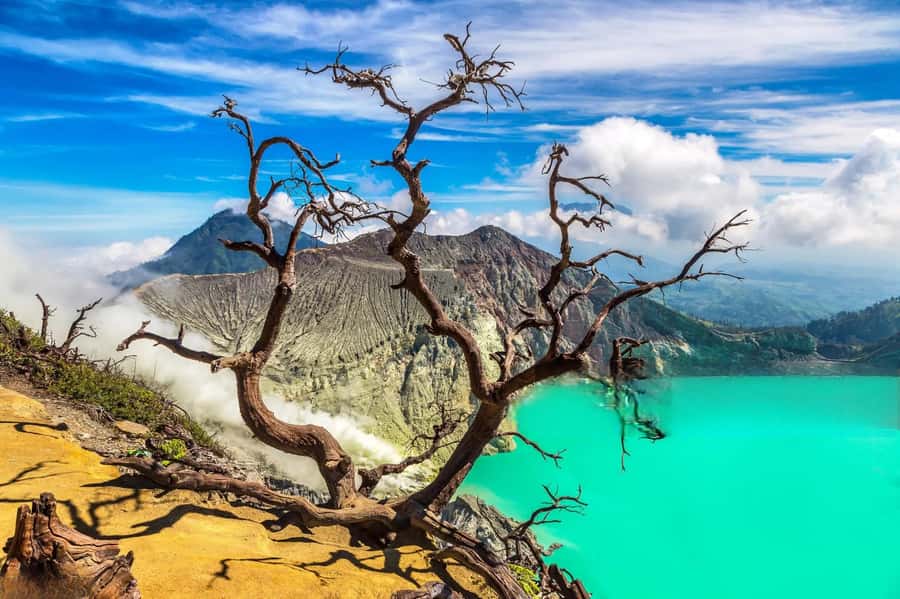
The sulfur miners are part of what makes Ijen more than a scenic hike. You may see them moving bright yellow sulfur from the crater area, carrying loads through difficult terrain.
This is demanding work, and the sight can be sobering. I would treat the miners with respect, give them space, and listen to the guide’s explanation rather than turning their labor into a spectacle. The presence of the miners helps you understand that Ijen is a working volcanic site as well as a famous natural attraction.
For many people, this human element stays with them as much as the lake. You see the contrast between a short recreational visit and the daily effort required to earn a living in the same harsh environment.
Transport from Bali, Banyuwangi, and nearby areas
Transport is included, with pickup and drop-off choices covering Banyuwangi, Licin, Kalipuro, Ubud, Denpasar City, and Bali. This makes the trip useful if you are building an East Java visit around Ijen, but the long duration needs careful planning.
From Banyuwangi or nearby areas, the outing should be easier to fit into a Java itinerary. From Bali or Ubud, the road time can make the experience much longer and more tiring. One account praised driver Angga for patiently handling long transfers between Gilimanuk and Sanur, while other groups described the transport as comfortable and well organized.
A group pickup from the Ijen Resort or Licin area costs an extra 150,000 Indonesian rupiah. Check that charge before confirming your transport. Meals are not included, so bring food or arrange your own meals for the long day and night.
The $35 price is appealing because it covers the park entry fee, transport, guide, hiking activity, headlamp, gas mask, parking, and health certificate. For an organized overnight excursion with equipment included, that is good value. You will still need to budget for meals and personal expenses, and the value is weaker if you are mainly hoping for a guaranteed blue-fire photograph.
Guide quality and the small-group advantage
The strongest part of this experience is the guide team. Qim Qim is frequently praised for humor, energy, organization, and encouragement. Sule, Ron Ron, Wahyu, Kiki, Bagus, and other members of the team are also credited with keeping people safe and comfortable.
That combination of fun and care is useful here. A serious safety briefing does not need to make the whole night grim, and a funny guide can help morale when the uphill section feels long. Reports also describe the guides as patient with different walking speeds and able to explain the volcano clearly in English.
English, Indonesian, and Malay are available. The small-group format, capped at eight, gives the outing a more personal feel than a large bus excursion. You can ask questions, hear explanations, and receive help without competing with dozens of other people.
Still, guide quality cannot change the physical demands. Encouragement helps, but you need to arrive prepared. If you have a low level of fitness, heart problems, respiratory issues, mobility limitations, or are pregnant, this activity is not suitable.
What to pack for the cold, dark trail
Pack lightly, but do not skip the basics. The most useful items are:
- Hiking shoes with reliable grip
- Warm clothing and a jacket
- Water and food for the long outing
- Rain gear
- A headlamp, supplied by the operator
- Trekking gear suited to a moderately challenging hike
You must also send a copy of your passport for the Ijen ticket. Every participant needs a health certificate. These requirements are easy to overlook, so handle them before the pickup day.
The provided gas mask is important near the crater. You should not assume that ordinary face coverings offer the same protection. Keep your belongings secure during the hike, and bring only what you can carry comfortably.
Mount Ijen closes every first Friday of the month. Check the calendar before you set your plans, especially if your Java or Bali schedule is tight.
Cancellation, timing, and who should book
You can cancel up to 24 hours in advance for a full refund, and the reserve-now, pay-later option gives you some flexibility. Availability controls the start time, so confirm the departure when you choose your date.
I would recommend this trip to fit hikers who want an unusual volcanic experience and do not mind a long night, basic conditions, and an uncertain blue-fire sighting. It is especially suited to people staying in Banyuwangi or nearby, where the transport burden is lower.
I would not choose it for a relaxed holiday, a family member with health concerns, or anyone who dislikes steep walking, cold air, and early starts. The guides can help you, but they cannot remove the physical effort or the safety limits around the crater.
Should you book the Ijen Blue Fire Night Hike?
Book it if you want a rare natural event, a demanding but rewarding night walk, and a close look at the human work around a volcano. The included transport and equipment make $35 a fair price, and the guide team appears to be the main reason the trip feels encouraging rather than stressful.
Go with flexible expectations. The blue fire can be missed because of slippery rocks or conditions, but you still have the crater lake at sunrise, starry skies, volcanic cliffs, and the sulfur miners’ work. If you prepare properly, start on time, and follow safety advice, this is one of East Java’s strongest adventure choices.
FAQ
How much does the Ijen Crater Blue Fire Night Hike cost?
The price is $35 per person. Meals and personal expenses are not included.
How long does the experience last?
The total duration is listed as 9 to 20 hours. The exact length depends on the starting location and schedule.
Where can pickup and drop-off take place?
Pickup and drop-off options include Licin, Bali, Denpasar City, Kalipuro, Ubud, and Banyuwangi, Indonesia. A group pickup from the Ijen Resort or Licin area has an extra fee of 150,000 Indonesian rupiah.
Is the blue fire guaranteed?
No. The blue fire can be affected by trail conditions. One participant skipped the descent because the rocks were too slippery. The blue fire is visible only in darkness.
What equipment is included?
The activity includes a headlamp, gas mask, hiking access, guide service, park entry, parking, and a health certificate. Transport and pickup are also included.
What languages are available?
The live tour guide service is available in English, Indonesian, and Malay.
Is the hike suitable for everyone?
No. It is not suitable for pregnant women, people with mobility impairments, heart problems, respiratory issues, or a low level of fitness. You should bring proper hiking shoes, warm clothing, water, and rain gear.
Just added around Indonesia
- Amazing Mount Batur Jeep Sunrise and Black lava★ 5.0 · 17 reviews
- Day Trip Batur Volcano and 2 Beautiful Waterfall★ 5.0 · 2 reviews
- Batur Volcano 4WD Jeep Tour: Black Lava Adventure★ 4.5 · 2 reviews
- Bukit Lawang Berastagi 4 Days 3 Nights Volcano & Jungle Trekking★ 5.0 · 7 reviews
- Fullday Sibayak Volcano Hiking Tour★ 5.0 · 2 reviews
- 6 Day North Sumatra Highlights – Jungles Orangutans Lakes and Volcanoes★ 3.5 · 2 reviews
- 2 Days Tour of Mount Bromo Ijen Crater★ 5.0 · 3 reviews
- 4-Day Tour: Mt Bromo & Ijen, Tumpak Sewu & Madakaripura falls★ 5.0 · 3 reviews
Bromo & Ijen Volcano Tours, compared.
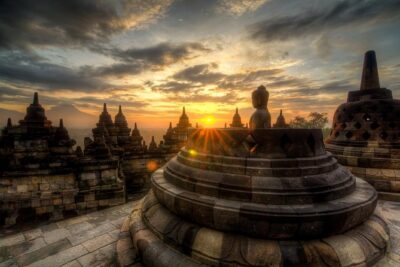
Borobudur Sunrise from setumbu Hill , Merapi Volcano & Prambanan Full Day Tour
Our review of it →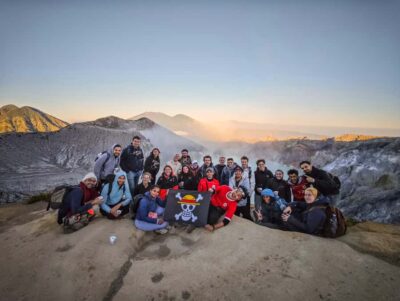
Banyuwangi/Bali: Ijen Volcano Midnight Blue Fire Guided Tour
Our review of it →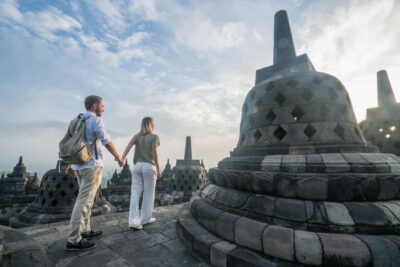
Borobudur Sunrise, Merapi Volcano & Prambanan Full Day Tour
Our review of it →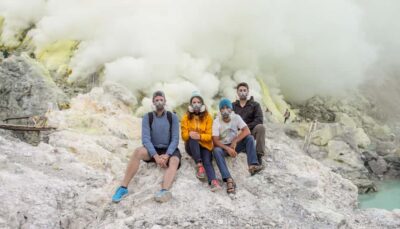
24-Hour Trip to Ijen Crater & Javanese Breakfast
Our review of it →
Yogyakarta Volcano: Merapi Volcano on Hilltop (Lava Viewing)
Our review of it →
Borobudur(climb up), Merapi Volcano and Prambanan Temple Tour
Our review of it →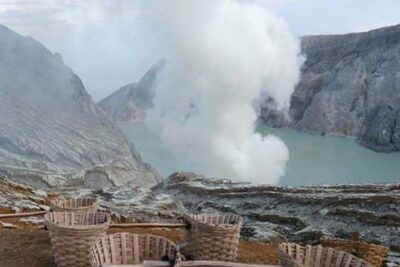
Active Volcanoes Bromo and Ijen – Start Surabaya 3 Days and 2 Nights
Our review of it →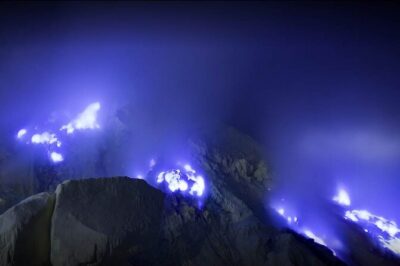
Browse the lists this tour appears in