
REVIEW · SICILY
2002 Crater Excursion – Northern Etna
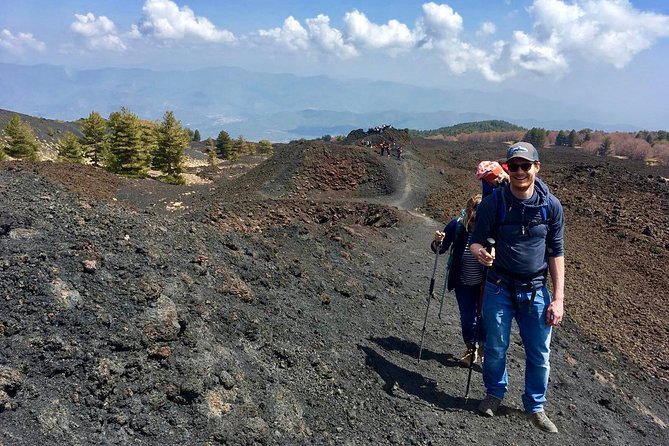
Etna tells its story in black rock. This three-hour hike from Piano Provenzana explores the quieter north side of Europe’s highest active volcano, crossing the huge lava flow from the 2002 eruption and reaching older craters and eruptive vents. I like the small-group feel, with no more than 20 people, and the chance to walk through terrain that still shows exactly where the volcano changed the mountain.
I also like the guides’ approach. Luca and Giuseppe are praised for making the science clear, adding humor, and pacing the walk with useful breaks. The main drawback is the loose volcanic ground, which can be awkward downhill and unstable underfoot. You need decent fitness, proper shoes, and some comfort with heights.
Key points before you book
- Walk across the 7.2-kilometer 2002 lava flow: Buried hotels, shops, restaurants, and a car park give this hike a powerful human story.
- Reach the 1911 craters and 2002 eruptive fracture: The route includes crater shafts from 7 to 40 meters deep and volcanic bombs scattered around the vents.
- Start at quiet Piano Provenzana: The north station is less crowded than Etna’s southern side and is easy to reach by paved public roads.
- Expect about 5 kilometers of walking: The route includes roughly 300 meters of ascent and descent, with soft ash, rough rock, forest paths, and ski slopes.
- Bring or rent the right footwear: Trekking shoes cost €5 to rent on site, and accident insurance does not apply without adequate shoes.
- Plan for changing weather: Hail, snow, wind, or other conditions can alter or stop the hike for safety.
Why Northern Etna feels different
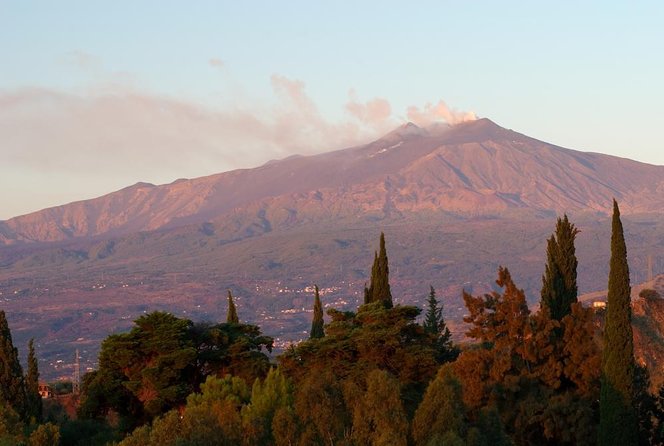
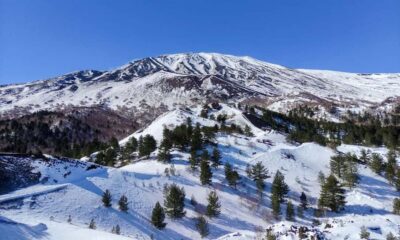
Etna has several access points, but Piano Provenzana gives you a quieter introduction. On the north side, pine forest meets broad fields of dark lava. The setting feels less built-up than the more developed southern station, and the route puts the 2002 eruption at the center of the experience.
That matters because this is not simply a walk to a scenic viewpoint. You move through a record of volcanic activity. The ground changes from forest floor to coarse lava, from soft ash to crater edges. Your guide helps connect those changes to the eruptions that formed them.
The 2002 eruption reshaped Piano Provenzana. The old facilities disappeared beneath lava, leaving a dramatic setting with a direct connection to recent volcanic history. You can still use the area as a practical base, with cafés, bars, souvenir shops, water refill points, and parking, but the surrounding terrain quickly feels wild.
The north side is also useful if you dislike crowded stops. The route is not presented as a grand transport-based sightseeing trip. You meet the volcanological guide at the station and walk through the terrain at a human pace.
More Mount Etna Tours in Sicily:
- Etna Morning Trip
★ 4.5 · 1,241 reviews - Mt. Etna nature and flavors half day Tour from Catania
★ 5.0 · 545 reviews - Etna excursion 3000 meters with 4×4 cable car and Trekking
★ 4.5 · 504 reviews
Starting at Piano Provenzana
The meeting point is the Ufficio Guide Vulcanologiche Etna Nord at Via Provenzana 35, near Linguaglossa. The scheduled start is 9:15 am. You make your own way there, since hotel pickup is not included.
Piano Provenzana is reachable by private or rental car on fully paved public roads. Blue-lined spaces are available for cars and camper vans. Parking costs €5 for the full day on weekdays and €8 on Sundays and public holidays, so add that to the advertised price when working out your total.
The station works in both summer and winter. In warmer months, it serves as a starting point for hikes and other excursions. In winter, it becomes a ski resort, and snowshoe rental is available for €15 per person when conditions call for it.
Give yourself time to arrive, park, use the facilities, and find the guide’s office. Cafés and bars make it possible to get coffee or breakfast before the walk, and you can refill your bottle nearby. Bottled water is not included, so bring your own supply.
At the end, you return to the same meeting point. That simple arrangement is helpful if you drive yourself, but it means the tour is not suited to anyone looking for door-to-door transport from Catania or another Sicilian base.
Walking across the 2002 eruption
The main hike covers about 5 kilometers and usually takes 2.5 to 3 hours, even though the published activity time is about three hours. The pace depends on the group and the number of stops, so do not schedule a tight appointment immediately afterward.
The first major feature is the enormous lava flow from the eruption of October 27, 2002. It stretches for about 7.2 kilometers. Lava buried hotels, shops, restaurants, and a large parking area. Only the roof of one hotel remains visible.
That detail gives the walk unusual force. You are not looking at an ancient ruin whose story is safely finished. You are standing on a comparatively recent eruption site, where buildings disappeared within living memory. The black rock becomes more than scenery. It shows how quickly a familiar place can change.
Your guide explains the eruption and points out the volcanic features around you. Giuseppe is praised for answering questions patiently and for using pictures during pauses. Another guide, Luca, is noted for keeping the explanations clear without making the walk feel like a classroom.
The walking itself is not described as technically hard, but volcanic ground needs respect. Lava rock can be sharp and irregular. Loose ash can shift beneath your boots, especially on descents. Long trousers are a smart choice because the rock is coarse, and taller hiking boots or trekking poles can make the downhill sections more comfortable.
The 1911 and 1923 flows
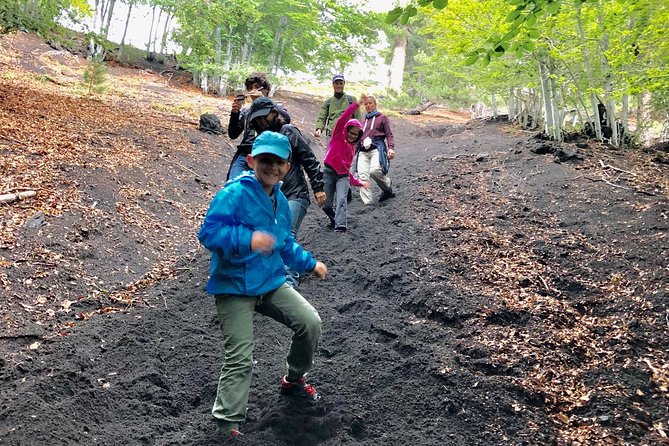
After crossing the main 2002 area, the route continues through forest toward older lava flows from 1911 and 1923. These sections show how quickly Etna’s surface can develop different textures.
Pine and beech forest soften parts of the route, but the volcanic origin never disappears. You may move from shaded ground to exposed black rock, then back into trees. That variety helps break up the walking and gives you several kinds of scenery without needing a long drive between stops.
The older flows also help place the 2002 eruption in context. Etna is not defined by one event. It has repeatedly sent lava and ash across its slopes, leaving overlapping layers of rock and vegetation. A good guide makes those layers easy to understand.
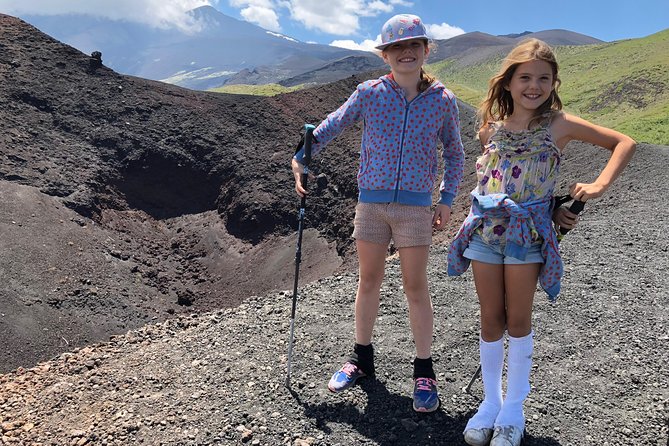
The route includes a chain of craters formed in 1911. Their shafts range from about 7 to 40 meters deep. You walk along crater edges, so look where you place your feet and keep a sensible distance from unstable rims.
This is one of the hike’s more striking sections, but it is also where the safety advice matters most. Anyone prone to vertigo may find the crater edges uncomfortable. The activity is not recommended for people who normally do little physical activity, or for those with cardiovascular, respiratory, or high blood pressure conditions.
A few more volcano trips around Sicily worth a look
- Mount Etna Adventurous Hiking Tour with Equipment
★ 4.5 · 439 reviews - From Catania: Mt. Etna, Wine and Alcantara Tour
★ 4.8 · 370 reviews - Etna Morning Tour (starting from Catania)
★ 5.0 · 362 reviews - Etna Sunset Tour (starting from Catania)
★ 5.0 · 294 reviews
Reaching the 2002 eruptive fracture
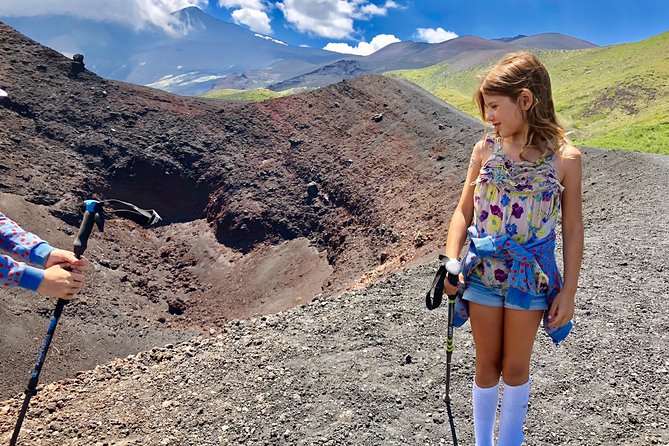
The route then climbs toward the crest of the large eruptive fracture created during the 2002 event. The fracture forms a canyon-like cut through the volcanic ground, scattered with volcanic bombs and large explosive mouths.
The hike reaches the vent that produced the destructive lava flow, along with other major openings at elevations up to about 2,100 meters. This is where the guide’s role becomes especially valuable. A crater or vent can look like a hole in the ground unless someone explains how it formed, what it produced, and how it fits into the wider eruption.
You gain roughly 300 meters and lose about the same amount over the route. That is manageable for someone in good physical condition, but it is not a flat stroll. The ascent may feel steady rather than severe, while soft ash and loose material can make the descent more tiring than expected.
Several people particularly enjoy the sandy downhill sections. A guide may show you how to place your feet on the softer ash, and one playful descent has even become a favorite moment for families. Still, do not mistake the fun for a lack of risk. The surface can slide, and a trekking pole can help with balance.
Forest, ski slopes, and the return
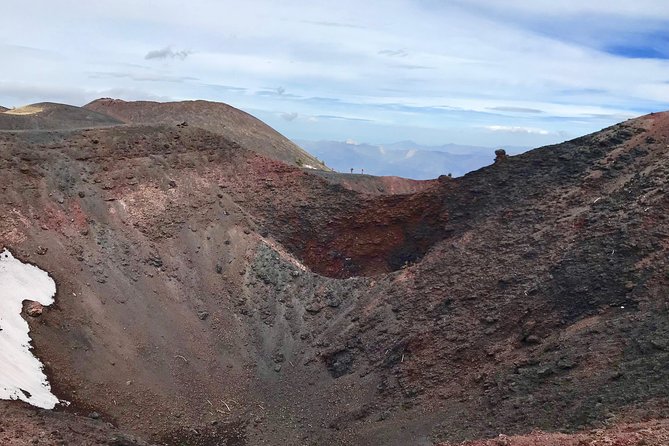
The descent continues through soft ash channels, beech forest, and ski slopes before returning to Piano Provenzana. These final sections give the hike a changing rhythm: volcanic openness, trees, then the practical facilities of the ski station.
The return is not an extra transfer or a separate pickup. You finish where you began, which makes the morning easy to manage if you have your car parked there. You may want coffee or lunch at the station after the hike, especially if the walk takes the full three hours.
The route can feel very different in changing weather. One group finished in hail but still enjoyed the walk, while winter conditions may require snowshoes. The guide can change or stop the outing if weather, volcanic activity, or ground conditions threaten group safety.
That flexibility is important on an active volcano. A fixed promise to reach every crater would be less reassuring than a guide willing to adjust the plan. Bring layers even if the lower station feels mild. The supplied advice specifically calls for a hat and gloves in winter, spring, and autumn.
The guides make the difference
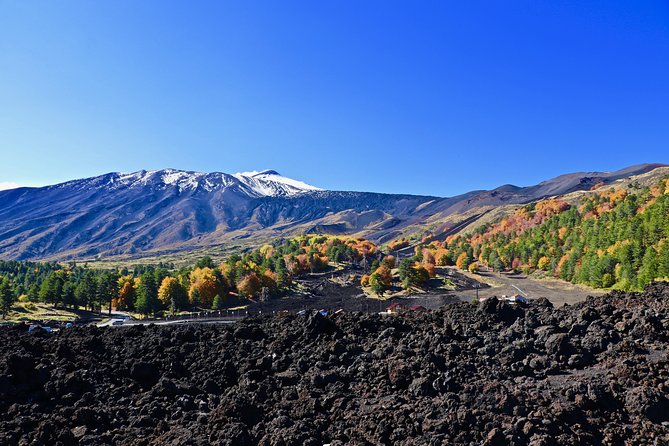
The tour includes an authorized volcanological guide and accident insurance. The guide is not just there to lead the way. This person sets the pace, explains the eruptions, chooses safe lines across unstable ground, and decides when conditions require a change.
Luca is described as friendly, considerate, and good with families. He has also added lighthearted moments, including a short race near the end of one walk. Giuseppe is praised for his answers, patience, and use of photos to explain the 2002 eruption and current volcanic activity.
The strongest praise is consistent: the guides make the walk informative without overloading it with technical detail. They also provide breaks at useful points, which helps make the 300-meter climb feel manageable.
The maximum group size is 20. That is not a private hike, but it is small enough for the guide to monitor the group more closely than on a large coach excursion. If you want a completely private pace, this is not that product. If you want a social outing with a trained guide and a reasonable group limit, it offers a good middle ground.
Shoes, clothing, and physical effort
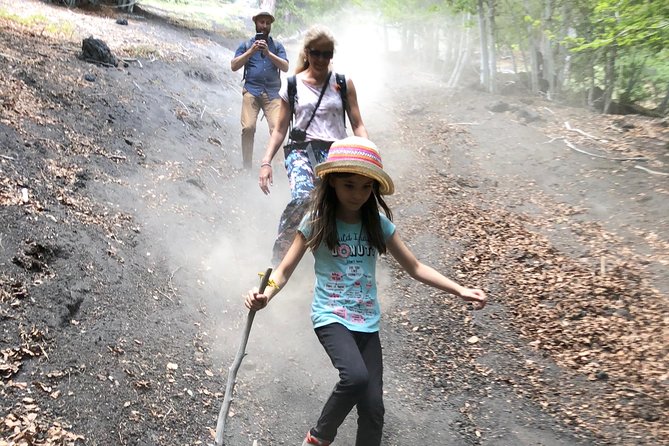
Do not treat this as a town walk in sneakers. Trekking shoes can be rented on site from authorized rental providers for €5 per pair, but arranging your own sturdy footwear may be more comfortable.
Proper shoes matter for two reasons. They improve grip on ash and rock, and the accident insurance does not cover you if you do not have adequate footwear. Trekking poles are not included, but they may help on rough crossings and downhill stretches.
Wear long trousers to protect your legs from coarse rock. A hat and gloves are advised in cooler seasons. Bring water because bottled water is not included, and keep weather protection close at hand.
The walk is described as easy in terms of technical passages, with no particularly difficult sections. That does not mean it is effortless. You should be in generally good health, comfortable with a sustained walk, and ready for uneven ground and crater edges.
Service animals are allowed, and dogs have joined family outings. Even so, volcanic rock, ash, slopes, and changing weather may not suit every animal. The guide should know your health conditions in advance so risks can be reduced.
Is €43.55 good value?
At €43.55 per person, this is a reasonable price for a guided volcanic hike that includes an authorized volcanological guide and accident insurance. Admission to the main walking activity is included.
The value comes from the interpretation and route, not from transport or a large number of extras. You pay separately for parking, water, trekking shoes if needed, poles, and winter snowshoes. Since there is no accommodation pickup, you also need to cover your own drive to Piano Provenzana.
For someone already touring the north side of Etna with a car, the price is attractive. You get several hours of walking, access to eruption sites that would be difficult to understand alone, and a guide who handles the route and safety decisions.
For someone without transport, the total cost may be higher because the tour does not include transfers. Check your journey to Piano Provenzana before booking. The starting point is practical for independent visitors, but it is not a city-center meeting point.
The tour is often booked about 19 days ahead, which suggests you should not leave it until the last morning if your Sicily schedule is fixed. Free cancellation is available up to 24 hours before the start. Poor weather or an insufficient number of bookings can also lead to a new date, an alternative activity, or a full refund.
Who should choose this hike?
I would choose this excursion if you want Etna explained through its physical evidence. It suits people who prefer walking over riding through the area, and it gives families a manageable way to see craters without taking on a very technical route.
It is also a strong choice if you want a quieter alternative to the south side. Piano Provenzana has cafés, parking, and useful facilities, but the walking route feels less crowded and more connected to the raw volcanic terrain.
Families can do well here if children are accustomed to walking and can handle uneven ground. The guides have kept the route fun with stories, questions, and playful moments, but parents should still consider loose ash, crater edges, and weather.
I would look elsewhere if you want a short photo stop, a guaranteed dry-weather outing, or a fully accessible path. The route includes unstable volcanic soil, a 300-meter elevation change, and exposed crater edges. Conditions may also alter the plan.
Should you book the 2002 Crater Excursion?
Book it if you want a thoughtful, active Etna experience rather than a quick stop at a visitor station. The 2002 lava flow, the buried buildings, the 1911 craters, and the eruptive fracture create a route with real variety and a clear story.
The strongest reasons to go are the north side’s quieter setting, the authorized guide, and the chance to walk directly across recent volcanic ground. Bring water, long trousers, proper shoes, and layers. If you have health concerns, vertigo, or little walking experience, ask yourself honestly if loose ash and crater rims are a good match.
For an independent visitor with a car, €43.55 is a fair price for three hours of guided access and explanation. With good weather and sensible footwear, this is one of the better ways to meet Etna on foot.
FAQ
Where does the excursion start?
The meeting point is the Ufficio Guide Vulcanologiche Etna Nord at Via Provenzana 35, 95015 Linguaglossa CT, Italy. The scheduled start time is 9:15 am.
How long is the hike?
The activity lasts about three hours. The walking route is approximately 5 kilometers and usually takes about 2.5 to 3 hours, depending on the group’s pace.
How much climbing is involved?
The route includes about 300 meters of ascent and descent. It passes over uneven volcanic soil, lava rock, soft ash, forest paths, and ski slopes.
Are hiking shoes required?
You need adequate trekking footwear to be covered by the included accident insurance. Trekking shoes can be rented on site from authorized rental providers for €5 per pair.
Is parking included?
No. Parking costs €5 for the full day on weekdays and €8 on Sundays and public holidays.
Is water included?
No. Bottled water is not included, so bring your own. Water refill points are available around Piano Provenzana.
Can the excursion change because of weather?
Yes. The guide may change or stop the excursion if weather, volcanic activity, or other environmental conditions affect group safety. If the activity is canceled because of poor weather, you can receive a different date or a full refund.
Just added around Sicily
- Sicily: Mount Etna’s North Slope Craters Guided Hike Tour★ 5.0 · 8 reviews
- Etna Southern Slope Guided Easy Trek★ 4.8 · 36 reviews
- From Cefalù: Full-day tour to Mount Etna & Taormina★ 4.1 · 3 reviews
- Enoteca dell’Etna: Iemu Spizzicannu Tasting★ 5.0 · 9 reviews
- calice in cratere★ 5.0 · 6 reviews
- Capo d’Orlando: Mini-cruises to Salina Panarea and Stromboli★ 3.0 · 5 reviews
- Hike near the summit craters up to the maximum safe altitude currently foreseen★ 5.0 · 57 reviews
- Etna: Trekking to the summit craters at 3,340 meters★ 5.0 · 50 reviews
Mount Etna Tours, compared.
Mount Etna Morning or Sunset Day Trip with Tasting
Our review of it →
Sunset Jeep Tour of Mount Etna and Lava Flow Caves
Our review of it →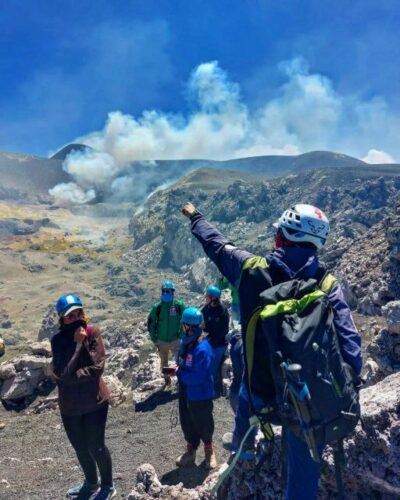
Etna and Alcantara Gorges Full-Day Tour with Lunch
Our review of it →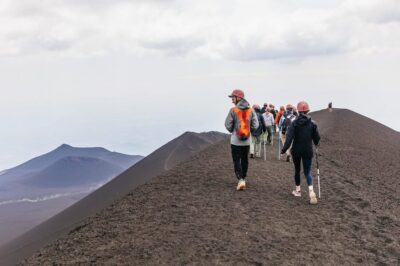
summit craters trekking with volcano guide 3350mt
Our review of it →
Browse the lists this tour appears in