REVIEW · AREQUIPA, PERU
Sillar Route in Arequipa and viewpoint of the Volcanoes
Stone, dust, and big volcano views. This short excursion shows you how Arequipa got its pale volcanic stone, called sillar, and takes you into the quarries where workers still cut it by hand. I especially like the small maximum group of 15 and the low $11 price. The main caution is that the service can feel uneven, with occasional pickup confusion, multilingual guiding, and extra entrance costs.
You spend about three to four hours outside the city, then return close to Arequipa’s Plaza de Armas. The quarry scenery and carved figures make excellent photo stops, but the dry Culebrillas canyon is often the real highlight. Bring sunscreen, sturdy shoes, insect repellent, and some patience.
Key points at a glance
- Hand-carved Arequipa stone: See how local workers cut and shape the white volcanic rock used in the city’s historic buildings.
- Culebrillas canyon: Walk through a dry stone corridor with petroglyphs, carved rock, and a naturally formed pink sillar feature.
- Volcano views on the road: The drive gives you chances to see the volcanoes around Arequipa and understand the volcanic origin of the stone.
- Short and affordable: At $11 per person, this is an easy way to fill half a day without committing to a long excursion.
- Morning or afternoon departures: You can fit the route around other plans in Arequipa.
- Bring extra cash: The advertised admission supplement is $3, but one entrance fee has been reported as higher, so carry a little more than the stated amount.
Why sillar matters in Arequipa
Arequipa is famous for its pale colonial buildings, and sillar is a major reason the city looks the way it does. This light volcanic stone came from material produced by ancient volcanic activity. Local builders shaped it into walls, arches, doorways, and decorative facades.
A walk through the city center gives you the finished product. This trip takes you to the source. That contrast is the point. After seeing the quarries, you return toward central Arequipa and look at the old sillar buildings with a better sense of the labor behind them.
I like this connection between the city and the countryside. You are not simply visiting a scenic quarry. You are seeing part of the building tradition that helped define Arequipa.
The experience is not a full-day mountain adventure. It is a compact outing for anyone who wants more context for Arequipa’s architecture, along with a few unusual photo stops.
A few more volcano trips around the world worth a look
- Reykjavik: Golden Circle Full-Day Tour with Kerid Crater
★ 4.8 · 24,485 reviews - From Naples: Pompeii Ruins & Mount Vesuvius Day Tour
★ 4.3 · 11,459 reviews - Santorini: Volcanic Islands Cruise with Hot Springs Visit
★ 4.4 · 10,869 reviews
The Añashuayco quarry: workers, murals, and stone dust
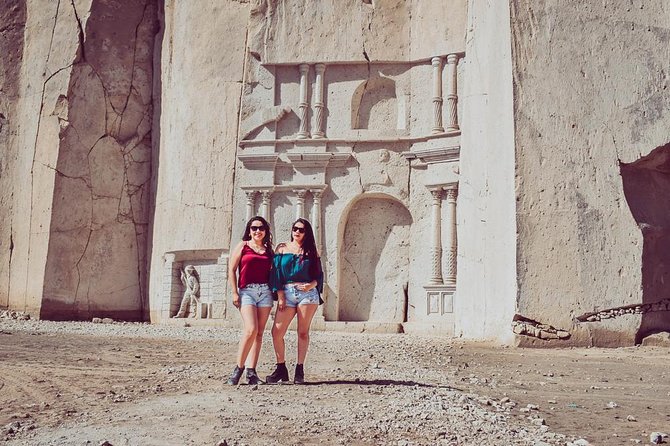
The first main stop is the Añashuayco sillar quarry, where you can see the stone being carved in an artisanal way. Workers demonstrate the routine used to cut and shape blocks, giving you a practical look at a trade that is easy to miss when you only see finished buildings.
The quarry is not polished into a formal museum. Expect an active work area, raw rock, dust, and uneven ground. That rough quality is part of its value. You are looking at a working tradition rather than a display made only for photographs.
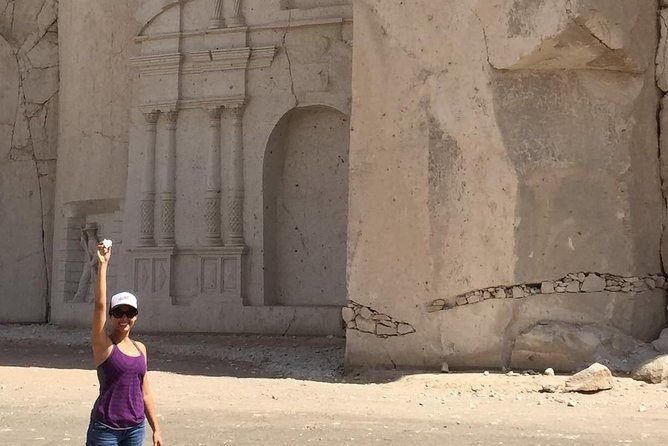
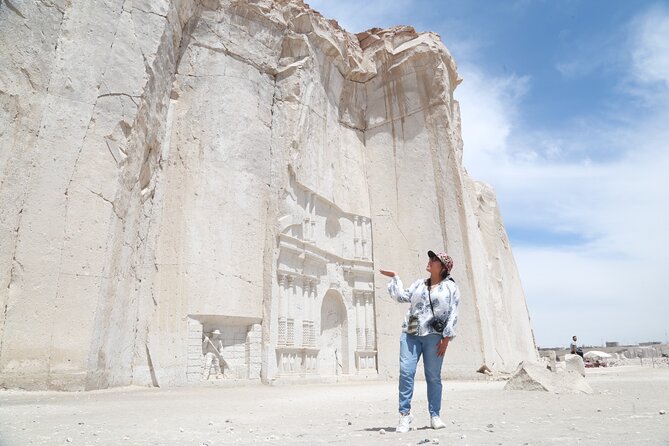
Murals and carved designs add visual interest. The stone walls provide a pale, dry backdrop, and the carvings show how local artists and workers turn a hard material into decorative work. This is one of the better stops for photos, especially if you enjoy textures, geometric cuts, and large open views.
The visit here lasts about 50 minutes. Admission is not included, so keep cash available. The stated extra charge is $3, though the amount collected at one stop has not always matched the advertised figure. That is a minor cost for most people, but it can be inconvenient if you are carrying only a few dollars.
You may also see the small pink sillar cannon, a naturally formed feature that adds a slightly odd and memorable touch to the stop. It is not a grand monument. Think of it as one of the quarry’s curious shapes rather than a major attraction.
The second quarry and the story of a hard trade
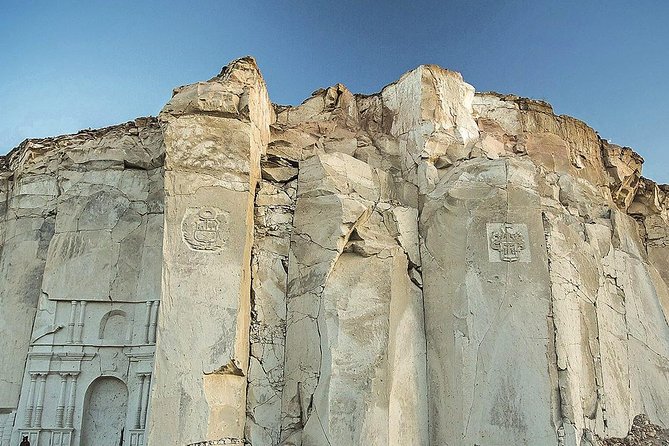
Another quarry stop gives you a closer look at the volcanic stone and the conditions in which it is worked. The area is protected, and the setting feels raw and largely undeveloped. You may see sculptures and carved figures made from sillar, along with broad cuts in the stone.
Some of the work is physically demanding and creates dust. One useful tip is to carry a face covering if you are sensitive to dust. A mask can also help during the walk through the canyon, where dry conditions may make the air gritty.
The visit lasts about 40 minutes and admission is listed as free. The stop may feel less impressive to you if you expect a large attraction with many sculptures or extensive facilities. Parts of the route are simply a mine, with stone walls and open ground rather than a long list of activities.
That is why expectations matter. I would come for the connection to Arequipa’s buildings and the chance to see the stone at its source. I would not book this as the only major sight of your trip.
Culebrillas canyon and the petroglyph walk
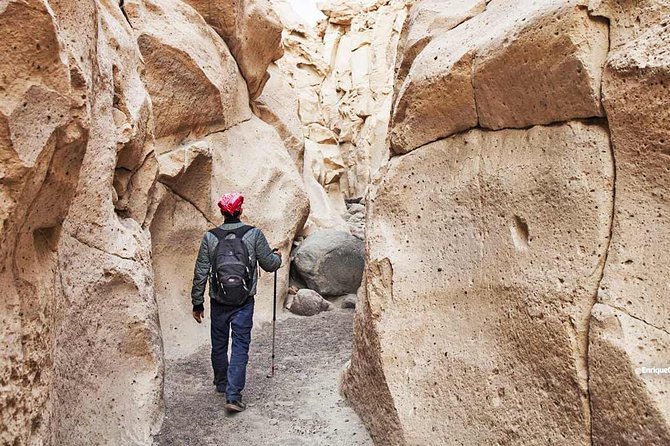
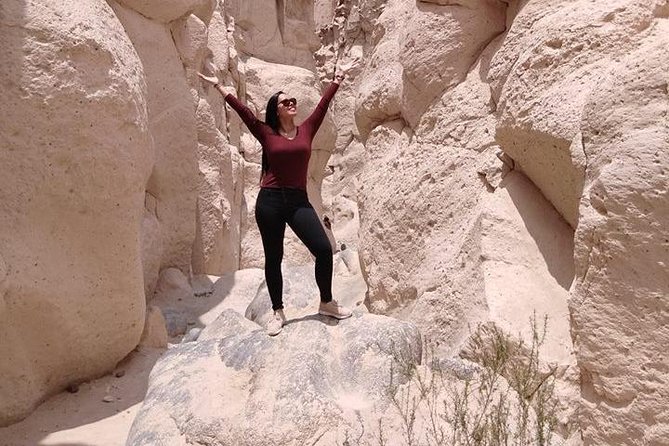
The Culebrillas section is frequently the strongest part of the outing. This dry canyon gives you a short walk among high sillar walls, carved rock, and petroglyphs. The route is about 600 meters according to the information provided, making it manageable for many people who are comfortable walking on uneven ground.
The canyon feels different from the quarry work areas. Instead of watching blocks being cut, you move through a narrow natural setting shaped by the stone itself. The pale walls, dark markings, and dry ground make the area look almost desert-like.
Wear proper walking shoes. Several people found the path rough enough to make sturdy footwear worthwhile. Sandals or smooth-soled shoes could be awkward on the uneven sections.
Insect repellent is also a smart addition. Flies and insects can be a real nuisance, especially when the vehicle doors and windows remain open during walks. Bring your own repellent rather than counting on the operator to provide it.
The route is listed as a 40-minute stop, but the pace may vary. You will want time for photographs, and the narrow canyon offers some of the most unusual images of the day. The petroglyphs are not a huge archaeological site, so keep the scale in mind. Their appeal comes from the setting and the short walk, not from a large collection of carvings.
Same trip, a different kind of day out:
- Big Island in a Day: Volcanoes Waterfalls Sightseeing and History
★ 5.0 · 6,569 reviews - Pompeii and Mount Vesuvius Day Trip from Rome with Pizza Lunch
★ 4.5 · 6,151 reviews - Small-Group Golden Circle, Blue Lagoon with Ticket & Kerid Crater
★ 5.0 · 5,631 reviews - Reykjavik: Golden Circle, Kerid Crater, & Blue Lagoon Tour
★ 4.9 · 5,270 reviews
Volcano views from the road
The title refers to a viewpoint of the volcanoes, and the road between Arequipa and the quarries gives you a chance to see the volcanic surroundings. The guide may explain the nearby volcanoes and how volcanic material became the sillar used in the city.
This part adds useful context. Without it, the quarries could seem like isolated stone pits. With it, you begin to connect the rock, the volcanoes, the dry terrain, and Arequipa’s pale architecture.
The actual quality of the explanation depends heavily on the guide and the language of the group. Guides such as Alonso, Betsey, Jose Jose, and Christina have received positive comments for friendly presentations, local stories, or clear explanations. At other times, English explanations have been brief or rushed when most of the group spoke Spanish.
If you need a fully detailed English tour, confirm the language arrangements before booking. The service can be multilingual rather than English-only in practice. That does not make the excursion useless, but it can affect how much you learn.
Transport, group size, and the pickup question
Round-trip tourist transport is included, and the advertised maximum group size is 15 people. A smaller vehicle makes the three to four-hour outing more manageable than a large coach tour. It also gives you a better chance to hear the guide and move through the stops without a huge crowd.
The meeting point is at C. San Agustín 102 in Arequipa. The return point is near the Temple of San Agustín on C. Sucre, two or three blocks from the main Plaza de Armas. Vehicles do not enter the plaza, so plan a short walk at the end.
Pickup arrangements deserve attention. Most departures appear to work normally, but there have been cases of late pickup, unclear check-in instructions, or a missed pickup. Some people waited around 40 minutes, and at least one booking resulted in no vehicle arriving.
I suggest arriving early and keeping the operator’s contact details available. If the vehicle does not appear close to the scheduled time, contact the provider promptly. This is not a reason to reject the tour outright, but it is the main practical weakness in the operation.
The vehicle quality can also vary in comfort. One positive account described a spacious van with air conditioning. Other experiences involved heat, open windows, or a vehicle filled with flies after the doors stayed open. Bring water and dress in light layers.
What the $11 price really buys you
At $11 per person, this is one of the least expensive organized outings from Arequipa. You receive transportation and a professional guide, and the route fills three to four hours. For a budget visitor, that is strong value.
The price works best if you treat it as an introduction rather than a premium cultural tour. You are paying for simple logistics, basic transportation, a guide, and access to several quarry areas. You are not paying for a refined museum experience or guaranteed one-to-one attention.
Remember to budget for the $3 admission charge. Since one entrance has reportedly cost more than the stated amount, carrying extra small bills is wise. Small purchases such as queso helado may also be offered, but these are optional and cost extra.
The route is particularly good value if you have a free morning or afternoon and want something beyond central Arequipa. It is less convincing if your schedule is tight or if you expect every stop to feel spectacular.
Weather, clothes, and useful packing advice
The experience requires good weather. If poor weather causes cancellation, you can receive a different date or a full refund. You can also cancel for a full refund if you do so at least 24 hours before the start time. Cancellations inside that window are not refundable.
Arequipa’s conditions can change during the outing. You may start in warm sunshine and later find cloud, wind, or cooler air. Wear layers instead of relying on one heavy item.
Pack:
- Sturdy walking shoes
- Sunscreen and a hat
- Insect repellent
- A face covering for dust
- Water
- Small cash for admission and optional food
- A light jacket or extra layer
The route is generally suitable for most people, but it is not a smooth, fully paved walk. If you have difficulty on uneven surfaces, ask the operator for more detail before reserving.
Who will enjoy this half-day outing?
I would recommend the Sillar Route to families, budget visitors, photographers, and anyone with a spare half day in Arequipa. The short duration keeps it manageable, and the mix of stonework, canyon walking, sculptures, and volcano views gives the outing more variety than a simple city transfer.
It also suits solo visitors who want an organized trip without paying for a private vehicle. The maximum group size of 15 is small enough to feel fairly personal when the guide is engaged.
You may be disappointed if you want a major archaeological attraction, a long wilderness walk, or a fully polished English-language presentation. The route is basic, and the quality depends on the particular guide, vehicle, and group language mix.
The strongest parts are usually the Culebrillas walk, the photo opportunities, and the explanation of how sillar connects the quarries to Arequipa’s historic center. The weakest points are inconsistent pickup, possible language imbalance, dust, flies, and extra entrance charges.
Should you book the Sillar Route?
Book it if you want an inexpensive, short outing that explains one of Arequipa’s defining building materials. The Culebrillas canyon and petroglyphs can make the trip worthwhile, especially when paired with a good guide such as Alonso or Betsey.
Skip it if your Arequipa schedule is already packed with major sights or if you need a carefully managed English-only tour. For most people, though, $11 is a fair price for three to four hours, provided you arrive prepared for a simple quarry visit rather than a luxury excursion.
FAQ
How long does the Sillar Route tour last?
The experience lasts approximately three to four hours, including the quarry visits, canyon walk, and return toward central Arequipa.
How much does the tour cost?
The listed price is $11 per person. An additional entrance charge of $3 is not included, and you may want to carry extra cash in case the fee is higher at one stop.
What is included in the price?
Round-trip tourist transportation and a professional guide are included.
Where does the tour start?
The meeting point is C. San Agustín 102 in Arequipa, Peru.
Where does the tour end?
The tour ends at the Temple of San Agustín on C. Sucre, two or three blocks from the main Plaza de Armas.
How large is the group?
The tour has a maximum of 15 participants.
Are morning and afternoon departures available?
Yes. You can choose between a morning or afternoon start time.
What should I bring?
Bring sturdy walking shoes, sunscreen, insect repellent, a face covering for dust, layers for changing weather, water, and cash for admission.
Can I cancel for a refund?
You can cancel at least 24 hours before the start time for a full refund. Cancellations made less than 24 hours before the experience are not refundable.
Just added around the world
- Bali Tour: Village, Volcano, Holy Spring Temple, Waterfall Tour★ 5.0 · 2 reviews
- Ayung River Rafting and Kintamani Volcano Trip★ 4.5 · 3 reviews
- Kintamani Tours with Batur volcano★ 5.0 · 8 reviews
- Bali in 1-Day : Rice Terrace, Volcano, Tanah lot – All Inclusive★ 5.0 · 6 reviews
- Bali Full-Day Car Charter: Ubud and Kintamani Volcano Tour★ 5.0 · 10 reviews
- Bali Sensational Barong Dance And Kintamani Volcano Day Tour – All Inclusive★ 5.0 · 2 reviews
- Bali Swing Packages and Kintamani Mt Batur Volcano View★ 5.0 · 4 reviews
- Bali: Barong Dance, Rice Terrace, Volcano, Temple, Waterfall Tour★ 5.0 · 3 reviews
Volcano Tours, compared.
Golden Circle Full-Day Tour with Kerid Crater
Our review of it →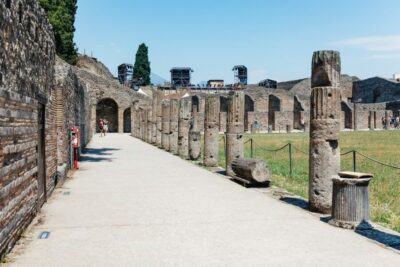
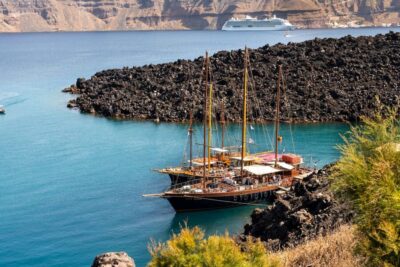
Volcanic Islands Cruise with Hot Springs Visit
Our review of it →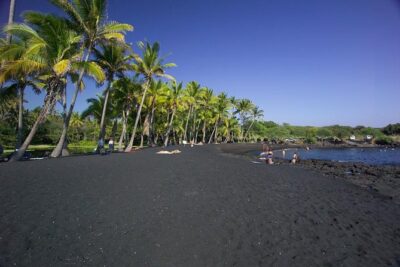
Big Island in a Day: Volcanoes Waterfalls Sightseeing and History
Our review of it →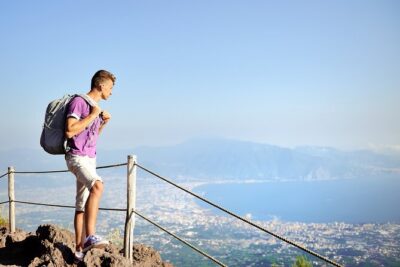
Pompeii and Mount Vesuvius Day Trip from Rome with Pizza Lunch
Our review of it →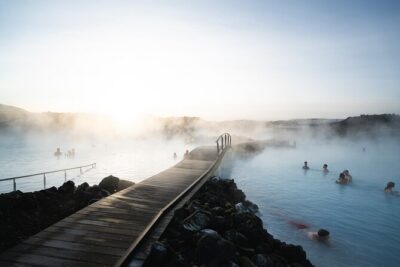
Small-Group Golden Circle, Blue Lagoon with Ticket & Kerid Crater
Our review of it →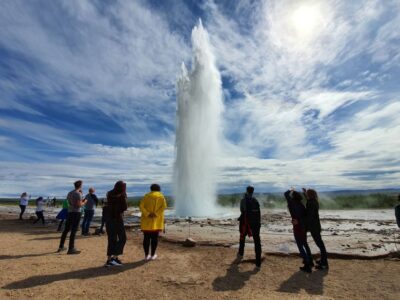
Golden Circle, Kerid Crater, & Blue Lagoon Tour
Our review of it →