
REVIEW · ROTORUA
Rotorua: ‘Thermal Path Tour’ Geothermal half day Tour
Mud bubbles, steaming lakes, and a warm finish. Rotorua’s Thermal Path Tour gives you a close look at the North Island’s geothermal country without spending a full day in a large bus. I like the small group of up to eight and the way the route reaches places you would be unlikely to find on your own. The final soak at Waikite Valley Thermal Pools is another strong point, especially after the walking stops.
The main consideration is the tour’s active side. You may walk up to 2 kilometers over uneven ground, tree roots, rocks, and slippery surfaces. A timetable change once meant that the Waikite pools were missed, so I would confirm the planned bathing stop before departure if the soak is your chief reason for booking.
The four-hour outing costs $89 per person and includes transport, a local guide, and entry to Waikite Valley Thermal Pools. Food and drinks are not included, and the tour is not suitable for children under six, wheelchair users, people with mobility impairments, or anyone with a low level of fitness.
Key points at a glance
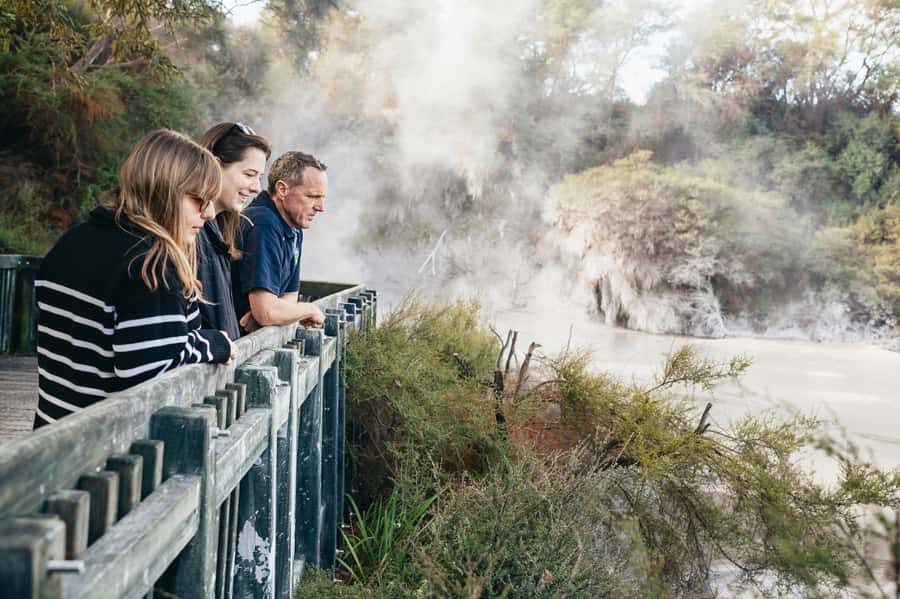
- A large hot-water lake opens the tour: This first stop gives you a useful introduction to Rotorua’s geothermal forces.
- Rainbow Mountain adds a proper walk: Native forest and unusual geothermal plant life lead to a strikingly colored crater lake.
- The mud pool is a dramatic stop: Steam and gases push bubbles through the biggest and most active mud pool in the area.
- Te Manaroa Spring shows geothermal power: Boiling water surges from Rotorua’s largest hot-water spring.
- Waikite Valley provides the relaxing finish: Your ticket includes entry to the thermal pools and their silica-rich waters.
- The guide makes the difference: Stephen, also known as Steve or Steph, is praised for his local knowledge, kindness, and personal attention.
Why this four-hour Rotorua tour works
Rotorua has no shortage of geothermal attractions. The trouble is choosing between them, reaching them, and understanding what you are seeing once you arrive. This trip solves much of that problem in a compact half day.
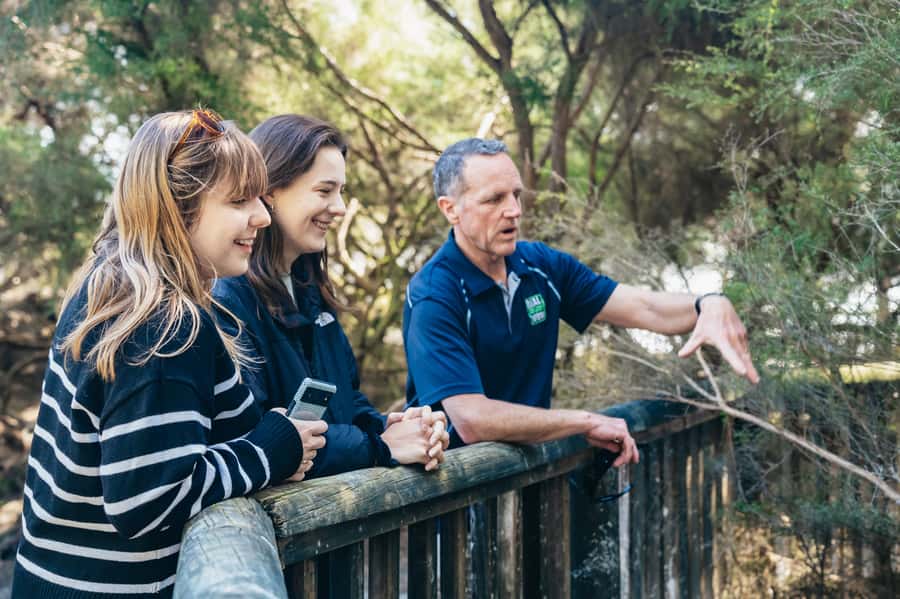
You ride in comfortable air-conditioned transport between several stops, with a live English-speaking guide explaining the places along the way. The group limit of eight matters here. Geothermal areas can feel less enjoyable when you are trying to hear commentary over a crowd, while a small party gives the guide more room to adjust the pace and answer questions.
I also like the mix of sights. This is not just a circuit of steaming pools. You see a hot lake, walk through native forest, inspect a crater lake, watch an active mud pool, visit a powerful spring, and finish in warm bathing water. Each stop shows a different expression of Rotorua’s volcanic activity.
The route is still a guided outing, not a wilderness expedition. The walks are short, with a maximum distance of about 2 kilometers, but the ground can be rough. You should think of the physical effort as moderate rather than effortless sightseeing.
More Volcanic Hot Springs in New Zealand
- Rotorua Lake: Deluxe Lake Spa Geothermal Hot Spring Bathing
★ 4.5 · 302 reviews - Polynesian Spa Rotorua: Deluxe Lake Spa Hot Spring Bathing
★ 4.5 · 227 reviews - Polynesian Spa Rotorua: Pavilion (12+ yrs) Hot Pool Bathing
★ 4.5 · 154 reviews
Starting with Rotorua’s largest hot-water lake
The first visit is to Rotorua’s largest hot-water lake. It is a smart opening stop because it gives you a broad sense of the forces at work beneath the region.
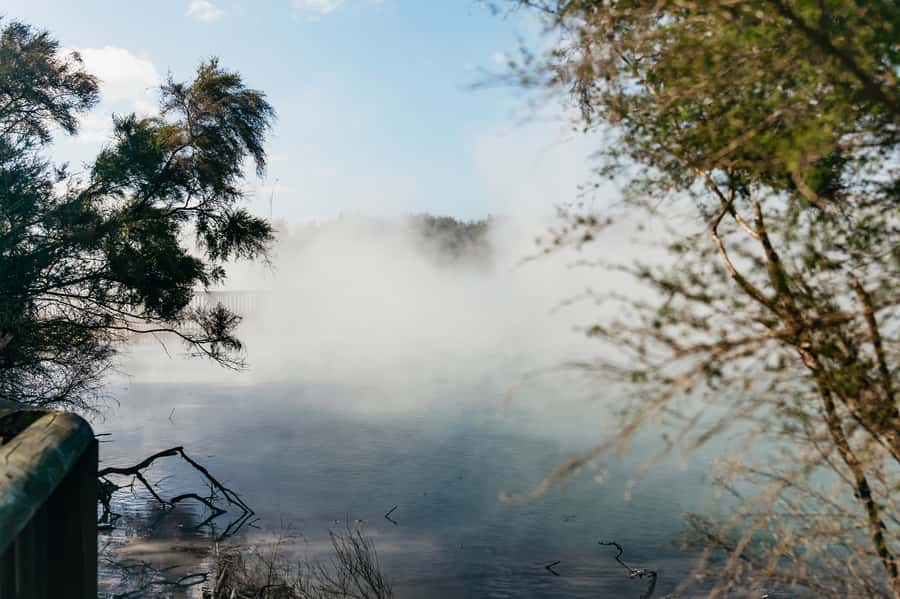
You can expect heat, steam, mineral-colored water, and an immediate reminder that this is an active geothermal zone rather than a conventional park. Your guide helps connect what you see on the surface with the hot water and gases below it.
This stop is valuable if you are new to geothermal scenery. Without some explanation, a steaming lake can become another pretty photograph. With context, you begin to understand why Rotorua has mud pools, springs, crater lakes, and bathing facilities within a relatively compact area.
The lake is also a calmer beginning than the mud pool later in the morning or afternoon. You have time to get your bearings, listen to the guide, and learn the safety rules before walking around more uneven ground.
Walking through Rainbow Mountain’s geothermal forest
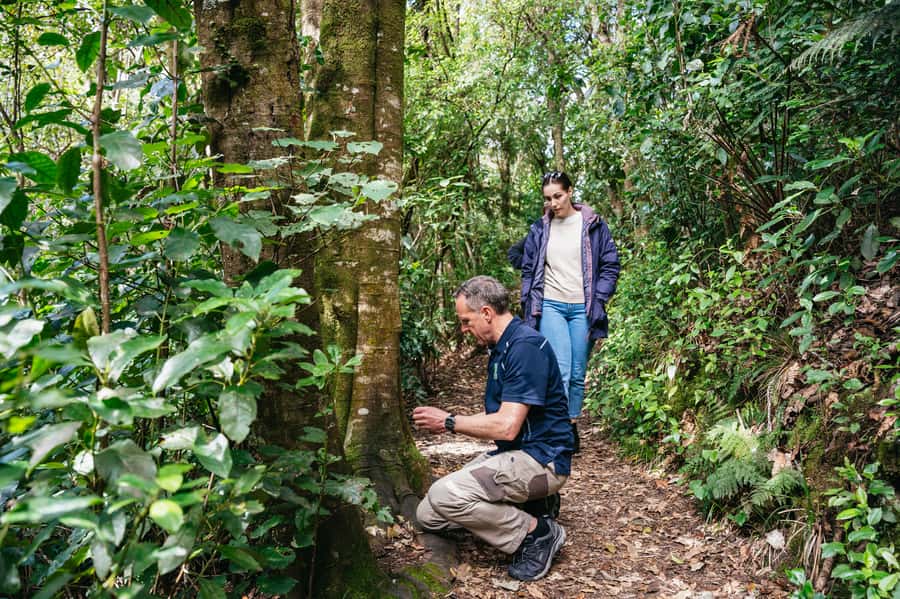
Rainbow Mountain is where the tour becomes more active. You walk through native forest, seeing plant life shaped by the local geothermal conditions before reaching a colored crater lake.
The forest is an important part of this stop. Rotorua’s geothermal story is not only about boiling water and bare rock. Plants have adapted to the heat and mineral conditions, and the short walk lets you see that connection at ground level.
The crater lake is the reward at the end of the path. Its colors give the stop much of its visual appeal, but the walk is what makes it more memorable than a quick roadside viewpoint. You move from shaded native vegetation into an area marked by volcanic activity, which creates a clear change in mood and scenery.
Bring proper footwear. The instructions specifically call for comfortable closed-toe shoes, and that advice is worth taking seriously. Tree roots, stones, uneven ground, and slippery surfaces can make the route awkward in ordinary sneakers, particularly if conditions are damp.
You also need reasonable balance. The route is not suitable for wheelchair users or people with mobility impairments, and the operator advises against booking if you have a low level of fitness.
Watching the mud pool breathe and burst
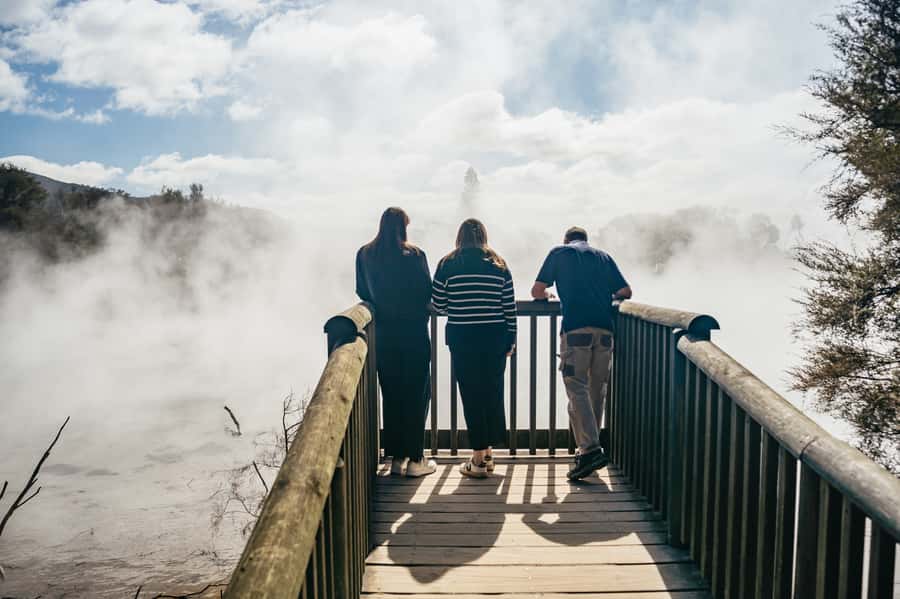
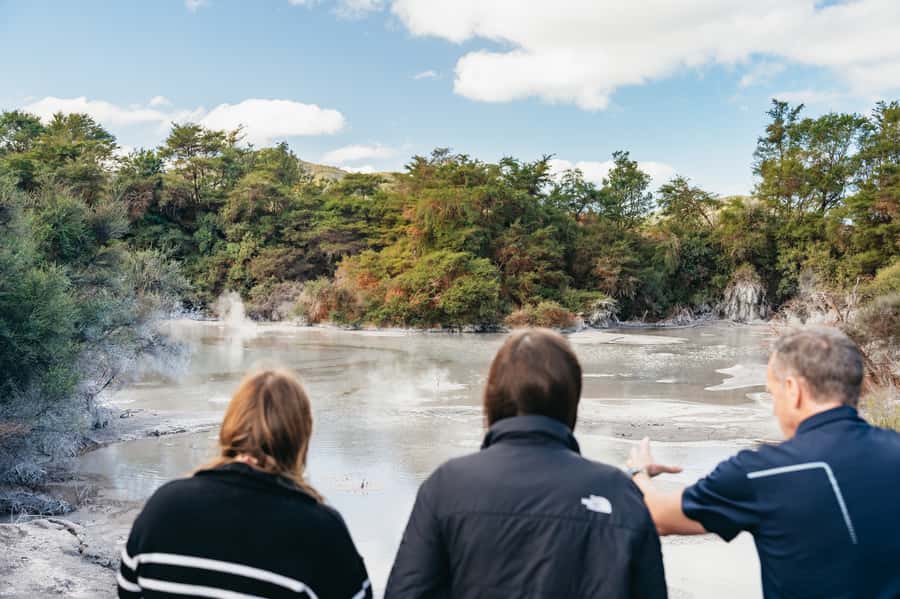
A short drive takes you to a huge mud pool, described as the largest and most active in the region. This is likely to be one of the tour’s most entertaining stops.
Mud pools behave differently from clear hot springs. Steam and gases rise through thick mud, causing bubbles to swell, wobble, and burst. The action is irregular, so you may spend a moment watching an apparently quiet surface before it suddenly heaves and pops.
The fun comes from the lack of a neat schedule. You are not watching a timed performance. You are watching heat and gas push through the earth in their own rough rhythm.
This is also where safety needs to be taken seriously. Stay on formed paths and follow the guide’s instructions. Thin crusts may conceal hot fluids, while carbon dioxide and sulphide gases can create serious hazards. The operator warns that contact with geothermal material or gases can result in severe injury, asphyxiation, or death.
That warning may sound stark, but it is useful. Geothermal ground can look solid and inviting while being dangerously unstable. Keep your distance, stay on the path, and do not treat the area like an ordinary muddy pond.
More Geothermal Parks and Geysers in Rotorua:
- Rotorua: Wai-O-Tapu Geothermal Park Entry Ticket
★ 4.6 · 2,601 reviews - Rotorua: Hell’s Gate Outdoor Mud Spa & Guided Walk
★ 4.7 · 1,140 reviews - Rotorua Hiking: Mt Tarawera Guided Volcanic Crater Experience
★ 5.0 · 283 reviews - Rotorua: Hell’s Gate Geothermal Walk
★ 4.4 · 217 reviews
Te Manaroa Spring and the force of hot water
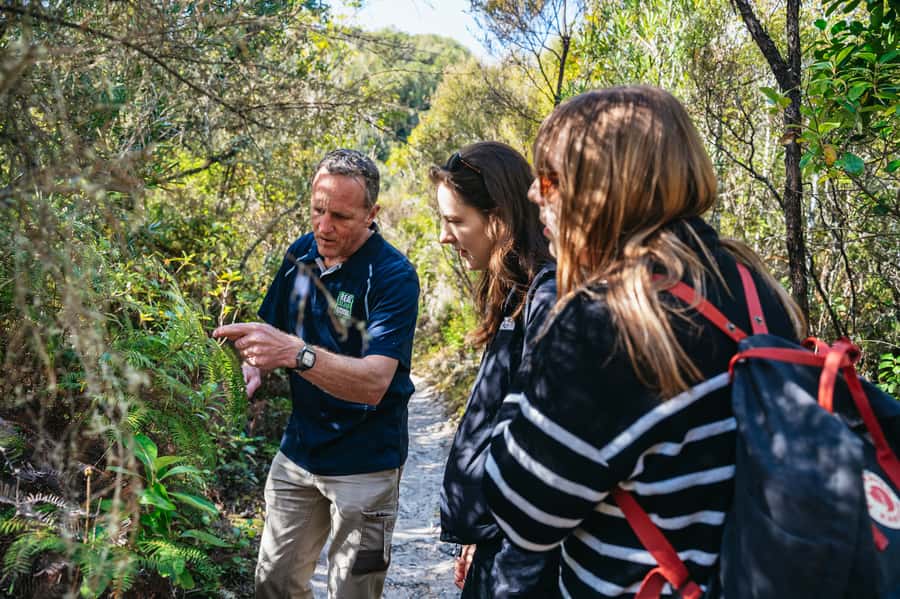
The next stop is Te Manaroa Spring, reached by a short walk. It is Rotorua’s largest hot-water spring, with boiling water surging from below and vegetation around it.
The spring gives you a different kind of geothermal display. The mud pool is thick, bubbling, and messy. Te Manaroa is about pressure and movement, with hot water forcing its way upward. Seeing both in one half day helps you understand that geothermal activity does not have one standard appearance.
The surrounding plant life adds contrast. Green vegetation near boiling water makes the area seem almost calm, but the spring itself is a reminder that the ground is active. It is a good place to pause and listen to the guide rather than rushing straight to the next photograph.
Again, stay on the formed route. Do not step across barriers or approach the water more closely than instructed. The tour’s safety information is not decorative fine print. This is a place where a small mistake can have serious consequences.
Ending at Waikite Valley Thermal Pools
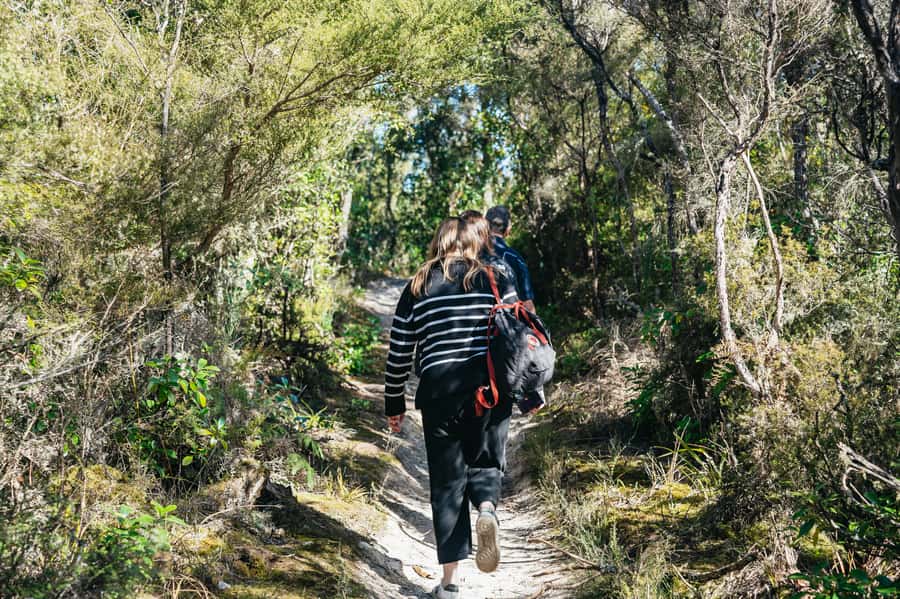
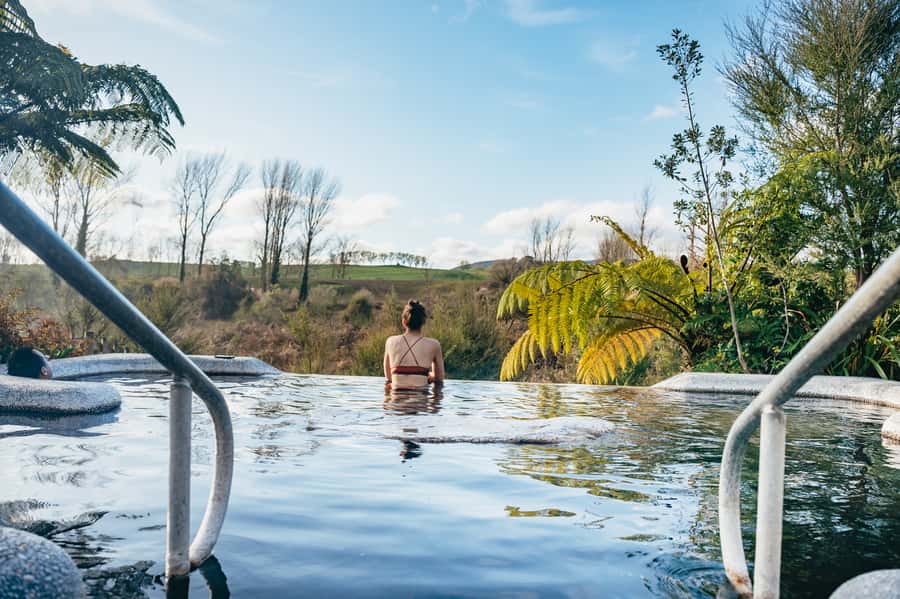
The final stop changes the pace completely. After the walks and geothermal viewing, you enter Waikite Valley Thermal Pools for a soak in silica-rich thermal water.
This is the feature that sets the tour apart from a basic geothermal sightseeing drive. You do not simply look at hot water all afternoon. You finish by using a developed thermal pool complex, which gives the experience a comfortable, restorative ending.
Bring your swimwear in an easy-to-reach part of your bag. You also need a towel if one is not supplied, although the included items specifically cover entry rather than bathing equipment. Food and beverages are not included, so plan accordingly.
There is one important bathing rule: keep your head above the water at all times. The operator warns of the risk of potentially fatal amoebic meningitis in geothermal waters. This is a simple instruction, but you should follow it carefully and explain it to children old enough to join similar activities.
The Waikite stop is especially useful for anyone who finds that walking and standing leave them tired. It gives you a chance to slow down before returning to Rotorua. If the pools are the main point of the booking for you, confirm that they are included in your scheduled route. A past change of program meant one party did not get the expected Waikite bathing time, which was a serious disappointment because the soak had been their priority.
The guide and the small-group feel
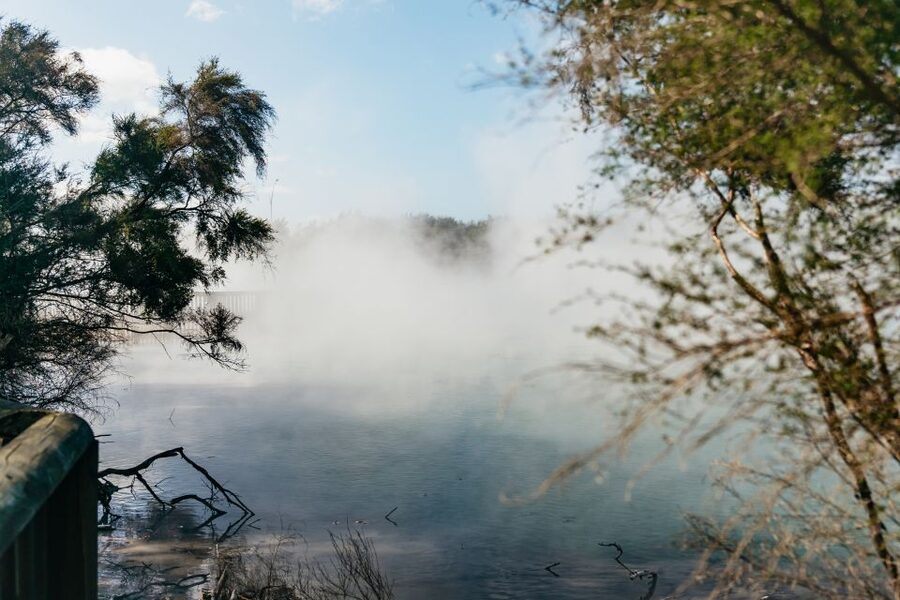
The guide can make or break a geothermal tour. Here, the strongest praise centers on Stephen, also called Steve or Steph, who is described as kind, attentive, and highly informed.
The most useful quality is not simply the amount of information. It is the ability to connect the stops and respond to your interests. One party of only two people still received the full tour, which suggests that the operator may run the outing even with a very small group.
A small group also gives you a better chance to ask practical questions. You can ask about the colors in a crater lake, the difference between a spring and a mud pool, or the vegetation around a geothermal site without shouting from the back of a coach.
The group is limited to eight participants, but that does not guarantee a private tour. If you want a fully private itinerary, ask before booking. For most people, though, eight is a useful middle ground: more social than a private outing, but far more personal than a large coach trip.
What $89 includes, and what it does not
At $89 per person, the tour offers a fair package if you value transport, guiding, access to several separate sites, and the thermal pool entry.
You are paying for more than a ride to one major attraction. The route combines several geothermal settings with a local guide and a developed bathing stop. Reaching the less obvious locations independently may require more planning, driving, and research, particularly if you do not know which roads and paths connect the sites.
The value is strongest for a visitor with only half a day available. Four hours gives you a clear introduction to Rotorua’s geothermal character without committing an entire day.
The value is weaker if you mainly want a long pool session. The tour includes Waikite entry, but the whole outing also includes transport and several walks. Your bathing time is therefore only one part of the schedule, and the exact amount may vary with road conditions, group pace, or program changes.
Food and drinks are extra. Bring what you need, since none are included in the price.
Who should book this experience?
I would choose this tour if you want a guided introduction to Rotorua’s less familiar geothermal places and prefer a small group. It suits couples, solo visitors, friends, and active adults who enjoy short walks followed by a hot soak.
It is also a good fit if you want variety. The lake, forest, crater lake, mud pool, spring, and thermal pools each offer something different, so the half day does not feel like repeated versions of the same stop.
You should think twice if you have difficulty walking over uneven ground, poor balance, or a low level of fitness. The tour is not suitable for wheelchair users or people with mobility impairments, and children under six cannot join.
You should also avoid booking if you want to wander freely around geothermal areas. The safety rules require you to keep to formed paths, and the route is controlled for good reason. This is a place for careful viewing, not casual exploring.
Cancellation is flexible up to 24 hours before departure for a full refund, and you can reserve now and pay later. Starting times vary, so check availability for your date.
Final verdict: is the Thermal Path Tour worth it?
Yes, if you want a compact, well-guided look at Rotorua beyond the most obvious attractions. I especially like the combination of the active mud pool, the unusual Rainbow Mountain walk, and the Waikite Valley soak. The small group and local guiding add real value, with Stephen, Steve, or Steph receiving particularly warm praise for making the experience personal.
Book it if you can manage the walks, will follow geothermal safety rules, and want more than a single hot spring visit. Skip it if the bathing session is your only priority, unless you confirm that Waikite Valley is definitely part of your departure. For an active half day with a relaxing finish, $89 is a reasonable price.
FAQ
How long is the Thermal Path Tour?
The tour lasts four hours.
How much does the tour cost?
The price is $89 per person.
What locations does the tour visit?
The route includes Rotorua’s largest hot-water lake, Rainbow Mountain, a large active mud pool, Te Manaroa Spring, and Waikite Valley Thermal Pools.
Is Waikite Valley Thermal Pools entry included?
Yes. Entry to Waikite Valley Thermal Pools is included.
How many people are in each group?
The group is limited to eight participants.
Is transportation included?
Yes. The tour includes comfortable air-conditioned transportation between the stops.
Is food included?
No. Food and beverages are not included.
What should I bring?
Bring comfortable clothes, comfortable closed-toe shoes, and swimwear.
How much walking is involved?
The tour includes walks of up to 2 kilometers. You need a good level of fitness and balance.
Is the tour suitable for children and wheelchair users?
Children under six cannot join, and the tour is not suitable for wheelchair users or people with mobility impairments.
More Volcanic Hot Springs in Rotorua
- Half-Day Tour – Ex Rotorua: WAI-O-TAPU Thermal Wonderland
★ 4.0 · 8 reviews - Crater Lakes Scenic Flight with Natural Hot Pool Bathing by Floatplane
★ 5.0 · 6 reviews - From Rotorua: HELL’s GATE Geothermal MUD BATH Half Day Tour
★ 5.0 · 2 reviews - Santorini: Volcanic Islands Cruise with Hot Springs Visit
★ 4.4 · 10,869 reviews
Just added around Rotorua
- Whaka Geothermal Trails Self-Guided Tour★ 3.5 · 44 reviews
- Mt. Tarawera Volcano Scenic Floatplane Tour from Rotorua★ 5.0 · 42 reviews
- Helicopter White Island / Mount Tarawera ‘Volcanic Extremes’★ 5.0 · 2 reviews
- Mt Tarawera Helicopter Tour with Volcano Landing★ 5.0 · 40 reviews
- Mount Tarawera Volcanic Adventure by Helicopter★ 5.0 · 11 reviews
- Polynesian Spa Rotorua: Family Hot Pools and Freshwater Pool★ 3.5 · 14 reviews
- From Rotorua WAIMANGU VOLCANIC VALLEY Half Day Tour★ 3.5 · 3 reviews
- Half-Day Tour – Ex Rotorua: WAI-O-TAPU Thermal Wonderland★ 4.0 · 8 reviews
Volcanic Hot Springs, compared.
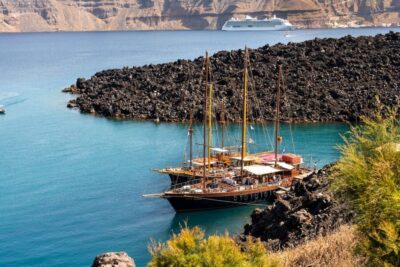
Volcanic Islands Cruise with Hot Springs Visit
Our review of it →
Small-Group Golden Circle, Blue Lagoon with Ticket & Kerid Crater
Our review of it →
Golden Circle, Kerid Crater, & Blue Lagoon Tour
Our review of it →
Golden Circle, Volcano Crater and Blue Lagoon Small-Group Tour
Our review of it →
Golden Circle, Crater & Blue Lagoon Minibus Tour
Our review of it →
Santorini Caldera Cruise Tour (Volcano, Hot Springs, Thirassia)
Our review of it →
Volcano and Hot Springs Sunset Dinner Cruise
Our review of it →
Santorini Volcano and Hot Springs Cruise Tour from Fira Old Port
Our review of it →Browse the lists this tour appears in