
REVIEW · CHILE
Pucón: Villarrica Volcano Climb
A smoking crater rewards every hard step. Pucón’s Villarrica Volcano climb gives you a serious mountain day, excellent equipment, and a close look at one of Chile’s most active volcanoes. I like the small guide ratio, with one certified guide for every three participants, and I like the careful equipment fitting before the climb. The main catch is simple: this is much harder than a casual day hike.
The route climbs from 1,200 meters to 2,847 meters, usually taking five to six hours uphill. The summit views are superb when weather allows, but wind, cloud, seismic activity, or volcano restrictions can shorten the day. Come for a demanding adventure, not a guaranteed crater visit.
Key things to know before climbing Villarrica
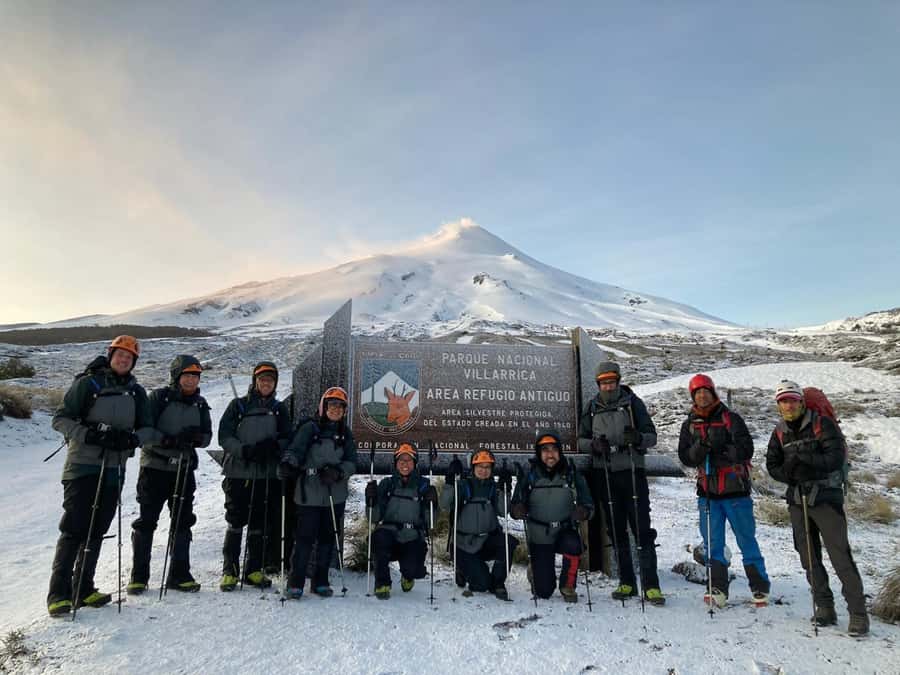
- The climb begins early: Meet at the Zenit Travel office at 6:15 am, with the group leaving Pucón for the volcano after preparation.
- You receive serious mountain gear: Boots, trousers, jacket, gloves, gaiters, helmet, backpack, crampons, ice axe, and poles are included.
- The summit is not automatic: Weather, wind, seismic activity, and official safety conditions can limit the route.
- The descent is part of the fun: When snow conditions permit, you use controlled sliding sections to descend much faster than you climbed.
- The climb needs real endurance: Previous mountaineering experience is not required, but a reasonable level of fitness is.
- The $190 price covers a lot: Transport, park entry, equipment, and close guide support make this a useful package for visitors without their own gear.
Why Villarrica makes such a memorable mountain day
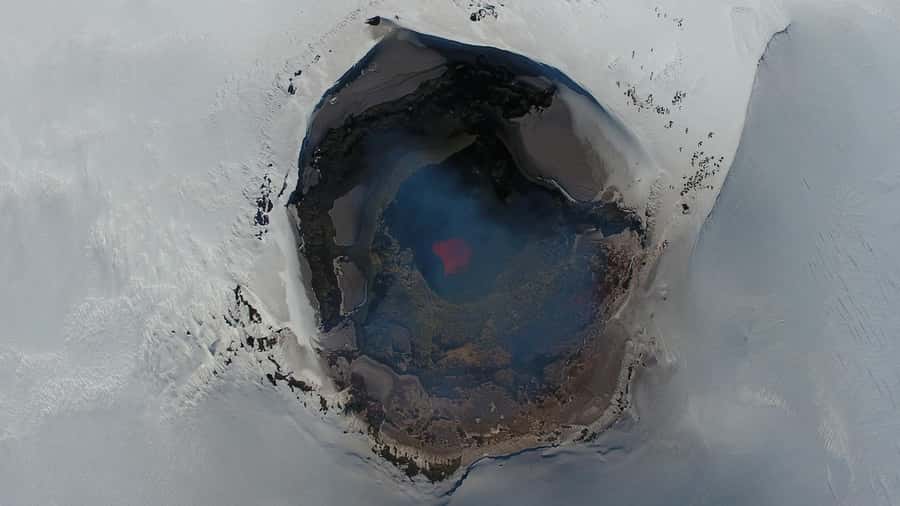
Villarrica is not just a high point with a view. It is an active volcano in Chile’s section of the Pacific Ring of Fire, and the route gives you a direct look at volcanic ground, snow, ice, fumaroles, and the crater rim.
At the top, you may see into the middle of the crater. Under good conditions, you might spot fumaroles or even glowing lava. That possibility adds a real edge to the climb, though it also explains why access can change at short notice.
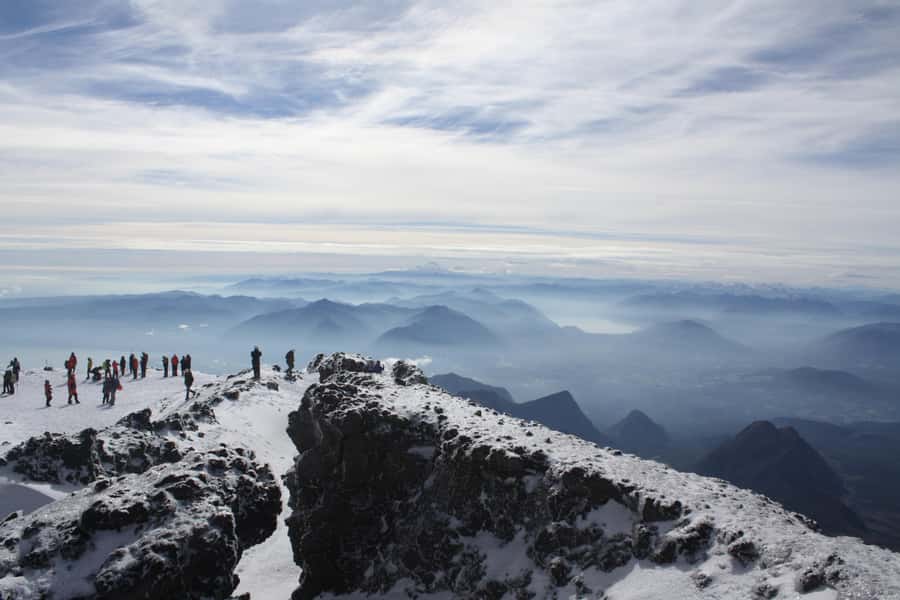
The views widen as you gain height. From the summit, you can look across forests, lagoons, and several surrounding volcanoes. The early start can also bring sunrise light, which one participant described as an unexpected reward before the hardest part of the climb began.
I especially like that the guides do more than point you uphill. The day can include conversation about Indigenous Andean peoples, their relationship with the mountains, and basic volcanology. The amount of geological explanation may vary by guide, so if you are curious, ask questions as you climb.
A few more volcano trips around Chile worth a look
- From Puerto Varas: Osorno Volcano & Petrohue Falls Day Tour
★ 4.6 · 121 reviews - Villarrica Volcano Ascent – Zenit
★ 5.0 · 111 reviews - Puerto Montt: Osorno Volcano and Petrohué Falls Guided Tour
★ 4.5 · 104 reviews
The 6:00 am start and equipment fitting in Pucón
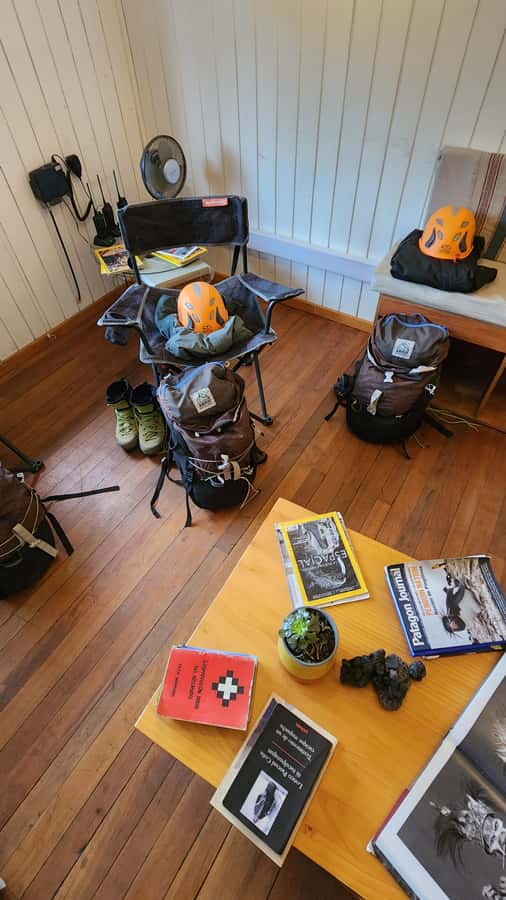
The practical part begins the day before. You meet the local team for a boot fitting, equipment check, and short explanation of the route. This matters. Ill-fitting boots can cause blisters, and one participant had foot trouble during the climb after a poor fit.
Try on everything carefully. Walk around in the boots. Check the gloves, trousers, jacket, and gaiters. Tell the staff about any pressure points before the morning departure, when there is less time to make changes.
On climb day, meet under the Zenit Travel arch at Pedro de Valdivia 205. The stated meeting time is 6:15 am, while the activity information also refers to a 6:00 am office departure, so confirm the exact time with the company the day before.
The van ride to Villarrica National Park takes about 30 minutes. Hotel pickup is not included, so you need to reach the central office yourself. That is easy enough if you are staying in Pucón, but plan your morning carefully. You also need to bring food, drinks, sunscreen, sunglasses, and any personal trekking clothing not supplied by the company.
One practical point deserves attention: some people chose to use the ski lift for the first part of the approach. The lift ticket costs extra, and it is not included. Ask about lift availability and price during the equipment meeting, and bring cash if you intend to use it.
The first 1,200 meters: steady walking before the snow
The route begins at about 1,200 meters above sea level. The first section is a traditional uphill hike, and the guides ask you to start at an easy pace.
Do not waste your energy trying to race early. The route becomes more demanding as you gain height, and there are no long, flat stretches to give your legs a full rest. Several people found the climb harder than expected, even when they were young and active.
The group usually moves according to ability. With several guides on the mountain, it may split into smaller units so faster and slower climbers can find a more suitable pace. Guides stay connected by radio, and the best part of this setup is that you can stop for a breather without feeling that the entire group is waiting impatiently.
That support makes the climb possible for people with different levels of experience. Still, do not confuse good guiding with an easy route. You are walking uphill for hours, often looking down at your feet and managing your breathing. The effort is constant.
Hydration begins the day before, not halfway up the volcano. The company advises drinking plenty of water and avoiding alcohol the night before. A carbohydrate-heavy dinner, such as pasta, is also recommended.
Crampons, ice axes, and the upper slope
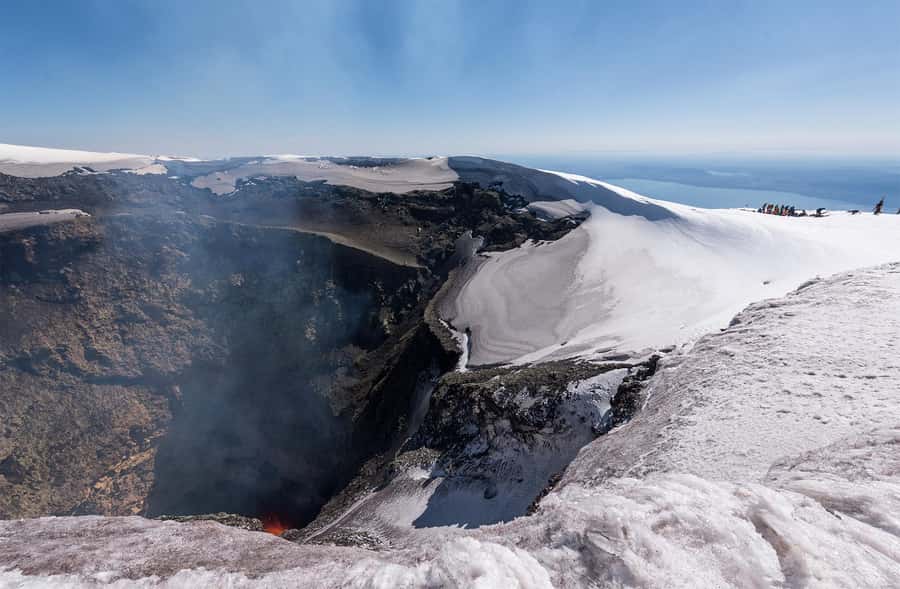
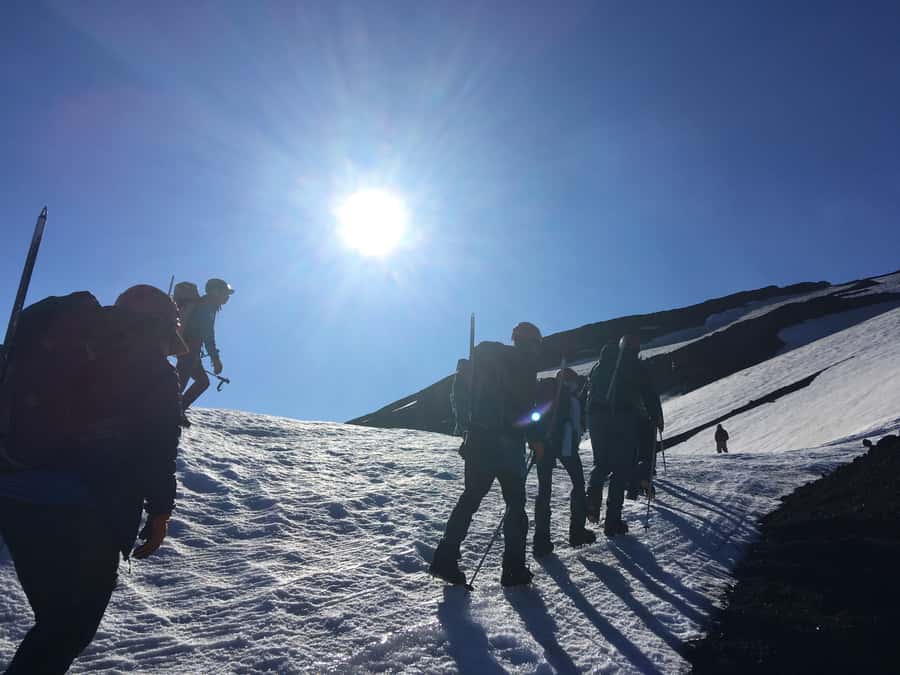
As you approach the glacier and permanent snow, the guides explain how to use crampons and ice axes. You receive instruction before tackling the steeper snow section, and the guides monitor how each person is handling the terrain.
The equipment list is a strong part of the package. You get mountain boots, poles, crampons, an ice axe, helmet, backpack, trousers, jacket, gloves, and gaiters. For someone visiting Pucón without alpine equipment, buying or renting all of this separately would be inconvenient and potentially expensive.
The gear also changes the character of the day. You are not simply walking a dusty trail in sports shoes. You are moving through snow and ice with proper tools, learning a basic mountain skill set as you go.
Conditions can vary sharply with height. You may feel warm while climbing, then face cold air and wind higher up. Layering is important, even though the main outer clothing is supplied. Bring a buff or similar neck covering, as one participant specifically recommended, along with sunscreen and sunglasses.
Safety decisions belong to the guides and the volcano authorities. A yellow warning or recent volcanic activity can prevent a summit attempt. Strong Puelche winds have also forced groups to stop early. That is disappointing, but it is the right call on an active volcano.
Same trip, a different kind of day out:
- Volcano & Hotsprings 4K
★ 4.5 · 87 reviews - Full Day Mountaineering to Villarrica Volcano from Pucón
★ 5.0 · 62 reviews - Private Day tour Petrohue Falls, Osorno Volcano & Puerto Varas
★ 5.0 · 45 reviews - Trekking Mirador el volcano + Geometric hot springs
★ 5.0 · 38 reviews
Reaching 2,847 meters and looking into the crater
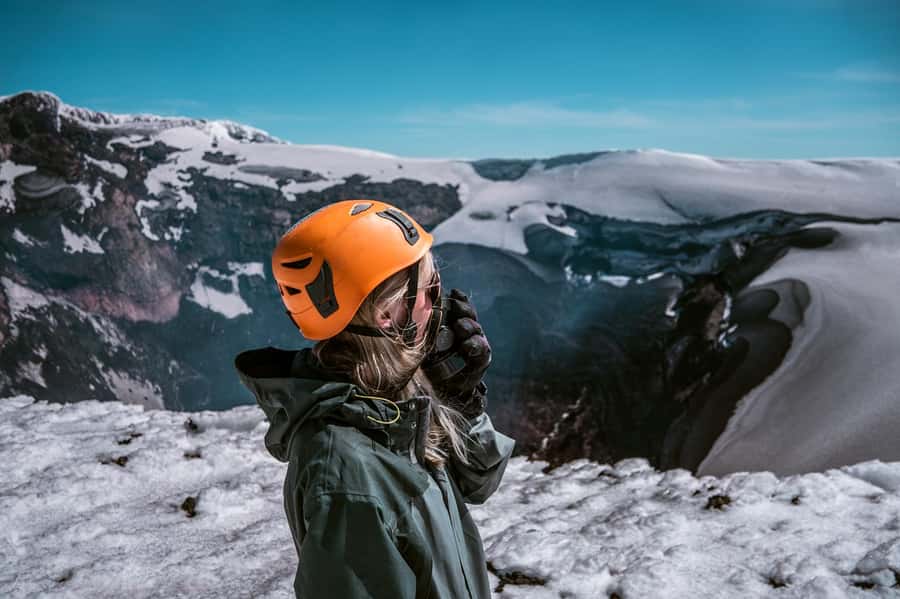
After roughly five to six hours of climbing, the route reaches the summit at 2,847 meters. The top section can feel like the reward for every slow step below.
You spend about 30 minutes at the summit, depending on conditions. Take in the crater, the volcanic formations, and the broad views before the descent begins. Some groups have seen fumaroles and possible lava, though you should not treat this as guaranteed.
The summit may also be closed even when the mountain itself is open. In that case, you could still have a worthwhile climb, but the day becomes a high-altitude snow hike rather than a full crater visit. Previous outings have also been redirected to another volcano when Villarrica was closed, though that option cannot be assumed for every departure.
The weather can change the summit experience completely. On a clear day, you may get 360-degree views of forests, lagoons, and nearby volcanoes. In cloud or strong wind, visibility may be limited, and snow sliding may not be safe. If the team offers to continue toward a restricted or uncertain summit, listen carefully to the briefing and make your decision with the conditions in mind.
The descent: controlled sliding instead of endless downhill walking
The descent normally takes about half the time needed to climb. It combines ordinary walking with controlled snow sliding, often the most playful part of the day.
You sit and slide down prepared snow sections, following the instructions from the guides. The feeling is closer to a natural toboggan run than a quiet mountain walk. You may get wet or cold, so keep an extra layer in your pack and protect anything that should not be exposed to snow.
This is also easier on some knees than a long downhill trek. One participant with knee concerns found the sliding especially helpful, though it still requires control and attention. You are not simply dropping down the mountain. You need to follow the guide’s instructions, manage your speed, and know when to return to walking.
Snow conditions decide how much sliding is possible. Poor weather or limited snow can remove this part of the day, so consider it a bonus rather than a promise.
At the base, the van takes the group back to the Zenit Travel office in Pucón. The full outing lasts about nine hours, but the mountain portion takes most of that time. This is a full-day commitment, not a quick morning activity.
The guides and the Zenit Travel setup
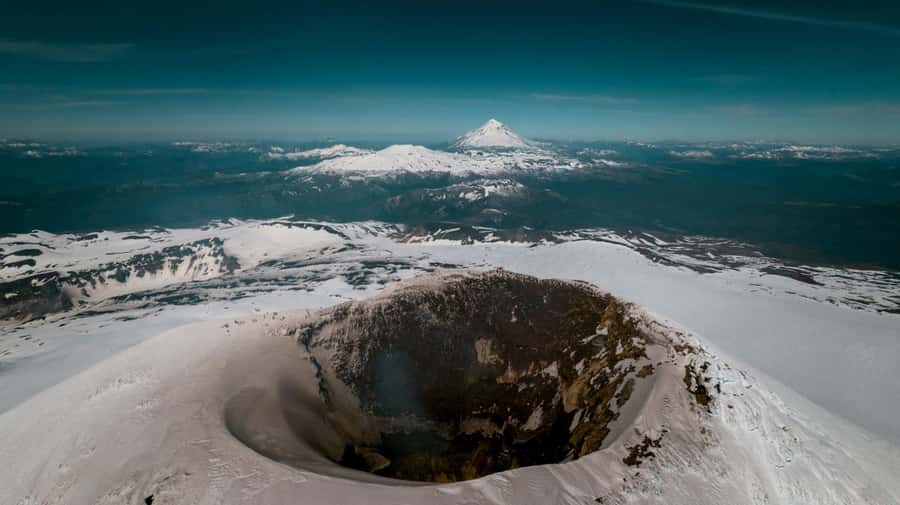
The guides receive the strongest praise in the feedback. Names that come up include Nacho, Osiel, Chacha, Sebastian, Raul, Luisa, Felipe, and Osiel again for his mountain photography. That repeated praise points to a consistent strength: the team pays attention to individual ability and keeps communication clear in English.
I like the one-guide-for-three-participants ratio on paper, because it allows closer supervision than a large coach-style excursion. In practice, groups can still become crowded. One participant described a 12-person group that moved slowly and formed a line on busy parts of the ascent.
Ask how the group will be managed if you care about pace. Splitting by ability can make a big difference. A fit climber may prefer a faster subgroup, while someone less confident may appreciate a slower pace and more frequent stops.
The guides also handle difficult calls well. When weather threatened one ascent, the team explained the risk, offered the choice to try or return another day, and continued only when conditions gave them a safe window. That kind of honesty matters more than a forced summit attempt.
The main improvement I would want is clearer information before departure about the ski lift, cash, and the chance that summit access could be restricted. Ask directly so you know what is included and what is not.
Is $190 a fair price?
At $190 per person, this is not a cheap day hike. It is a fair price if you need the equipment and want close mountain support.
The package includes transportation from the central office, Villarrica National Park entry, and a substantial set of mountain gear. It also includes certified guides, with one guide for every three participants. For an international visitor, that removes the need to organize boots, crampons, an ice axe, helmet, gaiters, and suitable outerwear separately.
The price does not include hotel pickup, food, drinks, sunscreen, sunglasses, personal trekking clothes, or the ski lift. Bring your own snacks and water. Ask about the lift before the morning, since using it may save energy on the lower slope but adds to the cost.
The value depends on your goal. If you want an easy scenic outing, this is poor value because the physical demand is high. If you want a properly supported attempt on an active Chilean volcano, the equipment and guide ratio make the cost easier to justify.
Free cancellation up to 24 hours before the activity and the option to reserve now and pay later add useful flexibility, especially when weather can change plans. Still, read the current conditions before committing to a tight travel schedule.
Who should book the Villarrica climb?
You should consider it if you are physically active, comfortable with a long uphill day, and excited by snow travel, crampons, and volcanic scenery. You do not need previous climbing experience, but you do need enough fitness to climb continuously for several hours.
This is not suitable for children under 18. It may also be a poor choice if you dislike cold conditions, uncertain weather, group pacing, or the possibility of stopping below the crater.
Prepare well:
- Eat a carbohydrate-based dinner.
- Drink plenty of water the day before.
- Avoid alcohol the night before.
- Bring food, drinks, sunscreen, sunglasses, and layers.
- Wear or bring a buff for wind and cold.
- Check your boots carefully during the fitting.
- Ask about the ski lift and bring cash if you want that option.
- Keep a spare day in your Pucón plans if reaching the summit matters.
Should you book this volcano climb?
Book it if you want one of Pucón’s biggest physical challenges and you accept that mountain conditions control the outcome. The crater, possible volcanic gases, high snow slopes, and 360-degree views give the day a rare sense of adventure, while the guides provide the structure that makes the route approachable for first-time alpine climbers.
Skip it if you are looking for a relaxed outing or cannot spare the energy for five to six hours of climbing. The guides are attentive, but they cannot make a steep active volcano easy.
For most fit adults, I think the experience is worth considering, especially because the equipment is included and the descent can turn into a fast, hilarious slide back through the snow. Just book with flexible plans, prepare your body, and treat the summit as a possibility rather than a guarantee.
FAQ
How long does the Villarrica Volcano climb take?
The full activity lasts about nine hours, including two 30-minute van rides between central Pucón and Villarrica National Park. The uphill climb usually takes five to six hours, and the descent takes about half as long.
Where do I meet the group?
Meet at Pedro de Valdivia 205 in central Pucón. Look for Zenit Travel under the arch and arrive at 6:15 am on the activity day. Confirm the exact departure time during the equipment meeting.
Is previous climbing experience required?
No. Previous experience is not required, but you need a minimum level of physical fitness. The climb is continuous and demanding, with several hours of uphill movement.
What mountain equipment is included?
The activity includes mountain boots, poles, crampons, an ice axe, helmet, backpack, trousers, jacket, gloves, and gaiters. Food, drinks, sunglasses, sunscreen, and personal trekking clothing are not included.
Can weather prevent the summit attempt?
Yes. The program depends on the weather, volcanic seismic activity, wind, and safety conditions. The summit may be closed, and strong winds or poor visibility can shorten the route.
Is the ski lift included?
No. The ski resort towing ticket for the initial approach is not included. Ask about this option during the equipment fitting, and bring cash if you plan to use it.
Just added around Chile
- Volcano & Hotsprings 4K★ 4.5 · 87 reviews
- Private Day tour Petrohue Falls, Osorno Volcano & Puerto Varas★ 5.0 · 45 reviews
- Full Day Mountaineering to Villarrica Volcano from Pucón★ 5.0 · 62 reviews
- Trekking Mirador el volcano + Geometric hot springs★ 5.0 · 38 reviews
- San Pedro de Atacama: Láscar Volcano Summit Hiking Day Trip★ 4.5 · 8 reviews
- San Pedro de Atacama: Volcano Downhill Bike Tour★ 4.8 · 5 reviews
- Puerto Varas: Osorno Volcano Day Trip by Air-conditioned Van★ 4.6 · 17 reviews
- Puerto Montt: Osorno Volcano Tour Shore Tour in Private★ 4.6 · 3 reviews
Chile Volcano Tours, compared.
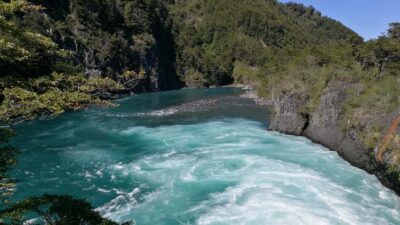
From Puerto Varas: Osorno Volcano & Petrohue Falls Day Tour
Our review of it →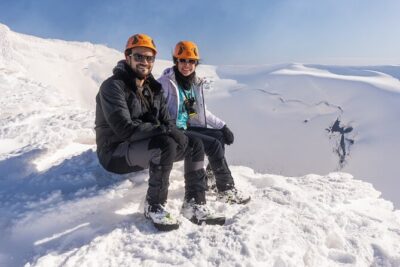
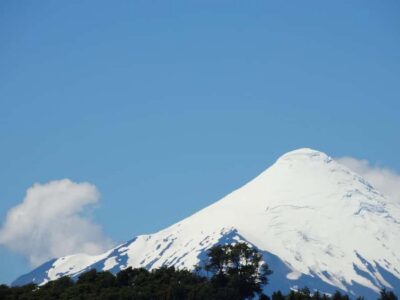
Puerto Montt: Osorno Volcano and Petrohué Falls Guided Tour
Our review of it →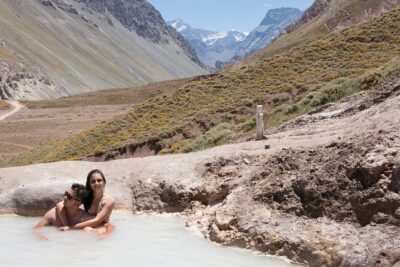
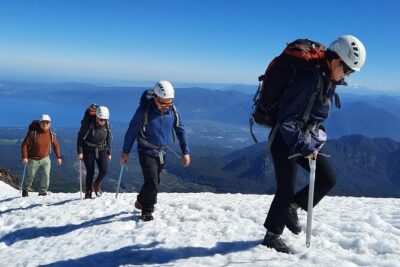
Full Day Mountaineering to Villarrica Volcano from Pucón
Our review of it →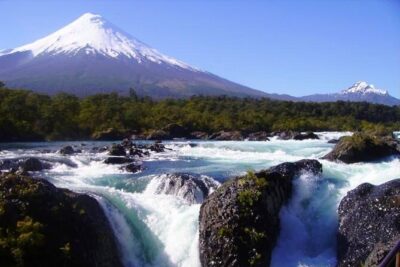
Private Day tour Petrohue Falls, Osorno Volcano & Puerto Varas
Our review of it →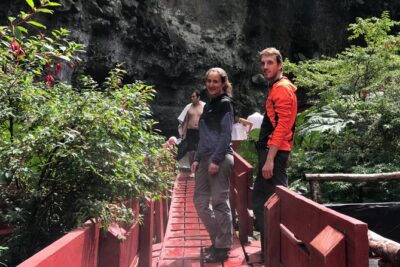
Trekking Mirador el volcano + Geometric hot springs
Our review of it →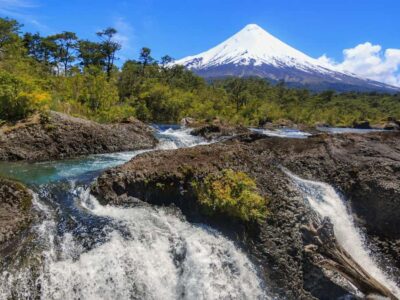
Puerto Varas: Osorno Volcano Day Trip by Air-conditioned Van
Our review of it →Browse the lists this tour appears in