
REVIEW · ITALY
Mount Etna: Craters of the 2002 Eruption Trekking Experience
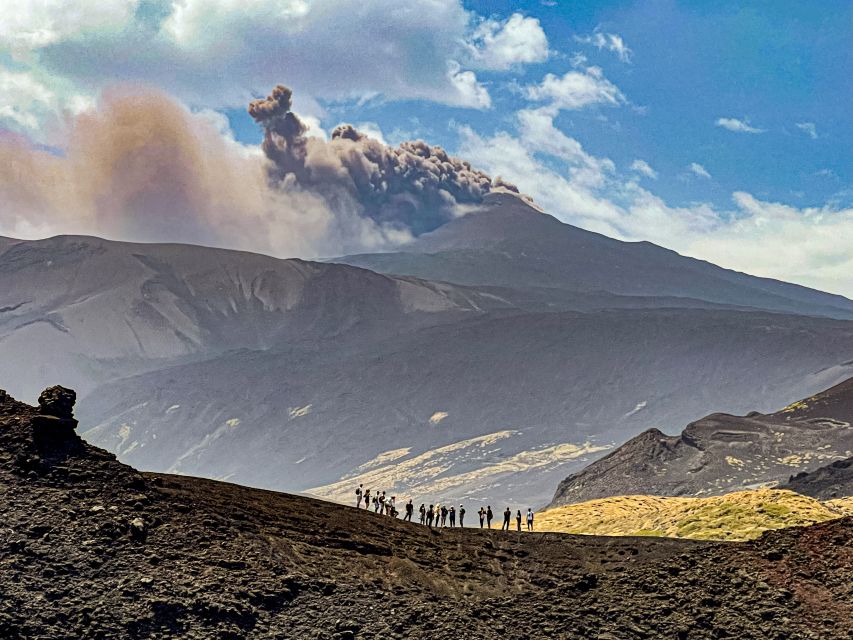
Etna tells its story in black lava. This three-hour trek on Mount Etna’s north side takes you through forest, cinder cones, eruptive fractures, and the huge craters formed during the 2002 eruption. I like the small-scale, educational feel of the walk, and I like that you reach dramatic volcanic features without committing to a full-day mountain hike. The main caution is fitness: this is not a casual stroll, and loose volcanic soil can make the climb harder than the three-hour duration suggests.
The route begins near Piano Provenzana, where the 2002 lava flow caused major destruction. You will see the remains of the Hotel dell Betulle, follow old lava streams, and walk along the fiery fracture zone known as the Cerniera di fuoco 2002. Guides such as Davide, Daniele, Vincenzo, and Niko have earned praise for mixing clear science with humor and practical help.
Weather is the wild card. Wind, snow, cold, and volcanic conditions can change the route, and the crater edges may trouble anyone prone to vertigo. Still, at about $42 per person, this is a strong-value introduction to Etna if you want real volcanic terrain and a guide to explain what you are seeing.
Key points to know before you go
- The 2002 eruption is the star: You walk among the craters, lava streams, and fractures that threatened Piano Provenzana and Linguaglossa.
- It is a three-hour mountain trek: Expect climbing, uneven ground, crater edges, and a pace set by the group.
- The best views come from the north side: On clear days, you can look across the eruptive theater toward the Calabrian Coast.
- Guiding is a major strength: The excursion is led by an official Volcano Guide in Italian, French, or English.
- Rent the right gear if needed: Trekking shoes cost €5, windbreakers cost €5, and snowshoes cost €12 in winter.
- Check the meeting point carefully: Go to Chiosco Bar Mareneve, not Chiosco Bar Etna Nord in the lower parking area.
Why the 2002 eruption makes this trek special
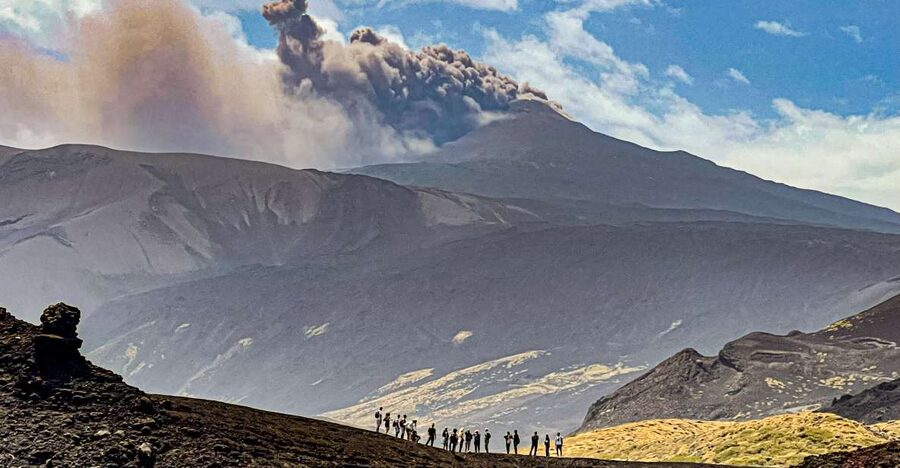
Mount Etna is not just a scenic mountain. It is an active volcano, and the north side gives you a direct look at how an eruption reshapes the ground.
The 2002 eruption produced some of the most powerful and visible changes in this part of Etna in recent decades. Lava moved through the Piano Provenzana area, damaged buildings, and threatened routes toward Linguaglossa. Instead of viewing volcanic activity from a distance, you walk through the remains of that event.
That makes the route more meaningful than a simple climb to a viewpoint. You can see how lava surrounded structures, how fractures opened across the slope, and how loose ash and cinders gathered into new cones. Your guide connects those features to Etna’s repeated flank eruptions, giving you a better sense of how the mountain grows and changes.
The Hotel dell Betulle ruins are a particularly memorable stop. The hotel was overwhelmed by lava, and the visible remains are a stark reminder of the force involved. It is not a polished attraction with exhibits and barriers. You see the damage in the open volcanic setting, which makes the stop feel direct and sobering.
More Lava and Eruption Tours in Italy
- Mount Etna: Trek to the Craters of The 2002 Eruption
★ 4.9 · 9 reviews - Catania: Sunset Jeep Tour of Mount Etna and Lava Flow Caves
★ 4.8 · 2,113 reviews - Catania: Morning Jeep Tour of Mount Etna and Lava Flow Caves
★ 4.7 · 774 reviews
Starting at Piano Provenzana
Your meeting point is Chiosco Bar Mareneve di Ferraro Giuseppa, near the chairlift used by skiers in winter. It is described as the second house among the four buildings in the parking area.
This detail matters because another bar, Chiosco Bar Etna Nord, is located in the lower parking lot. Go to the wrong one and you may lose valuable time before the safety briefing. Allow yourself enough time to locate the correct building and get ready before the group leaves.
The excursion begins with about 15 minutes of safety guidance from Guide Vulcanologiche Etna Nord. You will receive instructions about the route, volcanic ground, crater edges, weather, and group movement. Take this part seriously. The surface can be unstable, and the guides may change or stop the walk if environmental, weather, or volcanic conditions make it unsafe.
The parking information is not fully consistent. One part of the arrangements lists €5 for a full weekday and €8 on Sundays and public holidays, while the meeting details mention €3 paid after the walk. I would confirm the current parking charge before setting out.
The road toward Etna’s upper craters
The walking route follows the dirt road from Piano Provenzana toward Etna’s summit craters. You are not simply marching uphill. The guide pauses to point out different volcanic forms, including lava channels, ash deposits, fractures, and small cones created by past eruptions on the north side.
The road gives you a clear route at the beginning, but this remains a mountain outing. The elevation, loose material, and incline can tire you quickly, particularly in wind or cold. One visitor in their late 60s found the trek hard but worthwhile, while another described it as a slow and easy walk with regular pauses. Both descriptions can be true depending on your fitness, footwear, weather, and pace.
The group normally walks together, and the total time depends on how quickly everyone moves. This is useful if you prefer an outing with time for questions and photographs, but it means the three-hour estimate is not a strict race against the clock.
Hotel dell Betulle: the human mark left by lava
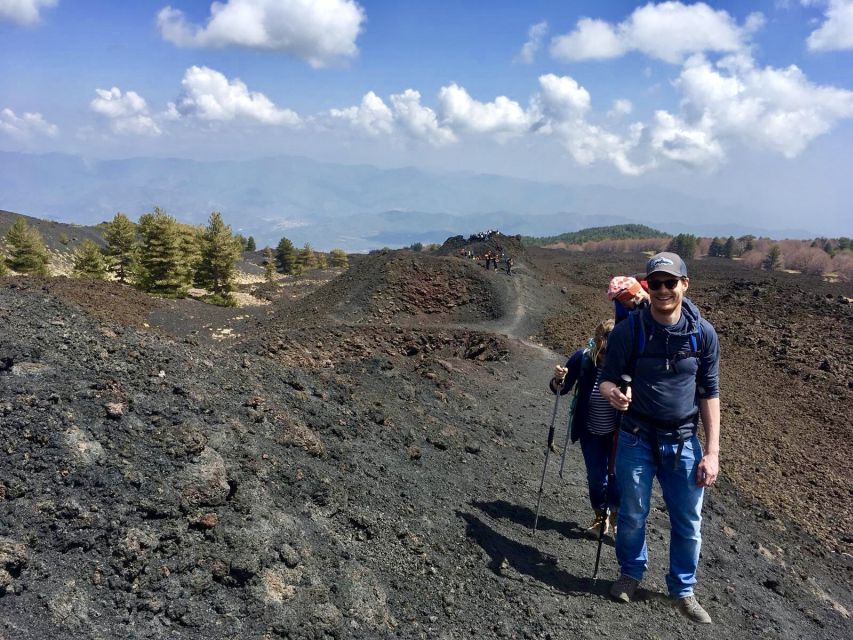
The first major stop is the remains of the Hotel dell Betulle, the only visible structure left from the 2002 flow in this part of the route.
You get roughly 10 minutes here for a break, photographs, and an explanation from the guide. The stop helps you understand the eruption in human terms. Lava is often treated as a dramatic natural spectacle, but the ruined hotel shows the cost of living near an active volcano.
This is also a good time to adjust your clothing and footwear. The north side can feel cold even when Sicily below is warm. Bring a windbreaker, jacket, gloves, and a hat in the cooler months. A spare jacket helped one participant who had forgotten to rent one, but you should not count on that kind of extra equipment being available.
More Volcano Hikes and Treks in Italy
- Mount Etna: Summit Guided Hiking Tour up to 3,400 m
★ 4.8 · 4,792 reviews - Etna: summit craters trekking with volcano guide 3350mt
★ 4.7 · 1,712 reviews - Catania: Mount Etna Trekking Tour Beyond the Tourist Trails
★ 4.9 · 1,596 reviews - Mount Etna: Summit Trekking Tour
★ 4.9 · 347 reviews
Bottoniera del 1911 and Etna’s smaller cones
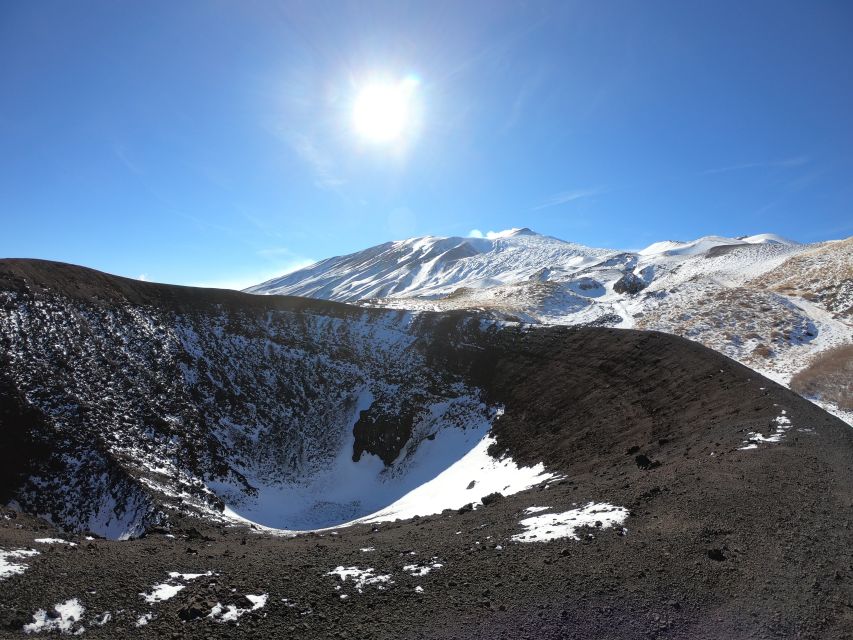
The route continues to the Bottoniera del 1911, a group of volcanic cones and related formations from an earlier eruption. The stop lasts about 25 minutes and includes explanation, photographs, free time, and a short walk.
This section is valuable because it puts the 2002 eruption into a longer pattern. Etna’s north side has been shaped by multiple events, not one isolated outburst. Your guide may point out how different eruptions leave different forms, from cinder cones to channels and cracks.
You may also see hornitos, a name meaning small ovens. These are small volcanic structures associated with lava movement and gas release. The route goes up along cinder cones, giving you a close view of the rough, granular material that makes up much of Etna’s upper slopes.
The cinders are part of the appeal and part of the challenge. They can shift underfoot, so careful steps matter. Trekking poles are useful here, and one reviewer specifically advised using the walking poles offered. Poles are not included, so bring your own or ask locally about availability.
Cerniera di fuoco 2002: the main event
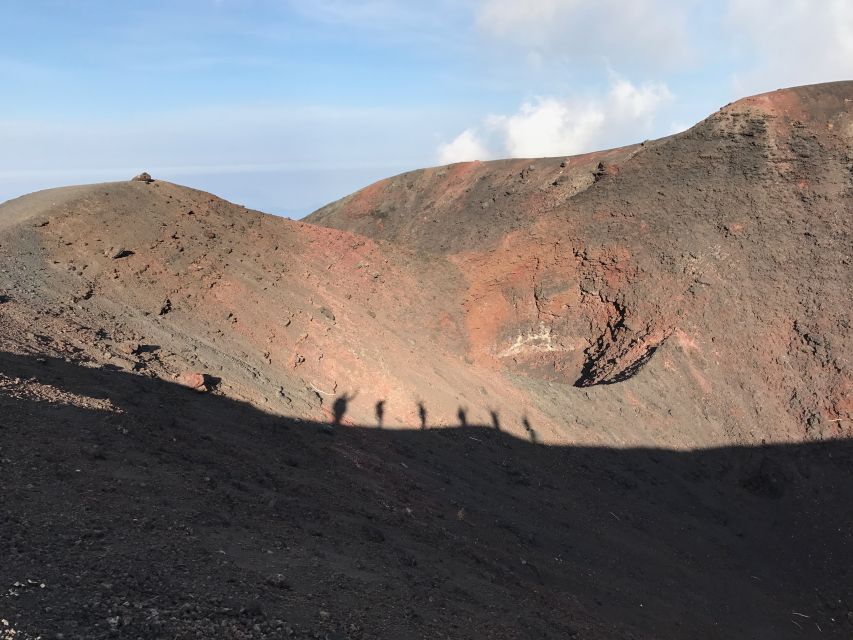
The longest stop is the Cerniera di fuoco 2002, or the 2002 fire hinge. Plan on about an hour and a half for walking, explanations, photographs, and time to look around.
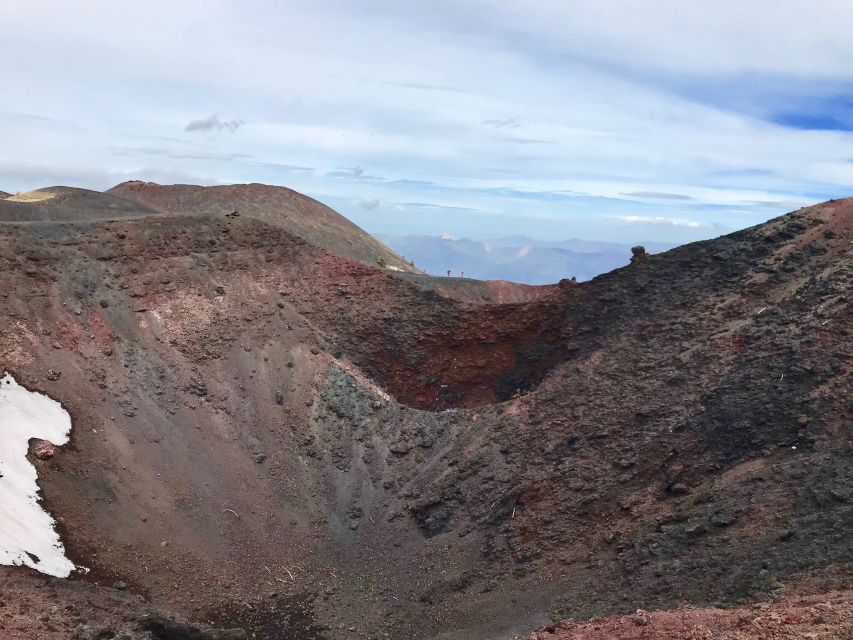
This is where the outing feels most connected to the eruption. You move across lava fields and along eruptive fractures, then approach the large craters formed during the event. The guide explains the shapes around you and how the eruption affected the north side.
At the upper section, you look over the crater edges and may descend into a sandy channel on the way back. This part gives you the most dramatic views, but it also demands the most care. The crater rims can cause dizziness, and the sandy descent may feel unstable if you are not used to mountain walking.
The view is a major reward. On a clear day, the eruptive theater opens toward the Calabrian Coast. Wind can spoil the visibility, as one visitor found, so do not judge the outing only by the weather forecast in coastal Sicily. Conditions at Etna can be very different from those at sea level.
What the guides add to the walk
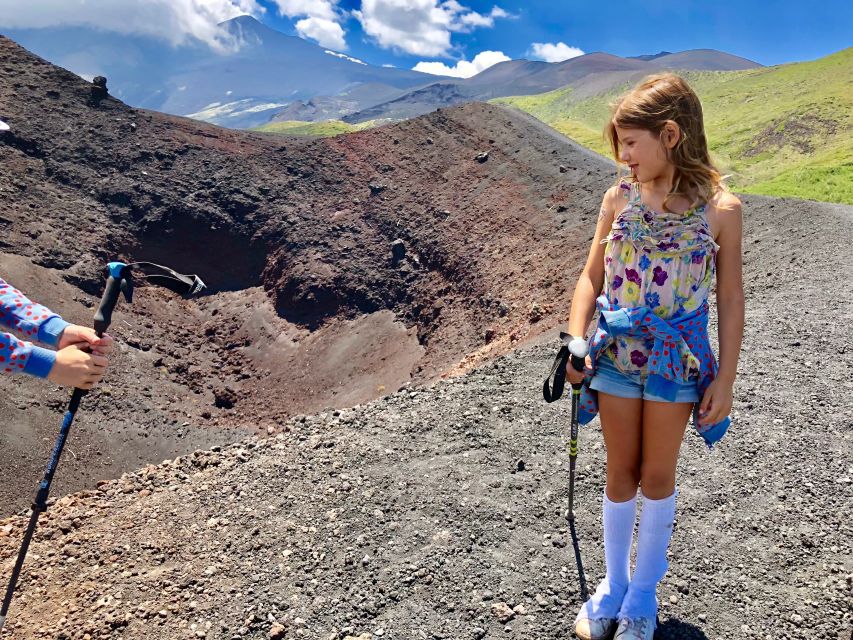
The official Volcano Guide is the main reason to choose this outing instead of walking the route alone. Volcanic features can look like piles of dark rock unless someone explains how they formed.
The guides have received especially strong praise for their teaching style. Davide was described as making the route varied with humor. Daniele was praised for being helpful, friendly, and skilled at explaining the craters. Vincenzo combined scientific information with jokes and, on one outing, used personal eruption photographs and videos to make the story more concrete. Niko was noted for his broad understanding of Etna and volcanoes.
The language options are Italian, French, and English. Clear explanations matter here because the terrain alone does not tell the full story. You will get more from the walk if you ask questions about the dates, lava movement, crater shapes, and earlier eruptions.
The guides also appear attentive to group pace. That does not remove the physical effort, but it makes the outing less intimidating for people who are careful and reasonably active.
How hard is the three-hour trek?
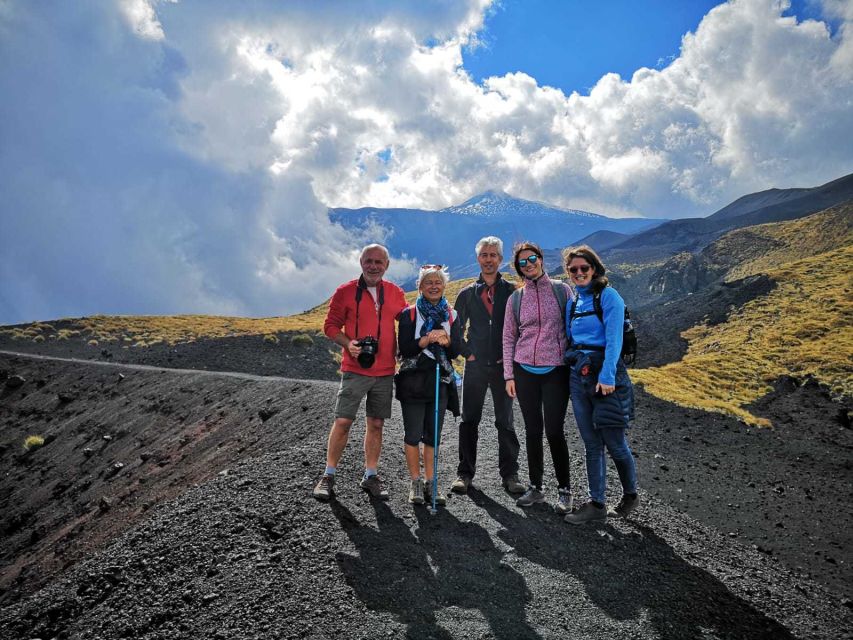
The description calls for hikers with medium training, and that is the right way to think about it. You need to manage an ascent, uneven volcanic ground, cinder cones, crater edges, and a sandy channel.
This is not recommended if you do no regular physical activity. It is also unsuitable for children under six, pregnant women, people with back, heart, respiratory, or mobility problems, and people with epilepsy. Anyone with a strong fear of heights or vertigo should avoid it, since the route includes crater edges and exposed-feeling sections.
That said, the trek is not presented as an extreme mountaineering trip. Several accounts describe a manageable pace with frequent stops. A group with children and older participants completed a longer version, but that should not be taken as a guarantee that the route will feel easy for everyone.
Wear proper hiking or trekking shoes. Sandals, flip flops, slippers, high heels, skirts, and large bags are not suitable. Without adequate shoes, you may not be covered by the included accident insurance.
Gear, weather, and seasonal costs
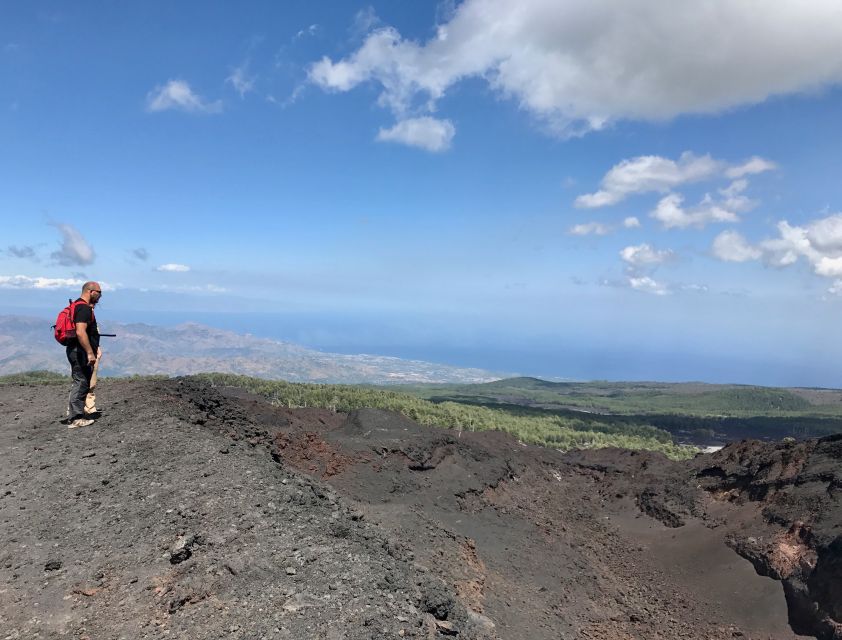
Bring water, snacks, sunglasses, sunscreen, a jacket, a windbreaker, and weather-appropriate clothing. A small daypack is the practical choice. Large bags and luggage are not allowed.
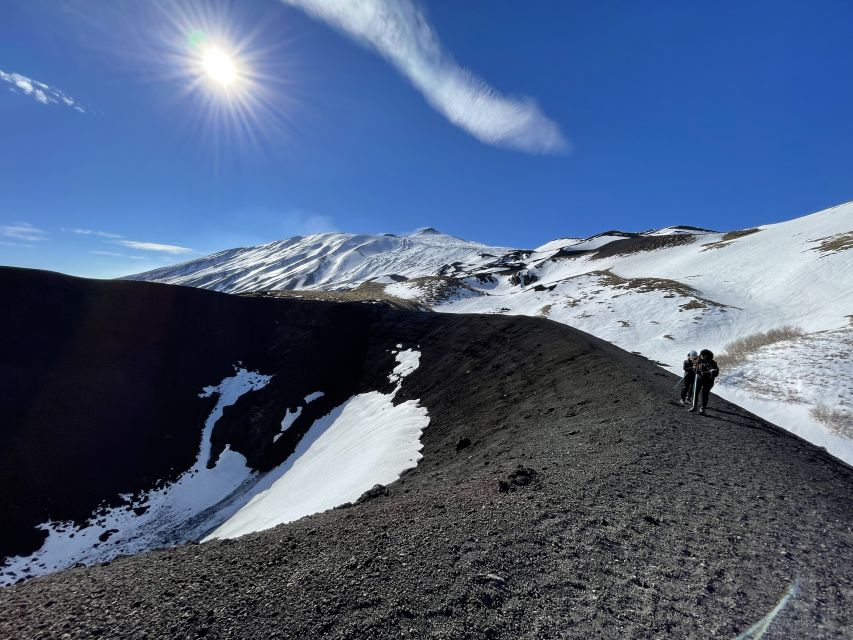
Trekking shoes can be rented from authorized providers for €5 per pair. A windbreaker is also listed at €5, while snowshoes cost €12 per person during December, January, February, and March if snow is present.
Winter is not the only season requiring extra care. Spring and autumn can be cold and windy at elevation, and even summer weather may not feel warm on the exposed upper slopes. Gloves and hats are not included, so bring them in cooler months.
The guide can alter or interrupt the route for weather, environmental, or volcanic reasons. That is a sensible safety rule on an active volcano, but it means you should keep some flexibility in your day.
Is $42 good value?
At approximately $42 per person, the price is fair for a three-hour guided mountain outing that includes an official Volcano Guide and accident insurance. You are paying for interpretation, route judgment, and access to a difficult volcanic setting, not just transportation or a viewpoint.
The value is strongest if you want to understand what you are seeing. Without a guide, the 2002 craters, older cones, lava streams, and fractures might blur into one dark field of rock. The explanations give the walk a clear purpose.
You should budget extra for parking, food, water, rental shoes, a windbreaker, poles, or snowshoes. Transport from your accommodation is not included, so you must arrange your own way to Piano Provenzana.
The experience also requires at least four participants in total. That condition may affect your plans if you are visiting during a quiet period, so confirm that the outing is running before building a tight schedule around it.
Who will enjoy this Etna outing most?
I would choose this trek if you have limited time but want more than a drive-by view of Etna. It gives you a focused look at the north side, especially the 2002 eruption, without requiring a full-day route.
It suits you if you enjoy:
- Volcanoes, geology, and natural history
- Moderate mountain walks with regular stops
- Guided interpretation in English, Italian, or French
- Dramatic views and active outdoor sightseeing
- Smaller-scale outings away from large tourist groups
I would choose something easier if you have weak balance, breathing problems, serious joint pain, or little experience walking on loose ground. I would also skip it if crater edges make you uncomfortable.
Should you book the Craters of the 2002 Eruption Trek?
Book it if you want a practical, reasonably priced introduction to Etna’s north side, especially if the 2002 eruption interests you. The destroyed hotel, lava fields, hornitos, crater rims, and Calabrian Coast views create a varied three-hour outing, and the guides add real value through clear explanations and good humor.
Before booking, check the weather, confirm the meeting point, arrange transport, and make sure you have sturdy shoes and warm layers. This is a good choice for an active visitor who wants volcanic ground beneath their feet, but not for anyone expecting a flat nature walk.
FAQ
How long does the Mount Etna crater trek last?
The trek lasts about three hours. The exact time depends on the group’s overall pace and conditions on the mountain.
Where is the meeting point?
Meet at Chiosco Bar Mareneve di Ferraro Giuseppa near the winter chairlift. It is the second house among the four buildings in the parking area.
Is the meeting point Chiosco Bar Etna Nord?
No. Chiosco Bar Etna Nord is in the lower parking lot. The correct meeting point is Chiosco Bar Mareneve.
What languages does the guide speak?
Guides are available in Italian, French, and English.
Is transport from my accommodation included?
No. Transport from your accommodation to the starting point is not included.
Do I need hiking shoes?
Yes. Hiking or trekking shoes are required because the volcanic ground can be uneven and unstable. Trekking shoes may be rented on site for €5 per pair.
Can I join if there is snow?
The excursion may continue with changes depending on conditions. Snowshoes are recommended during snowy winter conditions and can be rented on site for €12 per person.
Can the route change or be cancelled during the trek?
Yes. Guides may change or interrupt the excursion because of environmental, climatic, or volcanic conditions.
More Lava and Eruption Tours in Mount Etna
- Reykjavik: LAVA SHOW – Immersive Experience Entry Ticket
★ 4.8 · 3,360 reviews - Lava Show Reykjavik Admission Ticket – Optional Premium Upgrade
★ 5.0 · 3,278 reviews - Reykjavik: Red Lava Horse Riding Tour
★ 4.8 · 2,383 reviews - The Lava Tunnel Tour – Raufarhólshellir
★ 5.0 · 2,373 reviews
More Mount Etna Tours in Mount Etna
- Mount Etna: scenic Summit Trek with a volcano Guide and Gear
★ 4.5 · 284 reviews - Mount Etna: Half-Day Guided Tour and Hike
★ 4.4 · 264 reviews - From Catania: Mount Etna Half-Day Tour and Wine Experience
★ 4.5 · 214 reviews - Mount Etna: Hike to The Highest Point With a Guide
★ 4.8 · 147 reviews
Just added around Mount Etna
- Taormina and Catania: Private guided Etna hike by cable car★ 5.0 · 17 reviews
- Taormina and Catania: Private Etna Exploration and Cave Tour★ 4.8 · 32 reviews
- Piano Provenzana: Mount Etna Hiking Trip to 3,380 Meters★ 4.8 · 54 reviews
- Mount Etna: Private Trek on the North Slope Craters★ 5.0 · 4 reviews
- Mount Etna: Trek to the Craters of The 2002 Eruption★ 4.9 · 9 reviews
- Mount Etna: Half-day Morning Jeep Tour★ 5.0 · 71 reviews
- Etna South: High Altitude Winter Trek with an Alpine Guide★ 4.8 · 27 reviews
- From Catania: Etna tour to the Base of the Summit Craters★ 4.9 · 35 reviews
Mount Etna Tours, compared.
Mount Etna Morning or Sunset Day Trip with Tasting
Our review of it →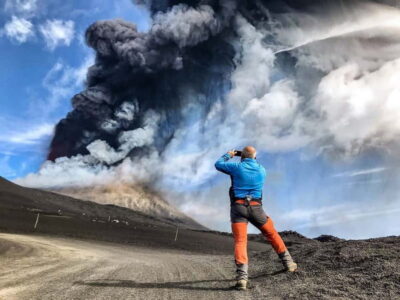
Sunset Jeep Tour of Mount Etna and Lava Flow Caves
Our review of it →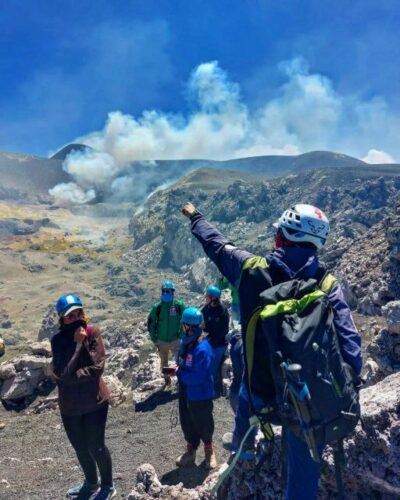
Etna and Alcantara Gorges Full-Day Tour with Lunch
Our review of it →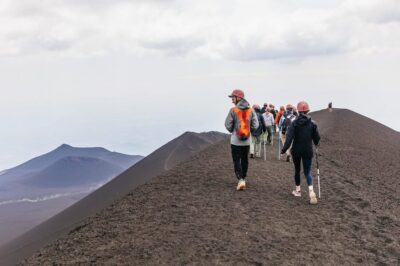
summit craters trekking with volcano guide 3350mt
Our review of it →
Browse the lists this tour appears in