
REVIEW · GREECE
Milos: Geology & Volcano Half-Day Morning Tour
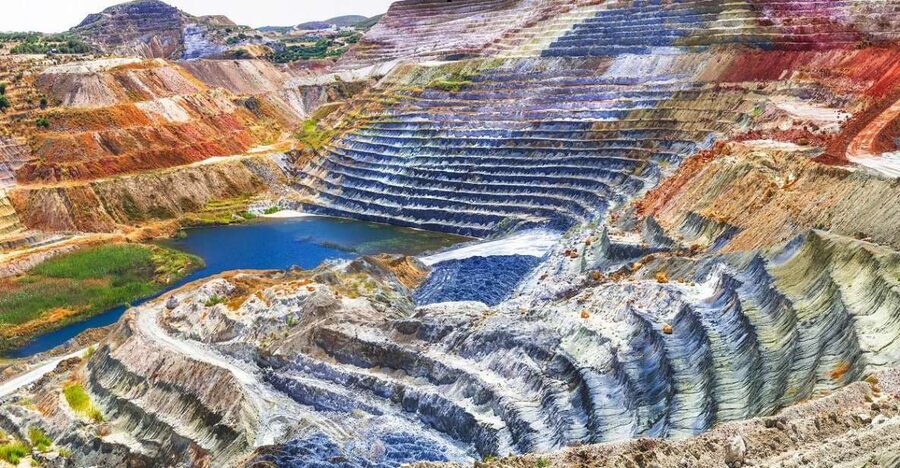
Milos looks like another Greek island until the rocks start talking. This three-hour minivan tour links volcanic scenery, ancient Phylakopi, Sarakiniko, and the Mining Museum in one tidy morning. I especially like the chance to see Milos beyond its beaches and the way a local guide can add context to places you might otherwise pass quickly. The main catch is time: three hours can feel short, especially if you want a proper swim.
The $102 price is easiest to justify if you do not want to rent a car, prefer air-conditioned transport, or have only a short stay on Milos. It is less convincing if you want to linger at two beaches or explore at your own speed. Guide Yiannis, also called Giannis, has earned particular praise for adapting the morning to what people have already seen, and one small group even enjoyed extra stops such as the ancient theatre, the Aphrodite statue, and a local bakery.
Five things to know before booking
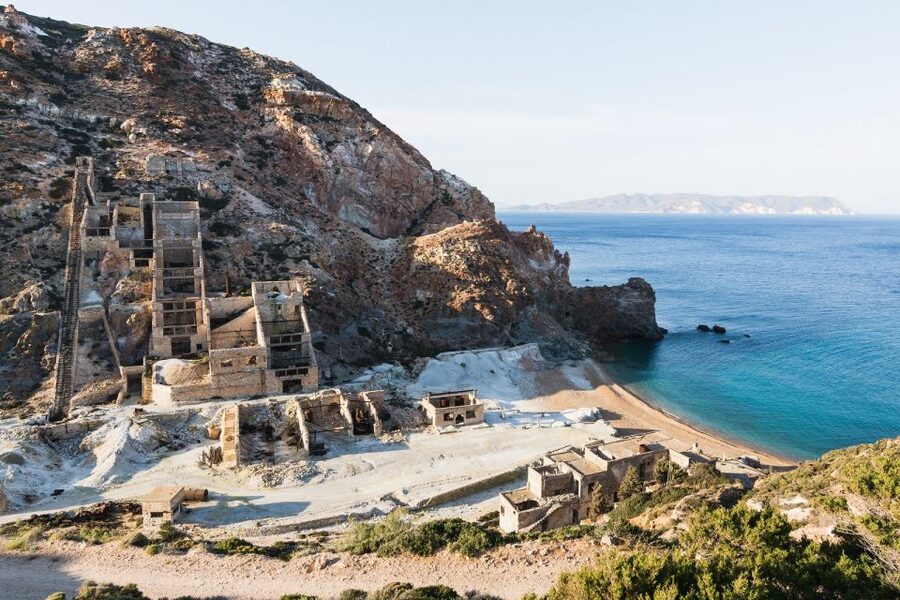
- Sarakiniko looks almost lunar: White pumice and compacted volcanic ash create the island’s most unusual coastal scene.
- Phylakopi adds real archaeological context: From the Papafragas plateau, you can see part of the ancient settlement’s western fortification wall.
- The Mining Museum is a highlight, not a filler stop: It explains why Milos has such a distinctive appearance and long connection to mining.
- Swimming is included, but time is limited: Bring swimwear and a towel, but expect the water stop to share the morning with several sightseeing stops.
- The tour can be flexible: Yiannis has adjusted the route for people who had already seen familiar sights, though that depends on the day and guide.
- The $102 cost buys convenience: Pickup, an air-conditioned vehicle, water, a guide, and a compact route are included, but food and personal expenses are not.
Why Milos geology makes a good morning tour
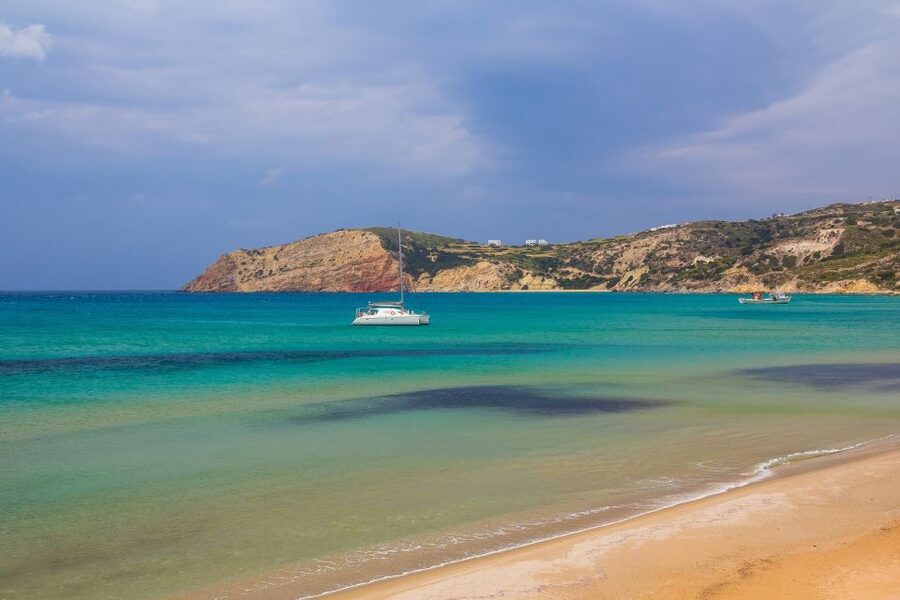
Milos is not just a place for pretty coves and whitewashed villages. Its rocks tell a story of volcanic activity, mineral deposits, mining, and changing coastlines. That gives this excursion a clearer purpose than a basic island sightseeing loop.
You will visit an inactive volcano that last erupted about 90,000 years ago. You will not be watching lava or hiking into a smoking crater. The value is seeing how old volcanic forces shaped the island’s colors, textures, cliffs, and mineral wealth.
I like this approach because the geology is tied to places you can actually see. At Sarakiniko, the white rock feels almost unreal. At Phylakopi, the coast connects geology with settlement. At the Mining Museum, the story becomes practical and human, showing how the island’s natural materials affected work and daily life.
The morning format also suits Milos well. You get an early look at several important sites, then still have much of the day available. The tradeoff is that this is an introduction, not a slow geological field trip.
More Half-Day Tours in Greece:
- From Naples: All-Inclusive Mount Vesuvius Half-Day Tour
★ 4.2 · 674 reviews - Mount Etna Half-Day Small Group Tour from Taormina
★ 5.0 · 628 reviews - From Taormina: Half-Day Mount Etna Morning Trek
★ 4.9 · 504 reviews
The drive in an air-conditioned minivan
Pickup and drop-off are included, which makes the tour useful if you are staying in or near the main visitor areas. You should wait at the pickup point five minutes early. If your hotel is on a narrow or inaccessible road, the vehicle may collect you from a nearby meeting point instead.
The exact pickup details arrive by email, so check them before the morning of the tour. There is one firm exception: pickup and drop-off are not provided from Milos Cove Hotel.
An air-conditioned minivan matters in the warmer months. You can move between exposed viewpoints without spending the entire morning driving yourself, checking directions, or finding parking. Water is included, along with maps and general information.
The vehicle is also where the tour’s value depends on your priorities. If you are comfortable renting a car and want to spend all day at the coast, $102 may feel high. If you are visiting without a car, have limited time, or would rather let someone else handle the route, the convenience is easier to appreciate.
Transport scores have been especially strong, with 94 percent of ratings giving it a perfect score. That does not promise a private vehicle or a particular group size, but it does suggest that the road portion is a major strength.
Phylakopi and the view from Papafragas
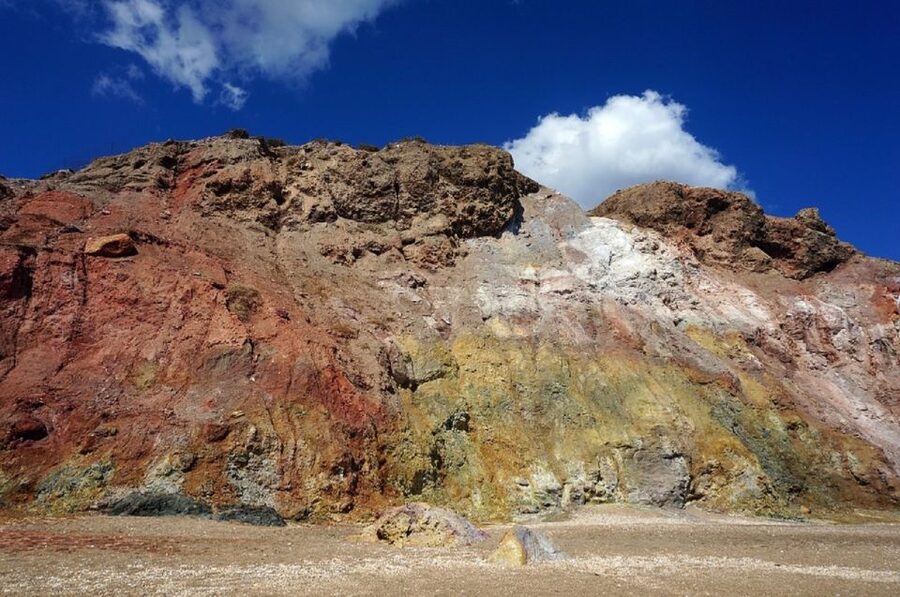
Phylakopi is one of the stops that gives this tour more substance. From the plateau of Papafragas, you can admire part of the ancient settlement’s western fortification wall and hear the story of Phylakopi from the guide.
The setting is striking because the archaeological remains do not sit apart from the coast. You see the old wall in a rugged seaside setting, with rock formations and water helping you picture why people settled here. The guide’s explanation is important. Without it, the ruins can look like scattered stones and a wall fragment. With context, the stop becomes a window into one of Milos’s older chapters.
You should expect a photo stop and a short exploration rather than a long archaeological visit. The itinerary covers several major sites in three hours, so the pace stays brisk. That is good for first-time visitors who want an overview. It is less good if you collect archaeological details or prefer to sit quietly at one site.
Papafragas also helps prepare you for Sarakiniko. Both places show unusual coastal rock, but they do so in different ways. Phylakopi connects the coast with settlement and defense. Sarakiniko focuses on volcanic material and the strange forms created by erosion.
One guide has also added the ancient theatre and the statue of Aphrodite when adjusting the route for a small group. Those extras are not guaranteed, but they show how a good guide can avoid repeating places you have already visited.
Sarakiniko, where the island turns white
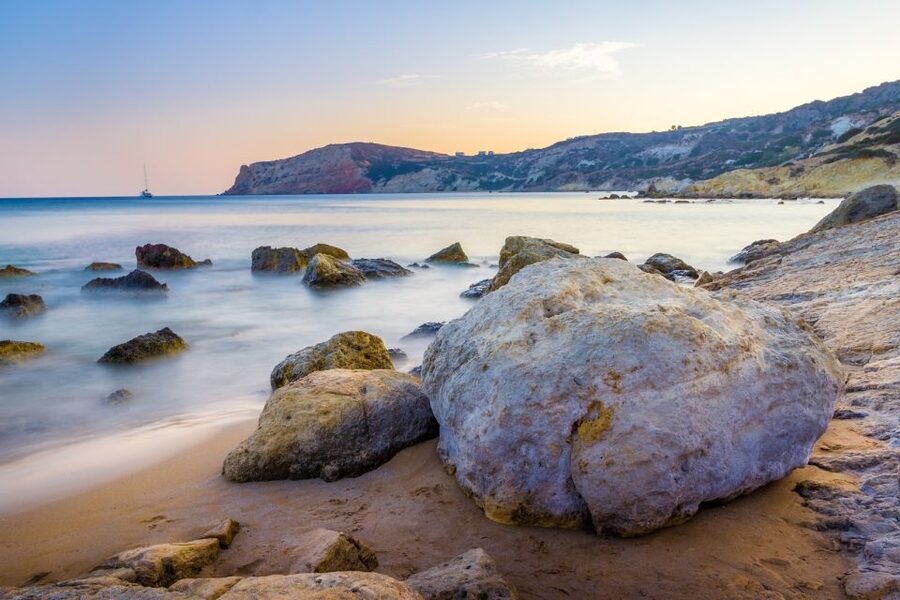
Sarakiniko is the visual centerpiece. The first impression is often compared to landing on the moon, and the comparison makes sense once you see the pale rock, smooth forms, and stark shore.
The unusual appearance comes from pumice stone and compacted volcanic ash. The bright surface reflects the sun and strips away the usual colors associated with a Greek beach. Instead of green hills and dark sand, you get white rock, blue water, and hard shadows.
This is a place for walking, photographs, and a swim in clear water. Bring comfortable shoes because the ground is rocky and uneven in places. You will also want swimwear and a towel if you plan to enter the water.
The important practical point is time. Two separate experiences indicate that Sarakiniko can deserve longer than the schedule allows. The tour gives you a taste of the site, but you may not have enough time to wander every corner, find the best photo angle, and swim without watching the clock.
If Sarakiniko is your main reason for visiting Milos, consider setting aside another part of your trip for a longer visit. If your goal is to see it alongside other geological and cultural stops, the short stop works well.
You should also expect conditions to affect the experience. The white rock can be intense in direct sun, and comfortable clothing will make the walking easier. The tour provides water, but food and drinks beyond that are not included.
A few more volcano trips around Greece worth a look
- Santorini: Volcanic Islands Cruise with Hot Springs Visit
★ 4.4 · 10,869 reviews - From Kos: Nisyros Island Volcano and Panagia Spiliani
★ 4.3 · 2,429 reviews - Santorini Caldera Cruise Tour (Volcano, Hot Springs, Thirassia)
★ 4.5 · 1,302 reviews - Santorini: Volcano and Hot Springs Sunset Dinner Cruise
★ 4.6 · 1,224 reviews
The inactive volcano and Milos’s volcanic character
The tour includes a chance to understand Milos as a volcanic island, including an inactive volcano that last erupted about 90,000 years ago. The point is not an active eruption or a strenuous volcanic hike. It is the chance to connect the island’s present-day scenery with ancient geological forces.
That context helps explain why Milos feels so different from many other Aegean islands. The pale rock at Sarakiniko, the mineral-rich ground, the cliffs, and the mining tradition are not unrelated sights. They are parts of the same geological story.
The quality of this part depends heavily on the guide’s explanations. The strongest feedback praises the island stories and the way the guide ties stops together. One criticism is also fair: some people may want more detailed geological explanation while walking around the sites.
So I would describe the tour as geology-focused in subject, but not necessarily as a technical geology lesson. You will see the results of volcanic activity and learn the broad story. If you want scientific detail about rock types, eruption sequences, or mineral formation, ask questions as you go.
The Mining Museum near Adamas
The Mining Museum of Milos is near Adamas and gives the tour its clearest indoor stop. It presents the island’s mining story and shows how the ground beneath Milos has shaped its economy and identity.
I consider this visit especially useful because it turns abstract geology into something understandable. You have already seen the island’s strange rock formations and volcanic material. At the museum, you can connect those natural features with mining and the people who worked with them.
One person described the mine-related stops as a favorite part of the morning. That makes sense. Sarakiniko may be the most photogenic stop, but the museum may be the one that leaves you with the best understanding of Milos.
The museum also offers a break from the sun and wind. After outdoor stops, an indoor visit can make the three-hour route feel better paced. Still, do not expect the entire tour to take place inside. The museum is one piece of a morning built around outdoor scenery.
A visit here is particularly useful if you have seen Milos mainly as a beach destination. It adds an industrial and cultural side that you could easily miss on your own.
What the guide can add
The guide makes a large difference on a compact itinerary. Yiannis and Giannis refer to the same guide name, and the strongest personal praise centers on his friendly manner, island stories, and willingness to adjust the route.
A useful example is asking what you have already seen before the tour begins. If you have already visited a familiar beach or landmark, the guide may be able to substitute something new. One group saw mines, the Aphrodite statue, the ancient theatre, Papafragas caves, and the Mining Museum, along with the main geological stops.
Do not treat those additional places as guaranteed inclusions. The core promise is the geological route, Phylakopi, Sarakiniko, swimming, and the Mining Museum. Extra sights depend on time, access, and the guide’s judgment.
The guide’s English is the stated tour language. If geology interests you, ask direct questions. You may get more from the stops by asking why the rock is white, how mining shaped the island, or how the ancient settlement used its coastal position.
Is $102 a fair price?
At $102 per person, this is not a bargain island bus ride. You are paying for a short, organized route with pickup and drop-off, an air-conditioned vehicle, water, a guide, maps, and information.
The value is strongest in three situations. You do not want to drive, you are staying somewhere with limited transport, or you have only one morning to see several important sites. In those cases, the tour saves you the work of building a route around Milos’s scattered sights.
The value is weaker if you are staying longer and can rent a car for the day. One person found the tour expensive compared with having a vehicle all day, especially because the beach stops did not allow enough time. That is a reasonable criticism.
You also need to consider the pace. A private car gives you control over how long you stay at Sarakiniko or Papafragas. This tour gives you a guide and structure, but less freedom.
I would not choose it mainly for swimming. I would choose it for the combination of geology, archaeology, mining, and coastal scenery, with swimming as a welcome extra.
Who will enjoy this tour most?
I would recommend it to first-time visitors who want a quick introduction to Milos beyond the standard beach circuit. It also suits people arriving without a car, couples and families who prefer a guide, and anyone with a free morning rather than a full day.
It works well for people who enjoy photographs but also want to understand what they are seeing. Sarakiniko supplies the striking images, while Phylakopi and the Mining Museum give the morning more depth.
Families can bring children under two free of charge. Everyone should bring comfortable shoes, comfortable clothes, swimwear, and a towel. Food and drinks are not included, so plan accordingly.
I would hesitate if you want a slow beach day, a technical geology lesson, or full control over the route. I would also hesitate if the $102 price would prevent you from renting a car or booking another full-day experience.
Cancellation is flexible up to 24 hours before departure for a full refund, and you can reserve now while paying later. Those terms help if your island plans are still moving around.
Should you book the Milos geology tour?
Book it if you want an efficient morning that connects Milos’s volcanic past with its ancient sites, mining story, and unusual coast. The Mining Museum and Sarakiniko are the strongest reasons to go, while a flexible guide can make the route feel more personal.
Skip it if you want to spend most of the day swimming or exploring by car. Three hours is enough for a strong introduction, but not enough for unhurried time at every stop.
My practical choice would be to book this early in your Milos stay, then return independently to Sarakiniko if it becomes your favorite place. That gives you the guide’s context first and the freedom to linger later.
FAQ
How long does the Milos Geology and Volcano Tour last?
The tour lasts three hours and takes place in the morning. Starting times depend on availability.
What language is the tour conducted in?
The live tour guide speaks English.
Is hotel pickup included?
Pickup and drop-off are included, but the vehicle may use a nearby pickup point if your hotel is not directly accessible. Exact details are sent by email. Pickup and drop-off are not available from Milos Cove Hotel.
What should I bring?
Bring comfortable shoes, swimwear, a towel, and comfortable clothes. Water is included, but food and other drinks are not.
Can children join the tour?
Children under two years old can join free of charge.
Can I cancel the booking?
You can cancel up to 24 hours in advance for a full refund. You can also reserve now and pay later.
Just added around Greece
- Hiking activity through the volcanic land of wonder★ 5.0 · 6 reviews
- Santorini Volcano Hot Springs★ 5.0 · 8 reviews
- Santorini Volcano Half Day Tour★ 3.5 · 23 reviews
- Santorini Volcano & Hot Springs Tour★ 3.5 · 2 reviews
- Caldera Private Cruise & Volcano Hike★ 5.0 · 31 reviews
- Volcanic Hot-Tub with Caldera View for Ultra-Romantic Couples★ 5.0 · 2 reviews
- Early Season Experience: 3-hours Santorini Volcano and Hot Springs Trip★ 4.0 · 5 reviews
- Santorini Volcano Sunset Cruise with Dinner★ 4.5 · 25 reviews
Half-Day, compared.
Mount Etna Half-Day Small Group Tour from Taormina
Our review of it →
From Taormina, Naxos, & Letojanni: Mount Etna Half-Day Trip
Our review of it →
Browse the lists this tour appears in