
REVIEW · SPAIN
La Geria: a walk among volcanoes and vineyards
Black vineyards, bright skies, unforgettable views. This 210-minute walk through La Geria combines volcanic winegrowing with a climb up Guardilama and finishes at Bodegas Rubicón. I like the way the route explains a working local tradition rather than simply pointing out pretty scenery, and the small group, capped at 10 people, should make it easier to ask questions. The main drawback is the uphill section, which makes this a poor fit if you have limited fitness, mobility problems, or heart and back concerns.
I also like the practical shape of the outing: a circular route, changing views, and a local wine tasting at the end rather than a tasting detached from the place that produced it. Guide Maria earned especially warm praise for her clear explanations, pleasant manner, careful planning, and attention to the group. Bring water, sunscreen, a jacket, and firm closed-toe shoes, because La Geria offers little shelter and the weather can shift.
Key points at a glance
- Three and a half hours on foot: The 210-minute outing gives you time to walk, pause at viewpoints, and visit a winery without rushing.
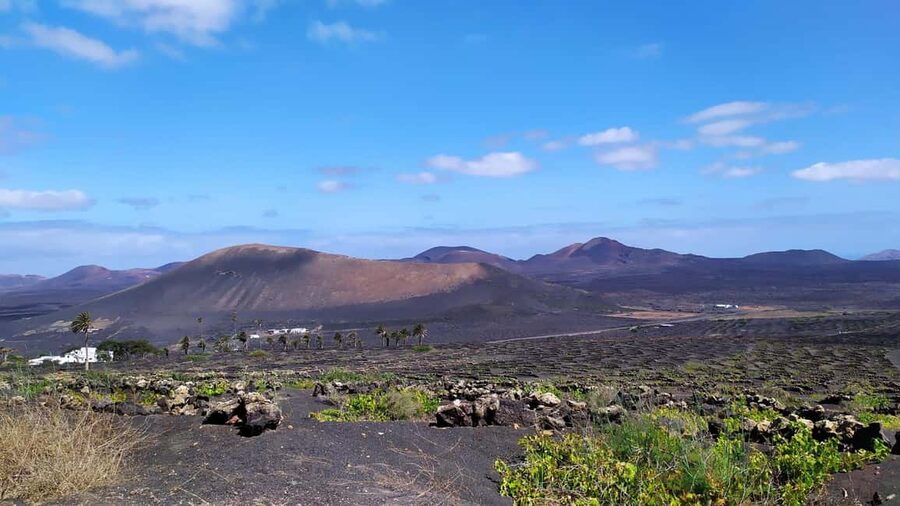
- Guardilama provides the high point: The gradual climb opens views toward Timanfaya National Park and the protected La Geria area.
- Vines grow in black volcanic ash: The tour explains how holes, stone walls, and ash help protect vines from Lanzarote’s dry conditions and trade winds.
- The route changes character: You begin among vineyards, move through wild volcanic terrain, reach the summit, then descend toward coastal views, Los Ajaches, and Fuerteventura.
- Bodegas Rubicón ends the walk: A tasting of local wine gives the hike a fitting finish inside a La Geria winery.
- A small group keeps it personal: With no more than 10 participants, the guide can explain details and respond to questions more easily.
Why La Geria is worth walking
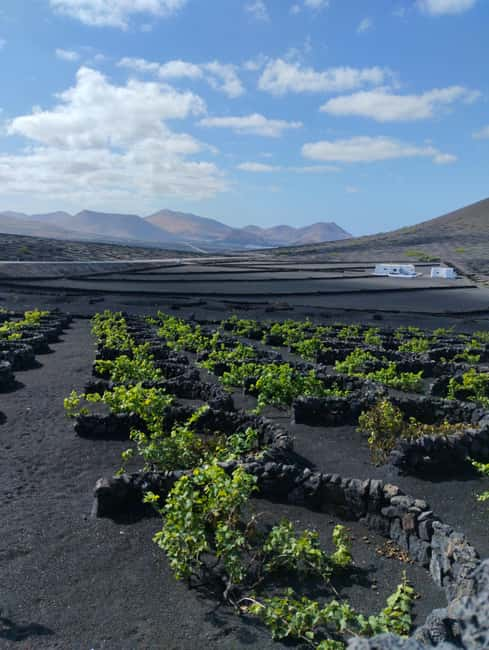
La Geria does not look like a standard European wine region. Instead of neat green rows spreading across fertile soil, you see vines planted in dark volcanic ash, often inside broad hollows. Low stone structures help protect them from the wind, while the ash helps retain moisture in an otherwise dry setting.
That unusual method is the heart of this experience. You are not just walking between vines. You are seeing how generations of growers adapted to difficult conditions and turned a volcanic setting into a place for wine production.
I find this more rewarding than a quick roadside stop because the guide connects the physical details to the local wine tradition. You learn why the vines are planted in holes, why the stonework matters, and how the trade winds affect cultivation. Those explanations give the scenery a purpose.
The route passes through the protected area of La Geria, so the setting is not limited to one winery or one viewpoint. You move through vineyards, open volcanic ground, and slopes with broad views. That variety helps the walk feel like a proper outing rather than a short stroll followed by a tasting.
A few more volcano trips around Spain worth a look
- Tenerife: Mount Teide Tour with Cable Car Ticket & Transfer
★ 4.3 · 5,094 reviews - Lanzarote: Guided Off-Road Volcano Buggy Tour
★ 4.7 · 4,385 reviews - Tenerife: Teide National Park Sunset & Stargazing Tour
★ 4.2 · 3,812 reviews
Beginning among vineyards and volcanic ash
The tour meets in front of the chapel in La Geria. You need to arrange your own transportation to this point, so check the route before setting out. The meeting place is simple, but a chapel is easier to identify than an address hidden among rural roads.
The first section runs through traditional vineyards. Here, the guide introduces the basic method of growing vines in volcanic ash. You can expect to see the characteristic planting holes and stone plinths that shape the vineyards.
This is where the experience earns its keep. Without an explanation, the dark hollows may look like a curious local building style. With a guide, they become evidence of careful farming in a harsh climate. The walk shows you how the vineyards fit the land instead of forcing the land into a familiar farming pattern.
The setting is exposed, and you should take the sun seriously. Sunscreen and water are essential, even if the day begins cool. A jacket is also on the required packing list, which tells you that conditions can change as you gain height or encounter wind.
The guide speaks English, Italian, French, or Spanish. Some material may be presented in its original language, so if language clarity matters greatly to you, confirm your preferred language when booking.
The wild section before Guardilama
After the initial vineyard section, the route moves into more open volcanic nature. You remain among vines and volcanoes, but the feeling changes. Instead of focusing only on cultivation, you begin to see how the vineyards sit within the wider volcanic setting.
The route then starts its gradual climb toward Guardilama, one of Lanzarote’s highest peaks. The word gradual matters, but this is still a real uphill walk. The activity excludes people with a low level of fitness, mobility impairments, heart problems, or back problems, and that guidance deserves attention.
You do not need to treat this as a technical mountain hike based on the information provided, but you should be comfortable walking uphill on uneven outdoor paths. Closed-toe shoes are required. Sandals and smooth casual shoes would be a poor choice for a route that includes a summit and a descent.
The ascent is also the point where the small group can make a difference. A guide leading no more than 10 people can explain the changes in the terrain and keep the pace more manageable than a large coach group. Maria, one of the guides associated with the tour, was praised for planning the route well and offering information as the walk progressed.
Guardilama and the wide volcanic view
The reward for the climb comes at Guardilama. From the upper section, you get sweeping views across the volcanoes of Timanfaya National Park and the protected La Geria area.
This is the best place to understand the scale of the region. Down among the vines, the planting holes and stone barriers are the main story. From above, you can see how the vineyards form part of a much larger volcanic setting.
There is a short break at the top before the descent. That pause gives you time to look around and catch your breath, but do not expect a long rest stop or a meal break. Food and drinks beyond the wine tasting are not included, so carry enough water and any snack you need.
The summit section is likely to be the visual high point of the walk. One verified account called the views outstanding and singled out the guide’s explanations throughout the route. That praise fits the design of the outing: the climb is not only for exercise, but also for the changing views it creates.
Same trip, a different kind of day out:
- Tenerife: Sunset and Stargazing at Teide National Park
★ 4.7 · 2,826 reviews - Teide National Park Sunset & Stargazing with Dinner (Star Safari)
★ 5.0 · 2,601 reviews - Teide National Park: Sunset & Stargazing Safari with Dinner
★ 4.6 · 2,115 reviews - Lanzarote: Timanfaya National Park Volcanic Craters Tour
★ 4.3 · 2,097 reviews
Growing vines inside a volcano crater
Before descending, the route shows you how vines can grow inside a volcanic crater. This is one of the more unusual details of the outing and a good reason to choose the guided walk instead of exploring the wine region without help.
The crater planting gives you another example of how growers use small differences in volcanic ground. You see that winegrowing here is not a simple matter of putting vines in rows. The position of each plant, the shape of the hollow, and the use of stones all matter.
This section also helps explain why La Geria feels so different from a standard vineyard visit. The wine is tied directly to the volcanic ground and to the practical choices made by local growers. If you care about food and drink with a clear sense of place, this is the part that gives the tasting later more meaning.
The eastern slope and views toward the coast
The descent brings a new side of Lanzarote into view. The route moves along the eastern slope, where you can look toward the coast, the Los Ajaches area, and Fuerteventura.
That change is important. You are not retracing the same view in reverse. The circular route gives you a progression from cultivated vineyards, to open volcanic ground, to a high viewpoint, then toward coastal and island views before returning to the valley.
The exact visual conditions will depend on the day, but the tour information makes clear that the second half offers a different outlook from the Timanfaya-facing side. A jacket is useful here because exposed slopes and trade winds can make the upper route feel cooler than the valley.
The descent may be easier on your breathing than the climb, but it can still be hard on knees and backs. If you already know that downhill walking causes trouble, consider that before booking. This is not an accessible route, and wheelchairs cannot be accommodated.
Returning to the valley and Bodegas Rubicón
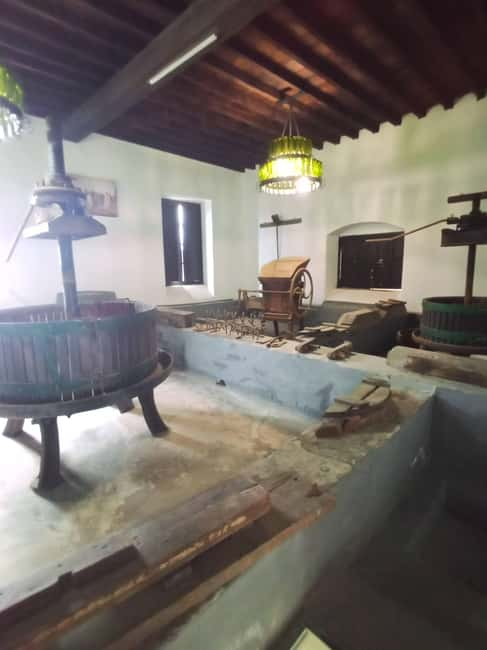
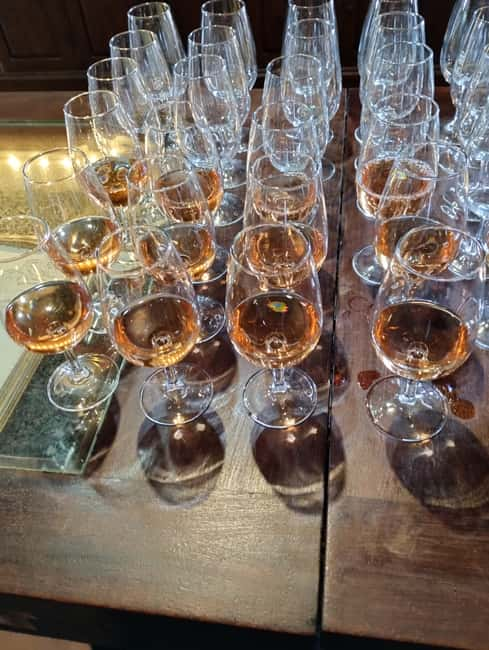
The final stretch leads back through vineyards to the center of La Geria. The route ends at Bodegas Rubicón, where you taste local wine inside the winery.
This is a smart finish. You have just spent several hours learning how the vines survive, so the tasting becomes a direct follow-up rather than a separate tourist stop. You can connect the wine in your glass with the black ash, planting hollows, stonework, and dry conditions you saw on foot.
Only a local wine tasting is included. Additional food and drinks are not part of the program, and the available information does not promise a meal or a full winery tour beyond the visit and tasting. Plan accordingly, especially if you are used to pairing wine with a substantial lunch.
The tasting also means you should think about transportation. You arrange your own way to the chapel meeting point and should not assume that transport is included after the wine. If you plan to drive, use caution around alcohol and consider organizing another way back.
Is $48 a fair price?
At $48 per person, this is reasonably priced if you want more than a short vineyard stop. The fee covers a 210-minute guided route, the visit to Bodegas Rubicón, a local wine tasting, and civil liability and accident insurance.
You are paying for the guide’s interpretation as much as for the walk. La Geria’s planting method is easy to see but harder to understand without context. The guide explains the winegrowing tradition, the volcanic ground, the role of the trade winds, and the route’s changing views.
A self-guided visit might cost less, but it would not provide the same built-in route, summit walk, or organized tasting. On the other hand, the price does not include transport, personal equipment, food, or drinks beyond the tasting. Add those costs when planning your day.
The small group adds value. Ten people or fewer is a much better setup for questions than a large coach outing, especially on a route where the guide’s explanations are central to the experience.
Who will enjoy this most?
I would recommend this to an active adult who wants to connect Lanzarote’s wine with its volcanic setting. It suits people who enjoy a proper walk, broad viewpoints, and local food or drink traditions more than those looking for a passive sightseeing stop.
It is also a good choice if you want a compact half-day activity. The route lasts three and a half hours, leaving room in your schedule for another part of Lanzarote afterward.
You should think twice if you dislike uphill walking or exposed sun. The route includes Guardilama, uneven outdoor terrain, and a descent. Children under 10 are not accepted, and the tour is not suitable for people with mobility impairments, wheelchair users, heart problems, back problems, or low fitness.
The guide’s role matters here. Maria was praised for being pleasant, attentive, and well informed, as well as for planning the walk carefully. Since guides may vary, the strongest benefit is the local knowledge built into the tour, not a guarantee that every outing will be led by Maria.
What to bring and how to prepare
Keep your packing simple, but do not skip the basics:
- Closed-toe walking shoes
- Plenty of water
- Sunscreen
- A jacket
- Any personal snacks you may need
The tour does not provide personal equipment. Food and drinks outside the tasting are also excluded. Wear clothing suited to sun and wind, and leave enough time to reach the chapel in La Geria without rushing.
Free cancellation is available up to 24 hours before the activity, and you can reserve now and pay later. Those terms help if your Lanzarote plans are still changing, but they do not remove the need to check the starting time and arrange transportation yourself.
Should you book La Geria?
Book it if you want Lanzarote’s wine country explained on foot, not just photographed from a roadside viewpoint. The combination of volcanic vineyards, Guardilama, crater planting, coastal views, a small group, and Bodegas Rubicón gives you a well-shaped half-day experience.
Skip it if you need an easy stroll, a wheelchair-friendly route, or a relaxed winery visit without a climb. For fit walkers who want local context and a tasting tied to the place, $48 offers solid value. Bring water, wear proper shoes, and treat the uphill section as a central part of the experience rather than a minor detail.
FAQ
Where does the La Geria tour meet?
The guide waits in front of the chapel in La Geria.
How long does the experience last?
The tour lasts 210 minutes, or three and a half hours.
Is transportation included?
No. Transportation to the meeting point is not included. Help organizing transportation may be available.
What languages are available?
The tour can be conducted in English, Italian, French, or Spanish. Some content may be presented in its original language.
How large is the group?
The tour is limited to 10 participants.
What is included in the price?
The price includes a qualified local guide, the circular hike through the protected La Geria area, a visit to Bodegas Rubicón with a local wine tasting, and civil liability and accident insurance.
What should I bring?
Bring sunscreen, water, a jacket, and closed-toe shoes. Personal equipment is not provided.
Who should not take this tour?
The tour is not suitable for children under 10, people with back or heart problems, people with mobility impairments, wheelchair users, or people with a low level of fitness.
Just added around Spain
- Corralejo: self guided Ebike tour to Popcorn beach and volcanoes★ 5.0 · 19 reviews
- Walking Tour through La Corona Volcano and Famara Cliff★ 5.0 · 14 reviews
- Timanfaya Evening Experience and Volcano Dinner★ 4.0 · 35 reviews
- Trekking in the Volcanoes Natural Park in a small group★ 5.0 · 97 reviews
- Sunset Playa Mujeres or Volcan del Cuervo Connect&flow Yoga practice★ 5.0 · 2 reviews
- On-Road Guided Buggy Volcano Ride in Lanzarote★ 4.5 · 63 reviews
- North Volcano Trekking Tour★ 5.0 · 15 reviews
- North Tour, Viewpoint, Brunch, White beach & lava pools★ 5.0 · 39 reviews
Spain Volcano Tours, compared.
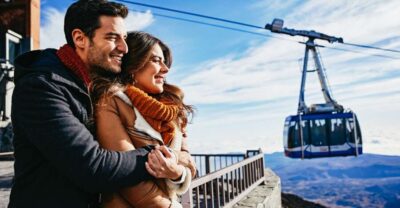
Mount Teide Tour with Cable Car Ticket & Transfer
Our review of it →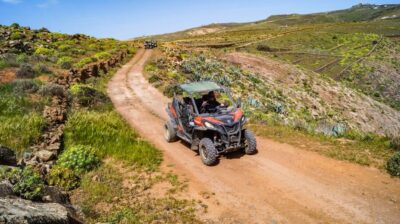
Teide National Park Sunset & Stargazing Tour
Our review of it →
Sunset and Stargazing at Teide National Park
Our review of it →
Teide National Park Sunset & Stargazing with Dinner (Star Safari)
Our review of it →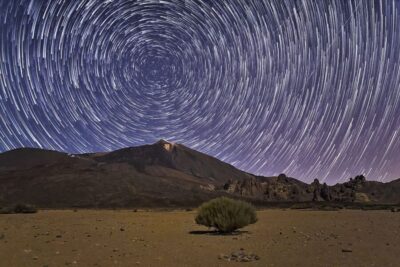
Teide National Park: Sunset & Stargazing Safari with Dinner
Our review of it →
Timanfaya National Park Volcanic Craters Tour
Our review of it →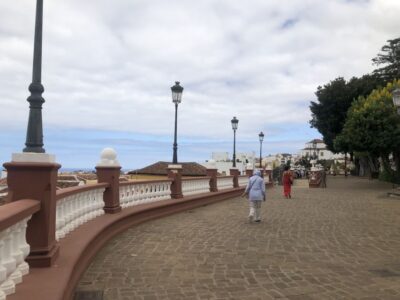
Mount Teide, Masca, Icod and Garachico Day Trip
Our review of it →Browse the lists this tour appears in