
REVIEW · JAKARTA
Jakarta :Volcano, HotSpring, Tea Factory, RiceField, &Coffee
Jakarta’s traffic gives way to volcano country. I like the mix of working countryside and major sights: you see farmers in rice fields, tea being processed, and sulfur rising from Tangkuban Perahu. I also like the private format, since guides such as Neti have shown real patience, flexibility, and warmth with curious visitors. The main drawback is simple: this is a long day with substantial road time.
The tour costs $123 per person and includes a private car, guide, hotel pickup, entrance fees, fruit tasting, tea factory visit, parking, tolls, and water. That is fair value if you want to see rural West Java without arranging several separate trips. Just know that the volcano walk, hot spring stop, and plantation visits require comfortable movement, and the full outing lasts about 12 hours.
Key points to know before booking
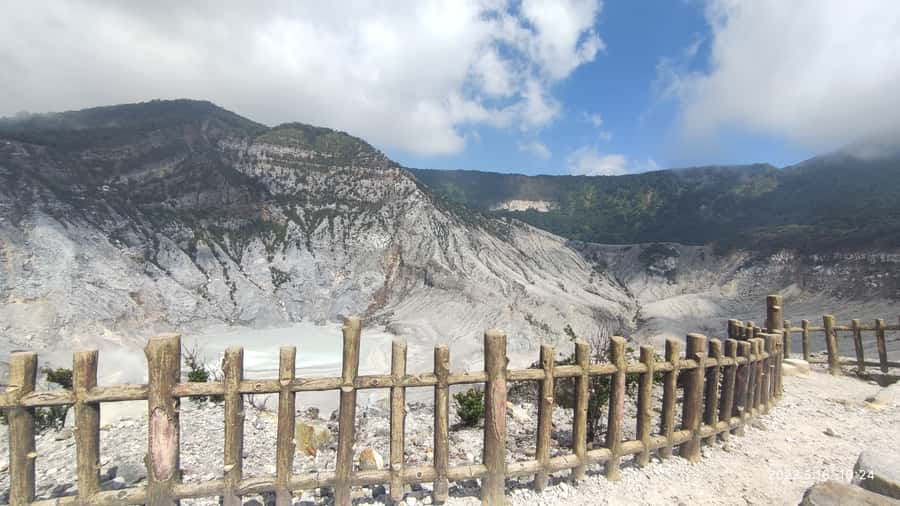
- Tangkuban Perahu is the day’s main natural spectacle: You can walk along the main crater and, weather permitting, take a roughly 3-kilometer return trek to the crater bottom.
- The countryside stops are genuine working places: Rice fields, rubber plantations, tea estates, villages, and pineapple-growing areas give you a close look at daily life outside Jakarta.
- The tea factory adds useful context: You see how black tea moves from leaf picking through production and packaging, then drink tea during the visit.
- The private car makes the long day easier: Pickup and drop-off are included within Jakarta, and your group is not combined with strangers.
- Luwak coffee costs extra: The visit explains how this famous Indonesian coffee is made, but the drink itself is not included.
- Weather can change the volcano plan: Rain and thunder may prevent the walk to the crater bottom, leaving only the main crater route.
Why this West Java day trip works
Jakarta is a huge urban center, but the highland areas of West Java feel like another world. This tour takes you north and east toward Subang Regency and Bandung Regency, where the road passes rice paddies, rubber trees, tea plantations, villages, and mountain farms.
That change is the real point of the day. You are not only checking off a volcano and hot spring. You are seeing how food and drink are grown, handled, and sold. Pineapples, tea, coffee, and rice all become part of one long story about the region.
The private setup matters here. You get hotel pickup and return, your own vehicle, an English-speaking guide, and no shared group slowing down the day. Guides including Neti have been praised for explaining Indonesian culture clearly, answering questions patiently, and adjusting plans when weather or personal requests get in the way. Drivers such as Fandi, Afandi, and Robbie have also been singled out for calm and careful service.
Still, do not mistake this for a relaxed local outing. It is a full-day road trip. The drive between Jakarta and the highland sights takes a meaningful share of the day, and traffic can affect the rhythm. You get breadth rather than long, leisurely stays at each location.
A few more volcano trips around Jakarta worth a look
- Volcano, Hot Spring, Tea Factory, rice fields and Coffee Tour
★ 5.0 · 25 reviews - Big Island Highlights: Coffee, Volcano, Black Sands & Waterfall
★ 5.0 · 1,054 reviews - Big Island: Volcanoes, Waterfalls, & Coffee Farm Day-Trip
★ 4.9 · 414 reviews
Pineapples and rice fields near Subang
The first rural stop is a pineapple-growing area known as Fruit Paradise. The stop lasts about 15 minutes, so think of it as a short break rather than a farm tour.
You can taste fresh local pineapple and take photographs. The fruit is a pleasant introduction to West Java’s agricultural side, especially after leaving Jakarta’s dense streets. Pineapples from the area are known for their juicy flavor, and tasting one at the source gives the stop more purpose than a standard roadside snack break.
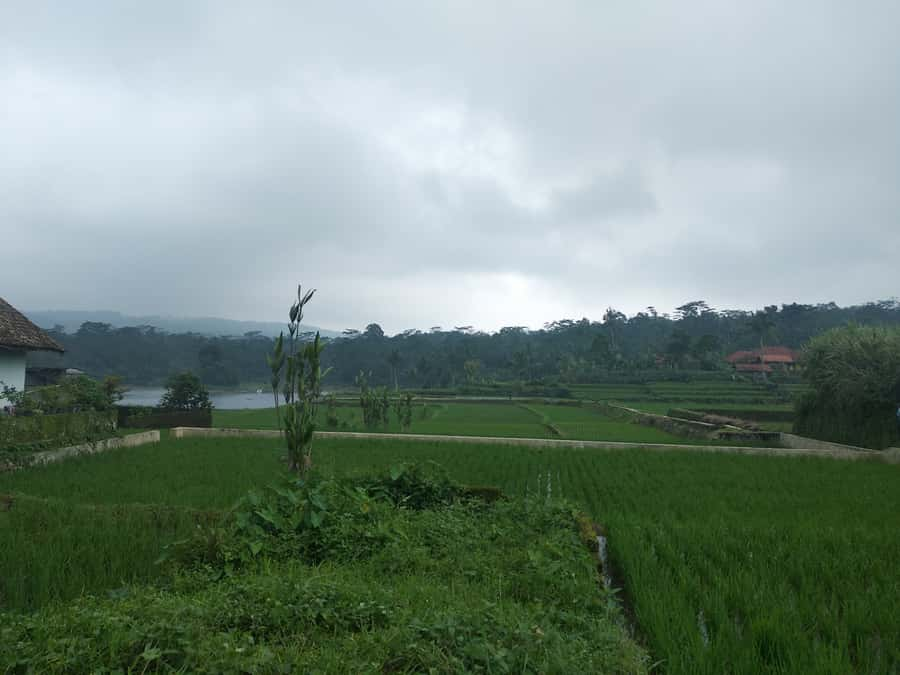
After that, the route continues through Subang Regency. You pass fields, plantations, villages, and highland scenery before stopping at rice fields for another short visit. Here, you can see local farmers at work and get a closer look at everyday rural routines.
This is one of the most valuable parts of the experience for anyone who wants more than postcard scenery. Rice farming is central to life in Indonesia, and the stop connects the food on your plate with the people and land producing it. The time is limited, though. If you want a long walk through the fields or a detailed farming lesson, this tour may feel too quick.
Bring your camera, but ask before photographing people at close range. A respectful approach makes these brief encounters more comfortable for everyone.
Tea at Kebun Teh Ciater
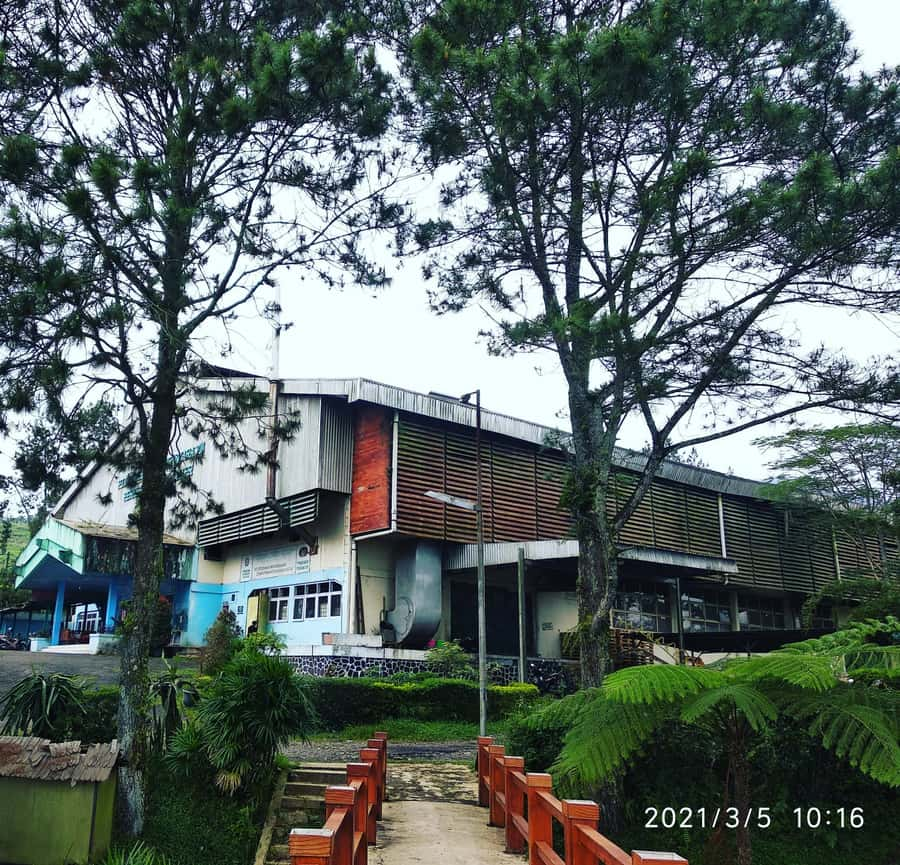
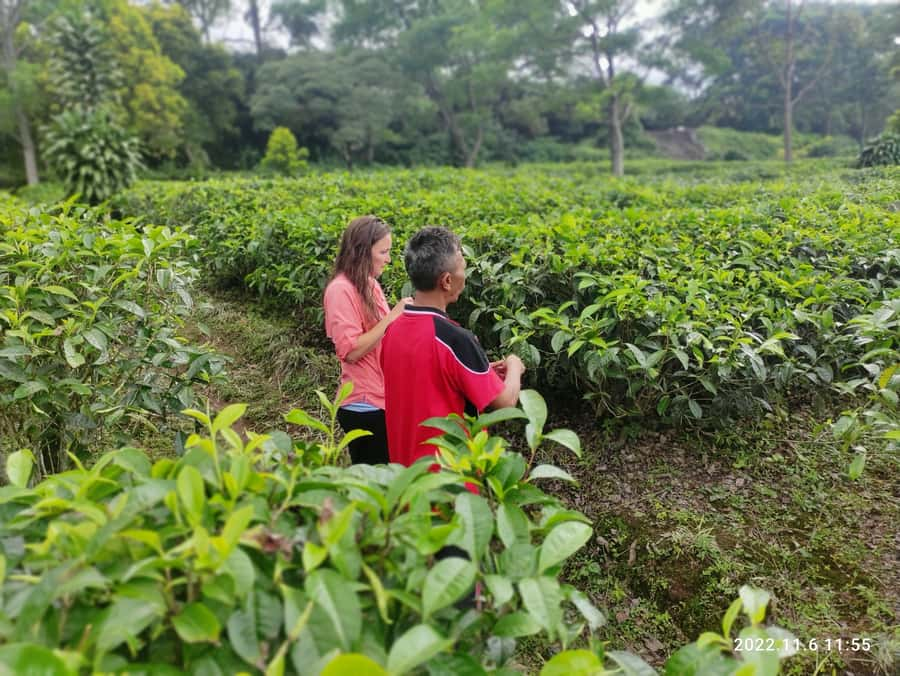
The tea plantation and factory are among the strongest stops on the day. The visit to Kebun Teh Ciater lasts about an hour and combines open views with a practical explanation of black tea production.
You walk through the tea-growing area and see the valley from the plantation. The highland setting is cooler than Jakarta, so a light jacket is useful. The tour then moves inside the factory, where an officer explains the stages from leaf picking to processing and packaging.
That step-by-step explanation gives the plantation visit real value. You are not just looking at rows of tea plants. You learn how the leaves become the drink served around Indonesia and abroad. Tea is included, and you can drink as much as you want during the stop.
The factory does not process tea every Monday, so the full production explanation may not be available on that day. The plantation visit can still be worthwhile, but anyone especially interested in the factory process should check the operating schedule before booking.
I would also keep your expectations realistic about the pace. This is a guided introduction, not a specialist tea course. Its strength is that it makes an ordinary cup of tea easier to understand, while the plantation gives you a cool, peaceful pause before the volcano.
Walking the crater of Tangkuban Perahu
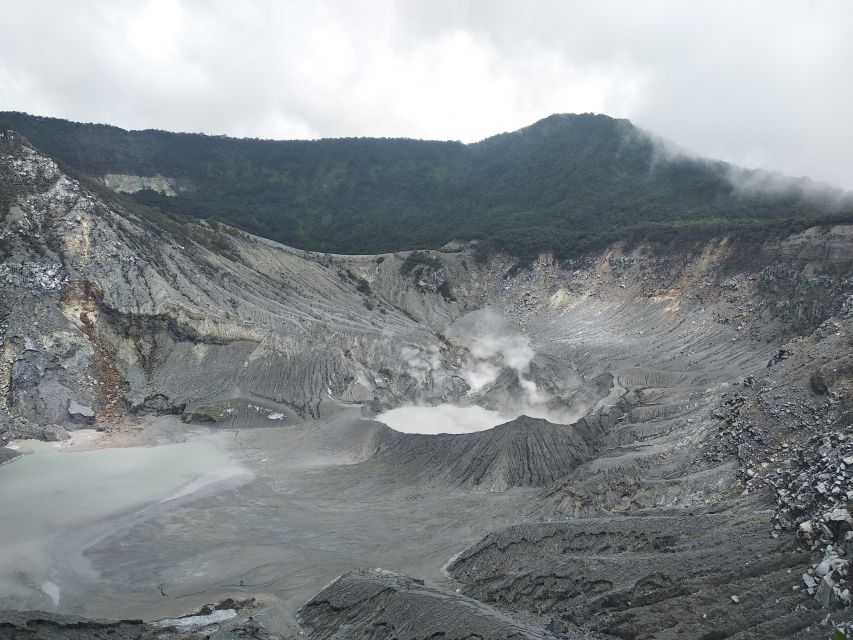
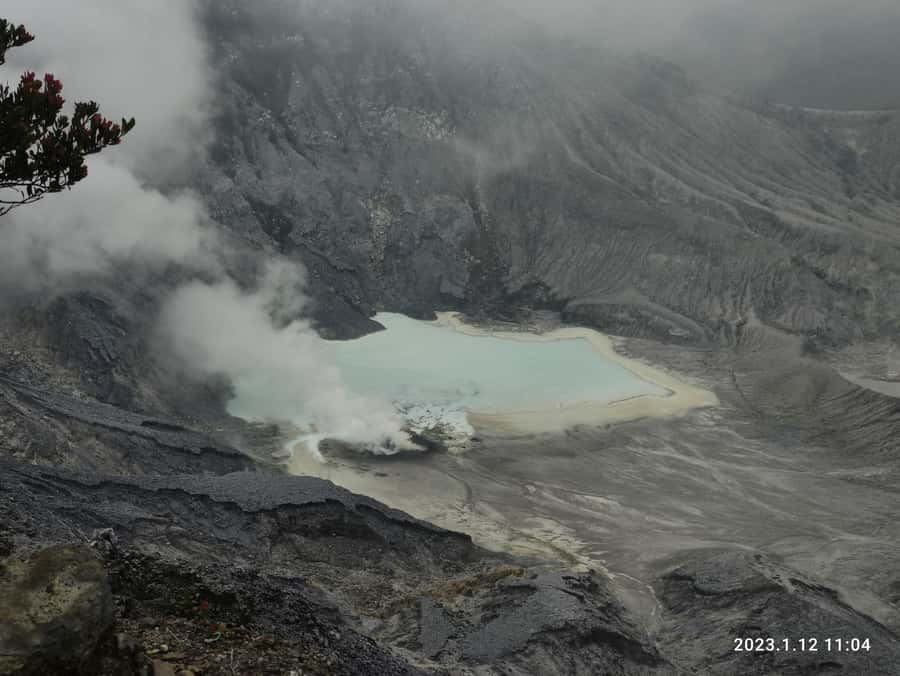
Tangkuban Perahu is the tour’s headline attraction. This active volcano sits in Bandung Regency, and the usual visit includes about 80 minutes for sightseeing and walking.
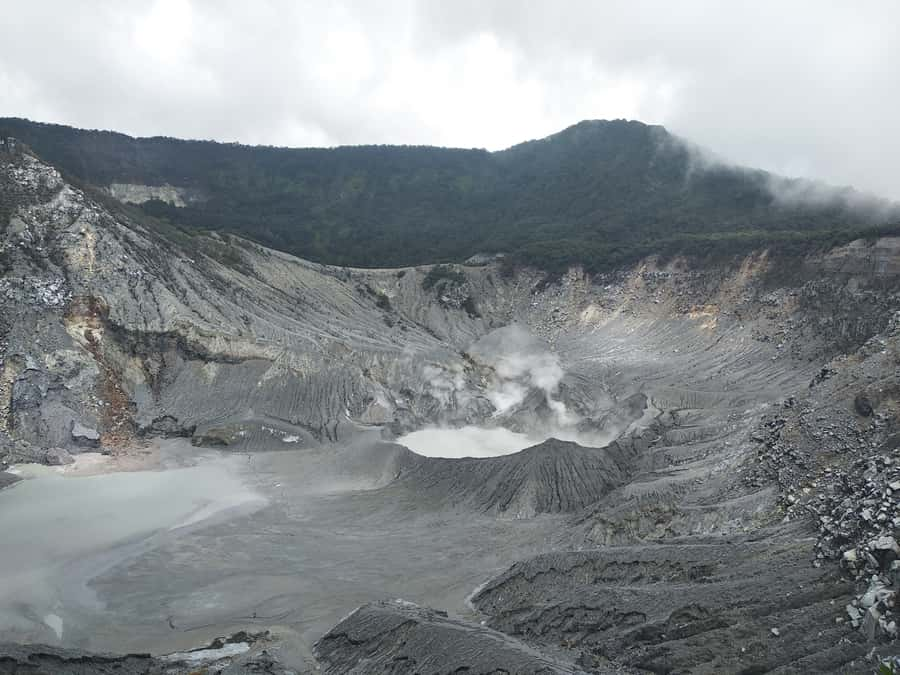
At the main crater, you can smell sulfur and watch fumes rise from the ground. The sight is powerful because the volcano is not presented as a distant mountain. You are close enough to notice the smell and see signs of ongoing volcanic activity.
The standard route takes you along the main crater area. If you want more exercise, the optional walk to the bottom of the crater covers roughly 3 kilometers return. That makes comfortable shoes essential. The route is not suitable for anyone who wants to avoid walking, and the tour is not recommended for people with respiratory problems or altitude sickness.
Weather controls the more adventurous option. If rain and thunder make the crater trek unsafe, you will remain on the main crater route. A sensible guide will put safety first. Past tour arrangements have shown useful flexibility here: when mist obscured the crater, Neti changed the timing and used a coffee stop before returning when the view improved.
That flexibility is worth valuing. Mountain weather can change quickly, and a clear view is never guaranteed. Even without the lower trek, the crater walk offers the sulfur smell, rising fumes, and volcanic setting that make Tangkuban Perahu special.
Same trip, a different kind of day out:
- Jakarta: Volcano, Tea/Rice Fields, Hot Spring, Local Food
★ 4.9 · 515 reviews - Active Volcano, Rice Field, Hot Spring, Fruit market, Tea Plantation with Lunch
★ 5.0 · 513 reviews - Volcano and Domas Crater of Hot Stony Bubble from Jakarta Lunch
★ 5.0 · 23 reviews - From Jakarta : Volcano, Tea & Rice Fields, Hot Spring
★ 4.9 · 17 reviews
Lunch in Lembang and a lesson in luwak coffee
The schedule allows about 70 minutes for lunch in Lembang. Lunch at an Indonesian restaurant is not included, so you should carry cash and budget separately for the meal.
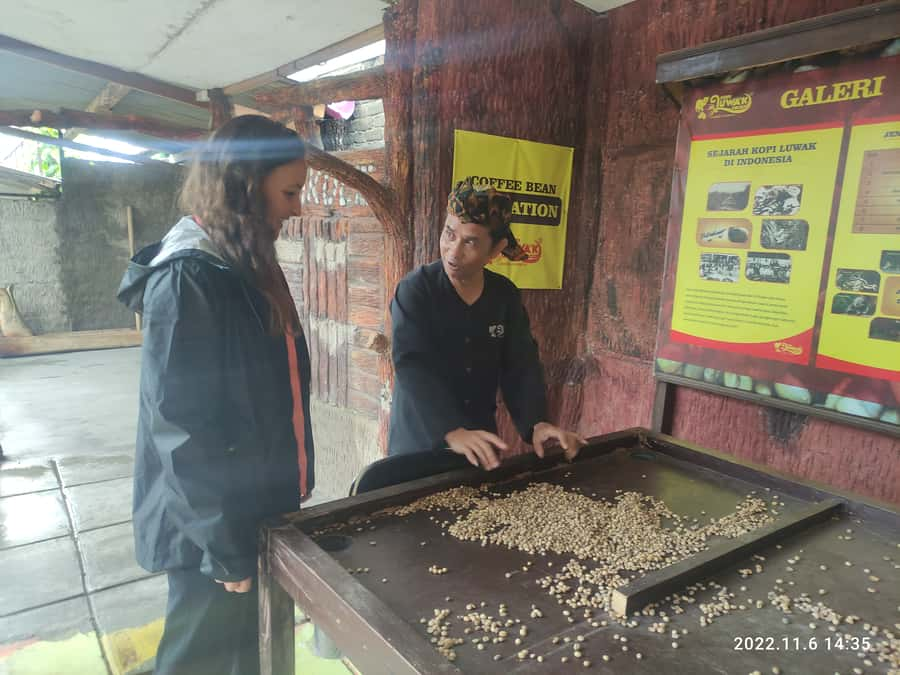
The tour then visits Kopi Luwak Cikole for about an hour. This stop focuses on one of Indonesia’s best-known specialty coffees. You learn how luwak coffee is produced and why it commands a high price.
The coffee drink itself is not included in the tour price. That matters because the visit can easily create an extra charge if you decide to taste it. Ask about the price before ordering, especially if you are traveling on a careful budget.
Even if you do not buy a cup, the stop can be useful for understanding Indonesian coffee culture and the production story behind this expensive product. If coffee interests you, this is more than a refreshment break. If you are not interested in coffee, it may feel like a commercial pause in an already packed day.
Sari Ater’s sulfur water
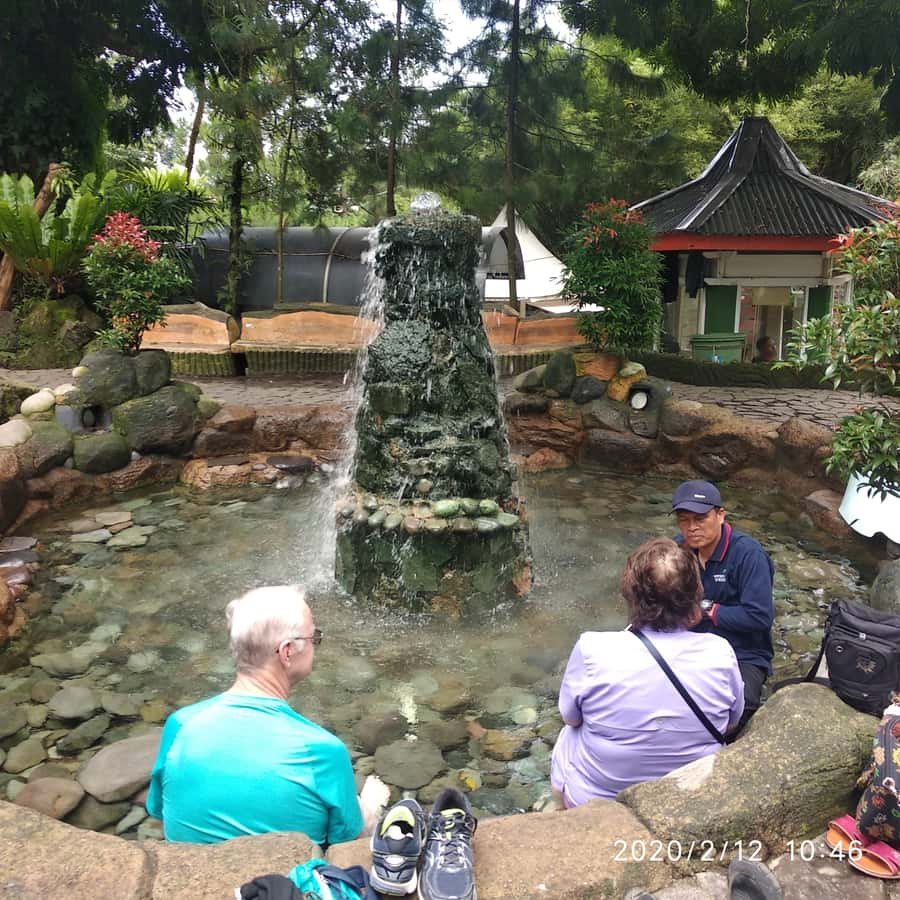
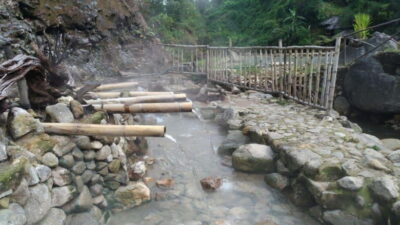
The final major stop is Sari Ater Hot Spring Water. The visit lasts around 40 minutes, giving you time to walk around and soak your feet in warm, sulfur-rich water.
This is a modest ending rather than a long spa session. You should bring a towel and comfortable clothes. The water offers a chance to loosen your feet after the plantation and volcano walking, but the short stop does not allow much time for a slow, extended soak.
The sulfur smell may be strong, and people with respiratory issues should not book this tour. The activity is also not suitable for wheelchair users, according to the tour conditions. If you enjoy hot springs, this will be a pleasant way to end the day. If you expect a quiet resort-style experience, adjust your expectations.
The hot spring works best as part of the larger route. After farms, tea, a volcano, lunch, and coffee, the warm water gives you a simple physical break before the drive back to Jakarta.
What the $123 price really covers
At $123 per person, this tour is not the cheapest way to leave Jakarta, but the price includes more than a basic driver service. You receive:
- Private hotel pickup and drop-off within Jakarta
- An English-speaking guide
- A private car for your group
- Tangkuban Perahu entrance
- Sari Ater Hot Spring entrance
- Toll roads and parking
- Mineral water
- Pineapple tasting
- Tea plantation and factory visit
- Tea at the factory
You pay separately for lunch, personal purchases, and luwak coffee. That split is reasonable because it lets you choose your meal and decide if the premium coffee is worth trying.
The strongest value comes from combining several difficult-to-arrange stops in one day. A private driver, volcano entry, plantation access, factory explanation, hot spring visit, and return transport would take time and planning to arrange independently. The tradeoff is that you spend many hours on the road and have limited time at each individual stop.
For two or more people sharing the private vehicle, the price becomes easier to justify. Solo visitors may find it expensive, but the convenience and flexibility still have real value.
Guides, drivers, and the private format
The human service can shape the whole day. Neti has been described as cheerful, patient, informative, and willing to adjust plans. She has also helped visitors understand Indonesian culture and history while keeping the long drive lively.
Drivers named Fandi, Afandi, and Robbie have been praised for patience, comfort, and safe driving. The exact guide and driver for your booking may differ, but the service pattern is clear: you have direct help throughout the day rather than a guide who appears only at the main sights.
A private group also gives you more control. You are not waiting for unrelated passengers, and your guide can respond to requests when the schedule allows. One past arrangement even included a requested nasi padang meal, showing that reasonable food requests may be accommodated.
Do not expect unlimited flexibility. The route has many stops, the road time is long, and some visits have fixed hours. Still, private touring is a major advantage when weather, traffic, or personal energy changes the day.
How to prepare for the 12-hour outing
Wear comfortable shoes, especially if you plan to walk toward the lower crater. The volcano route can be affected by rain, and the plantation paths also call for practical footwear.
Pack a jacket because the highland stops can feel cooler than Jakarta. Bring a towel and comfortable clothes for the hot spring, along with cash for lunch, coffee, and personal expenses. A camera is useful for the rice fields, tea plantation, volcano, and rural road views.
If you have respiratory problems, altitude sickness, or limited mobility, this is not the right tour. The combination of sulfur, walking, highland conditions, and a long day could be uncomfortable.
The tour offers free cancellation up to 24 hours before departure and allows you to reserve while paying later. Those terms help if your Jakarta plans may change, but the more important decision is physical: can you handle a full day with road time, outdoor walking, and several short stops?
Should you book this West Java tour?
Book it if you want to see far more than central Jakarta in one day. The best reasons are the private vehicle, the range of rural stops, the tea factory explanation, and the chance to walk beside an active volcanic crater. The guides and drivers can also make the long road sections feel much easier.
Skip it if you want a slow schedule, a long hot spring visit, or a single attraction explored in depth. The tour covers a lot of ground, and the road between Jakarta and the highlands is part of the cost in both time and energy.
For an active first look at West Java, I think the combination is strong. You get farms, tea, coffee, volcanic activity, and hot spring water in one well-organized day. Just book with comfortable shoes, a jacket, cash, and realistic expectations about the long ride.
FAQ
How long does the tour last?
The experience lasts about 12 hours, including pickup and drop-off in Jakarta and travel between the city and West Java stops.
Is hotel pickup included?
Yes. Pickup and drop-off are included for hotels or apartments within Jakarta. A cruise passenger should meet the guide at the arrival gate of the passenger terminal at Tanjung Priok, where the guide will hold a sign with the booking name.
Is this a private tour?
Yes. The tour uses a private car and does not combine your booking with other participants.
Is an English-speaking guide included?
Yes. The tour includes live English-speaking guide service.
Can I walk to the bottom of the volcano crater?
You may take a roughly 3-kilometer return trek to the crater bottom if weather conditions are safe. Rain and thunder can stop this part of the visit, in which case you walk along the main crater instead.
Is lunch included?
No. Lunch at an Indonesian restaurant in Lembang is not included, so bring cash for the meal.
Is luwak coffee included in the price?
No. The visit and explanation are included, but the luwak coffee drink costs extra.
What happens at the tea factory?
You learn how black tea is made, from leaf picking through processing and packaging. You can also walk through the plantation and drink tea during the visit. The factory may not be processing tea on Mondays.
Just added around Jakarta
- Bandung Private Tour Mountain Volcano and Hotspring ( Overland )★ 5.0 · 7 reviews
- Jakarta: Volcano, Suspension Bridge, and Hot Spring Tour★ 4.8 · 15 reviews
- Jakarta: Volcano or Suspension Bridge,Ricefield & Hot Spring★ 5.0 · 5 reviews
- Jakarta Tour: White Crater, Pinisi Resto , Hotspring★ 5.0 · 2 reviews
- From Jakarta : White Crater , Pinisi Lake , Tea Plantation★ 4.4 · 3 reviews
- From Jakarta : Volcano, Tea & Rice Fields, Hot Spring★ 4.9 · 17 reviews
- From Jakarta: Krakatoa Volcano Day Trip with Snorkeling★ 5.0 · 2 reviews
- From Jakarta : Explore Krakatau Volcano Tour★ 4.8 · 9 reviews
Jakarta Volcano Tours, compared.
Volcano, Tea/Rice Fields, Hot Spring, Local Food
Our review of it →
Active Volcano, Rice Field, Hot Spring, Fruit market, Tea Plantation with Lunch
Our review of it →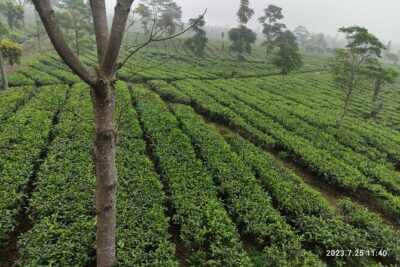
Volcano, Hot Spring, Tea Factory, rice fields and Coffee Tour
Our review of it →
Volcano and Domas Crater of Hot Stony Bubble from Jakarta Lunch
Our review of it →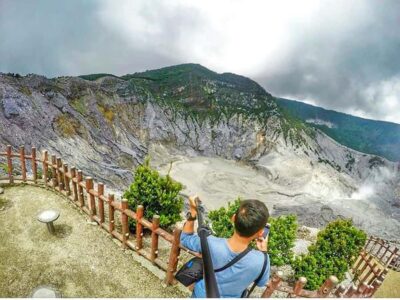
Volcano, Suspension Bridge, and Hot Spring Tour
Our review of it →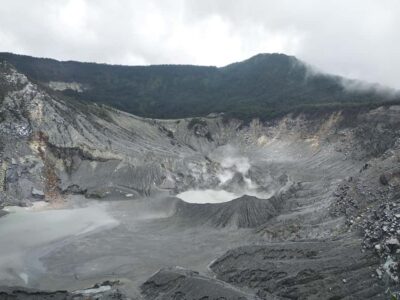
Active Volcano, Waterfall &beautiful local village
Our review of it →
Browse the lists this tour appears in