
REVIEW · ARUSHA
From Arusha: 5 Days Classic Safari Cats, Calves & Crater
Big cats, tiny calves, and one vast crater. This five-day safari links three of Tanzania’s best wildlife areas, with time in Tarangire National Park, the Ndutu area during migration season, and Ngorongoro Crater. I like the strong mix of scenery and wildlife, and I like that park fees, transport, a driver-guide, and full-board lodging are included.
The main consideration is timing. Ndutu is at its best from November through April, with the most famous calving activity from December through February. Outside those months, the trip can still offer excellent wildlife viewing, but the special migration focus becomes less certain. The schedule also includes several long drives, so you should be comfortable spending hours in a safari vehicle.
Key points to know before booking
- Tarangire begins the safari with baobabs and elephants, giving you a very different setting from the crater and grasslands that follow.
- Ndutu is the trip’s wildlife center, especially from November through April, when migrating herds and predators gather.
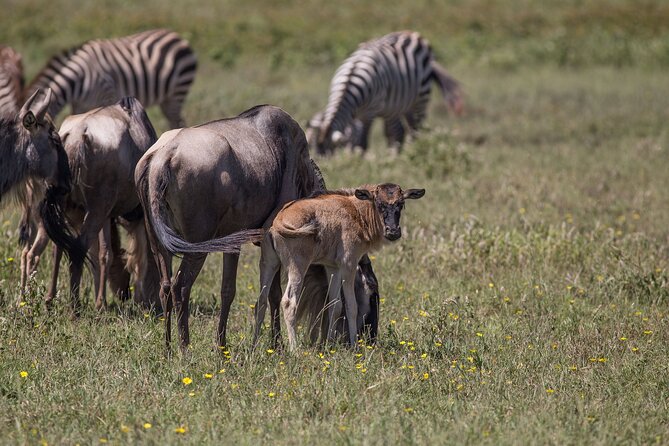
- The December to February calving season offers dramatic sightings, including possible predator-prey action around young wildebeest and other newborn animals.
- Ngorongoro Crater gives you one of the best chances at the Big Five, all within a compact volcanic basin.
- Private touring keeps the experience personal, since only your own group participates.
- Guide quality matters here, and past guests have praised Joel Thobias, Thobias, David, and Justin for spotting animals, answering questions, and keeping spirits high.
Why this five-day route works
This safari is built around contrast. Tarangire offers dry-country scenery, giant baobabs, and a strong elephant presence. Ndutu brings seasonal drama, with large herds, young animals, and predators. Ngorongoro then provides a final concentrated wildlife day in a huge volcanic caldera.
I like that the route does not try to squeeze in every famous park in northern Tanzania. Instead, it spends meaningful time in Ndutu, which is especially important if your main goal is to see the Great Migration or calving season. You get an afternoon drive on arrival and a full day afterward, rather than only a quick pass through.
The experience costs $1,254 per person. That is not a budget excursion, but the price includes several major safari expenses: park fees, transport, a driver-guide, four breakfasts, four lunches, four dinners, and overnight accommodation on a full-board plan. For a private five-day safari, those inclusions give the price real value.
You still need to budget for drinks, tips, personal purchases, a tourism development levy of $1.50 per person per night, and a village tax of $1 per person per night. Those extra charges are paid at check-in, so keep some room in your budget.
More Safaris in Arusha:
- 3 Day Serengeti National Park & Ngorongoro Crater Camping Safari
★ 5.0 · 142 reviews - 5 Days Tanzania Group Joining Safari, Tarangire/Serengeti/Ngorongoro Crater
★ 5.0 · 85 reviews - 5 day safari Tarangire Serengeti and Ngorongoro crater
★ 5.0 · 83 reviews
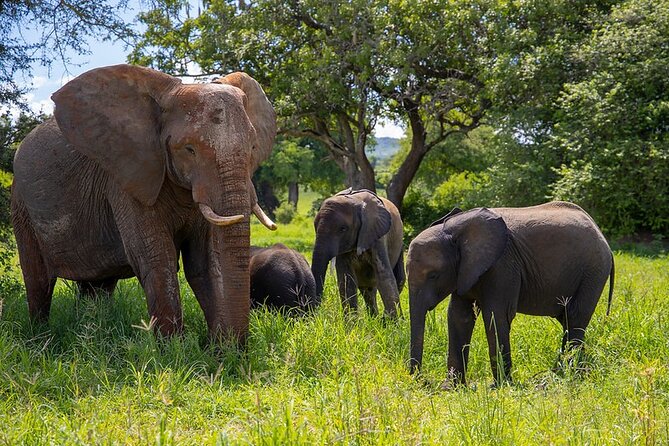
Day 1: Tarangire’s elephants and baobabs
The safari starts in Arusha at about 8:00 a.m. Pickup is available from your accommodation or the airport, and your driver-guide takes you toward Tarangire National Park. This first transfer helps you settle into the pace of a northern Tanzania safari, where wildlife viewing and road time go hand in hand.
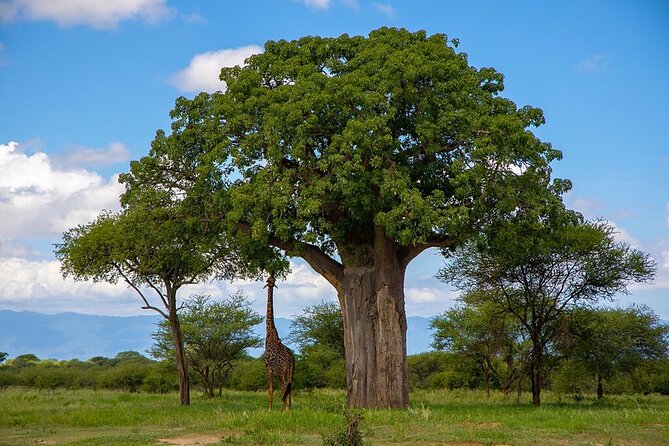
Tarangire is famous for its large elephant population and striking baobab trees. These trees give the park a distinctive look, with thick trunks and unusual branches that seem made for a safari photograph. The park’s scenery feels different from Ndutu and Ngorongoro, which is one reason this first day earns its place on the route.
You spend about six hours on a game drive. That is enough time to search for elephants and other animals without turning the day into a rushed stop. Your guide will also explain the environment and help you understand how the park supports its wildlife.
The main drawback is that this is a full first day after an early pickup. If you have just arrived in Tanzania, you may feel tired by the end of the drive. Still, beginning with Tarangire is a sensible choice because it gives you an immediate national park experience before the longer transfer toward Ndutu.
Day 2: Through Ngorongoro toward Ndutu
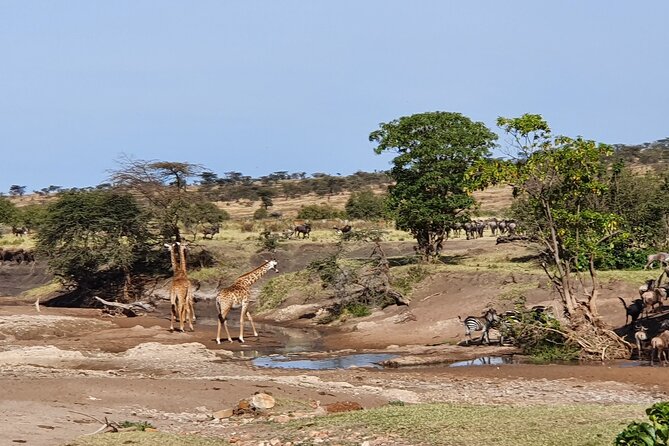
After breakfast, the route heads through the Ngorongoro Conservation Area toward Ndutu in the southern Serengeti area. The transfer takes about four hours, but it is not simply dead time. You can already see wildlife and striking scenery along the way.
The Ngorongoro Conservation Area is also home to the Maasai people. That adds cultural context to the drive, although this tour description does not promise a separate Maasai village visit or cultural activity. You should see this part of the day as a scenic safari transfer rather than a dedicated cultural tour.
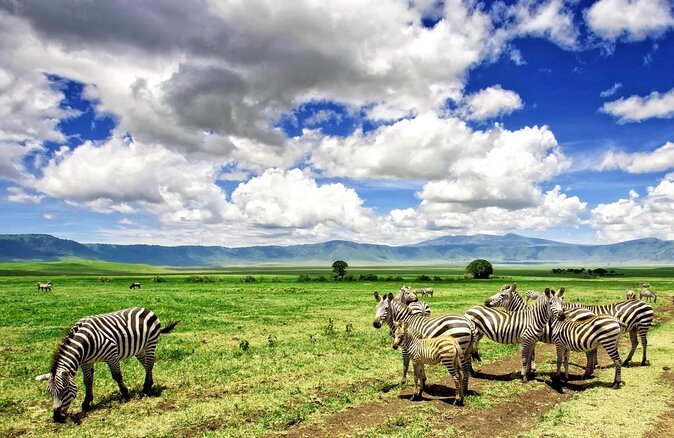
The afternoon game drive around Lake Ndutu lasts about three hours. This is where the trip’s seasonal focus becomes clear. From November through April, migrating herds move through the area. From December through February, the calving season brings many newborn animals and attracts predators.
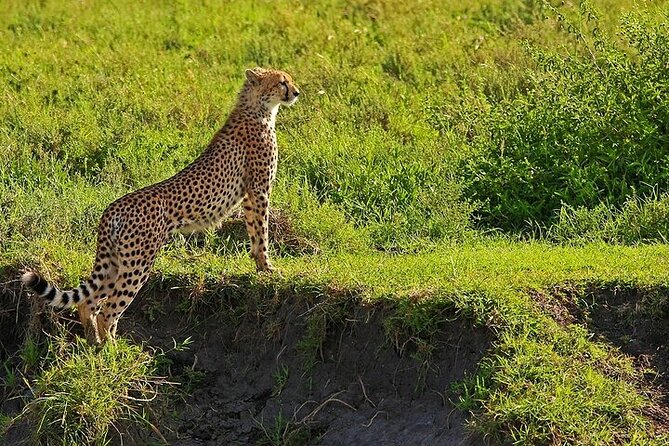
Ndutu is known for lion sightings, and the riverbank has one of the world’s densest leopard populations. That does not guarantee a leopard sighting, but it tells you why this area deserves time. Keep your camera ready, especially near trees and river edges, where a leopard can be easy to miss.
The day combines a long transfer with a rewarding afternoon drive. You will not spend all day watching animals, but you will reach one of the most important areas at the right seasonal time.
Day 3: A full day around Lake Ndutu
Day three is the heart of the safari. After breakfast, you spend about six hours on a game drive around Lake Ndutu. With no major transfer scheduled, your guide can focus on finding wildlife and following the action at a sensible pace.
During migration and calving season, Ndutu can be especially active. Newborn animals attract predators, and the open setting can offer clear views of lions and other hunters. You might see a quiet herd one moment and sudden movement the next. Nature does not follow a timetable, so patience matters.
The area is particularly appealing if you want to see more than a checklist of species. A lion sighting is exciting, but watching the relationship between predators, grazing herds, and young animals gives the day more meaning. Your guide can help explain what you are seeing and why the animals gather here at this time of year.
Past visitors have given strong praise to guides who work on this route. Joel Thobias was singled out for both his guiding and driving. Another guide named Thobias helped one couple see five lions during a December and January safari. David was praised for positive energy, answering questions, and spotting a leopard in a tree, which can be difficult even for an experienced eye. Justin also received thanks for his support during a safari where the food was well received.
These details matter because the guide shapes much of your experience. A good guide does more than point out animals. The guide chooses routes, watches animal behavior, explains the setting, and keeps the long hours in the vehicle enjoyable.
A few more volcano trips around Arusha worth a look
- 5-Day Highlights mid-Range Crater, Serengeti, Tarangire
★ 5.0 · 296 reviews - 5 Days Camping Tarangire, Serengeti & Ngorongoro crater & Visiting Maasai
★ 5.0 · 229 reviews - 5 Day Silver Serengeti & Ngorongoro Crater & Tarangire Safari
★ 5.0 · 46 reviews - 5days Tanzania Safari lodge and camping Serengeti, Tarangire & Ngorongoro Crater
★ 5.0 · 31 reviews
Day 4: Ngorongoro Crater and the Big Five
After the Ndutu portion, the safari moves to Ngorongoro Crater for a full game drive of about six hours. The crater is the world’s largest intact volcanic caldera, and its enclosed form creates an unusually concentrated wildlife setting.
This is the day with the best chance of seeing the Big Five: lion, leopard, elephant, buffalo, and rhinoceros. Sightings are never guaranteed, and wildlife remains unpredictable, but the crater’s enclosed environment gives you a strong opportunity to see several major species in one day.
The crater also gives you a change of pace from Ndutu. Instead of following a seasonal migration, you are exploring a compact wildlife area with varied terrain and many animals in a relatively contained setting. That makes it especially useful for a first safari or for anyone who wants a good chance at several headline species.
Six hours in the crater is a substantial game drive. You should expect an early start and a full day in the vehicle. The payoff is the chance to see large numbers of animals in one of Tanzania’s most memorable natural settings.
One point to keep in mind is that the crater can feel more structured than the open plains around Ndutu. If you want a remote, empty-feeling wilderness experience above all else, Ndutu may be your favorite section. If you want wildlife variety and a strong chance at the Big Five, the crater is likely to be the highlight.
Day 5: Returning to Arusha
After breakfast, your driver-guide takes you from Karatu back to Arusha. The drive takes roughly three hours, depending on your final drop-off point and road conditions.
You can be dropped in central Arusha, at your accommodation, or at the airport. That flexibility is useful if you are continuing your trip or catching a flight. Still, you should allow plenty of extra time before any departure because the stated drive time is approximate.
The final day is mostly a transfer, with no major game drive listed. That is normal for a five-day route covering Tarangire, Ndutu, and Ngorongoro. You finish with a practical return rather than another rushed wildlife stop.
Accommodation, meals, and what the price covers
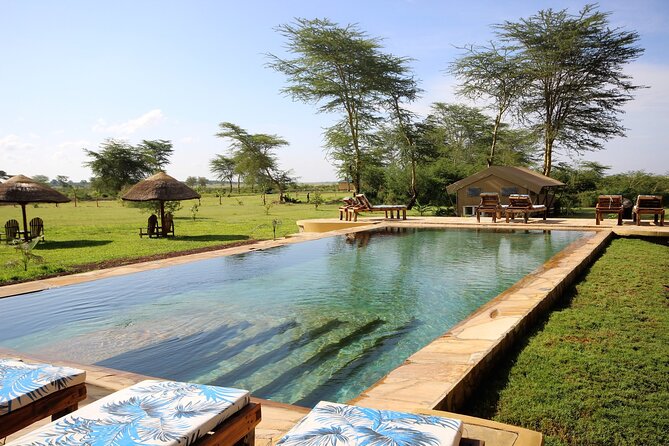
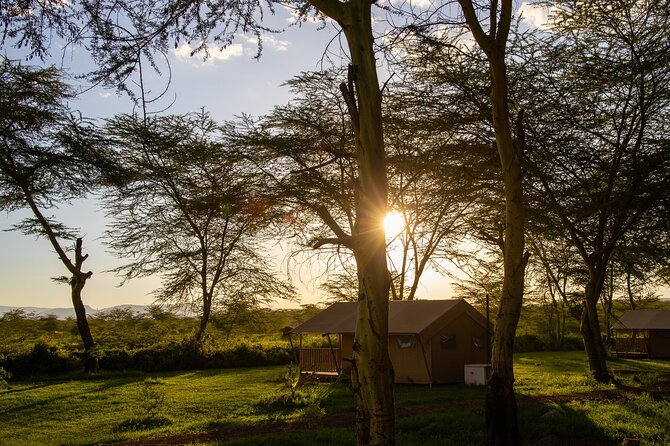
Overnight stays are in distinctive accommodations close to the national parks and surrounded by natural scenery. The exact properties are not specified, so you should ask for the current accommodation names before booking if room style or location matters to you.
Full board includes breakfast, lunch, and dinner during the four nights. The package specifically includes four breakfasts, four lunches, and four dinners. Drinks are not included, and personal expenses are separate.
This meal plan can make a safari easier. You do not need to arrange dinner after a long game drive, and you can keep your daily spending more predictable. If you have dietary needs, confirm them before departure, since no special meal information is provided.
The included park fees are another major value point. National park charges can add up quickly on a multi-day safari, so having them covered makes the $1,254 price easier to assess. Transport and a dedicated driver-guide are included as well.
How the private format changes the trip
This is a private activity, meaning only your own group participates. That is important for safari days because you are not sharing every decision with a large mixed group.
A private format may make it easier to ask questions, spend more time at an interesting sighting, or adjust the rhythm of the day around your group. It also means your party carries the cost of the vehicle and guide rather than splitting every element across a large group, which helps explain the price.
The tour offers group discounts, but the discount terms are not provided. Ask for the current rate if you are booking with several people.
A moderate fitness level is requested. This is not described as a strenuous walking trip. Most sightseeing takes place from the vehicle, but you should still be ready for long drives, early starts, and several hours seated on game drives.
The best time to choose this safari
The strongest seasonal match is November through April, when the Great Migration passes through the Ndutu area. December through February is the key period for calving season.
If your priority is newborn animals and predator action, aim for the calving months. If your dates fall elsewhere within November through April, you may still see migration-related wildlife, but the precise location and concentration of animals can change.
Safari conditions are never fully predictable. The tour can still work outside the migration window, especially because Tarangire and Ngorongoro are important wildlife destinations on their own. But you should not book this specific route expecting the same Ndutu spectacle in every month.
What kind of safari guest will enjoy it most?
I would recommend this trip to a first-time safari visitor who wants three different settings without committing to a longer journey. It is also a good fit for couples, small families, and private groups that value a personal vehicle and an included meal plan.
Wildlife photographers may like the route because it offers elephants, lions, leopards, migrating herds, young animals, and the chance to find a leopard in a tree. The seasonal timing matters greatly, so photographers should plan carefully around December through February.
This may not suit you if you dislike long road transfers or want a relaxed lodge holiday with little time in a vehicle. The trip is active, and the most rewarding days involve several hours of searching, waiting, and watching.
Pickup is offered, with an 8:00 a.m. start. Confirmation is provided at booking, and the route is near public transportation, although the main experience itself depends on the supplied safari vehicle.
Cancellation and practical booking notes
Free cancellation is available up to 24 hours before the experience starts for a full refund. Cancellations made within 24 hours are not refunded, and changes made within that period are not accepted.
Before paying, confirm your pickup point, accommodation names, dietary needs, group discount terms, and the expected dates for your Ndutu visit. Also set aside money for tips, drinks, personal expenses, and the tourism and village taxes charged at check-in.
Should you book this five-day safari?
Book it if you want a focused northern Tanzania route with a strong seasonal reason for visiting Ndutu. The best case is a December to February trip, when calves attract predators and the area can produce the cats-and-calves drama promised by the route.
The combination of Tarangire’s elephants and baobabs, Ndutu’s migration, and Ngorongoro’s Big Five potential gives you plenty of variety for five days. I also like the private format and the practical inclusion of park fees, meals, transport, and a driver-guide.
Skip it if your dates fall far outside the migration period and Ndutu is your main reason for booking. In that case, ask how the route and wildlife focus will change. For the right season and the right expectations, this is a well-shaped safari with real value and a strong chance of memorable wildlife encounters.
FAQ
Where does the safari start?
The safari starts in Arusha at approximately 8:00 a.m. Pickup is offered from your accommodation or the airport.
How long is the safari?
The experience lasts approximately five days and includes four overnight stays.
Which parks and wildlife areas are included?
The route includes Tarangire National Park, the Ngorongoro Conservation Area, Lake Ndutu in the southern Serengeti area, and Ngorongoro Crater.
When is the best time to see the Great Migration?
The Great Migration is highlighted from November through April. The calving season is highlighted from December through February.
Are meals and park fees included?
Yes. Park fees, four breakfasts, four lunches, four dinners, transport, a driver-guide, and full-board overnight accommodation are included.
What is not included in the price?
Drinks, tips, personal expenses, a tourism development levy of $1.50 per person per night, and a village tax of $1 per person per night are not included.
Just added around Arusha
- 3 Days Safari to Tarangire NP, Ngorongoro Crater and Lake Manyara NP★ 5.0 · 2 reviews
- 4 Days Tanzania Safari Tarangire, Serengeti and Ngorongoro Crater★ 4.5 · 16 reviews
- Manyara and Ngorongoro Crater★ 5.0 · 3 reviews
- Small Group Serengeti and Ngorongoro Crater Adventure Safari★ 5.0 · 7 reviews
- Tanzania Safari 10 Days- Serengeti, Lake Manyara, Ngorongoro Crater.★ 5.0 · 4 reviews
- 3Days luxury safari to Tarangire Ngorongoro crater and Manyara★ 5.0 · 16 reviews
- Elephant Special Serengeti & Ngorongoro Crater 5 Days / 4 Nights★ 5.0 · 21 reviews
- 03 days Serengeti and Ngorongoro Crater group (camping)★ 5.0 · 75 reviews
5-Day Experiences, compared.
5-Day Highlights mid-Range Crater, Serengeti, Tarangire
Our review of it →
5 Days Camping Tarangire, Serengeti & Ngorongoro crater & Visiting Maasai
Our review of it →
5 Days Tanzania Group Joining Safari, Tarangire/Serengeti/Ngorongoro Crater
Our review of it →
5 day safari Tarangire Serengeti and Ngorongoro crater
Our review of it →5 Days Camping Tarangire, Serengeti & Ngorongoro crater & Visiting Maasai
Our review of it →
5 Day Silver Serengeti & Ngorongoro Crater & Tarangire Safari
Our review of it →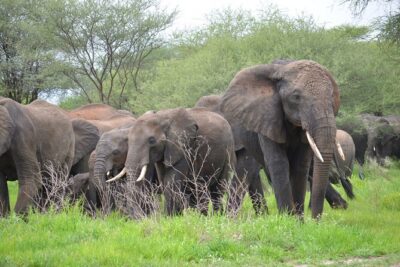
5days Tanzania Safari lodge and camping Serengeti, Tarangire & Ngorongoro Crater
Our review of it →
5-Day Ngorongoro Crater and Lake Manyara Safari from Arusha
Our review of it →Browse the lists this tour appears in