

REVIEW · AUCKLAND
Ex Auckland: TE PUIA Geothermal, Redwood & Blue Springs
Rotorua packs a lot into one remarkable day. This 12-hour trip from Auckland combines the explosive Pōhutu Geyser, a kiwi conservation center, Māori carving and weaving, a cultural performance, and scenic stops in the Waikato. I especially like the chance to see several major Rotorua sights in one outing, and the guides can add real value when they adjust the day to suit your group. The main drawback is the early start and long time on the road, with a possible wait during the pickup process.
The $234 price is fair if you want transport, entry to Te Puia, a guided geothermal visit, the kiwi center, and a Māori performance in one package. It is less attractive if you prefer slow visits, independent exploring, or a full lunch included. Bring water and a snack for the road, since lunch at Te Puia is your own expense.
Key points at a glance
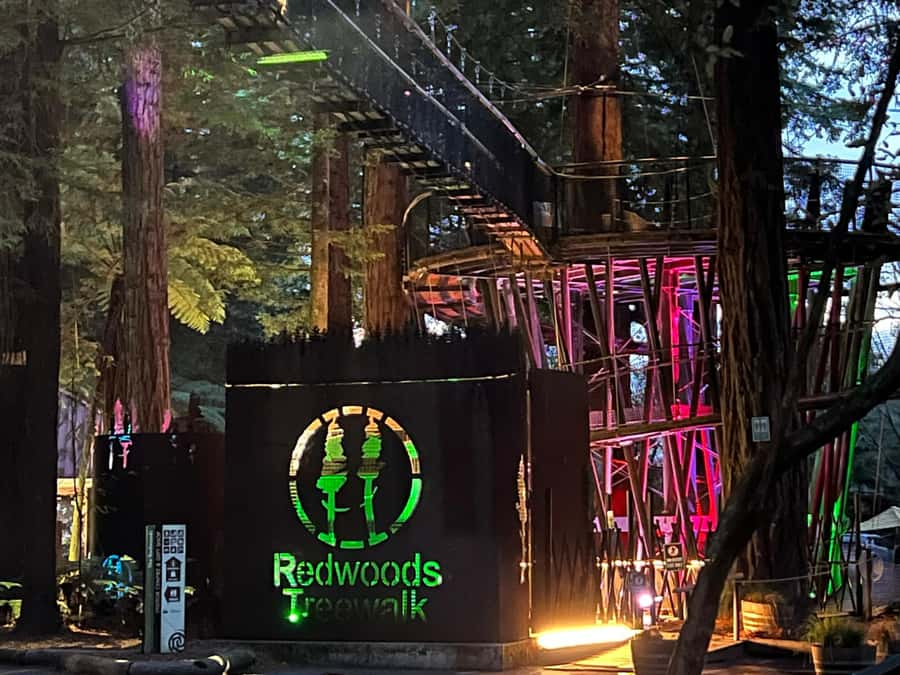
- Pōhutu Geyser: See the Southern Hemisphere’s largest active geyser in the Te Whakarewarewa Thermal Valley.
- Kiwi Conservation Centre: Get close to New Zealand’s famous flightless bird in a dedicated conservation setting.
- Māori arts and performance: Pair traditional carving and weaving with poi, waiata, mōteatea, haka, and a formal pōhiri welcome.
- Early Auckland pickup: Start around 5:45 AM from Auckland CBD, or about 6:15 AM from Auckland Airport hotels.
- Tirau and Waikato stops: Break up the long drive with a short stop in Tirau and a riverside pause on the return.
- Flexible guiding: Guides Ambrose and Denish have shown a willingness to respond to group needs, including families traveling with young children.
Why this Auckland day trip works
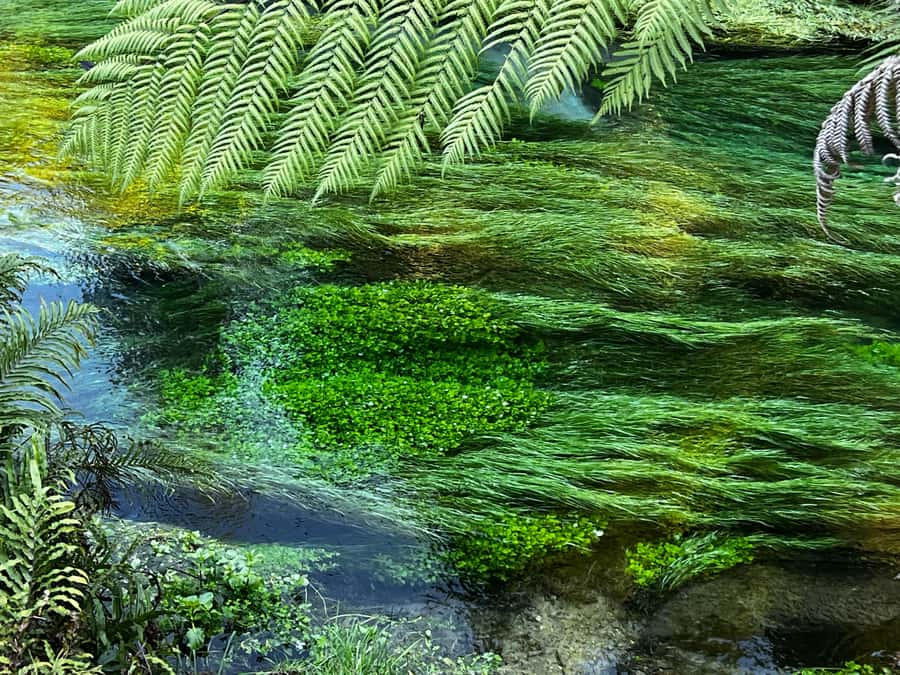
Auckland is a useful base, but Rotorua sits far enough away that visiting it independently in one day requires careful planning. This tour takes care of the driving and combines several parts of Te Puia that would otherwise require separate decisions and bookings.
I like the balance here. You get natural drama from geysers and boiling mud, living Māori arts, a close look at a kiwi, and a cultural performance. These are not unrelated attractions squeezed together just to fill a schedule. At Te Puia, geothermal activity and Māori culture are closely linked, and the guided format helps explain that connection.
The tradeoff is time. You leave Auckland before most people have finished breakfast and spend several hours in the vehicle. Rotorua itself also gets a driving highlights tour, but you do not have a long block for independent wandering around the city.
This is best for a first visit to Rotorua when you want the major experiences without hiring a car. It also suits families who prefer one organized day, provided everyone is comfortable with the early morning and lengthy return trip.
More Geothermal Parks and Geysers in Auckland:
- Auckland to Hobbiton Movie Set and Rotorua’s Geothermal Valley
★ 5.0 · 115 reviews - Rotorua Cultural & Geothermal Small Group Tour From Auckland
★ 5.0 · 22 reviews - Waitomo Glow Worm Caves & Te Puia – Rotorua’s Geothermal Valley
★ 5.0 · 9 reviews
The early start from Auckland
Pickup runs from Auckland CBD hotels between 5:45 AM and 6:00 AM. At Auckland Airport hotels, the pickup window is about 6:15 AM to 6:30 AM. You need to be at the hotel entrance at least 10 minutes early and watch for a vehicle marked ENZOY TOURS or the vehicle number sent to you.
That timing matters. Auckland to Rotorua is a long road journey, and the early departure gives you enough time for Te Puia, the performance, lunch, and the return drive. Confirm your hotel address and phone details before the day. The operator also recommends a local SIM or international roaming and WhatsApp, which can make pickup communication easier.
A wait during pickup is possible. One low-rated experience specifically pointed to a long wait, so do not plan a tight airport connection or an important evening booking immediately after the expected 6 PM Auckland drop-off.
Once everyone is aboard, the drive becomes part of the experience. You move from Auckland toward the Waikato, with open rural views and a useful chance to rest before the main visit.
A 15-minute pause in creative Tirau
After roughly two hours, the group stops in Tirau for about 15 minutes. This is a short practical break rather than a full town visit, but it gives you time to stretch, use the restrooms, and buy a coffee or light refreshment at a local café.
Tirau is known for its corrugated iron sculptures and unusual building designs. The dog and sheep-shaped buildings make easy photo subjects, and the stop adds a little local character to what could otherwise be a long, direct transfer.
Fifteen minutes passes quickly. If you want coffee, use the restroom first or follow the guide’s timing closely. Do not expect a proper breakfast stop or time to browse the town at length.
You then continue for about an hour toward Rotorua. Keep your water and weather gear handy, since Te Puia includes outdoor walking and conditions can change.
Entering the Te Whakarewarewa Thermal Valley
Te Puia is the main event. The park sits within the Te Whakarewarewa Thermal Valley, where steam, boiling mud, geysers, Māori art, and conservation work occupy the same broad setting.
The experience is now guided, and the Te Puia portion lasts 90 minutes. Arrive 15 minutes before your scheduled time so the visit can begin without a scramble. A guide leads you through the geothermal area and provides context as you move between the major sights.
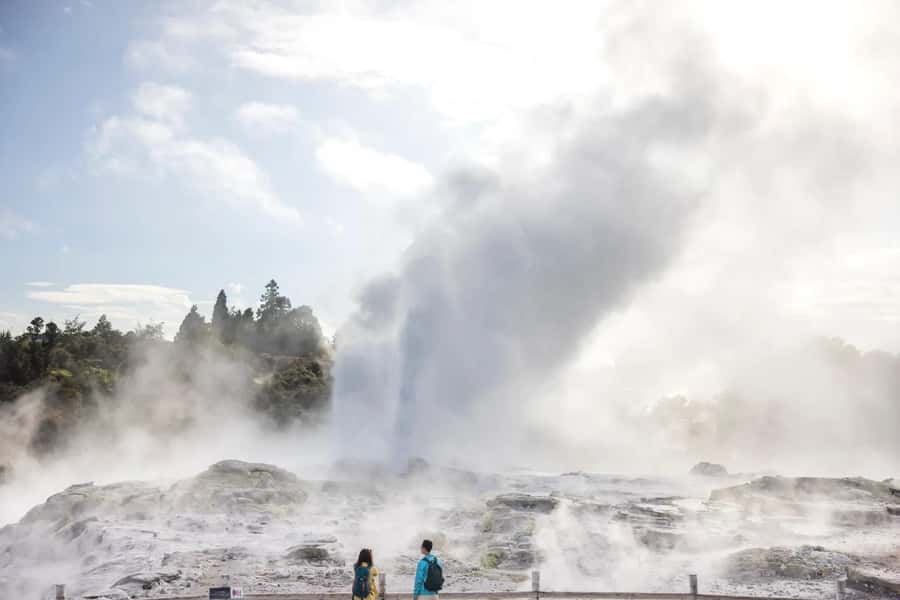
The Pōhutu Geyser is the star. It is described as the largest active geyser in the Southern Hemisphere, and its bursts give the valley a forceful centerpiece. Geyser activity is not a quiet museum display. You may see steam rising, hear the water move, and watch the ground express the heat below it.
You will also see boiling mud pools and other thermal features. Stay with the guide and follow the paths, since geothermal areas are active environments. Comfortable shoes are important, and sunscreen, a hat, water, and weather-appropriate clothing will make the outdoor portion easier.
The guided format has two sides. It gives you a clearer reading of the valley than simply walking past steam and mud, but it also means you have less freedom to pause wherever you like. If you enjoy taking your time with photographs, the 90-minute schedule may feel brisk.
A few more volcano trips around Auckland worth a look
- Half-Day Volcano Tour from Auckland
★ 5.0 · 124 reviews - Auckland: Inner-City Glowworm Experience in Ancient Volcano
★ 4.8 · 109 reviews - Auckland: Segway to North Head Volcano Summit
★ 4.9 · 53 reviews - Volcanoes, Coasts, and Secret Spots Afternoon Tour in Auckland
★ 5.0 · 43 reviews
The kiwi encounter at the conservation center
The Kiwi Conservation Centre adds an important New Zealand wildlife experience to the day. The kiwi is one of the country’s best-known birds, but it is nocturnal and not easy to spot in the wild. Here, you have a structured chance to see this distinctive bird in a conservation setting.
The center helps make the visit more than a quick scenic stop. You are not only looking at geothermal features. You are also learning about an animal that is central to New Zealand’s identity and conservation work.
Keep your expectations realistic. The tour data does not promise a particular viewing behavior or length of time at the center. You may get a clear look, but the animal’s activity will naturally vary. Listen to the guide and give the kiwi a calm viewing environment.
For families, this can be one of the day’s strongest stops. A child who has lost interest in mud pools may pay close attention to a kiwi, while adults get a more rounded picture of New Zealand’s natural and cultural life.
Māori carving, weaving and the open wānanga
Te Puia also houses the New Zealand Māori Arts and Crafts Institute. Skilled carvers and weavers demonstrate traditional techniques, while guides share stories passed through generations.
This part gives the day a human focus. Geothermal scenery is impressive, but it can become a series of quick photographs unless you understand the people and traditions connected to the place. Watching artists work makes Māori culture present and active, not something confined to a display case.
The wānanga, or school, is another meaningful part of the visit. Te Puia presents it as a place where indigenous culture and artistic skills continue through teaching. You may see intricate Māori artwork and sculptures across the grounds, so keep an eye out as you move between the thermal features and performance spaces.
The strongest value here comes from the combination. You are not simply shown finished objects. You also get a look at the techniques and teaching that keep the art forms going.
A 90-minute Māori cultural performance
The cultural performance takes place in the carved Te Aronui a Rua meeting house. It includes a traditional pōhiri welcome, waiata, mōteatea, poi, and haka.
Each element gives the performance a different tone. The pōhiri provides a formal welcome, songs and chants carry words and feeling, poi brings rhythm and movement, and the haka supplies the powerful finish many people associate with Māori performance.
You should arrive at least 15 minutes before the scheduled experience. The performance is best approached as a cultural presentation, not just a photo opportunity. Watch the performers, listen to the guide, and give the setting the respect it deserves.
This is one of the clearest reasons to choose this tour over a simple geothermal admission. A geyser visit shows you Rotorua’s natural power. The performance gives you a direct presentation of Māori language, movement, music, and welcome.
The program does add structure to the day. If you dislike fixed schedules, you may find the combination of guided tour and performance restrictive. For a first visit, though, I think the structure helps you see the key parts without missing the cultural side.
Lunch at Te Puia and the Rotorua driving loop
Lunch is not included. You need to eat at the Te Puia café or restaurant at your own expense, so budget for that separately. Since the visit is timed, do not assume you can leave the site in search of a cheaper meal.
After Te Puia, the tour includes about an hour of driving around Rotorua. During this portion, the vehicle may pick up other people from attractions or drop passengers at Rotorua hotels. That can add waiting and extra movement to the schedule, but it also gives you a broad look at the city without requiring another booking.
This is not a full walking tour of Rotorua. Think of it as an orientation drive. You will see more of the city from the vehicle, but your main time on foot remains at Te Puia.
For some people, that is enough. If Rotorua is your main destination and you want museums, restaurants, or long walks around town, staying overnight would give you a better pace. If you simply want a strong introduction before returning to Auckland, the drive is useful.
The Waikato River stop on the way home
The return trip includes a stop beside the Waikato River. It provides a quiet contrast to the steam and noise of the thermal valley, with views and room to stretch your legs.
This kind of stop matters on a 12-hour day. A brief pause can reset your attention before the final drive to Auckland. It also gives you a chance to take photographs in a calmer setting.
The expected Auckland CBD drop-off is around 6 PM. Treat that as an estimate rather than a promise, since traffic, pickup changes, and the day’s timing can affect the return.
Is $234 a fair price?
At $234 per person, the price is not cheap, but it covers the parts that make an Auckland to Rotorua day possible: hotel pickup and drop-off, round-trip bus transport, Te Puia admission, the guided geothermal visit, the kiwi center, and the Māori performance.
The value is strongest if you would otherwise need to arrange a rental car, fuel, parking, Te Puia tickets, and a separate performance. It is also useful if driving long distances in New Zealand is not appealing.
The value is weaker if you already have a car, plan to stay in Rotorua, or want to choose your own meal and schedule. Lunch and coffee are extra, and the long transport day means a large share of the price pays for convenience.
The guide can make a real difference. Ambrose has been praised for fitting in requests and adding surprises, while Denish was especially flexible with a family traveling with two young children. That suggests the human side of the tour can improve the day, though guide style and group conditions will vary.
Who should book this day?
I would choose this trip if you want a guided first look at Rotorua and do not want to drive. It suits couples, families, and first-time New Zealand visitors who want geothermal activity, Māori culture, wildlife, and transport in one booking.
It is especially useful for families with limited time. One parent does not have to manage a rental car, directions, parking, and several separate reservations. Still, children need to handle an early pickup, long bus rides, and a structured 90-minute Te Puia visit.
I would think twice if you have back problems, since the day includes long transport and walking. The information also gives conflicting accessibility details: the activity is marked wheelchair accessible, but it is also listed as unsuitable for wheelchair users. Contact ENZOY Tours directly before booking if access is important to you.
Book at least comfortable walking shoes, a camera, water, sunscreen, and a hat. Smoking is not allowed.
Should you book the Te Puia day trip?
Book it if you want the simplest way to combine Rotorua’s geothermal power with Māori culture and a kiwi viewing. The strongest parts are the Pōhutu Geyser, the carving and weaving center, and the performance at Te Aronui a Rua. The guide’s flexibility can also be a real advantage, especially for families.
Skip it if you want a relaxed Rotorua stay, a long independent visit, or a guaranteed inexpensive lunch. The early departure, possible pickup wait, fixed 90-minute Te Puia program, and lengthy return are the costs of seeing so much in one day.
For a first taste of Rotorua from Auckland, I think the package offers solid value. Just set your expectations correctly: this is an efficient introduction, not a slow holiday.
FAQ
How long is the tour from Auckland?
The experience lasts about 12 hours, with an expected drop-off in Auckland CBD around 6 PM.
What time is pickup from Auckland CBD?
Pickup from Auckland CBD hotels is scheduled between 5:45 AM and 6:00 AM.
What time is pickup from Auckland Airport hotels?
Pickup from Auckland Airport hotels is scheduled between 6:15 AM and 6:30 AM.
What is included in the price?
The price includes hotel pickup and drop-off, round-trip bus transportation, entry to Te Puia Rotorua Geothermal Park, a guided geothermal tour, the Māori cultural performance, and the Kiwi Conservation Centre.
Is lunch included?
No. Lunch and coffee are not included. You should eat at the Te Puia café or restaurant at your own expense.
How long are the guided experiences at Te Puia?
All Te Puia experiences are guided and last 90 minutes. You should arrive 15 minutes before your scheduled time.
Which language is the tour conducted in?
The tour is conducted in English with a live English-speaking guide.
What should I bring?
Bring comfortable shoes, a hat, a camera, sunscreen, water, and clothing suitable for the weather.
Can I cancel the tour?
You can cancel up to 24 hours in advance for a full refund.
Just added around Auckland
- Shore Excursion: Half-Day Auckland Volcanoes Tour★ 5.0 · 39 reviews
- Volcanic Rotorua Day Trip from Auckland★ 5.0 · 4 reviews
- Waitomo Glow Worm Caves & Te Puia – Rotorua’s Geothermal Valley★ 5.0 · 9 reviews
- Full-Day Grand Auckland Volcanoes Tour★ 5.0 · 42 reviews
- HalfDay Private Volcano Tour in Auckland Explore the City of Fire★ 5.0 · 2 reviews
- Rotorua Cultural & Geothermal Small Group Tour From Auckland★ 5.0 · 22 reviews
- Auckland City Volcano & Scenic Highlights Tour★ 4.5 · 24 reviews
- Private 2 Day Tour: Hobbiton, Waitomo, Rotorua Geothermal & Hamilton Gardens★ 4.0 · 5 reviews
Geothermal Parks & Geysers, compared.
Rotorua Lake: Deluxe Lake Spa Geothermal Hot Spring Bathing
Our review of it →
Rotorua Hiking: Mt Tarawera Guided Volcanic Crater Experience
Our review of it →
Polynesian Spa Rotorua: Deluxe Lake Spa Hot Spring Bathing
Our review of it →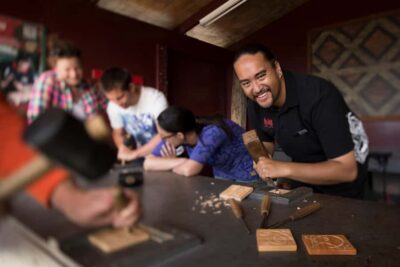
Taupo: Orakei Korako Geothermal Park and Cave Entry Ticket
Our review of it →
Polynesian Spa Rotorua: Pavilion (12+ yrs) Hot Pool Bathing
Our review of it →Browse the lists this tour appears in