
REVIEW · CATANIA
Etna: Winter excursion to 3.000mt
Snow turns Etna into a different mountain. This five-hour winter excursion takes you from Piazzale Rifugio Sapienza by cable car to 2,500 meters, then on foot toward 3,000 meters across snow, ice, volcanic ash, and old eruption cones. I like the small-group format and the chance to walk with an authorized alpine and volcanological guide. I also like that boots, trekking poles, and a helmet are available, so you do not need to pack every piece of mountain gear for Sicily.
This is not a gentle sightseeing outing. You need good physical fitness and solid hiking experience, especially in snow and wind. The advertised price is $108.84 per person, but the return cable car ticket costs an additional €52. Weather can also force a date change or cancellation.
Key points before you book
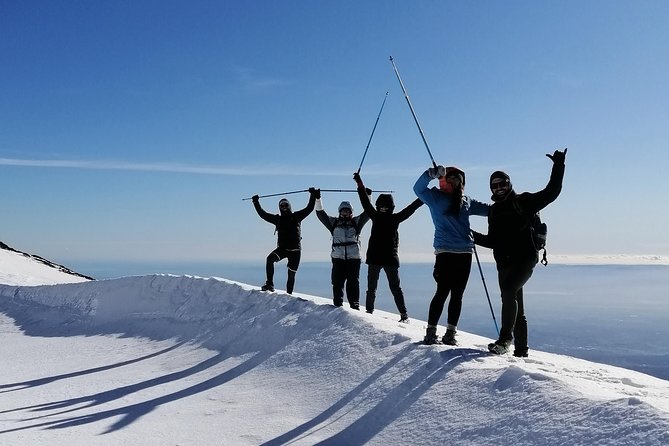
- The hike begins at 2,500 meters: A cable car carries you up from Rifugio Sapienza before the walking section begins.
- Snow and ice make this a serious trek: The route is intended for expert hikers, not casual walkers.
- The 2001 eruption cone is on the route: You also visit the Valle del Bove and Barbagallo craters.
- Equipment rental is included: High-necked hiking shoes, a helmet, and a trekking pole are provided.
- Guides are a major strength: Simone, Max, Giuseppe, and other guides have been praised for safety, pacing, and volcano facts.
- The real cost is higher than the headline price: Add €52 for the return cable car, plus water, snacks, and lunch.
Why winter changes Mount Etna
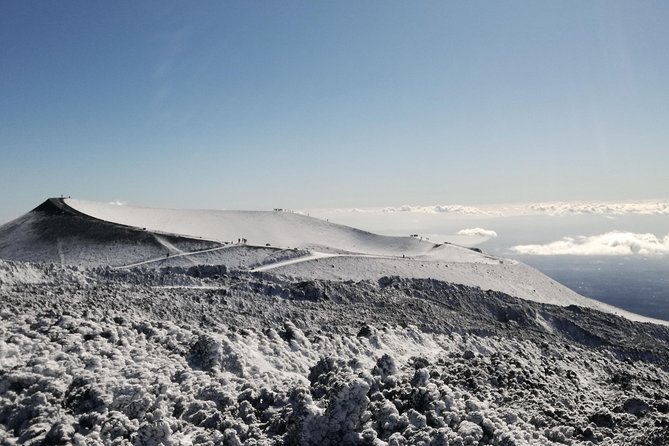
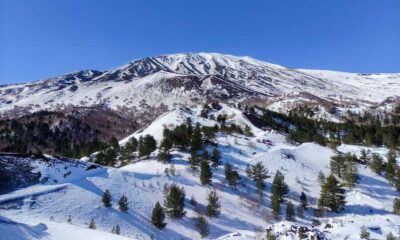
Etna is famous for lava, smoke, and black volcanic slopes. In winter, the mountain takes on another character. Snow covers the upper slopes, ice can form underfoot, and the volcano’s dark cones show sharply against the white ground.
You start at the Ashàra Etna & Stromboli Guides information point in Piazzale Rifugio Sapienza, near Nicolosi. The meeting time is 9:00 a.m. From there, the cable car takes you to about 2,500 meters. The walking section then rises toward 3,000 meters.
That change in altitude matters. You are not strolling through a snowy park. You are climbing on a high volcano, where wind, cold, loose volcanic material, and thin air can make a moderate distance feel much harder. One participant described covering about 7.5 kilometers in roughly two and a half hours of walking and finding the climb very demanding.
The scenery is the reward. You get wide views across Etna’s upper slopes, snowy volcanic hollows, and the sharp shapes left by past eruptions. If the weather and snow allow it, the guide may also take you to a lava-flow channel before the return to the cable car station.
More Mount Etna Tours in Catania:
- Catania: Mount Etna Morning or Sunset Day Trip with Tasting
★ 4.8 · 4,028 reviews - Catania: Sunset Jeep Tour of Mount Etna and Lava Flow Caves
★ 4.8 · 2,113 reviews - Sicily: Etna and Alcantara Gorges Full-Day Tour with Lunch
★ 4.8 · 1,766 reviews
Piazzale Rifugio Sapienza and the cable car ride
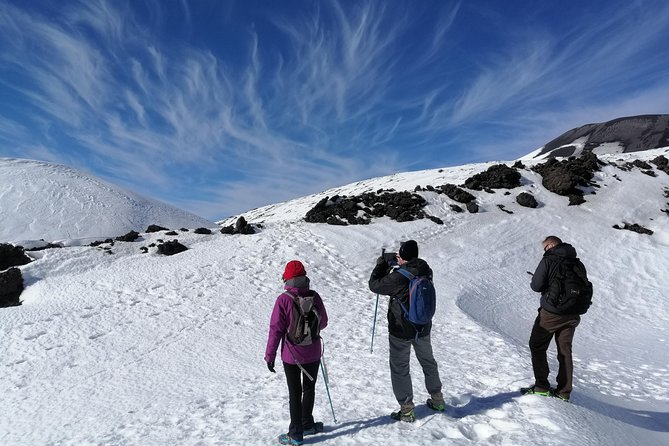
The excursion begins at the Ashàra meeting point beside Rifugio Sapienza. This is a useful starting place because the cable car removes the long lower climb and puts you quickly into the high mountain section.
The return cable car ticket is not included. It costs €52 per person, so include it when you compare the excursion with other Etna options. The listed tour price covers the guide and several pieces of equipment, but the cable car is a substantial extra cost.
Once you leave the lower station, the character of the outing changes. The cable car brings you to roughly 2,500 meters, but you still have a demanding ascent ahead. The group then sets out on foot toward the 3,000-meter area.
This arrangement is practical for a five-hour trip. You spend your time in the upper volcanic zone rather than using most of the day on the approach. It also means you should take the altitude seriously from the first step.
Walking from 2,500 to 3,000 meters
The central part of the outing is the climb through snow and volcanic material. The surface may include long stretches of snow, icy patches, and loose ash that gives way under your boots. One person described sinking into volcanic material while climbing, making each step more tiring than it first appeared.
The included high-necked hiking shoes are useful here. They provide more protection than ordinary trainers, especially when snow reaches around your ankles or the ground becomes uneven. A trekking pole helps with balance, while the rock helmet adds protection around volcanic terrain.
You should still bring suitable clothing. The provider supplies some gear, and participants have praised the availability of jackets and gloves, but the listed inclusions specifically guarantee hiking shoes, a helmet, and a trekking pole. Ask the company in advance about the exact clothing available for your date rather than assuming a full winter outfit is included.
The guide sets the pace and can adjust the route. Giuseppe shortened the route for a family whose children found the full outing too difficult. That flexibility is valuable, but it does not turn the trek into an easy walk. If you struggle on steep, snowy ground, the group may need to slow down or alter its plan.
The 2001 eruption cone
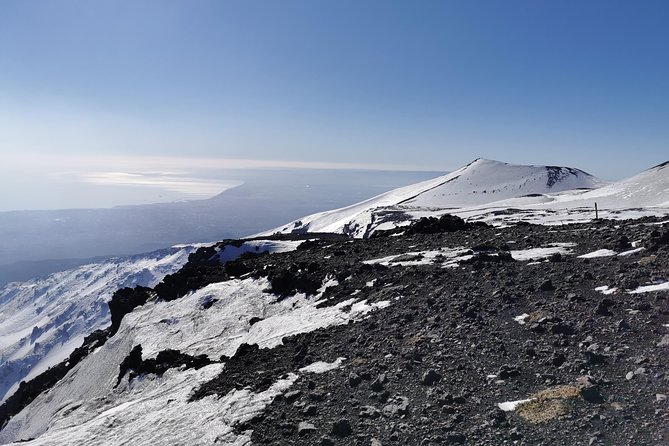
One of the most interesting stops is the cone created by the 2001 eruption. Etna’s eruptions do not only affect the summit. New side cones can form on the mountain, leaving behind distinct ridges and craters.
Walking to this cone gives you a close look at Etna’s volcanic structure without taking you into an unsafe area. Your guide can explain how the eruption shaped the ground and point out features that are easy to miss when you only view the mountain from a road or cable car.
This is also where the volcanic surface becomes part of the experience. Snow may soften the outlines of the cone, while exposed black ash and rock show where the mountain’s usual colors break through. The combination makes winter a particularly striking time to visit.
A few more volcano trips around Catania worth a look
- Etna South: High Altitude Winter Trek with an Alpine Guide
★ 4.8 · 27 reviews
Valle del Bove and the Barbagallo craters
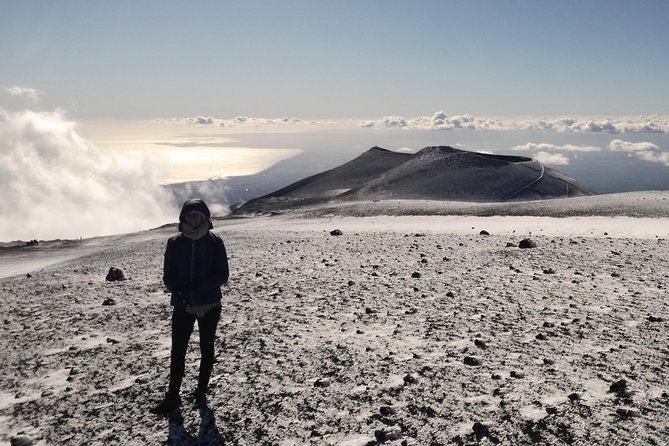
The route includes views toward the Valle del Bove, one of Etna’s major natural features. From the high slopes, the valley gives the mountain a sense of scale that you do not get from a single crater rim. It is a broad volcanic depression shaped by past activity, and it helps you understand how large Etna really is.
The Barbagallo craters add another close-up look at volcanic terrain. Together with the 2001 cone, they make the excursion more than a simple climb to a viewpoint. You move through several parts of Etna’s eruptive story.
The exact order and distance can change with snow and safety conditions. That is a sensible limit on a winter volcano trip. The guide may not follow the same route every day, and a promised feature should not be treated as guaranteed in poor conditions.
Viewing the summit craters from a safe distance
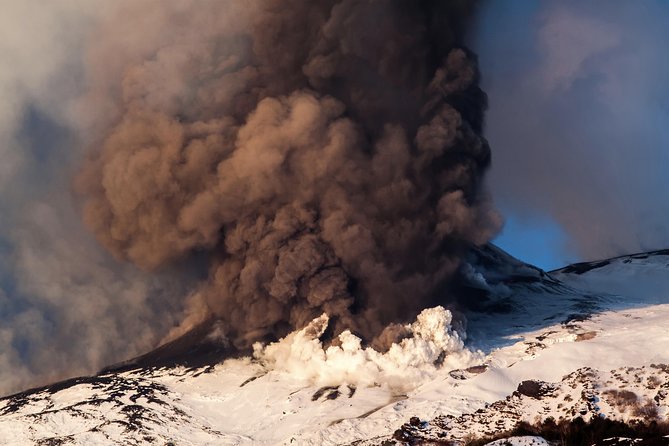
The excursion lets you admire Etna’s summit craters without approaching them directly. This balance matters. You get a strong sense of the active upper mountain, but the route keeps you at a distance judged safe by the guide.
Volcanic terrain can look calm while still being hazardous. Wind, ice, unstable ground, and changing conditions all matter at this altitude. The guide’s job is not just to point out scenery. It is to decide where the group should stop, how far it should go, and when it is time to turn back.
The summit views can also depend heavily on weather. On a clear day, you may see the upper craters with striking detail. Cloud, wind, or snowfall can reduce visibility. The excursion is still a mountain walk in poor visibility, but the visual reward may be smaller.
What the guides add to the day
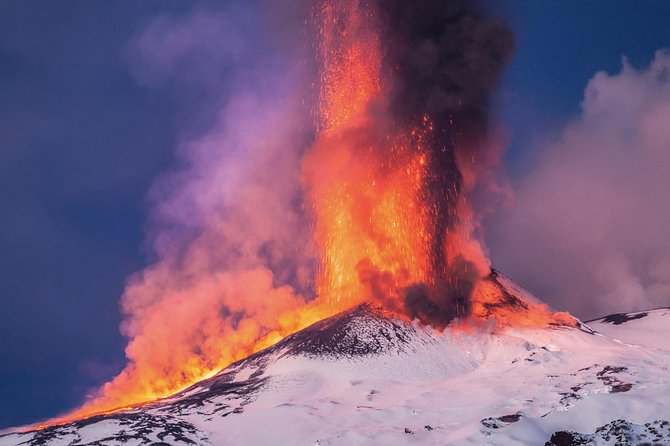
The guides are one of the strongest parts of this experience. The company uses authorized alpine and volcanological guides, and the group size is capped at 15 people. Smaller groups are easier to manage on snow and allow more room for questions.
Max led one group of five at a steady pace, stopping when needed and keeping safety in mind. He was also praised for explaining the volcano without overwhelming the group. Simone received similar praise for sharing facts and history about Etna while helping people prepare for the climb.
Giuseppe was described as friendly, clear in English, and willing to adapt the route when the children in his group found the full trek too hard. These details matter because a winter ascent is not only about fitness. You need a guide who can read the group and make sensible choices.
A larger group can feel slower. One group of 12 moved at a careful pace while the guide explained information in English, Italian, and French. That may be useful if you enjoy a social outing, but it can add time to stops and make the pace less personal. The maximum is 15, so do not assume every departure will feel like a private walk.
Equipment, water, and food
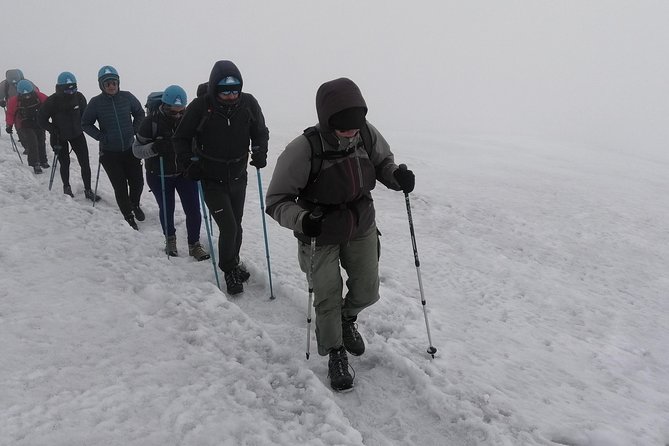
The included equipment gives this trip good practical value. You receive a rock helmet, high-necked hiking shoes, a trekking pole, an alpine and volcanological guide, and insurance.
You must bring at least 1.5 liters of water. That is not a suggestion to ignore. Cold air and steady uphill work can leave you dehydrated even when you do not feel hot. One participant said the climb made them surprisingly warm, despite the winter setting.
Bring snacks and a packed lunch as well. Food is not included, and the excursion lasts about five hours. A simple meal gives you something to eat during a break, especially if the route reaches the upper area around midday.
Wear layers that you can remove and add. Conditions can shift from cold and windy to warm during the climb, then cold again when you stop. The available rental gear is helpful, but you remain responsible for arriving ready for a high-altitude winter outing.
Price and what you really receive
The listed price is $108.84 per person. Add the €52 return cable car ticket, then budget for water, snacks, and lunch. That makes the total notably higher than the headline amount.
Still, the price includes more than a basic guided walk. You receive a specialist guide, insurance, a helmet, hiking shoes, and a trekking pole. You also avoid arranging the upper-mountain route yourself, which is especially valuable in snow and ice.
The value depends on your priorities. If you only want a quick Etna viewpoint, this outing is too demanding and too expensive. If you want a serious winter walk with volcanic features, rented gear, and a guide who can manage changing conditions, the package makes more sense.
The group size also affects the value. A small departure can feel personal, while a full group may require more patience. You are paying for a guided mountain experience, not a private tour.
Communication and changes to the schedule
The meeting point is clear, and confirmation is provided at booking. Ashàra has also helped with questions and transport arrangements, according to direct experience with the company’s communication team.
However, weather can affect the plan. The excursion requires good conditions, and strong winds may lead the company to request a date change. One scheduled departure was moved because forecasts called for gusts above 80 kilometers per hour and there were not enough participants for the original date.
That can disrupt a Sicily itinerary, particularly if you have only a few days in Catania. If your schedule is tight, keep some flexibility around the booking. If the company cancels because of weather or insufficient numbers, you can choose another date or receive a full refund.
You can cancel for a full refund up to 24 hours before the 9:00 a.m. start time. Changes or cancellations made inside that window are not accepted for a refund.
Who should book this Etna excursion?
This trip suits an upper-intermediate or expert hiker who is comfortable with steep ground, snow, ice, and a sustained climb. You should be ready for several hours outside and able to manage a moderate physical effort at high altitude.
It also suits visitors who want to learn about Etna, not just photograph it. The guides explain volcanic features, eruption history, and the meaning of the cones and craters you pass.
You may want a different Etna activity if you are traveling with very young children, dislike cold weather, or prefer a relaxed sightseeing pace. A shorter route may be possible, but the full experience is built around a demanding winter trek.
The activity is offered in English, and groups can include people with different languages and fitness levels. A guide may need to stop often to keep the group together. That is good for safety, but it can make the day feel slower.
Should you book it?
I would book this excursion if you want Etna as a mountain, not just as a backdrop. The snow, eruption cones, Valle del Bove, and high volcanic views give you a close look at the volcano’s shape and power.
Book only after checking the extra cable car cost and making an honest assessment of your fitness. Bring 1.5 liters of water, food, layered clothing, and patience for changing weather. If you can handle a challenging climb and accept that the route may change, this is one of the more memorable ways to meet Mount Etna in winter.
FAQ
Where does the Etna winter excursion start?
It starts at the Ashàra Etna & Stromboli Guides information point in Piazzale Rifugio Sapienza, 95030 Nicolosi, Sicily.
What time does the tour begin?
The start time is 9:00 a.m.
How high does the excursion go?
The cable car takes you to about 2,500 meters, and the walking section continues to around 3,000 meters.
Is the return cable car included?
No. The return cable car ticket costs €52 per person and must be paid separately.
What equipment is provided?
The tour includes a rock helmet, high-necked hiking shoes, and a trekking pole. It also includes an alpine and volcanological guide and insurance.
What should I bring?
You should bring at least 1.5 liters of bottled water, snacks, and a packed lunch. The trek is suitable for people with a moderate fitness level, but the snowy conditions make it best for expert hikers.
Just added around Catania
- Private Tour from Catania to Etna Naxos and Taormina★ 4.5 · 7 reviews
- Trekking in the morning on Mount Etna★ 5.0 · 2 reviews
- Sicily private shore excursion – Etna and Taormina with personal driver★ 3.5 · 3 reviews
- Mount Etna Sunset with sicilian tasting★ 5.0 · 29 reviews
- Tour two wineries of Etna wine tasting and lunch★ 5.0 · 10 reviews
- Etna Quad on the Volcano Day (ATV)★ 4.0 · 8 reviews
- Private visit to the cellars of Etna with wine tasting★ 4.5 · 6 reviews
- Sunset Trekking on Mount Etna★ 5.0 · 3 reviews
Mount Etna Tours, compared.
Mount Etna Morning or Sunset Day Trip with Tasting
Our review of it →
Sunset Jeep Tour of Mount Etna and Lava Flow Caves
Our review of it →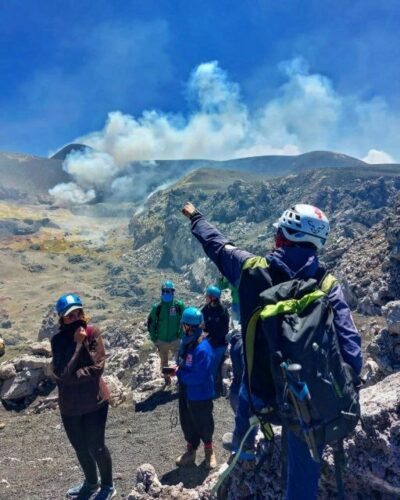
Etna and Alcantara Gorges Full-Day Tour with Lunch
Our review of it →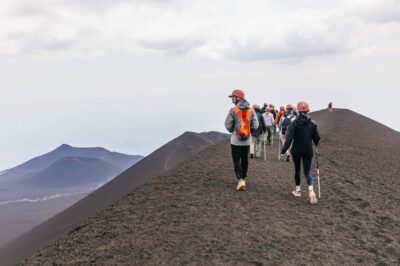
summit craters trekking with volcano guide 3350mt
Our review of it →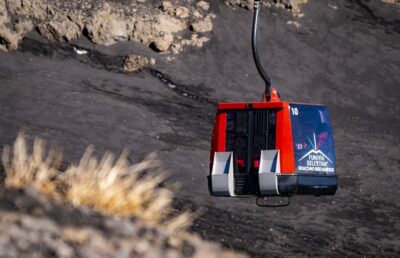
Browse the lists this tour appears in