
REVIEW · NEW ZEALAND
Akaroa: Guided Electric Mountain Bike Tour-Lava Loop
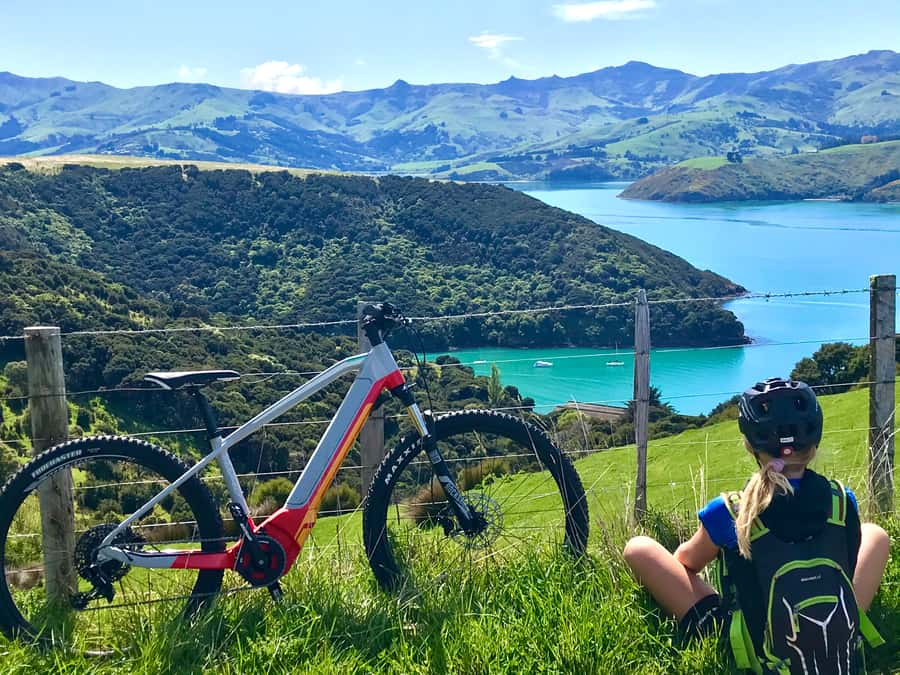
Akaroa looks even better from above. This three-hour electric mountain bike tour climbs from the harbour town toward the crater rim, then sends you back down quiet sealed roads with wide views of the turquoise water and Banks Peninsula. I like the mix of real exercise and electric assistance, and I like that a local guide handles the route, photos, and stories while you concentrate on riding.
I especially like the powerful Scott or Trek e-bikes, which make the steep climb possible without turning the ride into a painful test of will. I also like the small group size, limited to 10 people, since guides such as Max and Lourn can offer advice and adjust the pace more easily.
The main caution is simple: this is not a gentle sightseeing ride. You need mountain bike experience, a moderate to high level of fitness, and comfort with steep ascents and descents. Bad weather can also change the whole outing. One May booking became a wet, windy ride with almost no visibility and a slippery return.
Key points before you book
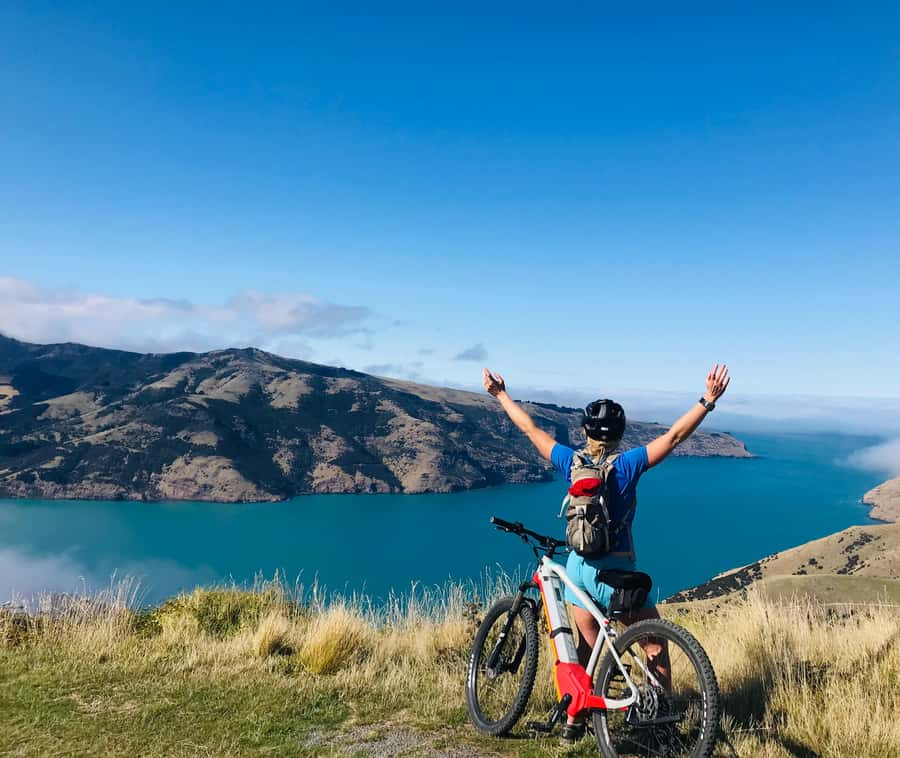
- The climb reaches roughly 700 metres: The e-bike helps a lot, but you still need to pedal and manage a sustained uphill ride.
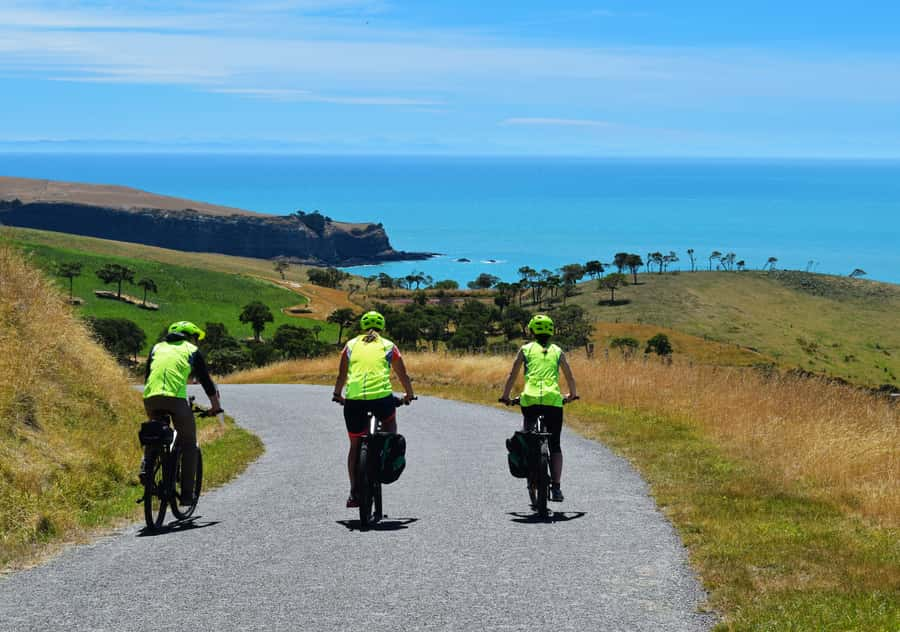
- The route uses quiet sealed roads: That makes the ride less technical than a rough mountain-bike track, but the steep hills still demand confidence.
- The views are the main reward: You look back toward Akaroa Harbour, the sea, countryside, and crater rim as you gain height.
- Turbo mode is your friend: Use the motor when your legs begin to fade, rather than waiting until you are exhausted.
- Guides add real value: Max has been praised for his enthusiasm and flexibility, while Lourn has been noted for local stories about history, culture, plants, and wildlife.
- Weather matters a great deal: The tour runs in most conditions except heavy rain or extreme winds, but poor visibility can reduce the experience sharply.
From Akaroa Main Street to the crater rim
The meeting point is on Main Street, between the petrol station and the Four Square supermarket. It is an easy walk from Akaroa Port, which makes the tour practical if you are spending the day in town or arriving by ship at the local port.
Before setting off, you should send your height by email or text. That gives the operator time to prepare the right bike size. Helmets, high-visibility vests, and a riding backpack with an easy-access phone holder are provided. Bring your own water, sunscreen, light jacket or windbreaker, snacks, and sports shoes.
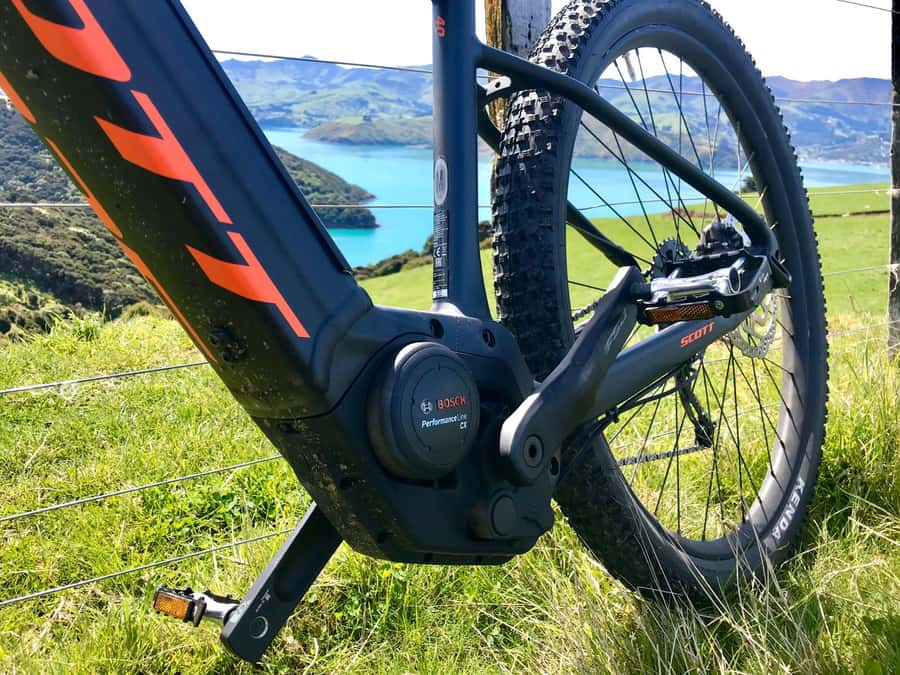
The first part of the tour is the important reality check. You are riding a real electric mountain bike, not sitting on a motorized vehicle. The Bosch pedal-assist system adds power as you pedal, helping you climb roads that would be very demanding on an ordinary bicycle.
The route includes steep ascents on quiet, sealed roads. That surface is useful for riders who want a challenge without rough trails, loose rock, or complicated technical sections. Still, steep pavement can feel serious on a bike, especially on the way down. You need to be comfortable braking, steering, and keeping control on a long descent.
The guide can point out places of interest along the way and stop for photographs. The exact rhythm depends on the group, the weather, and the guide. With a small group, you have a better chance of getting useful riding advice instead of simply following a large line of bikes.
More Lava and Eruption Tours in New Zealand:
- Lava Loop- Guided electric mountain bike tour in Akaroa
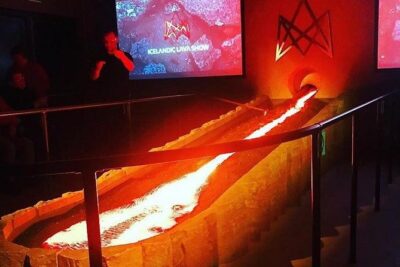
★ 5.0 · 34 reviews - Reykjavik: LAVA SHOW – Immersive Experience Entry Ticket
★ 4.8 · 3,360 reviews - Lava Show Reykjavik Admission Ticket – Optional Premium Upgrade
★ 5.0 · 3,278 reviews
Why the electric assistance changes the ride
The central idea here is not avoiding effort. It is using assistance to reach places you might not manage on a standard mountain bike.
The climb toward the crater rim is described as roughly 700 metres and quite steep. On a conventional bicycle, that demands strong fitness and careful pacing. On the e-bike, you still work, but you can choose how much help you want. Lower assistance lets you exercise more. Turbo mode gives you a strong boost when the road begins to bite.
I would treat the motor as a pacing tool rather than a shortcut. Start with a sensible assistance level, settle into a steady rhythm, and save turbo for the sharpest sections or the final part of the climb. If you use the highest setting from the beginning, you may enjoy an easier ascent but use more battery power and lose some of the satisfaction of doing the work yourself.
The benefit is access. You can ride higher, faster, and farther than you might on a normal bike, then still have enough energy to enjoy the views and the descent. That is why this tour suits an active visitor who wants a physical outing but does not want their entire day consumed by a punishing climb.
You should not confuse electric assistance with effortless riding. The bike is heavy, and you must handle it on narrow or sloping roads. People with a low fitness level, back problems, or mobility impairments are told not to join. The operator also sets a weight limit of 95 kilograms, or 209 pounds.
The crater rim views are the payoff
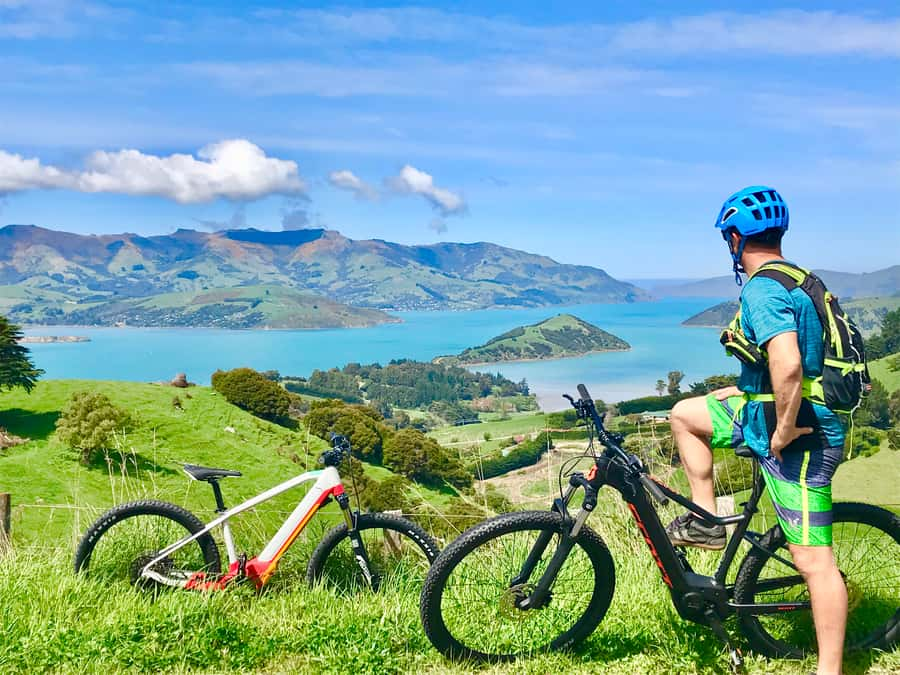
As the road climbs, Akaroa and the harbour open out below you. The most appealing feature of the route is the changing view: you can see from sea level toward the summit and look across the water and surrounding countryside.
The views are not confined to one lookout. The ride itself creates a moving series of viewpoints, with the scene widening as you gain height. You may stop for photographs and local explanations, but the main pleasure comes from pedaling through the high country rather than simply arriving at a viewpoint by vehicle.
The description of riding in a postcard is not hard to understand. Akaroa’s turquoise harbour, open countryside, and crater setting give the route a strong sense of place. You are not just exercising on an indoor machine or following a generic cycle path. The scenery is tied directly to the volcanic shape of the peninsula.
That said, weather controls how much you see. A clear day can make the climb feel richly rewarded. Rain, strong wind, or low cloud can turn the same road into a more serious outing. One rider described pouring rain, strong wind, no visibility, and a slippery road that made the return uncomfortable. The tour may proceed in ordinary poor weather, but that does not mean the views will survive it.
If you have flexibility, choose the clearest available time and check the forecast before committing. The cancellation policy allows a full refund when you cancel at least 24 hours ahead, which is useful when the forecast shows heavy rain or extreme winds.
Local guides make the ride more than exercise
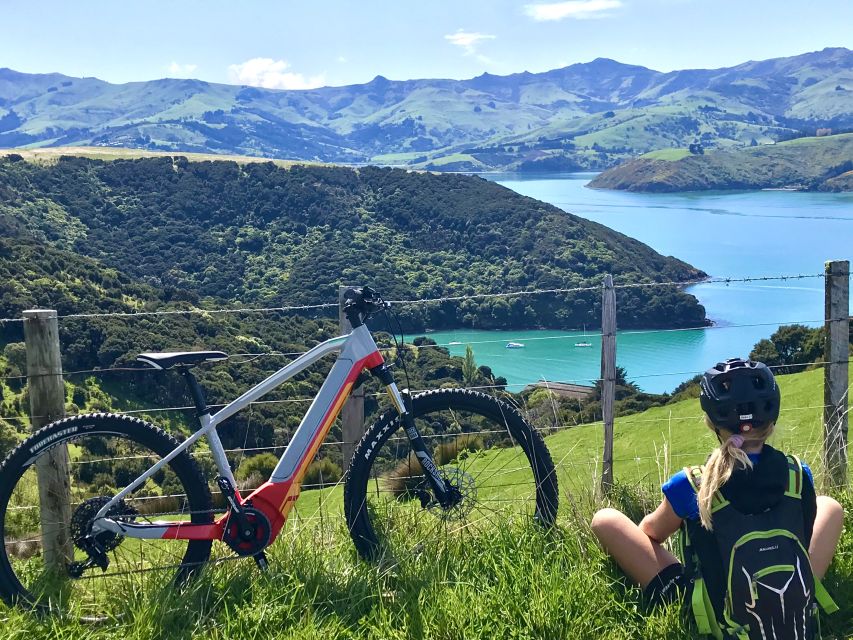
The guide is important here because the experience combines route-finding, safety, scenery, and local detail.
Max has received especially warm praise for being friendly, enthusiastic, and adaptable. On one small outing, he offered several route options and shaped the ride around the riders’ interests. That matters because two strong cyclists may want a different pace from a mixed group, and a smaller outing gives the guide room to respond.
Lourn has also been praised for keeping riders safe while sharing information about Akaroa’s history, culture, plants, and wildlife. Another guide, Jack, helped with extra tips about the surrounding area. These details are useful because the bike ride can also help you decide what else to see during your time in Akaroa.
The tour is offered in English and Spanish. Group size is capped at 10, though the actual number can be smaller. If you are lucky enough to ride with only one or two other people, the outing may feel more personal and allow extra flexibility.
The guide also takes photos. That is a practical touch on a physically demanding route. You can enjoy the views without constantly stopping to remove a phone from your pocket, and the supplied backpack includes a convenient phone holster for quick access.
More Bike Tours in New Zealand:
- Big Island: Fat Tire E-Bike Tour through Volcanoes National Park
★ 5.0 · 546 reviews - Ubud: Downhill Cycling with Volcano, Rice Terraces and Meal
★ 5.0 · 536 reviews - Quad Bike Tour on Black Lava Sands from Mýrdalur
★ 5.0 · 502 reviews - Tenerife: Quad Bike Tour to Mount Teide at Sunset
★ 4.4 · 368 reviews
The descent is fun, but do not switch off
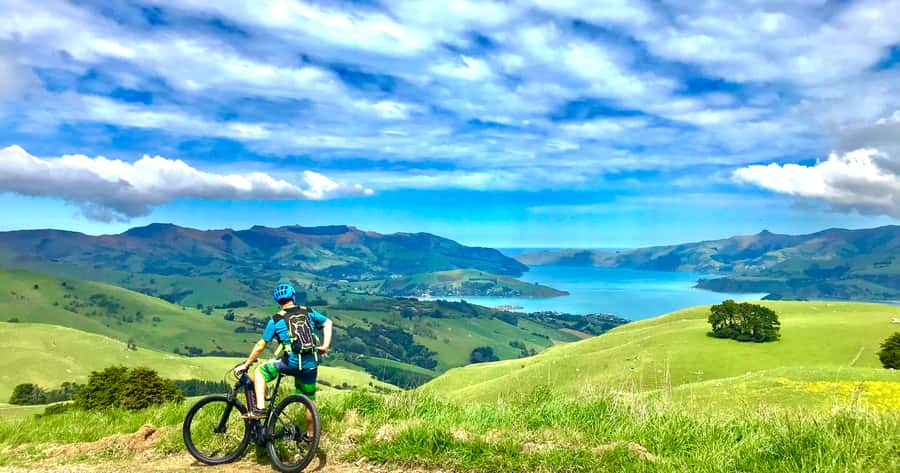
After the climb and crater rim views, you return toward sea level on a flowing descent. This is often the most enjoyable part for confident riders. The work of the uphill section gives the downhill a real sense of achievement, and the electric bike handles differently from a normal bicycle because of its weight and power.
You should still treat the descent seriously. Wet roads can become slippery, and strong wind can make exposed sections uncomfortable. Keep your speed under control, follow the guide’s instructions, and do not assume that electric assistance makes downhill riding safer.
The ride uses sealed roads, which helps, but steep downhill pavement can still test your braking and cornering. Sports shoes are required, and comfortable clothing with room for movement makes sense. A windbreaker is particularly useful because conditions can change as you gain height.
The downhill return is one reason the three-hour format works well. You get a proper climb, time at the upper viewpoints, and a satisfying route back to Akaroa without committing an entire day to cycling.
What the $104 price includes
At $104 per person, this is not the cheapest way to see Akaroa. The price makes more sense if you would otherwise need to hire a quality e-bike, locate a suitable route, carry safety equipment, and work out how to reach the crater rim on your own.
Your fee includes the Scott or Trek electric mountain bike, helmet, high-visibility vest, riding backpack, local guide, and, for cruise ship passengers arriving at Akaroa Port, pickup and drop-off service. You also get route planning and local interpretation, which are hard to put a price on when the road is steep and unfamiliar.
The bikes are a major part of the value. A high-quality pedal-assist bike can turn a route that feels unrealistic on a normal bicycle into a demanding but manageable outing. The guide’s presence adds another layer, especially if you want more than a rental and a map.
You still need to pay for your own snacks and drinks, and no meal is included. The tour description promises a good descent, not a catered stop. Carry water and something easy to eat so you can keep your energy steady.
For active visitors with only a few hours, the price can be fair. You get scenery, exercise, equipment, and local guidance in one compact outing. For anyone seeking a relaxed sightseeing ride with little physical work, it will not feel like good value because the challenge is central to the experience.
Who will enjoy the Lava Loop most?
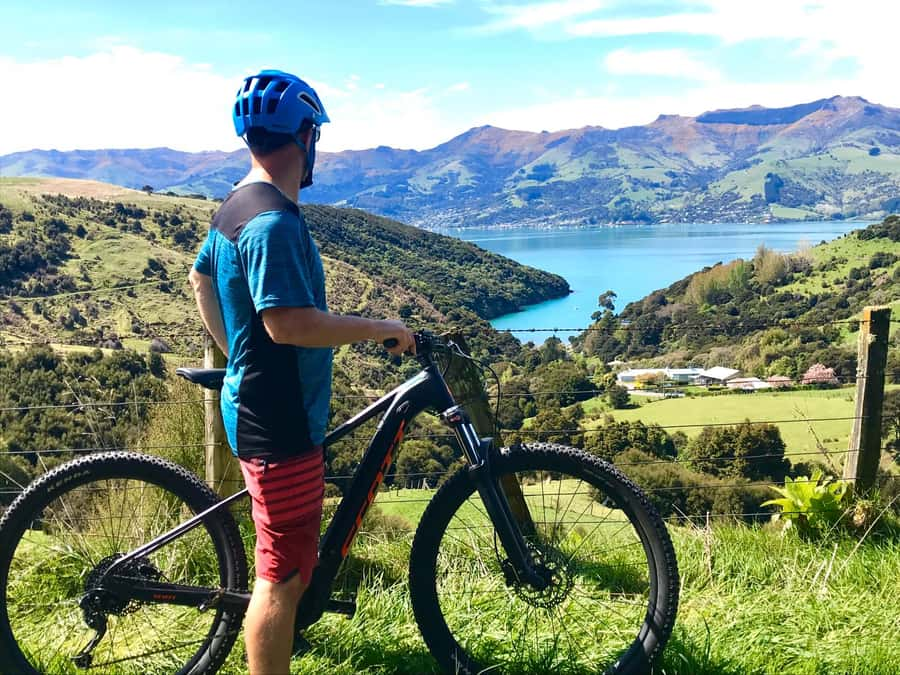
I would recommend this tour to you if you:
- Ride a normal mountain bike with confidence
- Have moderate to high fitness
- Like steep climbs and controlled descents
- Want wide views rather than a flat town cycle
- Have about two and a half to three hours available
- Are comfortable riding in changing weather
- Want a guide who can explain the area and take photographs
It is a weaker choice if you have not ridden a mountain bike before. The motor can help with climbing, but it cannot remove the need to balance, steer, brake, and judge speed.
It is also not suitable for people with back problems, mobility impairments, low fitness, or a body weight above 95 kilograms. The operator is clear about these limits, and you should take them seriously.
Cruise ship passengers need to pay attention to the port details. The office is easy to reach from Akaroa Port, and free pickup and drop-off are provided for passengers arriving there. If your ship arrives at Lyttelton Port instead, the booking must include the return transport option through the separate arrangement provided by the operator.
Small details that improve your day
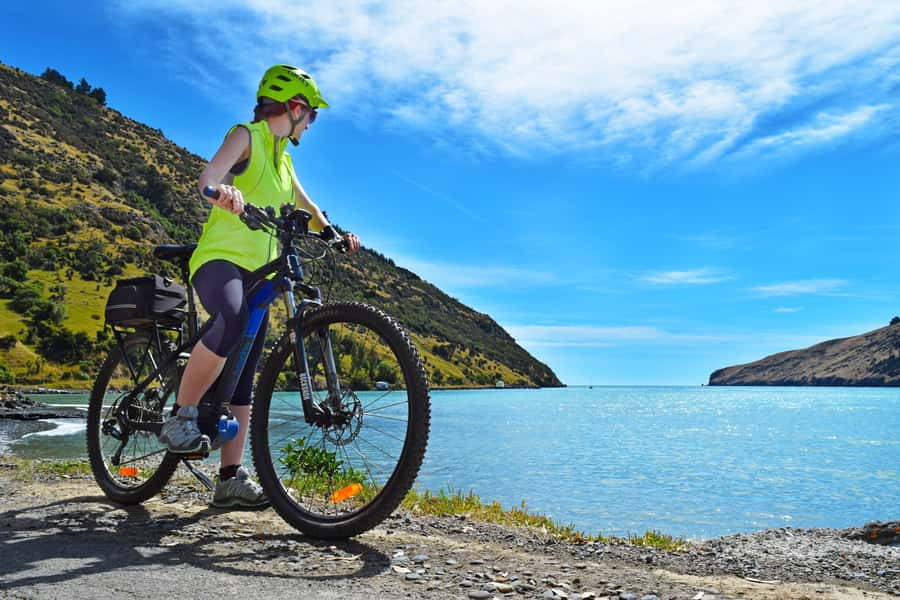
Send your height before the tour so the correct bike can be prepared. Wear sports shoes, use sunscreen even when the air feels cool, and bring a jacket that can handle wind.
Carry water and snacks in the supplied riding backpack. Keep your phone accessible for photos, but let the guide choose the safer moments to stop. You will enjoy the ride more if you are not trying to photograph every bend while climbing.
Check the weather before you go. The tour operates in most conditions, but heavy rain and extreme winds can stop it. Even when the trip goes ahead, poor visibility may erase the best part of the route.
The tour has free cancellation up to 24 hours before departure, and you can reserve now and pay later. Those terms are helpful if your Akaroa plans depend on ship schedules or a shifting forecast.
Should you book this Akaroa e-bike tour?
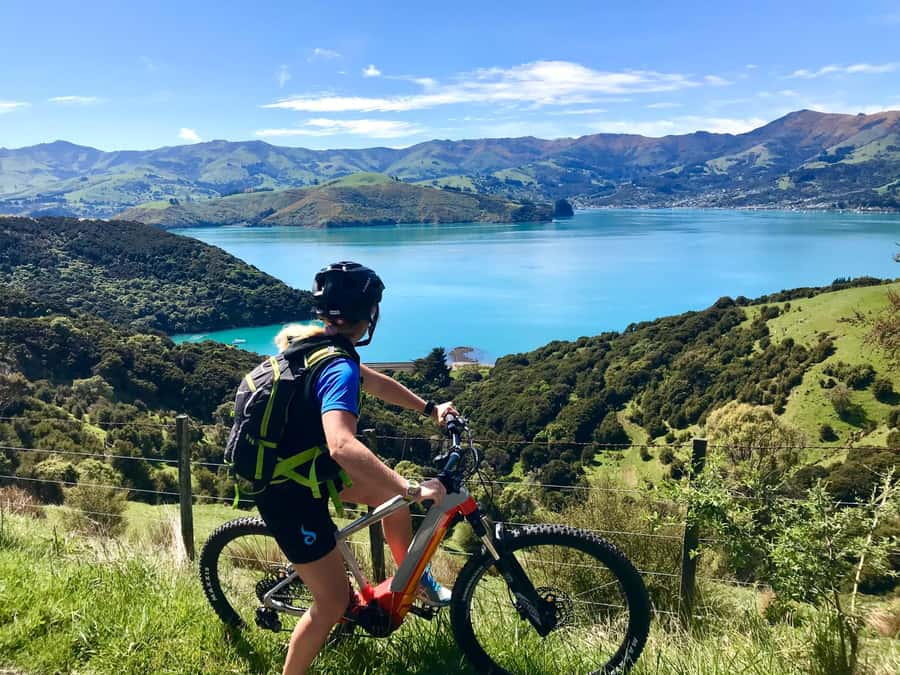
Book it if you want to earn your views. The climb is steep, but the electric assistance, quality bikes, small group, and local guides make the route far more approachable than it would be on a standard bicycle. Max and Lourn have both been praised for safety, local knowledge, and good energy, which is exactly what you want on a demanding ride.
Skip it if you want a calm, flat cycle or if you lack mountain bike experience. Also think twice if the forecast points to heavy rain, strong winds, or low visibility. On a clear day, the $104 price buys a memorable mix of exercise, scenery, and Akaroa character. On a wet day, the same route can become hard work with little view to show for it.
FAQ
How long does the Lava Loop tour last?
The tour lasts three hours. You should allow roughly two and a half to three hours in your plans, depending on the scheduled start time and riding conditions.
How much does the tour cost?
The price is $104 per person.
Where does the tour meet?
The meeting point is on Main Street in Akaroa, between the petrol station and the Four Square supermarket.
Is the tour suitable for cruise ship passengers?
Yes. Passengers arriving at Akaroa Port receive free pickup and drop-off service. Passengers arriving at Lyttelton Port need to book the option that includes return transport.
What equipment is provided?
The tour provides a Scott or Trek electric mountain bike, helmet, high-visibility vest, and riding-specific backpack with an easy-access phone holster.
What should I bring?
Bring a windbreaker or light jacket, sunscreen, drinking water, snacks, and sports shoes.
How fit do I need to be?
You need a moderate to high level of fitness and confidence riding a normal mountain bike. The route includes steep ascents and descents, including a climb of roughly 700 metres toward the crater rim.
Can I cancel if the weather looks bad?
You can cancel up to 24 hours before the tour for a full refund. The activity runs in most weather, except heavy rain or extreme winds.
Just added around New Zealand
- Whaka Geothermal Trails Self-Guided Tour★ 3.5 · 44 reviews
- Mt. Tarawera Volcano Scenic Floatplane Tour from Rotorua★ 5.0 · 42 reviews
- Helicopter White Island / Mount Tarawera ‘Volcanic Extremes’★ 5.0 · 2 reviews
- Mt Tarawera Helicopter Tour with Volcano Landing★ 5.0 · 40 reviews
- Mount Tarawera Volcanic Adventure by Helicopter★ 5.0 · 11 reviews
- Polynesian Spa Rotorua: Family Hot Pools and Freshwater Pool★ 3.5 · 14 reviews
- From Rotorua WAIMANGU VOLCANIC VALLEY Half Day Tour★ 3.5 · 3 reviews
- Half-Day Tour – Ex Rotorua: WAI-O-TAPU Thermal Wonderland★ 4.0 · 8 reviews
Lava & Eruption Tours, compared.
LAVA SHOW – Immersive Experience Entry Ticket
Our review of it →
Lava Show Reykjavik Admission Ticket – Optional Premium Upgrade
Our review of it →
Sunset Jeep Tour of Mount Etna and Lava Flow Caves
Our review of it →
Raufarhólshellir Lava Tunnel: Underground Expedition
Our review of it →
Browse the lists this tour appears in