
REVIEW · HILO
Hilo: Hawaii Volcanoes National Park Flight
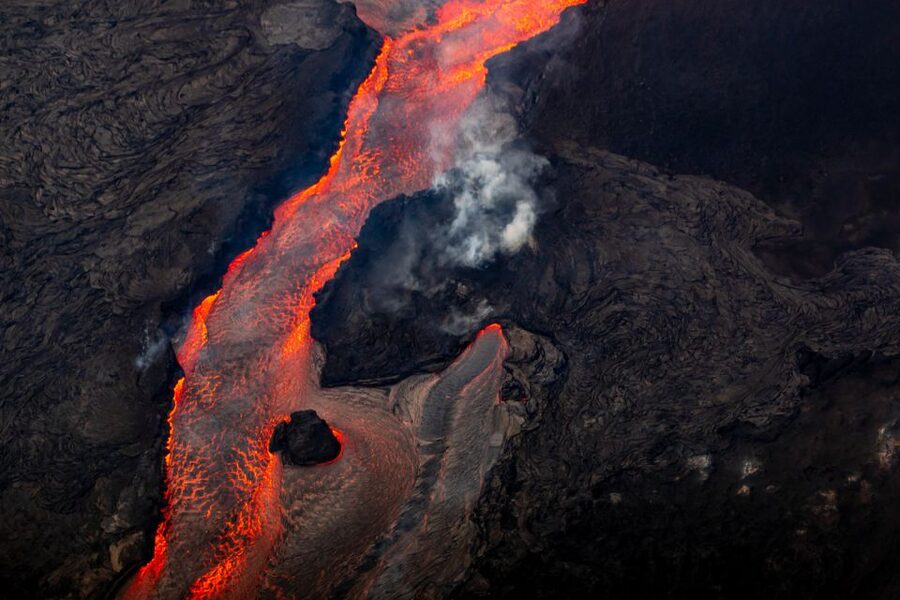
Volcanoes look different from above. This one-hour Safari Helicopters flight from Hilo gives you a sharp view of Kilauea’s caldera, old lava fields, new lava formations, jungle waterfalls, and black sand beaches shaped by past eruptions. I like the small group size, limited to six, and the way pilots such as Andrew, Sam, Matt, and Drew add history and geology while flying.
I also like the flexible booking terms and the strong safety focus praised by many customers. The main drawback is simple: weather controls the route, so clouds may block a specific volcano, waterfall, or lava area. At $379 per person, this is a serious splurge for one hour, though the scale of the views can make it worthwhile.
Key things to know before you fly
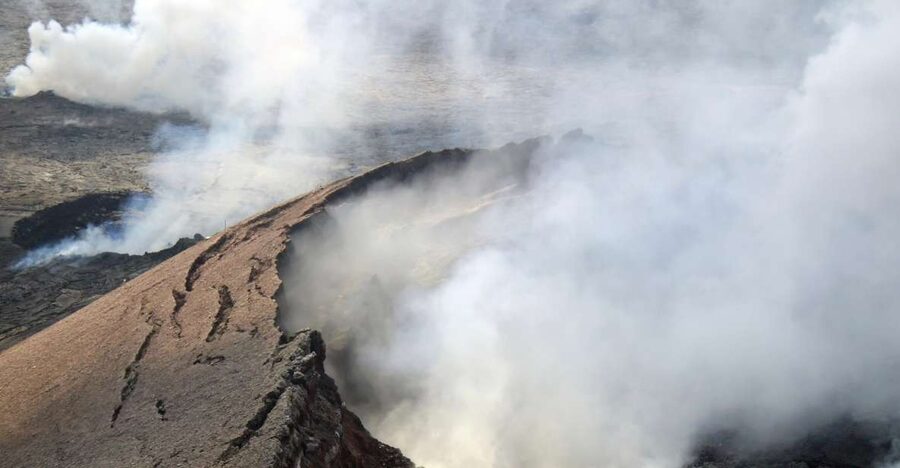
- Kilauea from the air: The caldera gives you a rare sense of the volcano’s size and changing form.
- Pu‘u ‘Ō‘ō: This volcanic cone is one of the most distinctive sights on the route.
- Six people maximum: The small group keeps the flight focused and makes it easier to see and hear the pilot.
- Waterfalls and jungle: The flight is not only about black rock. Dense greenery and blue pools provide a striking contrast.
- Mauna Kea and Mauna Loa: On a clear day, you can frame two of Hawaii’s great volcanoes in the same trip.
- Weather matters: The route can change, and no particular site is guaranteed.
Why this Hilo helicopter flight is different
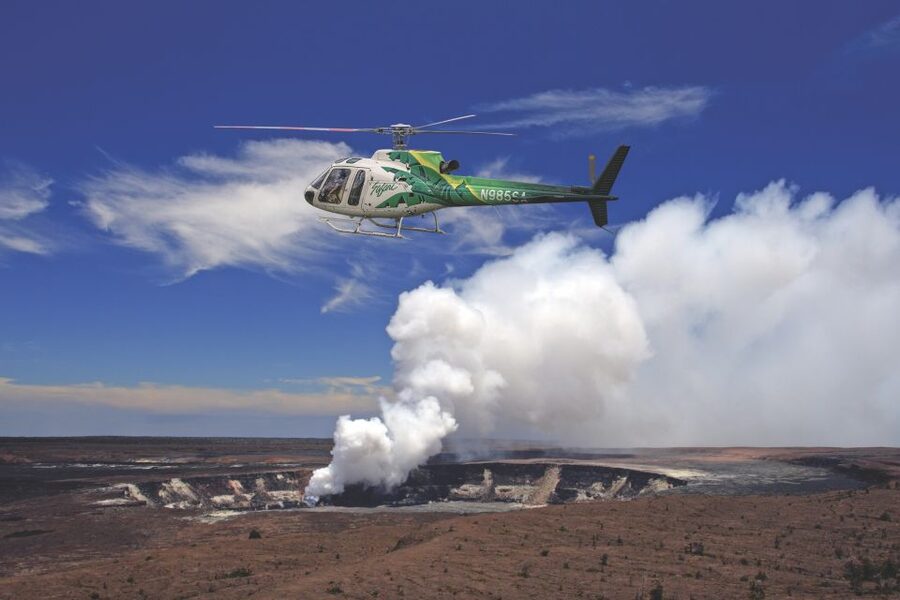
A ground visit to Hawaii Volcanoes National Park gives you time to walk, read signs, and watch the details. A helicopter flight gives you scale. You see how a small-looking lava flow fits into a much larger volcanic system, and how black rock, forest, coast, and mountain slopes meet.
That change in viewpoint is the real reason to book. You are not simply flying over one crater for an hour. The route links Hilo with the national park, Kilauea, Pu‘u ‘Ō‘ō, the slopes of Mauna Kea and Mauna Loa, old lava fields, newer formations, and waterfalls hidden in thick jungle.
I find the contrast especially appealing. One moment you are looking at charcoal-colored ground where lava reached the sea. Soon after, you are above green forest and blue pools below waterfalls. Hawaii’s volcanic story becomes easier to understand when you see both the destruction and the regrowth in one short flight.
The trip is operated by Safari Helicopters from its office at 2220 Kekuanaoa Street in Hilo. The flight lasts one hour and is conducted in English with a live pilot guide. The company receives a 4.4 out of 5 rating from 248 customers, with an especially strong record for pilot commentary, safety, and friendly ground staff.
More Volcano National Parks in the USA
- Hawaii Volcanoes National Park and Hilo Highlights Small Group Tour
★ 5.0 · 260 reviews - Hawai’i’s Volcanoes National Park from Hilo Only
★ 5.0 · 167 reviews - Big Island: Hawaii Volcanoes National Park and Hilo Tour
★ 5.0 · 118 reviews
Takeoff from Hilo and the flight south
The experience begins at the Safari Helicopters office. You will want to arrive prepared with a passport or ID card and a credit card. The supplied information does not give a detailed check-in time, so confirm the exact departure time when you book.
The helicopter carries a maximum of six participants. That matters more than it may sound. In a crowded aircraft, the experience can feel like a scramble for a window and a struggle to hear what is being said. A six-person limit gives the pilot a better chance to address the group and helps keep the flight more personal.
From Hilo, the helicopter heads toward Hawaii Volcanoes National Park. The route is designed to show the island’s changing surfaces rather than just one famous crater. You may see coast, jungle, lava fields, volcanic cones, and high mountains within the same hour.
Pilot commentary is a major part of the value. Andrew received particular praise for his flying and explanations, while Sam was singled out for being friendly and clear about the island, its history, and its volcanoes. Matt also provided facts throughout his flight, and Drew helped create a safe, relaxed experience. Since the pilot controls both the aircraft and the route, the quality of the narration can shape the whole trip.
Kilauea caldera from a rare angle
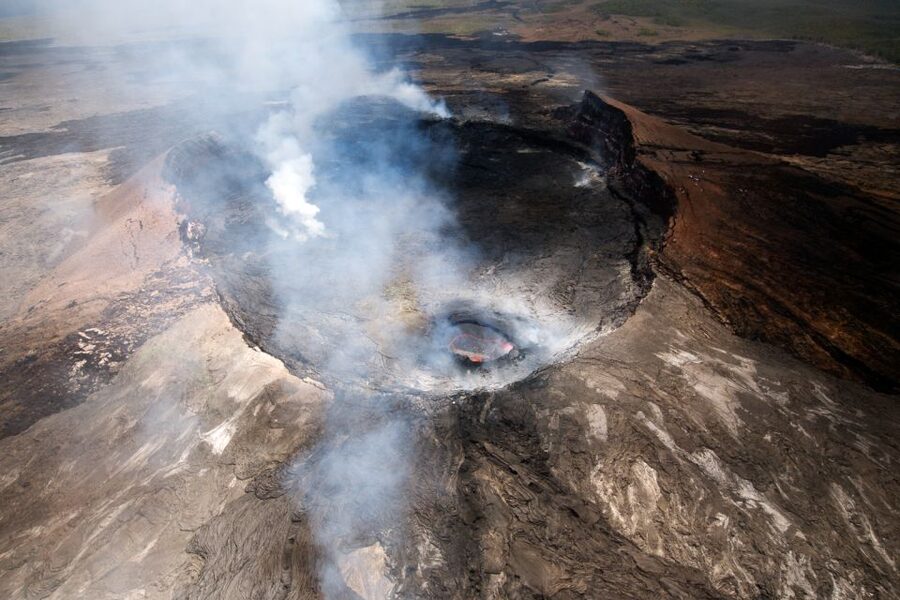
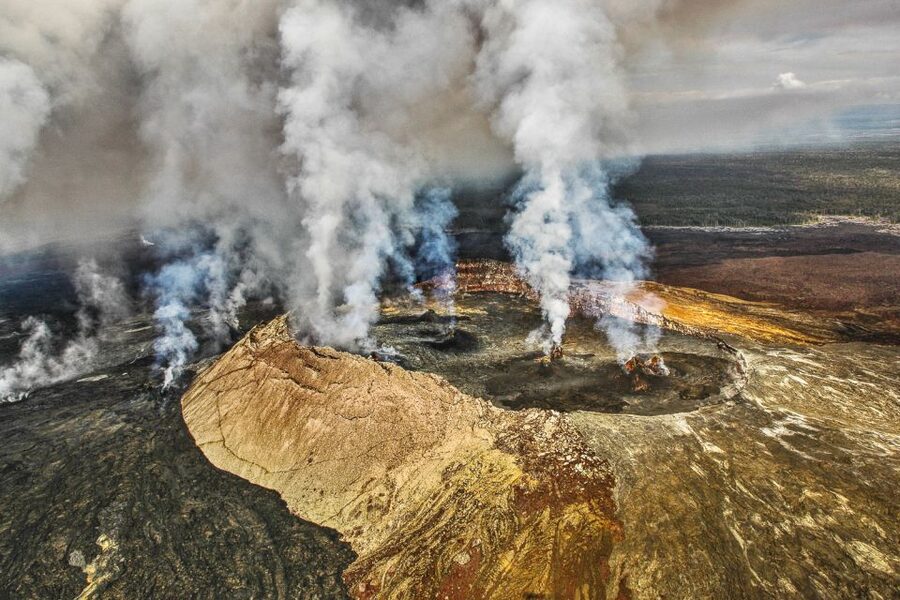
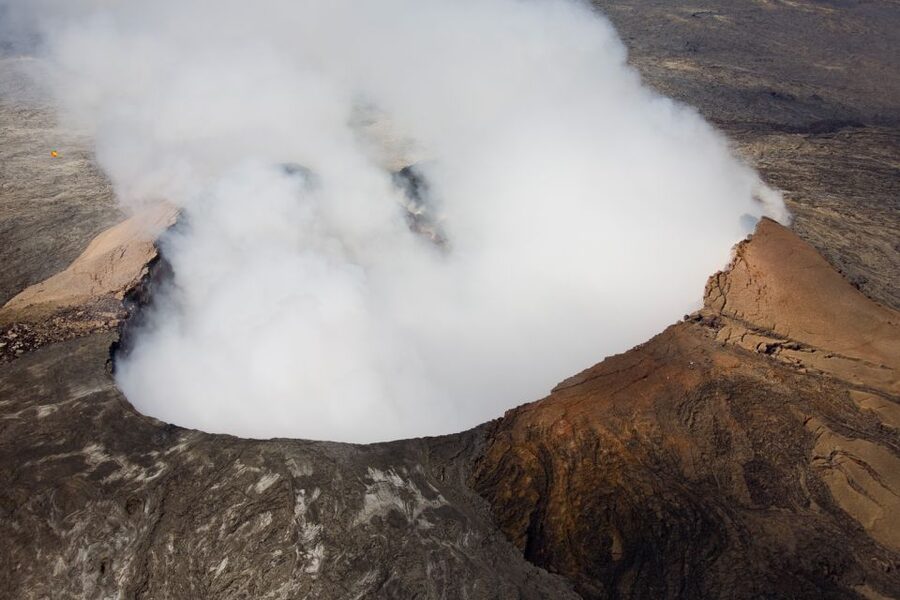
The Kilauea caldera is the central sight of the flight. From the ground, you experience a volcano through trails, overlooks, and a limited line of sight. From the air, the caldera’s broad form makes more sense. You can see the volcanic depression as part of a much larger area rather than as one isolated viewpoint.
The flight is particularly useful for understanding change. The ground below may show old lava fields beside newer formations, with different textures and colors revealing the age and movement of the rock. The supplied tour information describes new lava fields that are forming, but you should not assume that every flight will show glowing lava or active eruptive fire. Conditions and volcanic activity change, and the route is weather dependent.
This is also where the pilot’s explanations matter. A good commentary helps you connect the shapes below with the forces that made them. You are likely to get more from the view if you listen first and photograph second. The scene moves quickly, and a short flight does not leave much room for repeated passes.
Pu‘u ‘Ō‘ō and Hawaii’s changing volcanic ground
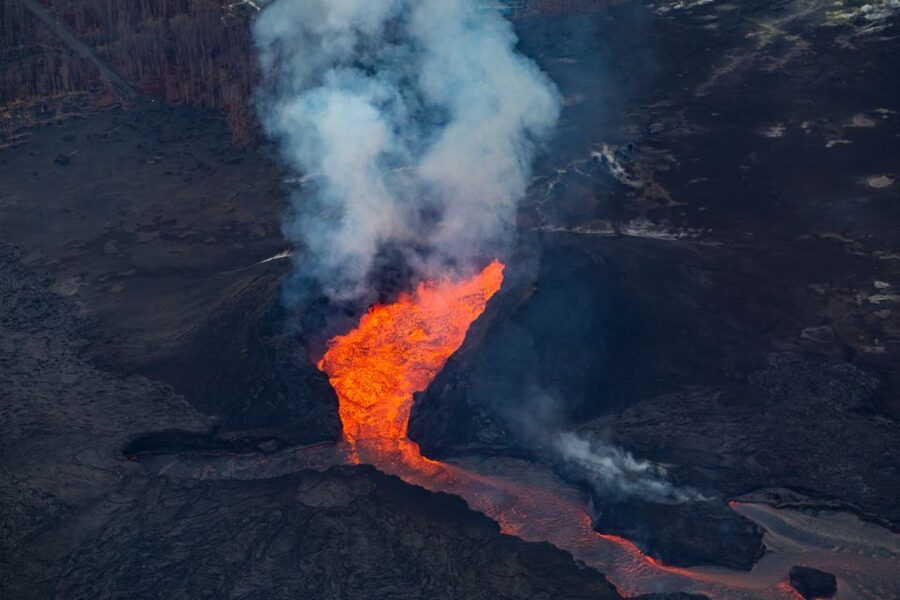
Pu‘u ‘Ō‘ō is another key point on the route. Its volcanic cone gives the flight a strong sense of place, even if you know little about volcanic geology. From above, a cone is easier to recognize as a volcanic feature than it may be from a ground-level road or trail.
The important thing here is not simply seeing a named cone. It is seeing how one volcanic feature sits among older lava flows and newer ground. The island is not a finished object. It is still being shaped by eruptions, weather, erosion, and plant growth.
That makes this tour more than a scenic flight. It works as a compact lesson in the making of an island. You get the best results if you keep an eye out for differences in surface color and texture instead of waiting only for a dramatic red-hot flow.
More Hawaii Volcano Tours in Hilo:
- Volcanoes National Park Adventure Tour – Hilo Shore Excursion
★ 4.5 · 104 reviews - From Hilo: Hawaii Volcanoes National Park Tour
★ 4.9 · 70 reviews - Private Shore Excursion Hilo Volcanoes National Park up to 10 PPL
★ 5.0 · 36 reviews - Private Tour: Experience Active Kilauea Volcano & Hilo Rainbow Falls
★ 5.0 · 11 reviews
Black sand beaches and lava reaching the sea
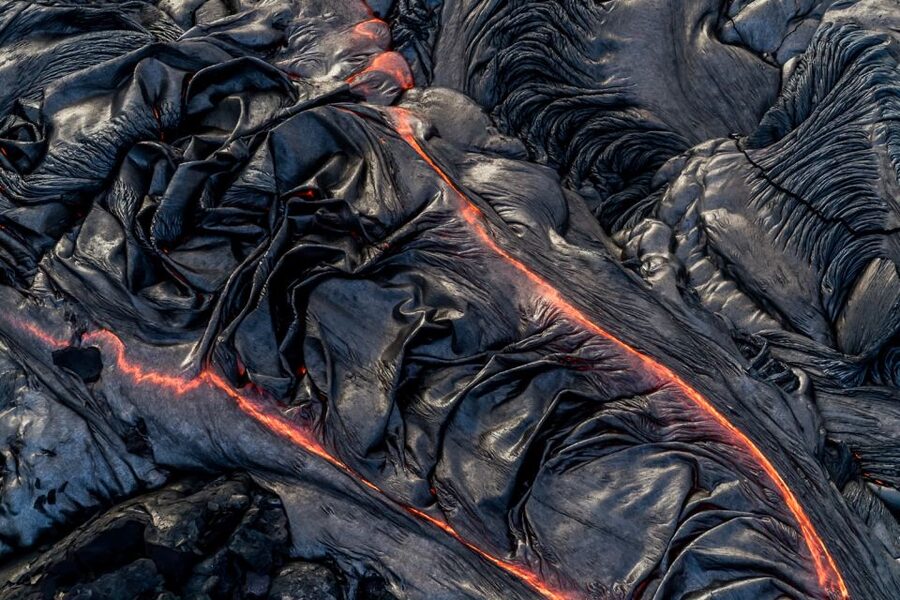
The route includes black sand beaches where lava once flowed into the ocean. This is one of the most useful details in the experience because it ties the volcano to the coast. You can see the result of molten rock meeting seawater, rather than treating the volcano as something far inland and separate from the Pacific.
From the helicopter, the coast can also help you understand the scale of the lava fields. Ground-level views often make a lava flow seem like a small patch of rough rock. From above, you can see how far it spread and how it changed the shoreline.
The drawback is that a helicopter moves quickly. You may have only a short window for photographs, and glare or weather can affect what you see. I would treat the camera as a bonus, not the main reason to book. The shape of the coast and the overall view are more important than collecting a perfect picture.
Waterfalls over dense jungle
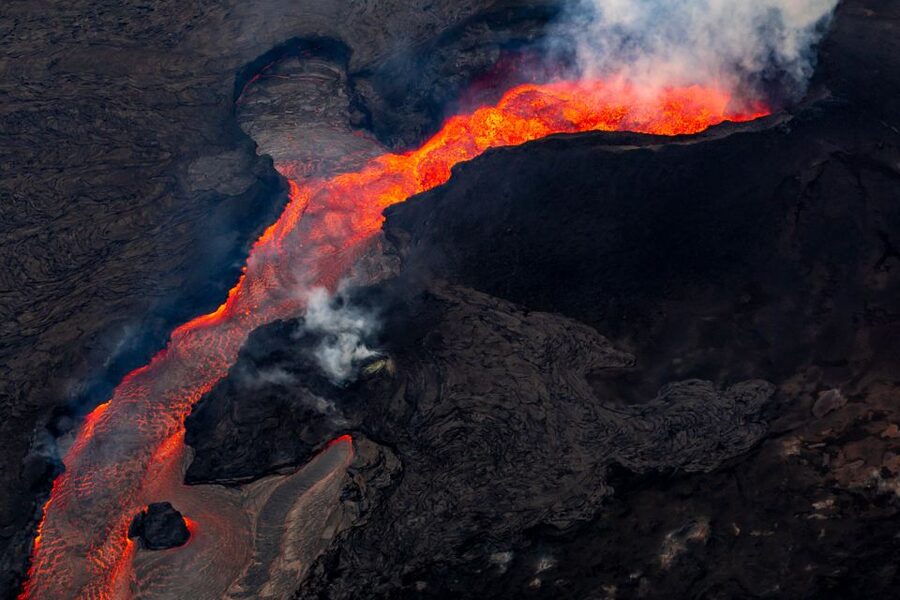
The flight also crosses dense jungle and waterfalls. This section gives the tour a needed change of mood. After the stark black and brown volcanic ground, the forest appears thick, wet, and full of life. Waterfalls drop into deep blue pools surrounded by greenery, creating some of the most colorful views of the hour.
Do not assume that every waterfall will be equally visible. The supplied information makes clear that specific areas depend on weather, and one customer noted that the waterfall view was not part of their experience. That is a useful warning. Book this as a volcano flight that may include waterfalls, not as a dedicated waterfall tour.
For me, the jungle portion adds real value because it shows the island’s two faces at once. Lava removes vegetation, but time and rain bring it back. The transition from bare rock to forest is one of the clearest ways to understand Hawaii’s natural cycle.
Mauna Kea and Mauna Loa in the distance
The route includes views toward Mauna Kea and Mauna Loa. These two volcanoes give the flight a grand backdrop, provided the air is clear enough. You may be able to photograph both mountains from the helicopter, although cloud cover can limit the view.
Seeing them from the air helps put Kilauea into context. The Big Island is not shaped by one volcano alone. Its high peaks and broad slopes dominate the island, while Kilauea and its related volcanic features continue to alter the southern and eastern parts.
The weather warning matters most here. Mountains can disappear into clouds, and the pilot may change course to find better conditions. One customer specifically appreciated a route change after the pilot received an update about clearer weather farther up the mountain. That kind of flexibility is useful, but it also means your exact view cannot be promised.
What the pilot and crew add
The strongest part of this experience is not just the aircraft. It is the combination of flying skill, safety, and explanation. Customers repeatedly praised the pilots for clear commentary and calm handling, while the ground team earned credit for keeping people informed and safe.
Andrew, Sam, Matt, and Drew are names connected with particularly positive experiences. Sam was praised for explaining the island and volcanoes, Andrew for both skill and interpretation, and Matt for sharing facts throughout the flight. These details suggest that Safari Helicopters treats the pilot as a guide, not merely a driver in the sky.
That distinction matters at $379. You are paying for access to an aerial viewpoint, but you are also paying for a controlled route through a complicated volcanic area. If the pilot explains what you are seeing, the hour has much more meaning.
The flight has a perfect-score rating from 86 percent of customers, and the overall rating is 4.4 out of 5 from 248 ratings. Those figures point to a consistently strong experience, though they do not remove the main uncertainty: weather can limit the sights.
Is $379 worth it?
At $379 per person, this is not a casual add-on. For two people, the cost is $758 before any other expenses. You should compare it with your full Hawaii budget and decide if an aerial view is more important to you than another full-day activity.
I think the price can be justified if you want to understand the Big Island as a whole. In one hour, you can connect Hilo, the national park, Kilauea, Pu‘u ‘Ō‘ō, lava fields, black sand beaches, waterfalls, Mauna Kea, and Mauna Loa. Recreating that range of views from the ground would take much longer and would not provide the same sense of scale.
The value is weaker if your main goal is one guaranteed sight, such as a particular waterfall or active lava display. The tour cannot promise every site because weather controls the route, and volcanic conditions are not fixed. You are paying for the chance to see a wide slice of the island from above, not for a single staged moment.
Reserve now and pay later terms make the decision easier if your plans are still changing. You can cancel up to 24 hours before departure for a full refund. That flexibility is useful for a weather-sensitive activity, though you should still check the exact terms at booking.
Who should book this flight?
I would recommend it to someone who has limited time on the Big Island and wants a broad view of its volcanic features. It also suits photographers, geology fans, and anyone who finds the island’s changing ground more interesting than a standard sightseeing ride.
It is a good choice for couples or small groups who value a quieter flight. With only six participants, the trip should feel more focused than a large aircraft excursion.
You should think twice if you are afraid of heights, prone to vertigo or motion sickness, claustrophobic, pregnant, or currently dealing with a cold. Children under two are not permitted. Anyone weighing 250 pounds or more must purchase an additional seat, and two people who individually weigh less than 250 pounds but together weigh 420 pounds or more must also purchase one. Passengers who cannot sit upright are not permitted.
Practical tips for a better hour
Keep your expectations flexible. The flight may show the caldera, cone, lava fields, coast, waterfalls, and mountains, but weather can alter which areas are visible.
Listen to the pilot. The best value comes from understanding what you are seeing, not just looking down at dark rock. Andrew, Sam, Matt, and Drew have all been praised for making the commentary useful and friendly.
Bring your passport or ID card and a credit card. Since the flight is only one hour, avoid treating it as a slow sightseeing trip. You will see a lot in a short time, so focus on the broad view first and take pictures when the opportunity comes.
Should you book the Hawaii Volcanoes National Park flight?
Book it if you want the Big Island in one concentrated hour, with Kilauea, Pu‘u ‘Ō‘ō, old and new lava fields, black sand beaches, waterfalls, and the great Mauna Kea and Mauna Loa backdrop. The pilots and ground crew receive strong marks for safety, clear information, and professional care.
Skip it if $379 feels too high for a weather-dependent activity, or if you need one specific sight guaranteed. For the right budget and the right expectations, this is a memorable way to see how Hawaii is still being made.
FAQ
Where does the helicopter flight begin?
The flight begins and ends at the Safari Helicopters office at 2220 Kekuanaoa Street in Hilo.
How long does the experience last?
The helicopter flight lasts one hour.
What places can I see from the helicopter?
The route includes Hawaii Volcanoes National Park, Kilauea, Pu‘u ‘Ō‘ō, Mauna Kea, Mauna Loa, lava fields, black sand beaches, and jungle waterfalls.
Is the route guaranteed?
No. Specific areas are weather dependent, so the pilot may adjust the route according to conditions.
How many people can join the flight?
The group is limited to six participants.
What language is the tour conducted in?
The live tour guide and pilot commentary are in English.
What should I bring?
Bring a passport or ID card and a credit card.
Are there weight and seating requirements?
Anyone weighing 250 pounds or more must purchase an additional seat. Two people who individually weigh less than 250 pounds but together weigh 420 pounds or more must also purchase an additional seat. Passengers unable to sit upright are not permitted.
More Volcano National Parks in Hilo
- Volcano National Park and Rainbow Fall in Hilo, Hawaii
★ 5.0 · 53 reviews - Volcanoes National Park and Hilo Private Tour
★ 5.0 · 3 reviews - Tenerife: Teide National Park Sunset & Stargazing Tour
★ 4.2 · 3,812 reviews - Tenerife: Sunset and Stargazing at Teide National Park
★ 4.7 · 2,826 reviews
Just added around Hilo
- Volcanoes Adventure Tour from Hilo★ 4.0 · 29 reviews
- Volcano National Park and Rainbow Fall in Hilo, Hawaii★ 5.0 · 53 reviews
- Volcanoes National Park and Hilo Private Tour★ 5.0 · 3 reviews
- Volcanoes National Park Adventure Tour – Hilo Shore Excursion★ 4.5 · 104 reviews
- Private Tour: Experience Active Kilauea Volcano & Hilo Rainbow Falls★ 5.0 · 11 reviews
- Private Shore Excursion Hilo Volcanoes National Park up to 10 PPL★ 5.0 · 36 reviews
- From Big island Hilo Volcanoes and Waterfalls Shared Tour★ 4.5 · 2 reviews
- From Big island Kona Volcanoes and Waterfalls Shared Tour★ 4.5 · 6 reviews
Volcano National Parks, compared.
Teide National Park Sunset & Stargazing Tour
Our review of it →
Sunset and Stargazing at Teide National Park
Our review of it →
Teide National Park Sunset & Stargazing with Dinner (Star Safari)
Our review of it →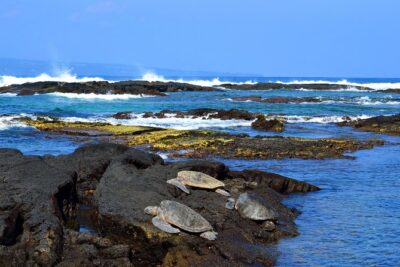
Hilo Shore Excursion: Volcanoes National Park & Black Sand Beach
Our review of it →
Teide National Park: Sunset & Stargazing Safari with Dinner
Our review of it →
Timanfaya National Park Volcanic Craters Tour
Our review of it →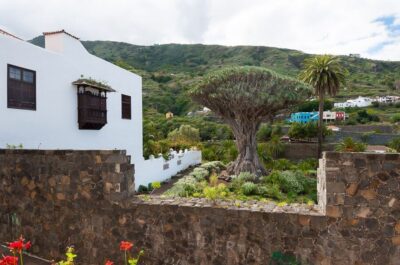
Teide National Park Full-Day Tour with Pickup
Our review of it →
Browse the lists this tour appears in