
REVIEW · PUERTO AYORA, ECUADOR
Adventure with Giant Turtles, Lava Tunnels and Craters
Santa Cruz gets wilder uphill. This half-day outing combines giant tortoises, native birds, forest trails, lava tunnels, and the twin craters of Los Gemelos. I especially like the chance to see tortoises moving freely around their habitat, and the guide-led look at plants, birds, and volcanic geology. The main drawback is uneven guiding at Los Gemelos, where you may receive only a drop-off and basic directions rather than a full explanation.
At $69.99 per person, the tour offers solid value if you want several highland sights in one outing without arranging separate taxis and admissions. Plan for roughly five hours, moderate walking, wet or slippery ground, and possible Spanish-English translation during the naturalist portion.
Key points at a glance
- Giant tortoises in open habitat: See large tortoises moving around the reserve rather than only viewing them behind a small enclosure.
- A real lava tunnel walk: Spend about 30 minutes underground in a volcanic passage with boots and lights available if needed.
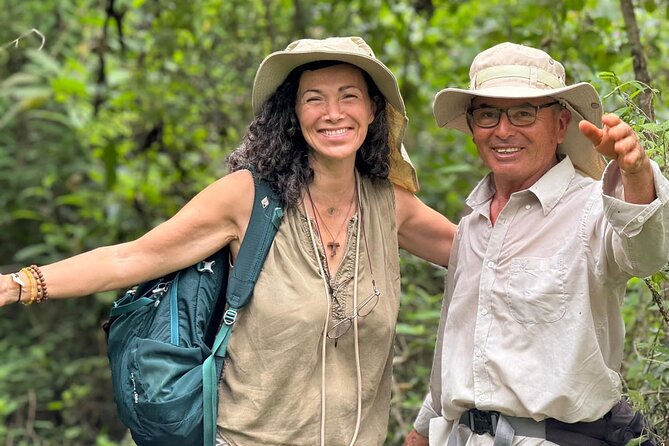
- Strong naturalist guiding: Guides such as César and Arsen have explained plants, birds, geology, and conservation with real enthusiasm.
- Los Gemelos is a short final stop: Expect an easy loop of about 15 to 20 minutes, but usually with little or no guiding there.
- Highland conditions matter: Bring long socks, a rain jacket, comfortable shoes, and a flashlight if you have one.
- Small-group format: The stated maximum is 16 people, though the quality of the experience depends on how well the group stays together.
Why the Santa Cruz highlands are worth your morning
Puerto Ayora is the base for sea excursions, beach trips, and wildlife outings along the coast. This tour takes you in the other direction, into the cooler, wetter highlands of Santa Cruz. That change in climate helps explain why the island can support thick forest, fruit trees, giant tortoises, and many plant species within a fairly short drive.
I like this tour because it shows you a different side of the Galápagos. You are not simply checking off a famous animal. You are seeing how volcanic ground, rain, forest, and conservation work together.
The experience lasts about five hours, including transport, so it leaves much of the day free. That makes it a useful choice if you also want time in Puerto Ayora, at the beach, or on another excursion.
The tour is best for people with a moderate level of fitness. The walking is not extreme, but the main visit includes forest paths, uneven ground, and a lava tunnel with rocky surfaces. One departure involved around two hours of total walking, while another description of the tunnel visit put the underground section at about 30 minutes.
More Lava and Eruption Tours in the world:
- Reykjavik: LAVA SHOW – Immersive Experience Entry Ticket
★ 4.8 · 3,360 reviews - Lava Show Reykjavik Admission Ticket – Optional Premium Upgrade
★ 5.0 · 3,278 reviews - Reykjavik: Red Lava Horse Riding Tour
★ 4.8 · 2,383 reviews
Getting close to the giant tortoises
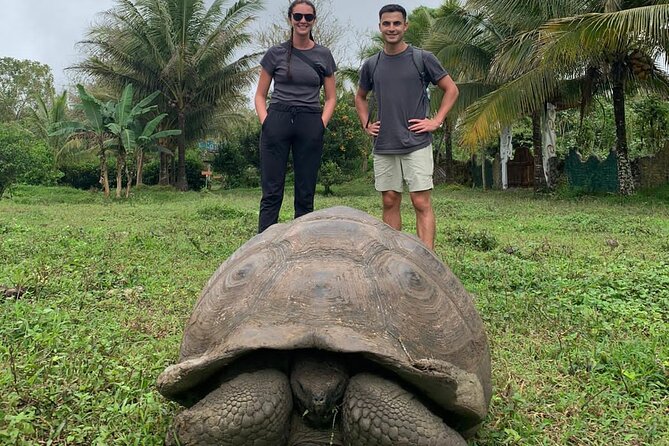
The first major stop is the Galápagos Frontier giant tortoise reserve. The setting is one of the tour’s strongest points. Tortoises may be gathered around the center or restaurant area, and you can also see them along trails through their habitat.
That difference matters. You are not looking at one animal from a distance and moving on. You may watch several tortoises spread across the ground, moving slowly through the vegetation or resting beneath trees. Their size is striking, but the better part is seeing their ordinary routine.
The guide explains the tortoise’s role in the Galápagos ecosystem, its long life, and the work involved in protecting the species. Guides César and Arsen have been praised for explaining animals, plants, and geology in an engaging way. If you get César, expect a guide who brings strong enthusiasm to the subject.
The reserve also has trails through endemic forest and fruit trees. Look for native and endemic birds overhead or close to the path. On a wet day, some birds may be less visible, but you can still hear them singing or see them flying above the trees.
This section is not only about large animals. The guide may point out medicinal plants, invasive species, and the efforts used to manage them. That extra context gives the walk more purpose. You begin to see the highlands as a living system rather than a backdrop for tortoise photographs.
Walking the lava tunnel with boots and a light
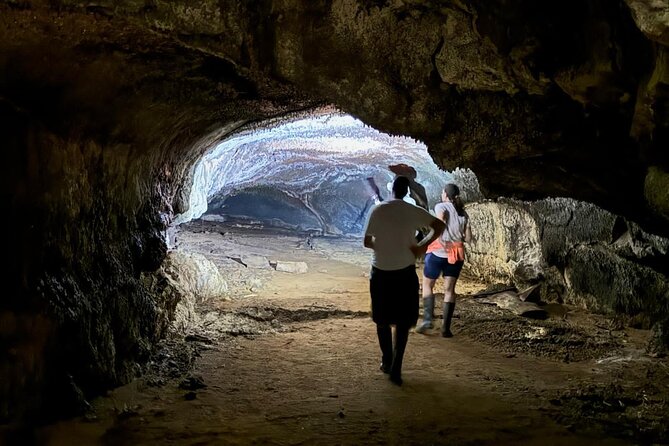
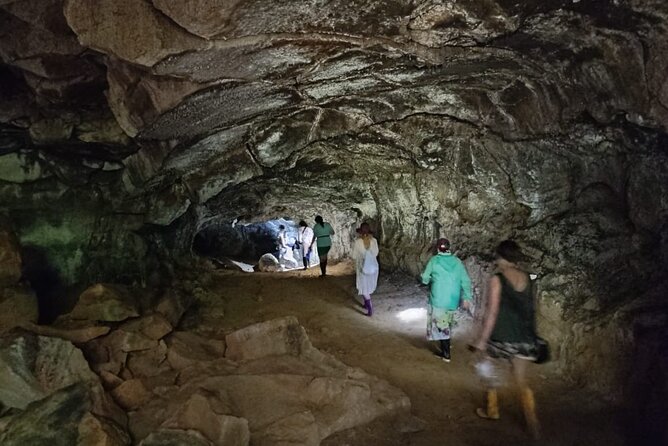
The lava tunnels are the most unusual part of the outing. They formed millions of years ago during volcanic eruptions, when the outer layer of flowing lava cooled while hotter material continued moving beneath it. The result is an underground passage with a very different feel from the forest outside.
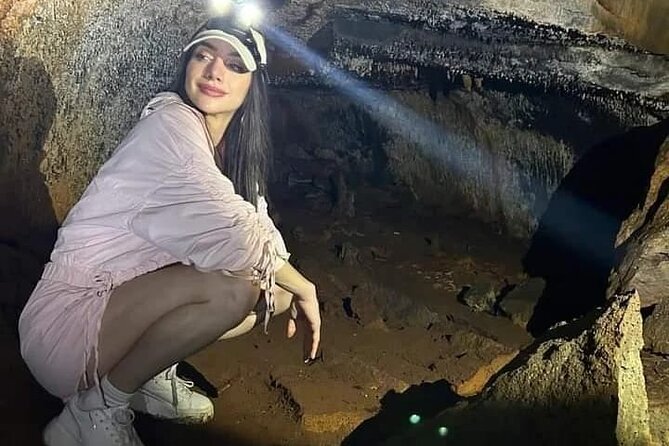
The walk inside lasts about 30 minutes. Expect darkness, uneven rocks, and a noticeable change in air and temperature. Stalactite-like formations have been observed inside, adding another point of interest beyond the basic story of how the tunnel formed.
Bring your own flashlight if you have one. Lights are provided, but a personal light can make the walk easier and lets you look carefully without depending on someone else’s beam.
Boots may also be available. They can protect your feet from wet ground and ants, but plastic boots are not always easy to walk in over rocks. Long socks are a smart choice, especially if you use the supplied boots. Comfortable walking shoes are useful if you prefer your own footwear and conditions allow it.
Ants are another practical detail. The ground around the reserve and tunnel area can have plenty of them, so avoid open footwear. A small amount of mud or dampness is part of the deal, especially during the wetter season.
This is the point where the tour feels most like an adventure. It is not a polished attraction with perfectly smooth paths. The tunnel remains a rough volcanic formation, and that is exactly why the visit feels memorable.
Forest trails, birds, and the value of a good guide
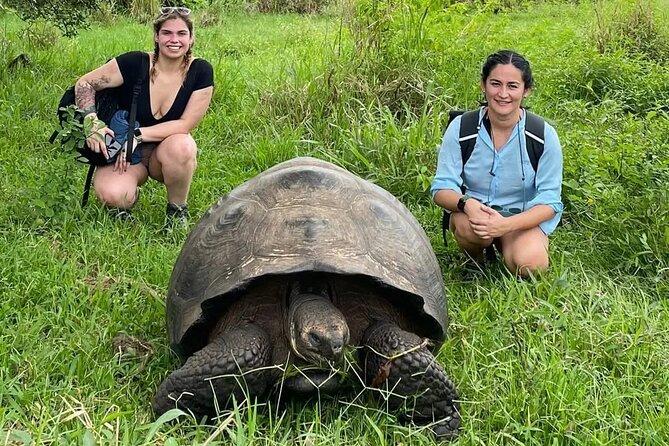
The forest walk can be more rewarding than you expect, but the guide makes a major difference. A strong naturalist can turn a simple plant or bird sighting into a lesson about island life, introduced species, and the way scientists protect native habitats.
César and Arsen have been singled out for their explanations of plants, birds, and geology. One guide was described as a biologist, and another departure included a volunteer who translated from Spanish into English. That arrangement can work well when the translator stays close to the group and keeps pace with the guide.
Language is worth considering before you book. The main guide may speak Spanish only, with a volunteer or interpreter helping in English. Translation quality can vary. In one case, the group had difficulty hearing the explanations because the guide moved ahead with children while some adults fell behind.
The best approach is to stay near the guide and interpreter from the start. If you have questions, ask them early rather than waiting until the group has moved on. The site offers plenty to notice, and missing a few minutes of explanation can make the forest walk feel like only a hike.
Group size also affects the experience. The stated maximum is 16 people. That is manageable, but it is not as personal as a group of eight or ten. If the full group is present, keep an eye on the pace and position yourself near the front if the plant and bird explanations matter to you.
A few more volcano trips around the world worth a look
- Reykjavik: Golden Circle Full-Day Tour with Kerid Crater
★ 4.8 · 24,485 reviews - From Naples: Pompeii Ruins & Mount Vesuvius Day Tour
★ 4.3 · 11,459 reviews - Santorini: Volcanic Islands Cruise with Hot Springs Visit
★ 4.4 · 10,869 reviews - Big Island in a Day: Volcanoes Waterfalls Sightseeing and History
★ 5.0 · 6,569 reviews
Los Gemelos and the short crater walk
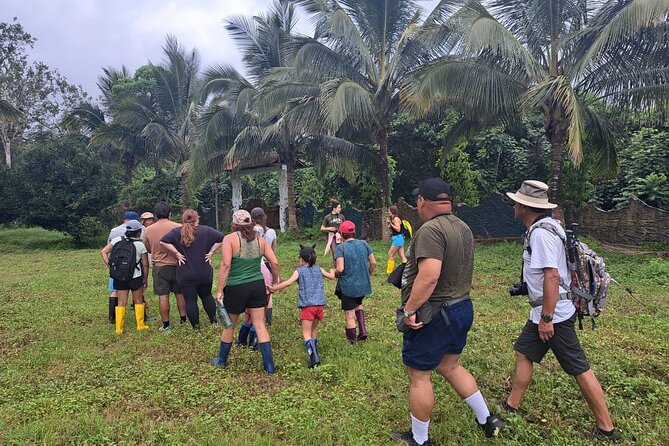
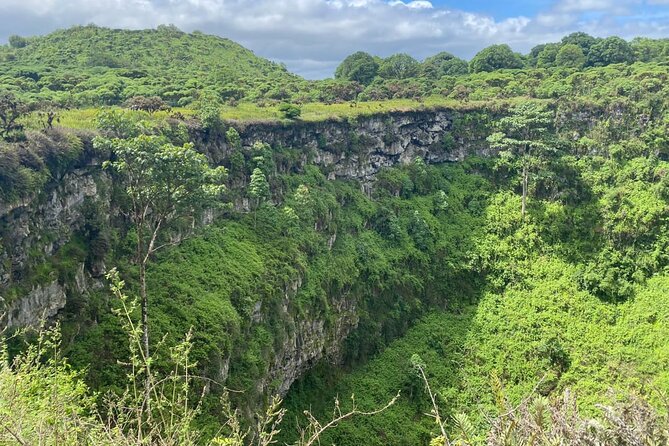
After the reserve and tunnel, a driver takes you toward Los Gemelos, the twin volcanic craters in the Santa Cruz highlands. These large sinkholes formed through past volcanic activity and now hold thick vegetation around their edges.
The viewpoint gives you a clear sense of the craters’ size. Native and endemic birds move through the forest, and signs along the path explain some of the site’s background. The walk is generally short, around 15 to 20 minutes, with a loop through the area.
Safety rules are simple but important. Do not approach the crater edges, and do not eat inside the protected area. The ground and vegetation require care, so stay on the marked path.
You should adjust your expectations here. The Los Gemelos portion often works more like a scenic stop than a guided visit. The driver may leave you at the entrance, give basic instructions, and wait while you walk the loop. Some visitors find this perfectly adequate, especially because the path is short and signs provide information.
If you expect a guide to walk beside you and explain the craters in detail, this part may disappoint. The first section is where the naturalist commentary is strongest. Los Gemelos is mainly a chance to see an important volcanic site and stretch your legs before returning to Puerto Ayora.
Transport, timing, and what the $69.99 covers
The advertised price is $69.99 per person, with admission tickets included. The outing also returns you to your hotel in Puerto Ayora, which adds practical value because you do not have to organize separate transport between the highland sites.
For the price, you are getting several different experiences in one half-day: a tortoise reserve, a forest walk, a lava tunnel, and Los Gemelos. A private taxi and separate site arrangements could take more planning, even if you prefer moving at your own speed.
The value is strongest if you want a guided introduction to the Santa Cruz highlands. It is less compelling if you only want to see Los Gemelos, since that final stop is brief and may not include a dedicated guide.
The tour is normally booked well ahead, with an average lead time of about 47 days. That suggests planning early during busy periods. Confirmation is immediate unless you book within one day of departure, when it depends on availability.
The group limit is listed as 16 people. Ask about the expected group size if you want a quieter walk. The experience is also near public transportation, but the included pickup and return make the organized option easier.
What to pack for a smoother outing
A little preparation will make the morning more comfortable.
- Long socks: Useful with the supplied boots and helpful around ants.
- Rain jacket: Highland weather can change, and wet conditions are possible.
- Flashlight: Lights are available, but your own makes the tunnel easier to inspect.
- Comfortable walking shoes: Expect uneven ground and roughly two hours of walking in total on some departures.
- Water and sun protection: These are sensible for any outdoor outing, though the tour details do not specify what refreshments are included.
Some departures have ended with coffee or passion fruit juice, but treat that as a pleasant possibility rather than a guaranteed part of the price.
The tunnel can be awkward for anyone uncomfortable on rocky ground. The tour requires a moderate fitness level, and the supplied plastic boots may protect your feet while making movement less graceful. Take your time and use the guide’s instructions.
The best and weakest parts of the experience

The tortoises are the emotional highlight. Seeing them spread through their habitat feels more natural than a quick stop at a formal enclosure, and the size of these animals never becomes ordinary.
The lava tunnel is the most distinctive stop. Many Santa Cruz outings focus on beaches, bays, or marine wildlife. Here, you get a clear look at the island’s volcanic foundation.
The guiding can also be excellent. A passionate naturalist such as César can connect the tortoises, forest, birds, and volcanic rock into one story. That makes the outing far more useful than a simple transfer between attractions.
The weak point is consistency. English translation may depend on a volunteer, and the final crater stop may have no English-speaking guide at all. A guide who moves too quickly can also leave adults behind, especially when children are near the front.
You should also understand that this is not a private, slow-paced nature walk. Even with a 16-person limit, the group may feel large on narrow trails. People who want silence, photography time, or detailed birdwatching may prefer a smaller private tour.
Who should book this highland tour?
I would recommend it to first-time visitors who want a compact introduction to Santa Cruz beyond the coast. Families, couples, and anyone interested in geology as well as wildlife should find plenty to enjoy.
It suits you especially well if you want to see giant tortoises in open surroundings, walk inside a volcanic tunnel, and visit Los Gemelos without arranging each stop yourself. The five-hour length also works well beside a longer marine excursion.
I would think twice if you need fully consistent English guiding, dislike wet boots, or want every stop explained in detail. Los Gemelos is the main caution. You may get transport and directions rather than a full guided interpretation.
The tour includes free cancellation up to 24 hours before the start time. Cancellations inside that window are not refunded, and poor weather may lead to a new date or a full refund.
Should you book it?
Book this experience if the combination matters to you: giant tortoises, native forest, volcanic geology, and twin craters in one morning. The reserve and lava tunnel offer the strongest value, while the forest walk can be excellent with a good guide and clear translation.
Skip it if you only want a detailed crater tour or a private outing with a slow pace. For most visitors seeking a practical, varied look at the Santa Cruz highlands, the $69.99 price is fair, and the tortoise habitat plus lava tunnel make this a worthwhile change from the usual sea-based day.
FAQ
How long does the tour last?
The experience takes about five hours, including travel between Puerto Ayora and the highland sites.
What is included in the price?
Admission tickets are included, and transport back to your hotel in Puerto Ayora is provided after the tour.
How much walking is involved?
You should expect a moderate amount of walking. Some departures include about two hours of total walking, while the Los Gemelos loop takes roughly 15 to 20 minutes.
Is an English-speaking guide guaranteed?
No. The main guide may speak Spanish, with a volunteer or interpreter assisting with English. The Los Gemelos stop may be visited with only the driver providing transport and directions.
Are boots and flashlights provided?
Boots and lights may be provided for the lava tunnel, but bringing your own flashlight is more comfortable when possible. Long socks are recommended if you use the supplied boots.
What happens if the weather is poor?
If bad weather causes the experience to be canceled, you will be offered another date or a full refund. You can also cancel for a full refund if you do so at least 24 hours before the start time.
Just added around the world
- Bali Tour: Village, Volcano, Holy Spring Temple, Waterfall Tour★ 5.0 · 2 reviews
- Ayung River Rafting and Kintamani Volcano Trip★ 4.5 · 3 reviews
- Kintamani Tours with Batur volcano★ 5.0 · 8 reviews
- Bali in 1-Day : Rice Terrace, Volcano, Tanah lot – All Inclusive★ 5.0 · 6 reviews
- Bali Full-Day Car Charter: Ubud and Kintamani Volcano Tour★ 5.0 · 10 reviews
- Bali Sensational Barong Dance And Kintamani Volcano Day Tour – All Inclusive★ 5.0 · 2 reviews
- Bali Swing Packages and Kintamani Mt Batur Volcano View★ 5.0 · 4 reviews
- Bali: Barong Dance, Rice Terrace, Volcano, Temple, Waterfall Tour★ 5.0 · 3 reviews
Lava & Eruption Tours, compared.

LAVA SHOW – Immersive Experience Entry Ticket
Our review of it →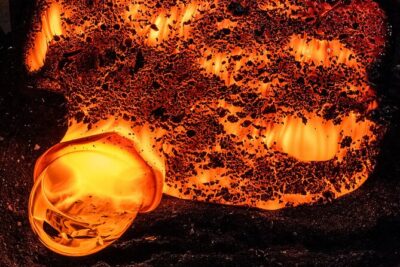
Lava Show Reykjavik Admission Ticket – Optional Premium Upgrade
Our review of it →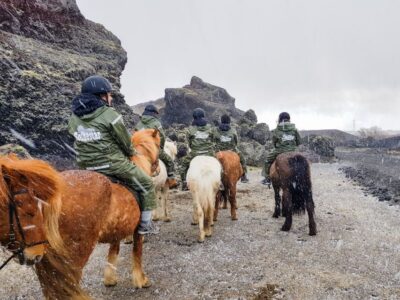
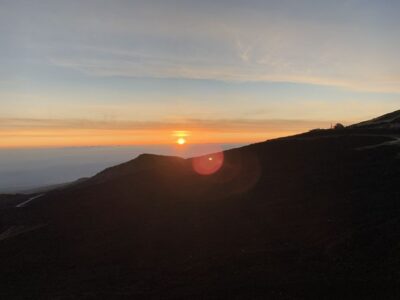
Sunset Jeep Tour of Mount Etna and Lava Flow Caves
Our review of it →
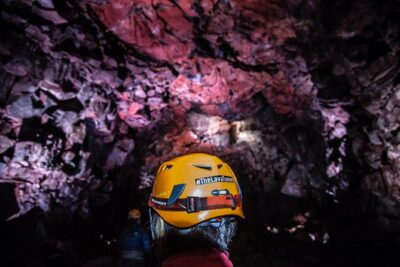
Raufarhólshellir Lava Tunnel: Underground Expedition
Our review of it →
Browse the lists this tour appears in