
REVIEW · POMPEII
Pompeii: living with the volcano
Pompeii rewards the curious, not the hurried. This two-hour private walk presents the city as it was on the day before the eruption, with Michele Arpa guiding you through streets, shops, homes, theaters, and public spaces. I like the strong focus on daily life, and I like that the tour connects grand ruins with small human details such as election notices scratched onto walls.
The private format should make it easier to ask questions and set the pace. Michele also has a helpful reputation beyond the ruins, including meeting one group at Naples train station and helping with an Italian parking ticket. The main catch is simple: the entrance ticket is not included, and Pompeii’s rough roads can be hard for anyone with mobility problems.
Key points at a glance
- A two-hour private visit for your group alone, led in English.
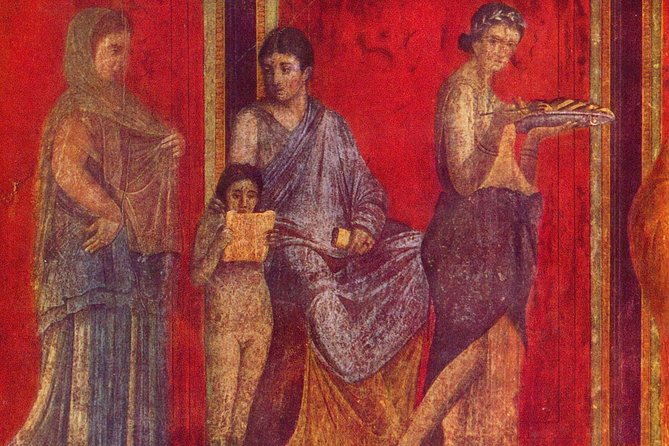
- Daily life takes center stage, from take-away food shops and election notices to baths and private homes.
- Michele Arpa receives especially strong praise for his friendly manner, clear English, and ability to make Pompeii feel personal.
- The tour covers major types of Pompeii sites, including the theater, amphitheater, domus, public baths, and civil forum.
- Admission is extra, so add the site ticket to the advertised $33.36 per-person price.
- Expect uneven roads and plenty of walking, with a moderate fitness level advised.
Seeing Pompeii one day before disaster
I like tours that give ancient ruins a human scale. Instead of treating Pompeii as a collection of walls and columns, this experience asks you to picture the city in normal use, before the eruption of 79 AD changed everything.
The route is framed as a walk through Pompeii on the day before the disaster. That approach gives each stop a clear purpose. A shop is not just a preserved room. It becomes a place where someone bought food. A wall is not merely damaged plaster. It may carry the names of candidates running for public office.
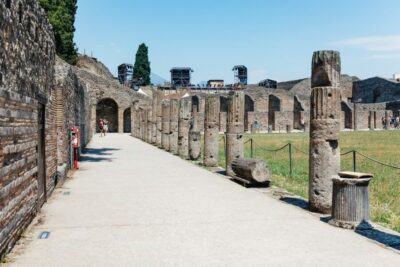
This is useful because Pompeii can feel confusing at first. Streets lead in several directions, buildings often have missing roofs, and a single visit can blur into a long parade of ancient stone. A guide helps connect those pieces. You are not simply told what a building was called. You are shown how it fitted into city life.
The two-hour length is also sensible. Pompeii is large, and no short visit can cover everything. This tour gives you a focused introduction rather than pretending to be a complete survey of the archaeological park. I would see it as a strong choice for a first visit, especially if you want meaning and context instead of a fast walk past famous ruins.
More Vesuvius and Pompeii Tours in Pompeii:
- Naples: Pompeii and Mt. Vesuvius with Lunch and Wine Tasting
★ 4.5 · 2,454 reviews - From Pompeii: Bus Transfer to Vesuvius with Park Entry Fee
★ 4.4 · 1,205 reviews - From Pompeii/Naples: Vesuvius Easy Transfer and Entry Ticket
★ 4.3 · 660 reviews
A private guide who puts people first
Michele Arpa is the central strength of this experience. The available feedback gives him a 5 rating from five reviews, with repeated praise for his warmth, organization, English, and ability to explain both broad events and small details.
One especially useful touch is his willingness to help beyond the formal tour. He met one group at Naples train station and rode with them to Pompeii, making the short trip easier to manage. That is not listed as part of this specific booking, so you should not assume station pickup is included. Still, it gives you a sense of his practical approach.
Another group needed help dealing with a parking ticket in Tuscany. Michele helped them pay it online, despite the language barrier. That sort of assistance is not a promised tour feature, but it suggests that he takes an interest in the people he guides rather than switching off the moment the official walk ends.
His style also seems to suit families and first-time visitors. One family described the experience as highly engaging, while another group appreciated his suggestions about food and the rest of their holiday. You can expect a guide who is happy to answer questions, explain symbols, and adjust the discussion to your interests.
The private arrangement matters here. You do not share the walk with a large group, and only your party participates. That gives you room to ask why a building mattered, pause over a wall inscription, or request more explanation about Roman food, politics, religion, or entertainment.
Streets, shops, and the everyday city
The first part of the walk focuses on Pompeii’s streets and commercial spaces. This is where the tour’s daily-life approach works best.
You can picture residents moving through the city on errands, buying food, meeting friends, and making their way to public events. The plan includes a first-century BC take-away shop, a useful reminder that eating away from home is not a modern invention. Pompeii’s preserved shops help make ordinary routines easier to imagine.
The tour also brings attention to political writing on the walls. You will see the names of candidates for magistrate elections, giving you a direct link to public life. These inscriptions make the city feel less silent. Pompeii was not only a place of monuments. It was a place where people promoted candidates, argued, traded, ate, and passed news along.
I would pay close attention during this section and ask Michele to explain what the walls reveal about the citizens who used them. The available information does not promise a specific set of shops or houses on every departure, and archaeological access can change. Still, the stated plan clearly aims to show how the city worked at street level.
The theater and amphitheater experience
Pompeii’s entertainment buildings show another side of public life. The route includes the theater and the large amphitheater, where the subject turns to gladiatorial contests.
The amphitheater gives the visit a sharper edge. It is easy to admire Roman construction from a distance, but the guide’s framing asks you to consider the crowds, the performers, and the brutal nature of the events held there. The description deliberately mentions the acrid taste of gladiator fights, so this is not presented as harmless pageantry.
The theater offers a different kind of public gathering. Together, the two venues show how much city life revolved around shared spectacles. You can compare the scale and purpose of each place while Michele explains how entertainment fitted into Roman society.
The exact amount of time spent at each stop will depend on your group and on what areas are open. With only two hours, you should expect an overview rather than a long, technical study of every seating tier or performance space.
A few more volcano trips around Pompeii worth a look
- Pompeii: Mount Vesuvius Crater Transfer with Ticket
★ 4.0 · 541 reviews - Pompeii Guided Tour & Horse Riding on Vesuvius with Lunch
★ 5.0 · 419 reviews - Private Day Tour to Vesuvius, Herculaneum & Pompeii with Pick Up
★ 5.0 · 279 reviews - Pompeii: Day Tour of Pompeii and Vesuvius with Bus Transfer
★ 4.2 · 250 reviews
Private homes and the world of the domus
The tour then moves from public life to private comfort. You may enter luxurious domus, or private residences, associated with Pompeii’s wealthier citizens.
These houses offer a useful contrast with the food shops and election writing. The city was not socially equal, and the buildings reflect that. A grand home can tell you about status, hospitality, household organization, and the image wealthy people wanted to project.
I like this part because it prevents Pompeii from becoming only a story of disaster. The homes show people enjoying comfort and spending money on architecture and decoration. They also make the final eruption more affecting. These were not empty museum rooms. They were lived-in spaces belonging to people who expected another ordinary day.
Access to individual buildings can change, as the supplied information makes clear from a past period when exhibition areas were restricted. Michele handled that kind of change by warning people ahead of time and adjusting the visit with fuller explanations. You should still be prepared for a route that changes if parts of the park are closed.
Baths, the civil forum, and the final view
The public baths provide a quieter stop after the theaters and houses. They were places for washing, relaxation, and social contact, not simply practical facilities. The route uses the baths to show how citizens spent their free time and how public buildings shaped the rhythm of the day.
The final major stop is the civil forum, Pompeii’s splendid central square. Ending here makes sense. After seeing food shops, election writing, houses, theaters, and baths, you reach the public heart of the city.
The forum helps pull the separate stories together. Politics, trade, worship, public announcements, and social display all met in this kind of central space. Ask Michele to connect the forum to the other places you have seen. That link is where the tour’s narrative becomes most useful.
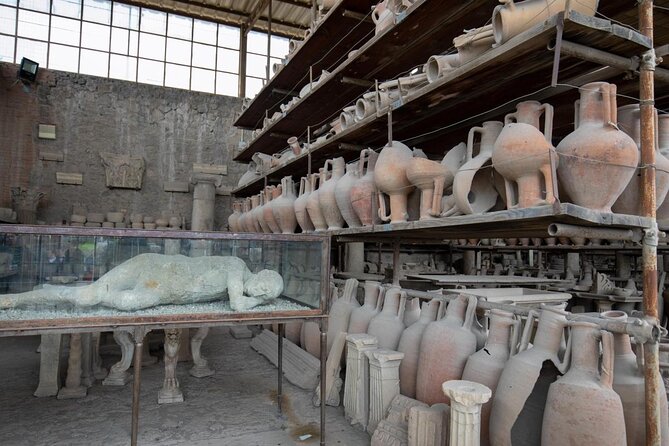
The visit also includes encounters with plaster casts of people who died during the eruption. These casts are among Pompeii’s most powerful sights, but they can be difficult to see. The tour treats them as individuals caught in their last moments, rather than as dramatic objects for photographs.
The archaeological work behind these casts is also part of the story. They remind you that Pompeii is not frozen in one simple moment. Archaeologists have worked to recover evidence from the ash and preserve traces of lives that ended suddenly.
What $33.36 really buys you

At $33.36 per person, the price is reasonable if your group values a private guide. The fee covers guide service, but not the Pompeii entrance ticket, taxes, or other site fees. You need to budget for admission separately.
That extra cost changes the value calculation. A couple or small family may find the private format worthwhile because the guide can focus on your questions. A solo visitor may compare the total cost more carefully with a group tour or self-guided visit.
I would not choose this experience because it covers the greatest possible number of ruins. I would choose it because two focused hours with a private English-speaking guide can make the archaeological park easier to understand. Pompeii is the kind of place where context saves time. Without it, you may spend your visit looking at attractive ruins without knowing why they matter.
The tour is offered in English and runs from 9:30 AM to 11:30 AM. A morning start is practical in a place where you will be outdoors and walking over old roads. The advertised hours cover Monday through Sunday, though you should confirm the time at booking because opening information can change.
Walking conditions and planning advice
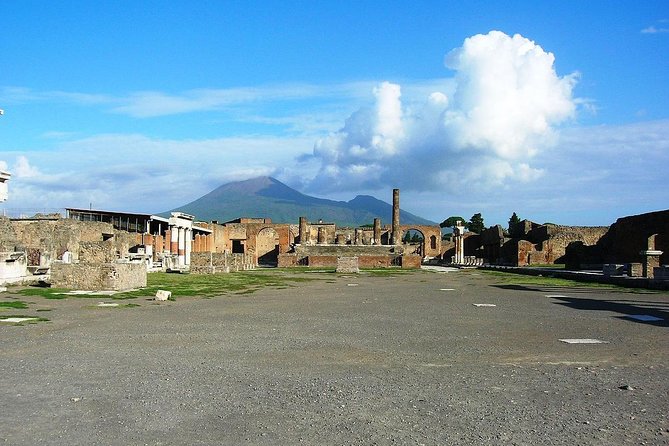
You meet at the Archaeological Park of Pompeii, at 80045 Pompei, and return to that meeting point at the end. Transportation to the site is not listed among the included services. If you are coming from Naples, do not assume that the friendly train-station help described by one past customer is part of this booking.
The roads can be uneven, and a moderate level of physical fitness is advised. The experience is not recommended for people with mobility difficulties because of the condition of the paths. Service animals are allowed, and the site is near public transportation.
Wear practical shoes and keep your attention on the ground as you walk. The two-hour duration may sound short, but ancient streets can be tiring, especially if you continue exploring after the guided portion ends.
A private tour gives you some control over the pace, but it does not remove the physical demands of the archaeological park. If uneven surfaces are a serious concern, ask for current access information before paying.
Who will get the most from this Pompeii walk?
I would recommend this experience to you if you want Pompeii explained through ordinary life. It suits first-time visitors, families who need a clear story, couples who prefer a private guide, and anyone who likes to ask plenty of questions.
It is also a good match if you want a guide with local practical sense. Michele’s help with train travel, a parking payment, holiday planning, and food suggestions goes beyond the formal route, although those extras should be viewed as personal goodwill rather than guaranteed services.
You may want a different plan if you need a full-day archaeological study, want to cover every major building, or prefer to explore alone with an audio guide. Two hours can give you a strong foundation, but Pompeii deserves more time if you want a broad survey.
The tour is less suitable for anyone who cannot manage uneven roads. It is also less attractive if you expect admission to be bundled into the advertised price. Check the total cost before booking so the separate entrance fee does not surprise you.
Should you book it?
I would book this tour if your priority is understanding Pompeii, not simply ticking off its famous sights. Michele Arpa’s friendly, flexible style is the main reason to choose it, and the private setting gives you a better chance to shape the visit around your interests.
Book it early enough to confirm the meeting details and entrance arrangements. Bring comfortable shoes, allow extra time if you want to keep exploring afterward, and treat the $33.36 price as the guide fee rather than the complete cost.
If those terms suit you, this is a thoughtful way to meet Pompeii as a living city: its shops, politics, meals, homes, leisure, and final human moments all connected in one compact walk.
FAQ
How long does the Pompeii tour last?
The guided experience lasts approximately two hours, from 9:30 AM to 11:30 AM.
What language is the tour offered in?
The tour is offered in English.
Is this a private tour?
Yes. Only your group participates in the activity.
Are Pompeii entrance tickets included?
No. Entrance tickets to the archaeological site are not included.
Are taxes and other site fees included?
No. All fees and taxes are listed as not included.
Where does the tour start?
The meeting point is the Archaeological Park of Pompeii at 80045 Pompei, Italy.
Where does the tour end?
The activity ends back at the meeting point.
Is the tour suitable for people with mobility difficulties?
The experience is not recommended for visitors with mobility difficulties because of the condition of the roads. A moderate level of physical fitness is advised.
Can I cancel for a full refund?
Yes. You can cancel at least 24 hours before the start time for a full refund. Cancellations or changes made less than 24 hours before the start time are not refunded or accepted.
Just added around Pompeii
- Wine tasting in the Vesuvius national park★ 5.0 · 3 reviews
- Vesuvius tour entrance to the crater and return bus★ 4.5 · 9 reviews
- Mt. Vesuvius Wine Tasting and Lunch Experience from Pompeii★ 4.5 · 20 reviews
- Tour Mount Vesuvius with Entry Tickets and Round Trip Transfer Included★ 3.5 · 4 reviews
- Skip-the-Line Pompeii & Volcano Vesuvius Day Tour w Hotel or Port Pickup★ 5.0 · 28 reviews
- Sunset Experience at Vesuvius★ 4.0 · 3 reviews
- Trip Excursion to Mt. Vesuvius – Pompeii + Handmade pasta class with lunch★ 5.0 · 5 reviews
- Full Day Tour to Pompeii, Vesuvius and Wine Tasting★ 5.0 · 6 reviews
Mount Vesuvius & Pompeii Tours, compared.

Pompeii and Mount Vesuvius Day Trip from Rome with Pizza Lunch
Our review of it →
Pompeii Day Trip with Optional Vesuvius and Lunch
Our review of it →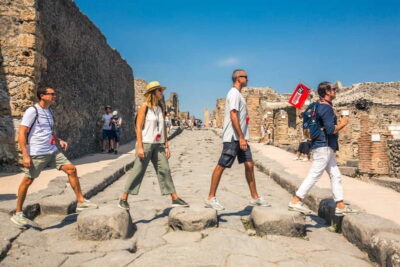
Naples or Sorrento: Full-Day Pompeii and Mount Vesuvius Tour
Our review of it →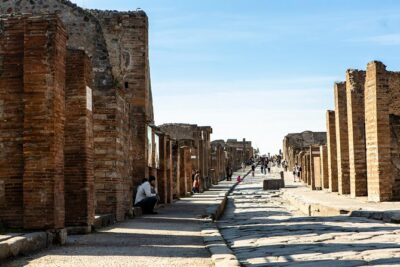
Pompeii & Mt.Vesuvius Day Tour from Naples with Pizza Lunch
Our review of it →
Mount Vesuvius: Skip-the-Line Ticket and Smart Digital Guide
Our review of it →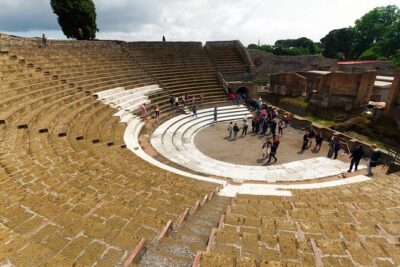
Pompeii & Mt Vesuvius All-Inclusive Small Group w/ Lunch
Our review of it →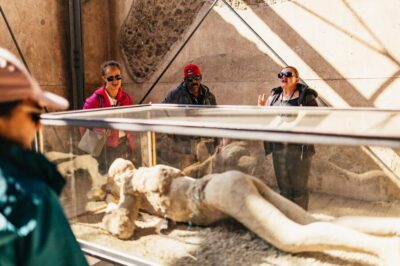
Pompeii and Mt. Vesuvius with Lunch and Wine Tasting
Our review of it →Browse the lists this tour appears in