
REVIEW · NAPLES
NAPLES AND PHLEGRAEAN FIELDS (The area of the volcanoes)
Volcanoes, ruins, lakes, and pizza fill one long day. This private eight-hour outing takes you west of Naples into the Phlegraean Fields, an active volcanic area packed with Roman sites, sea views, and places most short city tours skip. I especially like the wide panorama from Posillipo and the chance to reach Cuma, Baia, Lake Averno, and Cape Miseno in one trip.
I also like the flexible, private format. Your driver collects you at your Naples accommodation or an eligible port, and only your group rides together. The main caution is that this is primarily a driver-led tour, not a full guided archaeological tour, so you may need to read site information yourself or arrange a separate guide. Closures, repairs, and weather can also force changes during the day.
Key points to know before booking
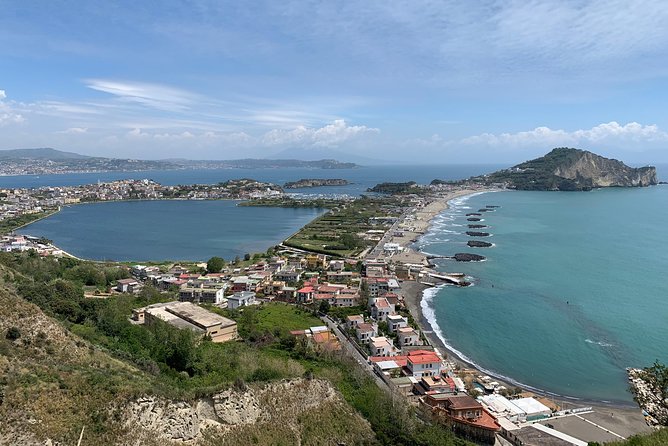
- Posillipo opens the day with a broad view of Naples and the Phlegraean Fields, giving you useful geographic context before the ruins begin.
- Cuma and Baia provide the strongest archaeological content, but admission and an excavation guide are not included.
- Solfatara brings volcanic activity into the itinerary, with fumaroles at Agnano and views connected to the Pozzuoli area.
- The private vehicle makes a complicated route practical, especially with pickup from a hotel or port and several stops spread across the region.
- Fulvio is known for adapting the plan, finding alternatives when weather, repairs, or closures affect the schedule.
- The $253.95 per-person price is easier to justify for a small private group, since transport and a full day of sightseeing are bundled together.
Why the Phlegraean Fields deserve a full day
Most people visiting Naples focus on the historic center, Pompeii, or the Amalfi Coast. The Phlegraean Fields offer a different picture of the region. This is the volcanic zone west of Naples, where craters, hot ground, ancient ports, Roman villas, lakes, and coastal viewpoints sit close together.
The area is not one single attraction. It is a scattered collection of sites around Pozzuoli, Bacoli, Cuma, and Cape Miseno. That makes independent sightseeing awkward, particularly if you want to combine archaeological parks with viewpoints and volcanic features in one day. A private vehicle solves much of that problem.
You should think of this as a wide-ranging regional tour, not a slow visit to one major monument. The pace is active, and several stops are brief. In exchange, you see how the volcanic setting shaped Roman life, local towns, ancient bathing culture, and modern Naples.
The tour begins at 8:00 a.m. Pickup is offered at your accommodation in Naples and at described ports. Starting early matters because the route covers a lot of ground and includes several separate stops. The total duration is about eight hours, though the exact flow may change if a site is closed or weather affects the plan.
A few more volcano trips around Naples worth a look
- From Naples: Pompeii Ruins & Mount Vesuvius Day Tour
★ 4.3 · 11,459 reviews - Naples or Sorrento: Full-Day Pompeii and Mount Vesuvius Tour
★ 4.6 · 4,235 reviews - Pompeii & Mt.Vesuvius Day Tour from Naples with Pizza Lunch
★ 4.0 · 2,901 reviews
Posillipo: the best opening view
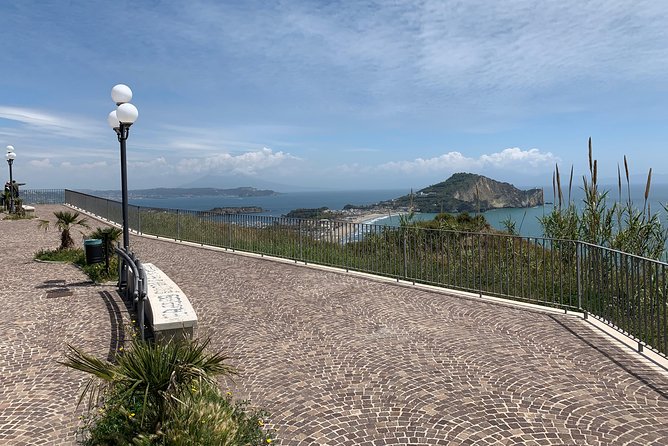
The first stop is Posillipo, with about 25 minutes for a panoramic view over the Gulf of Naples and the Phlegraean Fields. This is a short visit, but it does useful work. Before you reach the ruins and volcanic areas, you get a clear sense of how Naples sits between the bay and the western volcanic zone.
I like starting here because it helps you place the rest of the day. You are not simply jumping from one ancient site to another. You can look across the water and begin to understand the connection between Naples, Pozzuoli, the volcanic fields, and the coastal towns farther west.
Do not expect a long walk or a detailed visit at Posillipo. The stop is mainly for the view and orientation. If the weather is poor, the appeal of this opening pause will depend heavily on visibility.
Solfatara and Pozzuoli: volcanic ground and Roman remains
The next major stop lasts about an hour and focuses on the Pozzuoli area. The plan includes the Temple of Serapis, the Temple of Neptune, the Solfatara volcano, and fumaroles at Agnano.
This combination gives the day its strongest link between geology and ancient history. Solfatara is associated with volcanic steam and sulfurous activity, while the Roman remains show how people built, traded, worshiped, and lived around this unstable ground.
The itinerary also points toward Rione Terra, the old district of Pozzuoli. The area is connected with actress Sofia Loren, who was born in Pozzuoli. That local detail adds a modern human touch to a stop otherwise dominated by Roman ruins and volcanic features.
You should confirm the current condition of the Solfatara area before setting out. One of the useful lessons from this tour is that access can change. Closures and repairs have affected parts of the route, and the driver may need to substitute another stop. This flexibility is a real advantage, but it also means you should not treat every listed site as guaranteed entry.
The volcanic section is best for you if you enjoy seeing the physical forces behind the region. It may feel less satisfying if you want a polished museum visit or a long, uninterrupted walk through one archaeological complex.
A quick look at the Flavian Amphitheater
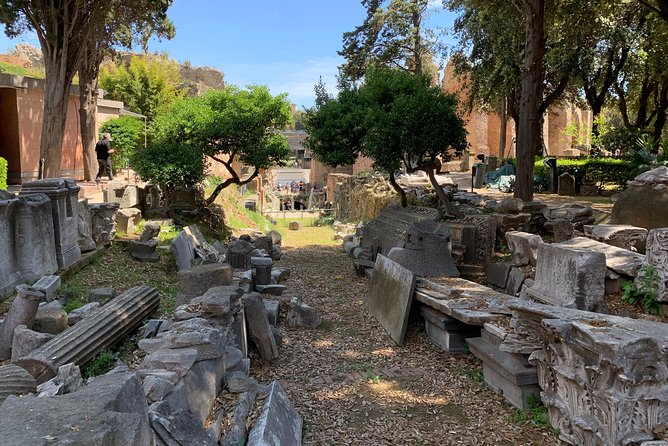
The Flavian Amphitheater in Pozzuoli receives about 15 minutes on the planned route, and admission is not included. That is a very short visit for such an important Roman monument.
The brief stop may work as an introduction, especially if the amphitheater is partly open or you are using the day to sample several places. One prior itinerary had to change because of repairs, yet the partly open structure still became one of the day’s highlights. That tells you to stay flexible and take advantage of access when it is available.
At the same time, do not book this tour expecting a thorough amphitheater visit. Fifteen minutes is enough for a look and perhaps photographs, but not for a careful exploration. If this monument is a top priority, check current opening conditions and consider arranging more time separately.
Admission is not included here, so budget for that possibility. The tour includes a bottle of water, but meals and listed admissions outside the included stops are additional.
Same trip, a different kind of day out:
- Mount Vesuvius: Skip-the-Line Ticket and Smart Digital Guide
★ 4.2 · 2,780 reviews - Naples: Pompeii & Mt Vesuvius All-Inclusive Small Group w/ Lunch
★ 4.5 · 2,748 reviews - From Naples: Mount Vesuvius Transfer with Entry Tickets
★ 4.3 · 1,247 reviews - Naples: Pompeii & Mt. Vesuvius Day Trip with Tickets & Lunch
★ 4.7 · 1,208 reviews
Cuma: the day’s strongest archaeological stop
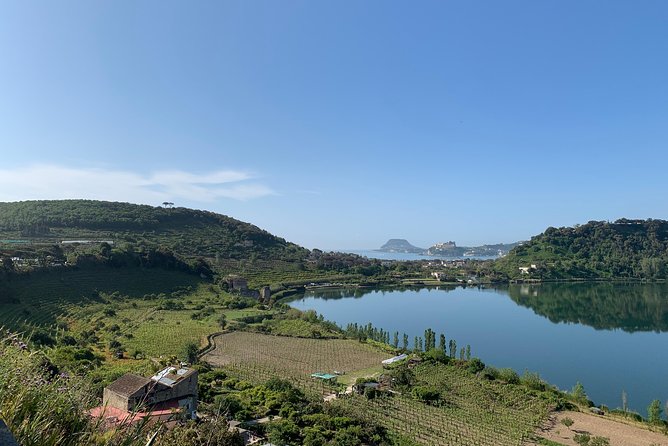
The Archaeological Park of Cuma receives about two hours, making it the most substantial stop on the schedule. Cuma is the place where the tour shifts from quick views and scattered ruins to a more focused archaeological visit.
I would treat Cuma as the centerpiece of the day. The time allows you to move beyond a roadside glimpse and spend a proper portion of the morning or afternoon among the excavations. The site also helps connect the volcanic setting with the ancient settlements that developed here.
Admission is not included, and a tourist guide for the excavations is also not included. That distinction matters. Your driver can get you there, help with the route, and provide useful information, but you should not assume that a specialist will lead you through the archaeological park.
One guide associated with this experience, Raphael Oberlander, has brought Italian history to life with enthusiasm and may be available depending on the arrangement. Another driver, Fulvio, was praised for speaking very good English and finding English descriptions on his phone at many sites. Still, you should clarify before booking if you want a dedicated archaeological guide rather than driver service.
Cuma suits you best if you like ruins with room to explore at your own pace. If you need detailed explanations at every structure, add the cost of a guide or prepare to use available site information.
Baia and the Roman thermal world
The route also includes the Baia Archaeological Park, known for Roman thermal remains, and the Aragonese Castle of Baia, home to the Archaeological Museum of the Phlegraean Fields. These places deepen the story begun at Cuma.
Baia is valuable because it shows the Roman taste for leisure, water, and coastal retreats. The thermal remains are not simply isolated stones. They point to the grand scale of Roman bathing culture and to the importance of this coastal area during antiquity.
The castle adds a different layer. Instead of looking only at exposed ruins, you may encounter a later fortified setting used to present archaeological material from the Phlegraean Fields. The combination gives the tour more variety than a string of ancient foundations.
The schedule gives two hours to Cuma, Baia, and the castle area together. That is enough for a meaningful overview, but not enough to study every building and museum display in detail. Since admissions are not included at these locations, you will want to ask the driver how the available time is being divided on your day.
Lake Averno, Lake Fusaro, and Mirabilis
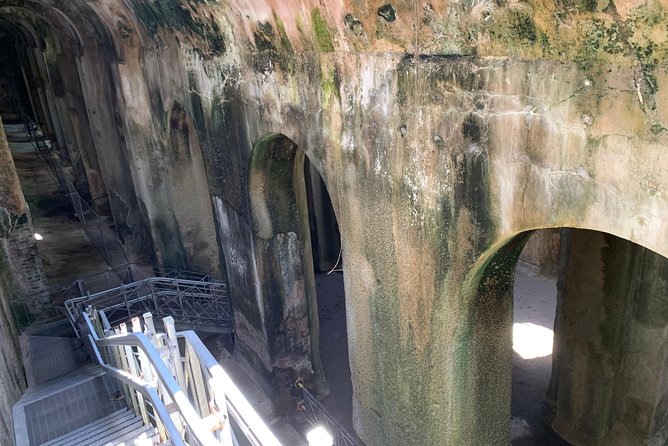
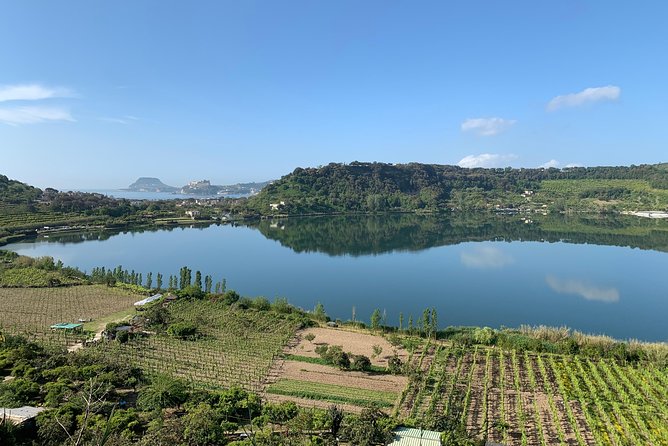
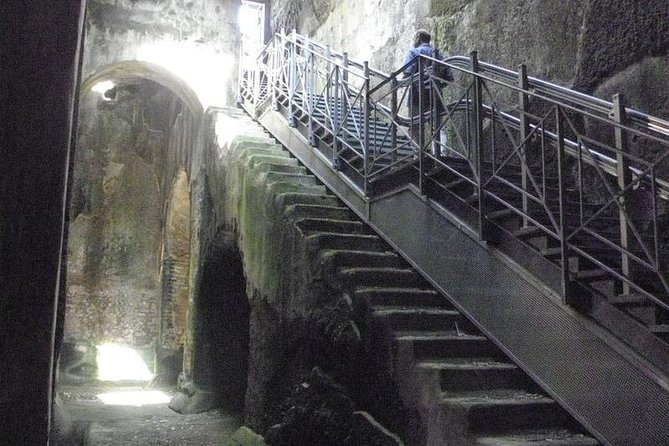
The lake section lasts about 40 minutes and includes Lake Averno, Lake Fusaro, the Casina Vanvitelliana, and the Mirabilis swimming pool in Bacoli. This is a welcome change after the archaeological parks.
Lake Averno has a strong place in classical tradition and gives you a quieter volcanic setting. Lake Fusaro and the Casina Vanvitelliana add an architectural stop, while the Mirabilis swimming pool points again to the engineering scale of the Roman world.
The wording of the schedule groups several places into a short time block, so you should expect a look at selected points rather than a long visit at each one. The 40 minutes may be enough for photographs and orientation, but it will feel compressed if all locations are visited from inside.
This is one of the tour’s more unusual sections. You get a sense of how varied the Phlegraean Fields are: volcanic lakes, elegant structures, and Roman infrastructure can all appear within the same regional route.
Lunch with a local recommendation
Lunch is not included, but the driver can recommend a place. Fulvio suggested either good Neapolitan pizza or fresh fish at Taberna Martino, and that kind of local help can save you from making a poor choice during a packed day.
You should see the lunch recommendation as practical rather than formal. The schedule does not set a fixed restaurant meal, and the final choice may depend on where you are, opening hours, and the day’s changes. Allow enough time to eat without turning the afternoon into a race.
A suggested pizza stop is a natural fit for Naples, while a fresh fish restaurant makes sense along the coastal part of the route. Ask about timing early in the day so you know how lunch will affect the archaeological visits.
Cape Miseno and the view toward Procida
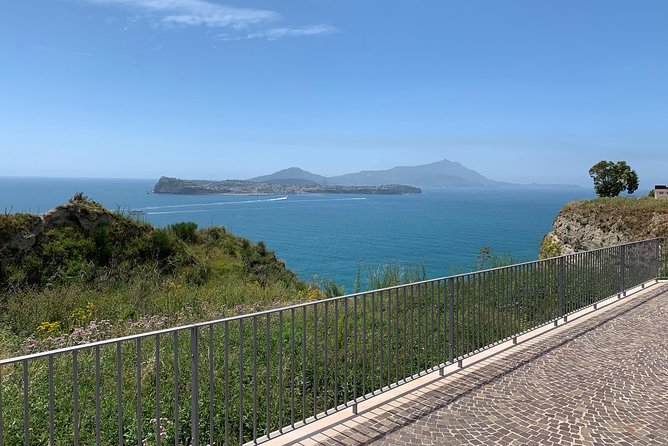
The final listed stop is Miseno Cafe at Cape Miseno, with about 15 minutes and admission included. The focus is the view toward the mountain of Procida.
This short pause works as a closing coastal viewpoint. After a day of ruins, volcanoes, lakes, and Roman engineering, you end with open water and an island view. Fifteen minutes is brief, so treat it as a scenic stop rather than a café visit with a long break.
The Cape Miseno area also helps tie together the day’s geography. You have moved through the western side of the Bay of Naples and the Phlegraean Fields, and the final view gives you one last look outward across the sea.
What $253.95 per person gets you
At $253.95 per person, this is not a low-cost sightseeing bus. The value comes from privacy, door-to-door pickup, and a route that would be difficult to organize efficiently without a vehicle.
The price makes the most sense for a small group that wants a private day and prefers not to manage local transport between Pozzuoli, Cuma, Baia, Bacoli, and Cape Miseno. Group discounts may improve the value, so check the final price for your party rather than judging the per-person amount alone.
The cost does not cover every part of the day. Admissions at the Flavian Amphitheater, Cuma, and Baia sites are not included, and lunch is extra. A dedicated guide for the excavations is also not included. You are paying mainly for the vehicle, driver, pickup service, bottled water, and the planning needed to connect these far-flung stops.
For a couple, the price may feel substantial. For a larger private group, it can become more reasonable, particularly if you value flexibility over the fixed route and larger group setting of a standard excursion.
Driver-led service and changing plans
The strongest practical feature is the willingness to adjust. Fulvio has handled unexpected closures by finding alternatives, and he speaks very good English. He has also used English descriptions on his phone to help explain places when a formal guide was not part of the booking.
That is useful, but you should understand the limits. A driver is not automatically an archaeological specialist. If you want scholarly explanations at Cuma, Baia, and the Flavian Amphitheater, ask about hiring a guide before the day begins.
Weather and repairs can alter the schedule. One day included an improvised route but still reached Cuma and a partly open Flavian Amphitheater. I see that as a sign to judge the experience by its regional scope, not by a promise that every doorway will be open.
Pickup is offered, the service is private, and service animals are allowed. Most people can participate, according to the provided tour information, but the specific physical demands of each archaeological site are not detailed, so ask before booking if mobility is a concern.
Who should book this Naples day trip?
I would recommend this tour to you if you have already seen central Naples or want to explore beyond the usual city sights. It suits history fans, people interested in volcanoes, private groups, port visitors, and anyone who prefers a driver to public transport.
It is also a good fit if you enjoy variety. In one day, you can see a bay panorama, volcanic fumaroles, Roman ruins, archaeological parks, thermal remains, lakes, a castle, and a coastal view.
I would hesitate if your main goal is a slow, expert-led archaeological tour. The schedule covers a lot, several stops are short, and some admissions and guiding are extra. I would also hesitate if you dislike plans changing at short notice, since closures and weather can affect the route.
The tour offers free cancellation if you cancel at least 24 hours before the 8:00 a.m. start time. Within 24 hours, the amount paid is not refunded, and changes are not accepted. Keep that cutoff in mind when planning around a cruise or a tight Naples schedule.
Should you book it?
Book this private tour if you want the Phlegraean Fields in one efficient day, especially with hotel or port pickup and a driver who can adapt when sites close. The best reasons are Cuma, the volcanic setting around Pozzuoli, and the chance to connect several scattered places without arranging the transport yourself.
Skip it if you want every site fully open, every admission included, and a specialist guide explaining each ruin. Before paying, confirm which stops are operating on your date, ask if Raphael Oberlander or another dedicated guide can join, and find out how much time will be given to Cuma and Baia. With those expectations set, the tour offers an unusual and worthwhile side of Naples.
FAQ
What time does the tour start?
The tour starts at 8:00 a.m.
Where can pickup take place?
Pickup is offered at your accommodation in Naples and at any other described port.
How long does the tour last?
The experience lasts approximately eight hours.
Is this a private tour?
Yes. Only your group participates in the private activity.
Is lunch included?
No. Lunch is not included, but the driver can recommend a Neapolitan pizza restaurant or the fresh fish restaurant Taberna Martino.
Can I cancel for a full refund?
Yes. You can cancel for a full refund at least 24 hours before the experience starts. Cancellations and changes made within 24 hours are not accepted, and the amount paid is not refunded.
Just added around Naples
- Mount Vesuvius and Pompeii private tour★ 5.0 · 3 reviews
- Scenic Wine Tasting & Lunch on the Slopes of Vesuvius from Naples★ 4.5 · 114 reviews
- Mount Vesuvius tour by bus and ticket included from Ercolano★ 4.0 · 61 reviews
- Skip-The-Line Tickets VIP Small Group Tour To Pompei and Vesuvius★ 4.5 · 11 reviews
- Wine & Food Tour at the Vesuvius Winery★ 5.0 · 3 reviews
- Vesuvius wine tasting with company tour★ 5.0 · 20 reviews
- Vintage Van Experience: Tour and Transfer to Mt. Vesuvius★ 3.5 · 19 reviews
- Mt. Vesuvius Tour from Naples with Lunch at a Vineyard Included★ 4.0 · 3 reviews
Naples Volcano Tours, compared.
Naples or Sorrento: Full-Day Pompeii and Mount Vesuvius Tour
Our review of it →
Pompeii & Mt.Vesuvius Day Tour from Naples with Pizza Lunch
Our review of it →
Mount Vesuvius: Skip-the-Line Ticket and Smart Digital Guide
Our review of it →
Pompeii & Mt Vesuvius All-Inclusive Small Group w/ Lunch
Our review of it →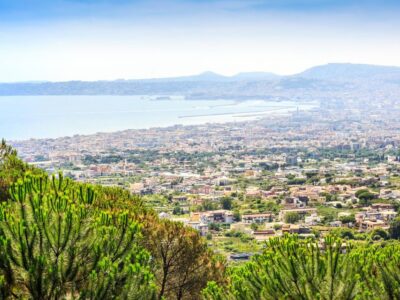
Pompeii & Mt. Vesuvius Day Trip with Tickets & Lunch
Our review of it →
Skip-the-Line Pompeii & Mt. Vesuvius Day Trip from Naples
Our review of it →Browse the lists this tour appears in