
REVIEW · BAKU
Gobustan Magic of Mud Volcanoes and Ancient Petroglyphs
Ancient stones and bubbling mud make a memorable day. This five-hour private excursion from Baku combines Gobustan’s prehistoric rock art with the odd, otherworldly mud volcanoes that give the region its character. You also visit Bibi-Heybat Mosque and see the oil pumps linked to Azerbaijan’s early oil boom.
I like the way the tour joins several separate stories: Stone Age life, Roman military history, Islamic architecture, and modern petroleum history. I also like that Bottled water, an air-conditioned vehicle, museum admission, and the off-road vehicle payment for the volcanoes are included. The main drawback is time. Five hours moves quickly, and the hour at the mud volcanoes does not leave room for a slow, extended visit.
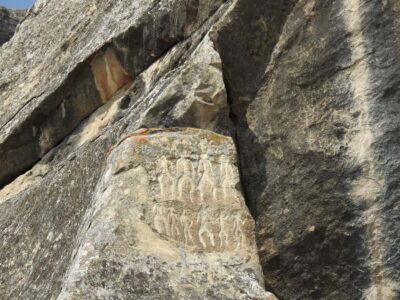
- Gobustan’s petroglyphs: See carvings showing hunting, fishing, rituals, dancing, and daily life across thousands of years.
- The ancient Gavaldash: Learn about a stone instrument said to be more than 10,000 years old.
- Mud volcano country: Ride by off-road vehicle to small volcanic cones where clay may bubble or smoke.
- A Roman mark in the Caucasus: Look for the easternmost Roman inscription, left by a centurion of the XII Lightning Legion.
- Bibi-Heybat and oil history: Pair a major Islamic monument with the site of the first drilled oil well in 1846.
- Private guiding: Your group travels alone, with the guide adapting the pace and explanations to your interests.
Why Gobustan Makes a Smart Half-Day Trip
Gobustan is not simply a museum stop outside Baku. It is a place where several layers of Azerbaijan’s past sit close together. The rock carvings reach back thousands of years, the Roman inscription points to the Roman Empire’s far eastern reach, and the oil fields explain much of Baku’s modern identity.
I like this mix because it gives you more than one familiar postcard view. You are not spending five hours on a single monument. Instead, you move from prehistoric stone panels to wet clay cones, then to a mosque and an oil field. The result is a useful introduction to the country’s past and present.
The tour is private, so you do not have to match the pace of a large group. That matters at Gobustan, where some people want to study the carvings while others are ready to move on after the first few panels. The guide can also adjust explanations for age and interests, a useful feature for families or groups with different levels of interest in archaeology.
The published price is $65.55 per person. I consider that fair for a private five-hour outing when transportation, Gobustan museum tickets, water, and the off-road vehicle charge are included. Lunch is not included, and the description also lists all fees and taxes as excluded, so you should confirm exactly what, if anything, remains payable before setting out.
Starting at Nizami Garden in Baku
The stated start point is Nizami Garden in Sabayil, with a 9:00 am departure and a return to the same meeting point. Pickup is offered, but because the meeting point is also clearly specified, I would confirm the exact collection arrangement when booking.
An air-conditioned vehicle is included. That is useful for this outing because the attractions are spread across an open, dry region outside central Baku. You will spend part of the day on the road, and a private vehicle gives you a more comfortable ride than trying to connect the sites on your own.
The tour operates as a private activity. Only your party participates, which makes it easier to ask questions about Azerbaijan’s traditions, history, and daily life. The guide describes the experience as more than a simple walk, with stories shaped around your age, interests, and preferences. That personal approach is one reason this tour suits first-time visitors who want context rather than a quick series of photo stops.
Guide Jabrail receives especially warm praise for his friendly manner, care, and ability to explain Azerbaijan. One detailed account describes him as going out of his way to make the day memorable. I would expect a welcoming tone and plenty of local interpretation, though the exact route and timing may depend on your group.
More Gobustan Mud Volcano Tours in Baku:
- Baku: Gobustan, Mud Volcano, Fire Mount, Temple Lunch Entry
★ 4.9 · 3,246 reviews - BEST Gobustan, Volcanoes & Absheron Fire Tour (Group or Private)
★ 5.0 · 1,254 reviews - Baku: Gobustan, Volcanoes, Fire Temple and Yanardag Day Trip
★ 4.7 · 433 reviews
Two Hours Among Gobustan’s Petroglyphs
Gobustan Reserve is the main event. Allow about two hours here, including the museum admission that comes with the tour. The reserve contains one of the largest collections of rock paintings in the region, created over thousands of years.
The carvings record ordinary and ceremonial life. You may see scenes connected with hunting and fishing, along with dancing, rituals, and other tribal activities. There is also a reference to bride kidnapping, a detail that shows how varied the subjects can be. These are not polished monuments made for royal display. They are marks left by people recording the world around them, often in simple forms that require patient looking.
I suggest you listen to the guide before rushing toward the most visible panels. Without explanation, rock art can look like a set of faint scratches. With context, a small figure, animal, boat, or group of dancers begins to carry more meaning. The guide’s storytelling style is important here, and Jabrail’s warm, engaging approach should help turn dry dates into scenes you can picture.
The ancient Gavaldash is another notable point. This stone is described as more than 10,000 years old and is connected with the sound-making traditions of the area. It adds a physical, sensory element to the visit. You are not only looking at carvings on rock walls; you are also hearing about how people may have used stone itself as part of ritual or community life.
Gobustan also contains a Roman inscription at the foot of Mount Boyuk-Dash. A centurion named Livus Maximus, from the XII Lightning Legion, left his mark here in the first century AD. It is considered the easternmost of the Roman inscriptions. That small detail gives the site an unexpected connection to the wider Roman world.
You may also encounter short Arabic inscriptions and images of men in turbans. These later marks show that the area continued to attract people long after the first petroglyphs were made. Gobustan is best understood as a record built up over time, not a single moment frozen in stone.
The practical limitation is that two hours can feel short if you enjoy archaeology. The reserve has much to absorb, and the experience depends on your guide pointing out what is easy to miss. If petroglyphs are your main reason for booking, tell the guide in advance so the timing reflects that priority.
The Gobustan Museum Adds Useful Context
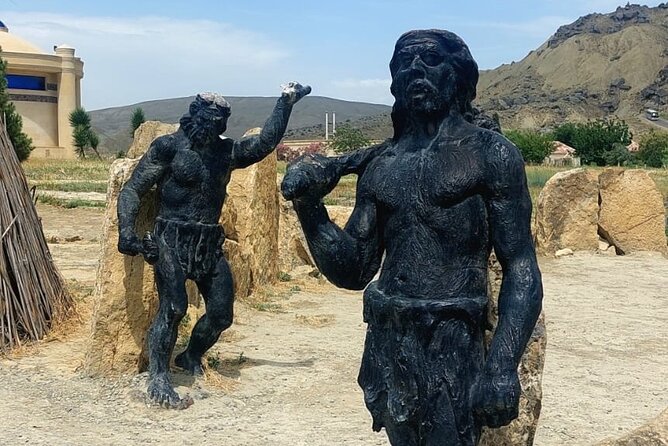
Admission to the Gobustan museum is included. This is more than a box to tick before heading outdoors. Museum displays can help you make sense of the rock art, especially if you do not already know the difference between prehistoric carvings, later inscriptions, and natural marks.
I value this indoor introduction because the outdoor panels may not immediately explain themselves. A museum visit gives you a framework for the symbols, the age of the site, and the people who lived in the area. It also helps if the weather makes a long outdoor stop less comfortable.
The supplied details do not specify the museum’s exact display list or how long you spend inside it. Your guide will likely shape the balance between the museum and the reserve. If you want more time with the exhibits, say so at the start.
One Hour at Azerbaijan’s Mud Volcanoes
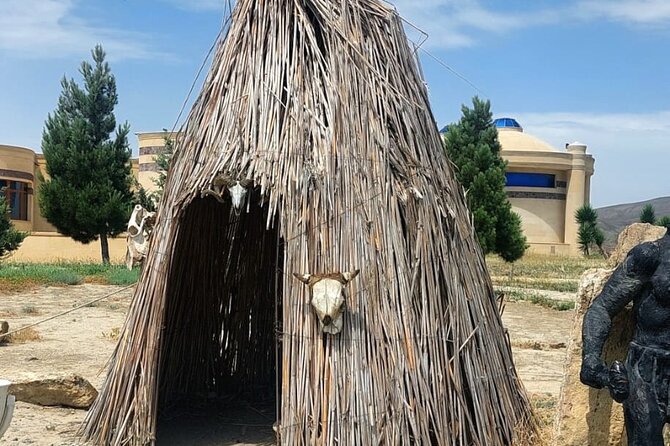
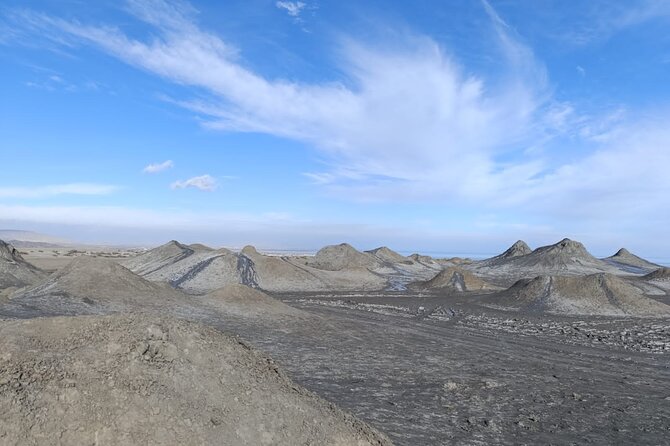
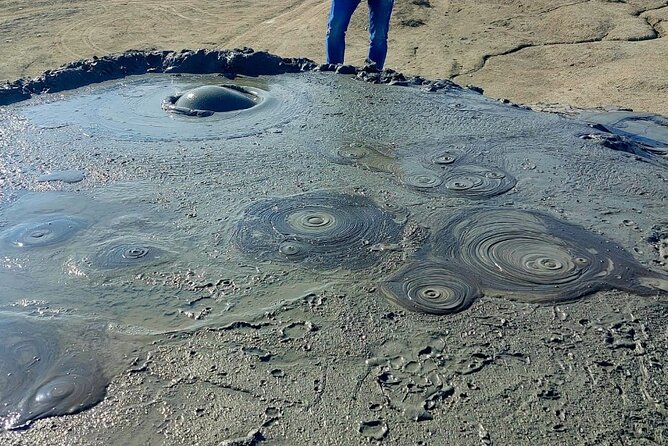
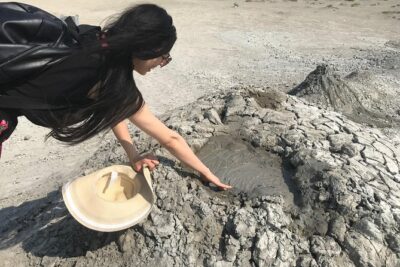
The mud volcanoes provide the tour’s strangest stop. These are not conventional lava volcanoes. They produce cold or cool mud, and the small cones around Gobustan may bubble, ooze, or release smoke. Even before reaching the main area, you may notice small cones from the road.
The off-road vehicle payment is included, which is important. The volcanoes are not presented as a standard roadside attraction reached by ordinary city transport. A rougher route and specialist vehicle form part of the experience, and you do not need to arrange that separately.
I like the contrast with Gobustan’s rock art. The petroglyphs ask you to look backward into human history, while the mud volcanoes feel active and unruly. Clay bubbling from the ground is a simple sight, but it is memorable because it looks so unlike the polished city center of Baku.
Conditions can vary. Sometimes you may see smoke or bubbling clay clearly; at other times the cones may be quieter. The supplied details do not promise a large eruption or dramatic activity, so keep expectations sensible. This is a geological stop with small cones and mud activity, not a fiery volcano show.
You have about one hour here. Wear practical footwear and avoid clothing you would be upset to mark with mud. That advice follows from the setting rather than a stated dress rule, but it is common sense when visiting bubbling clay outdoors. Also note that the activity is not described as including lunch, so plan to eat before or after the tour rather than expecting a meal at the volcanoes.
A few more volcano trips around Baku worth a look
- Gobustan-Mud Volcan-Fire Temple and Mountain Tour/Entrance inc
★ 5.0 · 267 reviews - Baku:Gobustan Mud Volcanoes Temple & Entry tickets included
★ 4.8 · 178 reviews - Baku: Gobustan/Absheron guided tour with lunch and tickets
★ 4.8 · 158 reviews - Baku: Half-Day Gobustan and Mud Volcanoes Tour with Entry
★ 4.7 · 144 reviews
Bibi-Heybat Mosque in Twenty Minutes
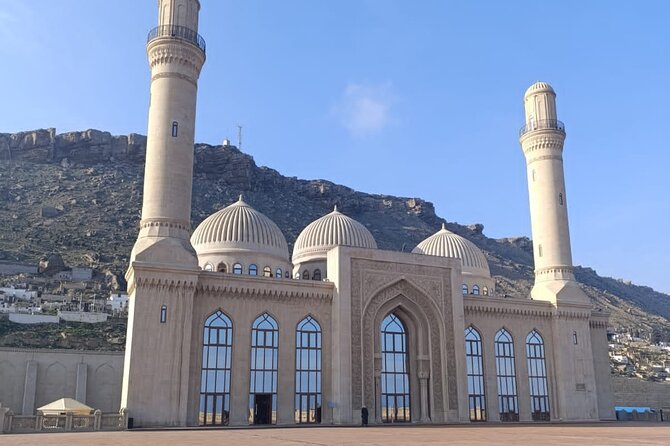
The ancient Bibi-Heybat Mosque is a short stop of about 20 minutes. It is described as a pearl of Islamic architecture and gives the tour a clear change of mood after the open reserve and mud cones.
A 20-minute visit is enough for a brief look and an explanation, but not for a long architectural study. I would treat this as an introduction rather than a full mosque tour. The guide can explain why the site matters and place it within Azerbaijan’s religious and cultural story.
Because it is an active religious setting, follow the guide’s instructions about conduct and clothing. The supplied information does not give formal dress requirements, so confirm any current rules if you want to enter the mosque itself. The stop is free of admission charges.
This brief visit works well in the overall plan. Gobustan can feel remote and prehistoric, while Bibi-Heybat brings you back to a living place of worship. The contrast helps you see Azerbaijan as more than an archaeological destination.
Seeing Baku’s First Oil Well
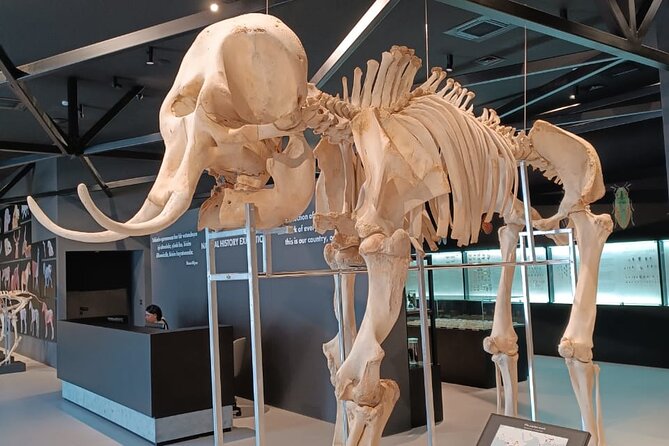
The final stop connects the suburbs of Baku to the oil boom that changed Azerbaijan and influenced events beyond the country. In 1846, an oil well was drilled at Bibi-Heybat, on the territory of one of the oldest oil fields near Baku.
You will see oil pumps associated with that story. They may not look as impressive as a palace or mosque, but they explain why Baku became such an important oil center. The stop gives a practical face to a major economic shift: machinery, wells, and fields rather than only dates in a history book.
Allow about 20 minutes. That is enough for photographs and a concise explanation. If industrial history interests you, ask Jabrail how the oil boom shaped the city and Azerbaijan’s place in the region. The tour description specifically highlights the way the oil story influenced history, so this is a good chance to ask for that wider context.
The oil well and mosque are close enough in the itinerary to make a useful pairing. One represents religious architecture and long-standing cultural traditions. The other points to industry, wealth, and modern change. Together they show why a short trip beyond central Baku can add so much to your understanding of the city.
Price, Inclusions, and the Real Value
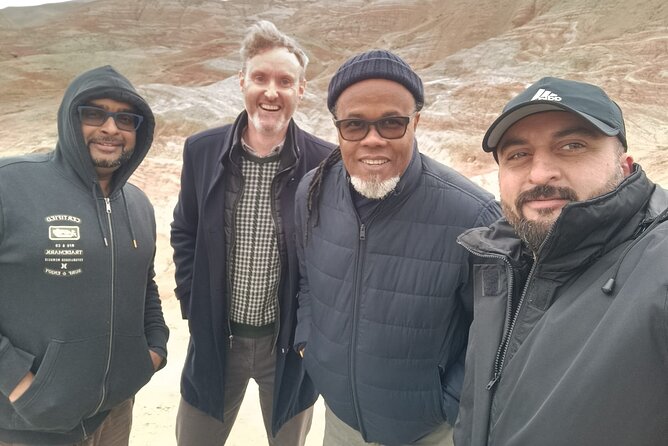
At $65.55 per person, the tour offers solid value for a private half-day excursion. You get an air-conditioned vehicle, bottled water, Gobustan museum tickets, and the off-road vehicle payment for the mud volcanoes. Those inclusions remove several expenses that can otherwise make a day out harder to price.
The private format is the biggest value point. You are paying not only for transport but also for a guide who can explain the sites and adjust the outing to your group. That is particularly useful at Gobustan, where the quality of explanation affects how much you notice.
Lunch is not included. All fees and taxes are also listed as excluded, so ask for a final cost breakdown before departure. The tour returns to Nizami Garden, making it easy to continue exploring central Baku afterward.
The activity is often booked far ahead, with an average booking lead time of 203 days. That suggests you should reserve early if your dates are fixed, especially because it is a private tour with limited guide availability. Free cancellation is allowed up to 24 hours before the start time for a full refund. Cancellations or changes inside that window are not refunded or accepted.
Who Will Enjoy This Tour Most?
I would recommend this excursion to first-time visitors who want a broad introduction to Baku and its surroundings. It suits anyone curious about archaeology, geology, religion, or industrial history, especially when those subjects are more interesting together than separately.
Families may appreciate the private setting and adjustable explanations. The tour information says most people can participate, and the vehicle keeps the day straightforward. Still, the outdoor portions may require walking over uneven ground, and the mud volcano stop is not designed as a polished city attraction.
It also suits visitors with only a few days in Azerbaijan. In roughly five hours, you see ancient carvings, a Roman inscription, natural mud cones, a mosque, and an oil site. You will not study each place at great length, but you will gain a strong sense of the country’s many layers.
I would hesitate if you want a relaxed day with long meals, extended museum time, or a single subject studied in detail. The schedule is broad and fairly brisk. The tour works best when you accept that it is an overview with strong local storytelling rather than a specialist archaeology expedition.
Should You Book the Gobustan Tour?
Book it if you want a private, well-rounded trip beyond Baku with a guide who brings warmth and clear local context. The combination of petroglyphs, the Gavaldash, mud volcanoes, Bibi-Heybat Mosque, and the 1846 oil well gives you a much fuller picture than a simple city tour.
Before paying, confirm the pickup point, the exact treatment of taxes and fees, and how much time your group can spend at the petroglyphs. If those details suit you, $65.55 is a sensible price for the transport, admissions, off-road ride, and personal guiding included.
FAQ
How long is the Gobustan tour?
The tour lasts approximately five hours, including visits to Gobustan, the mud volcanoes, Bibi-Heybat Mosque, and the oil well site.
Where does the tour start?
The stated meeting point is Nizami Garden in Sabayil, Baku, at 9:00 am. Pickup is offered, so confirm the exact arrangement when booking.
Where does the tour end?
The activity ends back at the meeting point at Nizami Garden.
Is the tour private?
Yes. Only your group participates in the activity.
Is transportation included?
Yes. An air-conditioned vehicle is included, along with payment for the off-road vehicle used for the mud volcanoes.
Are Gobustan museum tickets included?
Yes. Tickets to the Gobustan museum are included in the tour price.
Is lunch included?
No. Lunch is not included.
Can I cancel for a full refund?
Yes. You can cancel at least 24 hours before the local start time for a full refund. Cancellations or changes made less than 24 hours before the start time are not refunded or accepted.
Just added around Baku
- Small-Group Day Trip to Gobustan, Mud Volcanoes, Ateshgah & Yanar Dagh★ 4.5 · 3 reviews
- Qobustan rock arts, Mud Volcanoes, Fire temple Ateshgah, Yanardag★ 5.0 · 30 reviews
- Gobustan Rock Art & Mud Volcanoes Tour★ 5.0 · 36 reviews
- Gobustan and Mud volcanoes PRIVATE TOUR★ 4.5 · 12 reviews
- Mud Volcanoes & Gobustan Private Tour★ 5.0 · 9 reviews
- Gobustan National Park & Mud Volcanoes Tour★ 5.0 · 17 reviews
- Gobustan and Mud volcanoe GROUP TOUR★ 5.0 · 13 reviews
- Gobustan Rock Art and Mud volcanoes PRIVATE TOUR★ 5.0 · 9 reviews
Gobustan Mud Volcano Tours, compared.
BEST Gobustan, Volcanoes & Absheron Fire Tour (Group or Private)
Our review of it →
Gobustan, Volcanoes, Fire Temple and Yanardag Day Trip
Our review of it →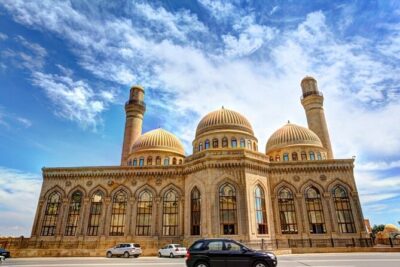
Gobustan-Mud Volcan-Fire Temple and Mountain Tour/Entrance inc
Our review of it →

Tour to the Mud Volcano in Cartagena with Lunch
Our review of it →
Browse the lists this tour appears in