
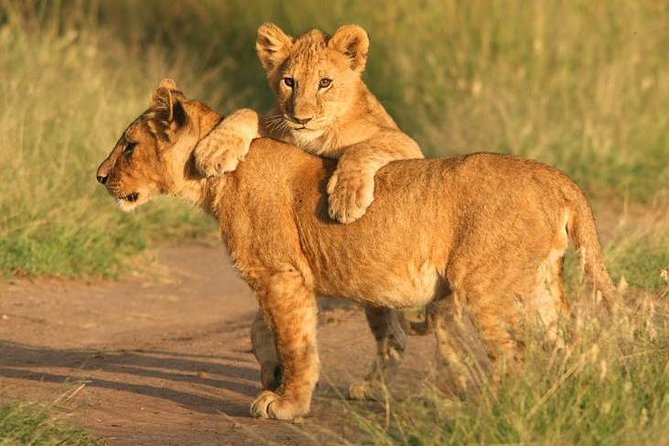
REVIEW · ARUSHA
Tanzania Safari 10 Days- Serengeti, Lake Manyara, Ngorongoro Crater.
Africa rewards patience.
This 10-day private safari gives you time for Tanzania’s biggest wildlife areas, plus something many park-focused trips skip: direct contact with Hadzabe, Datoga, Maasai, and Mto wa Mbu communities. I especially like the four-night Serengeti section and the chance to spend two days around Lake Eyasi, where the trip reaches beyond the usual circuit. The main drawback is the long amount of time spent on rough park roads, with some days beginning early and ending after substantial driving.
At $3,946.16 per person, this is not a budget safari. Still, the private format, multiple national parks, cultural visits, meals noted in the itinerary, and long Serengeti stay give the price real weight. Ask for the exact lodge and camp list, vehicle details, and what transfers are included before paying.
Five details that shape this safari
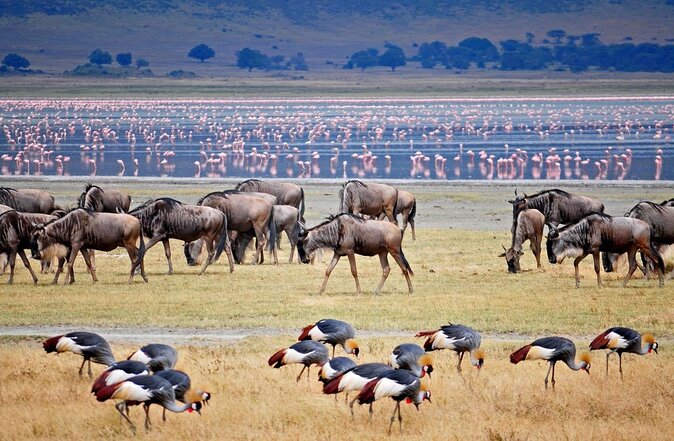
- Elephant country at Tarangire: The park is known for large elephant herds, baobab trees, and a broad mix of grazing animals and predators.
- Two days with Hadzabe and Datoga communities: Lake Eyasi adds a cultural element, with visits connected to hunting, gathering, pastoral life, crafts, and daily routines.
- Four nights around the Serengeti: The longer stay gives you more chances to find moving herds and resident predators.
- A private trip for your group: Only your party participates, so the pace can be more personal than a shared safari.
- Sunrise options: Early game drives offer cooler conditions, soft light, and the chance to see predators before they settle down.
- Ngorongoro at the finish: The final descent into the crater puts you among a dense concentration of animals, including a chance of seeing black rhino.
Starting in Arusha and reaching Tarangire
The safari begins with lunch in Arusha at about 12:30 p.m., followed by a 1:30 p.m. drive to Tarangire National Park. Arusha is Tanzania’s main safari base, so this opening makes practical sense. You begin with food and a short orientation before heading toward the park.
Tarangire is a strong first stop because it gives you wildlife quickly without asking you to wait several days for the main event. The Tarangire River helps draw animals, and the park is especially known for its giant baobabs and large elephant population. The huge trees give the first game drives a distinctive setting, different from the open plains you see later in the trip.
You might see zebra, giraffe, impala, warthog, dik-dik, eland, hartebeest, bushbuck, mongoose, and reedbuck. Lion, leopard, cheetah, hyena, and jackal are also present, although sightings are never guaranteed. The chance to see elephant calves is one of Tarangire’s appealing features.
The first afternoon is useful, but it is not a full day in the park. You will arrive after lunch and spend part of the day driving from Arusha. If Tarangire is a major reason you are booking, remember that the following day provides the real time for exploration.
More Ngorongoro Crater Safaris in Arusha:
- 5-Day Highlights mid-Range Crater, Serengeti, Tarangire
★ 5.0 · 296 reviews - Private 6-Day Tarangire Manyara Crater and Serengeti with Mid-Range Lodges
★ 5.0 · 238 reviews - 5 Days Camping Tarangire, Serengeti & Ngorongoro crater & Visiting Maasai
★ 5.0 · 229 reviews
A full day among Tarangire’s elephants
Day two offers a choice of rhythm. You can take a full-day drive with a picnic lunch in the bush, or return to your accommodation for a hot lunch and go back out for an afternoon drive toward sunset.
I prefer the full-day option for a first safari because it avoids losing time on the road between the park and camp. The split schedule is more comfortable if you want a midday break, a proper meal, or a slower pace. Ask your operator how much flexibility you really have on the day.
Tarangire rewards careful looking. The obvious sights are elephants and giraffes, but the smaller animals matter too. Dik-dik can be easy to miss, and the mix of grassland, river country, and trees gives you different chances to spot animals in shade.
The main limitation is that wildlife viewing depends on movement, weather, and the season. A long day does not guarantee every species on the list. The value comes from having enough time to keep looking instead of treating the park as a short stop between bigger names.
Lake Manyara and the Mto wa Mbu village visit
After breakfast on day three, you drive toward Lake Manyara National Park, stopping at Mto wa Mbu Village along the way. The village is described as a meeting point for people from many Tanzanian communities, with a local market, farms, huts, and artisan shops.
This is one of the trip’s best changes of pace. You are not simply moving between parks. You are given a look at ordinary life, trade, food production, and craftwork in a place shaped by people from many different parts of Tanzania.
Keep your expectations grounded. This is a cultural visit, not a staged museum. The market may feel busy and informal, and the experience can be less polished than a packaged attraction. That is part of its value, but it also means you should be ready for a more direct encounter with daily commerce.
You reach your accommodation in time for lunch, then take an afternoon game drive in Lake Manyara National Park. The park runs for about 50 kilometers along the base of the Rift Valley Escarpment, which rises roughly 600 meters above the lake. The setting changes sharply from Tarangire, with water, woodland, open areas, and steep escarpment views.
Lake Manyara is compact, so you can cover a useful amount of ground in one afternoon. Flamingos and pelicans are among the notable birdlife, while the park may also produce monkeys, hippos, and other animals. The shorter circuit makes this a good introduction to northern Tanzania’s varied habitats.
The tradeoff is straightforward: Lake Manyara is smaller than the Serengeti and does not offer the same vast sense of space. Treat it as a scenic and varied park rather than expecting it to deliver the trip’s largest animal concentrations.
Two revealing days around Lake Eyasi
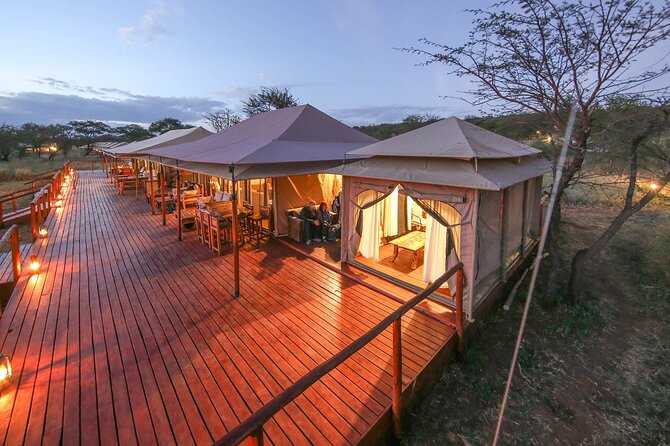
Day four takes you to Lake Eyasi with picnic lunches. The lake is mildly alkaline and about 50 kilometers long. Its shores provide views toward the Rift Valley Escarpment, along with opportunities for bird-watching and quiet time away from the busiest safari routes.
The important part of this stop is the cultural program. You meet Datoga pastoralists and members of the Hadzabe, one of Tanzania’s remaining hunter-gatherer communities. The Hadzabe population is described as roughly 1,500 families, and the visit focuses on a way of life connected to hunting, gathering fruit and tubers, and living closely with the surrounding environment.
Day five continues with cultural visits before lunch at camp and a late-afternoon drive to Karatu for dinner and overnight accommodation. Two days here are valuable because they prevent the visit from becoming a quick photo stop. You have more time to understand how the Hadzabe and Datoga communities differ from one another.
I would approach this part with respect and curiosity. It is not a wildlife drive where you can simply wait for an animal to appear. The value is in listening, observing, and allowing community members to explain their own lives. The itinerary also refers to Maasai and other local communities, but the Lake Eyasi portion specifically centers on Hadzabe and Datoga visits.
There is a practical cost. Lake Eyasi adds driving time and takes you away from the main northern safari route. If your only goal is to maximize game drives, you may prefer another park night. If you want people and culture included in your Tanzania trip, this detour gives the itinerary more depth.
More Safaris in Arusha:
- 3 Day Serengeti National Park & Ngorongoro Crater Camping Safari
★ 5.0 · 142 reviews - 5 Days Tanzania Group Joining Safari, Tarangire/Serengeti/Ngorongoro Crater
★ 5.0 · 85 reviews - 5 day safari Tarangire Serengeti and Ngorongoro crater
★ 5.0 · 83 reviews - 3 Days Small Group Safari to Serengeti NP and Ngorongoro Crater Tour in Tanzania
★ 5.0 · 77 reviews
Four nights across the Serengeti plains
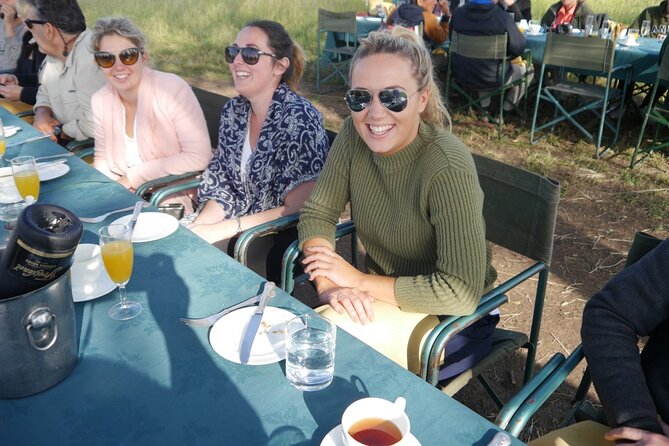
On day six, you transfer from Karatu toward Serengeti National Park by safari vehicle. The plan allows four nights in the Serengeti area, which is one of the strongest features of the trip.
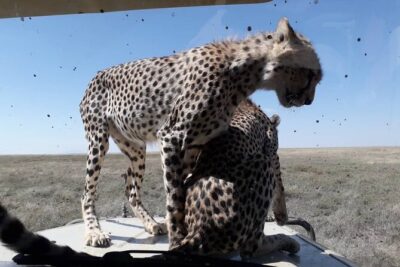
The Serengeti is famous for more than the annual movement of wildebeest. Its open plains support zebras, gazelles, buffalo, elephants, lions, cheetahs, hyenas, jackals, and many other species. The great herds move according to rain and grazing conditions, so the right area depends on the season.
The itinerary includes a stop at a traditional Maasai village before entering the park. A village chief shows you around the nearby boma and explains Maasai culture. As with the Lake Eyasi visits, the best approach is to listen rather than arrive with fixed expectations.
You then continue to the park gate and head into the Serengeti, with lunch along the way. The transfer may be long, but it also becomes an early game drive. You are already watching the plains and animal activity instead of spending the whole day inside a vehicle with the windows closed.
Four nights matter here. The Serengeti is enormous, and a single game drive can be shaped by where the animals are that week. A longer stay gives your guide more chances to adjust the route and search for herds, lions, cheetahs, and other resident wildlife.
The itinerary allows morning drives in the eastern, southern, or northern parts of the park. That flexibility is useful, but the animal action still depends on rainfall and seasonal movement. A guide can improve your odds, not control nature.
Sunrise drives and the optional balloon flight
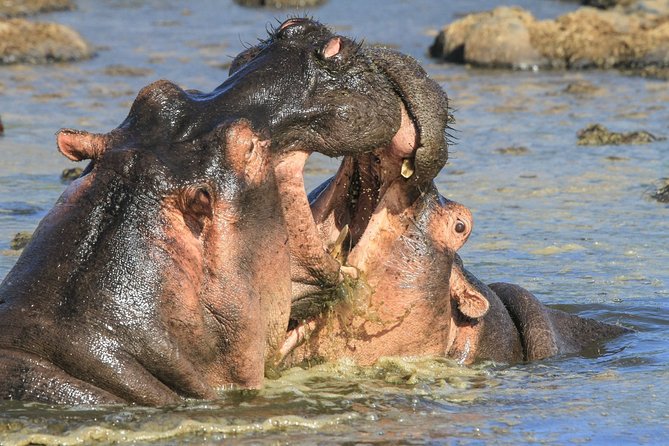
Days seven and eight focus on extended Serengeti viewing. An early start can put you among grazing animals at sunrise, when the light is gentle and predators may still be active after hunting.
You can choose between returning to camp for a hot lunch or carrying a packed lunch to a picnic site. The choice affects your day. Returning to camp gives you a real break, while a packed lunch keeps you out longer and reduces driving back and forth.
A hot-air balloon safari is offered as an optional activity. The flight begins early and gives you an aerial view of the plains, with possible sightings of wildebeest, buffalo, and elephants below. This is an extra cost unless confirmed otherwise, so ask for the current price and exact schedule.
The balloon flight is best for people who want a special sunrise activity and do not mind replacing part of a regular morning drive. If you would rather spend every possible hour at ground level with your guide, keep the standard game drive.
Afternoon drives continue toward dusk, when lions and cheetahs may be active. The itinerary points to early morning and late afternoon as especially rewarding periods for both animal behavior and photography. You should still expect pauses, empty stretches, and patient searching. That quiet time is normal on safari.
Leaving the Serengeti for Ngorongoro Crater
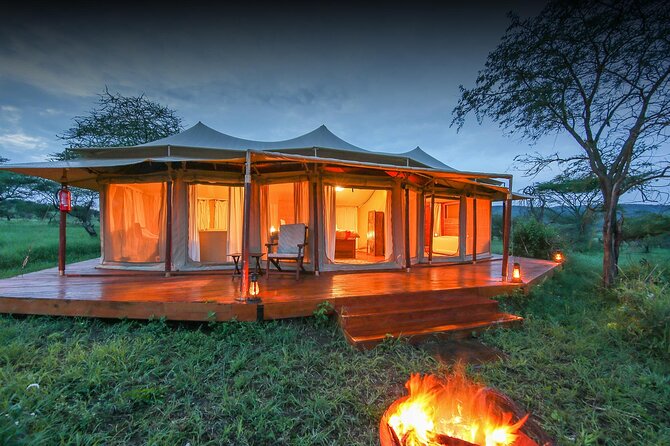
On day nine, you take a morning game drive, have lunch, and travel toward the Ngorongoro Conservation Area. The route brings a final Serengeti viewing period before the change to crater country.
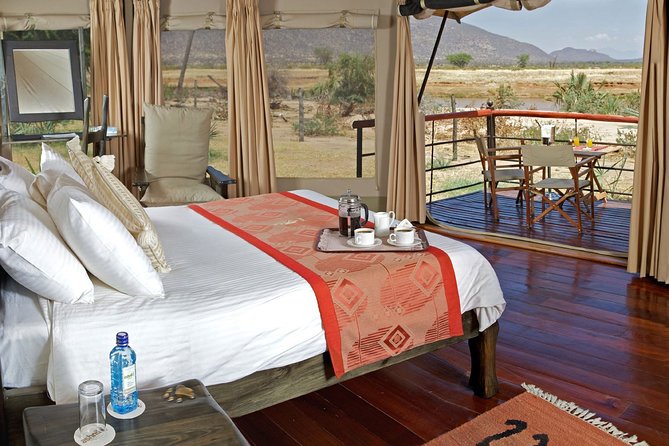
You stay at accommodation near Ngorongoro for dinner and overnight rest. This positioning is practical because the crater descent begins early the next day. Confirm the exact location of the accommodation, since the drive to the crater access point affects how early you leave.
Ngorongoro Crater is a dramatic setting, with the rim about 7,500 feet above sea level and the crater floor roughly 600 meters below the rim. The enclosed area supports a high concentration of wildlife, including wildebeest, zebra, buffalo, eland, warthog, hippo, and elephant.
Predators are a major draw. You might find lion, hyena, jackal, cheetah, and leopard. Black rhino are among the rarest possible sightings, and the itinerary specifically highlights them. The Lerai Forest, with its yellow-barked acacia trees, is another notable area, particularly for elephant viewing.
The crater is not a quiet wilderness in the same way as remote Serengeti country. It is compact, popular, and concentrated. That means excellent chances to see animals, but also the possibility of more vehicles sharing the viewing areas. The payoff is variety in a small area, especially for a first safari.
Price, private travel, and practical limits
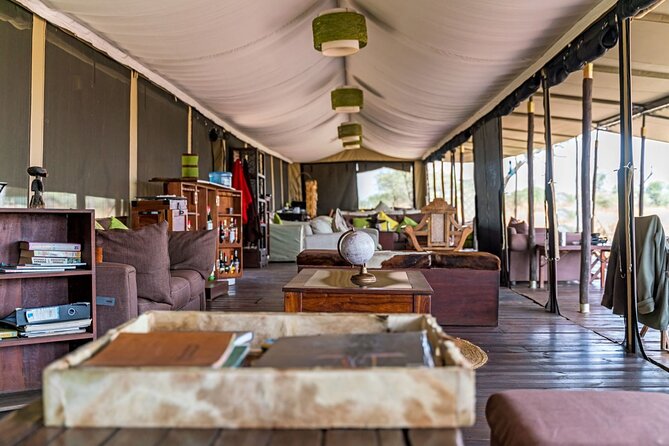
At $3,946.16 per person, this safari sits in the substantial mid-to-upper price range for a private 10-day northern Tanzania trip. The price looks more reasonable when you account for the number of parks, four Serengeti nights, cultural visits, private participation, game drives, and the crater descent.
The exact value depends heavily on what accommodation and transport are included. The itinerary refers to camps, lodges, hot lunches, picnic lunches, and dinners, but you should request a written list of inclusions. Ask about park fees, airport transfers, drinks, the balloon flight, tips, and any internal transport.
Private travel is an important advantage. Only your group participates, so you can discuss pace and interests with the guide rather than follow a mixed group. The supplied information names Manase as a company contact and Freddy as part of the safari team. If either is assigned to your trip, confirm their roles and who will be your day-to-day guide.
You need moderate physical fitness. The safari involves long drives, early starts, park roads, and repeated transfers. The experience is not built around strenuous walking, but it can be tiring simply because of time spent in a vehicle.
Pickup is offered, and confirmation is provided when you book. The stated operating hours are 6:30 a.m. to 6:30 p.m. from February 8, 2019 through June 18, 2026. Free cancellation is available if you cancel at least 24 hours before the local start time. Changes or cancellations made later are not accepted for a refund.
Who should book this safari?
I would choose this trip if you want the classic northern Tanzania parks but also care about meeting local communities. The two Lake Eyasi days make it different from a standard park-only route, and the four Serengeti nights give you a fair chance to settle into the rhythm of wildlife viewing.
It suits couples, families, friends, and small private groups who want one vehicle and a flexible feel. It is also a good match for first-time safari visitors who want Tarangire elephants, Lake Manyara birds and scenery, Serengeti predators, and Ngorongoro’s dense wildlife in one itinerary.
I would hesitate if you dislike long road journeys, want a luxury-only holiday, or prefer to spend every day inside a national park. You should also ask for firm accommodation details before booking, since the quality and position of the camps or lodges will affect how comfortable the trip feels.
Should you book it?
Book this safari if you want a broad, private introduction to northern Tanzania and value culture as much as wildlife. The strongest features are the two Lake Eyasi days, the four-night Serengeti stay, and the final Ngorongoro crater drive.
Before committing, get the lodging list, transport details, included fees, guide assignment, and balloon-safari cost in writing. If those details match your expectations, the itinerary offers a strong balance of famous parks, community visits, and enough time to let the animals appear at their own pace.
FAQ
Where does the safari start?
The safari starts in Arusha, Tanzania, with lunch in town at about 12:30 p.m. on the first day.
How long does the safari last?
The trip lasts approximately 10 days.
Is this a private safari?
Yes. Only your group participates in the private tour or activity.
Which national parks and protected areas are included?
The route includes Tarangire National Park, Lake Manyara National Park, Serengeti National Park, and the Ngorongoro Conservation Area.
Does the safari include cultural visits?
Yes. The itinerary includes Mto wa Mbu Village, visits with Hadzabe and Datoga communities around Lake Eyasi, and a traditional Maasai village visit.
How many nights are planned in the Serengeti?
The itinerary describes four nights in the Serengeti area.
Is a hot-air balloon safari included?
A hot-air balloon safari is offered as an optional activity. The supplied details do not state that it is included in the main price.
What animals might you see?
Possible sightings include elephants, lions, leopards, cheetahs, hyenas, jackals, zebras, wildebeest, gazelles, giraffes, buffalo, hippos, rhinos, warthogs, eland, monkeys, flamingos, and pelicans.
What is the cancellation policy?
You can cancel at least 24 hours before the local start time for a full refund. Cancellations or changes made less than 24 hours before the start are not accepted for a refund.
Just added around Arusha
- 3 Days Safari to Tarangire NP, Ngorongoro Crater and Lake Manyara NP★ 5.0 · 2 reviews
- 4 Days Tanzania Safari Tarangire, Serengeti and Ngorongoro Crater★ 4.5 · 16 reviews
- Manyara and Ngorongoro Crater★ 5.0 · 3 reviews
- Small Group Serengeti and Ngorongoro Crater Adventure Safari★ 5.0 · 7 reviews
- 3Days luxury safari to Tarangire Ngorongoro crater and Manyara★ 5.0 · 16 reviews
- 03 days Serengeti and Ngorongoro Crater group (camping)★ 5.0 · 75 reviews
- Elephant Special Serengeti & Ngorongoro Crater 5 Days / 4 Nights★ 5.0 · 21 reviews
- Private Group Serengeti Safari, Crater & Tarangire National Park★ 5.0 · 5 reviews
Ngorongoro Crater Safaris, compared.
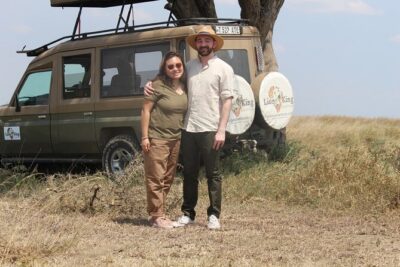
5-Day Highlights mid-Range Crater, Serengeti, Tarangire
Our review of it →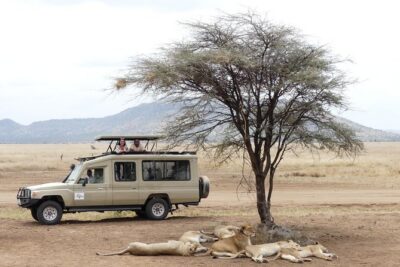
Private 6-Day Tarangire Manyara Crater and Serengeti with Mid-Range Lodges
Our review of it →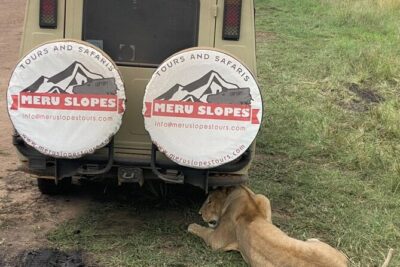
5 Days Camping Tarangire, Serengeti & Ngorongoro crater & Visiting Maasai
Our review of it →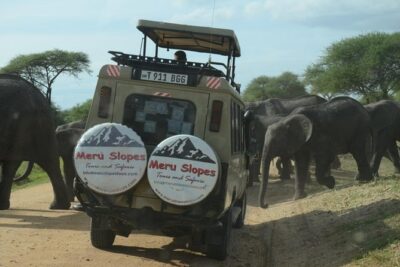
4 Days Join Group tour Tarangire Serengeti and Ngorongoro crater
Our review of it →3 Day Serengeti National Park & Ngorongoro Crater Camping Safari
Our review of it →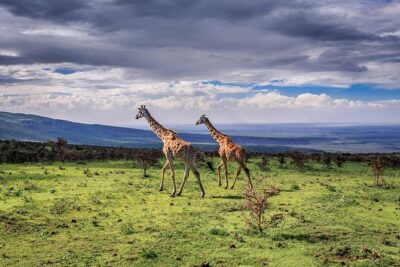
5 Days Tanzania Group Joining Safari, Tarangire/Serengeti/Ngorongoro Crater
Our review of it →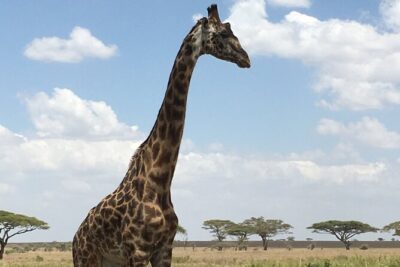
5 day safari Tarangire Serengeti and Ngorongoro crater
Our review of it →Browse the lists this tour appears in