
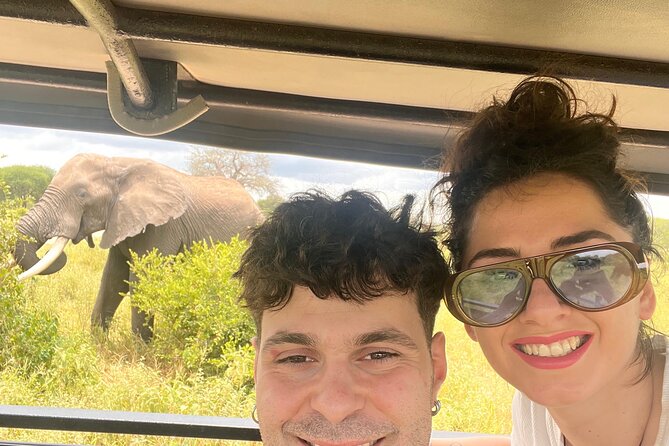
REVIEW · ARUSHA
4 Day Tour in Tarangire and Serengeti and Ngorongoro Crater
Wild Africa rewards early starts. This four-day safari links Tarangire, Serengeti, and Ngorongoro Crater in one busy but rewarding route from Arusha. I like the variety: elephants and baobabs in Tarangire, big cats on the Serengeti plains, then a crater day with strong chances for the Big Five. I also like that the price includes park fees, meals, drinks, a 4×4 Land Cruiser, a guide, and hotel pickup. The main drawback is the pace, with long days and a maximum group size of 30.
You start at 8:30 a.m. in Arusha and return to the same meeting point after four days. The itinerary gives you three very different wildlife settings, but it also asks you to cover a lot of ground. Migration sightings depend on the season, and the Great Migration should be treated as a possibility, not a promise.
Key points before you book
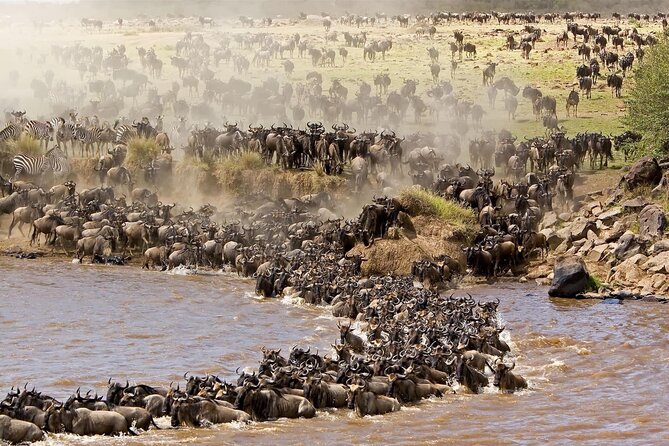
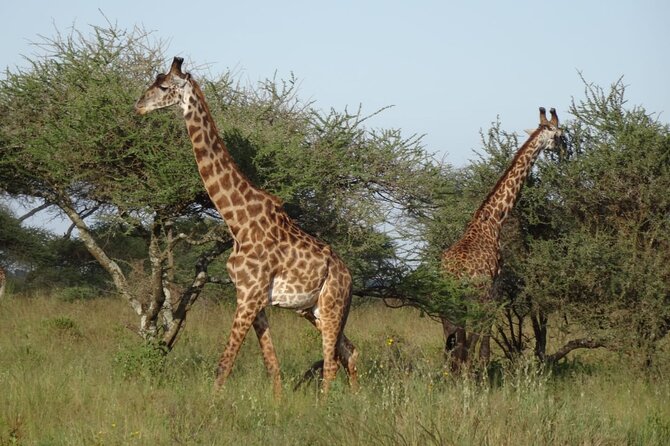
- Tarangire brings the elephants and baobabs: The first day offers large elephant herds, giraffes, zebras, wildebeests, buffalo, antelopes, and more than 500 bird species.
- Serengeti days focus on predators: The Seronera Valley is known for lions, leopards, cheetahs, and hyenas.
- Ngorongoro Crater gives you a compact wildlife finale: Its natural walls hold a dense animal population, including possible black rhino sightings.
- The price covers major safari costs: Park fees, crater fees, meals, drinks, guide service, a 4×4 vehicle, and hotel transfers are included.
- The schedule is demanding: One Serengeti day lasts about 12 hours, and the full trip involves considerable driving.
- The group can reach 30 people: That helps keep the price down, but it may feel less personal than a small safari.
Why this four-day route works
At $1,100 per person, this is not a bare-bones park visit. You are paying for the main costs that can make a Tanzania safari expensive: park entry, crater access, transport, meals, guiding, and several long days in a proper 4×4 vehicle.
The route also gives you a useful sample of northern Tanzania. Tarangire has a distinctive dry-country feel, with huge baobabs and elephants. The Serengeti opens into broad grasslands and offers the best chance of seeing major predators. Ngorongoro then changes the mood again, placing wildlife inside a dramatic volcanic crater.
I would judge the value by what you want from a safari. If your goal is to see several famous parks without arranging separate transfers, this is a strong package. If you prefer slow mornings, long stays in one camp, or a small private vehicle, the pace and group limit deserve more thought.
The trip is booked an average of 31 days ahead, which gives you a useful planning clue. Do not leave it until the last minute if your dates are fixed, especially during a busy safari season.
More Ngorongoro Crater Safaris in Arusha:
- 5-Day Highlights mid-Range Crater, Serengeti, Tarangire
★ 5.0 · 296 reviews - Private 6-Day Tarangire Manyara Crater and Serengeti with Mid-Range Lodges
★ 5.0 · 238 reviews - 5 Days Camping Tarangire, Serengeti & Ngorongoro crater & Visiting Maasai
★ 5.0 · 229 reviews
Day 1: Tarangire’s elephants and ancient baobabs
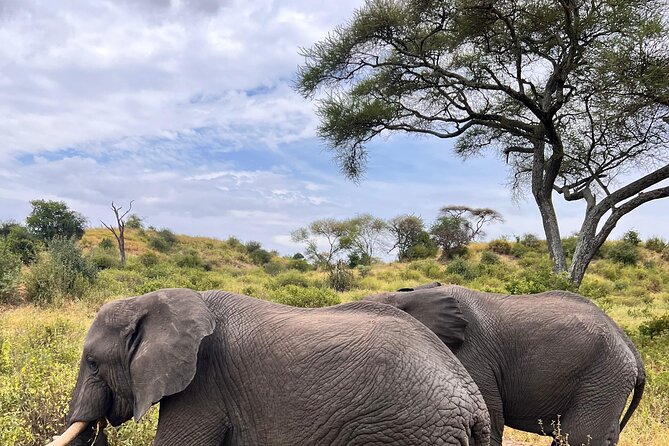
Your first park day lasts about nine hours. Once inside Tarangire National Park, the main attraction is its elephant population. Large herds are a central part of the experience, and you may see them near the Tarangire River, where zebras, wildebeests, giraffes, buffalo, and antelopes also gather.
Tarangire is not just about animal numbers. The giant baobabs give the park a memorable shape. Their thick trunks and unusual branches create some of the strongest photo settings on the route, especially when an elephant herd passes nearby.
Several game drives are planned during the day. That matters because wildlife sightings are never evenly spread across a park. More time on different roads gives you more chances to find animals rather than relying on one quick circuit.
Birdwatchers get a real bonus here. The park has more than 500 bird species, so it is worth asking your guide to slow down for birds instead of treating every stop as a search for large mammals. Even if you come mainly for elephants and lions, the birdlife can add welcome variety.
This first day is also a useful introduction to safari routine. You will spend much of the day seated in the vehicle, watching carefully and waiting for movement. Bring patience. A safari is not a parade of constant sightings, and the quiet stretches help make the sudden appearance of a giraffe or lion feel special.
Day 2: Crossing into the huge Serengeti plains
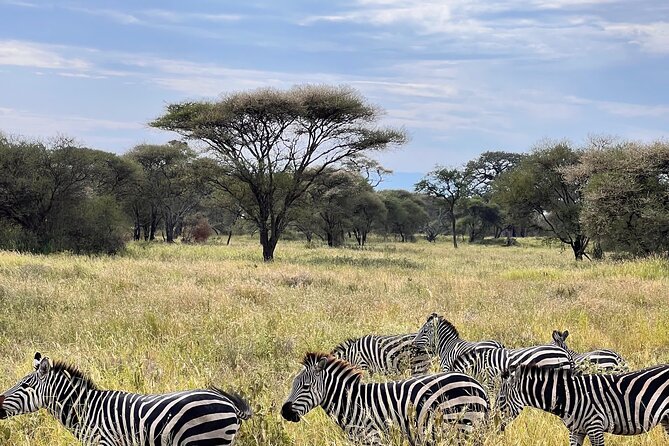
The second day is listed at about 12 hours, making it the longest day of the trip. You travel into Serengeti National Park, where the setting changes from Tarangire’s baobab country to open grasslands stretching toward the horizon.
The Serengeti can feel almost too large to take in at first. Acacia trees break up the plains, but much of the view is open sky and grass. That scale is part of the appeal. You are not simply visiting an enclosure filled with animals. You are entering a broad natural system where herds and predators move across great distances.
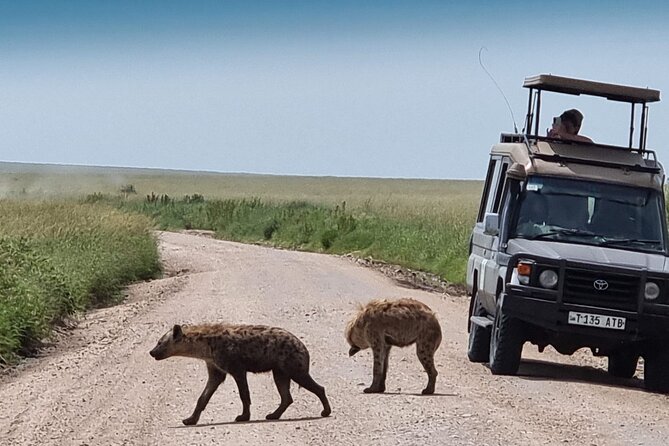
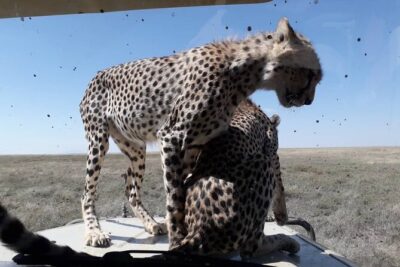
The Serengeti is especially important for predator sightings. The Seronera Valley is known for lions, leopards, cheetahs, and hyenas. You might see lions resting in the shade, a leopard in a tree, or a cheetah moving across the grass. The word might matters here. Even in a famous wildlife area, sightings depend on timing, weather, animal movement, and good fortune.
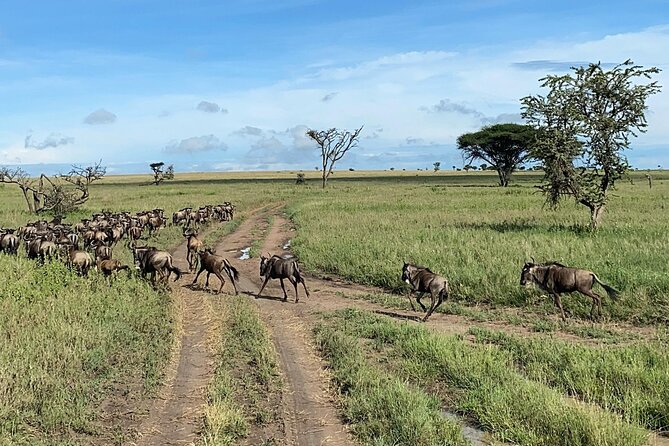
The Great Migration is also seasonal. At the right time of year, huge groups of wildebeests and zebras move across the plains, with predators following. This can be thrilling, but do not book the trip on the assumption that a river crossing or a close migration sighting will happen on your exact dates.
The length of this day is both a strength and a weakness. You get more time in the park, but you should expect fatigue. The included lunch and drinks help, and the 4×4 vehicle is suited to rough park roads, yet 12 hours in a safari vehicle can still be tiring. If you have back concerns or dislike long road days, ask for the exact daily driving plan before paying.
Day 3: Early predators and the seasonal Grumeti River
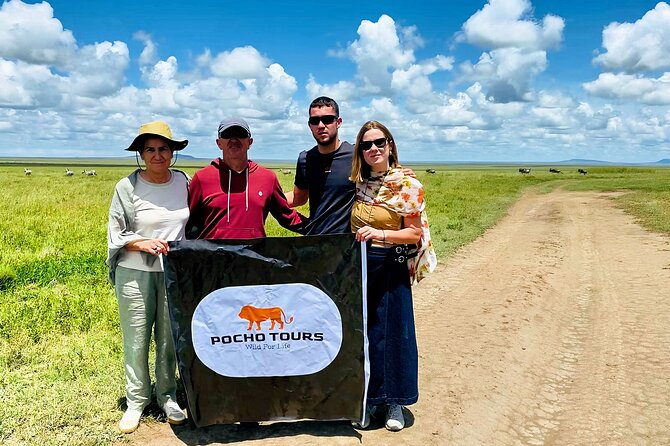
The third day keeps you in the Serengeti and lasts about nine hours. An early morning game drive is planned, which is useful because lions, hyenas, and other predators may be more active earlier in the day.
This is one of the days when patience pays off. You might see lions hunting, hyenas scavenging, or other animals moving before the heat of the day settles in. The early start also gives you a different view of the park from the previous day. Rather than focusing only on broad scenery, you are looking for animal behavior.
The route may include the Grumeti River in the western part of the Serengeti. The river is associated with crocodiles and hippos, and it becomes especially significant during the migration, when wildebeests attempt dangerous crossings.
Again, the timing is seasonal. A migration river crossing is not guaranteed, and the itinerary itself presents it as a possibility. Even without a crossing, the river area can add crocodiles and hippos to a safari that already includes grassland mammals and predators.
A second Serengeti day is valuable because one day can feel too brief in such a large park. You have more time to see different areas and to recover from the luck of the previous day. If the first day brings excellent lion sightings but no leopard, the extra time gives you another chance.
The tradeoff is that you spend much of the trip moving between major parks. This is a highlights tour, not a slow wildlife study. You get range, but not endless time at each location.
A few more volcano trips around Arusha worth a look
- 4 Days Join Group tour Tarangire Serengeti and Ngorongoro crater
★ 5.0 · 219 reviews - 4 Days Tarangire Serengeti Ngorongoro Crater
★ 5.0 · 117 reviews - 4 Day Ngorongoro Crater Tarangire and Serengeti National Park
★ 5.0 · 44 reviews - 4 Days lodge safari Tarangire , Ngorongoro crater & Walking
★ 5.0 · 39 reviews
Day 4: Ngorongoro Crater and the Big Five
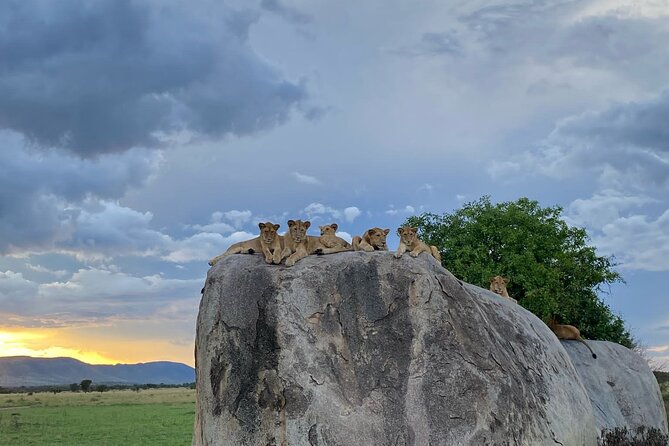
The final safari day takes you into Ngorongoro Crater for about nine hours. The descent into the crater is one of the trip’s most striking transitions. The steep walls form a natural enclosure, and the crater floor supports a dense population of animals.
Ngorongoro is often a strong place to look for the Big Five: lion, leopard, elephant, buffalo, and black rhino. Nothing is certain, but the compact setting can make wildlife searching feel more focused than on the open Serengeti.
The possibility of seeing a black rhino is a major reason to value this day. The species is endangered, and sightings are never guaranteed. You may also see lions resting in the sun or buffalo moving across the open floor.
Lake Magadi adds another visual change. The shallow lake often attracts flamingos, giving you a chance to see large mammals and water birds in the same crater setting. It is a good reminder that the safari is not only about the Big Five.
The crater day comes at the end, when you may already be tired from several long drives. Still, it is a strong finale because the scenery feels enclosed and dramatic after the open Serengeti. You get a final concentrated wildlife search before returning to Arusha.
The vehicle, guide, meals, and group size
A Land Cruiser 4×4 is included, which is important on park roads. The vehicle gives you the right kind of transport for game drives and long transfers, though the supplied information does not specify the exact seating arrangement or whether every passenger has a window seat.
A professional live guide is included. The two available comments give particular praise to the guiding, including one mention of a German-speaking guide who added something special to the trip. No guide name is provided, so you should not expect a named guide at booking.
Food also received strong praise. Breakfast is included three times, dinner three times, and lunch four times, along with beverage drinks. That coverage simplifies the trip and keeps your daily food costs from growing. The accommodation also received positive remarks, but the exact lodges or camps are not specified, so ask for those names if room style and location matter to you.
Hotel pickup and drop-off in Arusha are included. This is helpful on a route with early starts and long days. The listed start time is 8:30 a.m., and the tour ends back at the original meeting point.
The maximum group size is 30. That can make $1,100 more attainable, especially with so many included services. The downside is obvious: a large group may mean less personal contact with the guide and less flexibility when everyone wants a different length of stop. If the tour fills fully, ask how many people share each vehicle, because the overall maximum does not tell you the exact vehicle size.
What the $1,100 price really buys
The clearest value comes from the bundled costs. You receive:
- Park fees
- Ngorongoro Crater fees
- Four lunches
- Three breakfasts
- Three dinners
- Beverage drinks
- A 4×4 Land Cruiser
- A professional guide
- Arusha hotel pickup and drop-off
Tips and gratuities are not included. Plan for that extra cost, since tipping is a normal part of safari budgeting even though the exact amount is not set here.
The package also includes a mobile ticket and offers group discounts. Confirmation is provided at booking, and most people can participate. The trip requires a minimum number of participants, so a cancellation for that reason may lead to another date or a full refund.
One separate comment praised a balloon ride during a wider safari experience. Do not assume that a balloon flight is part of this four-day package. It is not listed among the included services.
Who should choose this safari?
I would recommend this trip if you want a first taste of northern Tanzania and prefer one organized booking over several separate arrangements. It suits people who want elephants, big cats, crater scenery, and a chance at migration viewing within four days.
It also works well for families or groups who value included meals and transfers. Most people can participate, and the vehicle, guide, and park fees are already arranged.
I would hesitate if you need a relaxed schedule. The 12-hour Serengeti day is demanding, and the route covers three major areas in a short time. I would also think twice if you want a private, highly flexible safari, since the group can reach 30 people.
Before booking, ask for the accommodation names, the number of people per vehicle, and the expected driving times between parks. Those details will tell you more about the trip’s comfort than the headline price.
Should you book it?
Book this safari if you want strong northern Tanzania highlights at a price that includes the major expenses. Tarangire’s elephants and baobabs, the Serengeti’s predator country, and Ngorongoro’s crater wildlife make a satisfying four-day sequence.
Skip it if you dislike long driving days or need guaranteed migration sightings. The best reason to choose this tour is its range and value, not a promise of one specific animal event. Free cancellation is available up to 24 hours before the start time, but cancellations inside that period are not refunded.
FAQ
Where does the safari start?
It starts in Arusha, Tanzania, with pickup offered from your hotel.
What time does the tour start?
The listed start time is 8:30 a.m.
Where does the tour end?
The activity ends back at the original meeting point in Arusha.
How long is the safari?
The tour lasts approximately four days.
Which parks are included?
The route includes Tarangire National Park, Serengeti National Park, and Ngorongoro Crater.
Is the Great Migration guaranteed?
No. Migration sightings, including wildebeest and zebra river crossings, depend on the season and animal movement.
Are park fees included?
Yes. Park fees and Ngorongoro Crater fees are included.
Are meals included?
Yes. The package includes three breakfasts, three dinners, and four lunches.
Is transportation included?
Yes. A Land Cruiser 4×4 and hotel pickup and drop-off are included.
How many people can join the tour?
The maximum group size is 30 people.
Are tips included?
No. Tips and gratuities are not included in the price.
What is the cancellation policy?
You can cancel at least 24 hours before the start time for a full refund. Cancellations made less than 24 hours before the start time are not refunded.
Just added around Arusha
- 3 Days Safari to Tarangire NP, Ngorongoro Crater and Lake Manyara NP★ 5.0 · 2 reviews
- 4 Days Tanzania Safari Tarangire, Serengeti and Ngorongoro Crater★ 4.5 · 16 reviews
- Manyara and Ngorongoro Crater★ 5.0 · 3 reviews
- Small Group Serengeti and Ngorongoro Crater Adventure Safari★ 5.0 · 7 reviews
- Tanzania Safari 10 Days- Serengeti, Lake Manyara, Ngorongoro Crater.★ 5.0 · 4 reviews
- 3Days luxury safari to Tarangire Ngorongoro crater and Manyara★ 5.0 · 16 reviews
- 03 days Serengeti and Ngorongoro Crater group (camping)★ 5.0 · 75 reviews
- Elephant Special Serengeti & Ngorongoro Crater 5 Days / 4 Nights★ 5.0 · 21 reviews
Ngorongoro Crater Safaris, compared.
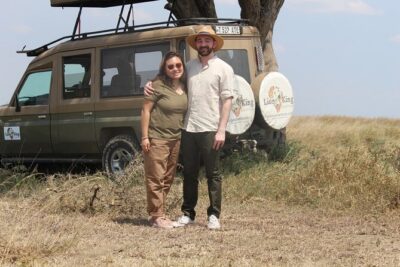
5-Day Highlights mid-Range Crater, Serengeti, Tarangire
Our review of it →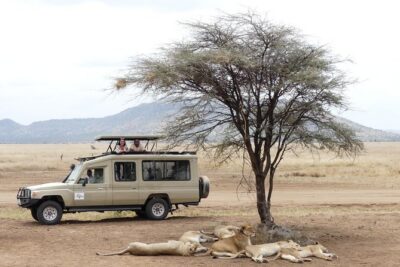
Private 6-Day Tarangire Manyara Crater and Serengeti with Mid-Range Lodges
Our review of it →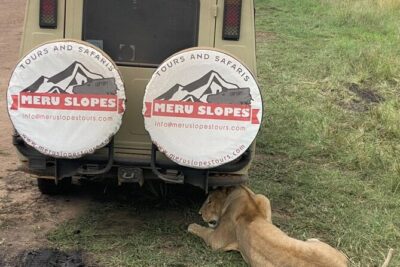
5 Days Camping Tarangire, Serengeti & Ngorongoro crater & Visiting Maasai
Our review of it →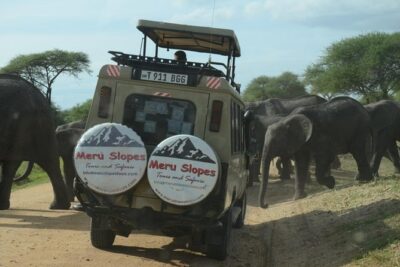
4 Days Join Group tour Tarangire Serengeti and Ngorongoro crater
Our review of it →3 Day Serengeti National Park & Ngorongoro Crater Camping Safari
Our review of it →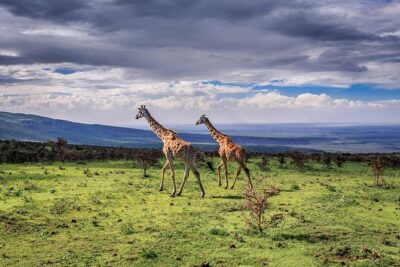
5 Days Tanzania Group Joining Safari, Tarangire/Serengeti/Ngorongoro Crater
Our review of it →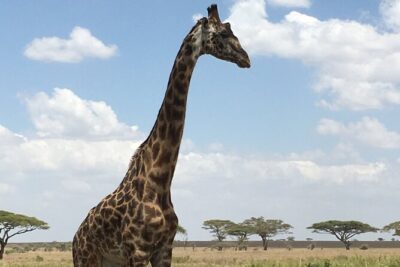
5 day safari Tarangire Serengeti and Ngorongoro crater
Our review of it →Browse the lists this tour appears in