
REVIEW · ARUSHA
5 Day Silver Serengeti & Ngorongoro Crater & Tarangire Safari
Africa rewards patience. This five-day safari gives you two nights in the Serengeti, then adds the wildlife-packed Ngorongoro Crater and Tarangire National Park. I like the strong mix of destinations and the private format, which lets your guide adjust the day around the animals you most want to see. I also like the gentle first night at The Outpost Lodge in Arusha, rather than rushing straight into a long park transfer after an international flight.
The main drawback is the pace. You cover a lot of ground in five days, and the journey from Arusha to the Serengeti takes up much of Day 2. At $2,333.77 per person, the price can be good for a private safari with lodging and park access, but you should confirm exactly what is included before paying, since the details provided clearly identify admission at Ngorongoro but do not spell out every cost.
Key points at a glance
- Two nights in the Serengeti: This is the right call for a park that takes time to reach and rewards repeated game drives.
- Private group format: Only your group participates, giving you more say over animal sightings and daily priorities.
- Three major parks: You get the open plains of Serengeti, the enclosed wildlife basin of Ngorongoro, and elephant country in Tarangire.
- A calm first night in Arusha: The Outpost Lodge offers a pool, restaurant, and quiet setting before the safari begins.
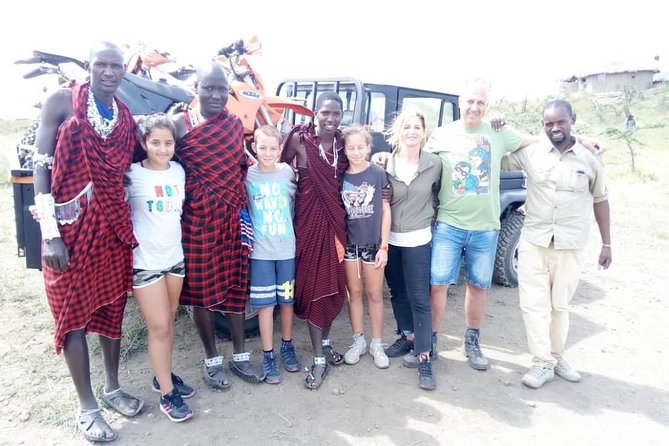
- Experienced guide service: Guides named in company feedback include Leonard, Fred, Thomas, and Jackson, with special praise for wildlife knowledge, storytelling, and flexible planning.
- Free cancellation up to 24 hours ahead: This gives you some useful breathing room if your plans change.
Why this five-day route works
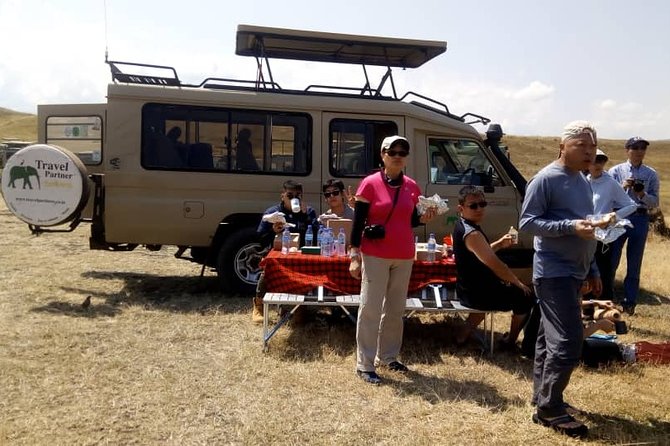
Northern Tanzania offers several famous parks, but they do different jobs. The Serengeti gives you space and drama. Ngorongoro gives you a concentrated wildlife experience in a remarkable volcanic crater. Tarangire adds elephants, varied plant life, and a less repetitive final day.
I like this route because it does not try to squeeze in every northern park. Lake Manyara is left out, allowing you to spend two nights in the Serengeti instead of racing through several destinations. That matters. The Serengeti covers roughly 15,000 square kilometres, so one short game drive cannot give you much sense of its scale.
You should still set realistic expectations. Wild animals do not follow a timetable, and no guide can promise a lion, leopard, cheetah, or rhino sighting. What this itinerary does well is place you in three strong wildlife areas and give your private guide room to respond to conditions on the ground.
More Ngorongoro Crater Safaris in Arusha:
- 5-Day Highlights mid-Range Crater, Serengeti, Tarangire
★ 5.0 · 296 reviews - Private 6-Day Tarangire Manyara Crater and Serengeti with Mid-Range Lodges
★ 5.0 · 238 reviews - 5 Days Camping Tarangire, Serengeti & Ngorongoro crater & Visiting Maasai
★ 5.0 · 229 reviews
Day 1: A soft landing at The Outpost Lodge in Arusha
The first day is based in Arusha at The Outpost Lodge, a family-run boutique hotel in a leafy residential area. It is described as a peaceful place with a swimming pool, restaurant, and warm service. The lodge is about an hour from Kilimanjaro Airport and close to central Arusha.
For me, this is a sensible opening. After a long international flight, you want a shower, a meal, and a quiet night, not an immediate race toward the national parks. The pool gives you a way to reset, while the restaurant means you can eat on site rather than arrange another transfer into town.
Arusha is Tanzania’s main safari hub, so this overnight stop also gives you a practical base before the vehicle portion begins. The itinerary does not list sightseeing in Arusha, and I would not treat this as a city tour. Think of it as a recovery day that helps you begin the safari rested.
The accommodation details are not fully itemized, so I would ask about room type, meals, Wi-Fi, and whether airport transfers are included. Those questions matter when you are comparing the $2,333.77 price with other private safari packages.
Day 2: Leaving Arusha for the Serengeti
You leave Arusha in the morning and reach Heritage Camps and Lodges Luxury Tented Camp in the Serengeti during the afternoon. The long transfer is the price of reaching Tanzania’s most famous park by road, but the reward is that you get two nights there rather than a quick overnight stop.
The Serengeti name comes from the Maasai word for endless plains, and the name fits. The open country is one of the main reasons to choose this park. You are not simply looking for individual animals. You are watching how herds, predators, birds, and changing conditions fit together across a huge area.
The camp is described as being in the heart of the park, which puts you close to the action once you arrive. The listing calls it a luxury tented camp, but it does not provide room photographs, meal details, or a full list of facilities. I would confirm whether your package includes all meals, drinks, tent amenities, and any camp fees.
You may have time for an afternoon drive after arrival, but the supplied schedule only says you reach camp in the afternoon. Do not assume a full game drive on this day. Your main value comes from getting into the park and being ready for the full day that follows.
Day 3: The full Serengeti wildlife day
Day 3 is the heart of the trip. You spend the whole day exploring the Serengeti with a safari guide who can adjust the plan around your interests. That flexibility is especially useful in a private vehicle. If you care most about big cats, elephants, birds, or wide views of the plains, tell your guide clearly at the start.
The guide service is one of the strongest parts of the experience. The company has received praise for guides including Leonard, Fred, Thomas, and Jackson. Feedback highlights friendly service, wildlife explanations, local stories, and a willingness to shape the day around the group.
That last point is more important than it sounds. In a large shared vehicle, you may need to follow a fixed route or compromise on what you hope to see. Here, your guide can use local knowledge to decide where to spend more time, subject to park rules and animal movements.
The itinerary promises a sundowner after the drive, followed by a return to your accommodation. The exact location and timing are not given, so ask whether this is included in the quoted price and what refreshments are supplied.
You should expect a long day. Game drives can be tiring, especially when roads are rough or you spend extended periods waiting for animals to appear. The reward is the chance to see behavior rather than simply collect a checklist. A pride of lions resting, a herd moving across open ground, or smaller predator-prey activity can make a slow hour worthwhile.
The Serengeti is famous for the Big Five, but the itinerary does not guarantee sightings. I would judge the day by the overall quality of the time in the park, not by whether every animal appears on schedule.
More Safaris in Arusha:
- 3 Day Serengeti National Park & Ngorongoro Crater Camping Safari
★ 5.0 · 142 reviews - 5 Days Tanzania Group Joining Safari, Tarangire/Serengeti/Ngorongoro Crater
★ 5.0 · 85 reviews - 5 day safari Tarangire Serengeti and Ngorongoro crater
★ 5.0 · 83 reviews - 3 Days Small Group Safari to Serengeti NP and Ngorongoro Crater Tour in Tanzania
★ 5.0 · 77 reviews
Day 4: Six hours inside Ngorongoro Crater
The Ngorongoro Crater is a striking change from the open Serengeti. The crater is the collapsed remains of a huge shield volcano that erupted about two million years ago. It is roughly 21 kilometres wide and holds water, grass, and wildlife within its steep sides.
The schedule allows about six hours at the crater, with admission included. That is a useful amount of time for a concentrated wildlife drive, though the day may also involve travel between the Serengeti and Ngorongoro area. The exact overnight accommodation is not named, so confirm where you sleep after the crater visit.
Ngorongoro is best understood as a compact wildlife bowl. Water and vegetation support animals throughout the year, and the area is known for lion, hyena, jackal, cheetah, and occasional leopard sightings. The crater is also one of the places where you may have a chance of seeing the rare black rhino population, described here as numbering more than 50 individuals.
That possibility is a major reason to include Ngorongoro, but it is not a promise. Rhinos can be distant, partly hidden, or absent from the areas you visit. Bring patience and a camera with a useful zoom rather than expecting a close encounter.
I also like the contrast in scenery. After the broad Serengeti, the crater feels enclosed and dramatic. The volcanic soil supports thick plant growth, while the crater walls frame the views. You get a different kind of safari here, one based on density and variety rather than endless space.
The six-hour limit also keeps the day manageable. You will not spend an entire day in the vehicle, but you should expect a busy schedule. If your main goal is a long, quiet wildlife observation, the Serengeti day gives you more freedom.
Day 5: Elephants and varied country in Tarangire
The final stop is Tarangire National Park, with about eight hours set aside for exploration. This is a strong choice for the last day because it offers a different setting from both Serengeti and Ngorongoro.
Tarangire is known as Tanzania’s Home of the Elephants. Its mix of terrain, trees, and plant types supports large herbivores such as elephant, buffalo, eland, gemsbok, zebra, and wildebeest. Those animals in turn attract lions, leopards, cheetahs, caracals, servals, and jackals.
I like Tarangire because it can feel less predictable than a simple grassland route. The scenery changes, and animals may appear around a bend rather than far out on a flat plain. The park also gives you another chance to see elephants after the Serengeti and crater portions of the trip.
Eight hours is a substantial park day, so this is not just a quick stop on the way back to Arusha. Still, the itinerary does not state your exact departure or return time. Ask where the day ends and whether airport or hotel drop-off is included if you are flying out afterward.
The main concern is fatigue. By Day 5, you may have already spent long hours on rough roads and early starts. If you prefer an easier final day, ask whether the Tarangire schedule can be shortened. In a private trip, that may be possible, but it should be agreed in advance.
What the $2,333.77 price means
At $2,333.77 per person, this is not a budget safari. The private format, named lodge and tented camp, three major parks, and guide service help explain the cost. A private vehicle also gives you control over the day, which can be worth paying for if wildlife is your main reason for coming to Tanzania.
The value depends heavily on what the price includes. The information clearly lists admission at Ngorongoro, while the other park stops are marked without an admission charge in the schedule. That does not tell you enough to calculate the full package value.
Before booking, ask for a written list covering:
- Accommodation for all four nights
- Park fees and conservation charges
- Meals and drinking water
- Vehicle and fuel
- Airport or hotel transfers
- Guide services
- The sundowner
- Any optional cultural activities
- Tips and personal expenses
The group discount may improve the price for two or more people, but the amount is not stated. Since this is a private activity, larger groups should also ask how many people fit in the vehicle and whether the price changes by party size.
The company has received a 100 percent recommendation rate from 46 submitted ratings, and the written praise focuses heavily on organization, friendly guides, good accommodation choices, and smooth planning. I would treat that as encouraging, while still checking the package details in writing.
Who should book this safari?
I would recommend this trip to a first-time safari visitor who wants the main northern Tanzania highlights without committing to a week or more. You get the famous Serengeti, the rare-rhino possibility at Ngorongoro, and elephant country in Tarangire.
It is also a good fit for couples. One written account describes an anniversary trip built around the Serengeti and close wildlife encounters, while other accounts praise the company’s ability to arrange special itineraries. The quiet first night and private group format suit a celebration better than a crowded shared departure.
Families and small groups may also appreciate the private setup, especially if members have different animal interests. You can tell the guide what matters most instead of following an anonymous group schedule.
I would hesitate if you dislike long road transfers or want a slow, lodge-based holiday. This itinerary moves through several major areas in five days. You will spend meaningful time in the parks, but you will also spend time getting between them.
Practical advice before you book
Confirm the exact route and overnight location for Day 4. The crater visit is clear, but the accommodation after Ngorongoro is not named.
Ask how the private vehicle works. The itinerary says only your group participates, but it does not state the maximum group size or vehicle type.
Tell the company your wildlife priorities before arrival. The guide can respond to those interests more effectively if you explain them early.
Allow for long days. The Serengeti and Tarangire schedules are full park days, and the road portion from Arusha to Serengeti takes up much of Day 2.
You receive booking confirmation at the time of reservation. Service animals are allowed, the activity is near public transportation, and most people can participate. Free cancellation is available up to 24 hours before the start time, but changes or cancellations inside that window are not accepted.
Should you book it?
I would book this safari if you want a private, wildlife-first introduction to northern Tanzania and you value the Serengeti enough to spend two nights there. The route has a good rhythm: recover in Arusha, reach the Serengeti, spend a full day with the animals, then finish with Ngorongoro and Tarangire.
I would not book it without first confirming every inclusion in the $2,333.77 price. Once the lodging, park fees, meals, transfers, and vehicle arrangements are clear, this looks like a strong short safari for couples, families, and small groups who want variety without adding Lake Manyara or extending the trip.
FAQ
How long is the safari?
The experience lasts approximately five days.
Where does the safari begin?
The safari begins in Arusha, Tanzania, with the first day based at The Outpost Lodge.
How many nights are spent in the Serengeti?
The itinerary provides two nights in the Serengeti, beginning with arrival at Heritage Camps and Lodges Luxury Tented Camp on Day 2.
Is this a private tour?
Yes. Only your group participates in the activity.
Which national parks are visited?
The route includes Serengeti National Park, Ngorongoro Crater, and Tarangire National Park.
Is admission to Ngorongoro Crater included?
Yes. The itinerary specifically lists admission to Ngorongoro Crater as included.
Can I cancel for a full refund?
Yes, if you cancel at least 24 hours before the experience start time. Cancellations or changes made less than 24 hours before the start time are not accepted for a refund.
More 5-Day Experiences in Arusha
- 5days Tanzania Safari lodge and camping Serengeti, Tarangire & Ngorongoro Crater
★ 5.0 · 31 reviews - 5-Day Ngorongoro Crater and Lake Manyara Safari from Arusha
★ 5.0 · 28 reviews - Elephant Special Serengeti & Ngorongoro Crater 5 Days / 4 Nights
★ 5.0 · 21 reviews - 5days Tarangire,Serengeti,ngorongoro Crater and Lake Manyara National park
★ 5.0 · 11 reviews
Just added around Arusha
- 3 Days Safari to Tarangire NP, Ngorongoro Crater and Lake Manyara NP★ 5.0 · 2 reviews
- 4 Days Tanzania Safari Tarangire, Serengeti and Ngorongoro Crater★ 4.5 · 16 reviews
- Manyara and Ngorongoro Crater★ 5.0 · 3 reviews
- Small Group Serengeti and Ngorongoro Crater Adventure Safari★ 5.0 · 7 reviews
- Tanzania Safari 10 Days- Serengeti, Lake Manyara, Ngorongoro Crater.★ 5.0 · 4 reviews
- 3Days luxury safari to Tarangire Ngorongoro crater and Manyara★ 5.0 · 16 reviews
- 03 days Serengeti and Ngorongoro Crater group (camping)★ 5.0 · 75 reviews
- Elephant Special Serengeti & Ngorongoro Crater 5 Days / 4 Nights★ 5.0 · 21 reviews
Ngorongoro Crater Safaris, compared.
5-Day Highlights mid-Range Crater, Serengeti, Tarangire
Our review of it →
Private 6-Day Tarangire Manyara Crater and Serengeti with Mid-Range Lodges
Our review of it →
5 Days Camping Tarangire, Serengeti & Ngorongoro crater & Visiting Maasai
Our review of it →
4 Days Join Group tour Tarangire Serengeti and Ngorongoro crater
Our review of it →3 Day Serengeti National Park & Ngorongoro Crater Camping Safari
Our review of it →
5 Days Tanzania Group Joining Safari, Tarangire/Serengeti/Ngorongoro Crater
Our review of it →
5 day safari Tarangire Serengeti and Ngorongoro crater
Our review of it →Browse the lists this tour appears in