
REVIEW · ARUSHA
4 Days Tarangire Serengeti Ngorongoro Crater
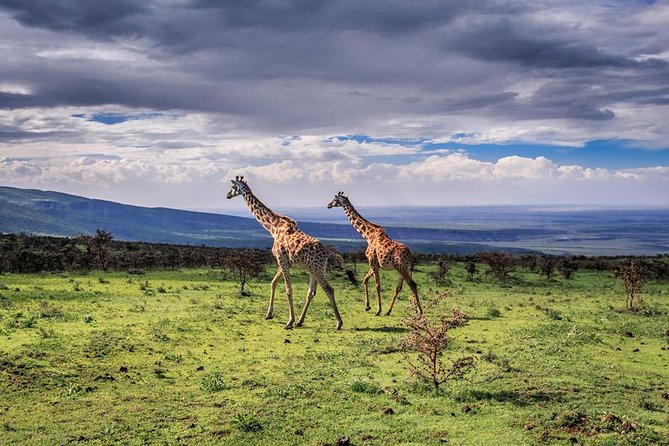
Three parks, four days, one big wildlife gamble. This compact Tanzania safari gives you three famous northern parks without stretching your trip into a week. I like the chance to see elephants in Tarangire and the broad wildlife country of Serengeti, and I like that park fees, meals, transport, and bottled water are built into the $900 price. The main drawback is the pace: long drives and early starts leave little time for rest.
The small group limit of seven should make the safari jeep more manageable than a large shared departure. I also like the human touch reported from the trip, with driver David and chef Richard helping create a friendly camp routine. Just remember that this is a camping safari, not a lodge holiday, and the Serengeti transfer on day two is a serious road day.
Key points to know before booking
- Three major parks in four days: Tarangire, Serengeti, and Ngorongoro Crater fit into one short northern Tanzania program.
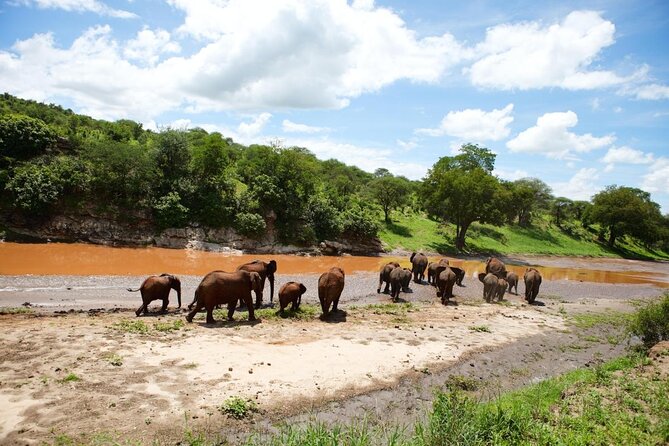
- Elephant country on day one: Tarangire may produce herds of 10 to 20 elephants, with larger groups possible.
- A sunrise start in Serengeti: Day three begins around 6 a.m., when cooler air and soft light can make game viewing rewarding.
- Ngorongoro is the final wildlife card: The crater floor has permanent water, so animals may remain there throughout the year.
- A maximum of seven people: The smaller group size should help with space and shared game-viewing time.
- Strong reported satisfaction: The experience carries a 4.9 rating from 117 ratings, with 97 percent recommending it.
What $900 buys you in northern Tanzania
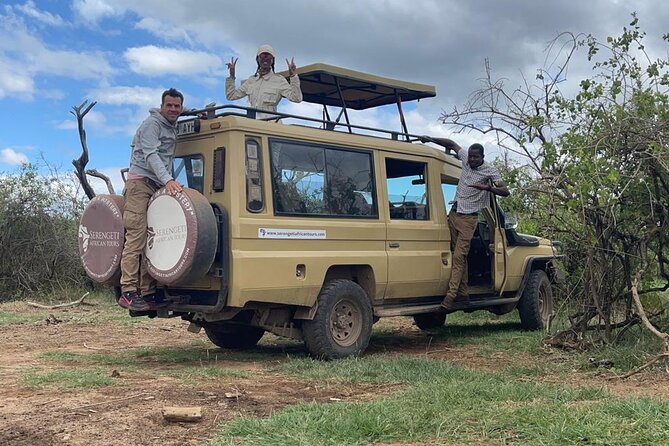
At $900 per person, this safari offers solid value if you want the main northern circuit parks in a short window. Your price includes transport, park fees, all meals, mineral water, and the listed breakfasts, lunches, and three dinners. Visas and tips are extra, so keep those outside your main budget.
Park fees matter here. Tanzania’s national parks and conservation areas can be expensive on their own, and this route enters three high-demand wildlife areas. Including those charges removes a major surprise from the final bill.
The meals also help the price make sense. You receive four breakfasts and four lunches, plus three dinners, which covers the full program from pickup in Arusha through the return journey. Richard, the named chef connected with one praised departure, was specifically associated with making the group feel at home. That detail matters on a camping trip, where a warm meal and a friendly camp rhythm can shape the whole mood.
You should still read the price in context. This is a shared safari with a maximum of seven people, not a private vehicle and not a luxury lodge itinerary. If you want private scheduling, upgraded rooms, or slow mornings, this is probably not the right fit. If your priority is seeing major wildlife areas while keeping costs under control, the package is much easier to justify.
More Ngorongoro Crater Safaris in Arusha:
- 5-Day Highlights mid-Range Crater, Serengeti, Tarangire
★ 5.0 · 296 reviews - Private 6-Day Tarangire Manyara Crater and Serengeti with Mid-Range Lodges
★ 5.0 · 238 reviews - 5 Days Camping Tarangire, Serengeti & Ngorongoro crater & Visiting Maasai
★ 5.0 · 229 reviews
Day one: elephants and baobabs in Tarangire
The safari begins after breakfast with pickup from your hotel in Arusha. You then drive directly toward Tarangire National Park with a picnic lunch, followed by a game drive that can last into the late afternoon.
Tarangire is a strong opening act because it often gives you wildlife quickly. The park is especially known here for elephant viewing. You may see groups of 10 to 20, and sometimes herds of 30 or more. That can be a powerful first afternoon, especially if this is your first safari in Tanzania.
Do not keep your eyes fixed only on the road. The guidance for this route specifically encourages you to scan the treetops for leopard. A sighting is never promised, but looking upward can reward you with more than the obvious animals near the water or track.
You might also see buffalo, impala, zebras, warthogs, giraffes, and other common park wildlife. The appeal is variety rather than one guaranteed animal. Tarangire can give you large mammals, birdlife, and changing views in a single drive.
The practical catch is the length of the day. You leave Arusha after breakfast, drive to the park, eat a picnic lunch, spend hours on a game drive, and then continue to the campsite for dinner and sleep. That is a full first day, so bring warm layers, sun protection, and patience for time on rough roads.
Day two: the long road to Serengeti
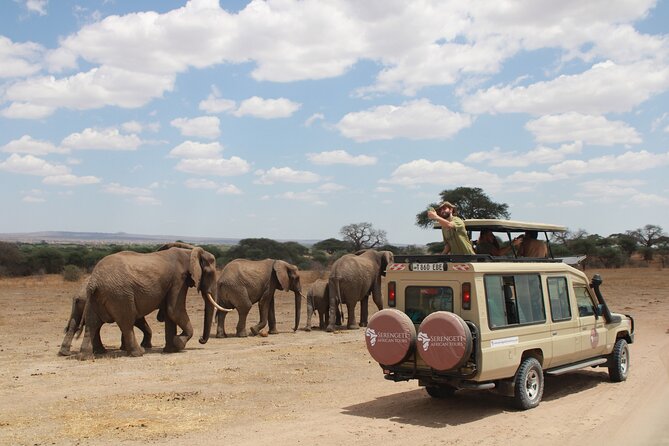
After an early breakfast, you pack the camping gear into the safari jeep and leave for Serengeti. The route passes through the Manyara area and along the Rift Valley escarpments before reaching the national park.
This is the day when the map looks better than the clock. The route is listed at about six hours, and the real value comes from arriving in Serengeti rather than from a relaxed sightseeing schedule along the way. You should expect much of the day to be spent in transit.
There is an optional Maasai village visit on the way. Since it is optional, ask before departure whether it fits your group’s timing and what it includes. That helps you avoid treating it as a guaranteed part of the main safari schedule.
You reach Serengeti toward evening and continue with a game drive toward the Seronera campsite. This timing has an advantage: the drive into camp can also become your first look at Serengeti wildlife. It also has a tradeoff, since your time in the park is partly tied to reaching camp before dinner.
The Serengeti is the emotional centerpiece for many people, but this four-day plan gives you only a compressed taste. You do not have several unhurried days to wait for a particular species or migration sighting. Instead, you get an evening arrival and a focused morning game drive the next day.
Day three: a 6 a.m. Serengeti game drive
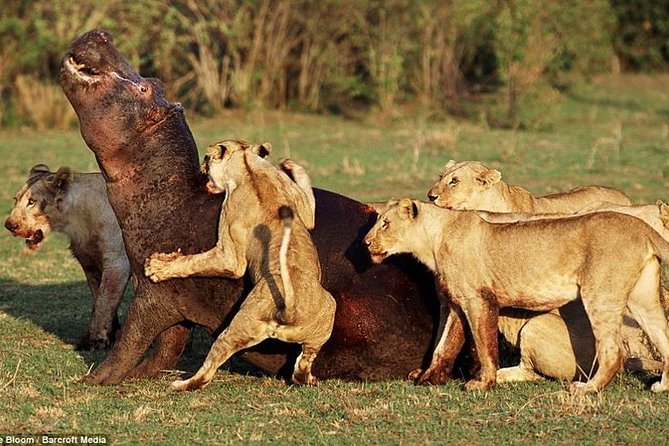
Day three starts around 6 a.m., after a hot cup of coffee. You leave camp for morning game viewing in the heart of Serengeti and watch the sun come up while the air is still cool.
This early start is one of the best choices in the program. Morning light can make the open country look completely different from the previous evening, and animals may be active before the heat builds. The cold is not a small detail, so pack warm clothing even if Arusha felt hot.
The schedule keeps you in the park until around midday. You then return to camp for a full breakfast and lunch, described as a combined brunch, before leaving for the Ngorongoro Conservation Area.
There is a clear compromise here. You get a valuable early game drive, but you do not spend the whole day in Serengeti. If your dream is a slow, multi-day search for big cats, this itinerary may feel too brief. If you want a strong introduction to the park and also want to see Ngorongoro, the balance is sensible for a four-day trip.
The afternoon transfer leads to Simba Campsite near Ngorongoro, with dinner and overnight there. By this point, the trip has involved several long road sections, so the campsite stop is less about luxury and more about placing you close to the next morning’s crater visit.
A few more volcano trips around Arusha worth a look
- 4 Days Join Group tour Tarangire Serengeti and Ngorongoro crater
★ 5.0 · 219 reviews - 4 Day Ngorongoro Crater Tarangire and Serengeti National Park
★ 5.0 · 44 reviews - 4 Days lodge safari Tarangire , Ngorongoro crater & Walking
★ 5.0 · 39 reviews - 4 Day Great Migration Safari Serengeti & Ngorongoro Crater
★ 5.0 · 33 reviews
Day four: down into Ngorongoro Crater
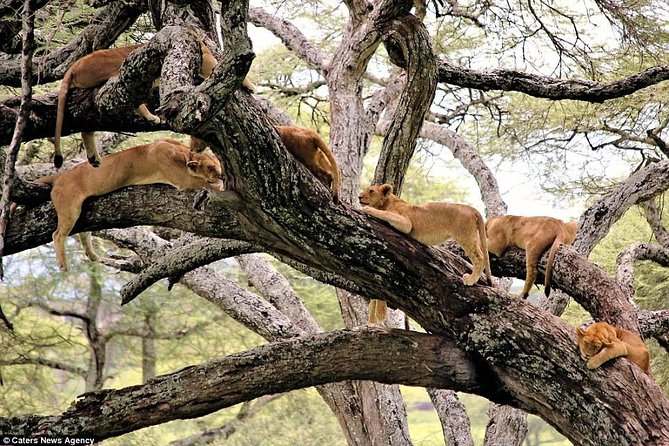
After breakfast, you make a short drive to the descent gate and then drive down to the crater floor, about 650 meters below the rim. The plan is a half-day crater game drive before ascending to the rim for lunch and returning to Arusha.
Ngorongoro works well as the final stop because it offers a concentrated wildlife setting. The crater has water throughout the year, and many animals choose to remain there, though they are free to leave or enter. That permanent water supply gives you a reasonable chance of seeing animals even when conditions elsewhere are less predictable.
Rhinoceros are possible, but luck matters. The right attitude is to treat a rhino sighting as a bonus, not a promise. You may also see the crater’s resident animals during the game drive, though the exact species and number will change from one day to the next.
The half-day format keeps the final day practical. You have enough time for a meaningful crater visit, lunch at the rim campsite, and the drive back to Arusha. It does not give you a full day in the conservation area, so you should book this safari for breadth rather than maximum time at each site.
Camping, meals, and the people who shape the trip
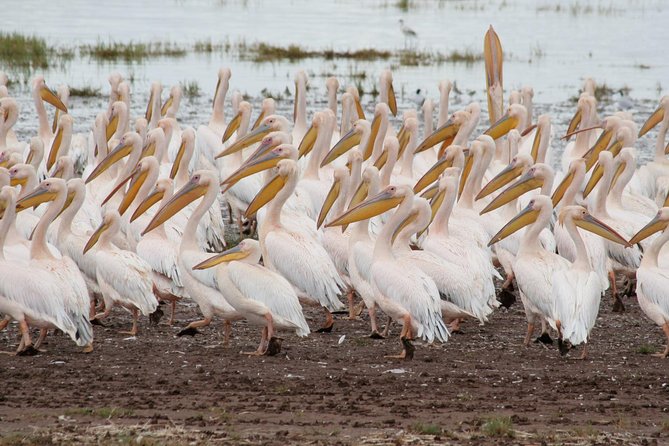
Camping changes the feel of this safari. You are not simply being driven between hotel rooms. You eat at camp, sleep at camp, pack the gear into the jeep, and follow a daily routine shaped by park gates, daylight, and road conditions.
That can be part of the appeal. It keeps you close to the practical side of safari travel and usually costs less than a lodge-based route. It also means you should be comfortable with early mornings, simple camp routines, and long periods in a vehicle.
The most warmly praised personal detail attached to the experience involves David, the driver, and Richard, the chef. Their work was described as complicated but welcoming, with the group feeling at home. That is exactly what you want from a short shared safari: a driver who helps you make the most of sightings and a cook who keeps everyone well fed.
The operator does not promise that either person will lead every departure, so treat those names as useful context rather than a guarantee. Still, they show how important the team is. Park access gets you to Tanzania’s wildlife, but the guide and camp crew shape how smoothly the days unfold.
Group size, comfort, and the pace of the roads
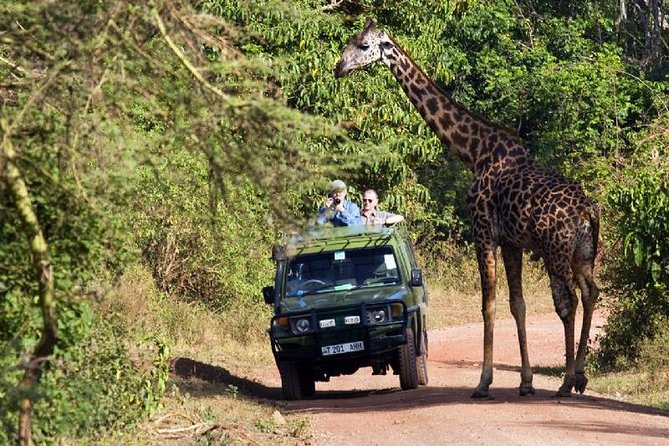
The maximum group size is seven. That is a useful limit for a shared jeep because every person needs room to see, take photographs, and hear the guide. It should also feel more personal than a large coach-style outing.
The tradeoff is that you share decisions and space. If one person wants to linger at a sighting while another wants to reach camp, the group needs to work together. This is normal for a shared safari, but it is worth knowing before you book.
The day lengths are listed at roughly six hours on the first three days and five hours on the last day. Those figures do not mean five or six hours of nonstop game viewing. They include transfers, park movement, meals, and time at camp, so your actual wildlife viewing will be divided across the route.
Pickup and return are in Arusha. The experience begins there after breakfast and ends back at the meeting point. You should plan your surrounding accommodation and flights with enough margin, since a safari returning from the crater still involves a road journey.
Confirmation arrives when you book, and pickup is offered. The tour is near public transportation, and the operator says most people can participate. Those are helpful basics, but the supplied information does not provide detailed mobility guidance, so ask directly if you have specific physical needs.
Who will get the most from this four-day safari?
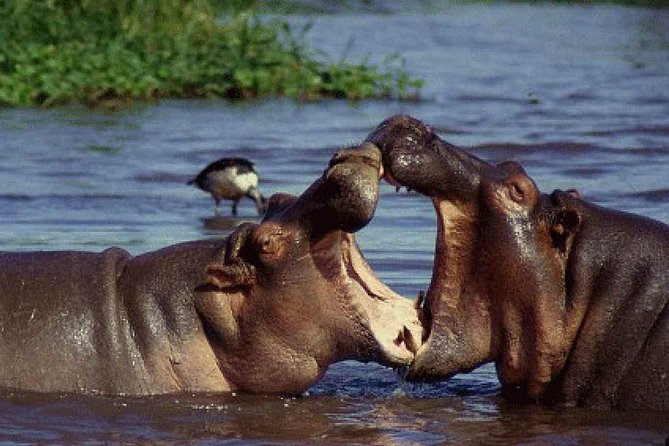
I would recommend this route to you if Tanzania is part of a larger trip and you have only four days for a safari. It gives you Tarangire, Serengeti, and Ngorongoro in one efficient circuit, rather than asking you to choose only one park.
It also suits people who care more about wildlife access than polished accommodation. The included meals, water, transport, and park fees keep the package straightforward, while the camping format helps control the cost.
Families, couples, and solo participants could all find the group setup workable, provided they are happy sharing a jeep and following a fixed route. The maximum of seven is a useful middle ground between a private safari and a large group.
I would hesitate if you dislike early mornings, rough road transfers, or changing camps. I would also hesitate if your main goal is a slow Serengeti stay. This itinerary gives you a strong sample of several parks, but it cannot provide long, patient wildlife searches in each one.
Booking, cancellation, and the small print
The experience is often booked well ahead, with an average booking time of 141 days. That does not guarantee every date will sell out, but it suggests you should plan early if your Tanzania dates are fixed.
Free cancellation is available if you cancel at least 24 hours before the local start time. Cancellations or changes made inside that 24-hour window are not accepted for a refund. Tips and visas are not included, so budget for both separately.
A 4.9 rating from 117 ratings and a 97 percent recommendation rate give the tour a strong record. The most useful praise is not just the score, but the emphasis on the warmth of the driver and chef team. On a compact camping safari, good people can make a demanding schedule feel far easier.
Should you book this safari?
Book it if you want maximum park variety in minimum time, and if $900 fits your budget for a shared camping trip. Tarangire offers the best early chance for elephants, Serengeti gives you a sunrise game drive, and Ngorongoro closes the route with a half-day crater visit.
Skip it if you want private pacing, lodge comfort, or several full days in Serengeti. The long transfers are real, and the schedule asks you to trade rest for range.
For the right person, this is a practical first safari: three major destinations, meals and park fees included, a group capped at seven, and a route that begins and ends in Arusha. Just pack warm clothes for the 6 a.m. start, keep your expectations flexible, and remember that the best sightings are never on a timetable.
FAQ
Where does the safari start?
The safari starts in Arusha, Tanzania, with pickup offered from your hotel.
Where does the safari end?
The experience ends back at the meeting point in Arusha.
How long does the safari last?
The safari lasts approximately four days.
Which national parks and conservation areas are included?
The route includes Tarangire National Park, Serengeti National Park, and the Ngorongoro Conservation Area, including Ngorongoro Crater.
How much does the safari cost?
The listed price is $900 per person.
What is included in the price?
Transport, all park fees, all meals, mineral water, four breakfasts, four lunches, and three dinners are included.
Are tips and visas included?
No. Tips and visas are not included in the price.
How many people can join the group?
The activity has a maximum of seven participants.
Is a Maasai village visit included?
A Maasai village visit is offered as an optional stop on the way to Serengeti.
What is the cancellation policy?
You can cancel at least 24 hours before the local start time for a full refund. Cancellations or changes made less than 24 hours before the start time are not accepted for a refund.
Just added around Arusha
- 3 Days Safari to Tarangire NP, Ngorongoro Crater and Lake Manyara NP★ 5.0 · 2 reviews
- 4 Days Tanzania Safari Tarangire, Serengeti and Ngorongoro Crater★ 4.5 · 16 reviews
- Manyara and Ngorongoro Crater★ 5.0 · 3 reviews
- Small Group Serengeti and Ngorongoro Crater Adventure Safari★ 5.0 · 7 reviews
- Tanzania Safari 10 Days- Serengeti, Lake Manyara, Ngorongoro Crater.★ 5.0 · 4 reviews
- 3Days luxury safari to Tarangire Ngorongoro crater and Manyara★ 5.0 · 16 reviews
- 03 days Serengeti and Ngorongoro Crater group (camping)★ 5.0 · 75 reviews
- Elephant Special Serengeti & Ngorongoro Crater 5 Days / 4 Nights★ 5.0 · 21 reviews
Ngorongoro Crater Safaris, compared.
5-Day Highlights mid-Range Crater, Serengeti, Tarangire
Our review of it →
Private 6-Day Tarangire Manyara Crater and Serengeti with Mid-Range Lodges
Our review of it →
5 Days Camping Tarangire, Serengeti & Ngorongoro crater & Visiting Maasai
Our review of it →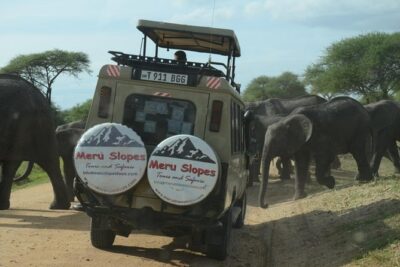
4 Days Join Group tour Tarangire Serengeti and Ngorongoro crater
Our review of it →3 Day Serengeti National Park & Ngorongoro Crater Camping Safari
Our review of it →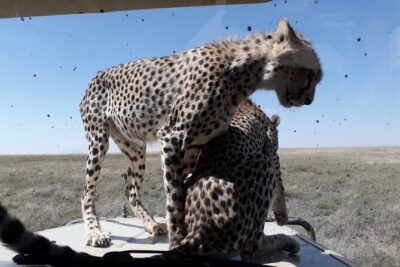
5 Days Tanzania Group Joining Safari, Tarangire/Serengeti/Ngorongoro Crater
Our review of it →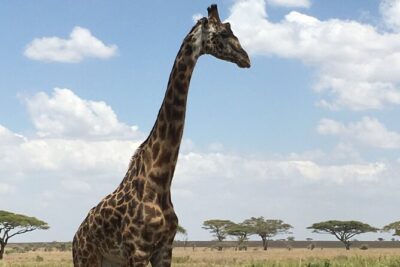
5 day safari Tarangire Serengeti and Ngorongoro crater
Our review of it →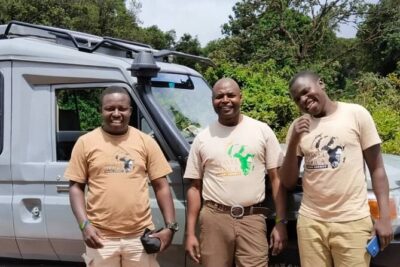
3 Days Small Group Safari to Serengeti NP and Ngorongoro Crater Tour in Tanzania
Our review of it →Browse the lists this tour appears in