
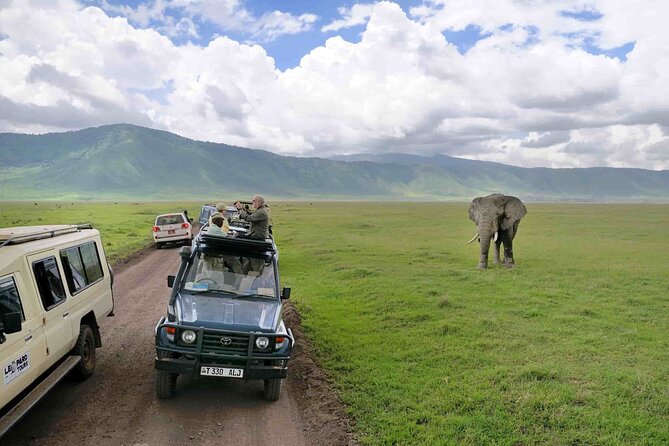
REVIEW · ARUSHA
4 Days – Lake Manyara, Serengeti and Ngorongoro Crater
Wild Africa arrives quickly here. This four-day safari links Lake Manyara, the Serengeti, and Ngorongoro Crater in a compact route from Arusha, giving you forest, open plains, and a volcanic crater in one trip. I like the strong mix of wildlife settings, and I like that meals and round-trip airport transfers are included. The main drawback is the pace: long driving days leave little room for rest, and the schedule lists both an 8:30 AM hotel pickup and a 6:00 AM start time, so you should confirm the exact departure before booking.
The tour allows a maximum of 15 people, with group discounts available. I also like the personal touch reported by one couple, who singled out guide Dibson for arranging a personalized safari and for being attentive throughout the trip. The price is $1,000 per person, which can be fair for four days of park access, guiding, meals, accommodation, and transport, but you should ask exactly what lodging and park fees are covered before paying.
Key points at a glance
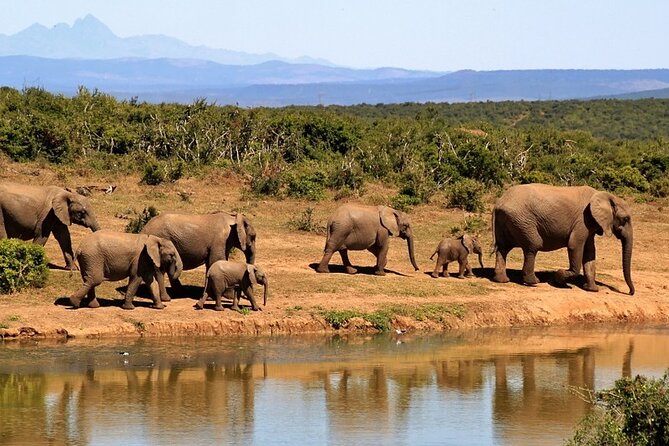
- Lake Manyara begins with forest wildlife: Expect acacia and mahogany trees, baboons, blue monkeys, giraffes, buffaloes, and impalas.
- Central Serengeti gives you the classic plains: The Seronera area is known for its river and wide mix of animal life.
- Ngorongoro Crater is the grand finale: An early descent puts you on the crater floor for about five hours of game viewing.
- The route is full but efficient: You cover three major destinations in four days, though Days 1 through 3 are each about 10 hours.
- Meals are built into the package: Breakfast, lunch, and dinner are listed for all four days.
- Small-group travel has a practical limit: The maximum group size is 15, so ask how many people are expected on your departure.
Why this route works in just four days
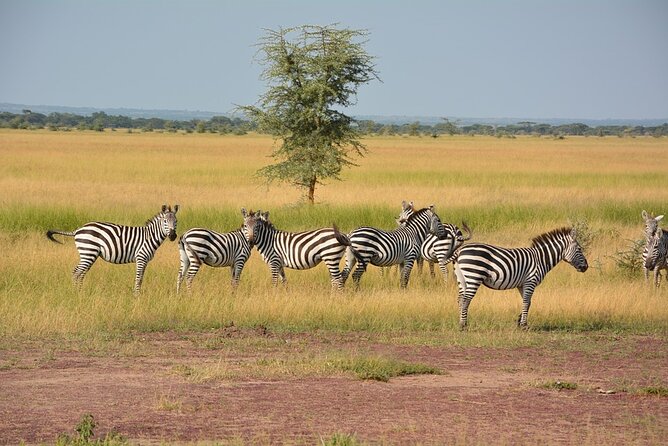
This itinerary is designed for people who want Tanzania’s most famous sights without committing to a week-long safari. From Arusha, you first reach Lake Manyara, then travel through the Ngorongoro Conservation Area to central Serengeti, return toward Ngorongoro, and finish with a crater drive before heading back.
That route gives you three very different settings. Lake Manyara offers wooded country and a lake shoreline. Serengeti gives you the open plains and the Seronera River. Ngorongoro brings concentrated wildlife viewing inside a huge volcanic caldera.
The trade-off is road time. The first three days are listed at roughly 10 hours each, and the final day lasts about six hours. You will spend a good part of the trip moving between parks, not only watching animals. I would choose this plan for a first safari when time matters more than a slow, luxurious pace.
More Ngorongoro Crater Safaris in Arusha:
- 5-Day Highlights mid-Range Crater, Serengeti, Tarangire
★ 5.0 · 296 reviews - Private 6-Day Tarangire Manyara Crater and Serengeti with Mid-Range Lodges
★ 5.0 · 238 reviews - 5 Days Camping Tarangire, Serengeti & Ngorongoro crater & Visiting Maasai
★ 5.0 · 229 reviews
Day 1: Forests, monkeys, and Lake Manyara
The first day begins in Arusha, with pickup listed at 8:30 AM in the itinerary. The general meeting information gives a 6:00 AM start, so confirm which time applies to your hotel and departure date. The drive to Lake Manyara National Park is followed by a full-day game drive and a picnic lunch.
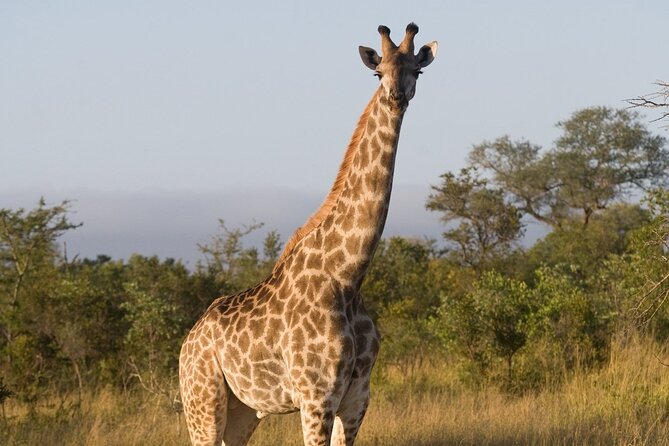
Lake Manyara has a different feel from the Serengeti. Instead of immediately opening into wide grass plains, the park leads you through forests of acacia and mahogany. That setting gives you a good chance to see animals that suit wooded country, including baboons, blue monkeys, giraffes, buffaloes, and impalas.
The famous tree-climbing lions are another reason people include Manyara. Seeing one is not guaranteed, and the itinerary is right to describe it as a matter of luck. Keep your eyes up as well as ahead, since the attraction is not only what appears beside the road.
In the right season, the shoreline may turn pink with flamingos. This is a seasonal sight, not a promise for every departure, but it adds another reason to keep Lake Manyara on the route. The day continues until evening, followed by dinner at your camp or lodge.
The practical issue is timing. A 10-hour day with a picnic lunch means you should expect a full schedule and limited idle time. If you prefer long breaks, leisurely meals, or a late start, this safari may feel rushed. If you want to use every daylight hour for wildlife, the pace makes sense.
Day 2: From Karatu to the central Serengeti
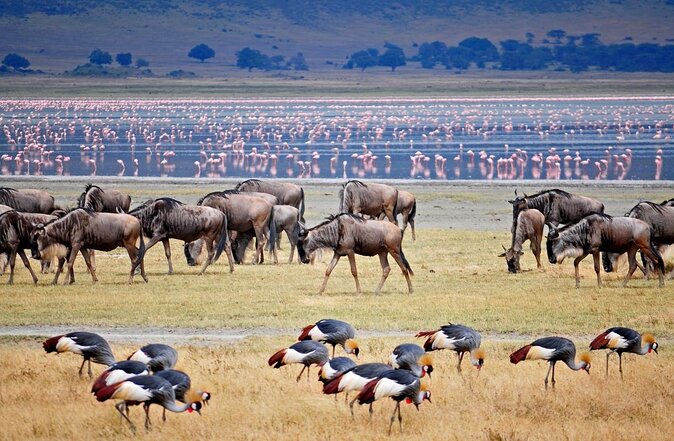
After breakfast, you leave the Lake Manyara area and travel through the high farmland around Karatu and the Ngorongoro Conservation Area. This is not simply a transfer between two parks. The route helps you see how quickly Tanzania changes from cultivated highland country to open wilderness.
You then descend toward the Serengeti. The first sight of the plains is part of the appeal. The country stretches toward the horizon, and the scale is difficult to grasp until you are there. It is a very different visual experience from Manyara’s tree cover.
The destination is the central Serengeti, especially the Seronera area. The Seronera River provides a water source, which helps attract a broad selection of wildlife. You arrive around lunchtime, then continue with an afternoon game drive.
That timing gives you a useful first look at the Serengeti without spending the entire day on the road. Still, the drive from the highlands to central Serengeti is substantial, so do not think of Day 2 as a short transfer followed by a relaxed afternoon.
Central Serengeti is a sensible choice for a short safari because it offers access to a broad mix of species in one part of the park. The itinerary does not promise a particular animal sighting, and no safari can do that. You may see a great range of wildlife, but conditions, season, and luck always matter.
Day 3: A final Serengeti drive and the crater ahead
Day 3 begins with a morning game drive in the Serengeti. This is valuable because it gives you another chance to see wildlife before leaving the plains. Morning viewing also breaks up the journey toward Ngorongoro Conservation Area, rather than sending you directly from one overnight stop to the next.
A picnic lunch is provided for the day’s travel. You then head toward Ngorongoro, where the setting changes again. The crater is a collapsed volcanic caldera with a floor spread across roughly 260 square kilometers and walls more than 2,000 feet deep.
The description of about 30,000 animals on the crater floor helps explain why Ngorongoro is so popular. Watering holes support wildlife inside a naturally enclosed area, and you may find elephants, buffaloes, hippos, hyenas, cheetahs, lions, and black rhinos there.
That concentration is one of Ngorongoro’s great strengths. You do not need to cover the immense distances associated with the Serengeti to reach a new wildlife zone. The limitation is that the crater can feel busier and more confined than the broad Serengeti plains, especially for anyone seeking a very quiet sense of wilderness.
Dinner and overnight accommodation follow the day’s drive. Since the itinerary calls this another roughly 10-hour day, I would treat the evening as recovery time rather than plan extra activities.
A few more volcano trips around Arusha worth a look
- 4 Days Join Group tour Tarangire Serengeti and Ngorongoro crater
★ 5.0 · 219 reviews - 4 Days Tarangire Serengeti Ngorongoro Crater
★ 5.0 · 117 reviews - 4 Day Ngorongoro Crater Tarangire and Serengeti National Park
★ 5.0 · 44 reviews - 4 Days lodge safari Tarangire , Ngorongoro crater & Walking
★ 5.0 · 39 reviews
Day 4: An early descent into Ngorongoro Crater
The final day starts early, with breakfast followed by a descent into the crater at around 6:30 AM. This early start is practical. It gives you several hours on the crater floor before the day becomes more advanced, and it leaves time for the drive back toward Arusha after the game viewing.
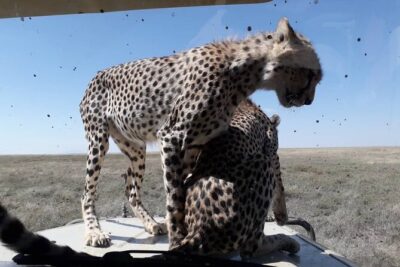
The planned crater drive lasts about five hours. You will spend that time looking for the wildlife associated with Ngorongoro, including African elephants, buffaloes, black rhinos, hippos, hyenas, cheetahs, and lions. The crater is especially well suited to a final safari day because the setting is compact and visually dramatic.
A picnic lunch is planned at the Hippo Pool. Afterward, you climb toward the crater exit. The ascent is described as steep, so the last section is a clear change from the floor’s relatively enclosed circuit.
The itinerary text ends abruptly after describing the crater exit, so the exact arrival time in Arusha is not provided. Do not schedule an important evening flight or fixed appointment without confirming the return timing with Safari Journal Tanzania.
Wildlife expectations: what you may and may not see
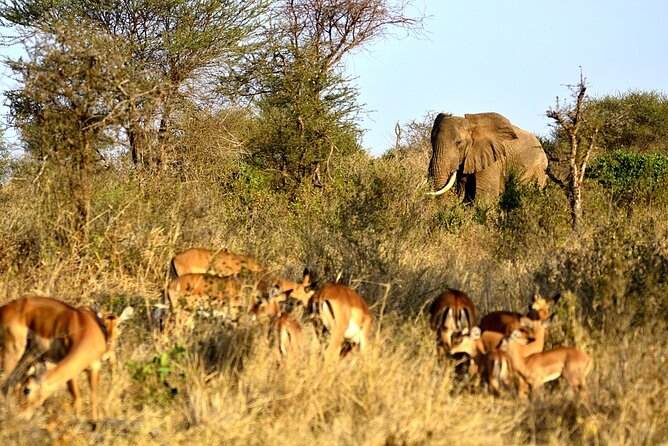
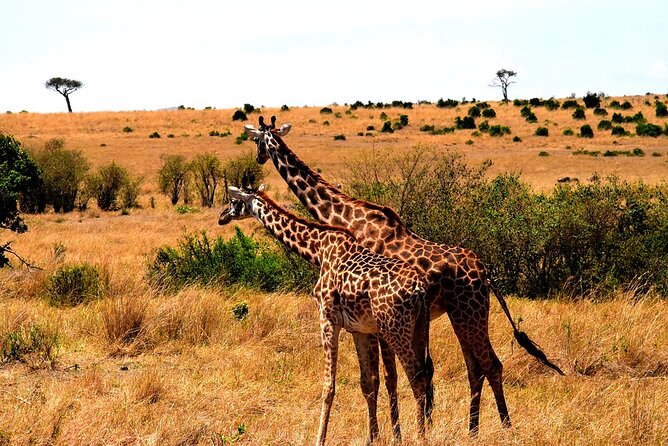
The route is built around strong wildlife areas, but it is important to keep expectations sensible. The itinerary names buffaloes, giraffes, impalas, baboons, blue monkeys, lions, elephants, hippos, hyenas, cheetahs, and black rhinos. It also mentions the possibility of seeing all of the Big Five across the parks.
That is an attractive possibility, not a guarantee. Tree-climbing lions at Lake Manyara are specifically described as difficult to predict, and the same basic rule applies to every animal sighting. Your guide’s skill, the season, weather, and simple luck all affect the day.
The three parks help spread your chances. Manyara gives you forest and shoreline habitats. Serengeti gives you the wide plains and the Seronera River. Ngorongoro offers a compact wildlife area with watering holes. That variety is more useful than visiting one park repeatedly when you have only four days.
Meals, lodging, and what the $1,000 price means
The package lists four breakfasts, four lunches, and four dinners. Lunch is described as a picnic on the game-drive days, while dinner awaits you at camp or lodge accommodation. This arrangement saves you from organizing meals during long park days.
The listed price is $1,000 per person. Its value depends heavily on the accommodation standard, park fees, vehicle arrangements, and the number of people sharing transport. The supplied information confirms meals, round-trip airport transfer, pickup, and a maximum group size of 15, but it does not spell out the lodging category or every park charge.
I would ask these questions before booking:
- What type of camp or lodge is used each night?
- Are national park and conservation area fees included in the quoted price?
- How many people will share the vehicle?
- Does the airport transfer apply to both arrival and departure?
- Which pickup time applies, 6:00 AM or 8:30 AM?
Group discounts may improve the value if you are booking with others. A maximum of 15 people is not the same as a private safari, so ask for the expected group size if space and flexibility matter to you.
The guide can shape the whole trip
A safari guide does more than drive between animals. The guide helps you interpret what you see, manage the long transfers, and decide how much time to spend at each sighting. One couple specifically praised Dibson for providing a personalized safari and for being professional and attentive.
That detail is worth taking seriously, though you should confirm who will guide your departure. The information does not promise that Dibson leads every tour. If you value a private feel, ask whether personalized routing is possible within the group format.
The maximum group size of 15 offers some structure without guaranteeing a quiet vehicle. If you want more control over stops, photography, and departure times, ask about a smaller group or private option. If you mainly want the major parks at a controlled price, a shared departure may suit you well.
Who should book this safari?
I would recommend this tour to a first-time safari visitor with four days available from Arusha. It covers three of Tanzania’s best-known wildlife destinations and includes meals, transfers, and guided game drives, so you do not need to assemble the route yourself.
It also suits anyone who wants variety. You get forest at Manyara, wide plains in Serengeti, and the enclosed volcanic setting of Ngorongoro. That range gives you a better sense of northern Tanzania than a single-park visit.
I would hesitate if you dislike early mornings, long road days, or changing accommodation every night. The schedule is active from the start, and the first three days are each listed at about 10 hours. You should also think twice if you need exact return times for a flight or another booking, since the final arrival time is not stated.
The tour includes a mobile ticket and confirmation at booking. Most people can participate, according to the supplied details, but personal needs should be discussed directly with the provider. Tips, visa costs, and personal expenses are not included.
Free cancellation is available when you cancel at least 24 hours before the experience start time. Changes or cancellations made within 24 hours are not accepted for a refund.
Should you book the four-day route?
Book it if you want a compact introduction to northern Tanzania and accept a busy schedule. The route gives you three major settings, full days of wildlife viewing, included meals, and a guide-led plan that removes much of the trip planning.
Before you commit, get written answers about the 6:00 AM versus 8:30 AM start, accommodation, park fees, group size, and final return time. If those details fit your needs, the $1,000 price can offer solid value for a first safari. If you want slower days or a private vehicle, spend more time comparing options before choosing this one.
FAQ
Where does the safari start and finish?
The tour starts and ends in Arusha, Tanzania.
How long is the safari?
The safari lasts approximately four days.
Which parks and conservation areas are included?
The route includes Lake Manyara National Park, Serengeti National Park, and the Ngorongoro Conservation Area, including Ngorongoro Crater.
What time does the tour start?
The meeting information gives a 6:00 AM start, while the Day 1 itinerary gives an 8:30 AM hotel pickup from Arusha. Confirm the exact pickup time with Safari Journal Tanzania.
Is hotel pickup available?
Yes. Pickup from your hotel in Arusha is offered, and round-trip airport transfer is listed as included.
How many people can join the tour?
The maximum group size is 15 people.
Are meals included?
Yes. The package lists four breakfasts, four lunches, and four dinners.
Is lunch served at a restaurant?
The itinerary describes picnic lunches during the game-drive days, including lunch at the Hippo Pool on the final day.
Are tips and visa costs included?
No. Tips, visa costs, and personal expenses are not included.
Can I cancel for a full refund?
Yes, if you cancel at least 24 hours before the experience start time. Cancellations or changes made less than 24 hours before the start are not accepted for a refund.
Just added around Arusha
- 3 Days Safari to Tarangire NP, Ngorongoro Crater and Lake Manyara NP★ 5.0 · 2 reviews
- Manyara and Ngorongoro Crater★ 5.0 · 3 reviews
- 4 Days Tanzania Safari Tarangire, Serengeti and Ngorongoro Crater★ 4.5 · 16 reviews
- Small Group Serengeti and Ngorongoro Crater Adventure Safari★ 5.0 · 7 reviews
- Tanzania Safari 10 Days- Serengeti, Lake Manyara, Ngorongoro Crater.★ 5.0 · 4 reviews
- 3Days luxury safari to Tarangire Ngorongoro crater and Manyara★ 5.0 · 16 reviews
- 03 days Serengeti and Ngorongoro Crater group (camping)★ 5.0 · 75 reviews
- Elephant Special Serengeti & Ngorongoro Crater 5 Days / 4 Nights★ 5.0 · 21 reviews
Ngorongoro Crater Safaris, compared.
5-Day Highlights mid-Range Crater, Serengeti, Tarangire
Our review of it →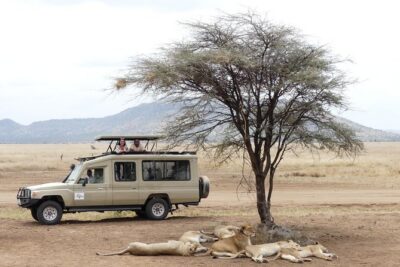
Private 6-Day Tarangire Manyara Crater and Serengeti with Mid-Range Lodges
Our review of it →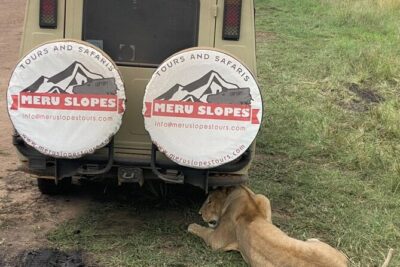
5 Days Camping Tarangire, Serengeti & Ngorongoro crater & Visiting Maasai
Our review of it →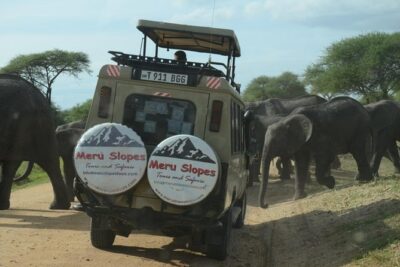
4 Days Join Group tour Tarangire Serengeti and Ngorongoro crater
Our review of it →3 Day Serengeti National Park & Ngorongoro Crater Camping Safari
Our review of it →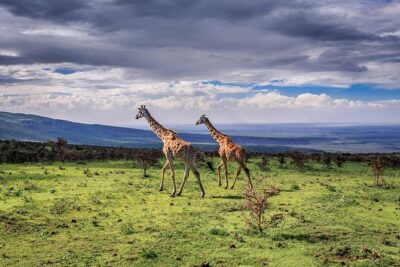
5 Days Tanzania Group Joining Safari, Tarangire/Serengeti/Ngorongoro Crater
Our review of it →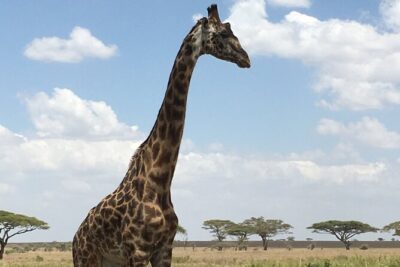
5 day safari Tarangire Serengeti and Ngorongoro crater
Our review of it →Browse the lists this tour appears in