
REVIEW · ARUSHA
4 Days Tarangire, Serengeti and Ngorongoro Crater Camping Safari
Wildlife arrives early in Tanzania. This four-day safari links Tarangire, Serengeti, and Ngorongoro Crater in one fast-moving route, giving you elephants, big cats, open plains, baobabs, and one of Africa’s finest wildlife settings. I like the small maximum group of four and the fact that airport transfers, park fees, meals, water, and a professional guide are included. The main tradeoff is the amount of time spent on the road, especially between Tarangire and Serengeti.
I also like the practical support built into the trip. Coordinator Noel has been praised for handling airport pickup, planning, and problems with care, while guides including Said and Elly have been singled out for strong service and wildlife guidance. At $1,100 per person, this is a serious amount of money, but it offers strong value if you want three major parks without arranging transport, permits, food, or camp logistics yourself.
Key points at a glance
- Three famous parks in four days: You visit Tarangire, Serengeti, and Ngorongoro Crater on one compact safari.
- A small group of four maximum: This should make it easier to see out of the vehicle and ask your guide questions.
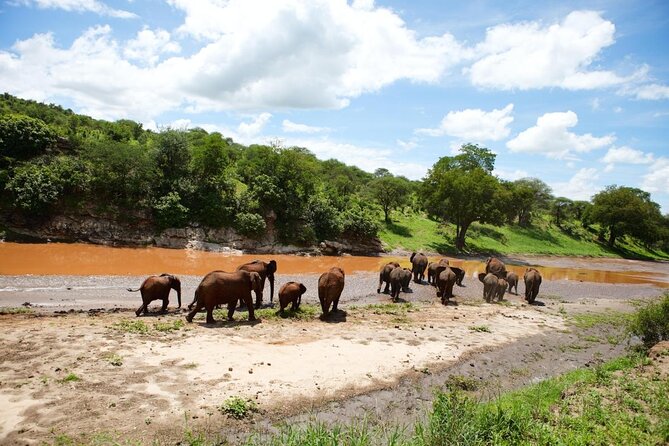
- Tarangire is the elephant specialist: Expect baobab trees, open country, and a park linked to seasonal movements of elephants, wildebeest, and zebras.
- Nearly two days in Serengeti: The route includes an afternoon and evening game drive, followed by an early sunrise drive.
- Ngorongoro offers a concentrated wildlife day: The crater floor is known for strong chances of seeing the Big Five.
- Much is included in the price: Airport transfers, park fees, transport, guide service, drinking water, and nine meals are covered.
Why this four-day route works
This safari is designed for people who want Tanzania’s headline sights without committing to a week or more in the bush. You get one full day in Tarangire, time in the Serengeti, and a six-hour game drive in Ngorongoro Crater.
The route also gives each park a different role. Tarangire supplies elephants and baobabs. Serengeti provides wide plains, major wildlife areas, and the possibility of seeing predators. Ngorongoro brings you into a compact crater setting where animals are often easier to locate.
The price includes four breakfasts, four lunches, and three dinners, along with drinking water on every day. Park fees are included, as are transport and the services of a professional driver and guide. That matters in Tanzania, where park access, long distances, and vehicle arrangements can make an independently planned safari complicated.
Still, this is not a leisurely trip. You cover long distances in a short time, and several days begin early. You should choose this route for variety and value, not for slow mornings at one camp.
More Ngorongoro Crater Safaris in Arusha:
- 5-Day Highlights mid-Range Crater, Serengeti, Tarangire
★ 5.0 · 296 reviews - Private 6-Day Tarangire Manyara Crater and Serengeti with Mid-Range Lodges
★ 5.0 · 238 reviews - 5 Days Camping Tarangire, Serengeti & Ngorongoro crater & Visiting Maasai
★ 5.0 · 229 reviews
Day 1: Tarangire’s elephants and baobabs
The morning begins with breakfast and departure, followed by a stop in Arusha Town for last-minute purchases. This is a useful detail, especially if you need snacks or forgotten personal items before entering the parks.
From Arusha, you continue to Tarangire National Park for a game drive and picnic lunch. The scheduled safari time is about six hours. Tarangire is especially known for its large elephant population and its striking baobab trees, which give the park a look unlike the open plains of the Serengeti.
The park forms part of a seasonal movement area involving up to 3,000 elephants, 25,000 wildebeest, and 30,000 zebras. Those figures describe the wider annual cycle rather than a guarantee that you will see every species in those numbers. Conditions, season, and animal movements will shape what appears beside the road.
I like the way Tarangire opens the trip. You begin with a park that has a clear identity, rather than treating it as a quick stop on the way to Serengeti. Elephants are the main attraction, but the baobabs add a strong sense of place and make even a quiet game drive memorable.
Lunch is a picnic inside the park, followed by dinner and overnight accommodation at Fig Big Tree Lodge. The description calls this a camping safari, but the supplied details do not explain the exact tent setup or room arrangements at the lodge. If accommodation style matters to you, ask the operator what kind of bed, bathroom, and tent or lodge room you will receive.
Day 2: The long road into Serengeti
Day two starts early after breakfast. The drive from the lodge to Naabi Gate is listed as roughly three to four and a half hours over about 238 kilometers. That is a substantial road segment, so you should be ready for a travel-heavy morning.
You stop for a picnic lunch at Naabi Picnic Site, then enter Serengeti for an afternoon and evening game drive. The timing is valuable because you still get meaningful time in the park after the long transfer, rather than arriving near sunset with no chance to explore.
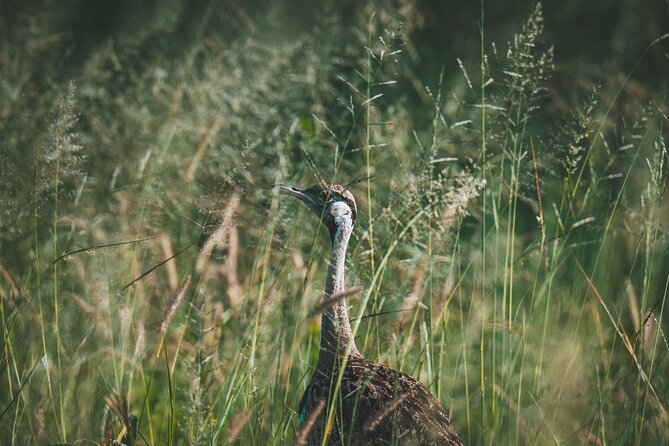
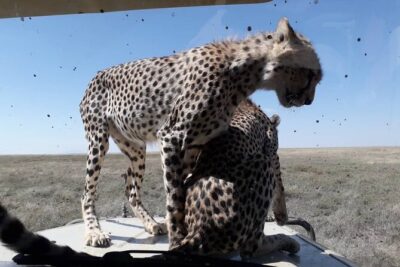
Serengeti is famous for the Great Wildebeest Migration, but the park is not only about migration season. You may also look for lions, leopards, elephants, buffalo, rhinos, hippos, Thomson’s gazelles, and kori bustards. Rocky kopjes provide another visual marker, rising from the plains and offering places where wildlife may gather.
The phrase Big Five refers to lion, leopard, elephant, buffalo, and rhino. Seeing all five is never guaranteed on a short safari, but the route visits areas where you have a genuine chance to look for them. One important advantage here is the second Serengeti outing on the following morning.
The scenery changes noticeably as you approach the park. Tarangire’s baobabs and thicker woodland give way to broader open country. You will spend much of this day seated in the safari vehicle, so comfortable clothing and patience matter more than stylish luggage.
Day 3: A sunrise drive before Ngorongoro
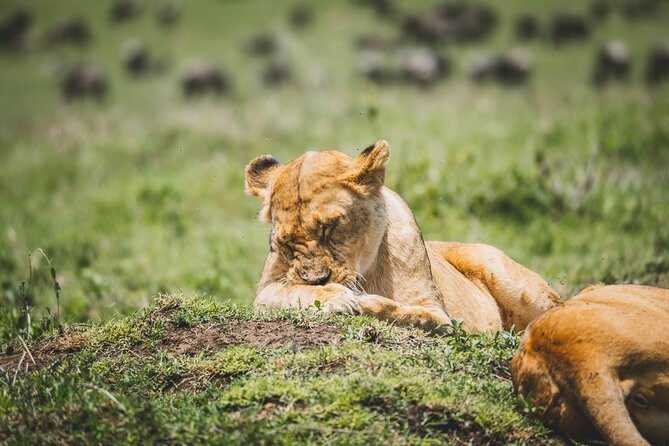
Day three begins with an early morning game drive in Serengeti. Sunrise is a sensible time for wildlife watching, and it gives you another opportunity to find animals before leaving the park.
After the morning drive and an early lunch, you travel toward Ngorongoro Crater. The guide is expected to explain the wildlife and natural scenery along the way, which can make the transfer more useful than simply treating it as dead time.
You spend the night on the crater rim. This is one of the most appealing parts of the schedule because it positions you for the next morning’s descent to the crater floor. The description does not identify the specific crater-rim accommodation, so ask for that detail before booking if comfort or views are important to you.
This day is a good example of the safari’s efficient design. You get one last Serengeti outing, then move closer to Ngorongoro instead of returning to a distant base. The drawback is that you do not receive a full second day in Serengeti. If your main goal is the migration or extended predator watching, a longer Serengeti stay would be better.
More Safaris in Arusha:
- 3 Day Serengeti National Park & Ngorongoro Crater Camping Safari
★ 5.0 · 142 reviews - 5 Days Tanzania Group Joining Safari, Tarangire/Serengeti/Ngorongoro Crater
★ 5.0 · 85 reviews - 5 day safari Tarangire Serengeti and Ngorongoro crater
★ 5.0 · 83 reviews - 3 Days Small Group Safari to Serengeti NP and Ngorongoro Crater Tour in Tanzania
★ 5.0 · 77 reviews
Day 4: Six hours inside Ngorongoro Crater
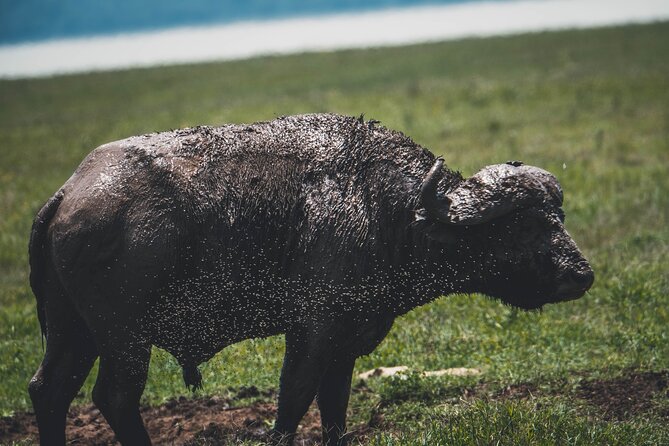
After breakfast, you descend to the crater floor for a game drive with a picnic lunch. The planned crater visit lasts about six hours before you begin the return journey to Arusha.
Ngorongoro is often described as a natural wildlife enclosure because its crater floor concentrates animals in a relatively compact area. It is especially known for Big Five sightings, although wildlife remains wild and sightings can never be promised. The setting itself is a major part of the appeal: you look across a broad enclosed basin with a different feel from Serengeti’s open plains.
A six-hour drive gives you time to search rather than simply pass through. You may find the crater more immediately rewarding than a larger park because the wildlife areas are concentrated, but the exact quality of the day depends on animal movements, weather, road conditions, and the skill of your guide.
The afternoon drive back to Arusha makes this a long final day. If you have an evening flight, confirm the timing carefully before booking. Airport drop-off is included, but the itinerary does not provide a guaranteed arrival hour.
What the $1,100 price really covers
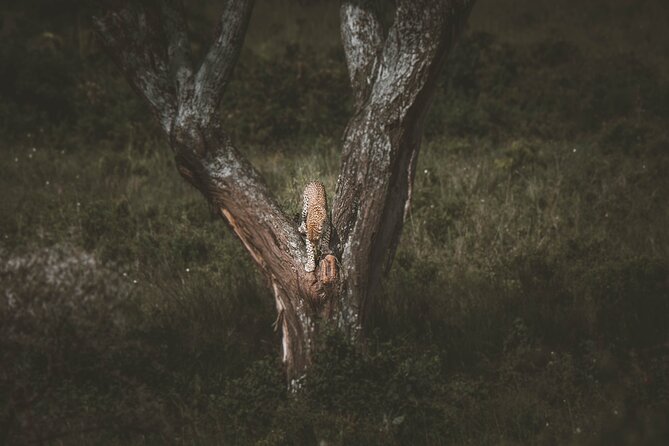
At $1,100 per person, this is positioned as a budget-conscious safari rather than a luxury lodge trip. The value comes from bundling several expensive and complicated pieces into one price:
- Airport pickup and drop-off
- All listed activities
- Transport throughout the safari
- A professional driver and guide
- Park fees
- Drinking water each day
- Four breakfasts
- Four lunches
- Three dinners
You are also paying for access to three of Tanzania’s most important wildlife areas in only four days. A private arrangement can cost more once you add vehicle hire, fuel, guide fees, park entry, meals, accommodation, and transfers.
The price does not include international flights, visas, travel insurance, or tips for the driver-guide and safari cook. Those extras should be part of your real budget. Gratuities are not listed as included, so plan for them separately if you feel the service deserves it.
The small group limit strengthens the value. With no more than four people, you should have more room than in a large shared vehicle, and it should be easier to communicate with the guide. The information does not confirm whether the vehicle is private to your booking, so ask if that distinction matters.
Guides, planning, and the human side
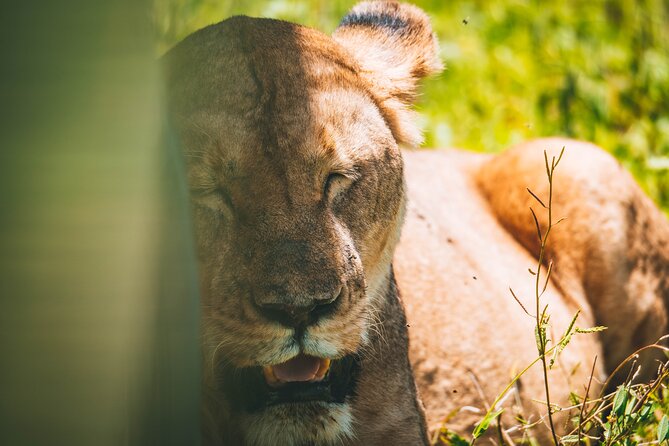
The strongest part of the service appears to be the planning and personal support. Noel is identified as the coordinator and has been praised for keeping people informed from airport pickup through airport drop-off. Gilbert has handled planning by email, while guides named Said and Elly have received specific praise for service, driving, and wildlife guidance.
That does not mean you will necessarily be assigned one particular guide. It does tell you what to ask for: the name of your guide, whether the vehicle is shared, who handles campsite or lodge arrangements, and how the team manages changes during the trip.
One useful detail from past experiences is that the operator has assisted with illness and adjusted plans when needed. You should still carry your own medication and travel insurance, since insurance is not included, but responsive support can matter a great deal on a physically demanding safari.
The tour allows service animals and is listed as suitable for most people. That is broad wording rather than a promise that every need will be met. Tell the operator about mobility, dietary, medical, or animal-related requirements before departure.
What to pack for this schedule
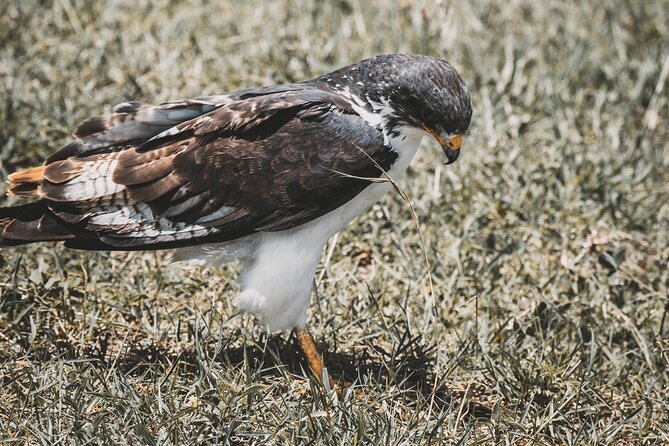
You do not need to overpack, but a few practical items will make the four days easier:
- Light layers for early morning and warmer afternoons
- A hat and sun protection
- Comfortable shoes
- Personal medication
- A small day bag for picnic stops
- Snacks for the long transfer toward Serengeti
- A camera or phone with enough storage
- Travel insurance documents
The operator provides drinking water, lunch, dinner, and breakfast, but the itinerary does not say that snacks are included. The stop in Arusha is your chance to buy small extras before the game drives begin.
Because some days include long drives, soft luggage is usually easier to manage than large hard cases. That is practical advice rather than a stated luggage rule, so confirm baggage limits directly with the operator.
Who should book this safari?
I would recommend this trip if you want a compact introduction to northern Tanzania and care more about seeing several major parks than spending extra nights in one place. It suits couples, friends, and small groups who appreciate included transport and meals.
It also works well for people who want a budget safari with professional support. The 4.9 rating from nine published ratings suggests a strong record, and the praise centers on organization, communication, helpful staff, and the overall wildlife experience.
I would be more cautious if you dislike long road transfers, need a relaxed daily pace, or want guaranteed luxury accommodation. The schedule is busy, the Serengeti transfer is long, and the accommodation details are limited. You should also consider adding more days if the Great Wildebeest Migration is your main reason for visiting Tanzania.
Should you book it?
Book this safari if you want the best-known northern Tanzania parks in one efficient four-day package, especially with a group of four or fewer. The included park fees, meals, water, transfers, and guide service make $1,100 per person a reasonable package price for a budget safari.
Before paying, confirm the exact accommodation, vehicle type, group arrangements, guide assignment, and expected return time to Arusha. If those details suit you, this trip offers a strong mix of elephants in Tarangire, open Serengeti wildlife country, and a concentrated Ngorongoro game drive. If you want more time and less driving, spend extra nights in Serengeti instead.
FAQ
Where does the safari start?
The safari starts from Arusha, Tanzania, with a listed start time of 7:00 am. Airport pickup is included.
How many people can join the safari?
The tour has a maximum group size of four people.
Which parks does the safari visit?
The route visits Tarangire National Park, Serengeti National Park, and Ngorongoro Crater.
How long is the Ngorongoro Crater game drive?
The Ngorongoro Crater game drive is planned for about six hours on day four.
Are meals included?
Yes. The price includes four breakfasts, four lunches, and three dinners.
Is drinking water provided?
Yes. Drinking water is included on all days of the safari.
Can I cancel for a full refund?
Yes, if you cancel at least 24 hours before the experience start time. Cancellations made less than 24 hours before the start time are not refunded, and changes within that period are not accepted.
More 4-Day Experiences in Arusha
- 4 Days Join Group tour Tarangire Serengeti and Ngorongoro crater
★ 5.0 · 219 reviews - 4 Days Tarangire Serengeti Ngorongoro Crater
★ 5.0 · 117 reviews - 4 Day Ngorongoro Crater Tarangire and Serengeti National Park
★ 5.0 · 44 reviews - 4 Days lodge safari Tarangire , Ngorongoro crater & Walking
★ 5.0 · 39 reviews
Just added around Arusha
- 3 Days Safari to Tarangire NP, Ngorongoro Crater and Lake Manyara NP★ 5.0 · 2 reviews
- 4 Days Tanzania Safari Tarangire, Serengeti and Ngorongoro Crater★ 4.5 · 16 reviews
- Manyara and Ngorongoro Crater★ 5.0 · 3 reviews
- Small Group Serengeti and Ngorongoro Crater Adventure Safari★ 5.0 · 7 reviews
- Tanzania Safari 10 Days- Serengeti, Lake Manyara, Ngorongoro Crater.★ 5.0 · 4 reviews
- 3Days luxury safari to Tarangire Ngorongoro crater and Manyara★ 5.0 · 16 reviews
- Elephant Special Serengeti & Ngorongoro Crater 5 Days / 4 Nights★ 5.0 · 21 reviews
- 03 days Serengeti and Ngorongoro Crater group (camping)★ 5.0 · 75 reviews
Ngorongoro Crater Safaris, compared.
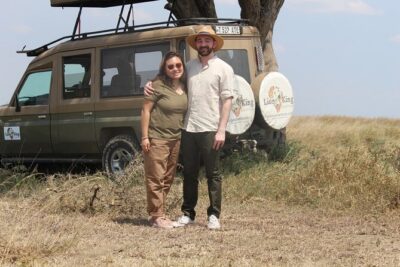
5-Day Highlights mid-Range Crater, Serengeti, Tarangire
Our review of it →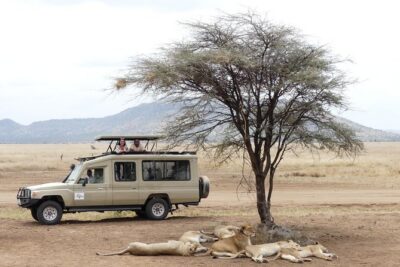
Private 6-Day Tarangire Manyara Crater and Serengeti with Mid-Range Lodges
Our review of it →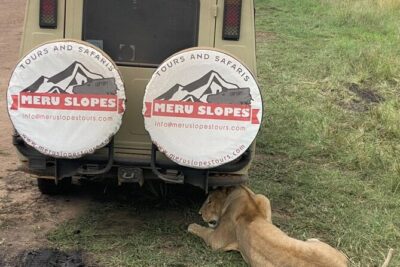
5 Days Camping Tarangire, Serengeti & Ngorongoro crater & Visiting Maasai
Our review of it →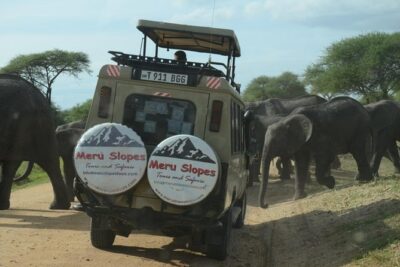
4 Days Join Group tour Tarangire Serengeti and Ngorongoro crater
Our review of it →3 Day Serengeti National Park & Ngorongoro Crater Camping Safari
Our review of it →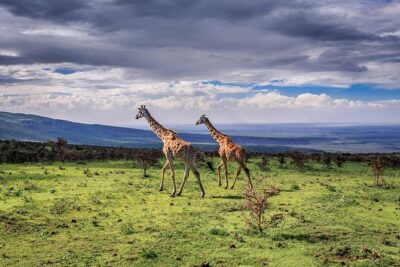
5 Days Tanzania Group Joining Safari, Tarangire/Serengeti/Ngorongoro Crater
Our review of it →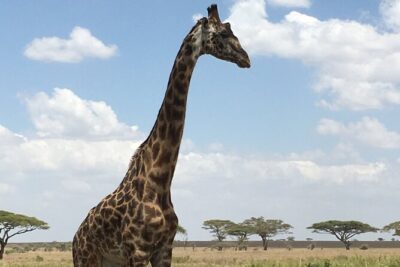
5 day safari Tarangire Serengeti and Ngorongoro crater
Our review of it →Browse the lists this tour appears in