REVIEW · ARUSHA
3 Days Safari Ngorongoro Crater and Serengeti National Park
Wildlife comes quickly in northern Tanzania. This three-day safari links Serengeti National Park with Ngorongoro Crater, using game drives, camping, and a small group of no more than six people. I like the efficient route and the chance to see very different habitats in one short trip. I also like that meals, pickup, and a mobile ticket are included.
The main drawback is the amount of driving. Arusha to southern Serengeti takes about six hours and 335 kilometers, then the return journey and crater visit make this a busy schedule. The supplied details also give two different start times, 8 a.m. for pickup and 3 p.m. as the start time, so confirm the exact departure with Kilipath African Safaris before you set your alarm.
Key points at a glance
- Two famous parks in three days: You visit the open plains of Serengeti and the wildlife-filled Ngorongoro Crater.
- Small group format: The vehicle is limited to a maximum of six people, which matters when you are sharing wildlife sightings and picnic stops.
- Camping-based adventure: The trip is presented as a camping safari, with past departures using tents for both nights.
- Strong guide and office support: Names praised in past trips include Felix, Heaven Light, Lucky, Bulldozer, Christian, and Simon.
- Meals are included: The package lists three lunches, two breakfasts, and two dinners.
- Best for a short first safari: You see a great deal in little time, but the schedule is too rushed for visitors wanting long, quiet stays in one park.
What this three-day safari is really like

This is a compact northern Tanzania safari built for people who want the headline sights without committing to a week in the bush. From Arusha, you head toward Serengeti, spend time around the southern and central areas, then visit Ngorongoro Conservation Area before returning.
The route packs in famous names, but it also demands patience. Much of your time is spent in a safari vehicle, and the first transfer alone is listed at roughly six hours. That is not a flaw in itself. Tanzania is large, and the long drive is part of reaching the parks. Still, you should choose this trip for access to major wildlife areas, not for a leisurely pace.
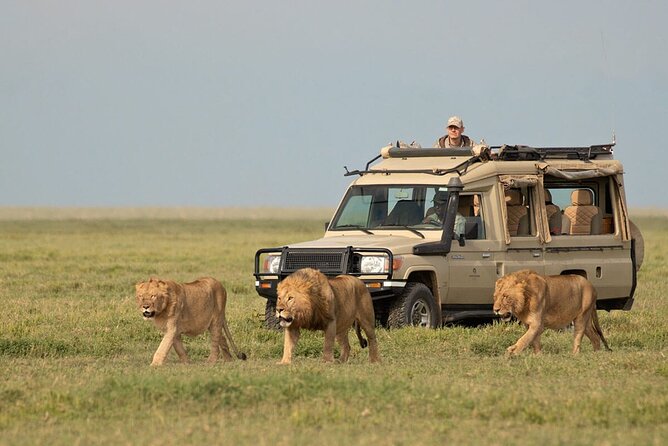
The group limit of six is a real advantage. A full vehicle can make photography awkward, especially when several people want the same side of the car. With fewer passengers, you should have a better chance of finding a useful seat and sharing the guide’s attention.
The experience is operated by Kilipath African Safaris. Communication is one of its most praised features. Past customers describe quick WhatsApp replies, help with planning, and reliable support before departure. That is useful in Tanzania, where small changes to pickup plans or accommodation can matter.
More Volcano National Parks in Arusha
- 3 Day Serengeti National Park & Ngorongoro Crater Camping Safari
★ 5.0 · 142 reviews - 4 Day Ngorongoro Crater Tarangire and Serengeti National Park
★ 5.0 · 44 reviews - 3 Days Safari to Serengeti National Park & Ngorongoro Crater in Tanzania
★ 5.0 · 34 reviews
Day one: the long road into southern Serengeti
Breakfast is scheduled for 7 a.m., followed by pickup at 8 a.m. for the drive toward southern Serengeti. The route enters through the Ngorongoro gate and takes around six hours over 335 kilometers, though actual timing can vary with road conditions, park formalities, and stops.
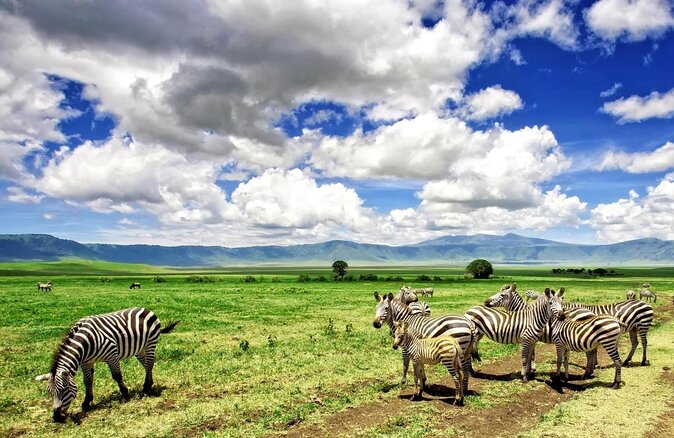
The first game drive covers the southern, central, and Seronera Valley areas. This gives you a broad introduction to Serengeti rather than confining you to one small section. The southern plains are especially associated with grazing animals, including wildebeest, zebra, Coke’s hartebeest, waterbuck, Grant’s gazelle, Thomson’s gazelle, and impala.
The name Serengeti comes from the Maasai word Serengit, meaning the land of endless plains. That description is not just poetic. The open grasslands can feel almost impossibly wide, with animals often appearing as small moving marks against the horizon.
The day is listed as roughly seven hours of activity, but you should think of that as a full day that includes driving and wildlife viewing. The schedule also mentions a visit to a hippo habitat. Hippos are best appreciated from a safe viewing point, where you can watch their heavy bodies in the water and listen for the deep grunts that carry across the pool.
The main weakness of day one is that you may reach the park tired. A six-hour transfer followed by a game drive leaves little room for a slow start. The reward is that you are quickly among the plains, rather than spending your first full day only on roads near Arusha.
Day two: Moru Kopjes, elephants, and Seronera country
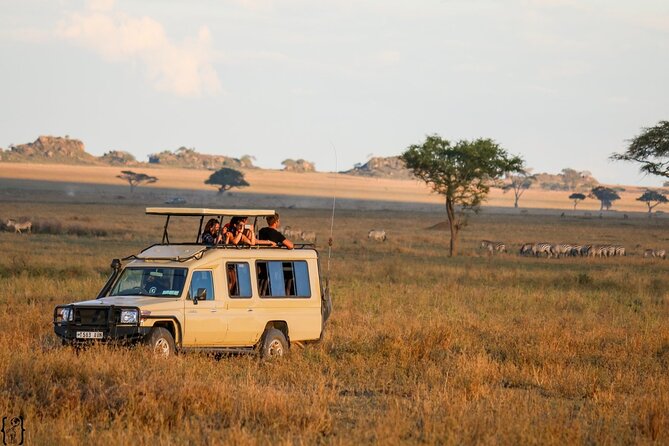
The second day continues in Serengeti, with around six hours listed for wildlife viewing. The focus shifts toward the central region, including Moru Kopjes and the Seronera area.
Moru Kopjes are large granite rock formations rising from the grasslands. They add shape to an otherwise open scene and can serve as lookout points for predators. The rocks also support different plants from the surrounding plains, including candelabra trees and seasonal flowers.
Elephants are found across parts of the Serengeti, and the route description highlights matriarchal herds. Seeing elephants in open country gives you a useful sense of their scale, especially when a herd moves past a low rock outcrop or crosses the grass in single file.
The central Serengeti also includes rock sites connected with Maasai cave paintings, showing elephants, shields, and abstract patterns. The material provided does not promise a specific guided cultural visit, so treat this as a feature of the area rather than a guaranteed stop. Ask your guide what can actually be visited on your departure.
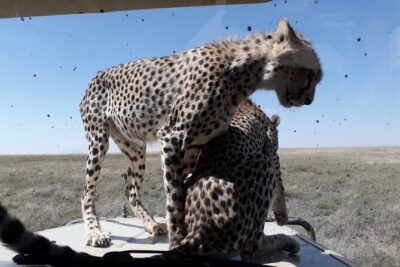
The area is also linked with rare black rhino sightings. Wildlife is never guaranteed, but the chance of seeing rhino adds weight to this route. The same is true of predators using the kopjes as lookout points. Open rock gives lions and other hunters a useful view over grazing animals below.
The schedule is not entirely clear about where you sleep on the second night. The experience is described as a camping trip, and past arrangements have included tents on both nights, but accommodation is not clearly itemized in the inclusions. Confirm the campsite, tent type, bedding, and washing facilities before paying. That is especially important if you are comparing this trip with a lodge-based safari.
Day three: descending into Ngorongoro Crater
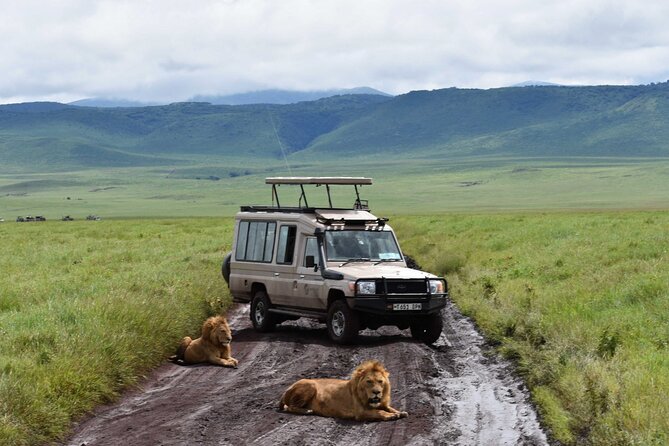
The final day is devoted to Ngorongoro Conservation Area, with about six hours listed. The crater is one of Tanzania’s most concentrated wildlife settings, and it often becomes the visual highlight of a short safari.
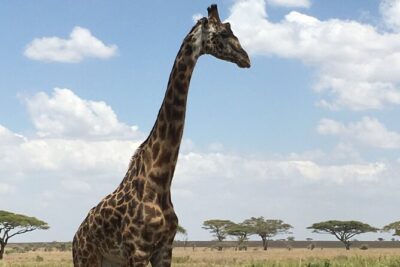
The crater floor contains grassland, water, and sheltering areas that support many animals. The route description lists wildebeest, gazelle, golden jackal, bat-eared fox, hippo, African wild dog, leopard, buffalo, eland, and other hoofed animals. It also notes that giraffe, oribi, topi, spotted hyena, cheetah, and impala are rarely seen there.
That last point is worth taking seriously. A short safari should not be sold to you as a guarantee of every famous animal. Ngorongoro can offer remarkable sightings, including several of the Big Five in one day, but wildlife moves freely and conditions change.
The crater is also connected with Maasai families who live in circular homesteads called bomas. The wider conservation area has cultural and archaeological importance, including sites tied to the work of Mary and Louis Leakey and the study of early human evolution. The exact cultural or archaeological access included in this trip is not specified, so ask before assuming you will visit a boma or excavation site.
After the crater visit, you return toward Arusha. This makes day three both rewarding and tiring. You get a final major wildlife area, but you also face another long transfer at the end of an already busy trip.
More Volcano National Parks in Tanzania
- 3days Serengeti National park and Ngorongoro Crater Tanzania Safari
★ 5.0 · 21 reviews - 3 Days Lake Manyara, Ngorogoro Crater, Tarangire National Park
★ 5.0 · 21 reviews - 2 Days Joined Group Tarangire and Ngorongoro Crater National Park
★ 4.5 · 17 reviews - 5days Tarangire,Serengeti,ngorongoro Crater and Lake Manyara National park
★ 5.0 · 11 reviews
What you might see, and what you should not expect
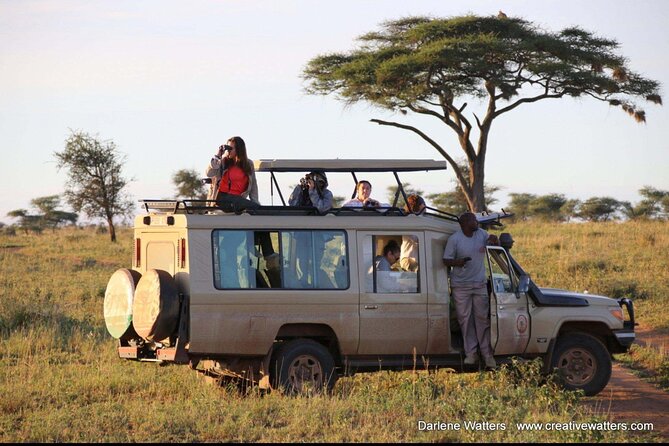
The Big Five are a major reason people choose this route. Past customers have reported seeing all five, as well as zebra and wildebeest during migration periods. Those sightings are possible, not promised.
The southern Serengeti can be especially appealing when grazing herds are in the area. Seasonal movement is important, and conditions can vary sharply. One past departure in October found the Serengeti dry, with less dramatic grass and fewer obvious sightings than expected, while Ngorongoro felt more rewarding.
That does not make October a bad choice. Dry conditions can open views across the plains and change where animals gather. It does mean you should ask about current conditions rather than relying on a general promise of abundant wildlife.
The guide makes a major difference. Names associated with strong past departures include Felix, Bulldozer, Christian, and Simon. Felix is praised for making people feel comfortable, while Bulldozer is described as a confident driver who knew the parks well. Christian and Simon were also singled out for their clear explanations and friendly manner.
You cannot assume you will receive one of these particular guides. Still, the pattern is encouraging: the guide role appears to be one of the stronger parts of the operation. Ask how guides are assigned if their wildlife knowledge and communication style matter to you.
Camping, food, and daily comfort
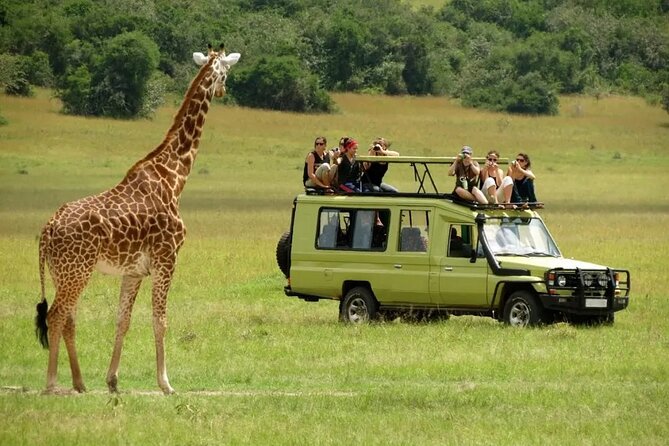
The trip is aimed at basic camping rather than luxury. Past arrangements have used tents for both nights, and the lower-cost setup appealed to people looking for an affordable way into Serengeti and Ngorongoro.
Camping gives you a closer connection to the setting, but it also means fewer comforts than a lodge. The package details do not specify tent size, mattresses, toilets, showers, or whether the campsite is public or private. Get those answers in writing.
Food receives unusually warm praise. The package includes:
- Three lunches
- Two breakfasts
- Two dinners
Past meals included picnic lunches, and the safari cook was praised for preparing some of the best food of the trip. That matters more than it might sound. After several hours on rough roads, a decent meal can improve the whole afternoon.
You should still tell the operator about dietary needs when booking. The supplied information confirms that meals are included, but it does not spell out special-diet arrangements.
Is $810 a fair price?
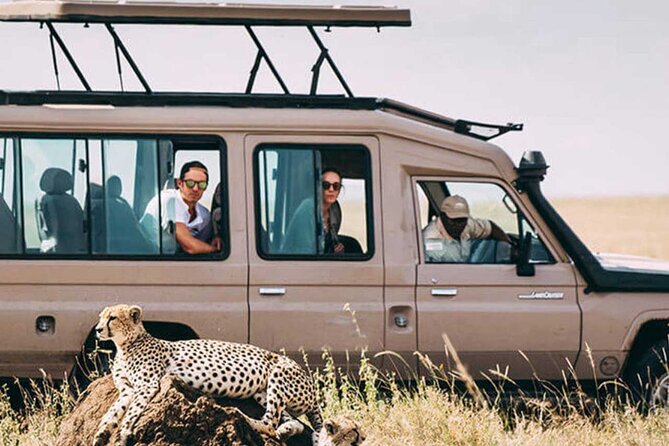
At $810 per person, this is not a budget day trip. It is a reasonable price to examine in context because the fee covers a three-day park-to-park safari, a small group capped at six, meals, pickup, and camping arrangements as described.
The value depends heavily on what accommodation and park fees are covered. The inclusion list names meals but does not clearly list lodging, park entry, crater fees, transportation, or guide services. Before booking, ask for a full cost breakdown. Two tours can show similar headline prices while including very different extras.
The price looks strongest for someone who wants Serengeti and Ngorongoro in one short trip and values a small vehicle. It looks less attractive if you want lodge comfort, a relaxed schedule, or several full days in Serengeti.
Tips for the driver-guide and safari cook are not included. Visas are also excluded. Keep those costs separate when planning your total budget.
Timing, pickup, and practical planning
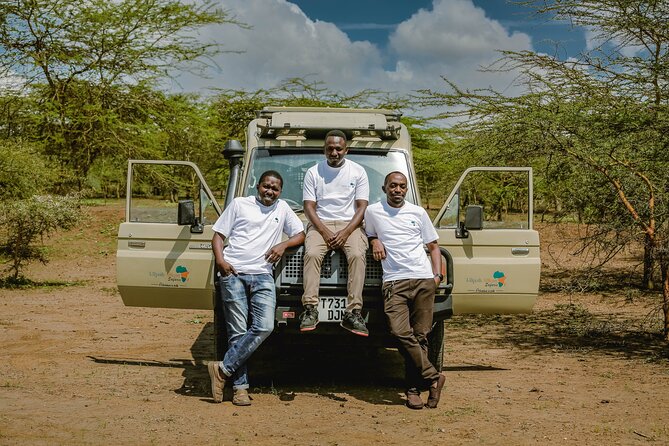
The supplied timing needs clarification. The itinerary says breakfast at 7 a.m. and pickup at 8 a.m., while the general meeting information gives a 3 p.m. start time. Those details do not fit together, so contact Kilipath before departure and confirm the actual pickup hour and location.
Pickup is offered, and confirmation is provided at booking. The activity uses a mobile ticket, which is convenient if you are already carrying your booking details on your phone.
The trip accepts most participants, but the schedule is physically and mentally demanding because of long drives, uneven roads, and full days outside. The information does not give a specific accessibility assessment, so ask directly if you have mobility needs.
Free cancellation is available up to 24 hours before the local start time. Cancelling inside that window does not qualify for a refund, and changes made within 24 hours are not accepted.
Who will enjoy this safari most?
I would suggest this trip to a first-time safari visitor who has only three days and wants the biggest names in northern Tanzania. It also suits people who prefer a small group, simple camping, and a practical route over polished luxury.
It is a good fit if you enjoy being out all day, can handle long drives, and are happy to let wildlife sightings unfold on their own schedule. The guides and cook can add a great deal to the experience, and the repeated praise for communication is reassuring when you are arranging a complicated trip from abroad.
I would choose a longer safari if you have the time. Three days can deliver memorable sightings, but you will spend a large part of the trip getting between parks. Extra nights would give you more room for weather changes, slower game drives, and a better chance to appreciate Serengeti beyond a quick survey.
Should you book it?
Book this safari if your priorities are Serengeti, Ngorongoro, small groups, and value-focused camping. The route offers major wildlife country, included meals, and a company with a strong record for helpful communication and capable guides.
Pause before booking if you need firm luxury standards or a clearly itemized package. Confirm the real start time, exact camping setup, accommodation, park fees, and transport inclusions first. If those answers are clear and the schedule suits you, $810 can buy an efficient introduction to two of Tanzania’s most famous wildlife areas.
FAQ
How long is the safari?
The safari lasts approximately three days.
Where does the safari start?
The experience starts in Arusha, Tanzania, with pickup offered from your accommodation.
Which parks and conservation areas are visited?
The route includes Serengeti National Park and the Ngorongoro Conservation Area, including Ngorongoro Crater.
How many people can join the safari?
The maximum group size is six people.
Are meals included?
Yes. The package includes three lunches, two breakfasts, and two dinners.
Are tips and visas included?
No. Tips for the driver-guide and safari cook are excluded, and visas are also not included.
What is the cancellation policy?
You can cancel at least 24 hours before the local start time for a full refund. Cancellations or changes made within 24 hours are not accepted, and no refund is provided.
More Safaris in Arusha
- 5 Days Tanzania Group Joining Safari, Tarangire/Serengeti/Ngorongoro Crater
★ 5.0 · 85 reviews - 5 day safari Tarangire Serengeti and Ngorongoro crater
★ 5.0 · 83 reviews - 3 Days Small Group Safari to Serengeti NP and Ngorongoro Crater Tour in Tanzania
★ 5.0 · 77 reviews - 5 Day Silver Serengeti & Ngorongoro Crater & Tarangire Safari
★ 5.0 · 46 reviews
More Ngorongoro Crater Safaris in Arusha
- 5-Day Highlights mid-Range Crater, Serengeti, Tarangire
★ 5.0 · 296 reviews - Private 6-Day Tarangire Manyara Crater and Serengeti with Mid-Range Lodges
★ 5.0 · 238 reviews - 5 Days Camping Tarangire, Serengeti & Ngorongoro crater & Visiting Maasai
★ 5.0 · 229 reviews - 4 Days Join Group tour Tarangire Serengeti and Ngorongoro crater
★ 5.0 · 219 reviews
Just added around Arusha
- 3 Days Safari to Tarangire NP, Ngorongoro Crater and Lake Manyara NP★ 5.0 · 2 reviews
- 4 Days Tanzania Safari Tarangire, Serengeti and Ngorongoro Crater★ 4.5 · 16 reviews
- Manyara and Ngorongoro Crater★ 5.0 · 3 reviews
- 3Days luxury safari to Tarangire Ngorongoro crater and Manyara★ 5.0 · 16 reviews
- Small Group Serengeti and Ngorongoro Crater Adventure Safari★ 5.0 · 7 reviews
- Tanzania Safari 10 Days- Serengeti, Lake Manyara, Ngorongoro Crater.★ 5.0 · 4 reviews
- 03 days Serengeti and Ngorongoro Crater group (camping)★ 5.0 · 75 reviews
- Elephant Special Serengeti & Ngorongoro Crater 5 Days / 4 Nights★ 5.0 · 21 reviews
Ngorongoro Crater Safaris, compared.
5-Day Highlights mid-Range Crater, Serengeti, Tarangire
Our review of it →
Private 6-Day Tarangire Manyara Crater and Serengeti with Mid-Range Lodges
Our review of it →
5 Days Camping Tarangire, Serengeti & Ngorongoro crater & Visiting Maasai
Our review of it →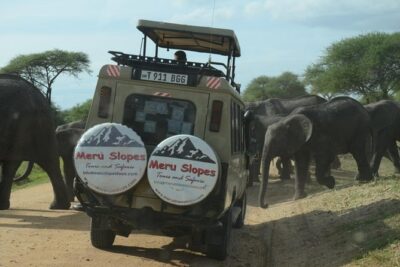
4 Days Join Group tour Tarangire Serengeti and Ngorongoro crater
Our review of it →3 Day Serengeti National Park & Ngorongoro Crater Camping Safari
Our review of it →
5 Days Tanzania Group Joining Safari, Tarangire/Serengeti/Ngorongoro Crater
Our review of it →