REVIEW · ARUSHA
3-Days Arusha National Park-Tarangire park – Ngorongoro Crater
Three parks, three very different safari moods. This three-day trip packs Arusha National Park, Tarangire, and Ngorongoro Crater into a compact route from Arusha, with a maximum of six people. I like the contrast between forested slopes, elephant country, and the wildlife-filled crater floor. I also like that meals are included and pickup is offered, so you spend less time sorting out basic logistics.
The main drawback is the pace. You have only one day in each park, and the schedule begins at 6:00 am. The $850 price can be fair for a small-group safari with meals, but accommodation and transport details are not fully spelled out, so I would confirm those points before paying, especially since the booking is non-refundable.
Key points to know before booking
- Arusha National Park offers more than a game drive: You can look for giraffes, buffaloes, zebras, warthogs, flamingos, and other waterfowl around Momella Lakes, with canoeing and guided nature walks also available.
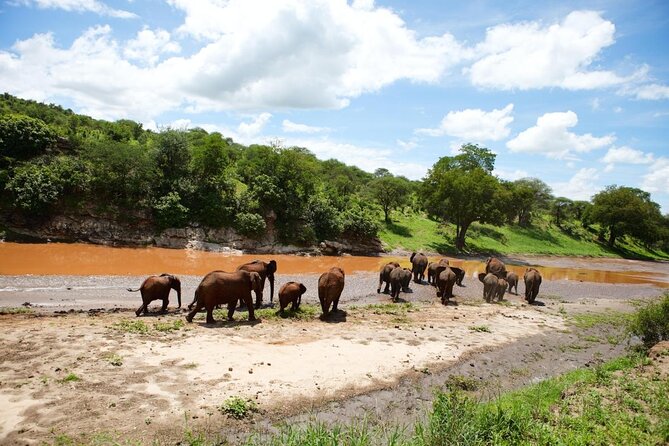
- Tarangire is the elephant day: Large herds, baobab trees, lions, leopards, and many bird species give this park a distinct feel.
- Ngorongoro Crater delivers the grand finale: The six-hour crater visit focuses on game viewing, wide views from the rim, and the chance to look for rhinos among other major animals.
- The group is capped at six people: That matters on game drives, where a smaller vehicle group can make communication easier and reduce the crowded feel.
- The price includes three breakfasts, three lunches, and dinner: Tips are extra, and the accommodation arrangement should be confirmed before booking.
- The tour starts and ends at Arusha Clock Tower: Pickup is offered, with the stated meeting point at Clocktower Roundabout and a 6:00 am departure.
Three parks in three days from Arusha
This safari is designed for you if you want a quick introduction to northern Tanzania without committing to a week on the road. Each park brings a different setting and a different reason to point your camera out the window.
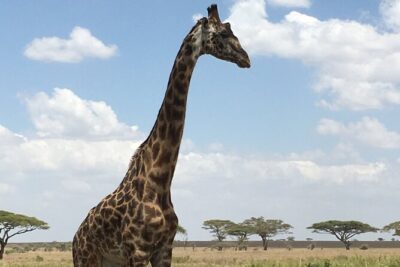
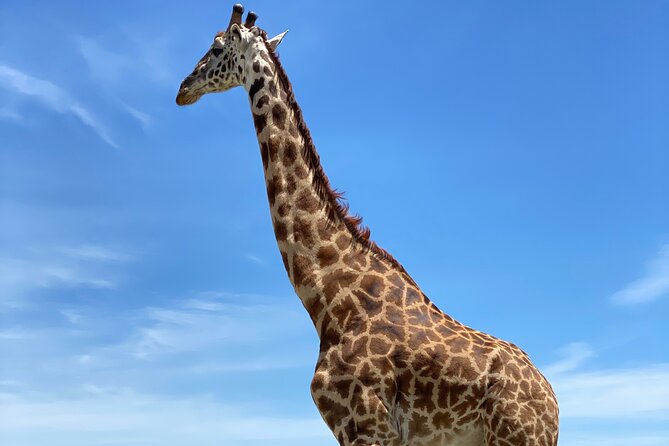
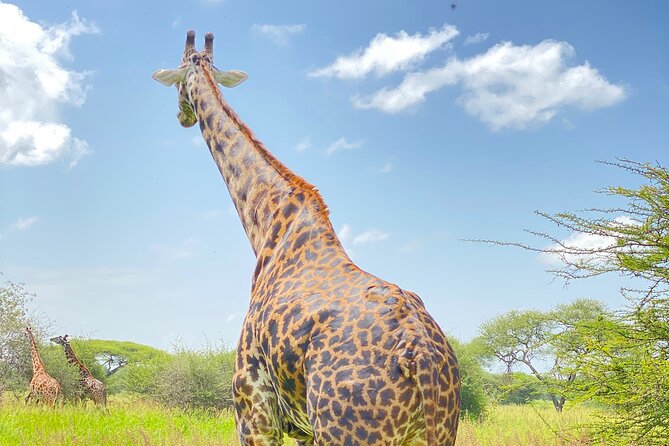
Arusha National Park begins the trip with a softer opening. You may see giraffes, buffaloes, zebras, and warthogs, but the park is also about the setting: forest, open grassland, and the Momella Lakes. Flamingos and other waterfowl can gather around the water, giving you a chance to watch birds as well as larger animals.
Tarangire changes the mood. Its open savannah, striking baobabs, and large elephant herds give the day a classic safari feel. Lions, leopards, and numerous bird species add variety, though wildlife sightings are never guaranteed.
Ngorongoro Crater finishes the trip with one of Tanzania’s most memorable natural settings. The crater is a huge volcanic caldera with a concentrated mix of wildlife. Six hours here gives you a proper game-drive window, but the day still needs a steady pace because this is a short safari.
More Volcano National Parks in Arusha
- 3 Day Serengeti National Park & Ngorongoro Crater Camping Safari
★ 5.0 · 142 reviews - 4 Day Ngorongoro Crater Tarangire and Serengeti National Park
★ 5.0 · 44 reviews - 3 Days Safari to Serengeti National Park & Ngorongoro Crater in Tanzania
★ 5.0 · 34 reviews
Arusha National Park: a quieter first morning
Your first departure is from Arusha Clock Tower at 6:00 am. That is early, but it gives you a useful start to the park day and leaves time for the roughly eight hours of planned activity in Arusha National Park.
The park is a good first stop because it does not rely on one single attraction. You may spend time looking for giraffes, buffaloes, zebras, and warthogs, then shift your attention to waterfowl around the Momella Lakes. Flamingos are one of the more distinctive possibilities here, especially for anyone who enjoys bird photography.
The planned visit allows four hours for wildlife viewing and another four hours for related park activities. The exact mix matters. The experience can include wildlife drives, guided nature hikes, and canoeing on the Momella Lakes. You should confirm before departure which of these activities is scheduled, since the information gives them as available options rather than a guaranteed sequence.
I like this variety. A canoe outing or nature walk can break up the usual vehicle routine and give you a closer look at the park’s plants, birds, and smaller details. At the same time, do not book this trip expecting Arusha National Park to deliver the same density of animals as Ngorongoro. Its appeal is the combination of scenery, wildlife, water, and walking options.
The park also has archaeological sites linked to prehistoric human settlement in the area. That adds a human-history element to the day, though the supplied schedule does not promise a specific archaeological stop or guided interpretation. Ask if this is part of your route if it matters to you.
The strongest practical advantage here is the chance of a less crowded safari setting compared with some of Tanzania’s major parks. That does not mean you will have the park to yourself, but the experience may feel more personal than a busy wildlife circuit.
Tarangire: six hours among elephants and baobabs
Day two gives Tarangire the full day, with six hours listed for each of two planned stops. In practical terms, you should expect a long game-drive period focused on the park’s animals and scenery.
Tarangire is especially known for elephants. Large herds are a central reason to include it, and the park’s baobab trees give your photographs a look that differs sharply from the forest and lakes of Arusha. The combination of elephant groups, open savannah, and oversized trees is what gives the park its own identity.
You may also see lions, leopards, and a wide selection of birds. The wording of the tour presents an annual elephant movement as part of the park’s appeal, but animal patterns change with the season. I would treat any particular sighting as a possibility, not a promise.
A six-hour game drive gives your guide time to search different areas rather than stopping after a quick circuit. That is valuable because wildlife viewing depends on timing, patience, and luck. You might spend part of the day watching elephants and another part scanning the trees or grass for predators and birds.
The tradeoff is that Tarangire comes after the early start and a full day in Arusha. You may be tired, especially if the first day includes walking or canoeing. Still, the second day is probably the most focused wildlife day of the three, and the elephant-and-baobab setting makes it a strong middle section.
The tour information lists the Tarangire admission ticket as included at one stop. It also lists parking fees among the inclusions. I would ask the operator to confirm exactly which park fees, vehicle costs, and meals are covered, since clear cost details are especially important on a non-refundable booking.
Ngorongoro Crater: a dramatic final game drive
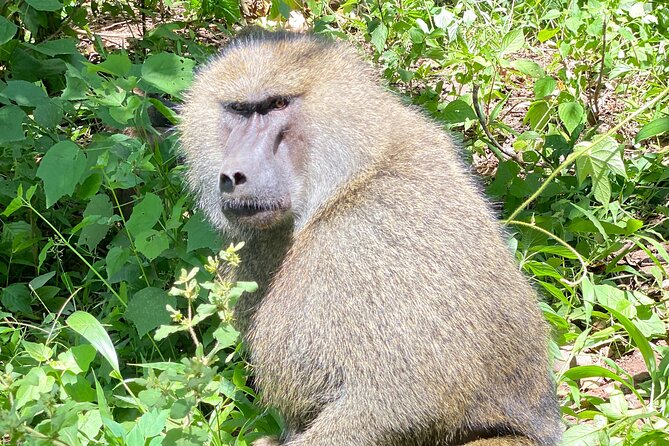
The third day takes you to the Ngorongoro Conservation Area and its famous crater. The plan allows six hours for the crater visit and another six hours for related activities, including game drives, rim views, and a possible Olduvai Gorge visit.
Ngorongoro Crater is the visual high point of the route. From the rim, you can look across the broad volcanic caldera and see why this place is so important to safari planning. The rim views are not just a quick photo stop. They give you scale before the vehicle descends into the wildlife area.
Inside the crater, you may look for lions, elephants, zebras, and rhinos. The concentration of animals is one of the main reasons people add Ngorongoro to a northern Tanzania itinerary. Even so, wildlife remains wild. Your guide can search, interpret tracks and behavior, and position the vehicle, but no list of animals can be guaranteed.
The crater also gives you a chance to make photographs that feel different from Tarangire. Tarangire is defined by trees, open space, and elephants. Ngorongoro offers a broad natural bowl, large animal groups, and a sense of enclosure created by the crater walls.
Olduvai Gorge is listed as another possible point of interest within the conservation area. It is associated with early human evolution and is often described as the Cradle of Mankind. The schedule presents it as something to explore nearby, but it does not make clear whether the stop is always included, how much time it receives, or whether an additional fee applies. Confirm this before you count on it.
A full day at Ngorongoro can be tiring. Roads and game viewing require patience, and the third-day timing may feel long after two early mornings. Still, ending with the crater gives the trip a strong final chapter, especially if this is your first safari in Tanzania.
More Volcano National Parks in Tanzania
- 3days Serengeti National park and Ngorongoro Crater Tanzania Safari
★ 5.0 · 21 reviews - 3 Days Lake Manyara, Ngorogoro Crater, Tarangire National Park
★ 5.0 · 21 reviews - 3 Days Safari Ngorongoro Crater and Serengeti National Park
★ 5.0 · 21 reviews - 2 Days Joined Group Tarangire and Ngorongoro Crater National Park
★ 4.5 · 17 reviews
What the $850 price means in practice
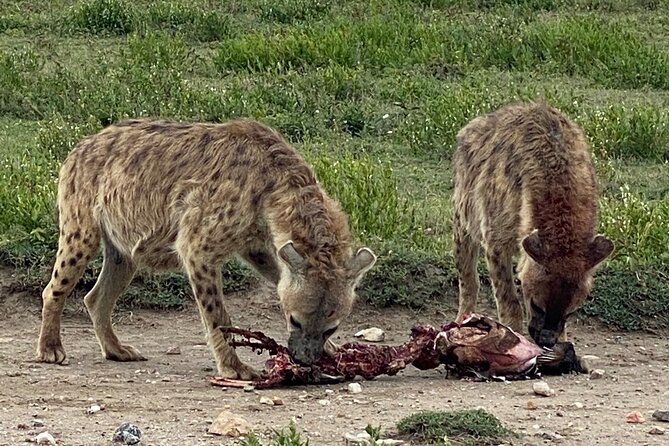
At $850 per person, this is not a budget day trip. It is a compact three-day safari covering three important parks, with a group limit of six and meals included. The value depends heavily on what is included in the vehicle, accommodation, park charges, and guiding arrangement.
The listed inclusions cover dinner, three lunches, three breakfasts, parking fees, and park admission at some points in the schedule. Tips are not included. A small group is another benefit because you are not sharing the experience with a large coach party, and you should have a better chance of hearing your guide and getting a clear view from the vehicle.
The missing detail is accommodation. The supplied information does not state the lodges, camps, room type, or whether overnight stays are included in the $850. It also does not clearly spell out the vehicle arrangement or long-distance transport between parks. Because those items can change the true value by a great deal, ask for a written day-by-day cost breakdown before booking.
The two strongest pieces of feedback praise the beauty of the safari and the organization from the first communication onward. One booking account also combined two safari days with a Mount Kilimanjaro hiking day, but that is a separate arrangement and not part of this three-park itinerary. Do not assume Kilimanjaro time is included here.
A small group, an early start, and the practical details
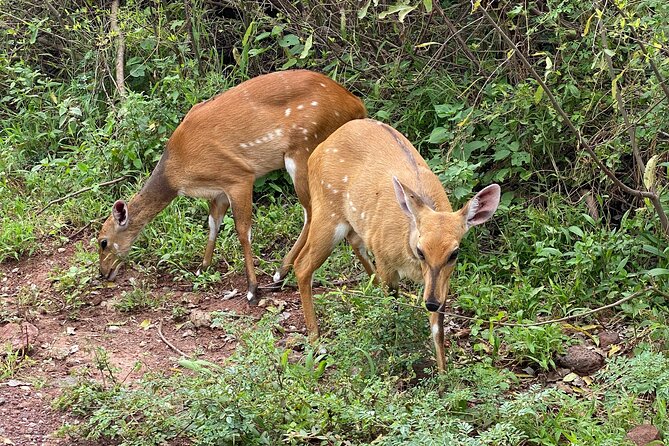
The maximum group size is six people. That is a useful middle ground. You get the social side of a shared safari without the scale of a large bus group, though the quality of your view will still depend on the vehicle layout and seat assignments.
Pickup is offered, but the stated meeting point is Arusha Clock Tower, also called Clocktower Roundabout. The activity ends back at the meeting point. If you are staying elsewhere in Arusha, confirm whether pickup from your hotel is included or whether you need to reach the clock tower yourself.
The start time is 6:00 am. Plan for three early mornings, not lazy breakfast starts. Breakfast is included for three days, and lunch is included for all three days, which helps keep the schedule moving.
Most people can participate, according to the supplied information. The first day may include walking or canoeing, so tell the operator about any concerns before departure. No special accessibility details are provided.
Confirmation is issued at booking. The cancellation terms are strict: the experience is non-refundable and cannot be changed for any reason. That makes it wise to confirm the accommodation, exact route, included fees, activity choices, and pickup plan before you commit.
Who will enjoy this safari most?
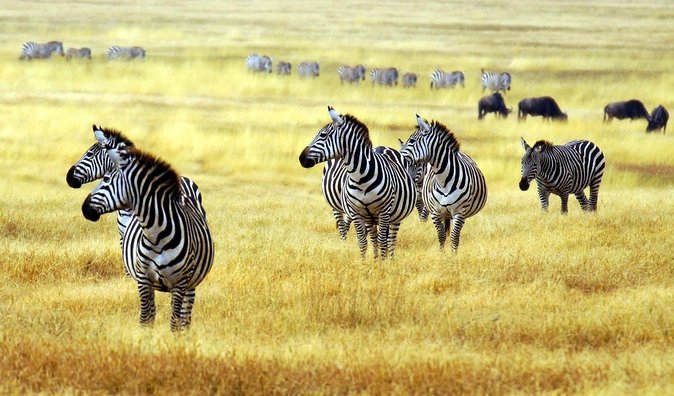
I would recommend this trip to someone with only three days who wants variety rather than a single-park visit. You get lakes and forest at Arusha, elephants and baobabs at Tarangire, then the crater’s concentrated wildlife and wide rim views.
It also suits you if a small group matters. A maximum of six people is far more appealing than a large coach when you are trying to hear wildlife explanations or frame a photograph.
This may not suit you if you want slow travel. The schedule is full, the mornings are early, and each park receives only one day. You may prefer a longer itinerary if you want more time for walking, canoeing, cultural stops, or repeated game drives in one area.
It is also not the best choice for anyone who wants every cost stated plainly before booking. The accommodation and transport details need confirmation. With a non-refundable policy, that is not a minor point.
Should you book the Arusha, Tarangire, and Ngorongoro safari?
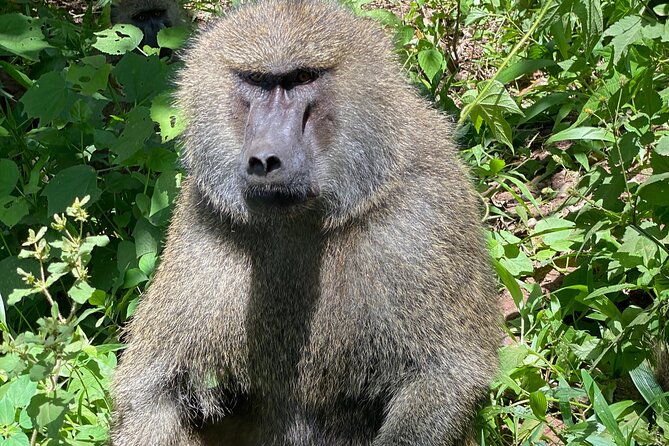
Book it if you want a short, well-packed introduction to northern Tanzania, value a group of no more than six, and like the idea of three contrasting parks. The combination of Momella Lakes, Tarangire’s elephants and baobabs, and Ngorongoro’s crater views gives you a lot in three days.
Before paying, ask one direct question: what exactly does the $850 include beyond meals and park access? Get the accommodation, vehicle, pickup, and any Olduvai Gorge or canoeing costs confirmed in writing. If those details are satisfactory, this can be a strong choice for a first safari with limited time.
FAQ
Where does the safari start?
It starts at Arusha Clock Tower, also called Clocktower Roundabout, in Arusha, Tanzania.
What time does the tour start?
The stated start time is 6:00 am.
Where does the experience end?
The activity ends back at the meeting point at Arusha Clock Tower.
How many people can join the tour?
The group has a maximum of six travelers.
Which parks are visited?
The route includes Arusha National Park, Tarangire National Park, and the Ngorongoro Crater within the Ngorongoro Conservation Area.
Are meals included?
Yes. The inclusions list three breakfasts, three lunches, and dinner. Tips are not included.
Is pickup available?
Pickup is offered, but the listed meeting point is Arusha Clock Tower. Confirm the exact pickup arrangement if you are staying elsewhere in Arusha.
More Ngorongoro Crater Safaris in Arusha
- 5-Day Highlights mid-Range Crater, Serengeti, Tarangire
★ 5.0 · 296 reviews - Private 6-Day Tarangire Manyara Crater and Serengeti with Mid-Range Lodges
★ 5.0 · 238 reviews - 5 Days Camping Tarangire, Serengeti & Ngorongoro crater & Visiting Maasai
★ 5.0 · 229 reviews - 4 Days Join Group tour Tarangire Serengeti and Ngorongoro crater
★ 5.0 · 219 reviews
Just added around Arusha
- 3 Days Safari to Tarangire NP, Ngorongoro Crater and Lake Manyara NP★ 5.0 · 2 reviews
- 4 Days Tanzania Safari Tarangire, Serengeti and Ngorongoro Crater★ 4.5 · 16 reviews
- Manyara and Ngorongoro Crater★ 5.0 · 3 reviews
- Small Group Serengeti and Ngorongoro Crater Adventure Safari★ 5.0 · 7 reviews
- Tanzania Safari 10 Days- Serengeti, Lake Manyara, Ngorongoro Crater.★ 5.0 · 4 reviews
- 3Days luxury safari to Tarangire Ngorongoro crater and Manyara★ 5.0 · 16 reviews
- 03 days Serengeti and Ngorongoro Crater group (camping)★ 5.0 · 75 reviews
- Elephant Special Serengeti & Ngorongoro Crater 5 Days / 4 Nights★ 5.0 · 21 reviews
Ngorongoro Crater Safaris, compared.
5-Day Highlights mid-Range Crater, Serengeti, Tarangire
Our review of it →
Private 6-Day Tarangire Manyara Crater and Serengeti with Mid-Range Lodges
Our review of it →
5 Days Camping Tarangire, Serengeti & Ngorongoro crater & Visiting Maasai
Our review of it →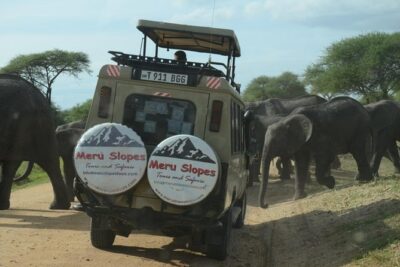
4 Days Join Group tour Tarangire Serengeti and Ngorongoro crater
Our review of it →3 Day Serengeti National Park & Ngorongoro Crater Camping Safari
Our review of it →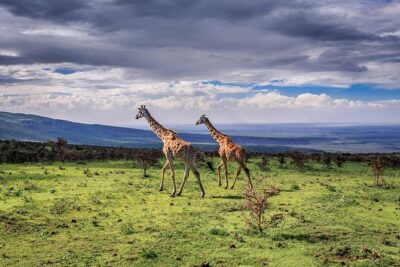
5 Days Tanzania Group Joining Safari, Tarangire/Serengeti/Ngorongoro Crater
Our review of it →