REVIEW · TENERIFE
Teide National Park: Stargazing Experience
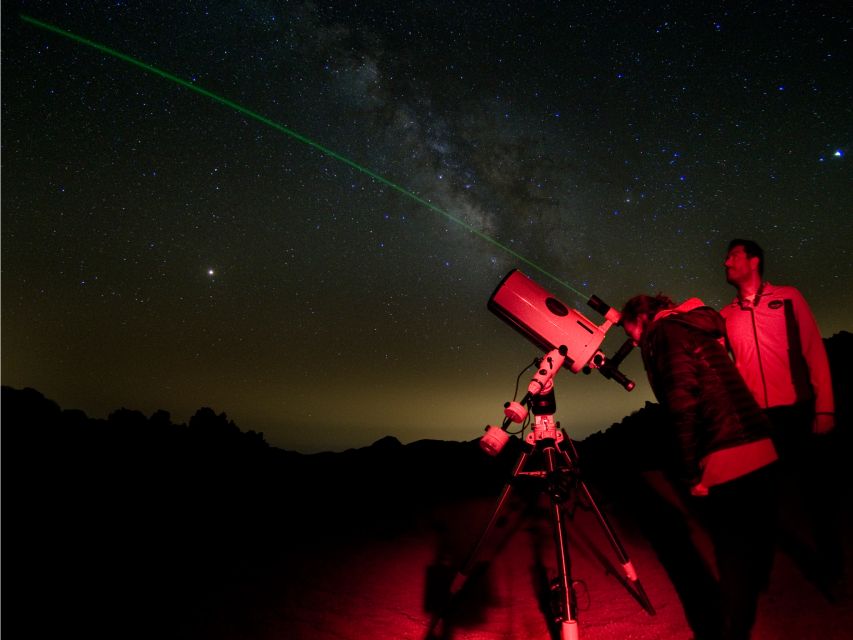
The stars put on a proper show. This 80-minute evening outing in Teide National Park combines naked-eye stargazing with telescope views of planets, star clusters, galaxies, and the Milky Way. I like the clear progression from finding Polaris and tracing the zodiac to seeing distant objects through high-grade equipment. I also like the friendly guide style, with guides such as Miguel and Manuel making astronomy easy to follow.
The main catch is the cold. At Teide’s high altitude, temperatures can drop sharply after sunset, even when Tenerife’s coast feels warm. I’d also keep the moon cycle in mind, since a bright moon can reduce the number of faint stars you see. Still, at $41 per person, this is a strong-value choice for anyone who wants more than a quick look at the night sky.
Key points to know before booking
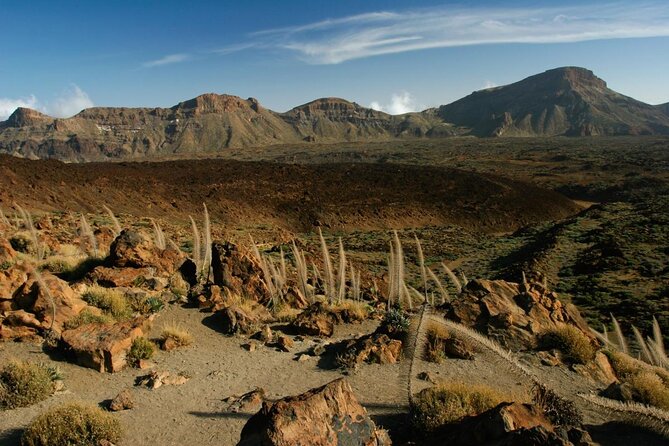
- Teide’s dark skies make the setting special: The national park has little town light, so far more stars are visible than from Tenerife’s resort areas.
- The tour starts with your own eyes: You learn major constellations, Polaris, the celestial north pole, the ecliptic, and the zodiac before using a telescope.
- Telescope targets change with the season: Past observations have included Saturn, Jupiter and its moons, Mars, Orion’s Nebula, Andromeda, star clusters, and the Milky Way.
- The guides are a major strength: Miguel, Manuel, and other astronomy guides are praised for clear explanations, humor, and easy-to-follow storytelling.
- Bring serious cold-weather clothing: Warm trousers, layers, a coat, and warm shoes are not optional advice here.
- You meet at Minas de San José: The meeting point is the parking area opposite the natural environment of the mines, with different directions depending on your approach.
Why Teide is such a good place for stargazing
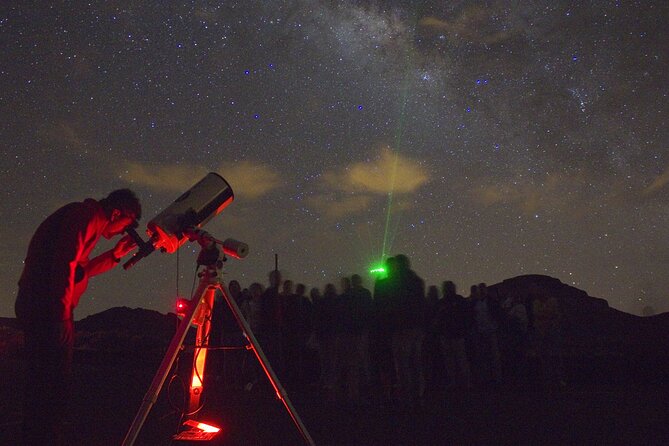
Tenerife is famous for its beaches and resort towns, but the island’s high interior offers a very different night out. Teide National Park sits above much of the artificial light that washes out the sky near the coast. That matters because stargazing is not only about owning a powerful telescope. It begins with having a dark sky.
At the Minas de San José meeting area, the surroundings provide safe access and a broad view of the heavens. The setting is practical rather than fancy. You gather in a parking area, not at an observatory visitor center with a café and gift shop. That keeps the experience focused on the sky, but you should arrive prepared for a simple outdoor stop.
The altitude brings another advantage and one clear drawback. The air can make the stars appear wonderfully sharp, yet the temperature falls quickly after sunset. Several people found themselves very cold after extended time outdoors, including in autumn, winter, and even during warmer months. Tenerife may be mild at sea level, but Teide after dark is a different climate.
More Volcano National Parks in Spain
- Tenerife: Teide National Park Sunset & Stargazing Tour
★ 4.2 · 3,812 reviews - Tenerife: Sunset and Stargazing at Teide National Park
★ 4.7 · 2,826 reviews - Teide National Park Sunset & Stargazing with Dinner (Star Safari)
★ 5.0 · 2,601 reviews
The first lesson begins without a telescope
The tour begins after sunset with the naked eye. This is one of its best choices. Instead of immediately lining up a telescope and asking you to admire something you cannot locate again, the guide first teaches you how to read the sky.
You learn to identify important stars and major constellations. The guide points out Polaris, the North Star, and explains the position of the celestial north pole. You also follow the ecliptic, the apparent path traced by the sun across the sky, along with the zodiac line.
That basic orientation gives the evening a useful structure. You are not simply shown a series of bright objects. You learn how stars relate to one another and how to find your bearings again after the tour. For a first-time stargazer, this makes the sky feel less like a random scatter of lights.
Greek mythology also enters the explanation. Constellations become figures and stories rather than isolated dots. The mythology is presented as a way to remember shapes and positions, not as a replacement for astronomy. That mix of science, navigation, and storytelling works well for adults and older children.
The guides receive particularly strong praise for this part of the experience. Miguel is described as clear, funny, and passionate, while Manuel has been praised for making the moon, constellations, and mythology easy to understand. The language is available in English and Spanish.
Telescope time brings the sky closer
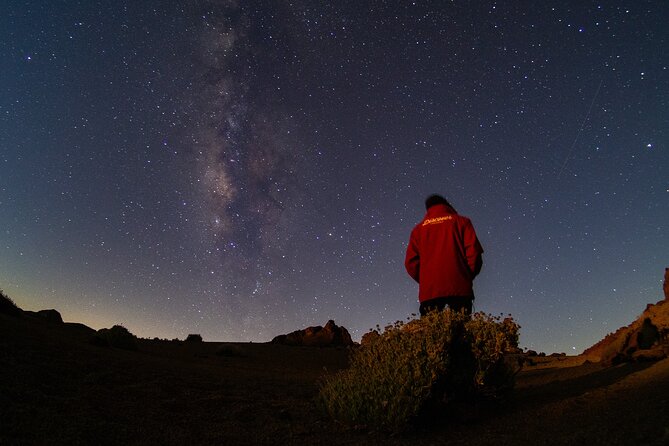
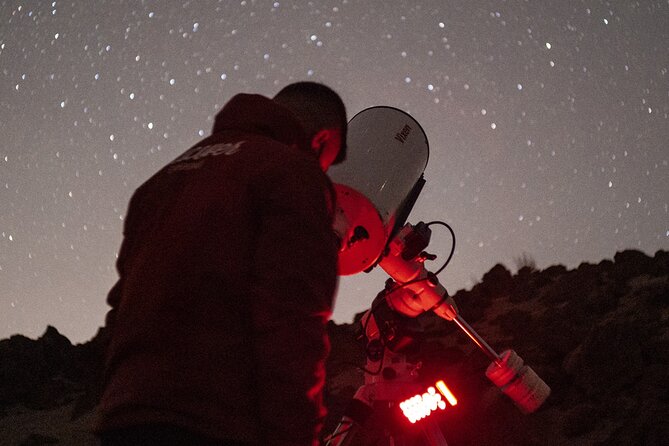
Once you have learned the basic patterns, the guide turns to the telescopes. The exact objects depend on the season, visibility, and current position of the planets, so no responsible tour can promise the same viewing list every night.
Past sightings have included Jupiter and its moons, Saturn, Mars, the Orion Nebula, the Andromeda Galaxy, star clusters, and the Milky Way. Seeing these through a telescope gives the evening its biggest wow factor. Jupiter’s moons, for example, help you grasp that the solar system is not an abstract diagram. It is a real arrangement of worlds moving around another planet.
Saturn can be especially memorable when conditions allow a clear view. Mars and Jupiter have also been seen on earlier outings, while Orion’s Nebula and Andromeda offer a look beyond the planets. The target may appear small in the eyepiece, but its importance is enormous. You are looking at light that has traveled across space for a very long time.
The experience is not designed as a technical astronomy course. You do not need prior knowledge, and the explanations range from basic points to more advanced material. That makes it a good fit for a couple with casual interest, a family with older children, or anyone who wants a guided introduction without committing to a full night at a specialist observatory.
Some sessions also use an astrophoto telescope. This can turn what you see into an image, and photographs of a star cluster and a galaxy have been sent after the experience. That is a useful extra because telescope views are difficult to capture with a normal phone. Do not treat the photography as the whole point, though. The value is in seeing the object with your own eye and understanding what it is.
An 80-minute tour with plenty to pack in
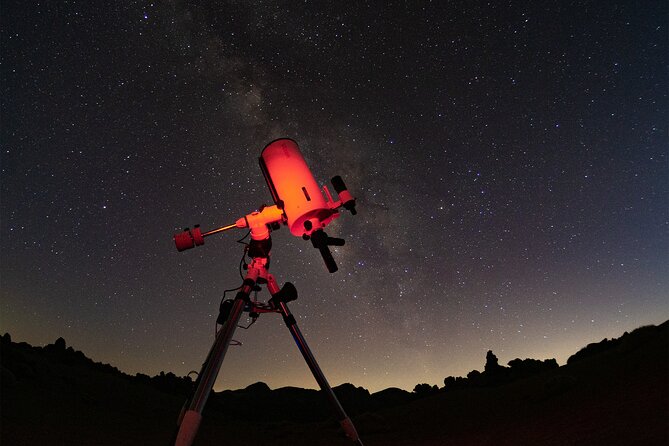
The stated duration is 80 minutes, beginning after sunset. That is enough time for an introduction, sky orientation, and telescope viewing without making the outing an all-night commitment.
You should understand that the length may feel short if you want long telescope sessions on many different objects. Astronomy involves waiting, repositioning equipment, explaining what you are seeing, and allowing people their turn. An 80-minute format works best if you want a well-paced introduction rather than a specialist observing session.
One past experience was described as lasting about two hours outdoors, which may reflect the practical length of a particular evening or time spent waiting and viewing. Either way, plan as if you will be outside longer than the headline duration. Bring warm clothing from the start rather than hoping you can borrow something or warm up in the car.
The group format is not described in detail, so you should expect to share explanations and telescope time with other participants. That is normal for an activity at this price. If you want private instruction or long, uninterrupted access to the equipment, this is probably not the right format.
More Volcano National Parks in Tenerife
- Teide National Park: Sunset & Stargazing Safari with Dinner
★ 4.6 · 2,115 reviews - Tenerife: Teide National Park Full-Day Tour with Pickup
★ 4.5 · 1,613 reviews - Tenerife: Quad Adventure Tour in Teide National Park
★ 4.7 · 1,492 reviews - Tenerife: Teide National Park Guided Buggy Tour
★ 4.7 · 609 reviews
The cold is the biggest practical issue
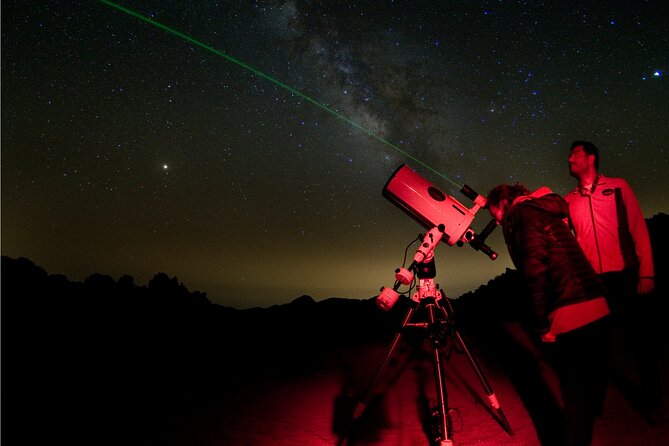
Take the warning about clothing seriously. The official advice calls for comfortable shoes, warm clothing, and warm shoes. In practice, you should think in layers: a warm base layer, a fleece or sweater, a proper coat, long trousers, and insulated footwear.
A hat and gloves are sensible additions, even though they are not specifically listed. The important point is that you will be standing outside rather than walking continuously. You cool down faster when you are still, waiting for the next telescope view or listening to an explanation.
The temperature difference between the coast and Teide can be striking. One person reported warm conditions lower down but cold air and strong wind at the viewing area. Another specifically warned that the cold continued after two hours outdoors. This is not a minor footnote. If you dislike cold evenings, the experience could become uncomfortable enough to distract from the sky.
The tour is not suitable for people with heart problems or respiratory issues. It is also not suitable for unaccompanied minors. People who have been scuba diving within the previous 24 hours should not take part. These restrictions should be checked carefully before you reserve.
Moon phase can change the night
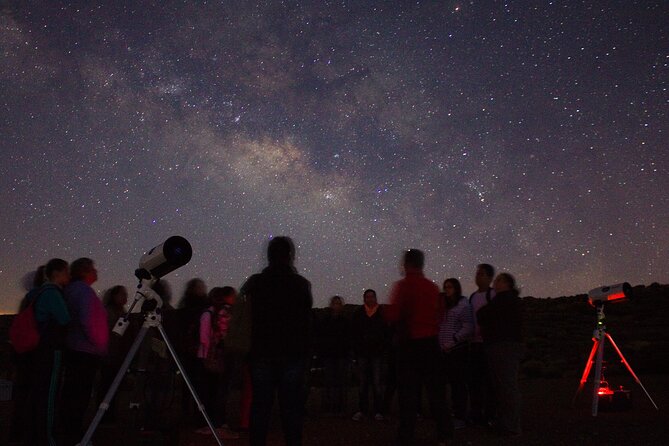
The moon’s cycle affects what you see. A darker moonless sky generally makes faint stars, the Milky Way, galaxies, and nebulae easier to spot. A bright moon can be beautiful through a telescope, but its light can make the surrounding sky less dark.
The activity information specifically asks you to consider the moon’s phase when booking. That does not mean a night with a visible moon is a bad choice. It means your priorities matter. If you mainly want the moon and planets, moonlight may not trouble you. If your dream is a dense field of faint stars, choose dates with less moonlight when possible.
The tour provider may adjust the start time if you book far ahead. After booking, you are contacted through WhatsApp or email to confirm the schedule. Pay attention to those messages, since the final start time can vary from the one shown months earlier.
Getting to Minas de San José
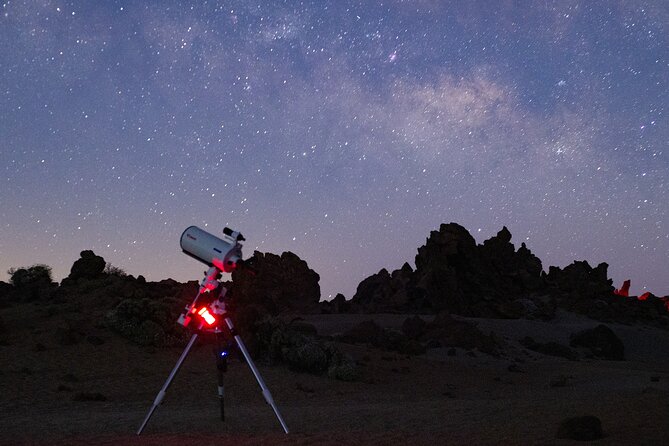
The meeting point is the parking area directly in front of the natural environment of Minas de San José. If you approach from the south, it is the second car park on the right. If you approach from the north, it is the first car park on the left.
This is a self-arrival activity. Hotel pickup and drop-off are not included, and dinner is not included either. Plan your evening around that fact. You may want to eat before the tour, bring a snack if suitable, and allow time to reach the meeting point before dark.
The directions are simple once you are on the correct road, but a national park parking area is not the same as a city meeting point. Read the provider’s WhatsApp or email instructions, and do not rely only on a last-minute map search. You want to arrive calm, with enough time to locate the correct car park.
Is $41 good value?
At $41 per person, the price is reasonable for an organized astronomy outing in a protected dark-sky setting. You are paying for a professional astronomy guide, telescope use, naked-eye instruction, insurance during the tour, and access to equipment that would be impractical to arrange yourself.
The value is strongest if you are new to stargazing. A guide can identify objects you would probably miss, explain what you are looking at, and help you understand why the view matters. The setting does much of the work, but the instruction turns a dark field into an actual experience.
The value is less clear if you already own good astronomy equipment or expect a long specialist session. One person felt the price was fair but thought the time spent could justify a lower cost. That is a reasonable reservation. The tour is an introduction, not a full observatory program.
The 4.7 rating from 220 reviews points to a consistently well-liked activity, but the strongest reason to book is not the number. It is the combination of dark skies, approachable guides, and telescope targets that can include planets, galaxies, nebulae, and star clusters.
Who will enjoy this most?
I would recommend this outing to:
- First-time stargazers who want clear guidance
- Couples looking for a quiet evening away from resort entertainment
- Families with children old enough to follow instructions and stay outside in the cold
- Amateur astronomy fans who want to see the sky from Teide
- Visitors who enjoy mythology as well as science
- Anyone curious about the night sky but unsure where to begin
It may not suit you if you want dinner included, hotel transport, a private guide, or a warm indoor setting. It is also a poor match if you are very sensitive to cold or need to avoid high-altitude outdoor conditions for medical reasons.
The experience has a nice balance between learning and wonder. You get practical orientation, stories from Greek mythology, and a chance to look through serious equipment. It never requires you to arrive as an astronomy expert.
Booking, cancellations, and language
The tour is offered in English and Spanish, with a live guide. You can reserve now and pay later, which helps if you are still arranging your Tenerife schedule. Cancellation is free up to 24 hours before the activity for a full refund.
The provider is Discover Experience. Keep your phone or email available after booking because the confirmed start time may be sent later, especially if you reserved months ahead.
FAQ
How long is the Teide stargazing experience?
The stated duration is 80 minutes, starting after sunset. You should still plan for time outdoors beyond the headline duration because telescope viewing and group movement can vary.
Where is the meeting point?
Meet in the parking area directly in front of the natural environment of Minas de San José. Coming from the south, use the second car park on the right. Coming from the north, use the first car park on the left.
Are hotel pickup and dinner included?
No. Hotel pickup, hotel drop-off, and dinner are not included, so you must arrange your own transport and food.
What languages are available?
The live tour guide is available in English and Spanish.
What should I wear?
Wear comfortable shoes, warm clothing, and warm shoes. Temperatures can be low after sunset, especially in autumn and winter, so several warm layers are a sensible choice.
Can children attend?
Unaccompanied minors are not allowed. The supplied information does not specify a minimum age for children accompanied by an adult, so confirm the age requirements with the provider before booking.
Should you book this Teide stargazing tour?
Book it if you want an accessible, well-priced introduction to astronomy in a genuinely dark setting. The guides are the heart of the experience, and the mix of constellations, mythology, navigation, and telescope targets gives the evening more shape than simply looking upward.
Go prepared for cold, self-arranged transport, and a tour that lasts about 80 minutes rather than a full night. Check the moon phase, read the final meeting instructions, and bring warmer clothing than you think you need. If you do that, this should be one of Tenerife’s most memorable after-dark activities.
More Volcano Sunset Tours in Tenerife
- From Santiago del Teide: Sunset Quad Trip to Mount Teide
★ 4.8 · 735 reviews - Tenerife: Morning or Sunset Teide Buggy Tour
★ 4.9 · 404 reviews - Tenerife: Quad Bike Tour to Mount Teide at Sunset
★ 4.4 · 368 reviews - Teide Night Experience with Dinner and Stargazing
★ 3.9 · 359 reviews
More Volcano Sunset Tours in Spain
- Teide by Night: Sunset & Stargazing with Telescopes Experience
★ 4.5 · 1,492 reviews - Teide: Guided Sunset & Stargazing Tour by Night with Dinner
★ 4.7 · 1,339 reviews - Sunset & Stargazing Experience From Teide
★ 4.5 · 1,129 reviews - Tenerife: Teide Quad Trip (day/sunset) with jet ski option
★ 4.7 · 932 reviews
Just added around Tenerife
- Tenerife: Water Jet-Ski / Teide Volcano Quad Safari Combo★ 4.5 · 6 reviews
- Tenerife: Teide Stargazing with an Astrophysicist★ 4.9 · 74 reviews
- Tenerife: Teide National Park and Volcano Buggy Tour★ 4.0 · 39 reviews
- Tenerife: Teide National Park & Teno Rural Park Private Tour★ 5.0 · 35 reviews
- Puerto de la Cruz: Quad to Mount Teide Day or Sunset★ 4.7 · 25 reviews
- Tenerife: Teide Mountain Buggy On-Road GuidedTour with drink★ 4.6 · 67 reviews
- Tenerife: Teide & Orotava Shore Excursion (special cruises)★ 4.7 · 19 reviews
- Tenerife: Teide and Stars★ 4.2 · 24 reviews
Mount Teide Tours, compared.
Mount Teide Tour with Cable Car Ticket & Transfer
Our review of it →
Teide National Park Sunset & Stargazing Tour
Our review of it →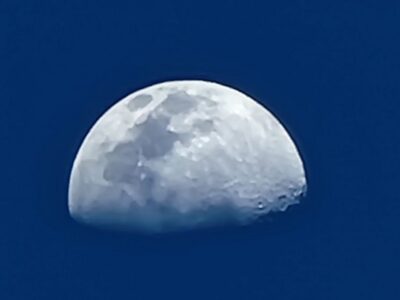
Sunset and Stargazing at Teide National Park
Our review of it →
Teide National Park Sunset & Stargazing with Dinner (Star Safari)
Our review of it →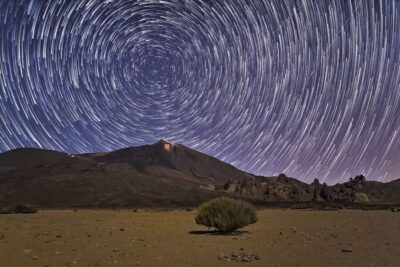
Teide National Park: Sunset & Stargazing Safari with Dinner
Our review of it →
Mount Teide, Masca, Icod and Garachico Day Trip
Our review of it →
Teide National Park Full-Day Tour with Pickup
Our review of it →