
REVIEW · CHUQUISACA DEPARTMENT, BOLIVIA
Sucre: Sunrise, the Crater de Maragua and old Cave Paintings
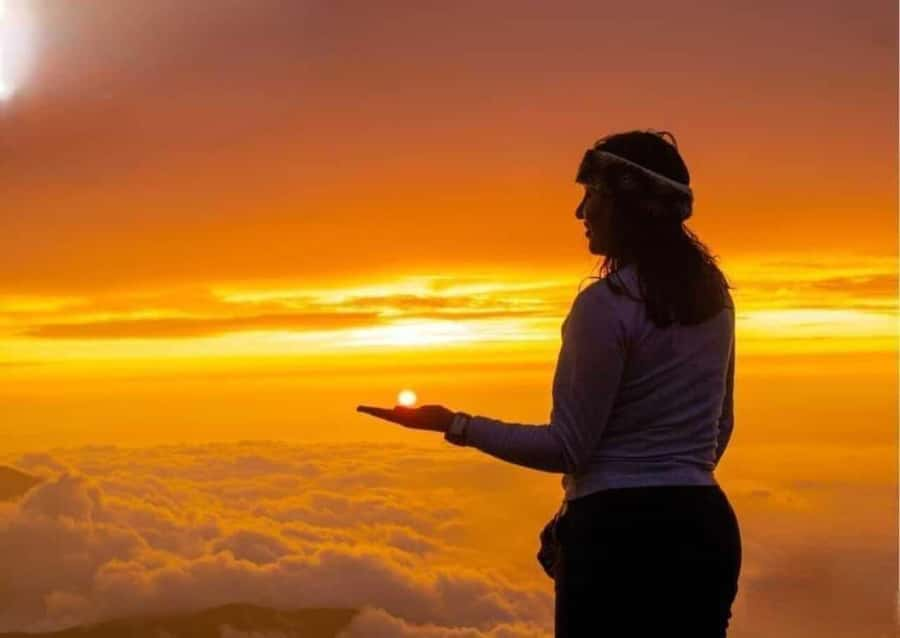
Wake before the mountains do. This full-day outing from Sucre pairs a sunrise hike with ancient rock art, colorful mineral hills, and time in Jalqa communities. I especially like the early breakfast at the summit and the chance to see Pumamachay and Incamachay, two places that make this more than a scenic walk. The main drawback is the rough road and long day, which can be hard if you get carsick or struggle with altitude.
I also like the small-group format, capped at 12 people, and the mix of walking, local culture, and geology. Guides such as Karina and Manuel have been praised for clear English and warm, professional care. Pack carefully, though: the morning can be cold and windy, water is not included, and the trail demands steady attention in the dim light.
Key points to know before you book
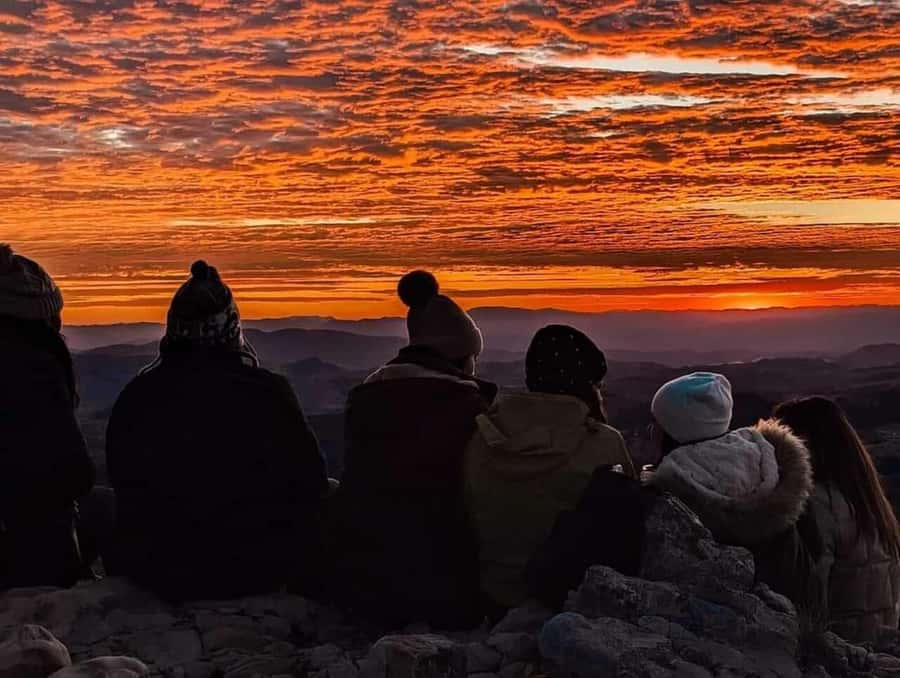
- Sunrise near Chataquilla: Start before dawn at a viewpoint by a colonial chapel, with a light breakfast while you wait for the first light.
- Two ancient rock-art sites: Pumamachay and Incamachay add real cultural interest to the four-hour mountain walk.
- Colorful Maragua geology: Mineral-rich hills form dramatic stripes and folds around the crater.
- Jalqa culture in context: You visit local communities, share a vegetarian lunch, and may meet a textile weaver.
- A demanding but rewarding day: Expect around 10 hours, several hours on foot, rough roads, cold early conditions, and no included drinking water.
- Good value at $105: Private transport, guide, meals, entry fees, and a small group make the price reasonable for a full day outside Sucre.
Why this Sucre day trip is worth considering
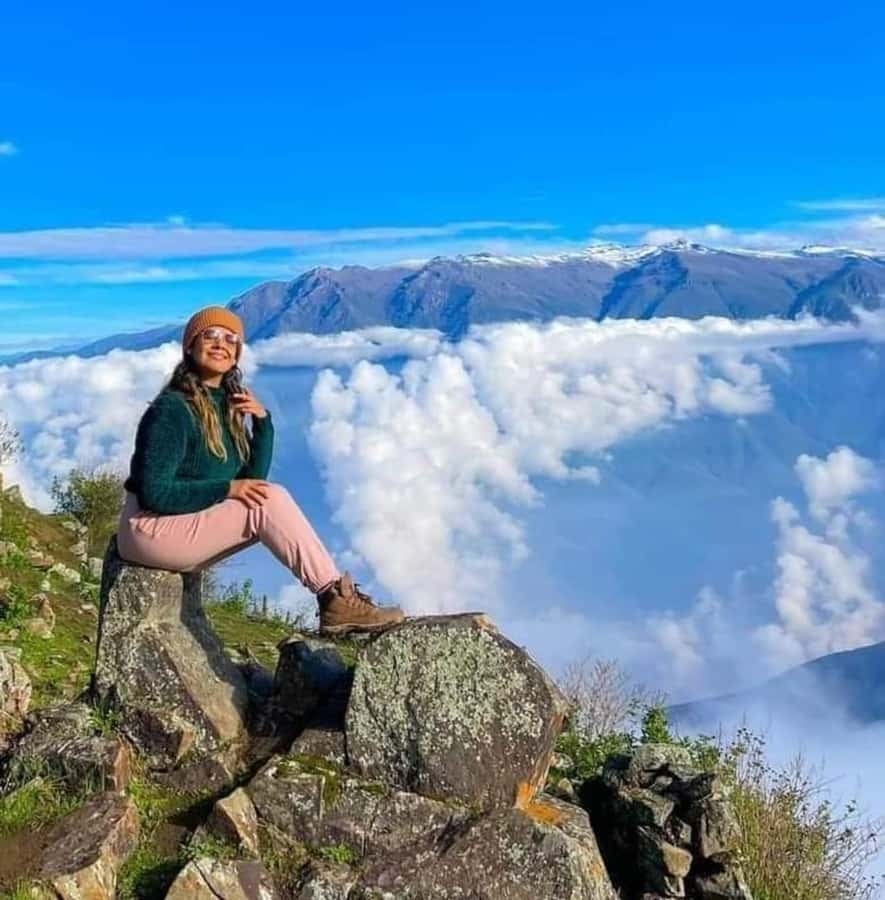
Sucre is famous for white colonial buildings and pleasant plazas, but the Cordillera de los Frailes gives you a very different side of Chuquisaca. This trip moves from chapel and community life to mountain trails, prehistoric paintings, mineral formations, and a small waterfall.
The appeal is the variety. You are not spending 10 hours looking at one viewpoint. The morning begins in darkness, continues through high mountain country, reaches two rock-art sites, then shifts to lunch and road access around Maragua. That changing rhythm helps the day feel full rather than repetitive.
At $105 per person, the experience is not the cheapest way to reach the crater. It does, however, include private transport to and from Sucre, a live guide in English or Spanish, breakfast, a vegetarian lunch, entry tickets valued at $10, and headlamps for the first section. For a small group limited to 12 people, that is a fair package.
You should still judge the price against your own travel style. If you only want a quick photo of Maragua Crater, this is too long. If you want a guided day with walking, local contact, and archaeological sites, the value is stronger.
More Volcano Sunrise Tours in the world:
- Borobudur Sunrise from setumbu Hill , Merapi Volcano & Prambanan Full Day Tour
★ 5.0 · 1,030 reviews - Mount Batur Sunrise Trekking Private All Inclusive
★ 5.0 · 906 reviews - Borobudur Sunrise, Merapi Volcano & Prambanan Full Day Tour
★ 4.8 · 717 reviews
Starting before dawn at Chataquilla
Pickup is arranged at accommodations within Sucre’s historic center, with coordination by email. The morning begins early, since the first stop is a viewpoint near the colonial chapel of Chataquilla.
The darkness is part of the experience, but it also creates the first practical challenge. Headlamps are provided, and you should bring a flashlight if you have one. Watch your footing closely. The trail may be short at this stage, yet early light, uneven ground, and cold wind can make simple walking less simple.
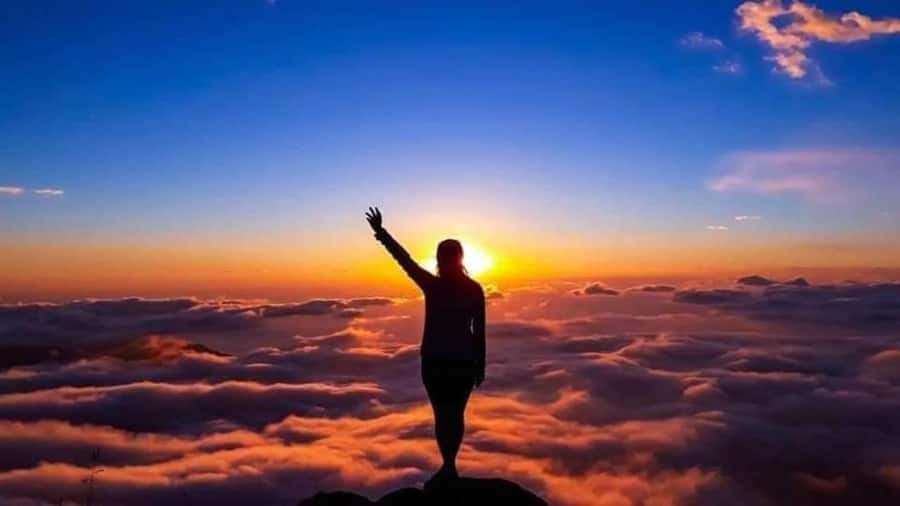
At the viewpoint, you wait for sunrise with a light breakfast. Do not expect a large meal. Think of it as a warm, useful start before the longer walk. One of the strongest parts of the day is this pause, when the mountains begin to appear and the group gets time to adjust to the altitude and temperature.
Sunrise conditions can vary. Clouds, wind, or haze may soften the display, so do not book this solely for a guaranteed dramatic sky. The mountain views remain worthwhile even when the sun does not put on a perfect show.
Afterward, you visit the old chapel of Chataquilla. The chapel is tied to the Jalqa community and gives the day a cultural frame before you head into the mountains. This stop is brief, but it helps connect the route to the people who have long used and cared for the area.
The climb above Tumpeca Valley
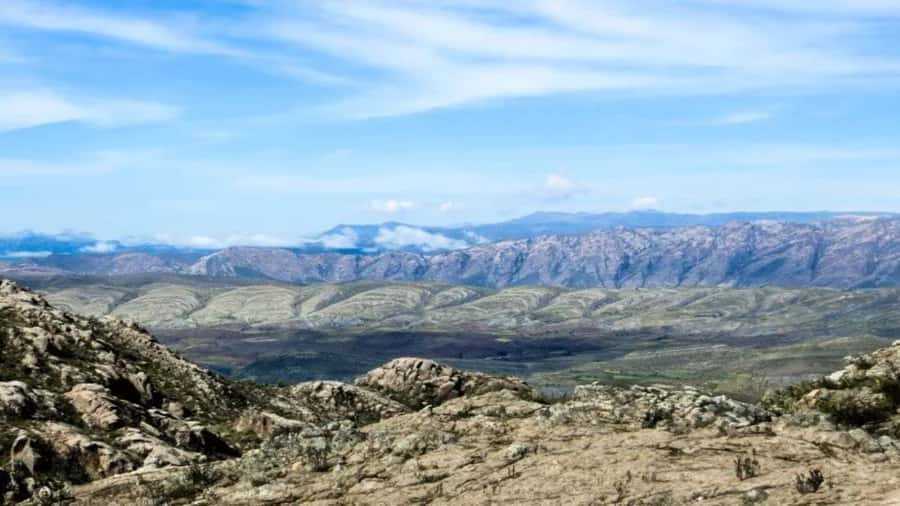
From Chataquilla, the route climbs for about 20 minutes toward a mountain summit. This is not a huge ascent in distance, but the altitude and early conditions matter. Take it steadily rather than treating the first climb like a race.
From the high point, you can look across the Tumpeca Valley, see the Indigenous community of Chaunaca, pick out Maragua Crater, and catch part of Sucre in the distance. This is one of the best moments to understand the scale of the route. The city is behind you, while the valleys and folded mountains open ahead.
The wider hike lasts roughly four hours, according to the experience details and recent timing. You pass geological formations, native plants, and mountain forests. There may be a chance to spot Andean wildlife, but wildlife sightings are not promised. The scenery is the dependable attraction.
I would rate this walk as moderate to demanding rather than casual. The trail requires attention, especially in the first hour and on uneven sections. The route is not suitable for people with mobility impairments, wheelchair users, vertigo, or altitude sickness. It is also not designed for children under 10, and the activity information gives a separate restriction for children under 13, so families should confirm the age rule before booking.
Pumamachay and Incamachay rock paintings
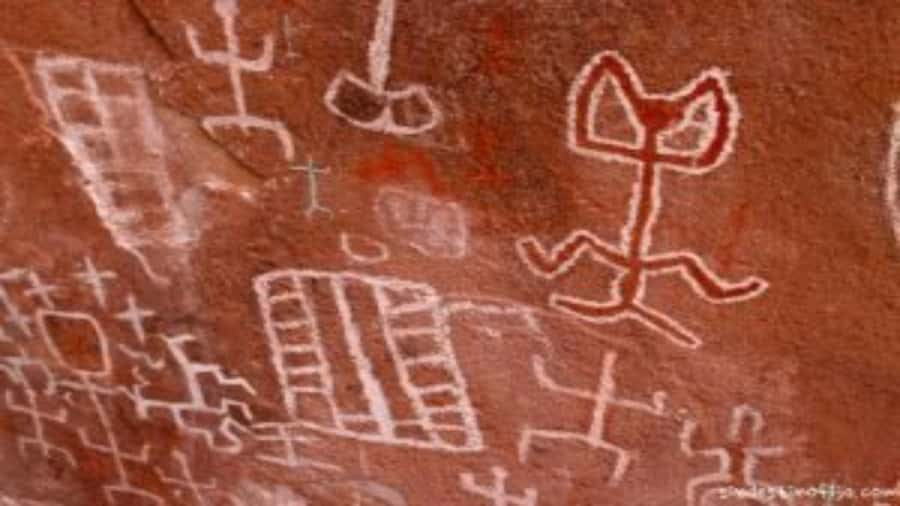
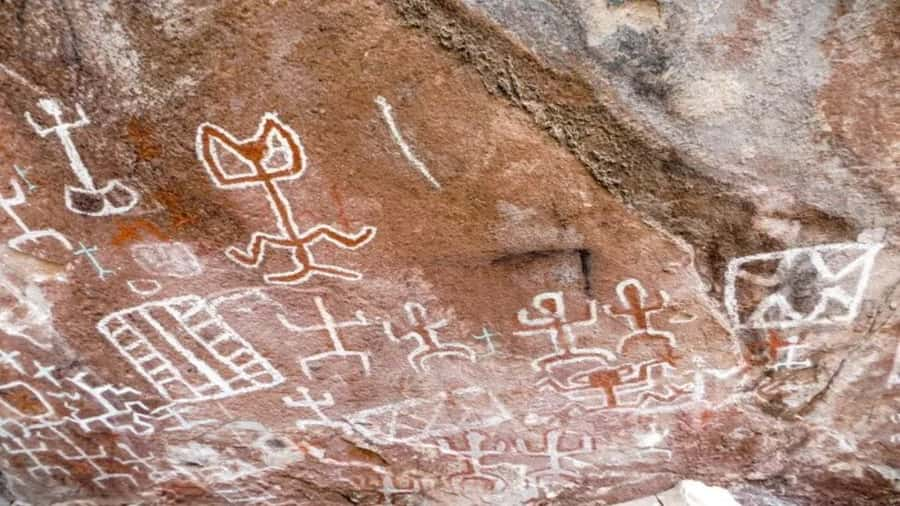
After about two hours of walking, you reach Pumamachay Cave. Its old paintings are the archaeological heart of the day. The images date back thousands of years, and seeing them in their mountain setting gives them a different force than seeing a display behind glass.
Your guide is important here. The paintings are not a quick photo stop if you want to understand what you are seeing. Ask about the figures, the age of the site, and how the cave relates to earlier communities. English and Spanish guiding is available, and guides such as Karina and Manuel have been praised for explaining the day clearly.
The route continues for about 30 minutes to Incamachay, where you see more paintings and traces of ancient settlement. Having two sites makes the archaeological part feel substantial. You also get a useful comparison between locations instead of trying to absorb everything at one cave.
Protect the site by keeping your hands off the rock and following instructions. The information does not promise a museum-style interpretation center, so your guide is likely to be your main source of context. This is one reason a guided visit is more useful than trying to reach the caves independently.
The rock art also breaks up the physical effort. After hours of walking, you get a clear destination and time to stop. Bring your camera, but remember that low light and uneven surfaces can make photography tricky.
A few more volcano trips around the world worth a look
- Reykjavik: Golden Circle Full-Day Tour with Kerid Crater
★ 4.8 · 24,485 reviews - From Naples: Pompeii Ruins & Mount Vesuvius Day Tour
★ 4.3 · 11,459 reviews - Santorini: Volcanic Islands Cruise with Hot Springs Visit
★ 4.4 · 10,869 reviews - Big Island in a Day: Volcanoes Waterfalls Sightseeing and History
★ 5.0 · 6,569 reviews
Tumpeca and a vegetarian lunch near Maragua
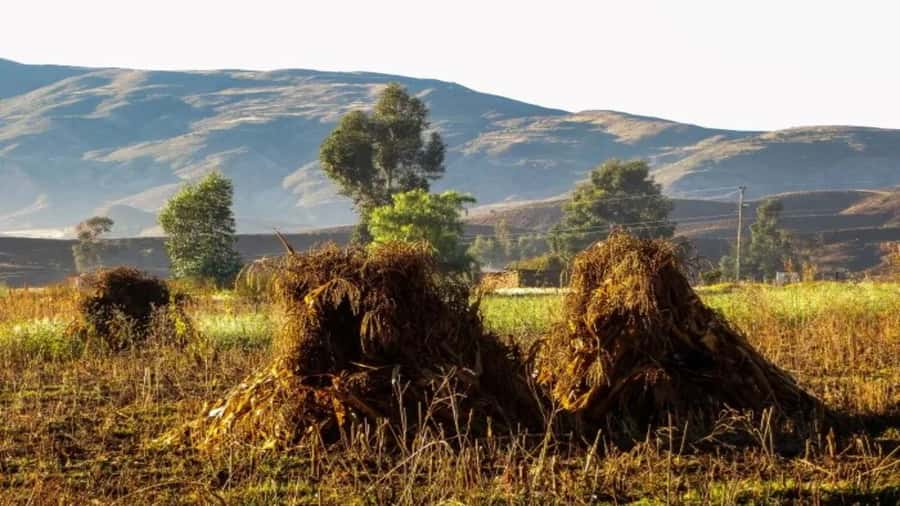
The trail eventually reaches the Jalqa community of Tumpeca, set in a valley near a river. This is a valuable shift from looking at scenery to seeing how local communities fit into the area.
The route information places lunch in Maragua after leaving Tumpeca. The meal is vegetarian and provided as part of the day. It has been described as tasty, though you should not expect a long restaurant meal with a wide menu. If you have allergies or strict dietary needs, raise them in advance.
A particularly nice cultural detail is the possibility of meeting a textile weaver. One person received a bracelet, which suggests that the community contact can be more personal than a quick roadside stop. Still, the exact interaction may vary by timing and local availability. Treat it as a welcome possibility, not a guaranteed performance.
Bring extra snacks. Snacks are not included, and a four-hour hike followed by road travel can leave you hungry. Water is also not included, so carry enough for the entire day. The experience notes specifically recommend water, sunscreen, rain gear, warm clothing, and a waterproof bag.
Reaching Maragua Crater by road
After the walking portion, you travel by jeep or SUV toward Maragua. The provided timing indicates roughly 40 to 45 minutes for one road section, followed by about two hours returning to Sucre. This is where the day becomes easier on your legs but potentially tougher on your stomach.
The roads are not always smooth. If you get carsick, bring the medicine you normally use, as one recent participant specifically advised. The driver has been praised for making the journey feel safe, but comfort and road quality are separate matters. Sit where you can see ahead if possible, keep water close, and use a secure bag for your camera.
The road approach also gives you a different view of the region. Instead of passing through the mountains on foot, you see long folds, colored slopes, and mineral bands from the vehicle. The changing colors are one of the strongest visual features near Sucre. Reds, purples, greens, and other tones may appear in the hills, shaped by the minerals in the rock.
Devil’s Throat and the crater viewpoint
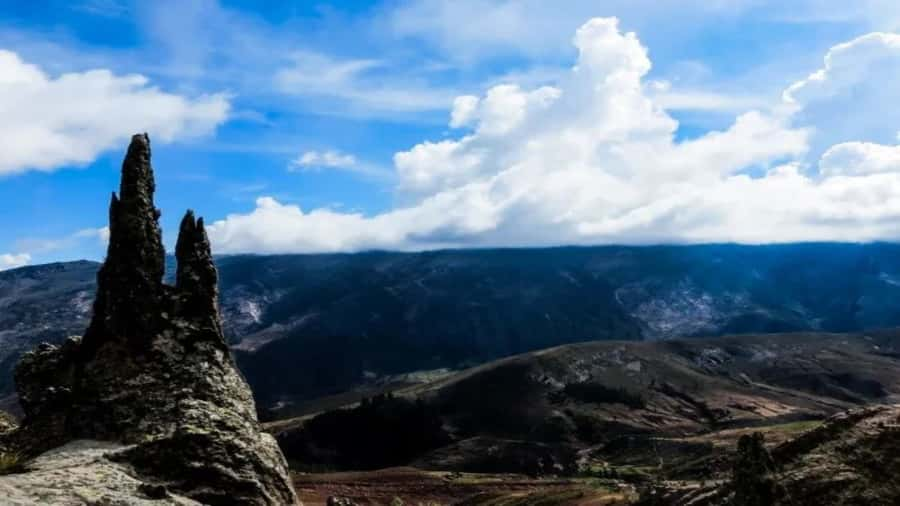
Inside Maragua Crater, you visit the Jalqa community of Maragua and continue to an area called the Devil’s Throat. The name is dramatic, but the feature described here is modest: a small waterfall and a scenic viewpoint.
That modest scale is worth knowing. This is not a giant waterfall or a vast canyon walk. Its value comes from the setting, with water, folded rock, and a broad view gathered in one stop. After the long morning, it makes a pleasant final point of interest before the return drive.
The crater itself is best understood as a geological formation rather than a perfectly round hole in the ground. The surrounding mountains have strong color and unusual folds, and the viewpoint lets you take in the formation without another major hike. You get time for photographs and a final look at the communities and valleys around it.
Some parts of the day depend on weather. Cloud can reduce distant views, rain can make the trail slippery, and wind can make the crater area feel exposed. Pack a waterproof layer even if the morning begins clear.
Transport, timing, and guide quality
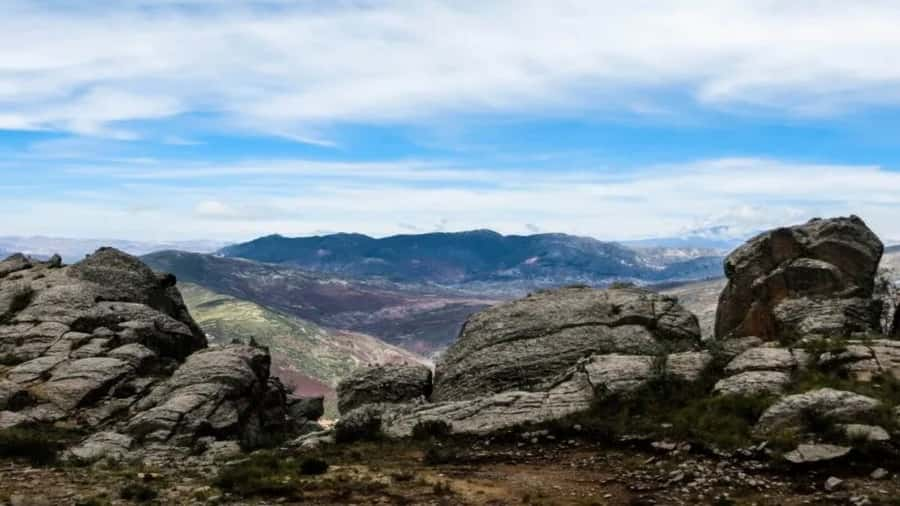
This is a 10-hour day, so your pickup time will be early and your return to Sucre will likely be in the evening. The pace is not frantic, but there is a lot packed into one outing: sunrise, chapel, summit, several hours of hiking, two cave sites, community visits, lunch, the crater, Devil’s Throat, and two road transfers.
A private vehicle is included for transport to and from Sucre. The small-group limit of 12 is useful because the trail stops and cave explanations are easier to manage than in a large bus group. It also allows the guide to keep an eye on the group during the dark opening section.
Guide quality matters on a route like this. Karina has been praised for friendly, professional service and good English. Manuel has also been praised for clear English and for leading a beautiful hike. Don Gabino has been mentioned as a careful driver. Staff assignments can change, so consider these names helpful possibilities rather than guarantees.
The tour is available in English and Spanish. If your Spanish is limited, confirm your preferred language when booking. The activity includes a live guide, not just transport and directions.
What to pack for the Cordillera de los Frailes
The clothing advice is serious. Mornings can be cold, cloudy, and windy, even if Sucre later feels mild. Wear layers that you can remove as the day warms.
You should bring:
- Hiking shoes or sturdy comfortable shoes
- Warm clothing and a hat
- Sunscreen
- Plenty of water
- Snacks
- Rain gear
- A flashlight, even though headlamps are provided
- A waterproof bag for electronics and documents
- Your passport, or a copy
The passport requirement is worth noting because entry tickets are included, but identification may still be requested. Alcohol and drugs are not allowed, and baby strollers are not suitable for this route.
You should also be honest about your fitness and health. Pregnant women, people with altitude sickness, and anyone with vertigo should not book this experience. The early section is not dangerous by definition, but the instructions repeatedly stress caution, and rightly so.
Who should book this experience?
I would choose this trip if you want a full day of active sightseeing and you care about more than a single famous viewpoint. It suits people who enjoy walking, archaeology, geology, and direct contact with local communities.
It is especially good for:
- Hikers comfortable with several hours on mountain trails
- Visitors who want to see rural Chuquisaca beyond Sucre
- People interested in ancient rock art
- Anyone who values small groups and included transport
- English or Spanish speakers who want a live guide
- Photographers prepared for changing light and colorful rock
I would hesitate if you want a relaxed day, dislike early starts, or get badly carsick. The rough roads, cold morning, long duration, and lack of included water make this more demanding than the price and photos may first suggest.
Should you book the Maragua Crater sunrise hike?
Book it if you want the complete Cordillera de los Frailes experience rather than a short crater visit. The strongest features are the combination of sunrise, Pumamachay and Incamachay, Jalqa community contact, mineral-colored mountains, and the small waterfall at Devil’s Throat.
At $105, the included transport, guide, meals, entry fees, and small group make the cost reasonable. Just bring water, snacks, warm layers, and motion-sickness medicine if you need it. If you accept the early start and rough roads, this is one of the more varied day trips you can make from Sucre.
FAQ
How long does the experience last?
The full activity lasts about 10 hours, including pickup in Sucre, the hike, visits to the cave paintings and Maragua Crater, and the return drive.
Is transportation from Sucre included?
Yes. Private transportation to and from Sucre is included. Pickup is arranged at accommodations in Sucre’s historic center.
What languages are available?
The live guided experience is available in English and Spanish.
Are meals included?
A light breakfast is provided while you wait for sunrise, and a vegetarian lunch is included near Maragua. Water and snacks are not included.
Do I need hiking equipment?
You should bring comfortable or hiking shoes, warm clothing, sunscreen, rain gear, and a flashlight. Headlamps are provided for the initial part of the hike.
Is the hike suitable for everyone?
No. It is not suitable for children under the stated age limits, pregnant women, people with mobility impairments, wheelchair users, people with vertigo, or people with altitude sickness. You should also be prepared for cold, wind, uneven trails, and several hours of walking.
Just added around the world
- Guided Visit to the Crater and Volcano of Lagoa das Sete Cidades★ 4.5 · 38 reviews
- Lagoa do Fogo: Biologist-guided Volcano Geo Tour +hotsprings bath★ 5.0 · 26 reviews
- São Miguel Azores: Explore the dramatic crater of Sete Cidades★ 5.0 · 44 reviews
- Full Day Private Tour in Furnas Valley Breath of the volcano★ 5.0 · 2 reviews
- Quad & Buggy Sete Cidades Crater Tour – 4×4 – Half Day★ 5.0 · 73 reviews
- Full-Day 4×4 Tour to Sete Cidades Volcano★ 5.0 · 12 reviews
- Azores: 1 Day Private Tour Furnas Volcanic Activity & Hot Springs★ 5.0 · 2 reviews
- San Miguel: Boat Tour – Volcanic Wonders, Caves & History★ 5.0 · 44 reviews
Volcano Sunrise Tours, compared.
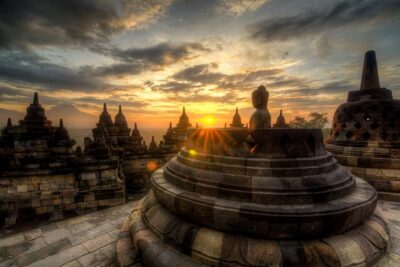
Borobudur Sunrise from setumbu Hill , Merapi Volcano & Prambanan Full Day Tour
Our review of it →
Mount Batur Sunrise Trekking Private All Inclusive
Our review of it →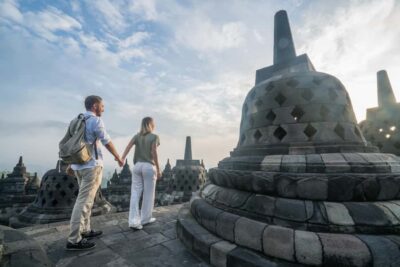
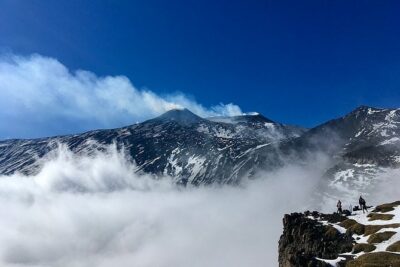
Borobudur Sunrise, Merapi Volcano & Prambanan Full Day Tour
Our review of it →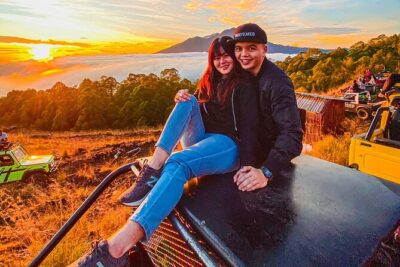
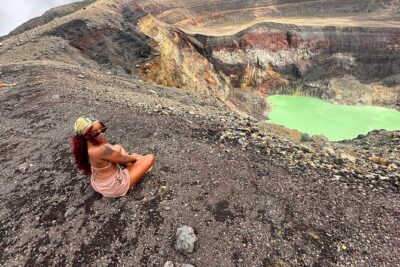
Santa Ana Volcano Tour: Beat the Crowds on an Early Morning Hike!
Our review of it →
Ijen Volcano Sunrise Hike with Transfer & All Fee
Our review of it →
Bromo Sunrise & Ijen Volcano with Bali Drop-off
Our review of it →Browse the lists this tour appears in